Al Khor
Al Khor, Qatar
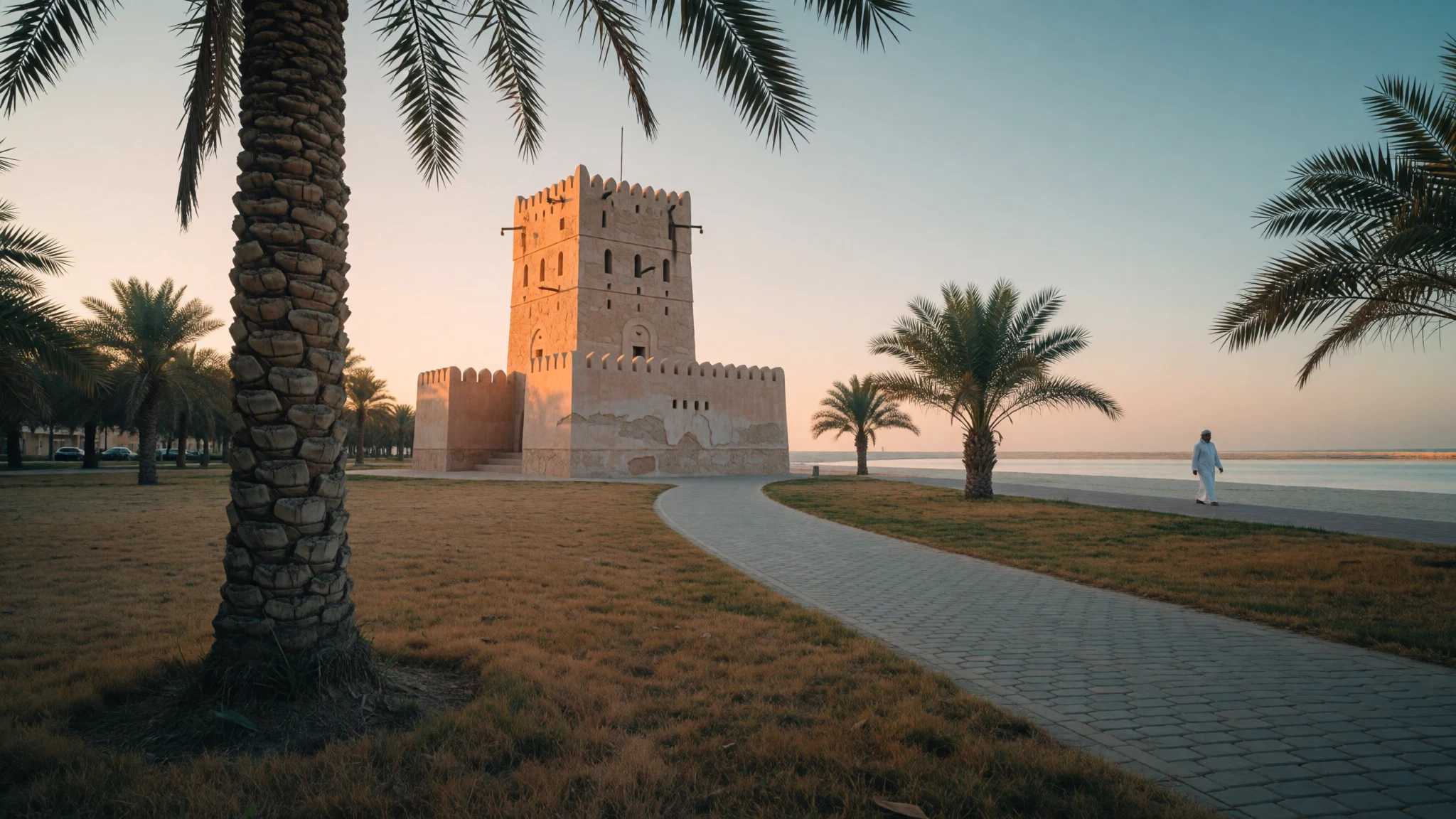
Al Khor is a quiet creek town north of Doha, where dhows still go out to fish and old Qatar survives beside the gas industry.
The place
Al Khor is a coastal town in northeast Qatar, about 50 km north of Doha, and it is easiest to understand as a creek rather than a city. The Arabic name means exactly that: a sheltered inlet. The settlement grew around a tidal channel, and the bay it overlooks is protected from the open sea by a gap about 750 metres wide at its southern end. Inside the bay lies Al Khor Island, also called Purple Island, which is reached on foot through mangroves. The population is 31,547 and the town sits about 10 metres above sea level, so the ground is flat and low, with the corniche, the dhow harbour and the fish market all within a short drive or a hot walk of one another.
Fishing and pearling shaped the place for generations. Today much of the working life comes from the gas and oil fields to the north and from Ras Laffan Industrial City, so the streets hold a large community of workers from South Asia, the Philippines and the wider Arab world alongside Qatari families. That mix shows in the eateries and grocery shops along the main road. The mood is calm and unhurried compared with Doha, and visitors are few. The Al Bayt Stadium nearby hosted the semi-final between France and Morocco during the 2022 FIFA World Cup, which brought the town briefly onto a wider stage. Heat is the main practical fact: from April to October the middle of the day is punishing, and the town is at its best in the cooler months of November to March, near the water, in the morning or at dusk.
Its story
Al Khor has an origin story that people still tell in several versions. According to oral tradition, the town was founded around the middle of the 18th century by members of the Al Muhannadi tribe, who moved from their earlier home at Al Khuwayr on Qatar's northeast coast. In the most repeated telling, two tribesmen went looking for missing camels and instead came upon a spring of fresh water in a hollow below a rise of ground. That place became known as Ain Hleetan. A variant swaps the camels for a hare that the two cousins were chasing. Either way, the same exploration turned up a shallow tidal creek where boats could be moored, and the combination of drinking water and a safe harbour persuaded the wider tribe to settle.
The naming was less settled than the founding. Early on the place went by more than one name, including one honouring the founding tribe and another, Khor Al Shaqiq, that referred to the cut made in timber when shaping sailing boats, a craft for which the settlement was known. The boatbuilding name was the one used most, and it lasted into the middle of the twentieth century before the plainer Al Khor took over. Fishing and pearl diving carried the community through the following generations, and the old watchtowers, the dhow harbour and the spring at Ain Hleetan remain as reminders of that life. The later arrival of gas industry work to the north changed the town's size and population but not the creek itself.
What to see
- Al Khor Museum — Seafront, Al Khor town
This small museum faces the seafront, and its upper floor gives a good view over the harbour. The displays cover archaeological finds from the Al Khor area, ranging from the Neolithic to the Bronze Age. It is a sensible first stop for context. Check the official listing for opening times before going.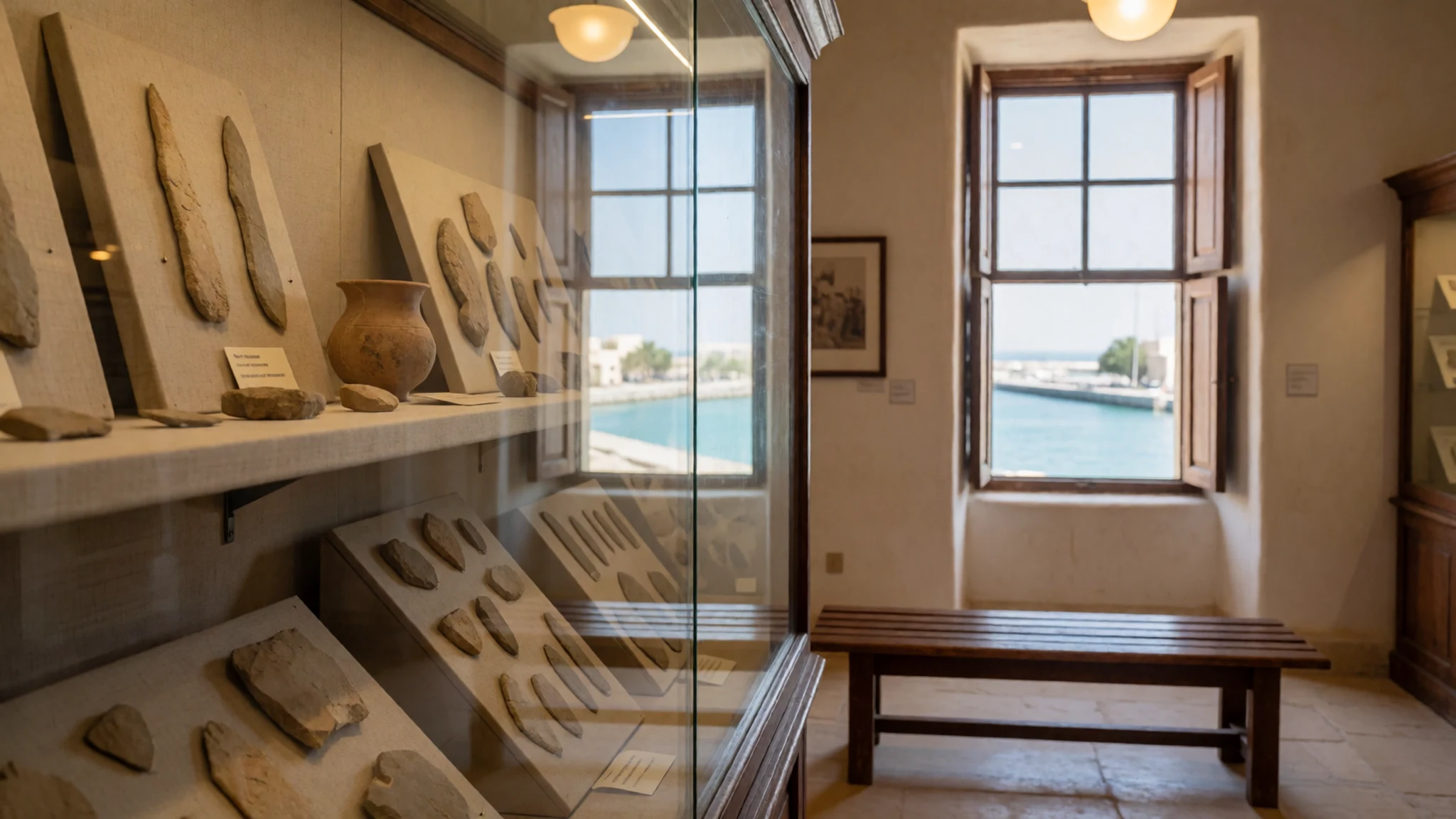
- Dhow harbour — Harbour, Al Khor town
Traditional wooden dhows still work from this harbour, though their sails were replaced long ago by diesel engines. Mornings and late afternoons are the best times, when boats come and go and crews tidy nets. It is a plain working harbour rather than a polished attraction, which is much of its appeal.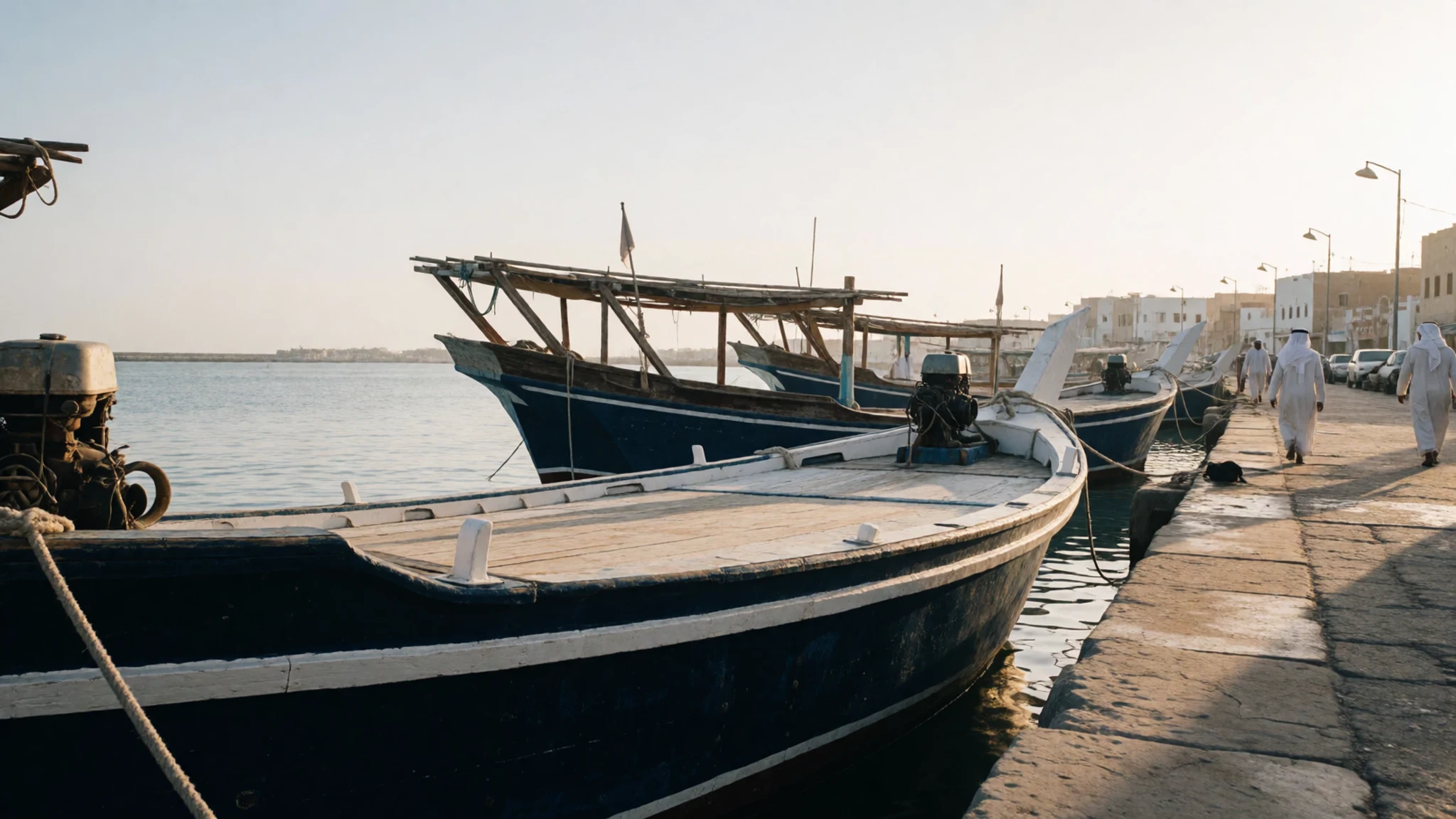
- Fish market — Near the harbour, Al Khor town
The fish market is the place to see the day's catch laid out and to buy fresh seafood if you have somewhere to cook it. It is busiest in the morning and quietens as the heat builds. Expect a working, slightly wet floor, and bring small change.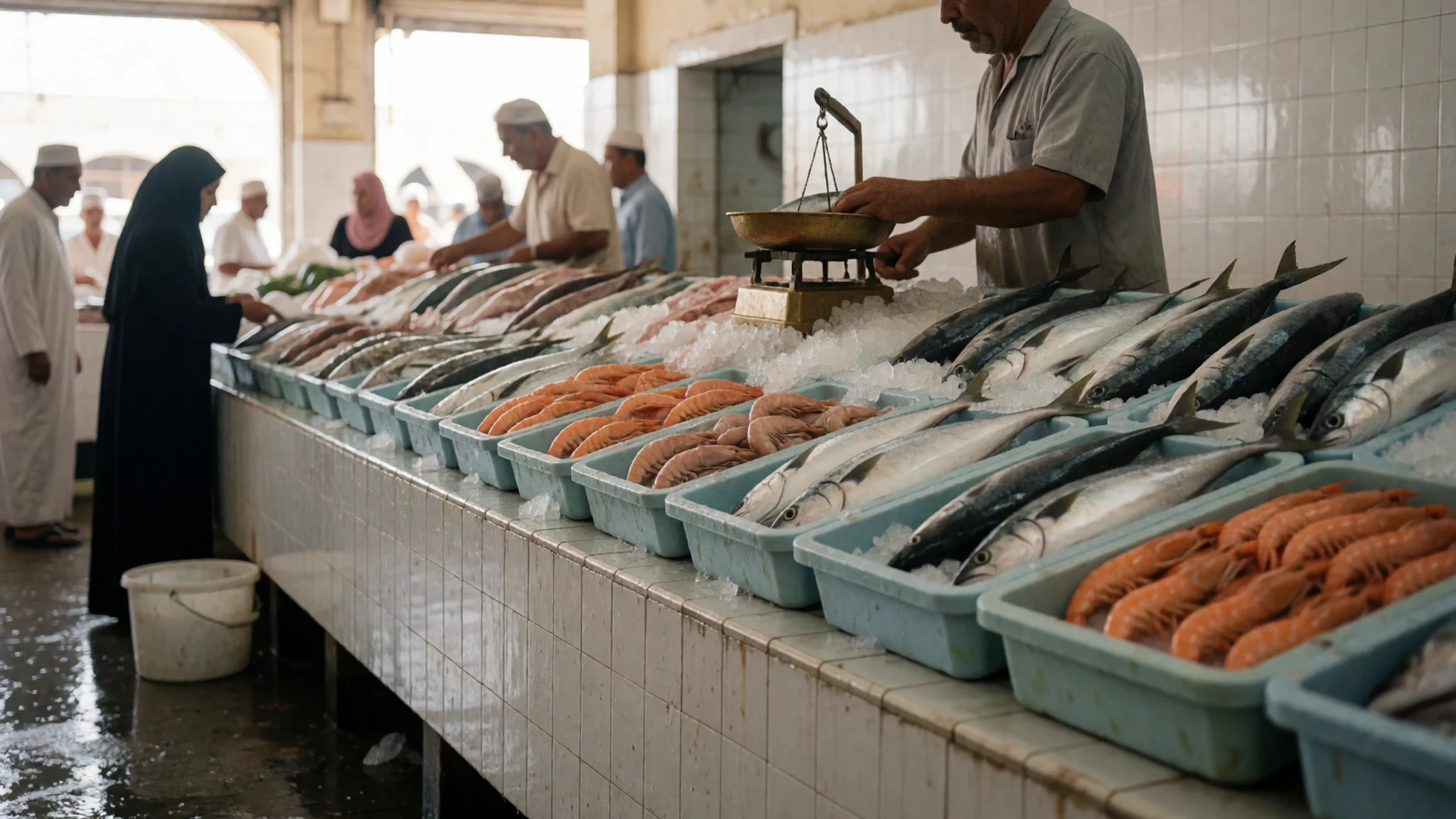
- Watchtower and Corniche — Corniche, Al Khor town
A defensive watchtower, dating from 1900 and now fully restored, stands in a small park above the corniche and beach. It is a pleasant spot for a short walk and a view along the water. A second watchtower lies along the North Road for anyone with a car.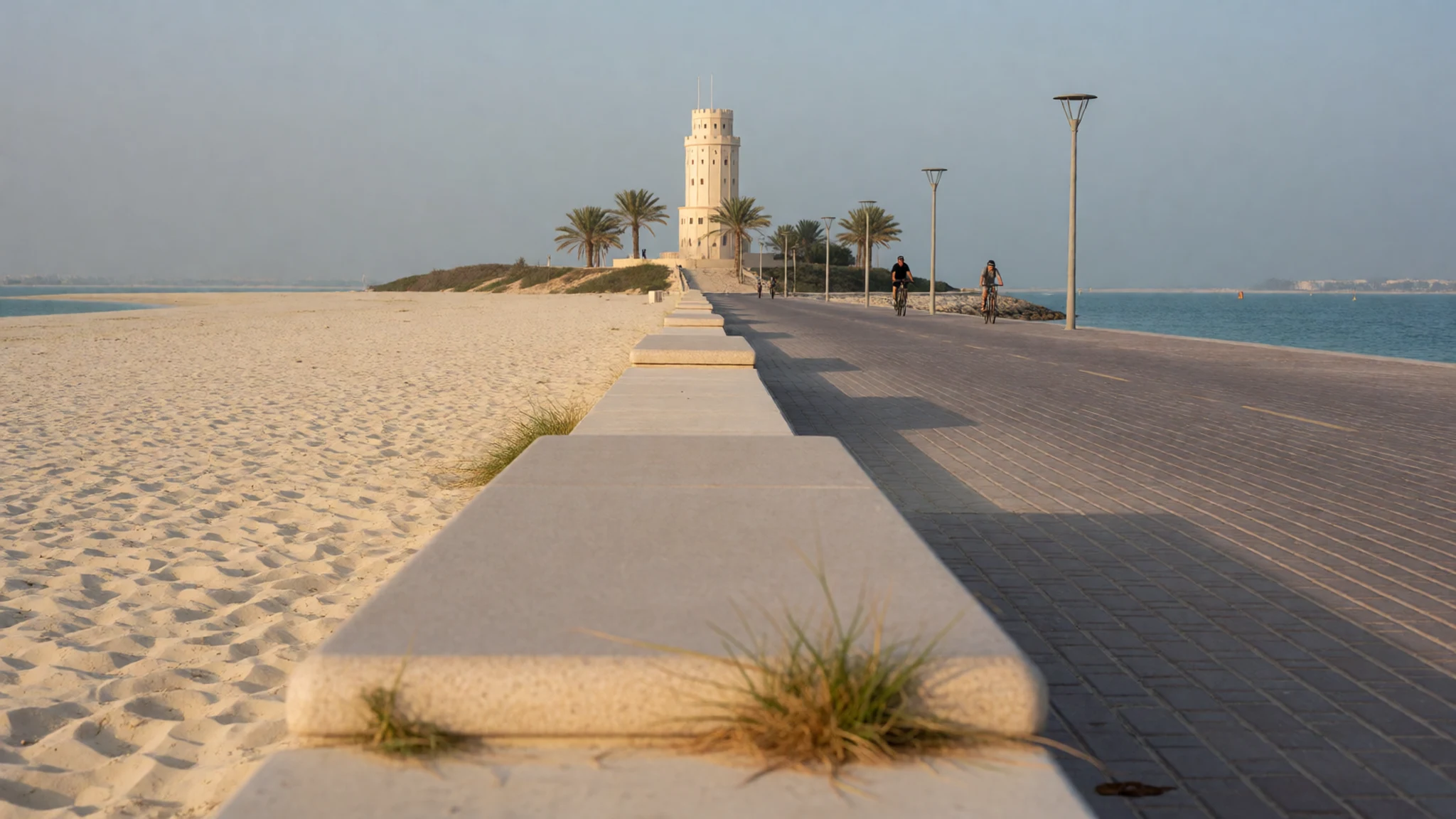
- Purple Island — Northeast of the town
Purple Island, also known as Al Khor Island, is linked to the mainland by an earthen walkway through mangroves. Human activity here goes back around 6000 years, and it is an archaeological site as well as a quiet spot for birds and views. Go in cooler weather and wear sturdy shoes.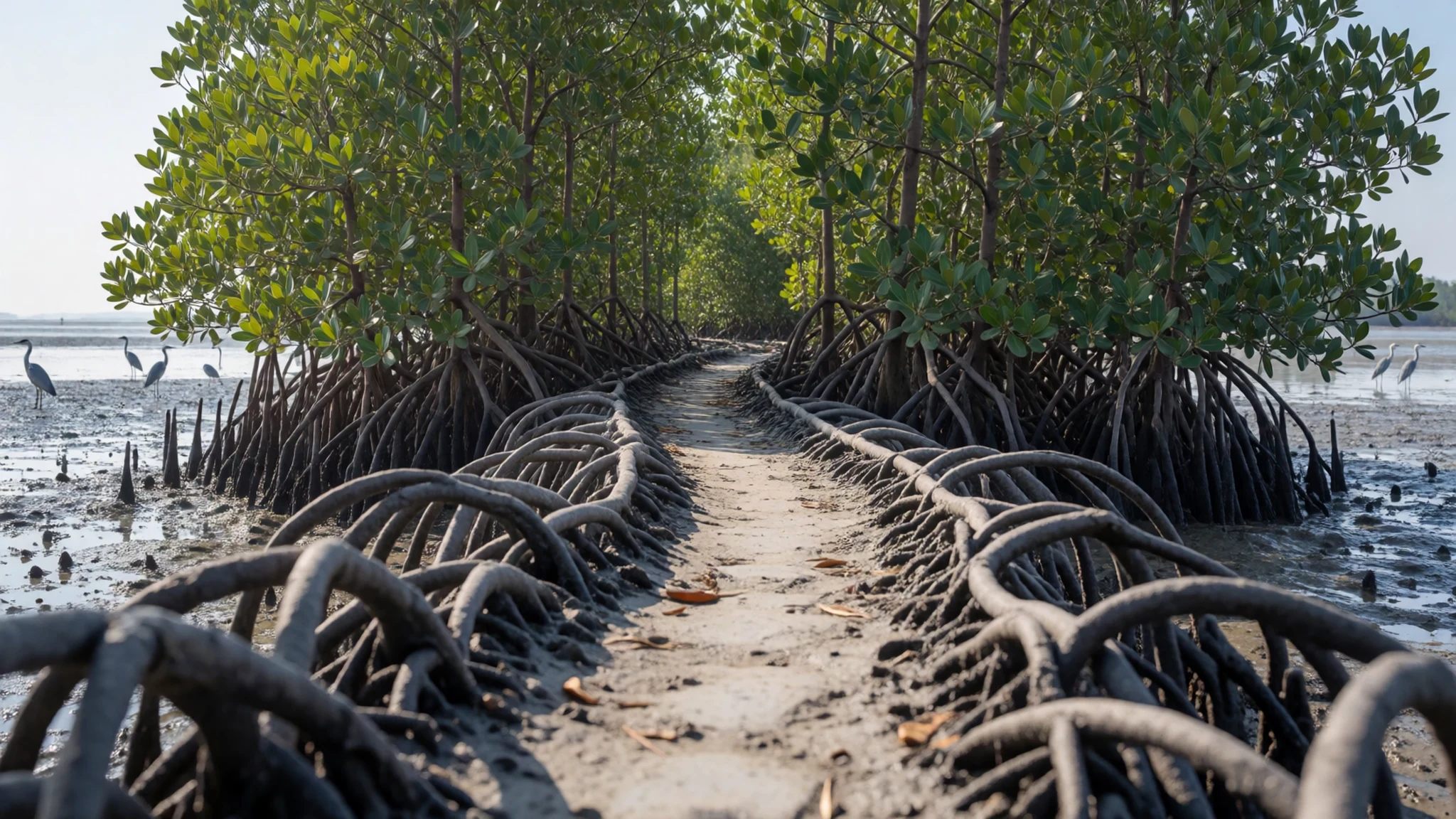
- Simaisma Mosque — Simaisma, south of Al Khor
This small mosque south of Al Khor was built in 1938 from coral rock and sun-baked mud, the materials of the old coast. It is a modest, weathered building and a good example of local construction. Treat it as a quiet stop, and do not enter a mosque without checking that visitors are welcome.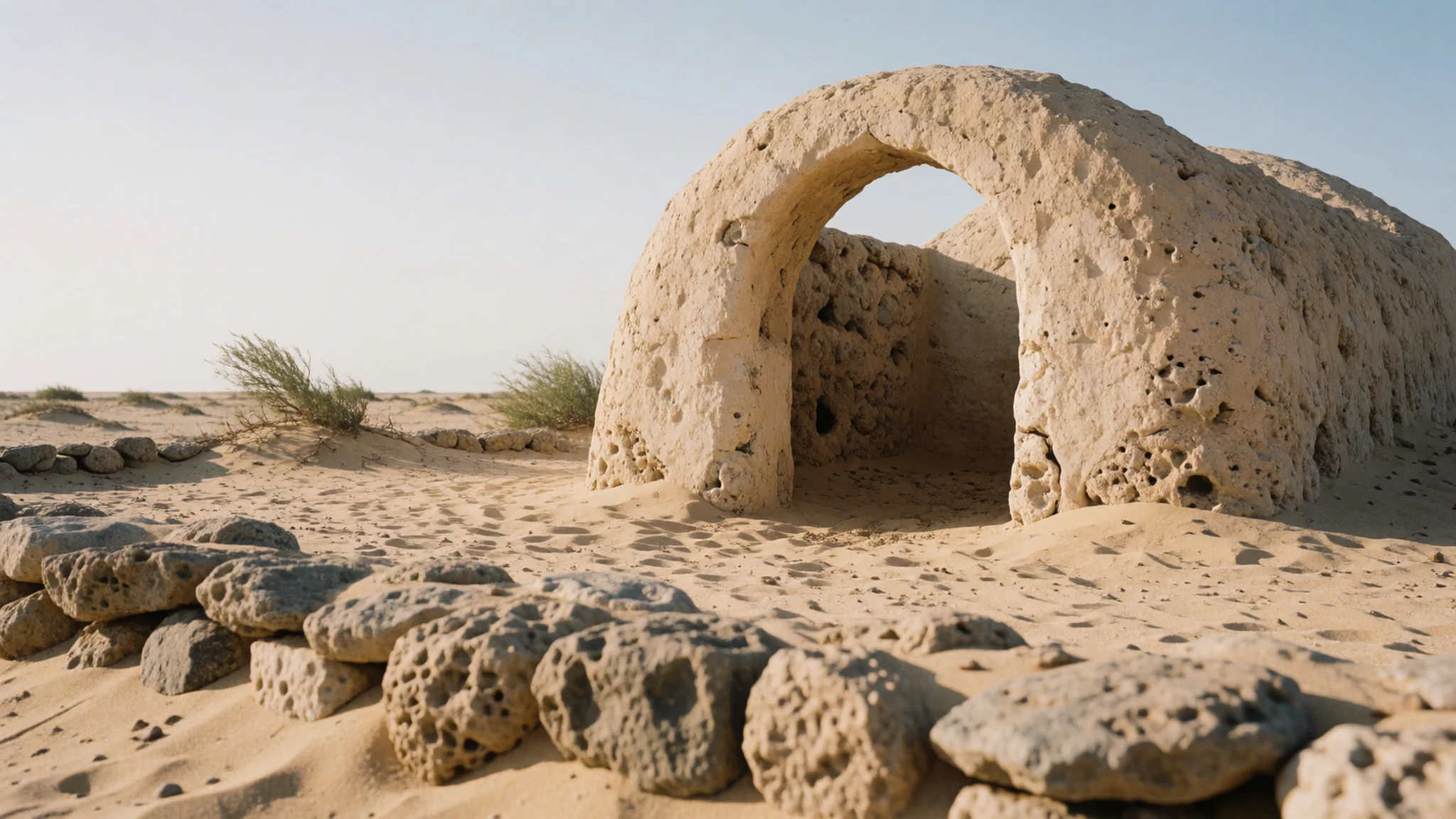
Culture
Al Khor has the social habits of a Gulf fishing town that grew into a modern working one. Family and tribe still matter, with the Al Muhannadi name tied closely to the town's founding, and the pace of life follows prayer times, the heat and the working week. Weekends are generally Friday and Saturday, and Friday mornings are especially quiet.
The town's cultural life took shape in the twentieth century. Three social and cultural clubs—Al Ittihad, Al Asifah and Al Kifah—had been established by the 1960s. They staged plays, often on social themes, and organised amateur football matches. In 1982 the government set up Al Khor Cultural Center to record and protect local heritage. A separate women's section followed in 2006, with its own library, workshops and trips to heritage sites.
The sea remains central to identity. Dhow building, net mending and fishing are still part of daily talk, and the old watchtowers and the spring at Ain Hleetan are points of local pride. Alongside this, the town is home to many migrant workers, so languages, food and festivals from South Asia and elsewhere are part of ordinary street life, especially around the shops on the main road.
When photographing, ask before pointing a camera at anyone, particularly women and families, and avoid photographing workers at the gas facilities or other industrial sites.
What to wear
Al Khor follows the dress traditions of Qatar and the wider Gulf. Qatari men traditionally wear the thobe, a long, loose robe, usually white and made of cotton, with a ghutra, a square head cloth held in place by a black cord called an agal. In cooler months a bisht, a light cloak of wool or similar fabric, may go over the top for formal occasions. Women traditionally wear the abaya, a long black over-garment, with a shayla or similar headscarf. Older generations sometimes wear a battoulah, a stiff face covering associated with the Gulf coast.
Day to day, much of this is still what people actually wear. Qatari men wear the thobe to work and in public, while many women wear abayas, often in black but sometimes with embroidered edges or in other colours. Migrant workers in Al Khor dress for their jobs and climate, in work clothes, shirts and trousers, or the clothes of their home regions.
Visitors should dress modestly. Shoulders and knees covered is a sound rule for both men and women, and light cotton or linen suits the heat and sun. Women do not need to cover their hair unless entering a mosque where this is requested. Wear sandals or trainers that can handle sand, shells and uneven ground, particularly for the mangrove walkway at Purple Island. A hat, sunglasses and sun protection matter more than fashion here, and a light layer helps against strong air conditioning indoors.
What to eat
- Grilled fresh fish — Eateries near the dhow harbour and fish market
Fish bought at the harbour is often grilled or fried with spices and served with rice and lemon. Ask at harbourside eateries and local seafood places what came in that morning. Hammour, a common Gulf reef fish, is a typical choice.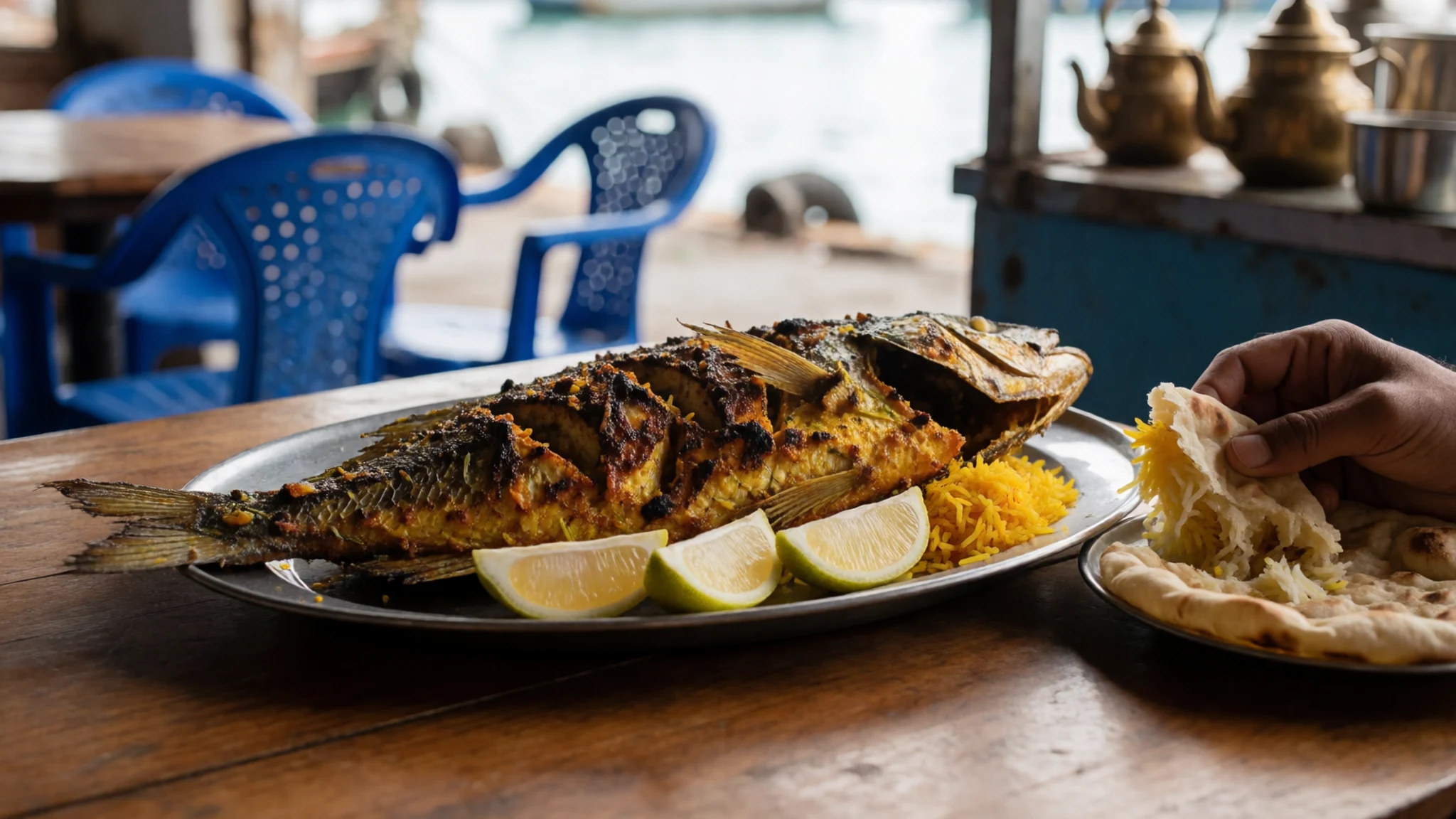
- Machboos — Arabic family restaurants along the main road
Machboos is a spiced rice dish cooked with chicken, lamb or fish, flavoured with dried lime, onion and warm spices. It is a Gulf staple and a good test of a place's home cooking. Look for it at family-style Arabic restaurants.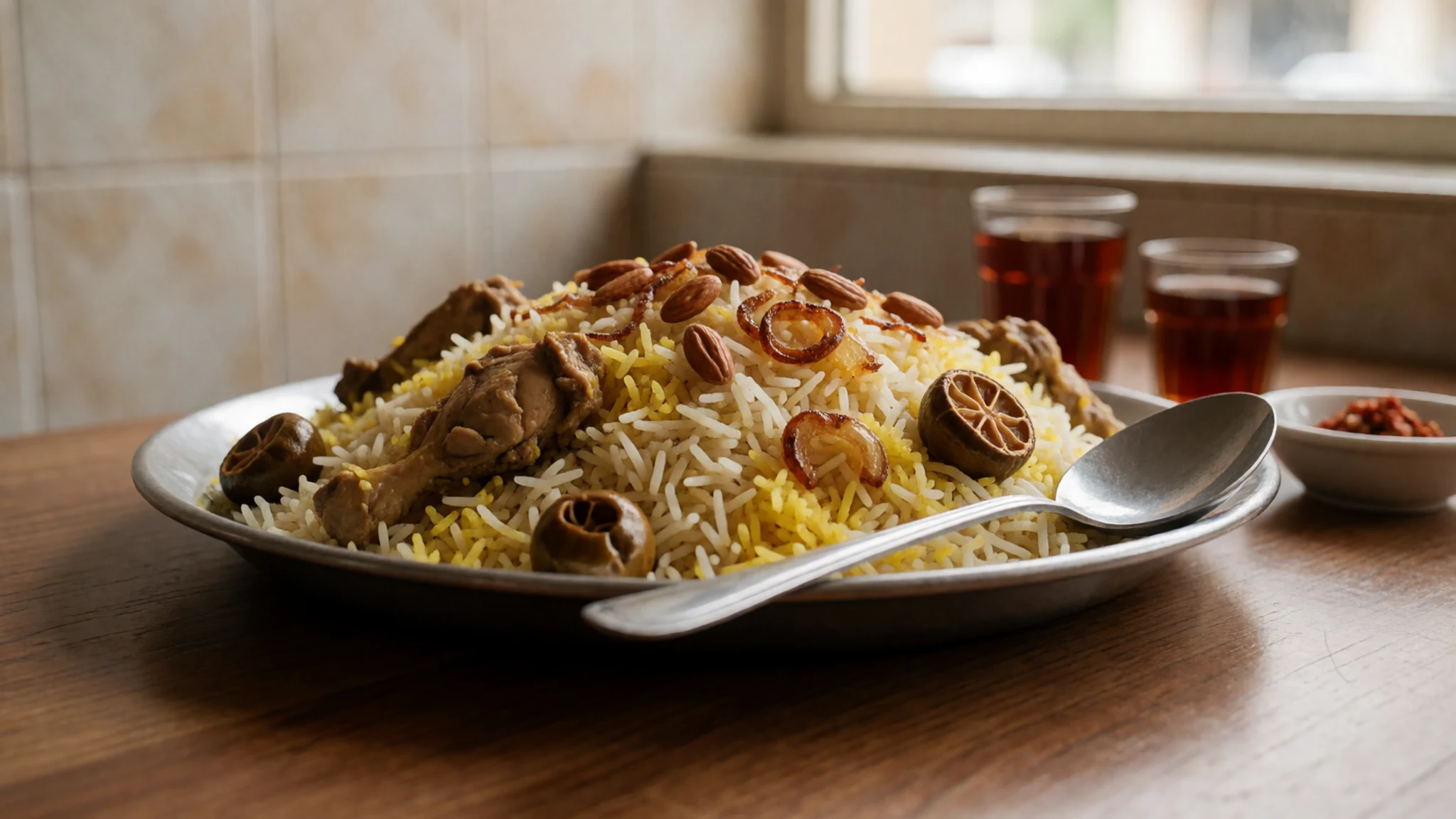
- Karak chai — Small cafeterias and tea counters across town
Karak is strong tea boiled with milk, sugar and cardamom, drunk everywhere in Qatar. It is the usual stop on a hot afternoon, served in small cups at counters and from roadside windows, often with a savoury snack on the side. - South Asian and Filipino meals — Small eateries and the food court at the mall
With so many workers from India, Pakistan, Nepal and the Philippines, the town has plenty of inexpensive eateries serving biryani, curries, flatbreads and Filipino rice dishes. These are among the most reliable and varied meals in Al Khor. - Luqaimat — Cafés and sweet counters; busiest during Ramadan
Luqaimat are small fried dough balls, crisp outside and soft inside, usually drizzled with date syrup. They are a traditional Gulf sweet, often eaten with Arabic coffee, and turn up at cafés and during festivals and Ramadan evenings.
Plan it
Best time. November to March, when days are warm rather than fierce and evenings are pleasant for the corniche and the island. From late spring to early autumn the heat and humidity are heavy, so keep outdoor plans to early morning or after sunset.
How long. 1–2
Getting there. Fly into Hamad International Airport in Doha, then travel about 50 km north by road, which takes roughly 45 minutes by car or taxi. A public bus runs from Al Ghanim Bus Station in Doha to Al Khor, but service changes happen, so confirm the route and times with Mowasalat before travelling.
Budget. mid
Tips
- Start at the harbour and fish market in the morning, before the heat and while the boats are active.
- Carry water and sun protection, especially for Purple Island, where there is little shade.
- Hire a car or taxi if possible, since sights such as Simaisma Mosque and the second watchtower are spread out.
- Check the official listings for museum opening times, as they can change around prayer times and holidays.
- Carry some cash for the fish market and small cafeterias.
Etiquette
- Dress modestly, with shoulders and knees covered, in town and at any heritage site.
- Ask before photographing people, especially women, families and workers.
- Be quiet and respectful near mosques, and enter only where visitors are clearly welcome.
Nearby
Sources
- Wikidata Q311717 (CC0)
- Wikipedia, Al Khor (city), rev 1385672663 (CC BY-SA 4.0)
- Wikivoyage, Al Khor, rev 5388846 (CC BY-SA 4.0)
- Vincent van Zeijst, Qatar, Al Khor (19) (CC BY 3.0)
- Still ePsiLoN, Noon in Al Khor, Qatar (CC BY 2.5)
- Codas, Houses near Corniche of Al Khor (CC BY-SA 4.0)
- Saadiwashere, HAR4161-4 (CC BY-SA 4.0)
- AnupCherian, Tunnel Cascade (CC BY-SA 4.0)
- Qatari czech, HAR3552-2 (cropped) (CC BY-SA 4.0)
- Suresh Babunair, Persian Gulf seen at Al Khor, Qatar (CC BY 3.0)
- Still ePsiLoN, Al Khor, The Old Mosque 4 (CC BY 2.5)


