Zorats Karer
Zorats Karer, Armenia
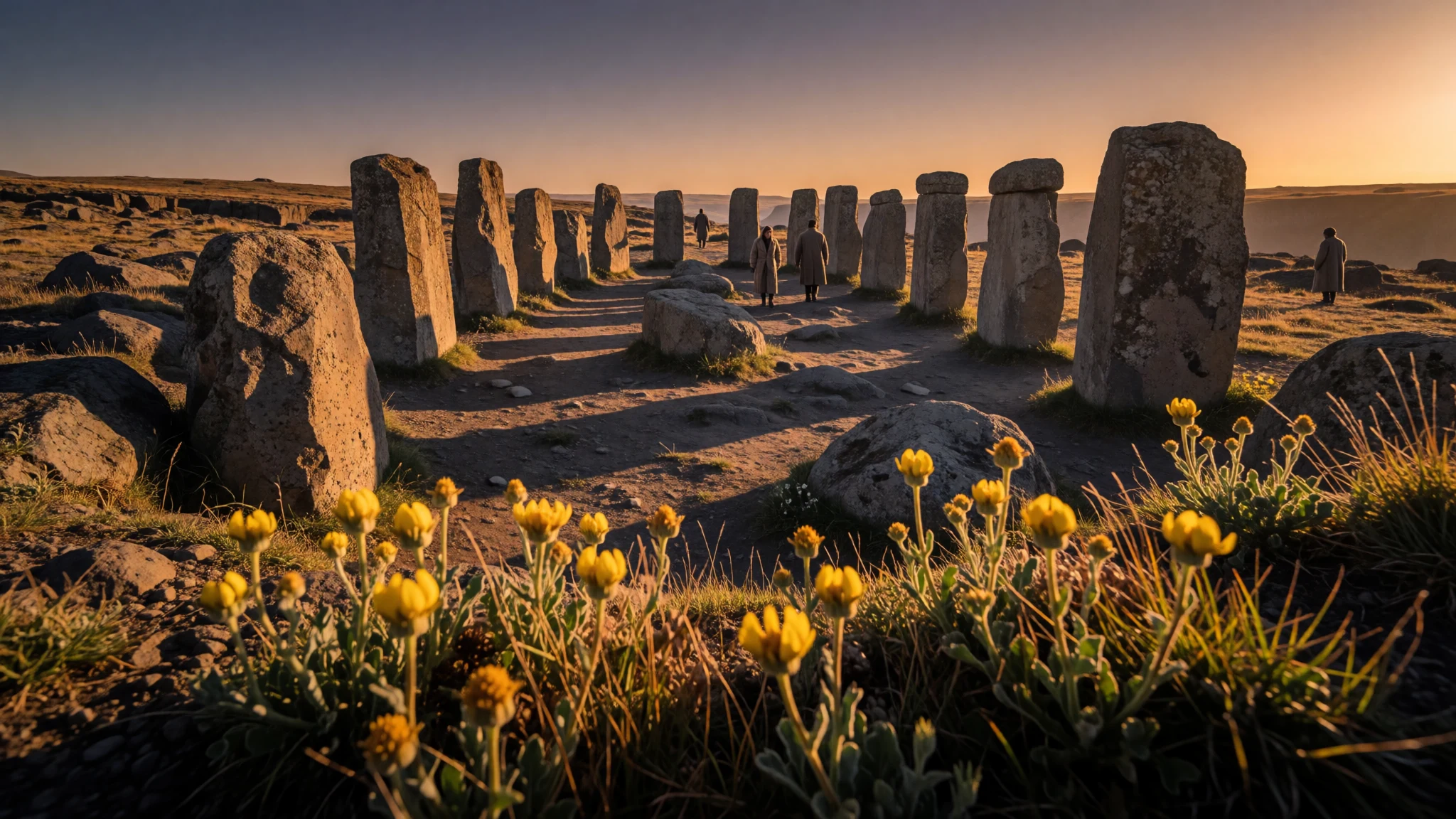
Visit this enigmatic prehistoric site to explore ancient megaliths and the mysterious carved holes that hint at early astronomical observations.
The place
Zorats Karer is a prehistoric archaeological site located on a high mountain plateau near the town of Sisian in Armenia's Syunik Province. Often called the Armenian Stonehenge by those visiting from abroad, the site consists of large, weathered stones arranged in overlapping ovals. The landscape here is rugged and windswept, situated on a rocky promontory overlooking the canyon of the River Dar. Because it sits at a significant altitude, the air is crisp and the environment feels isolated from the bustle of the capital, Yerevan.
Visitors will find a collection of menhirs, some of which feature small, circular holes carved into their upper sections. These apertures have led to various theories regarding their purpose, ranging from defensive structures to sophisticated solar observatories. The site occupies a relatively small area, but its stark presence against the rolling hills of the plateau creates a powerful atmosphere of antiquity. Unlike more manicured European monuments, Zorats Karer retains a raw, unpolished quality that makes the prehistoric effort feel immediate. The surrounding region is defined by the Vorotan river system, and the local weather in Sisian is generally cooler than in the lowlands, making the plateau a refreshing, if breezy, destination for those exploring the southern highlands.
Its story
The story of Zorats Karer is one of enduring mystery and shifting interpretations. For generations, the local people knew these stones by various names, including Karahunj and Dik-Dik Karer, often associating them with ancient military encampments or legendary gatherings. The site represents a deep layer of human history in the Armenian highlands, where prehistoric communities sought to mark the land or track the movements of the heavens. The most intriguing feature remains the holes bored into the stones, which some researchers believe were used to observe the sunrise or sunset during specific seasonal transitions.
While the exact date of construction remains a subject of academic debate, the site reflects a time when humans began organising their world through monumental architecture. It is not a polished temple but a rugged collection of boulders that suggests a communal effort to align the earth with the sky. The stones have stood through millennia of wind, snow, and political upheaval, remaining largely undisturbed until modern archaeological interest brought them to global attention. Today, the site serves as a bridge to a forgotten era, inviting a sense of wonder about the people who hauled these massive rocks into place. It is a place where the silence of the plateau allows the imagination to fill the gaps left by the missing records of the prehistoric past.
What to see
- Zorats Karer Megaliths — the rocky promontory near Sisian
The primary attraction consists of overlapping ovals of massive standing stones. Many of these boulders feature carved holes in the top, leading to theories that the site functioned as an ancient observatory for tracking celestial bodies. It is a raw, open-air experience on a high plateau.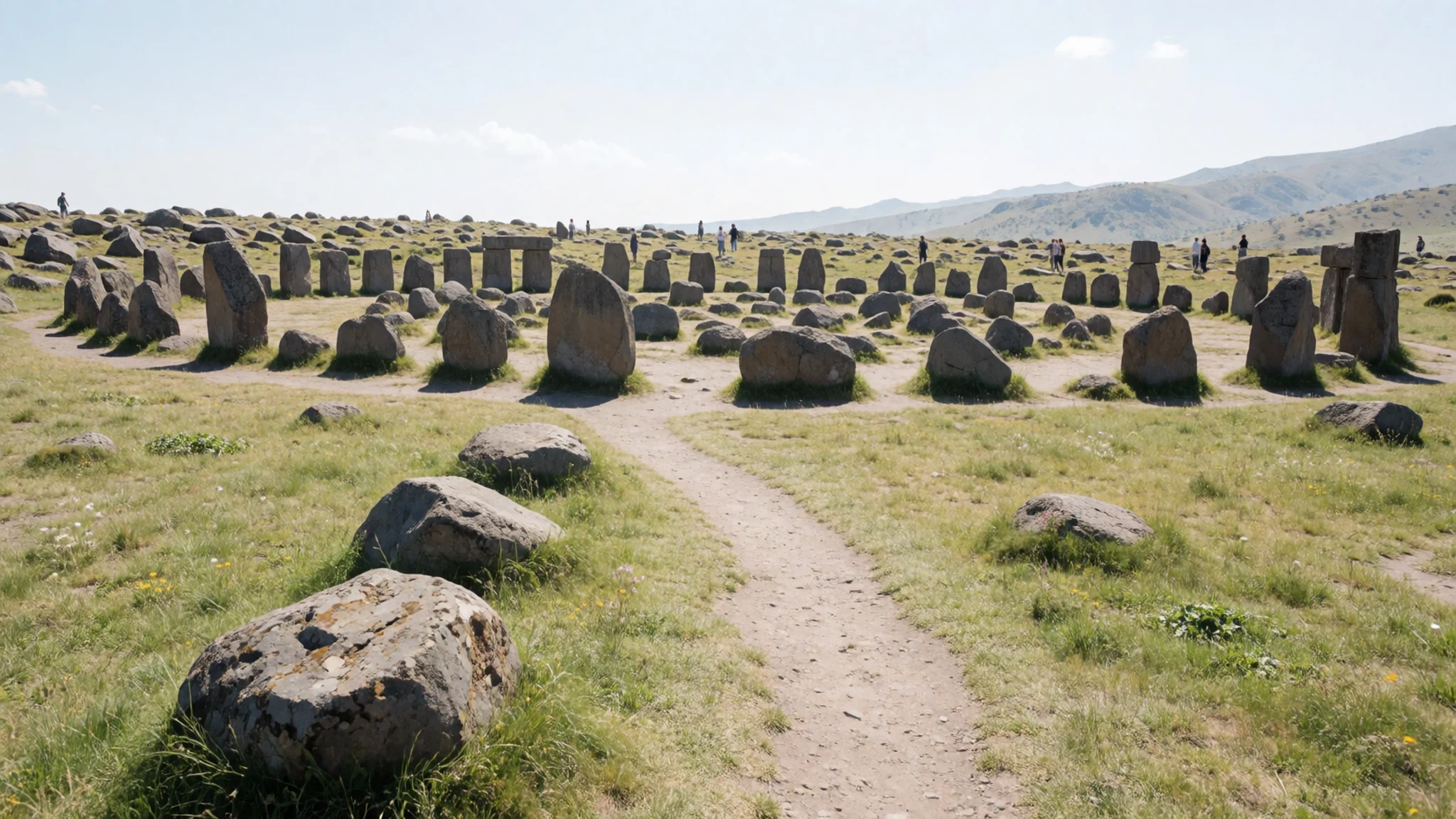
- Ughtasar Petroglyphs — the Ughtasar mountain plateau
High on a mountaintop, these boulders are covered in ancient carvings depicting hunting, dancing, and animals. These images provide a glimpse into the daily lives and spiritual beliefs of people from thousands of years ago, scattered across the rocky terrain.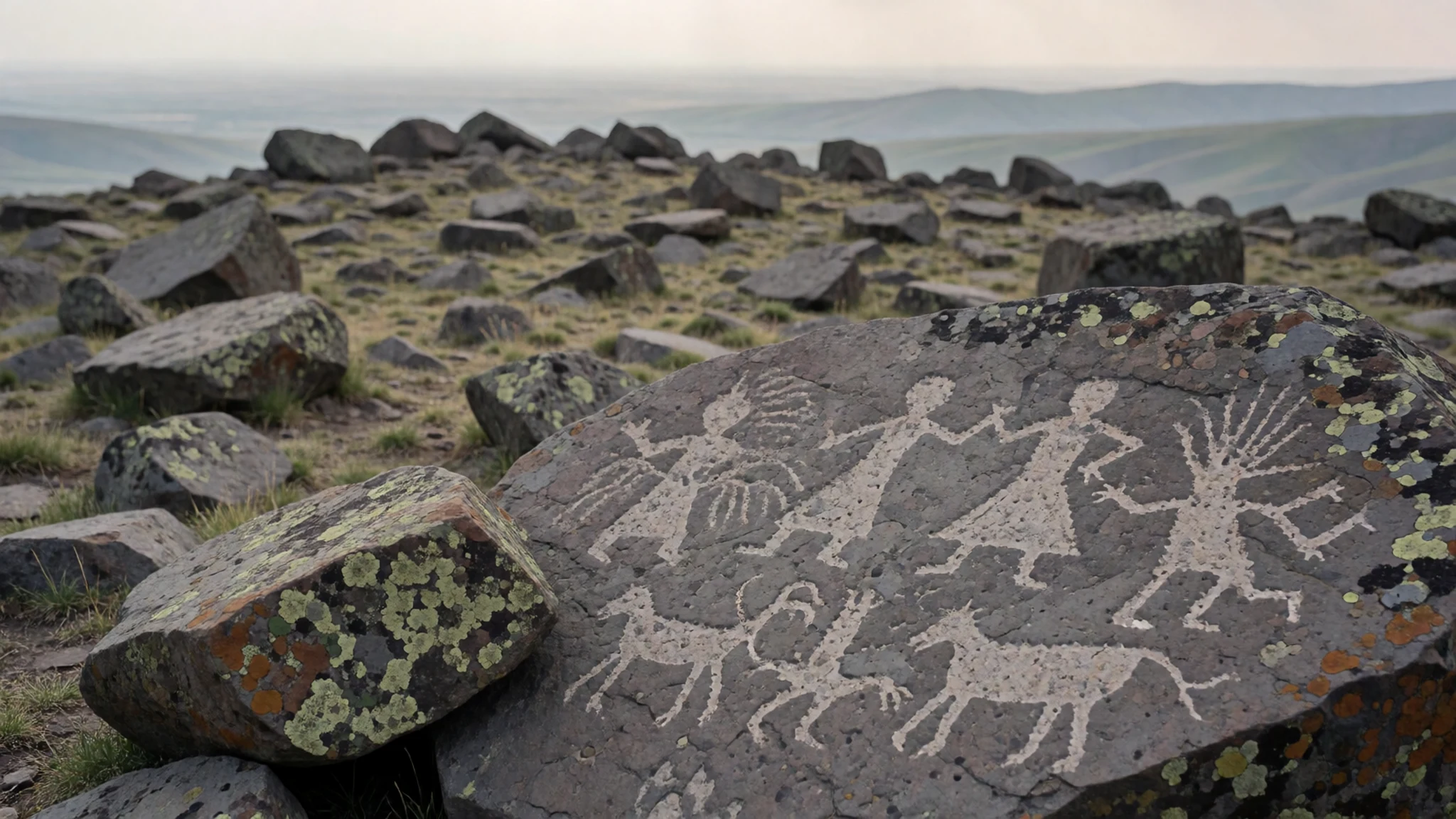
- Sisian History Museum — Sisian town centre
This museum houses a diverse collection of ethnographic and archaeological finds, including ancient pottery, traditional rugs, and national costumes. It is an excellent place to understand the broader historical context of the Syunik Province and the surrounding highlands.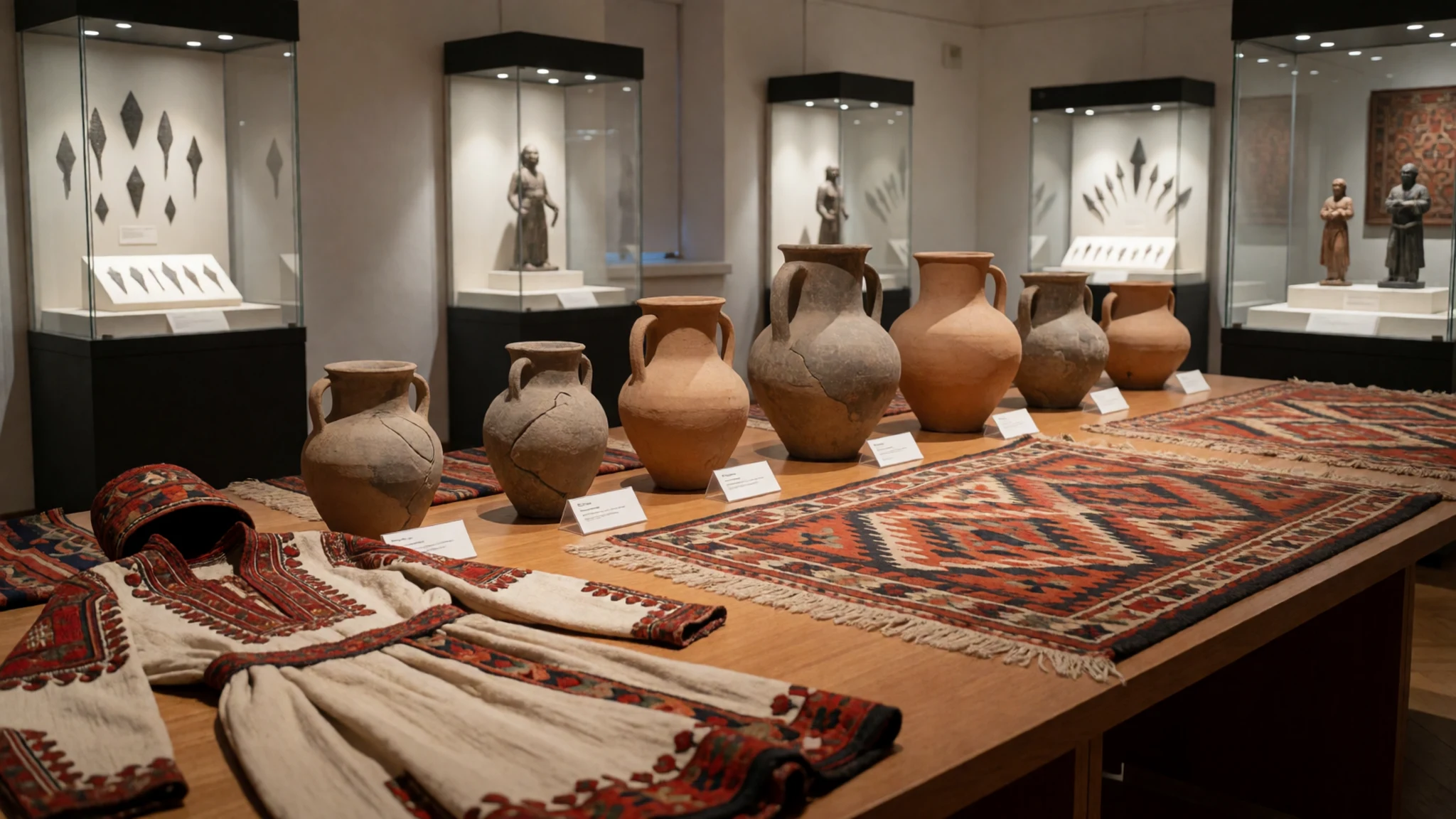
- Vorotnavank Monastery — the Vorotan river valley
A quiet, fortified monastery that sees far fewer tourists than the more famous sites in Armenia. Its secluded atmosphere and sturdy walls make it a peaceful spot for reflection and an interesting study in medieval Armenian ecclesiastical architecture.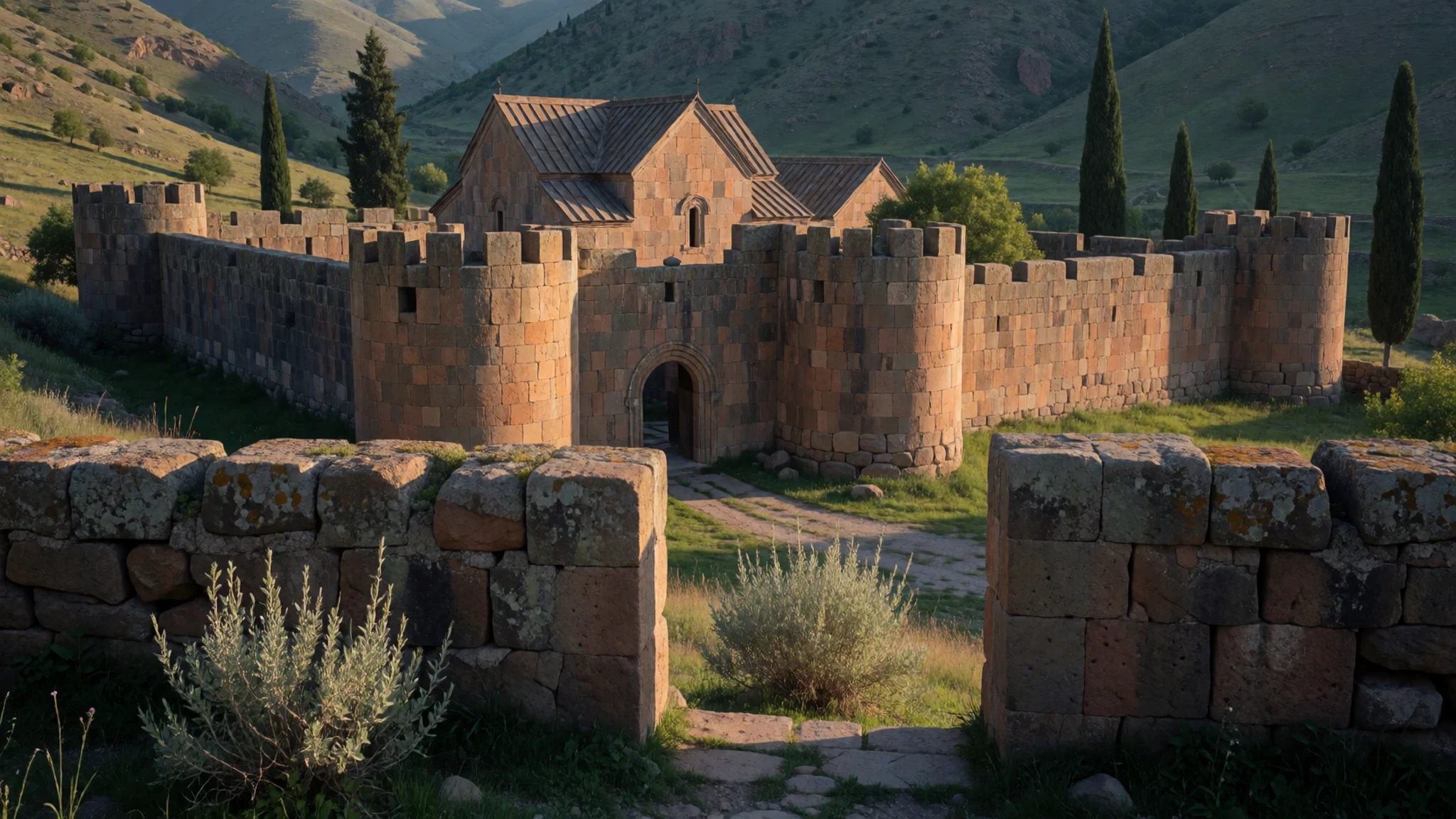
- Shaki Waterfall — near the village of Shaki
An 18-metre high waterfall that provides a cool respite on warm days. Visitors should be aware that the water flow is managed by a local hydroelectrical plant, meaning the falls operate on a specific schedule rather than a natural constant flow.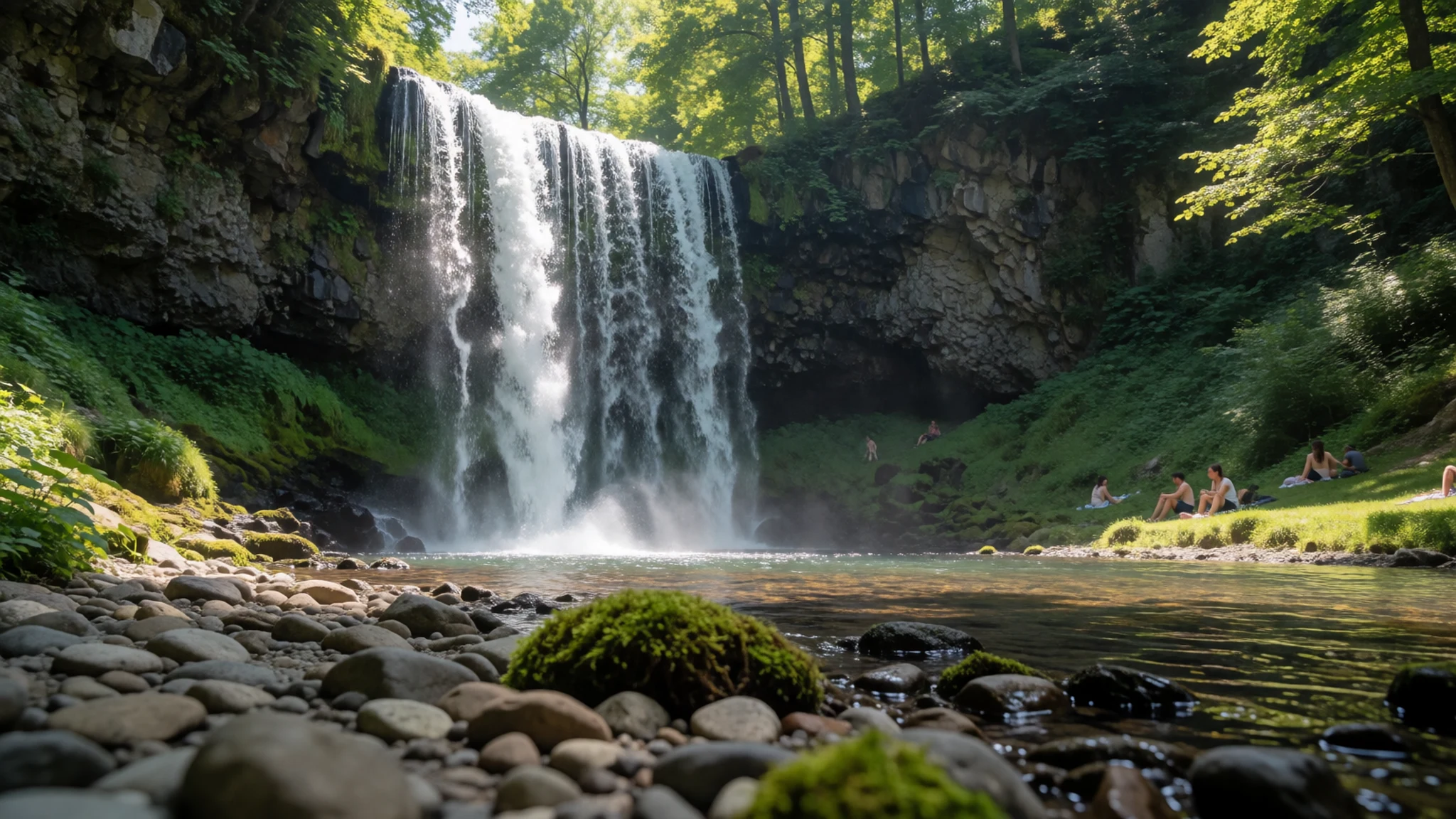
Culture
Culture around Zorats Karer is deeply tied to the rural traditions of the Syunik Province. In this part of Armenia, there is a profound respect for the land and the ancestral spirits believed to inhabit the mountains. The local community in Sisian is known for its hospitality, often welcoming strangers with genuine warmth and an eagerness to share stories of their region. Traditional crafts, particularly ceramics and weaving, remain important markers of identity here, with local workshops continuing to produce patterns that have been passed down through families for centuries. The atmosphere is one of quiet resilience, where the rhythms of life are still largely dictated by the seasons and the harshness of the highland climate. Visiting the site often involves interacting with local guides who view the megaliths not just as archaeological data, but as part of their living heritage. Please ensure you stay on the designated paths to avoid disturbing the prehistoric soil and stones.
What to wear
Fashion in the region surrounding Zorats Karer is a blend of practical rural wear and deep-rooted tradition. Historically, Armenian dress in the highlands involved heavy woollen garments and intricately embroidered textiles designed to withstand the biting cold of the Syunik winters. Women's traditional attire often featured layered skirts and headscarves, while men wore sturdy trousers and vests made from locally sourced wool. Today, most residents in Sisian wear contemporary, casual clothing, though you will still see older generations wearing traditional woollen hats or scarves for warmth. For the visitor, the terrain of Zorats Karer demands practicality. The plateau is rocky and uneven, making sturdy hiking boots or walking shoes essential. Because the altitude makes the weather unpredictable and often windier than in Yerevan, bringing a windproof jacket and layering clothes is highly recommended, regardless of the season. Modest dress is appreciated when visiting nearby monasteries, such as Vorotnavank, where shoulders and knees should be covered.
What to eat
- Traditional Barbecue (Khorovats) — local barbecue joints in Sisian
Grilled marinated pork or lamb, cooked over open charcoal. This is a staple of regional gatherings and is best enjoyed at the various barbecue joints found around Sisian.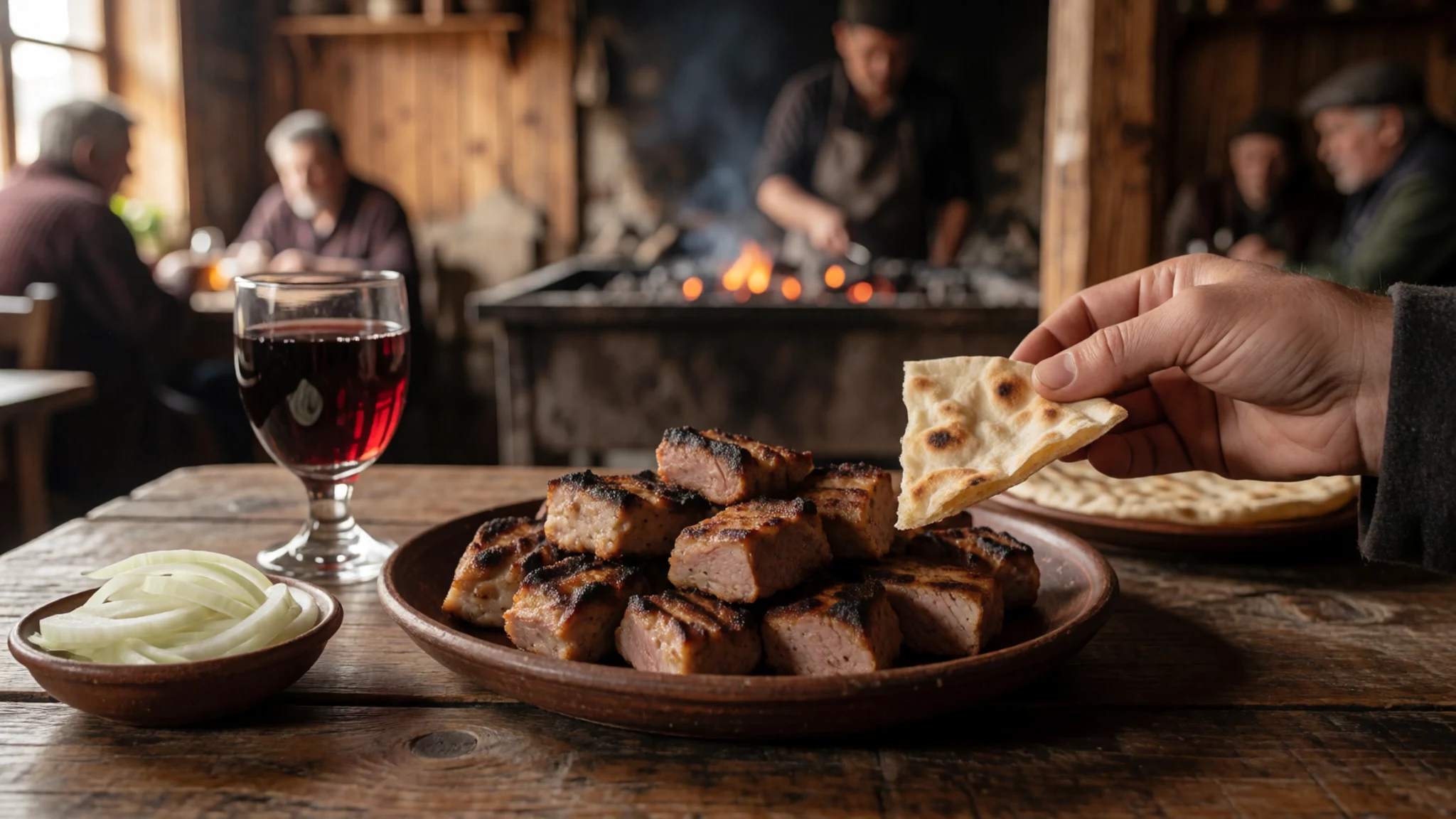
- Regional Lunch Platters — small eateries and cafes in Sisian
Assortments of local cheeses, fresh herbs, and seasonal vegetables served with warm lavash bread. These are commonly found as midday meals in the small eateries of the town.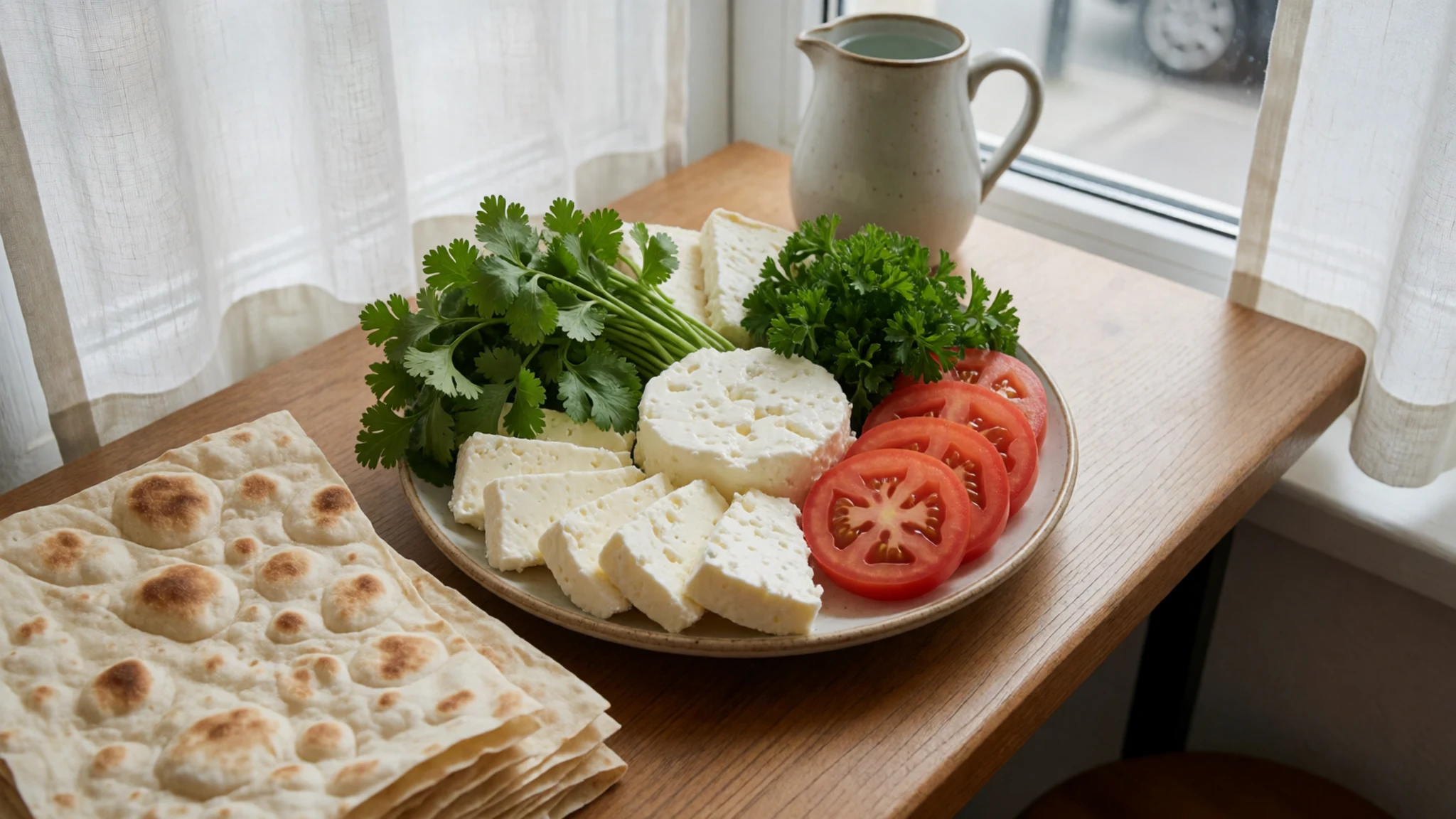
- Home-style Armenian Cuisine — local hotels in the Sisian area
Hearty stews and vegetable dishes that vary by season, often focusing on root vegetables and legumes. These authentic meals are most frequently served in the dining rooms of local hotels. - Farm-to-Table Produce — eco-settings like Wild Gastro
Freshly grown asparagus and river-bred fish, prepared with minimal processing to highlight the natural flavour of the Syunik highlands. These sustainable options are available in eco-settings.
Plan it
Best time. May–June or September–October to avoid the extreme winter snows and the peak summer heat, though the highlands remain cool.
How long. 1–2
Getting there. By marshrutka from Yerevan (about 4 hours) or taxi from Goris; the final leg to the plateau is best done via local taxi from Sisian.
Budget. low
Tips
- Bring plenty of water as there are no facilities on the plateau
- Carry a windbreaker even in summer due to the high altitude
- Hire a local taxi driver in Sisian to reach the site and nearby petroglyphs
- Check the schedule for Shaki Waterfall if you plan to visit
- Carry cash for taxis and museum entry
Etiquette
- Do not climb on the standing stones
- Keep noise levels low at the monasteries
- Ask permission before photographing local residents
Nearby
Sources
- Wikidata Q2479712 (CC0)
- Wikipedia (CC BY-SA 4.0)
- Wikivoyage (CC BY-SA 4.0)