Lake Sevan
Lake Sevan, Armenia
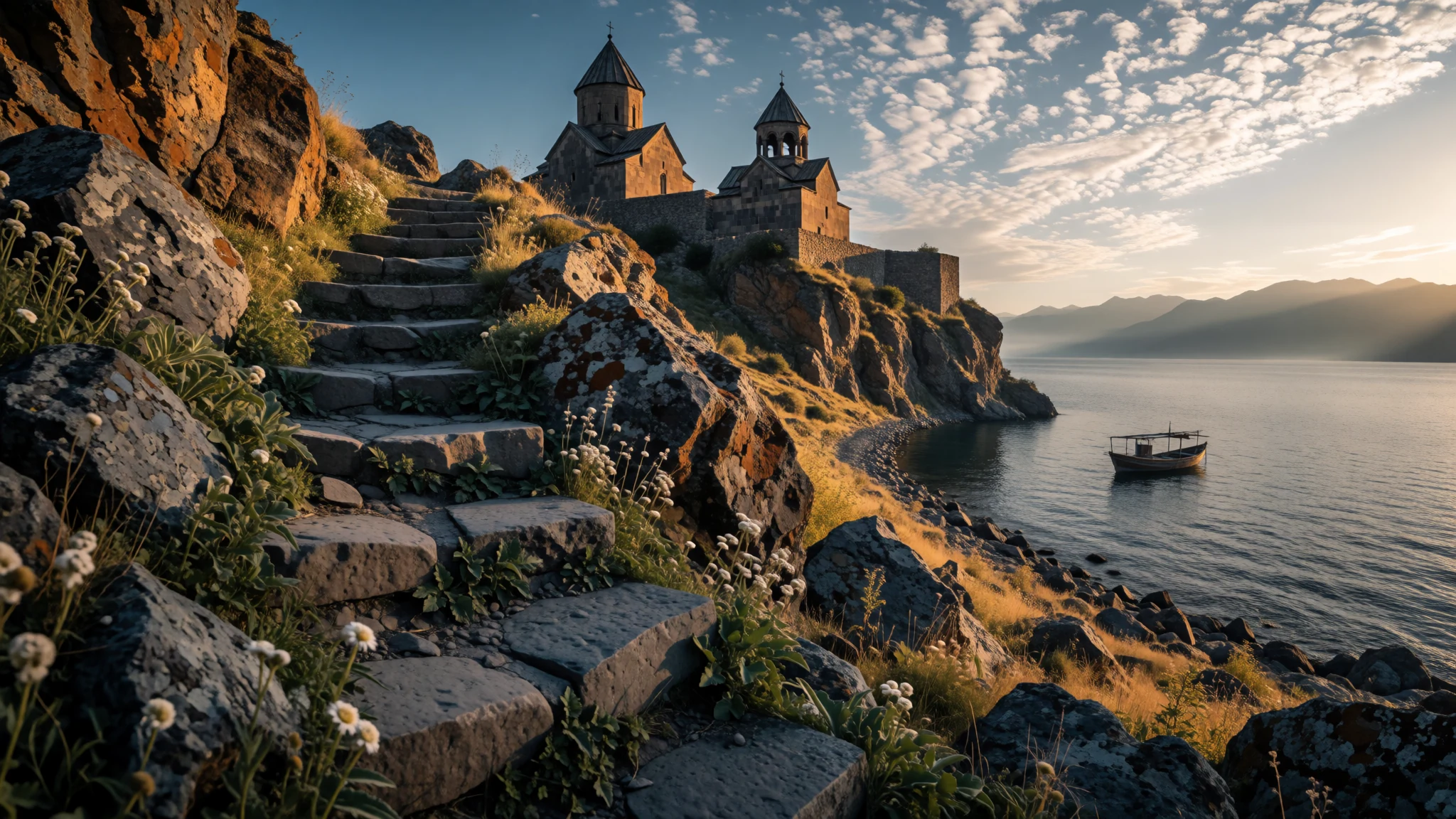
Visit Lake Sevan to experience the largest body of water in the Caucasus region, framed by historic medieval monasteries and rugged alpine shores.
The place
Lake Sevan occupies a vast mountain basin situated in Gegharkunik Province, standing high above sea level at an elevation of 1900 m. As the largest body of water in Armenia and the wider Caucasus, it forms a striking geographic feature that dominates the local horizon, fed by numerous rivers and streams while losing the vast majority of its incoming water through natural evaporation rather than river outflow. The surrounding landscape consists of sweeping highland terrain, rolling hills, and rugged mountain ranges that stretch toward the horizon. Climatic shifts shape the region distinctly through the seasons, turning the shores into a lively summer beach destination complete with resorts, cabanas, and open-air fish eateries, while remaining quieter and more contemplative during the cooler months. The basin represents a vital natural resource for the country, supporting local fisheries, regional biodiversity, and recreational life. Visitors traveling through the area encounter a dynamic environment where water meets high-altitude skies, creating shifting shades of blue and turquoise that respond to every change in the weather. The shores bridge wild natural habitats with centuries of human habitation, offering broad horizons, crisp mountain air, and an expansive aquatic expanse unlike anything else found across the landlocked territory of Armenia.
Its story
The historical and ecological narrative of Lake Sevan is marked by dramatic human intervention and profound environmental change. During the Soviet period, the basin was heavily exploited to generate hydroelectric power and to provide irrigation waters for the distant Ararat plain. These large-scale engineering projects caused the water level to drop significantly, shrinking the overall volume and altering the delicate balance of the aquatic ecosystem. Most notably, what was once an isolated rocky outcrop known as Sevan Island transformed into a permanent peninsula as the surrounding waters receded. In subsequent decades, conservation efforts and major civil engineering projects—including the construction of underground tunnels designed to divert water from other highland rivers back into the basin—helped halt the decline and stabilise the water levels. Alongside these ecological pressures, the shores carry a deep historical record stretching back through medieval times. Monasteries, fortresses, and early monuments were built along the coasts by rulers and monks who sought the solitude of the high-altitude wilderness. Today, the lake stands as a testament to both industrial ambition and the modern imperative for ecological restoration, maintaining its vital place in the cultural memory and economic life of Armenia while preserving the ancient sacred sites that watch over its waters from rocky promontories.
What to see
- Sevanavank Monastery — Sevan Peninsula
Perched high on the rocky peninsula that was once an isolated island, this historic medieval monastery offers sweeping panoramic views across the vast expanse of Lake Sevan. Visitors climb the stone steps to explore ancient chapels built from dark stone, making it the most visited cultural landmark in the entire region.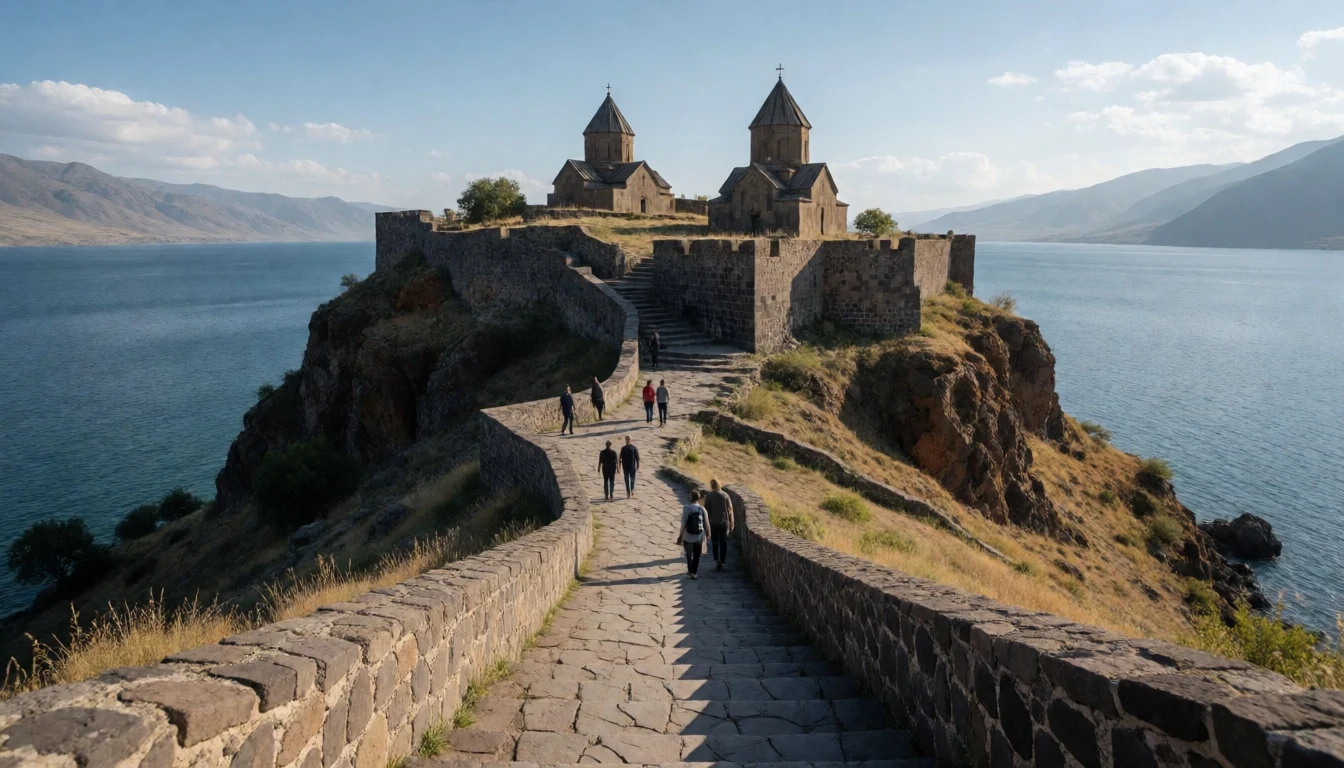
- Makenyats Monastery — Vardenis area
Situated quietly near the town of Vardenis, this ancient monastic complex provides a peaceful retreat away from the busier summer beaches. The site reflects the deep medieval heritage scattered along the southern shores, surrounded by open pastoral lands and distant mountain vistas that frame the rural landscape.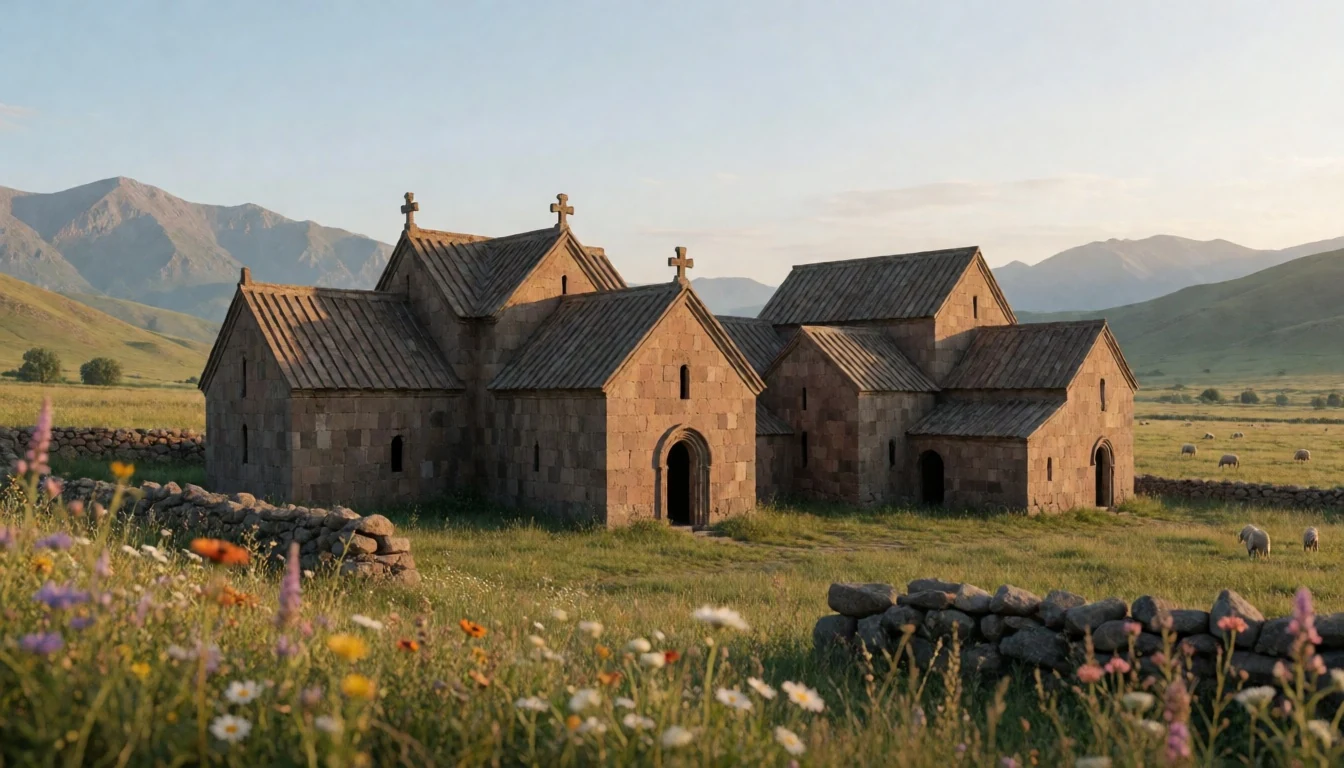
- Vanevan Monastery — Vardenis area
Located close to Vardenis on the southern side of Lake Sevan, this historic stone church stands as another remarkable example of regional architecture. Surrounded by quiet hills, it offers travellers an authentic glimpse into the remote ecclesiastical history of the Armenian highlands without the crowds.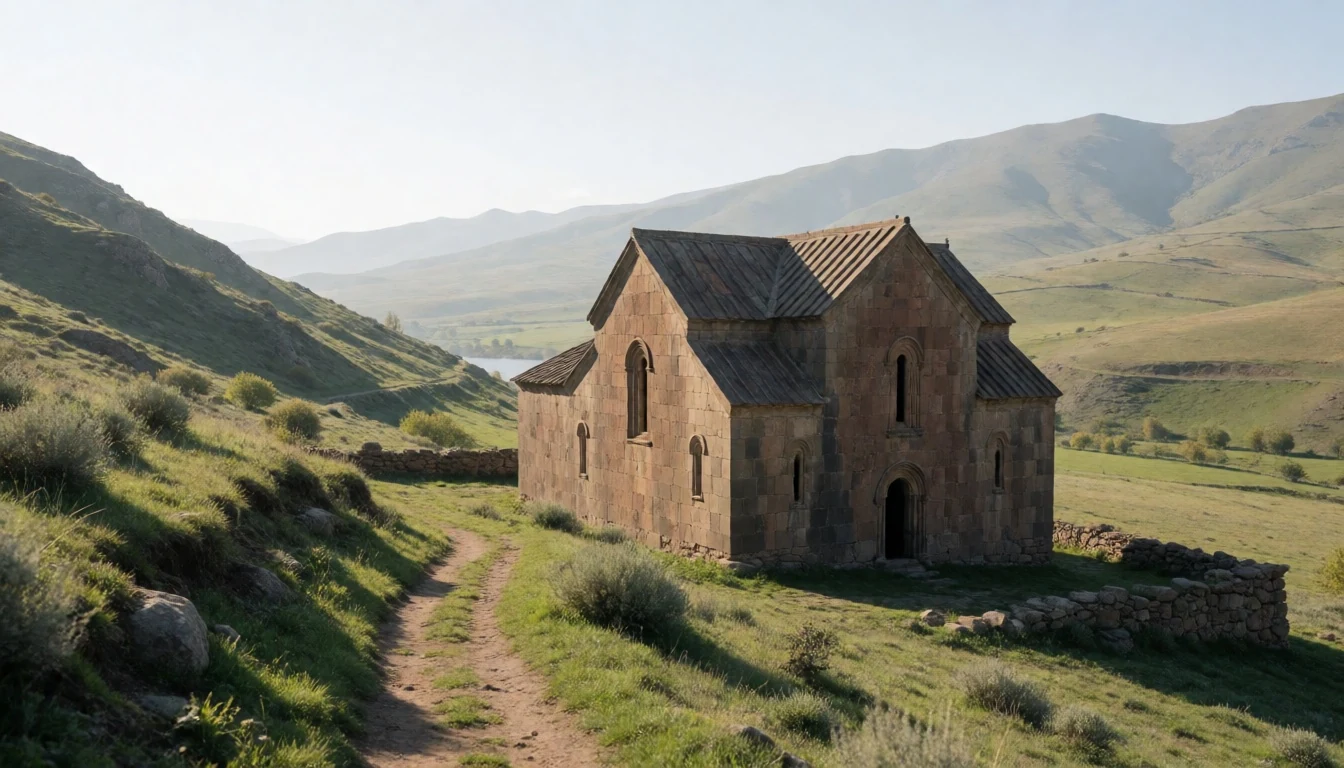
- North and West Shore Hills — North and West Shore
The northern and western stretches of Lake Sevan present a much calmer atmosphere than the bustling central tourist zones. Rolling hills rise directly behind the shoreline, providing accessible hiking routes where travellers can explore open meadows, fresh mountain air, and uninterrupted vistas of the water.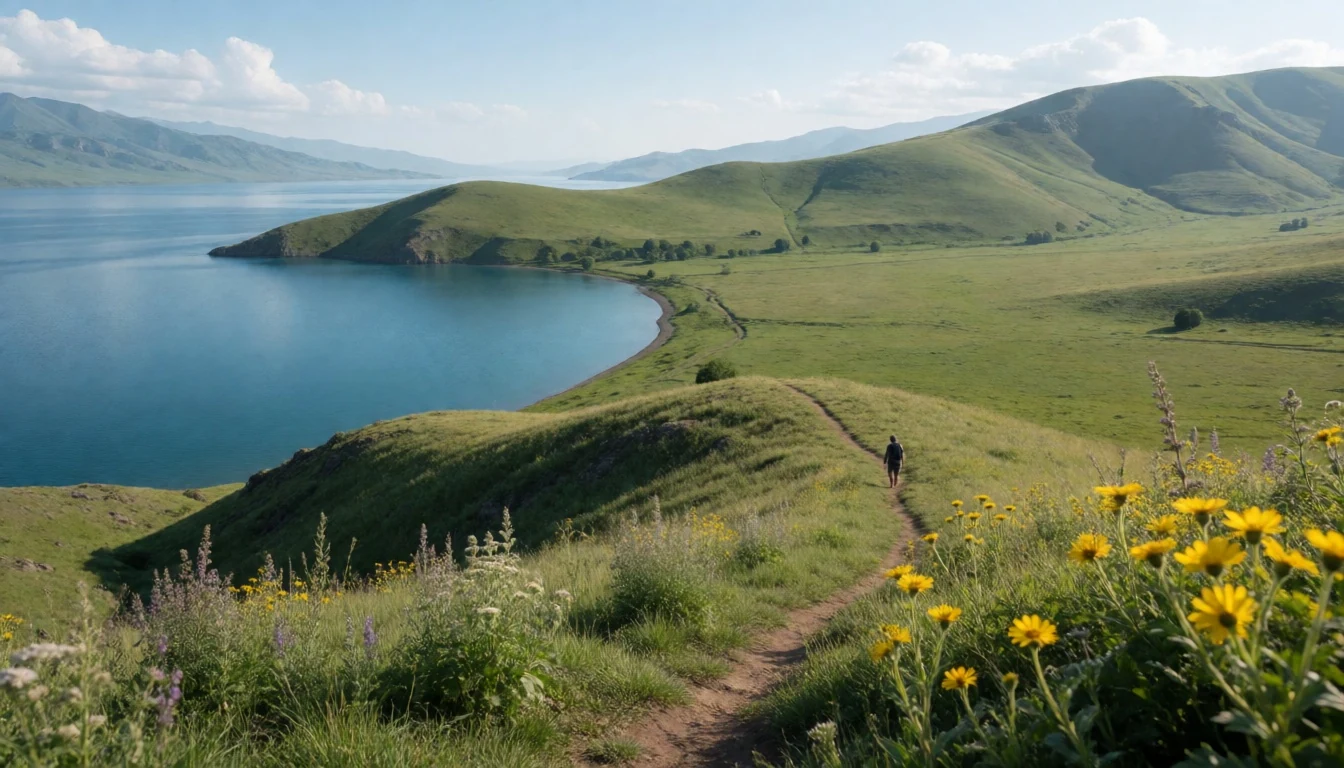
- Shorzha Beach and Cabanas — Eastern Shore
Stretching along the less-developed eastern shore of Lake Sevan from Tsovagyugh toward Shorzha, this area features rustic wooden cabins and natural sandy strips. It serves as a popular seasonal getaway for those seeking a more relaxed beach experience away from the main resort hotels.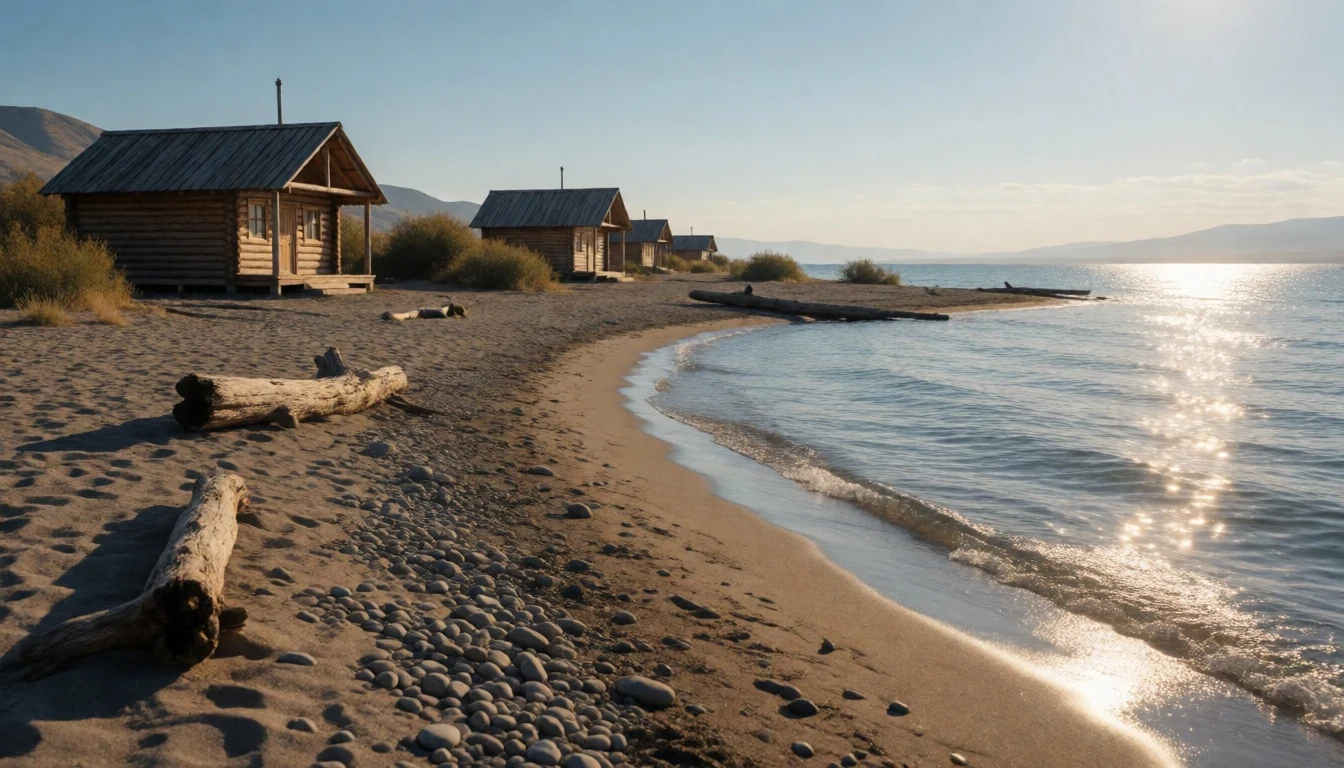
Culture
The cultural landscape of Lake Sevan is deeply intertwined with centuries of spiritual devotion, ancient engineering, and communal gatherings along its shores. From prehistoric petroglyphs discovered in the surrounding hills to medieval monasteries such as Vanevan and Kotavank, the basin acts as an open-air museum of Armenian history. Local traditions reflect a deep respect for the natural environment, particularly the fishing communities that have harvested the waters for generations. Cultural life also embraces the seasonal rhythms of the region, where summer brings holidaymakers to the beaches for swimming, sailing, and windsurfing, transforming quiet rural settlements into lively hubs of recreation. Visitors exploring the ancient churches and archaeological remains dotted across the coastline should dress modestly out of respect for sacred spaces, ensuring shoulders and knees are covered when entering functioning chapels.
What to wear
Traditional dress around Lake Sevan reflects the rugged highland climate of Armenia, historically featuring heavy woollen garments, woven textiles, and sturdy leather footwear designed to withstand cold winters and mountain winds. While traditional attire is now largely preserved for cultural festivals, historical displays, and national holidays, everyday contemporary fashion in the region is practical and modern. Locals residing near Lake Sevan and visiting from urban centres like Yerevan typically wear comfortable casual clothing, including jeans, durable jackets, and layered sweaters suited to the shifting weather at high elevations. For travellers exploring the lake, dressing in adaptable layers is essential, as temperatures can drop rapidly when the wind sweeps across the water. Visitors should pack comfortable walking shoes or boots for exploring rocky trails and monastery steps, alongside modest clothing—such as a scarf or shawl—to cover shoulders and legs when entering historic churches and monasteries along the shore.
What to eat
- Barbecued Fish — Shoreline fish restaurants north of the peninsula
Freshly caught local fish cooked over open coals until juicy and tender, usually seasoned simply and offered at the numerous open-air fish restaurants situated just north of the Sevan peninsula.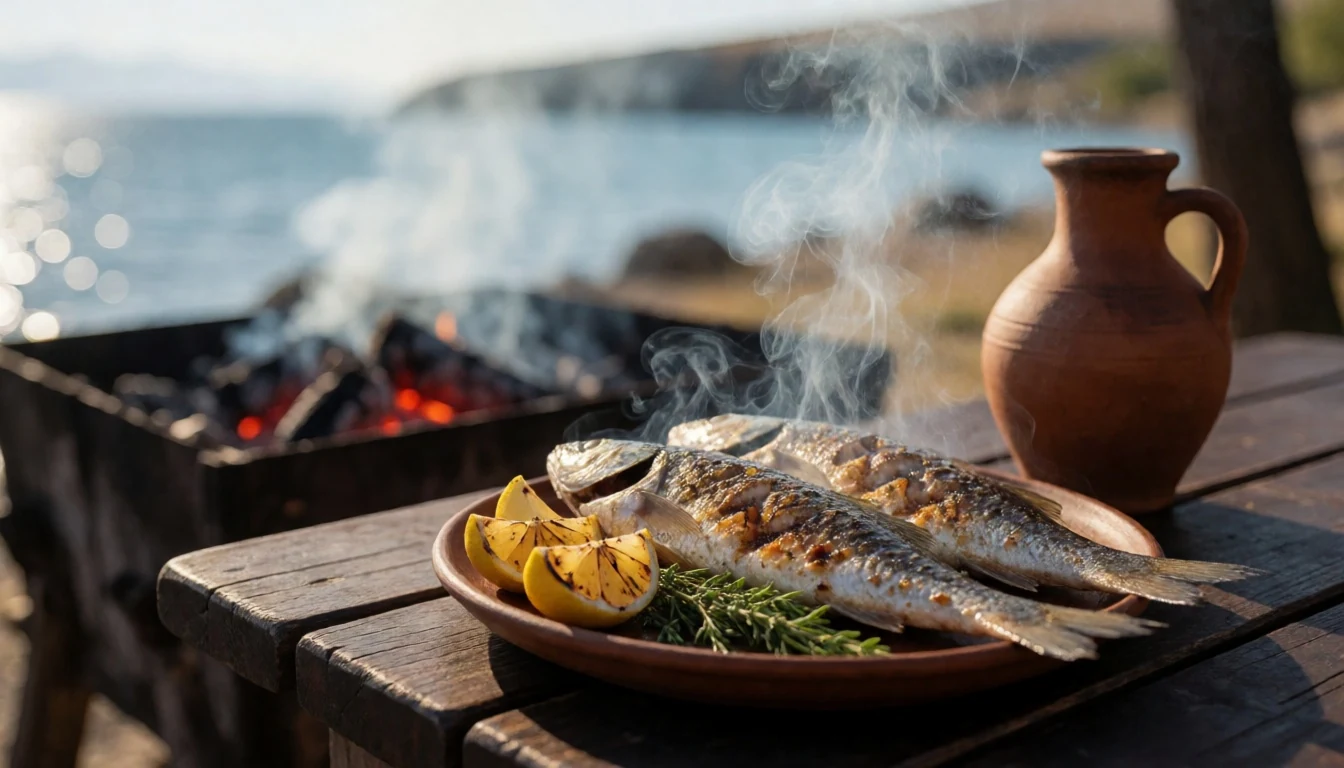
- Marinaded Fried Fish — Roadside food stalls and lake restaurants
A popular regional dish featuring locally sourced lake fish coated in a savoury marinade and fried until golden and crisp, easily found at casual roadside eateries and lakeside spots.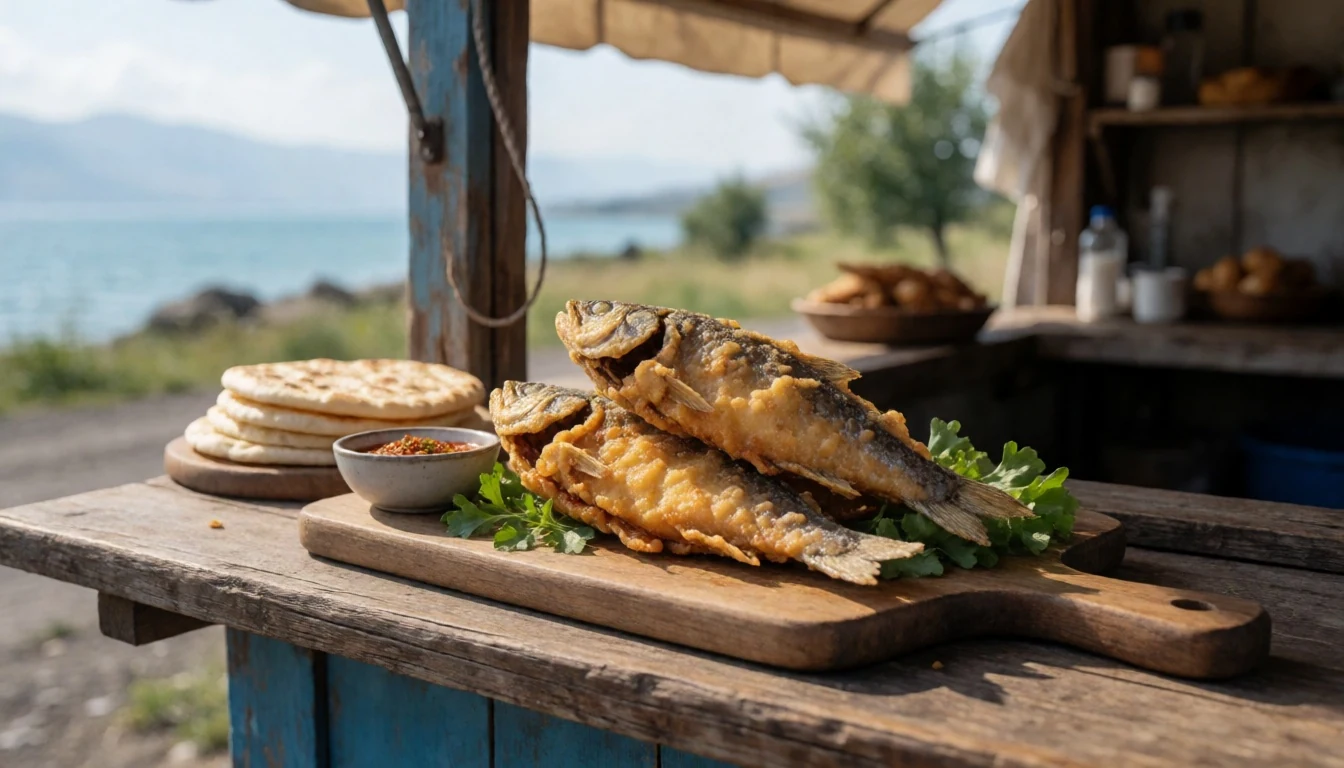
- River Crayfish — Lake shore restaurants and roadside vendors
Fresh rock crayfish harvested directly from the lake waters, boiled or prepared with simple local seasonings and sold both at lakeside dining tables and by small street vendors along the roads. - Armenian Vodka — Local village taverns and lakeside restaurants
Strong, traditional fruit-based spirits distilled locally across the region, commonly served alongside hearty fish lunches and dinners in traditional taverns and family-run guest houses.
Plan it
Best time. July and August offer warm weather ideal for swimming and beach resorts, while late spring and early autumn provide crisp, clear conditions for hiking and visiting monasteries without the summer crowds.
How long. 2–3
Getting there. Frequent marshrutkas (shared minibuses) run from Yerevan to the Sevan peninsula and surrounding towns like Vardenis, Martuni, and Gavar. A local train also connects towards Shorjha.
Budget. mid
Tips
- Be cautious when swimming, as locals advise against swimming out too far alone due to sudden changes and strong lake currents.
- Carry cash for small roadside vendors, village shops, and historical site entrances.
- Start your visits to popular sights like Sevanavank early in the morning to enjoy the quietest atmosphere.
- Pack warm layers, as temperatures near the water can drop sharply even after a sunny afternoon.
Etiquette
- Dress modestly with covered shoulders and knees when visiting historic monasteries and churches.
- Respect private beach properties and resort boundaries when walking along the shoreline.
Nearby
Sources
- Wikidata Q181932 (CC0)
- Wikipedia (rev 1379857134) (CC BY-SA 4.0)
- Wikivoyage (rev 5273300) (CC BY-SA 4.0)
- Photo 01-sevan-aerial.jpg (Public domain)
- Photo 02-lake-sevan-2022-08-14-sentinel-2-l2a.jpg (CC BY 3.0)
- Photo 03-sevan-lake-05.jpg (CC BY-SA 4.0)
- Photo 06-tufenkian-avan-marak-tsapatagh-hotel.jpg (CC BY-SA 4.0)


