Gyumri
Gyumri, Armenia
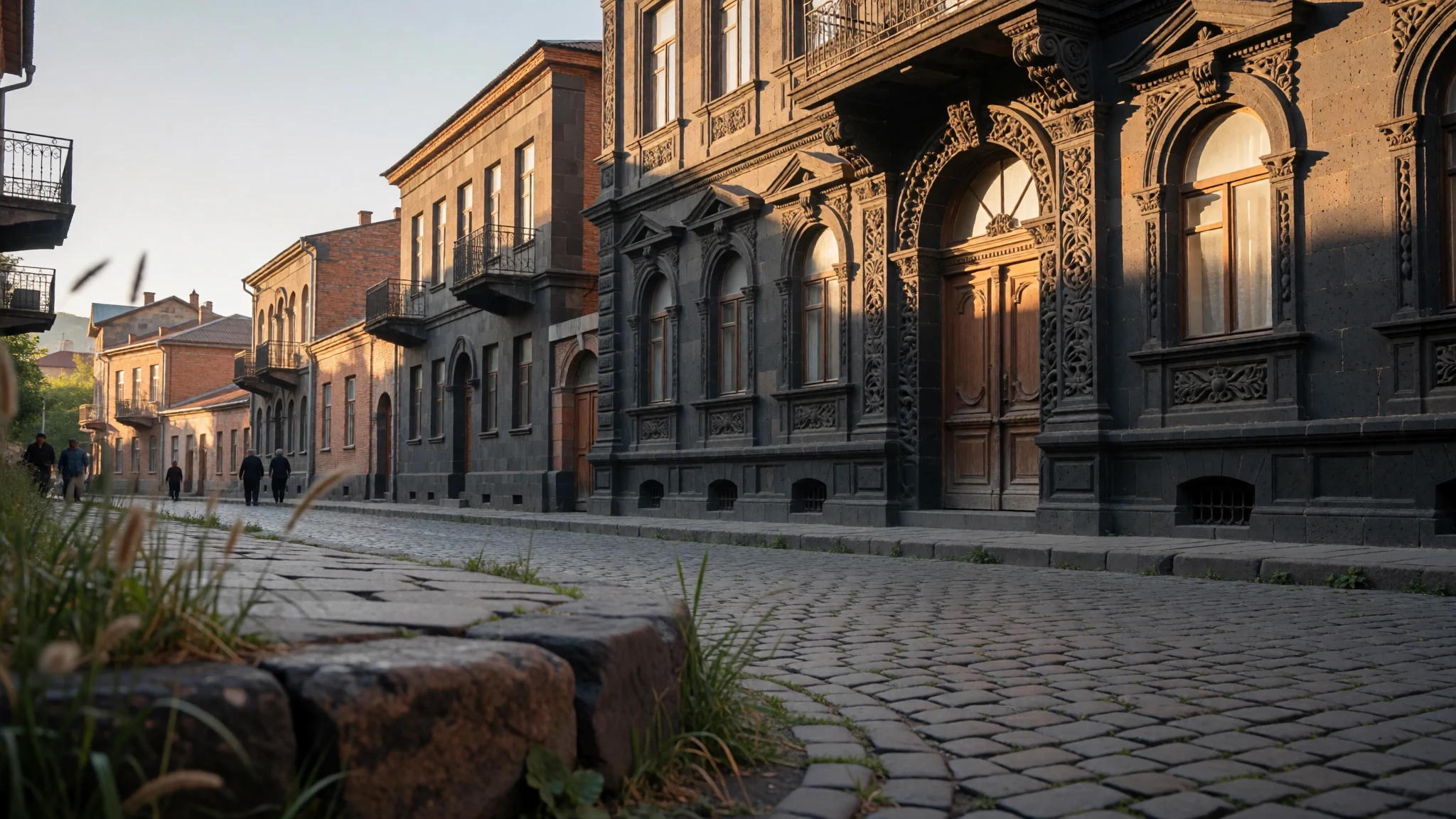
Discover Armenia's historic cultural capital, famed for its distinctive black tuff architecture, resilient spirit, and rich artisan heritage.
The place
Gyumri stands proudly in the northwestern corner of Armenia, serving as the administrative capital of the Shirak Province. Positioned high above sea level, the urban municipal community holds the title of the second-largest city in the country. Life here moves at a deliberate, contemplative pace quite distinct from the capital, shaped by harsh winters, high altitude, and an architectural identity dominated by dark volcanic tuff stone and reddish brick accents. Nineteenth-century neoclassical facades, wrought-iron balconies, and intricately carved wooden doorways line the historic quarters, bearing witness to a prosperous past when the locality functioned as a major hub under imperial rule.
Yet the landscape is equally defined by profound resilience. The urban fabric still carries the invisible scars of the devastating seismic event in the late twentieth century, alongside waves of historical turbulence including population shifts and wartime refugees. Despite these trials, reconstruction efforts have steadily revived the core. Neighbourhoods retain an unpretentious warmth where neighbours chat across cobblestone alleys and craftsmen maintain workshops handed down through generations. Travellers arriving here encounter an authentic slice of Armenian provincial life, far removed from standard tourist tracks, where every street corner reveals a story of artistic expression, architectural ambition, and enduring community spirit.
Its story
Archaeological findings confirm that human settlement in this strategic plain stretches back deep into antiquity, with historical inscriptions mentioning the ancient community of Kumayri during the eighth century BC. Over successive millennia, the region transformed as major empires vied for control over the Armenian highlands. The territory passed through the hands of Urartian rulers, Achaemenid satraps, Bagratid kings, Seljuk sultans, and Persian dynasties before the Russian Empire annexed the area in the early nineteenth century. During this imperial era, the settlement expanded dramatically, eventually surpassing the population of Yerevan and establishing itself as a vital military stronghold and commercial crossroads during successive Russo-Turkish conflicts.
The twentieth century brought sweeping upheavals. Following the First World War and the collapse of imperial forces, the city absorbed tens of thousands of refugees and orphaned children fleeing the Armenian genocide, turning schools and municipal buildings into makeshift shelters. Under Soviet administration, the locality was renamed and industrialized into a major manufacturing and textile centre, only to be struck by the catastrophic Spitak earthquake that severely damaged the infrastructure and reduced the resident population. Today, the community has reclaimed its historical name and continues the slow, steady work of urban renewal, honouring its ancient roots while preserving the distinct cultural traditions that have survived centuries of geopolitical shift.
What to see
- Town Square — Central Gyumri
Occupying a central position in the urban layout, this expansive public plaza anchors the surrounding historic district. Visitors can admire the towering cathedral, municipal buildings, and fountains while enjoying easy access to neighbouring pedestrian streets, artisan workshops, and compact local museums.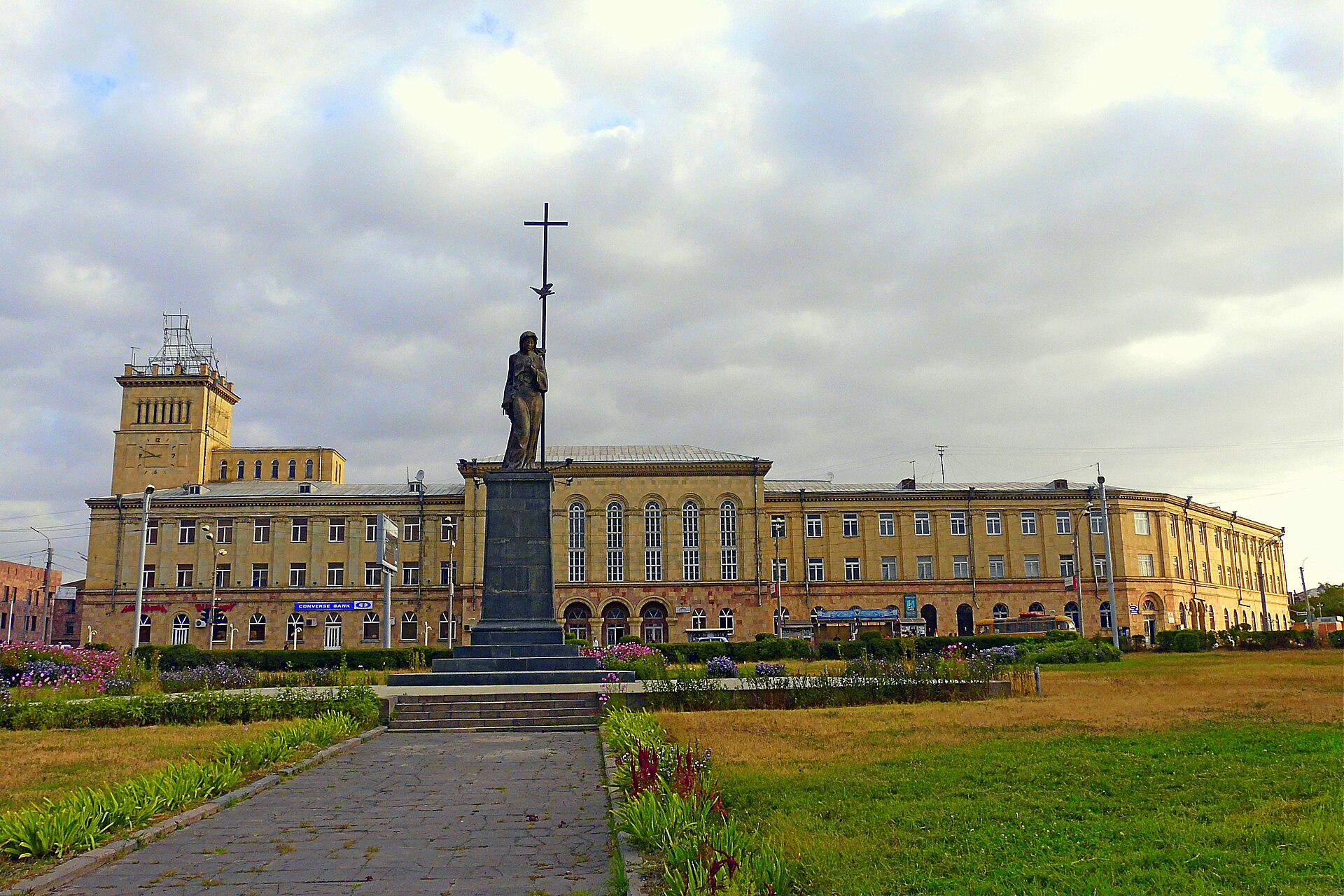
- Black Fortress — Western hilltop
Perched on a prominent hill overlooking the urban expanse, this imposing circular fortification was constructed to defend imperial borders against Ottoman forces. Today, the weathered basalt structure serves as an exceptional vantage point for panoramic views across the city and surrounding plains.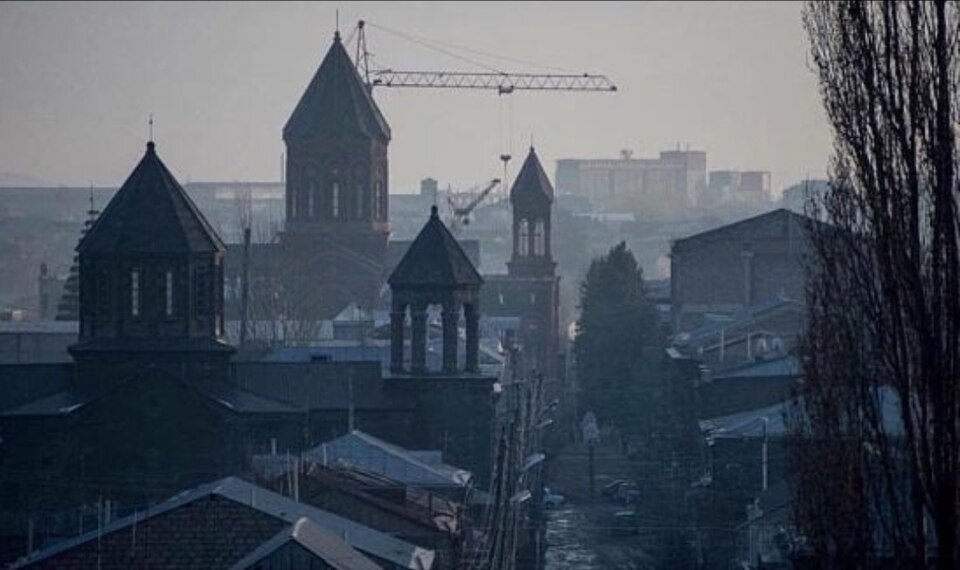
- Russian Church — Central district
Standing apart from traditional Armenian Apostolic sanctuaries, this distinctive place of worship reflects the architectural tastes of nineteenth-century military settlers. Its unique aesthetic adds architectural variety to a walking tour of the historic quarters and highlights the area's diverse heritage.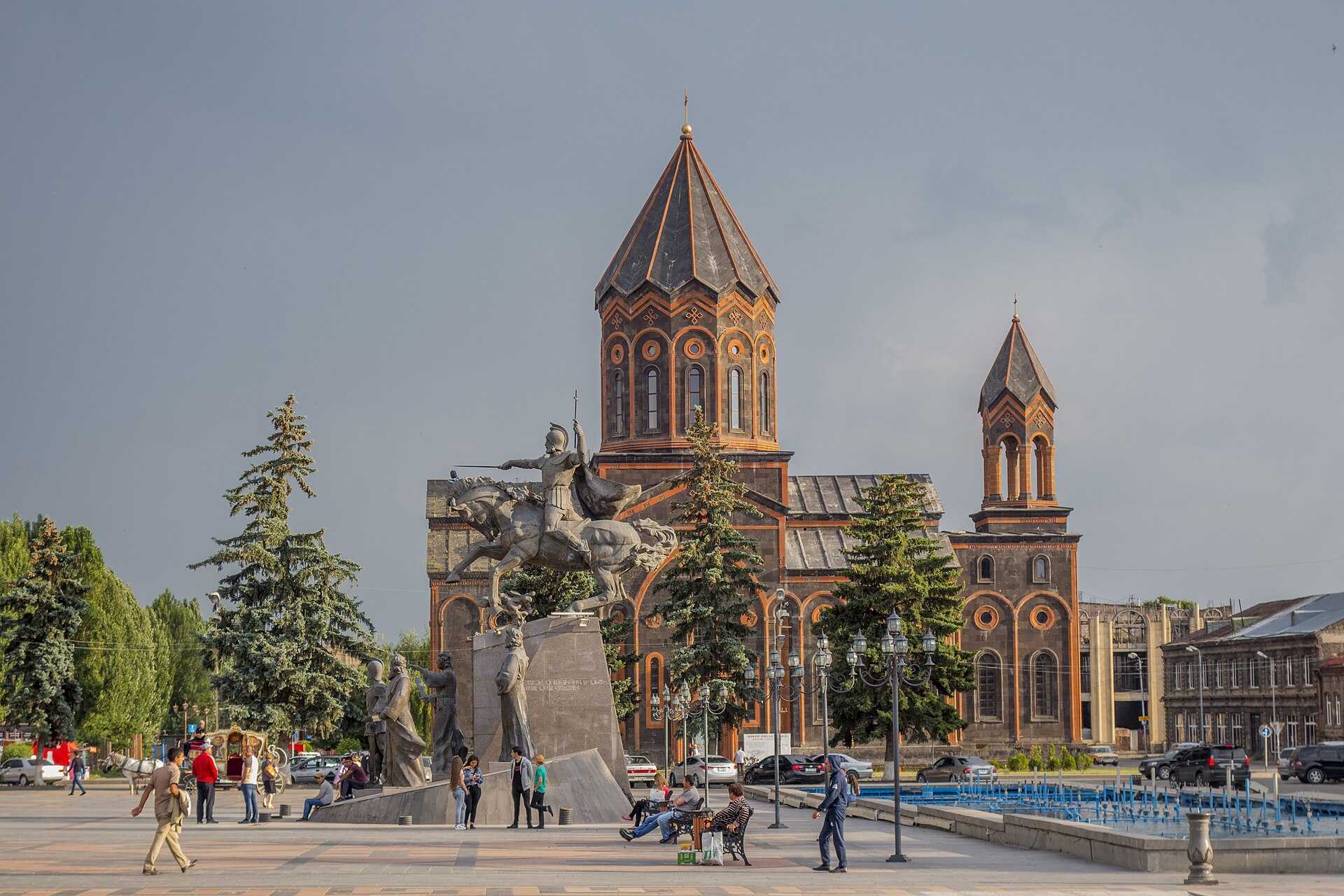
- Museum of National Architecture and Urban Life — Southern approach
Housed within a splendid nineteenth-century mansion, this cultural institution preserves regional heritage through period rooms, domestic artifacts, and curated displays detailing daily life. Guests can also arrange traditional dining experiences within the historic kitchens upon advance request.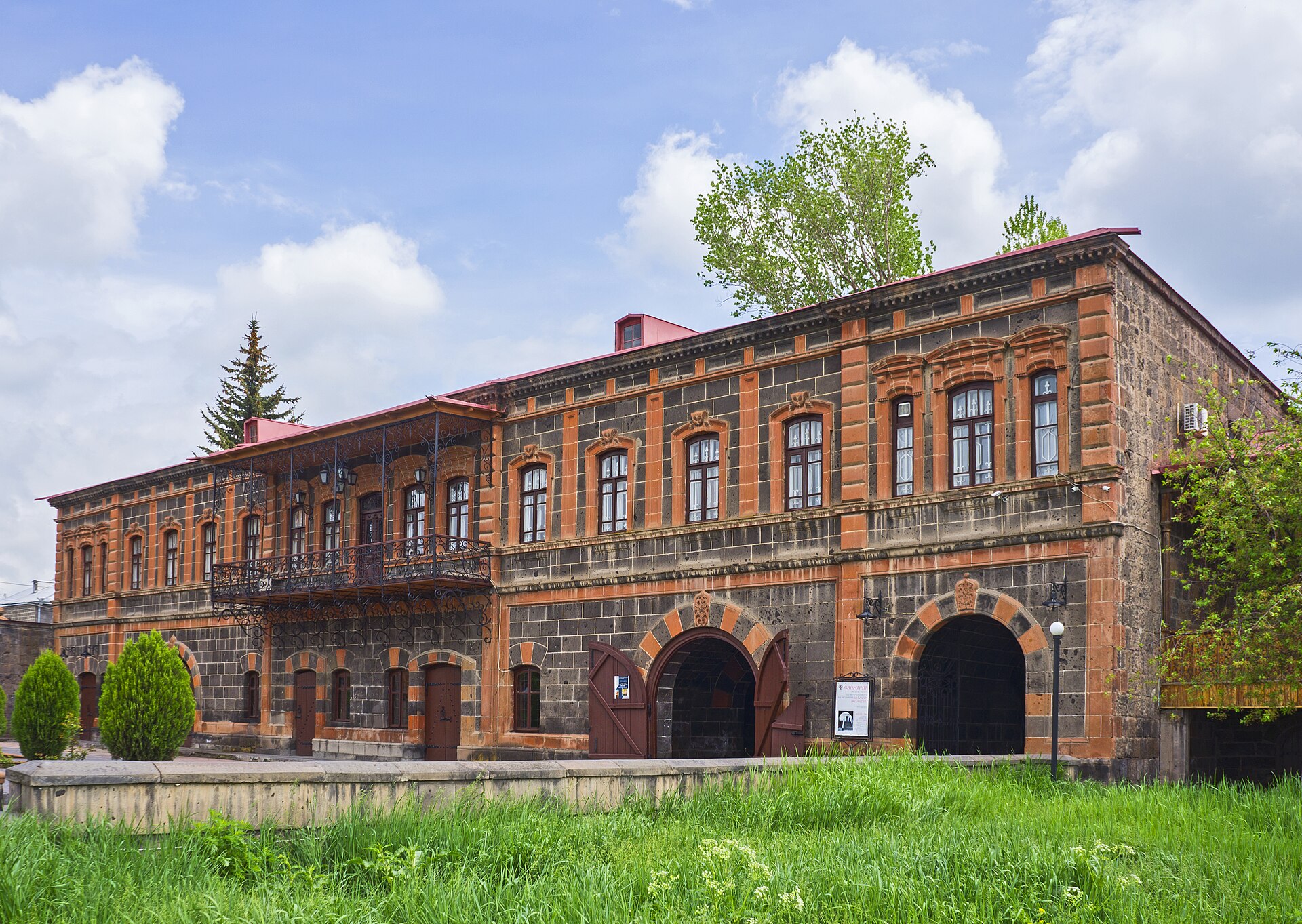
- Gallery of Mariam and Eranuhi Aslamazyan Sisters — Near Town Square
Dedicated to Armenia's pioneering female artists, this gallery displays an extensive collection of original paintings, ceramics, and graphic works. The vibrant canvases celebrate rural life, female empowerment, and mid-century artistic experimentation in a historic building.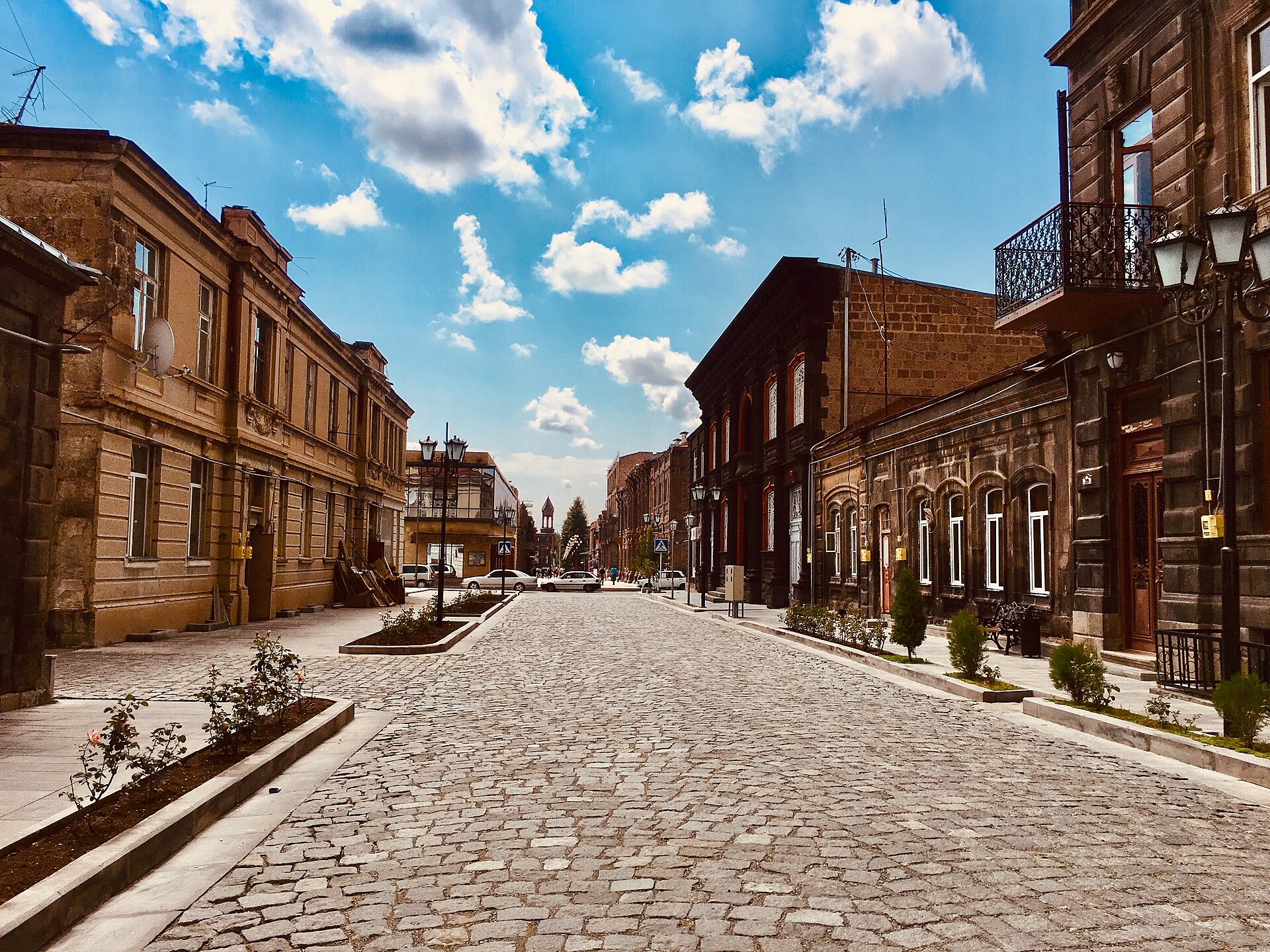
Culture
Long celebrated as a historic sanctuary of arts, crafts, and theatrical innovation, the city has nurtured generations of prominent poets, sculptors, actors, and musicians. Popular culture here thrives on a distinct local humour, celebrated storytelling traditions, and an enduring pride in craftsmanship that weathered both imperial shifts and Soviet industrialisation. Amateur theatrical groups established stages here well over a century ago, and the community even hosted the premiere of Armenia's first national opera. Museums dedicated to native artists, writers, and filmmakers dot the leafy streets, inviting visitors to explore rooms preserved exactly as their famous former residents left them. When entering a traditional workshop, small art gallery, or house-museum, always greet the curator or artisan politely before touching displays or photographing interior spaces.
What to wear
Traditional clothing in the Shirak region historically featured heavy woollen textiles, embroidered aprons, and layered garments designed to withstand harsh winter conditions, often accented by silver belts and handcrafted headwear created by local artisans. Modern residents dress in practical, contemporary European styles, favouring sturdy coats, layered knitwear, and durable footwear suited to the uneven cobblestone streets and cold mountain winds. Visitors should pack practical walking shoes with good grip, a warm windproof jacket for chilly evenings, and modest layers when entering churches and religious sanctuaries, keeping shoulders and knees covered.
What to eat
- Ponchik — Ponchik-monchik and local bakeries
A puffed, golden ball of fried dough dusted with sugar and filled with warm vanilla cream, enjoyed alongside strong coffee at cheerful local pastry shops. - Local Pizza — Tashir Pizza near Ankakhutyan square
A familiar regional favourite served in large, casual dining halls right on the main square, offering quick service, English menus, and reliable comfort food. - Armenian Barbecue (Khorovats) — Traditional restaurants across the old town
Succulent cuts of marinated pork, lamb, or chicken grilled over hot coals, typically accompanied by flatbread, fresh herbs, and pickled vegetables in traditional eateries. - Artisan Coffee and Pastries — Cafes along Abovyan Street
Freshly brewed coffee served alongside delicate baked goods along the main pedestrian thoroughfare, providing a warm refuge during cool afternoon strolls.
Plan it
Best time. Late spring and early autumn offer pleasant daytime temperatures for walking, while winter brings heavy snow and sub-zero temperatures.
How long. 2–3
Getting there. Take a shared taxi or marshrutka from Sasuntsi David station in Yerevan (taking about two to two and a half hours), or catch the daily train service.
Budget. low
Tips
- Wear sturdy walking shoes to navigate uneven pavements and historic cobblestones.
- Carry cash in local currency for small bakeries, markets, and museum entry tickets.
- Book museum visits and dining experiences in advance where possible.
- Dress in warm layers as mountain winds can drop temperatures quickly.
Etiquette
- Always greet shopkeepers and artisans politely before browsing or taking photographs.
- Cover shoulders and knees when visiting churches and historic religious sites.
Nearby
Sources
- Wikidata Q199500 (CC0)
- Wikipedia (rev 1378916540) (CC-BY-SA 4.0)
- Wikivoyage (rev 5403450) (CC-BY-SA 4.0)