Yankari
Yankari, Nigeria
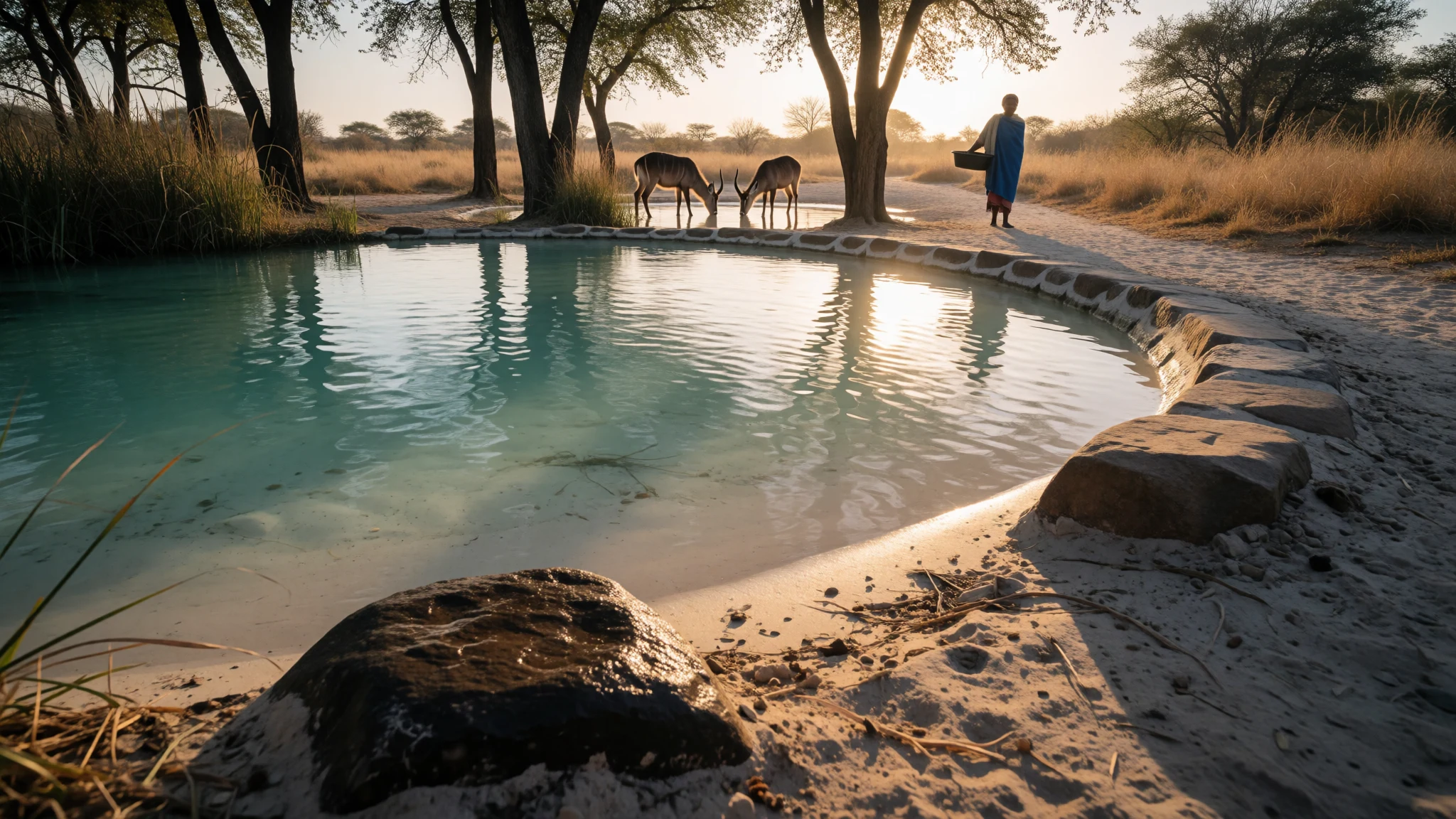
Yankari is a savanna reserve in north-eastern Nigeria, where waterbuck, baboons and warthogs roam and a warm spring is open for swimming.
The place
Yankari lies in the south of Bauchi State, in north-eastern Nigeria, a long way from the coast and the big cities. The protected area covers about 2,244 km², large enough that a day of driving only samples it. This is West African savanna: open woodland, grass that turns straw-coloured in the dry months, and river valleys that stay green longer than the land around them. The Gaji, Yashi and Yuli streams cut through the reserve, and their valleys hold richer alluvial soils. Between them the ground is mostly pale, sandy and poor, which is why trees stay scattered and the bush stays open. Underneath is sandstone, the Kerri Formation, laid down in the Tertiary on top of older Cretaceous layers. Wildlife watching is the main draw, in a habitat that still works as real savanna. Waterbuck, baboons and warthogs are among the animals visitors photograph, though sightings are never guaranteed. The second draw is water. Several natural warm springs rise inside the reserve, and the best known, at Wikki, stays at a steady temperature all year. Yankari began as a game reserve in 1956 and became a national park in 1991, though it lost this status in 2006. Facilities are modest and state-run: expect a camp, a museum, a restaurant and a bar rather than a string of lodges. It is also remote by Nigerian standards, so planning matters more here than at a park beside a big city.
Its story
Yankari's present boundaries are recent, but people have worked this land for far longer. Inside the park are old iron-smelting sites and caves, and by the late 1990s more than fifty furnaces still stood in the Delimiri and Ampara area, battered by centuries of weather. Nobody has lived within the park for over a century; the farmers and herders live in the villages and open country around it. The idea of protecting the area took shape in 1934, when a northern regional committee recommended a pilot game reserve in the Bauchi Emirate. One backer was Alhaji Muhammadu Ngeleruma, a minister in the northern Ministry of Agriculture and Natural Resources. He had seen a game reserve in Sudan on a trip to East Africa and came home wanting something similar for Nigeria. Progress was slow. In 1956, the Northern Nigeria government designated Yankari in the southern part of Bauchi Province as a Game Preservation area because it already had very high levels of wildlife. A year later the land was formally set aside as a Bauchi Native Authority Forest Reserve. It opened to visitors on 1 December 1962. Management then passed from the regional government to the North Eastern State and later to Bauchi State governments. In 1991 Yankari was redesignated a national park, though it reverted to being a game reserve in 2006.
What to see
- Wikki Warm Springs — Wikki Camp area, central Yankari, Bauchi State
The clear spring water at Wikki stays warm at a steady temperature all year, so a swim is pleasant even on a cool harmattan morning. It sits beside the main camp, which makes it the natural place to end a day of dusty game drives. Expect company at weekends and holidays, and go early for a quieter swim.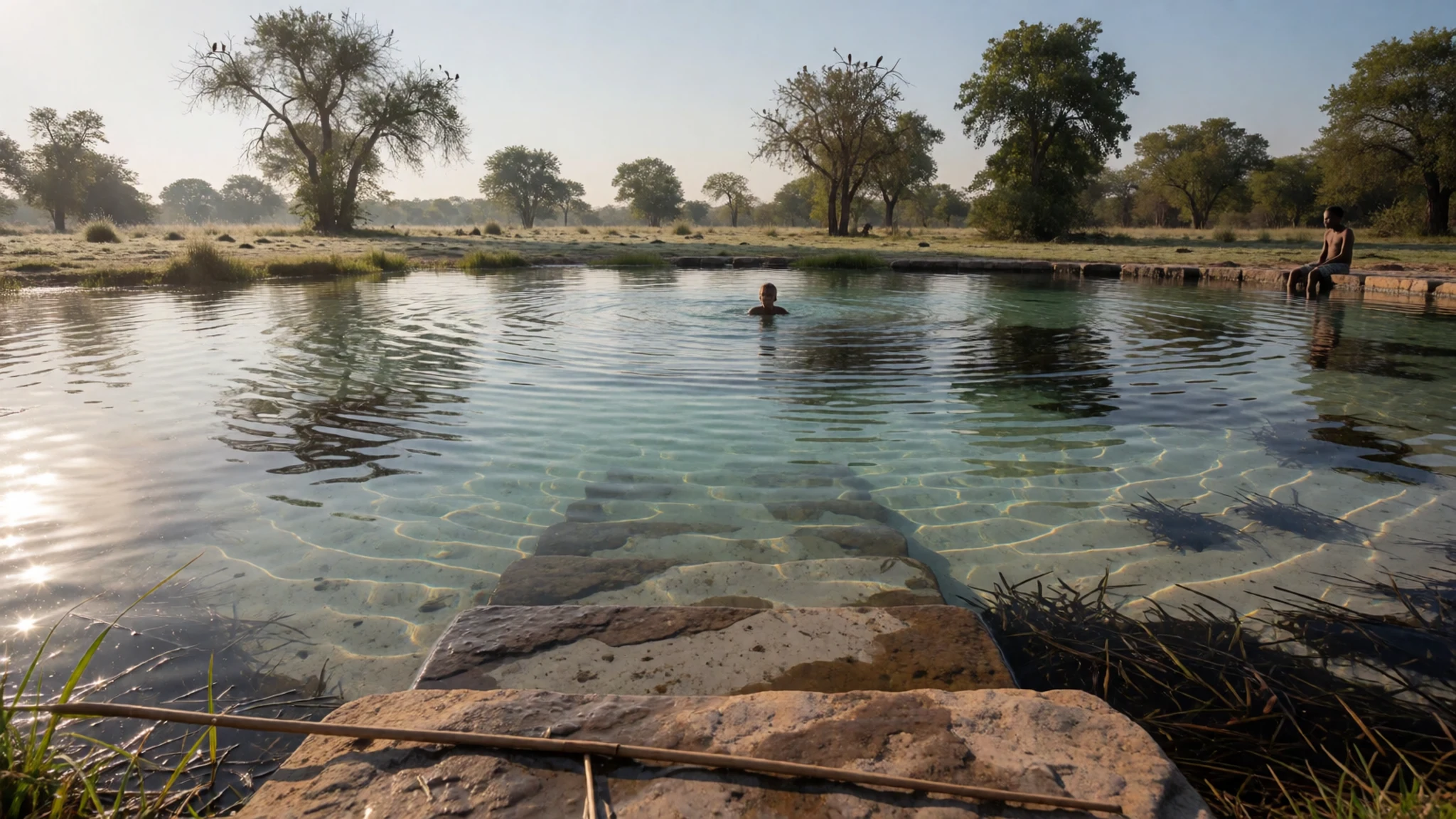
- Marshall Caves — Inside Yankari Game Reserve, Bauchi State
Marshall Caves is one of the named natural sites inside the reserve, and a useful stop for a break from the vehicle. Detail on the route is thin, so ask the rangers at camp how the track is on the day, especially after rain, and go with a guide rather than alone. It combines well with the wells or the smelting site in a half-day.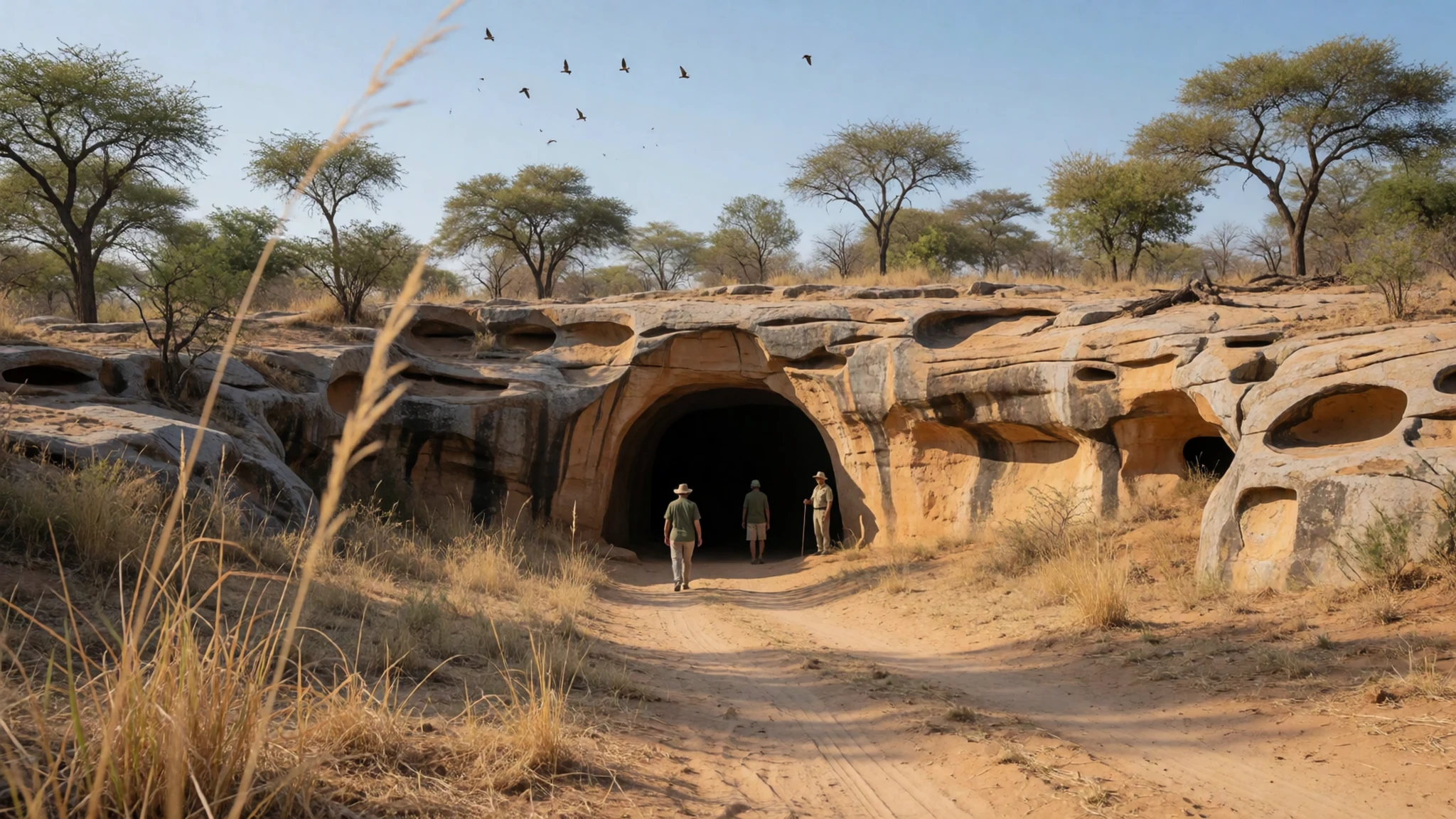
- Dukkey Wells — Inside Yankari Game Reserve, Bauchi State
The Dukkey Wells are a group of wells in the Kerri sandstone, a reminder that water is the thing that draws everything to this dry country, animals included. Photographs of the wells show baboons and warthogs close by. Go with a ranger, who will know how to keep a safe distance from them.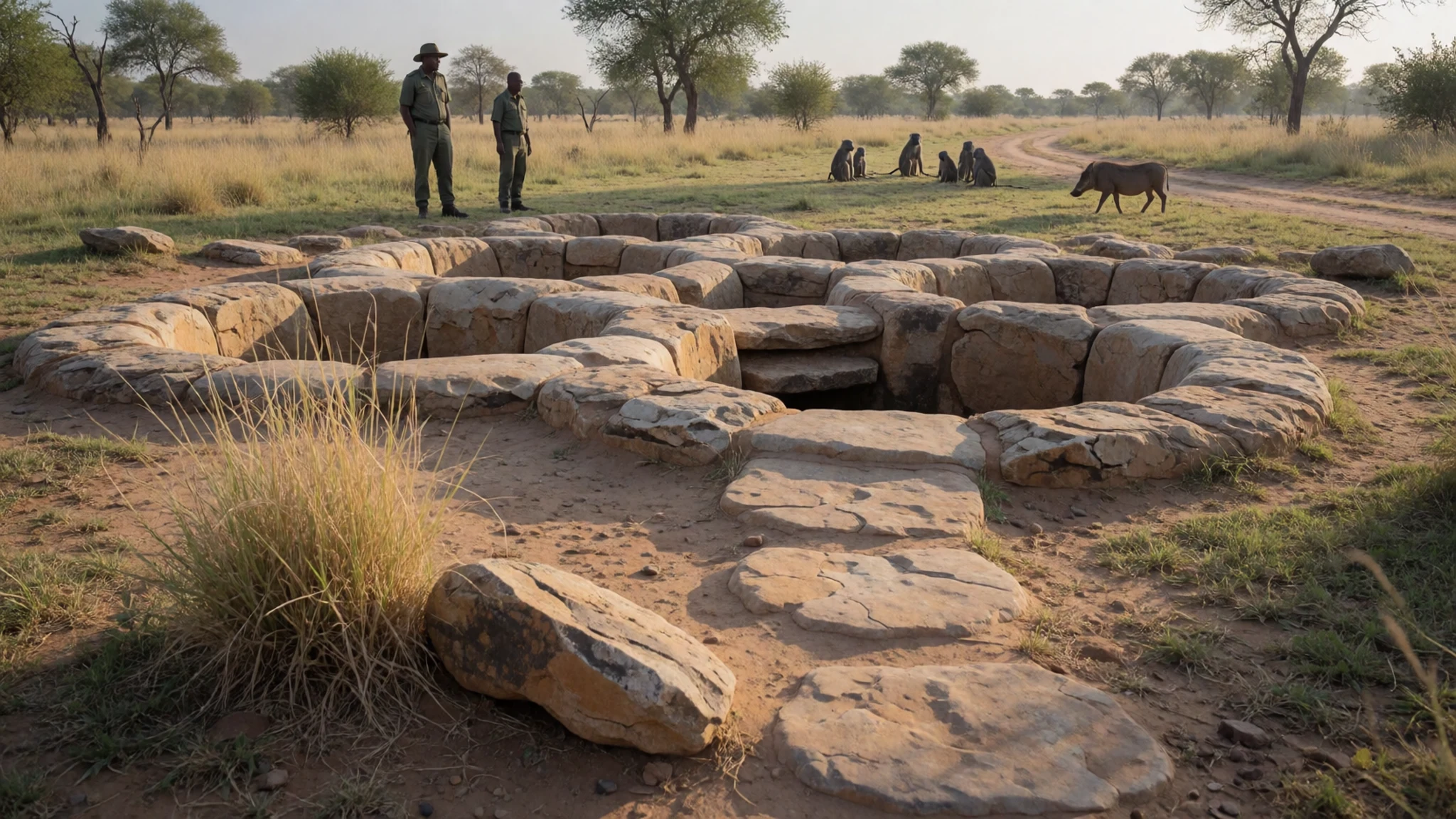
- Anfara Iron Smelting Site — Inside Yankari Game Reserve, Bauchi State
Anfara is one of the old iron-working sites in the park, where furnaces once turned local ore into metal. Centuries of weather have worn them down, so what remains is low and easy to miss without a guide. It is the clearest sign that people worked this land long before it became a reserve.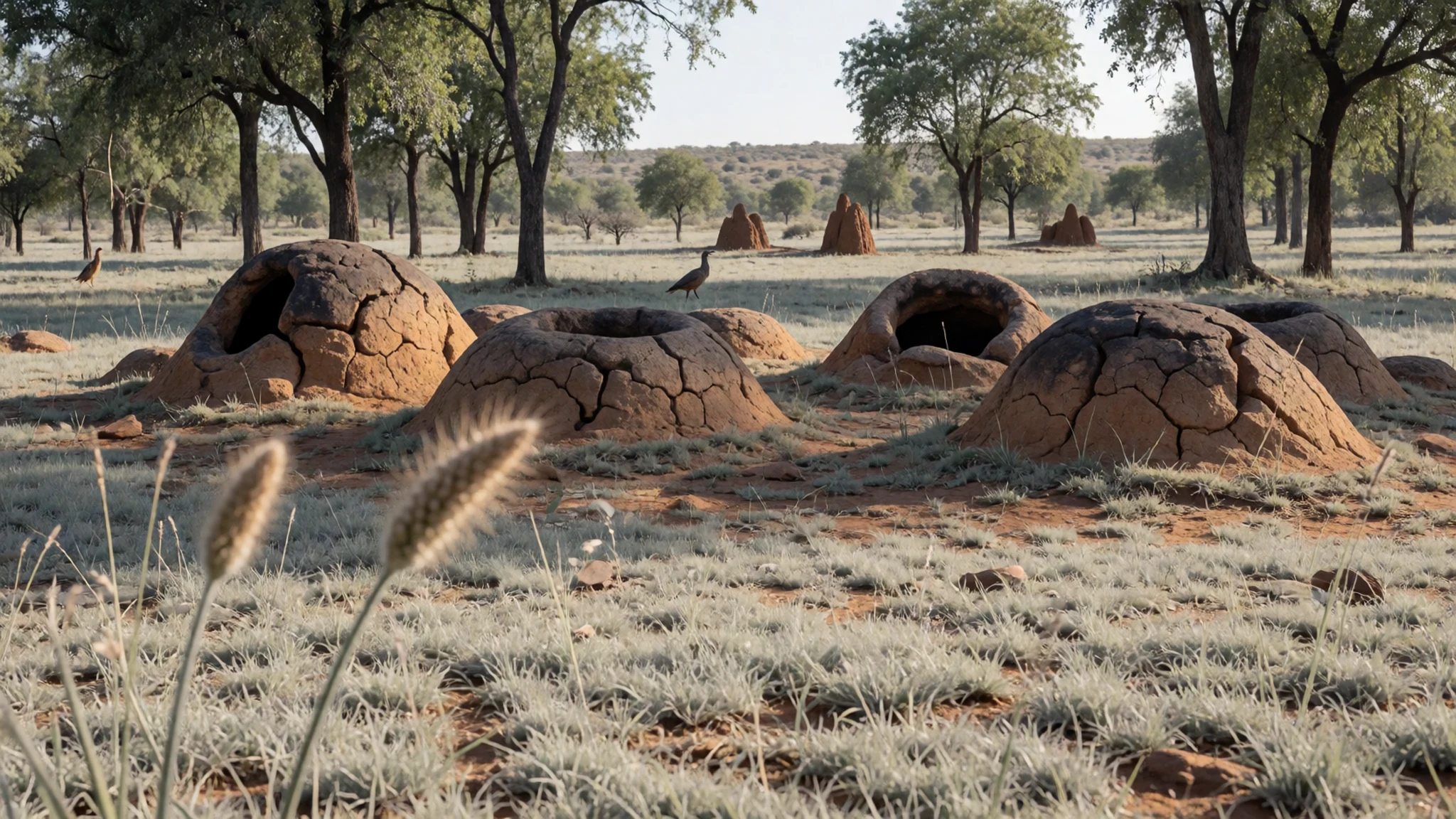
- Game drives through the savanna — Open savanna and river valleys across the reserve
Wildlife watching at Yankari is done mostly from a vehicle with a ranger, along tracks through open woodland and beside the river valleys. Waterbuck, baboons and warthogs are among the animals recorded in photographs of the reserve. The dry season, when animals stay near water, usually gives the best chances, but patience matters more than timing.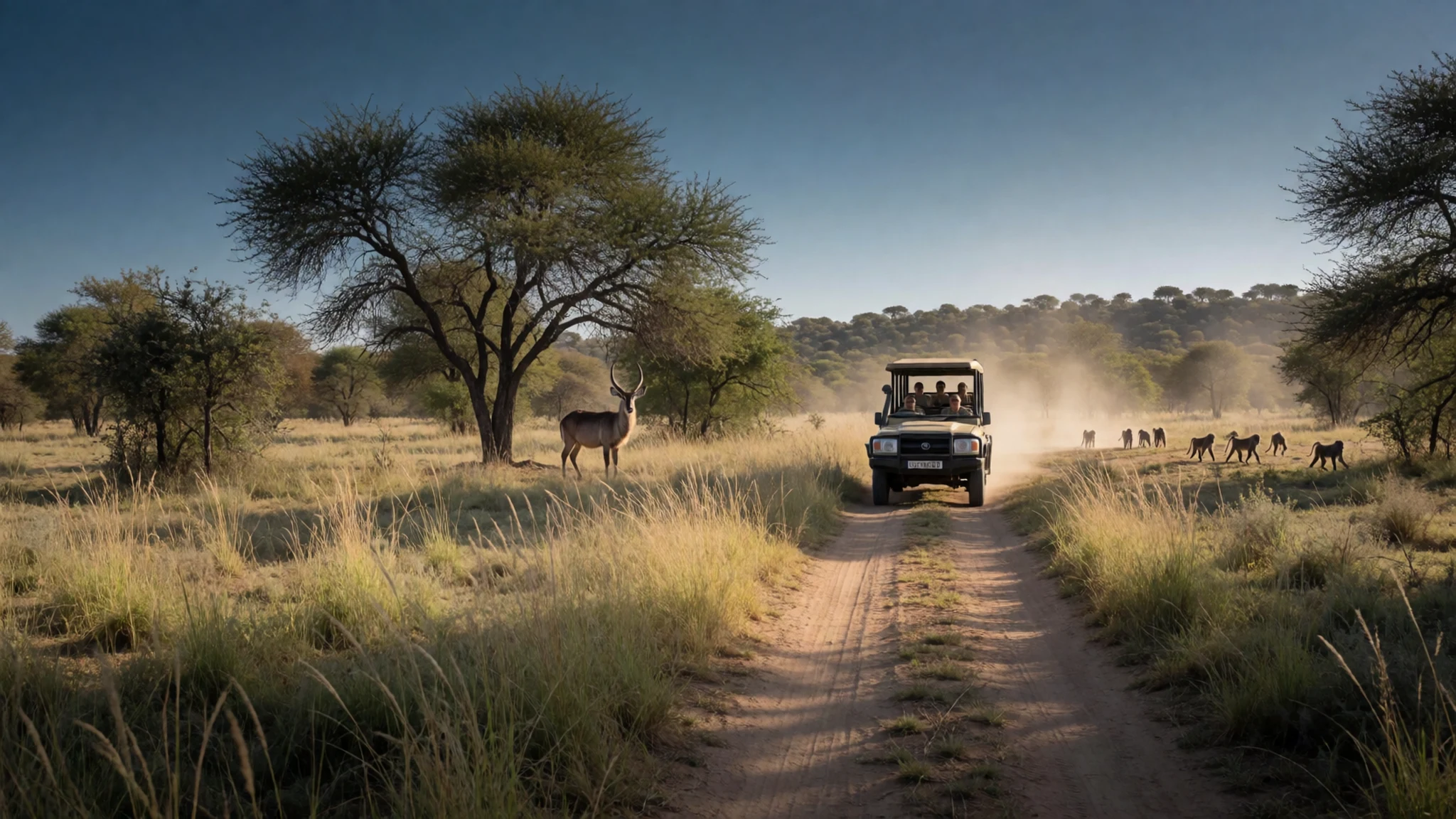
- The entrance gate at Mainamaji — Mainamaji village, Bauchi State
The main entrance is at Mainamaji village, about 69 km from Bauchi, and it is a further 43 km of park track to Wikki Camp. Check in at the gate, ask for current track conditions and fees before driving on, and allow generous time: the road in is part of the day.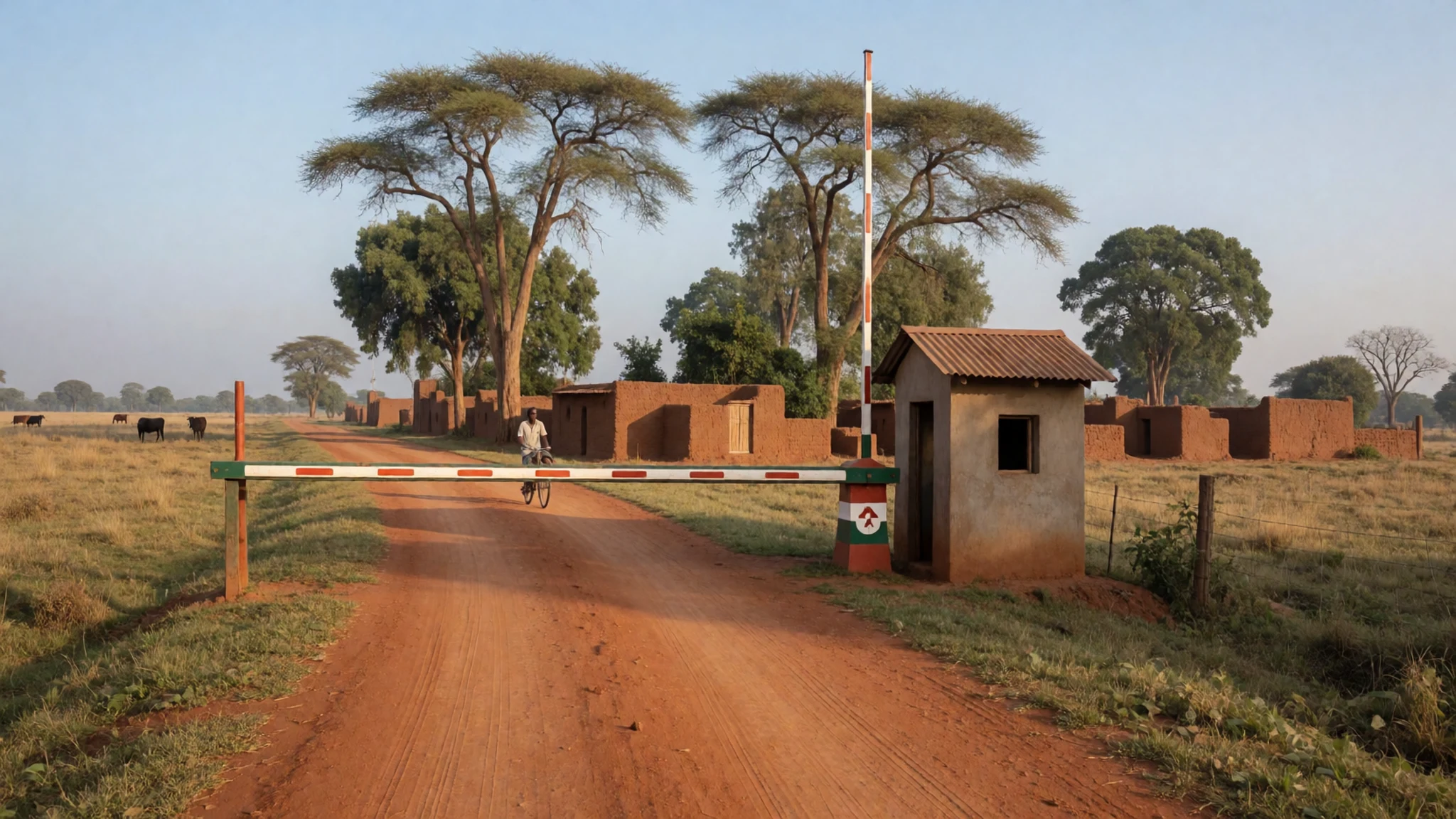
Culture
The culture around Yankari is that of the farming and herding communities of Bauchi State, not of the park itself, since nobody has lived inside the boundary for over a century. The country around the reserve is largely Hausa and Fulani, with many other groups in the wider state. Northern Nigeria is predominantly Muslim, so the rhythm of the day follows prayer times and Fridays are quieter. Greetings carry real weight. A proper greeting, asking after health and family, comes before any request, and an unhurried start to a conversation is normal rather than wasted time. Elders are addressed respectfully, and the right hand is used for giving, receiving and eating. Bauchi's markets are where most daily life is visible, with cloth, grain, spices and livestock changing hands, and they repay an hour of slow walking. Inside the reserve, the old iron-smelting sites hold a quieter kind of heritage. They show metalworking traditions that predate the game reserve, and the rangers are the best people to ask about what is known of them. The bar at the camp serves visitors, but alcohol is not part of everyday life in much of the state, so keep drinking discreet away from the camp. Ask before photographing anyone in the villages or markets around Yankari, and greet people first, using your right hand for handshakes.
What to wear
Dress around Yankari is mostly Hausa and Fulani in character. Men traditionally wear the babban riga, a wide flowing gown in cotton or embroidered cloth, with a cap and trousers beneath, for Fridays, weddings and festivals. Women wear a wrapper (zane) with a fitted blouse and a head covering, in printed cotton or ankara, and in lace or brocade for celebrations. Fulani herders in the surrounding country are recognisable by wide-brimmed hats and long staffs, and indigo-dyed cotton has a long history across northern Nigeria. Day to day, people in Bauchi wear a mix: shirts and trousers, long dresses and skirts, with the traditional gown for prayers and occasions. Dress is modest, with shoulders and knees usually covered. A visitor should dress for heat, dust and bush. Light, long-sleeved cotton in khaki, olive or sand colours suits game drives and keeps off sun and insects. Bring a wide hat, sunglasses and closed shoes with grip for the tracks and rocky sites, plus sandals for the springs. Swimwear is fine at Wikki, but cover up walking through the camp and in Bauchi town. Nights in the dry season can fall to 12 °C, so pack a warm layer, and a scarf helps with harmattan dust.
What to eat
- Tuwo shinkafa — Canteens and food stalls in Bauchi town, or the park restaurant if it is on the menu
A soft, smooth mound of pounded rice eaten by hand with a soup such as miyan kuka or miyan taushe. It is everyday northern Nigerian food and filling after a day on the tracks. Ask what soup is cooked that day.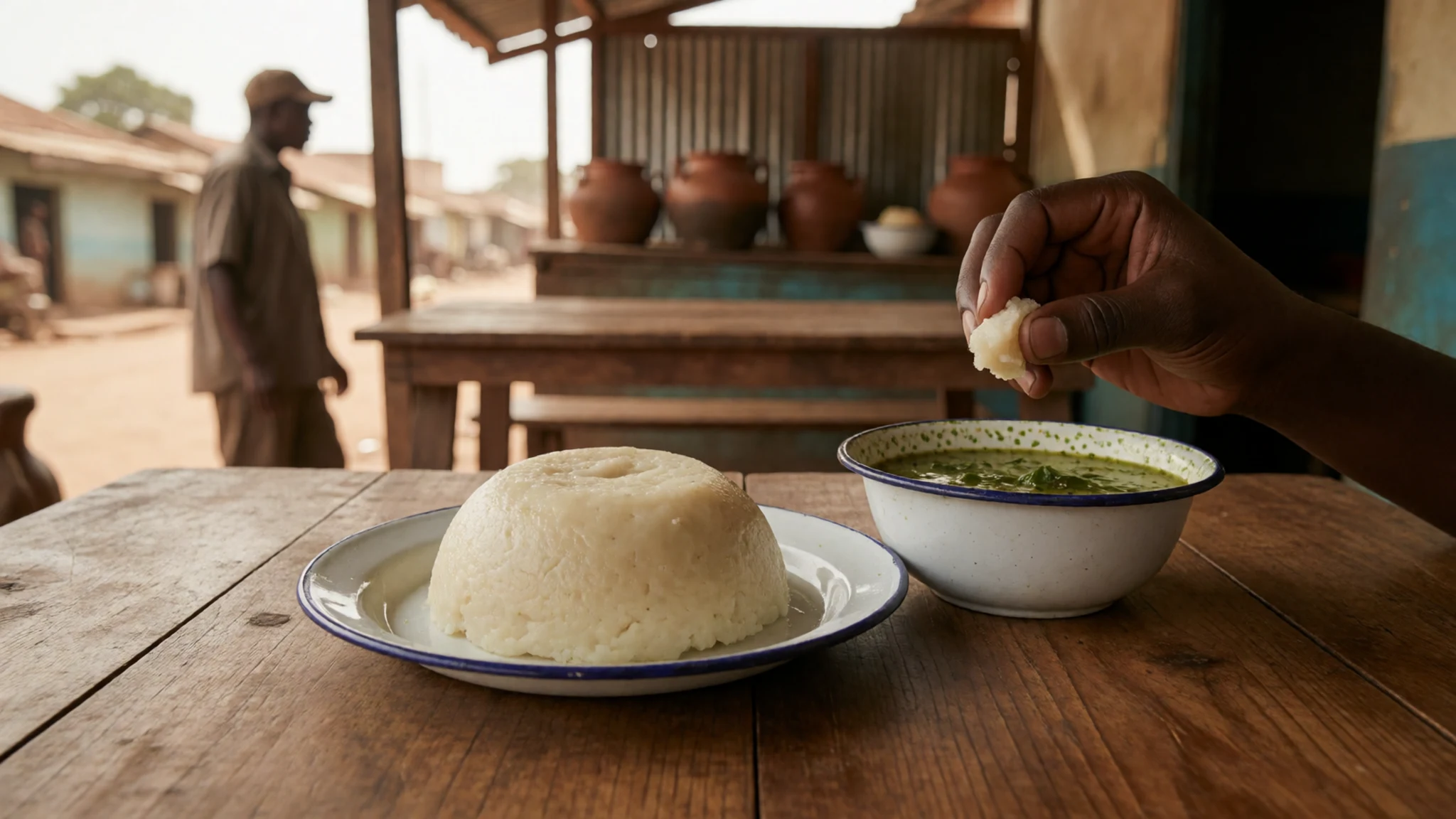
- Suya — Evening grill stands in Bauchi town and along main roads
Thin strips of beef or chicken rubbed in a peppery groundnut spice mix and grilled over charcoal, usually served in paper with sliced onion and tomato. It is an evening food, so look for smoking grills once the heat drops. Say how hot you want it.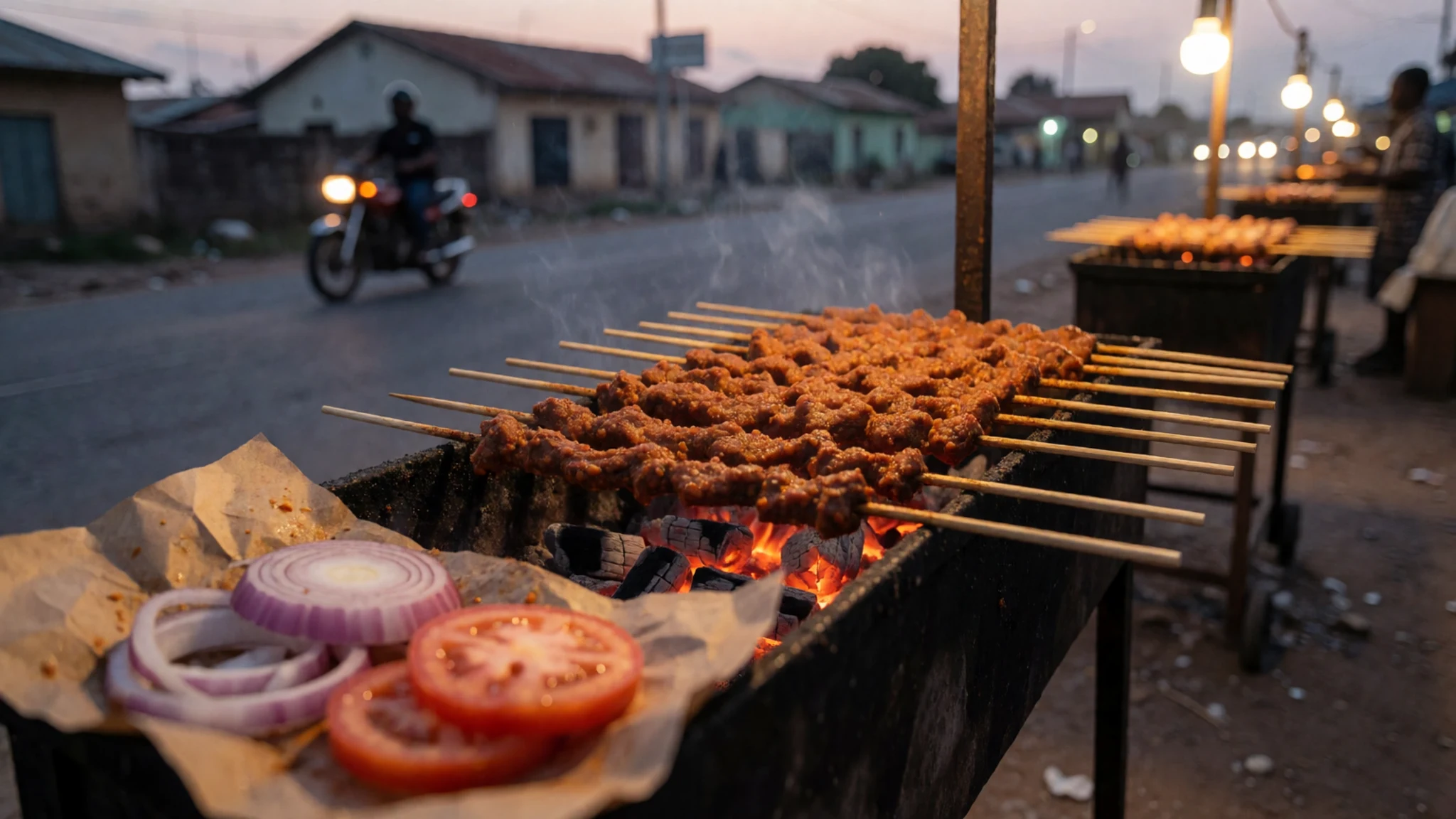
- Kilishi — Markets and roadside sellers in Bauchi
Dried, spiced sheets of beef, thin and chewy, with a deep pepper and groundnut flavour. It keeps well and travels easily, which makes it a sensible snack for the long road to the reserve. - Masa — Morning street sellers in Bauchi and roadside towns
Fried rice cakes with crisp edges and a soft, slightly sour middle, eaten at breakfast with a spicy sauce or a sprinkle of sugar. They are best eaten hot, straight from the pan. - Fura da nono — Markets and roadside stalls, bought from a busy seller
Millet balls mashed into soured milk, tart and cooling, with a link to Fulani cattle-keeping. Choose a busy seller, and be careful about added water or ice if your stomach is sensitive.
Plan it
Best time. November to February is the usual choice: it is dry, the harmattan wind brings dusty skies and cooler nights down to about 12 °C, and animals tend to stay near water. February and March are the hottest months, with daytime temperatures that can pass 43 °C. May to October is the rainy season, when tracks can be hard going.
How long. 2–3
Getting there. Fly from Lagos or Abuja to Bauchi, or take a long-distance bus to Bauchi from other Nigerian cities. From Bauchi, a chartered vehicle is the usual way on: the entrance gate is at Mainamaji village, about 69 km away, and Wikki Camp is a further 43 km inside the park.
Budget. mid
Tips
- Book park accommodation ahead and confirm it directly with the reserve, since facilities are limited and it is remote
- Plan the road carefully: bus journeys to Bauchi are long, so allow a day for travel at each end
- Do game drives early in the morning and swim at Wikki in the afternoon heat
- Carry cash as well as cards, and bring plenty of drinking water
- Check your government's current travel advice for Bauchi State before you go, and avoid late-night outings alone
Etiquette
- Greet people before asking for anything
- Follow your ranger's instructions around animals and keep to the tracks
- Ask before photographing people, and cover shoulders and knees in towns and villages
Nearby
Sources
- Wikidata Q1473112 (CC0)
- Wikipedia: Yankari Game Reserve (rev 1384888079) (CC BY-SA 4.0)
- Wikivoyage: Yankari Game Reserve (rev 5358338) (CC BY-SA 4.0)
- Photo: Yankari Game Reserve Entry Gate — Musaddam Idriss (CC BY-SA 4.0)
- Photo: Relief location map of Nigeria — Uwe Dedering (CC BY 3.0)
- Photo: Water buck, Yankari Game Reserve — Charles Emogor (CC BY-SA 4.0)
- Photo: Dukkey wells in Keri Keri sandstone, Yankari — Dr Mary Gillham Archive Project (CC BY 2.5)
- Photo: 2nd Gate of Yankari Game Reserve 01 — Kambai Akau (CC BY-SA 4.0)
- Photo: 2nd Gate of Yankari Game Reserve 02 — Kambai Akau (CC BY-SA 4.0)
- Photo: 2nd Gate of Yankari Game Reserve 03 — Kambai Akau (CC BY-SA 4.0)
- Photo: 2nd Gate of Yankari Game Reserve 04 — Kambai Akau (CC BY-SA 4.0)


Wildlife
- Waterbuck (animal)
The waterbuck is a big antelope, brown to grey in colour, and only the males wear long horns that sweep back and then curve forward. Visitors to Yankari like to photograph it, though a sighting is never promised, and nothing here says where or when it is best found. Watch from a respectful distance, stay quiet, and go with a guide who knows the park. Never feed it; let it carry on undisturbed.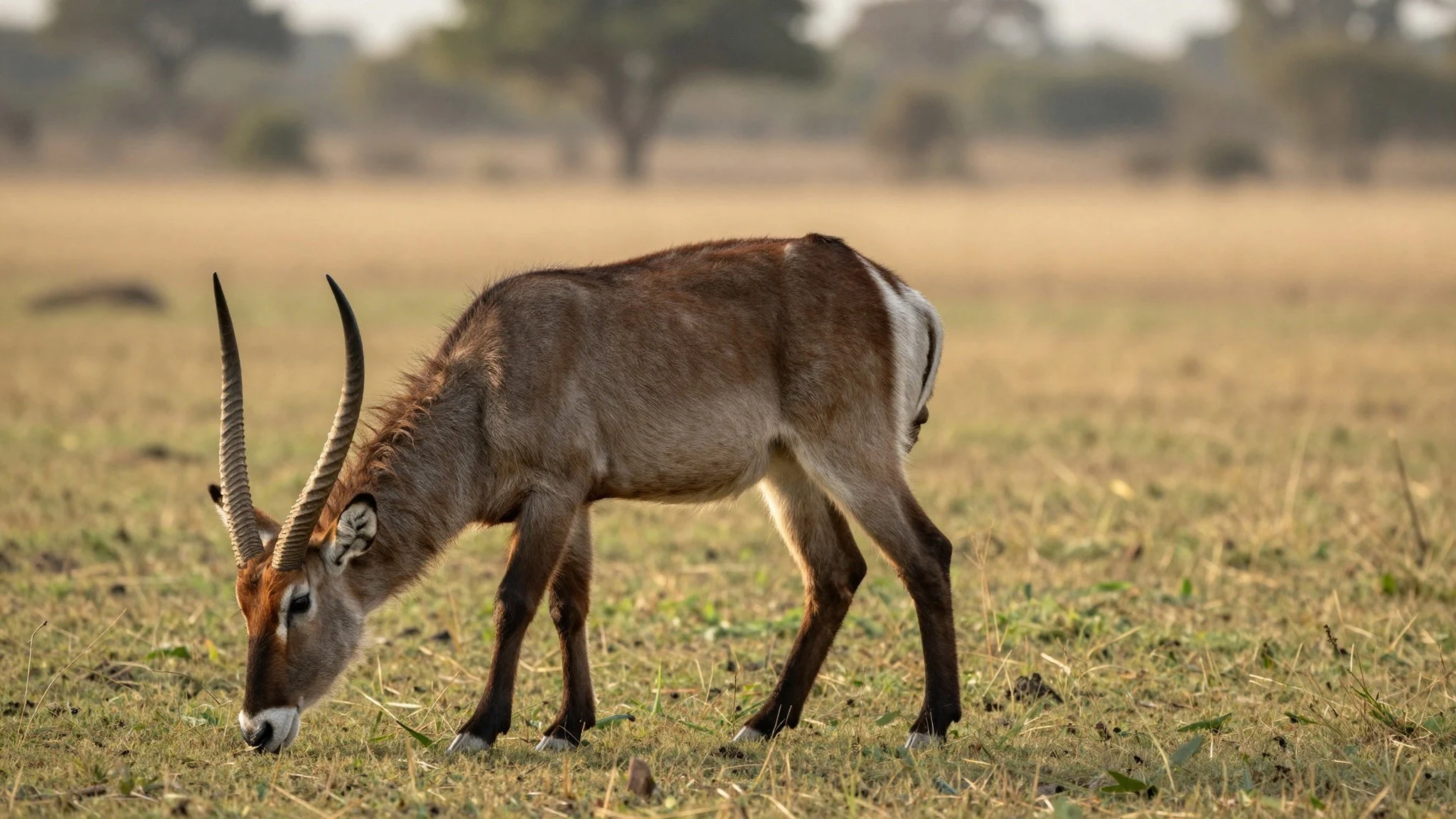
- Warthog (animal)
The common warthog is a wild pig that lives on grassy plains and in woodland. In Yankari, photographs show it close to the wells, so those are sensible places to look, though the best season and hour are not known. Watch from a comfortable distance, keep your voice low, and let a guide lead the way. Never offer it food, because wild animals are best left to find their own meals.