Kano
Kano, Nigeria
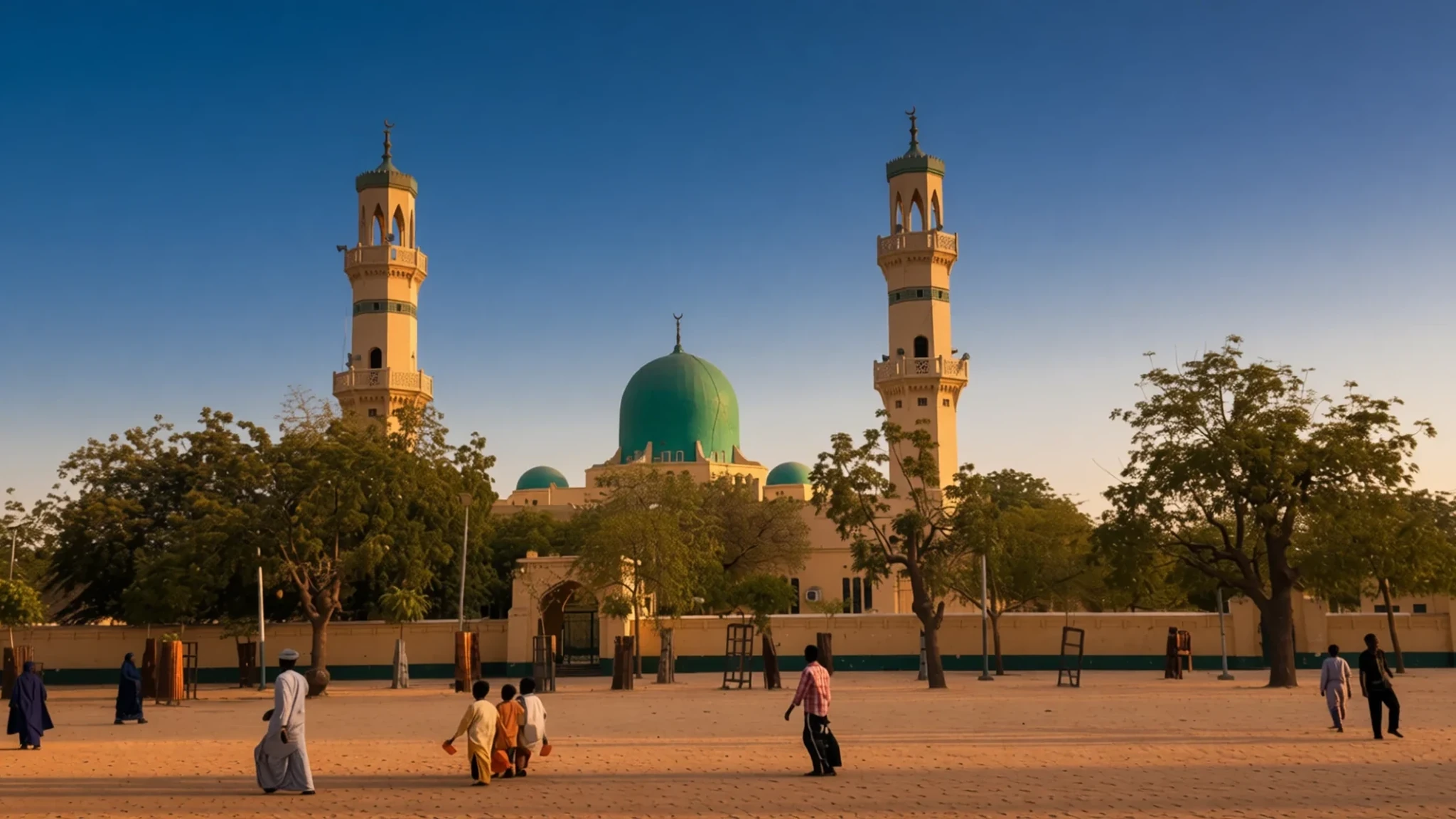
Kano is where northern Nigerian history, trade routes, and everyday market life collide—hot, busy, and deeply grounded in Islam.
The place
Kano (Ajami: كَنُواْ) sits in northern Nigeria and is the capital of Kano State. The landscape is savanna—south of the Sahara and closer to the Sahel—so the light is sharp, the dry-season dust hangs around longer, and afternoons can feel heavy even when nights cool off.
This is not a “quiet old town”. Kano has long been a commercial hub thanks to its position along trans-Saharan routes, and that history still shows up in how the city functions: markets are lively, shops are packed, and the flow of people and goods is constant. The city also has a strong traditional layer, with the Emirate Council and the Dabo dynasty’s long-running role shaping civic life.
Culturally, Kano is closely associated with Islam, which arrived through trade routes and helped make the city prosperous and networked. That religious influence shows in architecture, daily rhythms, and big festive moments centred on the two Eid celebrations.
For visitors, the practical side matters. Expect crowds around major sites and Friday worship at the Great Mosque of Kano. Heat and sun are regular companions, so start early and plan for breaks. If you enjoy markets, crafts, old buildings, and the sense of a city that’s still “working”, Kano delivers—just with the kind of pace that asks for patience rather than quick photo stops.
Its story
Kano’s story begins far earlier than its medieval fame. On the residual rise of Dala Hill, the earliest accounts describe a community focused on hunting and gathering with iron-work traditions. The Kano Chronicle also speaks of figures connected to that hill—linking local legends, spiritual ideas, and early settlement lines.
One popular thread in the chronicle centres on Bagauda, described as becoming the first king of Kano at the turn from the first millennium. Later rulers built up the defences at the base of Dala Hill, including city walls that helped shape a more recognisable urban core. Those walls matter because they represent Kano moving from small chiefdoms into a more organised city-state.
As Kano developed, it became one of the known Hausa historic city-states, with a reputation tied to commerce and scholarship supported by trans-Saharan connections. The city’s cosmopolitan past is reflected in settlement patterns beyond one group—so Arabic, Tuareg and Kanuri communities are part of the broader picture, while Hausa remains the shared language in the region.
Over time, Islam became deeply rooted in Kano’s life, and the city’s wealth is often linked to the role it played as a commercial nerve centre for northern Nigeria. In modern days, the Emirate Council and the enduring traditional authority connected to the Dabo dynasty keep the historical continuity visible in the streets.
What to see
- Kurmi market — Kurmi area
Kurmi market is widely treated as Kano’s oldest market area, with textiles from across the region showing up in stall life. Go early to catch the busiest sections when traders are setting up, and don’t rush—browsing here is part of the experience.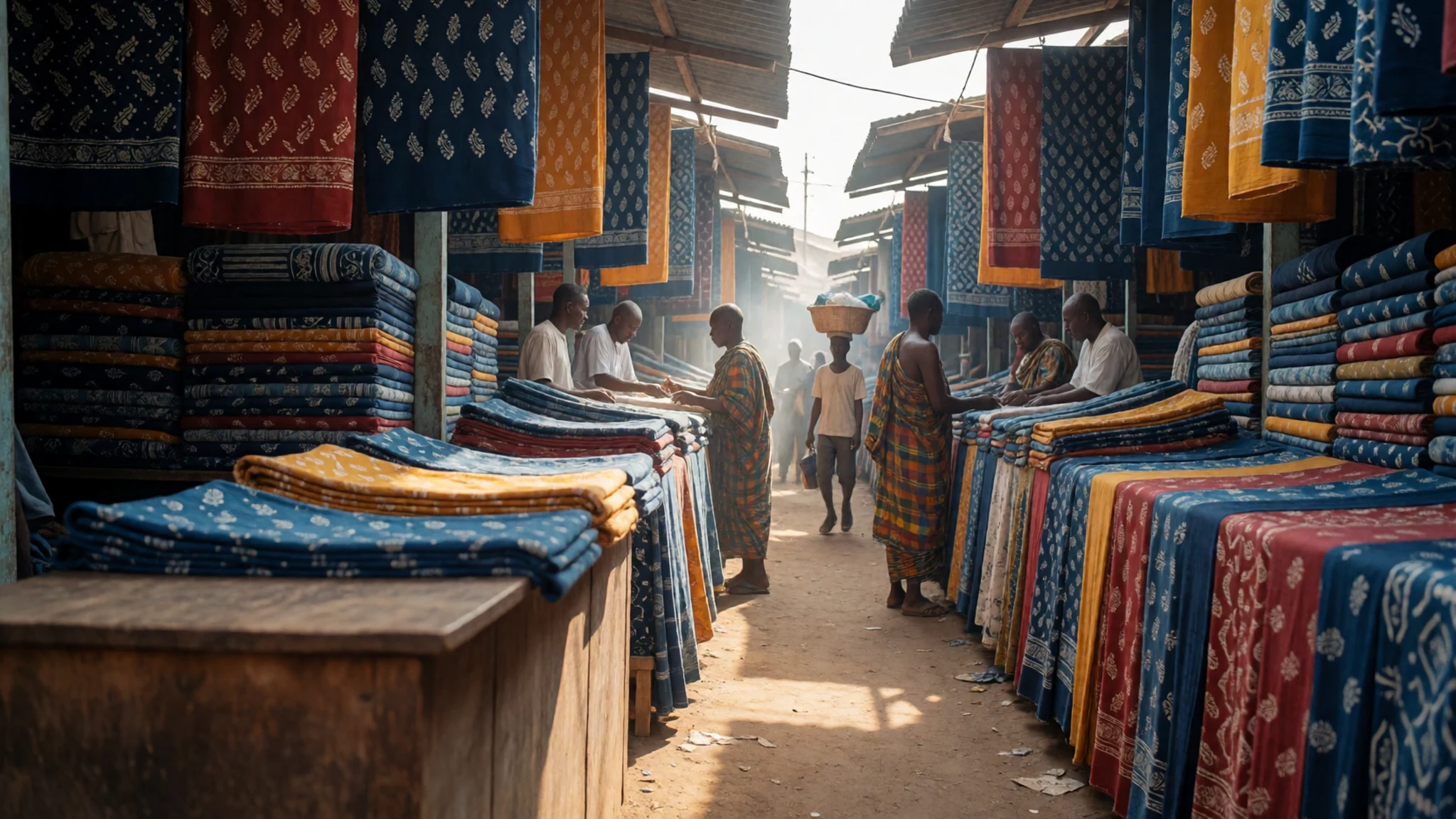
- Gidan Makama Museum — Central Kano
Gidan Makama Museum sits in a historic building associated with the city’s past. It’s a good stop when the midday heat gets too intense: expect arts, crafts and objects connected to Kano’s local history and everyday materials.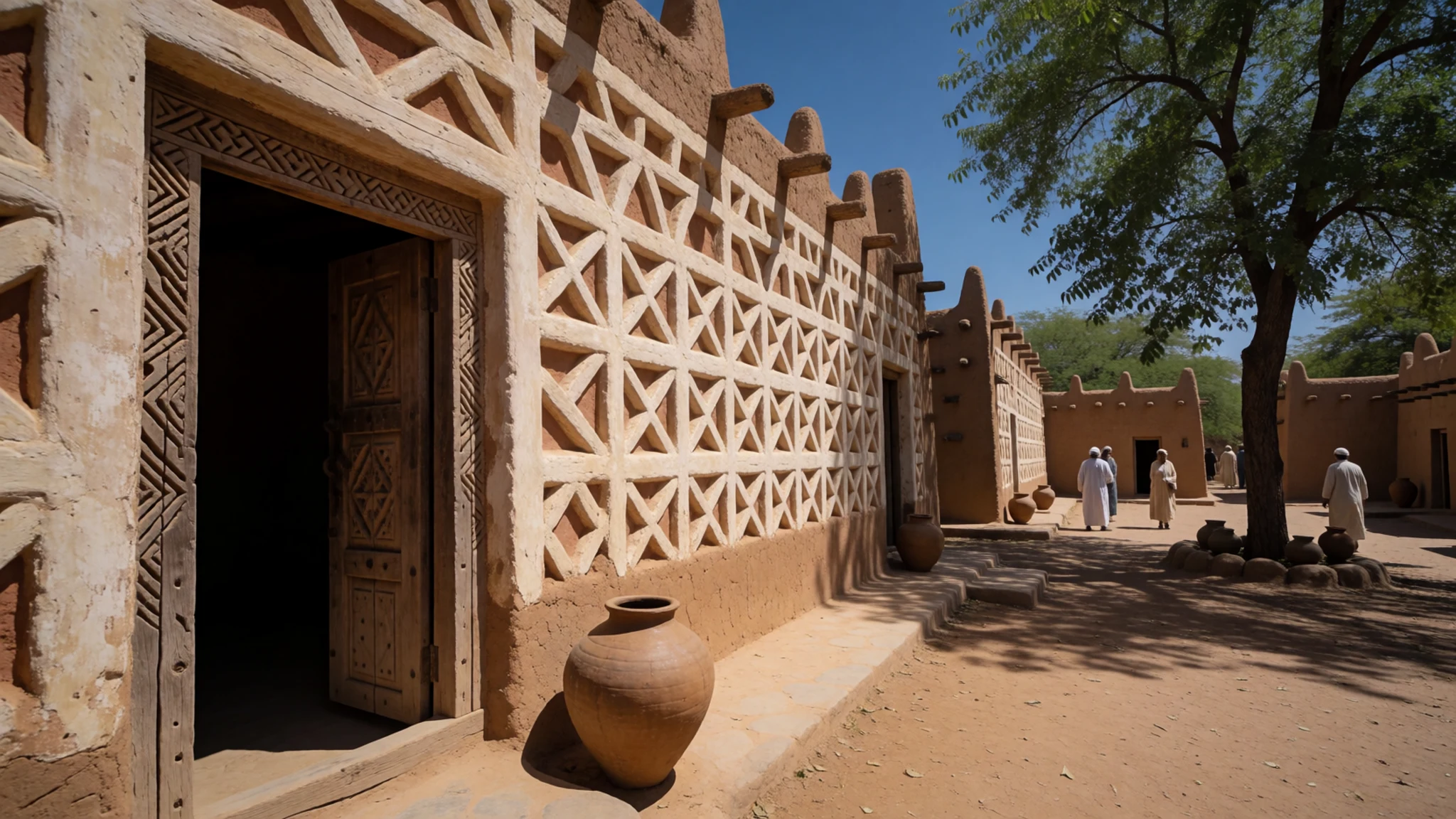
- Great Mosque of Kano — City centre
The Great Mosque of Kano is central to the city’s religious life. On Fridays, the site draws very large numbers for worship, so you may find the immediate surrounds crowded and loud. Plan for delays and be respectful with camera use.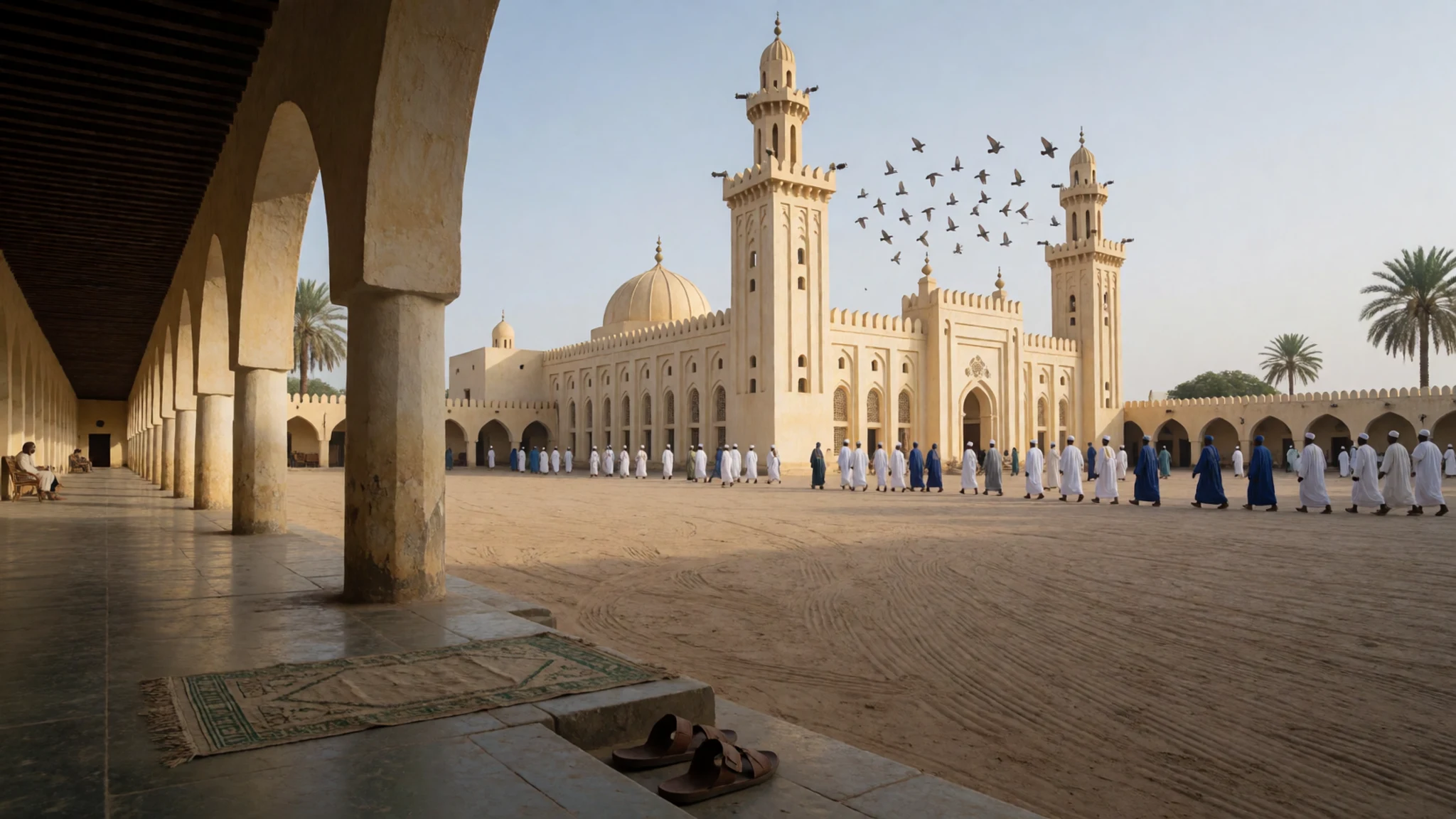
- Kofar Mata dye pits — Kofar Mata area
Kofar Mata is known for dye pits where cloth is coloured, including indigo and blue tones. It’s fascinating to watch the process from a distance—stick close to the viewing edges, because this is working craft, not a staged workshop for tourists.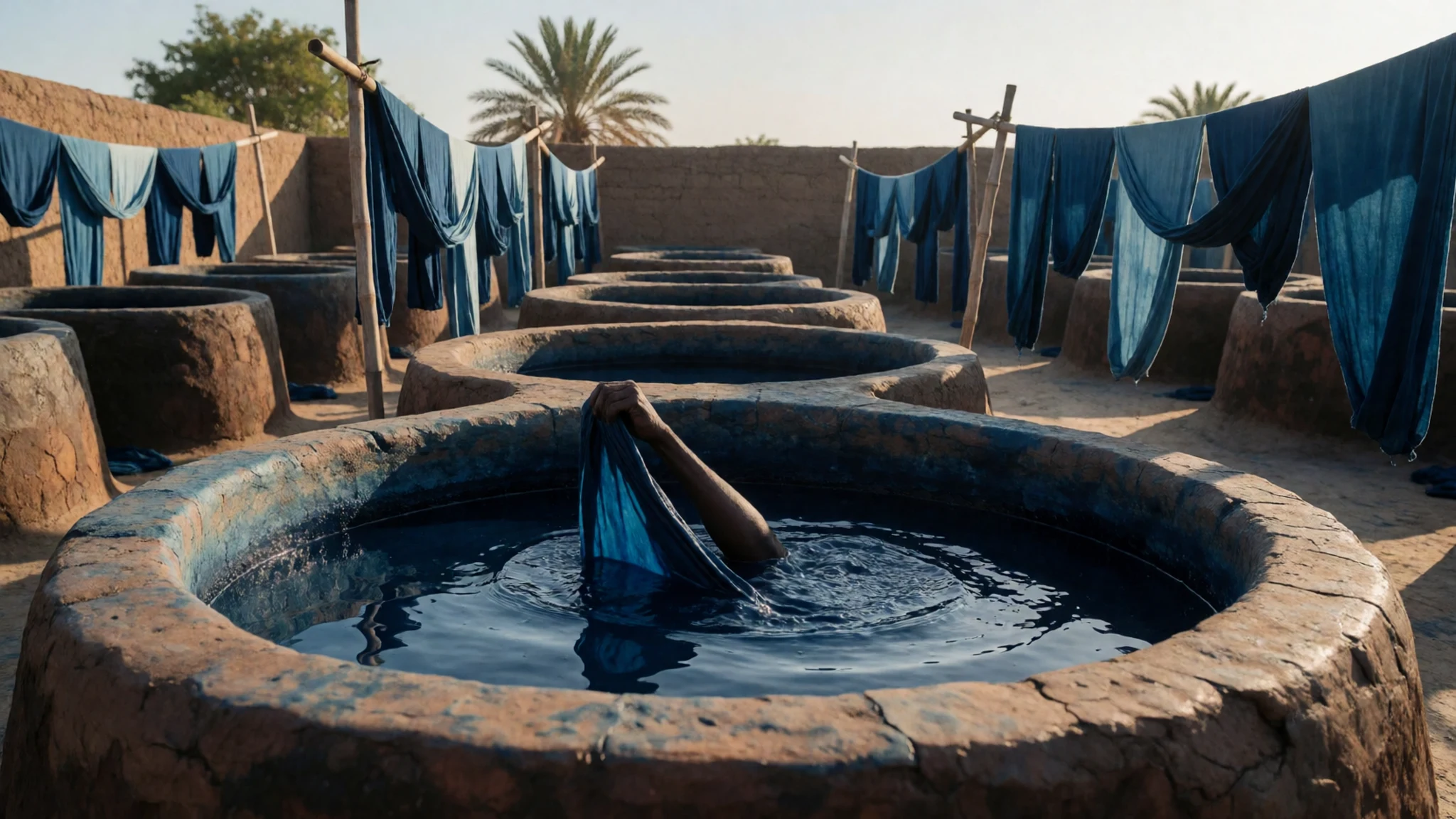
- Kano Zoo — Kano Zoo area
If you need a calmer break from markets and mosques, Kano Zoo offers a chance to see animals, mainly indigenous species. It’s an easier afternoon option when the sun is high, but still bring water and expect day-to-day operational variation.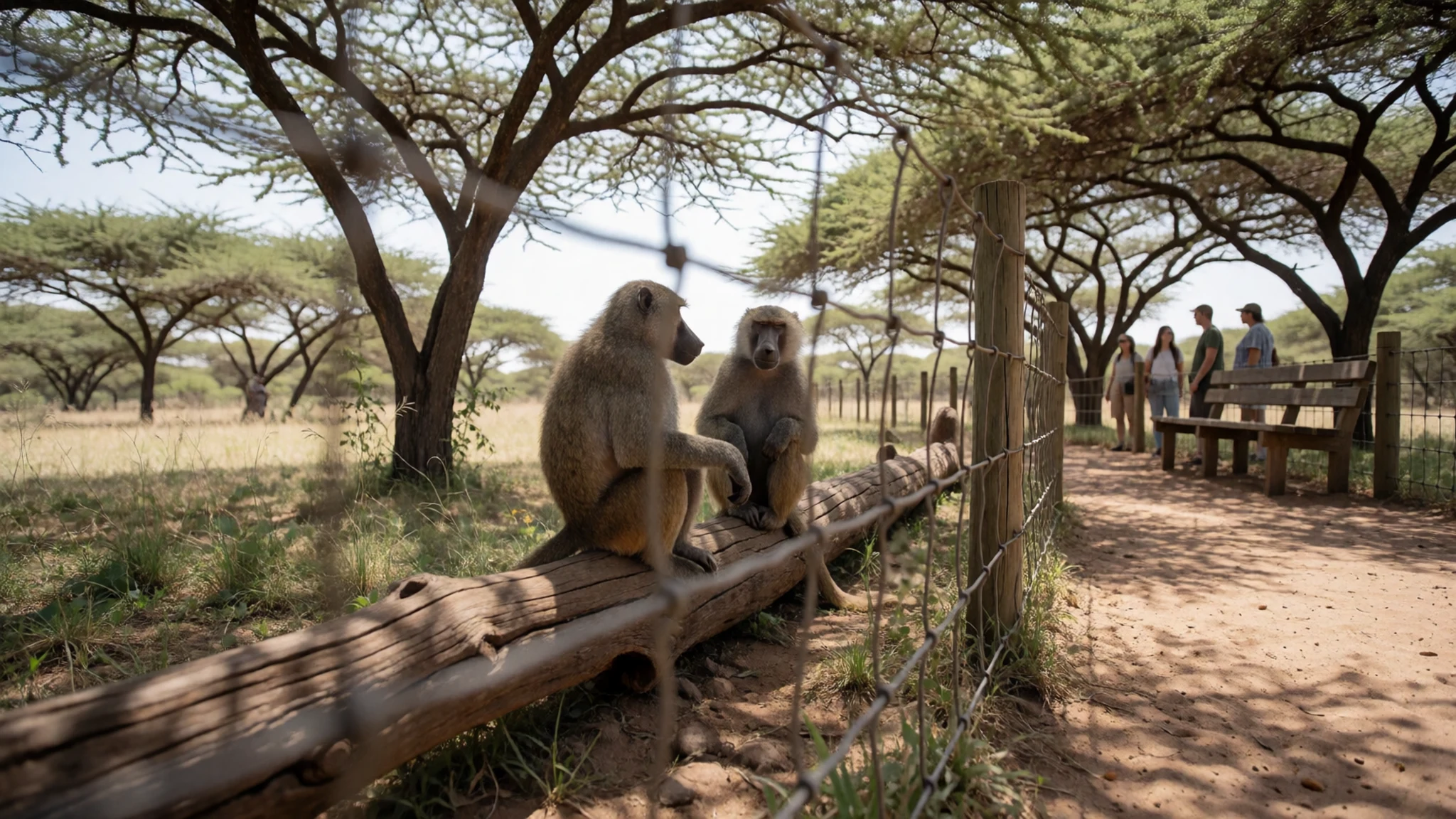
Culture
Kano’s culture is shaped by equestrian traditions and public ceremony, especially around the Eid celebrations that follow Ramadan and mark the Hajj period. During the Durbar festival, horsemen associated with the royal court and different districts take part in processions that move through the city and then gather near the emir’s palace. Musicians and other groups join in, and riders perform charges that stop just short of the seated dignitaries—an event designed to show skill, coordination and loyalty rather than speed.
Outside festival days, the equestrian influence still feels present in how people talk about status, responsibility and community respect. Kano is also a place where religious rhythms matter: Islamic life is woven into daily schedules, public spaces and major gatherings.
For visitors, the key is to approach celebrations with patience. Processions can thicken into dense crowds, and phones raised everywhere can turn into an obstacle course. If a moment becomes chaotic, step back, let people pass, and only film or photograph when it feels welcome rather than intrusive.
Visitor etiquette: dress modestly, keep noise down around processions, and ask before photographing riders or people in religious or ceremonial spaces.
What to wear
In Kano, traditional clothing is closely tied to Islamic norms and the broader Hausa-Fulani heritage. The most recognisable everyday traditional outfit for men is the flowing kaftan-style wrapper worn with matching trousers, often in patterned fabrics that reflect the wearer’s taste and occasion. For women, long dresses and wrapper-style garments are common, typically with a head covering (and sometimes face coverage) depending on family preference and the level of public visibility.
Textiles matter here: you’ll see locally used prints and also fabrics associated with the wider regional trade, because Kano’s market culture supports variety. During festivals such as Durbar, outfits can look more richly finished—bright colours and more elaborate patterns—because the day is about public display and communal celebration.
In day-to-day life, visitors usually blend better with what locals wear now: loose, breathable fabrics in warm conditions, with shoulders and knees covered. For mosque areas, carry a light layer for modesty and comfort, and choose shoes that handle dust and uneven paths. Sunglasses and a cap help during bright sun; there’s no point dressing beautifully if the heat slows everything down.
What to eat
- Falamanki — Kano city
Falamanki is a local-style stop where people often go for a sit-down meal. It’s known for spending time in the space and for Chapman—so it’s a good place to try a drink pairing alongside local favourites.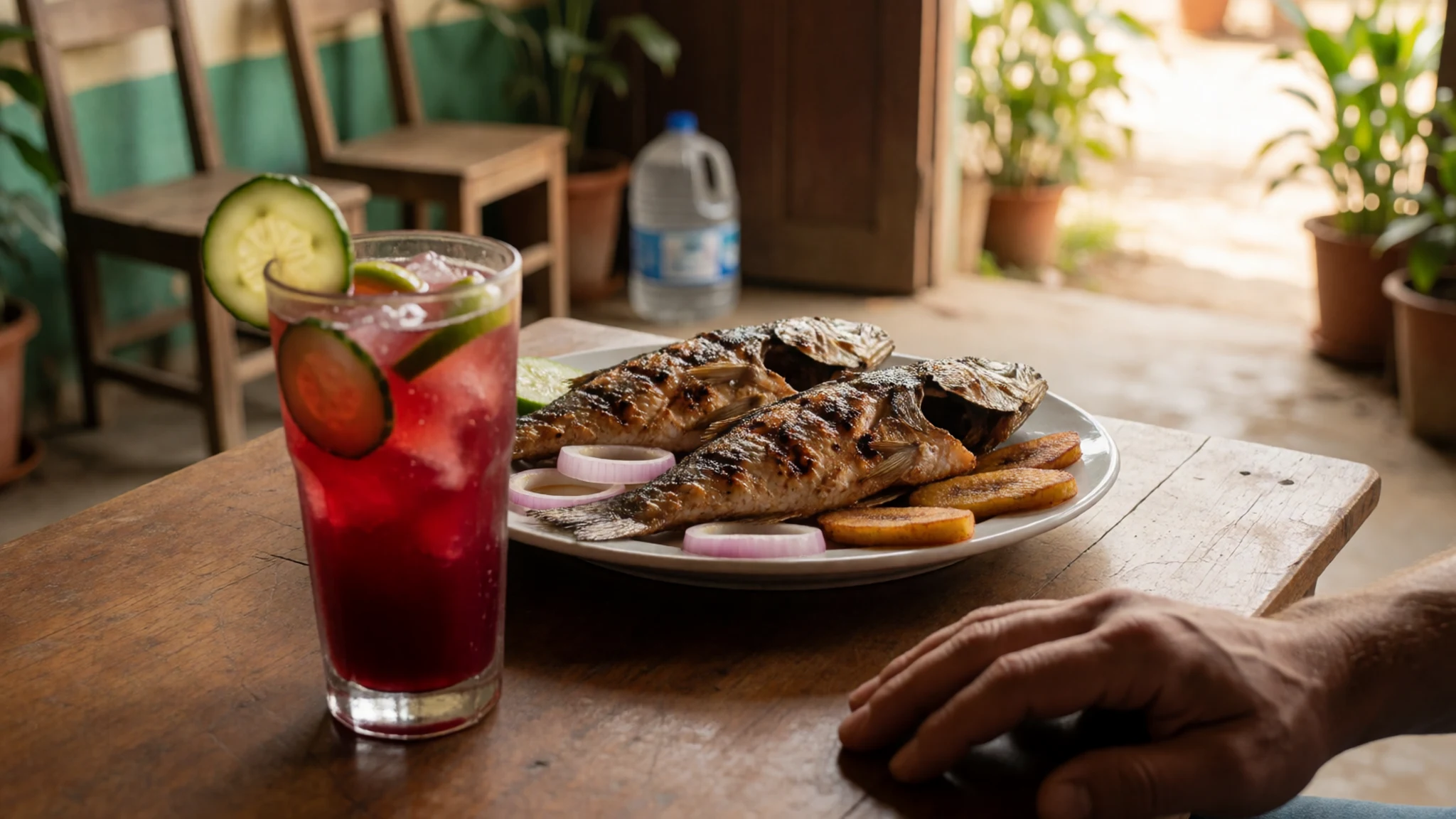
- Chinese dishes at Palace Restaurant — Kano city
Palace Restaurant is a dine-in option that serves Chinese food and focuses on what fits local tastes. If pork isn’t your preference, ask about suitable choices; beef-based dumplings can be a safer bet.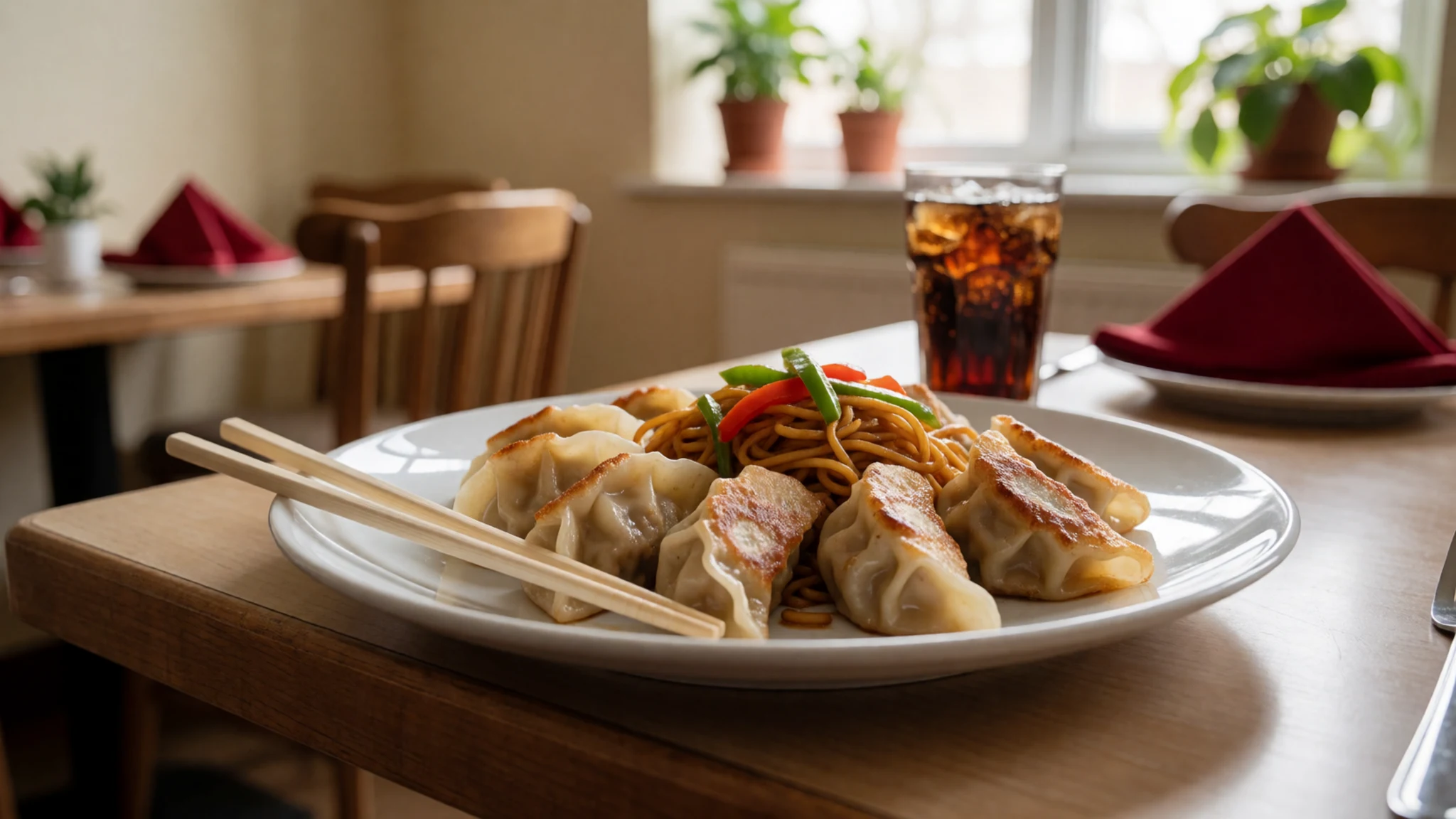
- Lebanese fare at Lebanon Club — Kano city
Lebanon Club is a Lebanese menu option with staples such as hummus, kebabs and falafel. It’s the kind of place where you go for variety beyond local dishes, and it can be useful when travelling with people who want something familiar. - Dine-in and takeaway at Gusto Restaurant — Kano city
Gusto Restaurant works for both sit-down meals and takeaway, which is handy when you want to keep moving through markets. It’s a practical fallback day or evening option if you’re tired of experimenting.
Plan it
Best time. For walking, the driest, most comfortable stretches are January–February and November–December, while March–April are warmer and still fairly manageable; June is the start of the heavier rains, with the wettest period running through July and August, and the hottest months are March through May, with April and May bringing the highest daily highs.
How long. 3–4
Getting there. Fly into Nigeria’s main airports and continue by road to Kano; from Abuja, the common route follows the Abuja–Kaduna–Zaria–Kano road, covering about 390 km. For longer-distance rail, Nigeria Railway Corporation runs express passenger services connecting Port Harcourt to Kano via Lagos and Ibadan, with services on Thursdays and Fridays (check at the station for any schedule changes).
Budget. mid
Tips
- Start early for markets and museum slots to avoid the strongest daytime heat.
- Expect crowds around major sites, especially around Friday worship at the Great Mosque of Kano.
- If using trains, allow extra time for delays and confirm dates of service changes at the station.
- Bring small cash for day-to-day purchases and crafts, and carry water during walks.
Etiquette
- Dress modestly in religious areas and cover shoulders and knees.
- Be careful with photography around worship and crowds; ask if unsure.
- Follow local guidance around ceremonial areas during Eid and Durbar events.
Nearby
Sources
- Wikidata Q182984 (CC0)
- Wikipedia (rev 1382304074) (CC BY-SA 4.0)
- Wikivoyage (rev 5406258) (CC BY-SA 4.0)
- Photo photos/01-kanofromdalahill.jpg (CC BY-SA 2.0)
- Photo photos/02-dala-hills-dutse-dala.jpg (CC BY-SA 4.0)
- Photo photos/03-kano-walls-kano-state.jpg (CC BY-SA 4.0)
- Photo photos/04-kofar-kudu-kano-emirs-palace.jpg (CC BY-SA 4.0)
- Photo photos/05-gidan-makama-gate.jpg (CC BY-SA 4.0)
- Photo photos/06-kofar-mata-dye-pit-1.jpg (CC BY-SA 4.0)
- Photo photos/07-the-kano-central-mosque.jpg (CC0 1.0)
- Photo photos/08-meyers-universum-band-21-07.jpg (Public domain)


