Obudu Mountain Resort
Obudu Mountain Resort, Nigeria
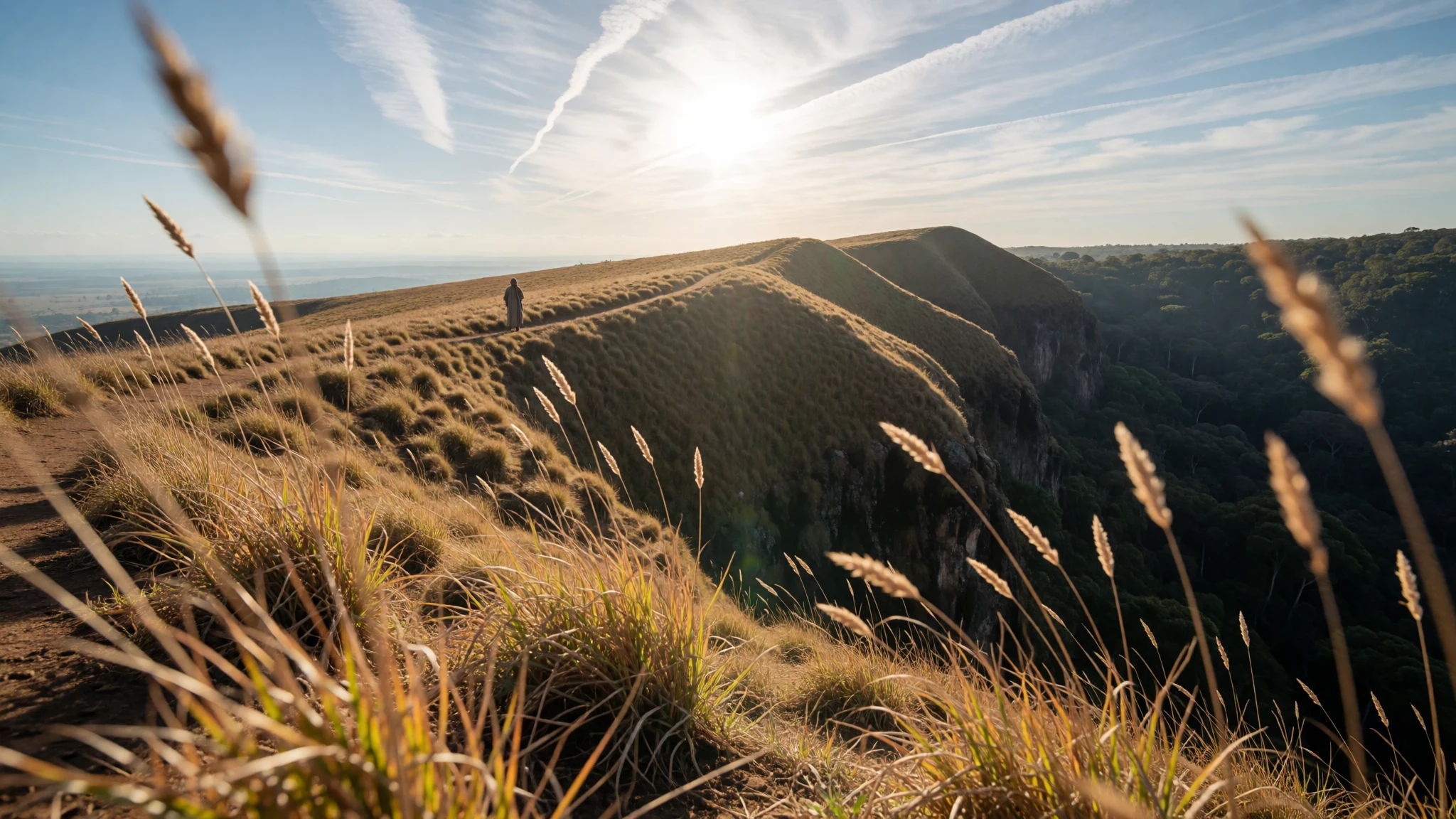
Obudu Mountain Resort is a cool, green plateau in south-eastern Nigeria, where cloud, grassland and gorges feel a world away from the lowland heat.
The place
Obudu Mountain Resort sits on the Obudu Plateau, part of the Oshie Ridge in the Sankwala range, in Cross River State in south-eastern Nigeria. The plateau lies inside Obanliku local government area and stretches towards the country's south-eastern border. It covers more than 100 square kilometres, with the high ground at about 1,584 metres above sea level and the highest point reaching about 1,716 metres. In a country better known for heat and humidity, this is a cool, cloud-brushed upland, and that contrast is the whole appeal. The terrain is rolling grassland cut by deep gorges, with forest filling the folds. Streams spill off the edges, and mist often pools in the valleys in the morning. The resort occupies part of the plateau, so a stay here is a mix of lodging, grassland walks and long views over the lowlands rather than a conventional town visit. Birdwatchers come for the rare species recorded on the plateau, and plenty of Nigerians come simply for the air. Weather decides everything. The dry season from December to January brings clearer skies and warm days, while the wet season from August to October is cold and soaked. The mountains push Atlantic cloud upward, it cools quickly, and the water falls on the plateau: about 2,080 millimetres arrives between April and November. That explains the green slopes, and also why paths turn slick and views can vanish for days. Obudu is remote, and reaching it takes a long journey from any large city, so it rewards two or three nights far more than a day trip.
Its story
The modern story of the Obudu Plateau begins with cattle. In 1949 a Scottish rancher named McCaughley explored the Sankwala mountains and camped on the high ground for a month before heading back down. He later returned with another rancher, Hugh Jones, and in 1951 Jones and a partner named Crawfeild set up the Obudu Cattle Ranch on the plateau. The logic was simple: tropical Nigeria rarely offers grazing this cool, and the upland grass stayed green through the year. For decades the ranch gave the place its identity, and the word still clings to the plateau in conversation. The ranch later went through difficult years and drifted from its early purpose. It was eventually rebuilt as a leisure destination, with the South African group Protea Hotels restoring it. Access has shaped the experience ever since. A cable car once linked the lowland base with the plateau, and an airstrip near the base formerly served visitors who flew in rather than drove. Behind the human story sits a geological one. The Sankwala range stands as a wall in the path of moist air drifting in from the Atlantic. The air is forced upward, cools fast and sheds its moisture as heavy rain. That steady wetting created the grassland, the deep gorges and the forest pockets, and it is the reason the ranchers found such unusual ground in this part of Nigeria.
What to see
- The cable car ascent — Base of the plateau to the resort
The cable car is the signature way up, lifting passengers out of the warm lowlands into cooler air and a widening view of forest and ridgeline. Operating days and conditions change with weather and maintenance, so confirm with the resort before planning around it. Cloudy days can hide the view entirely.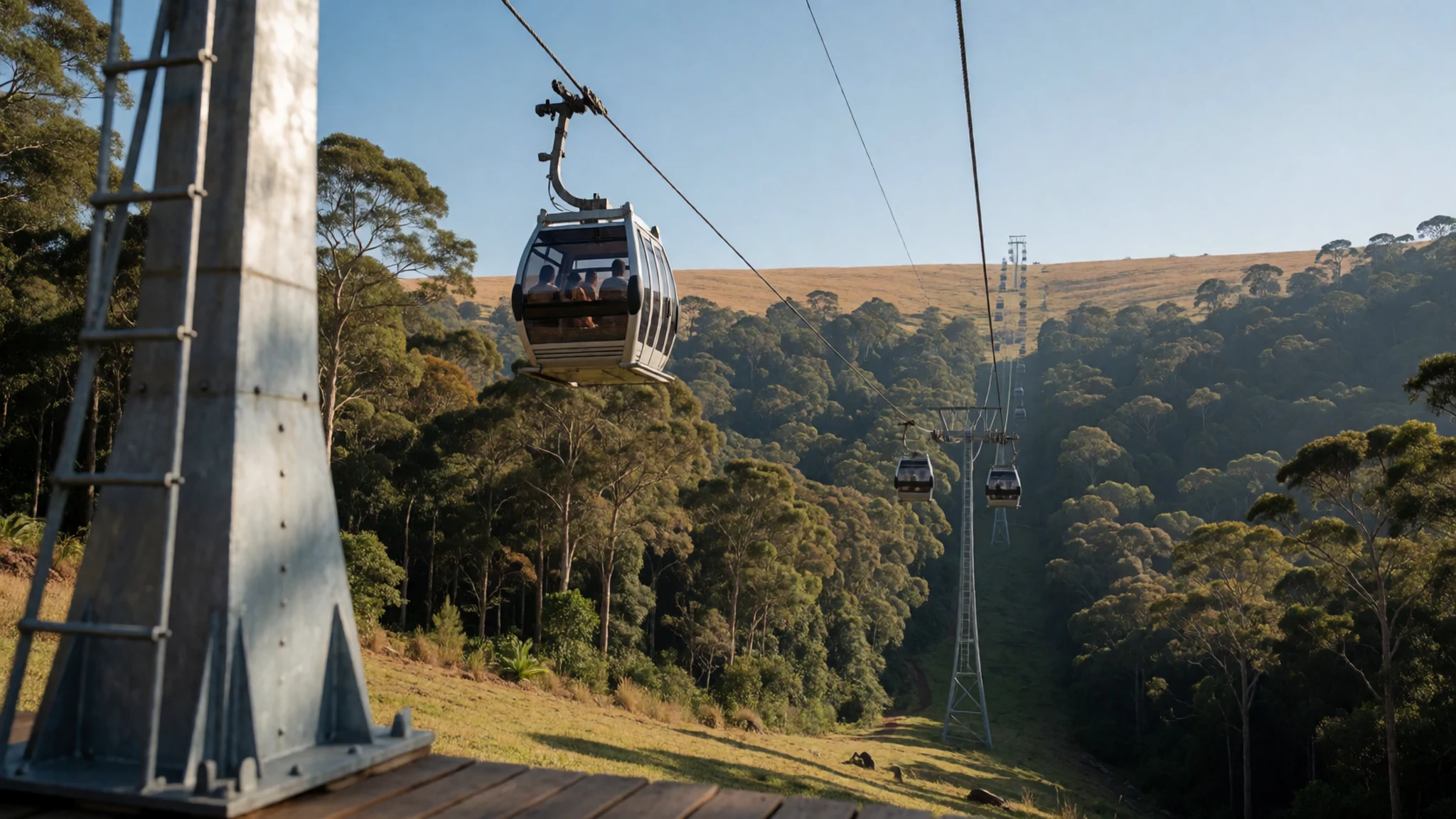
- The plateau grasslands — Obudu Plateau, Oshie Ridge
Open, rolling grass is what remains of the ranching era, and walking it is the simplest pleasure here. Paths trace the ridges, mist rolls through in the morning, and the light changes quickly. Good boots help after rain, when the slopes can turn greasy underfoot.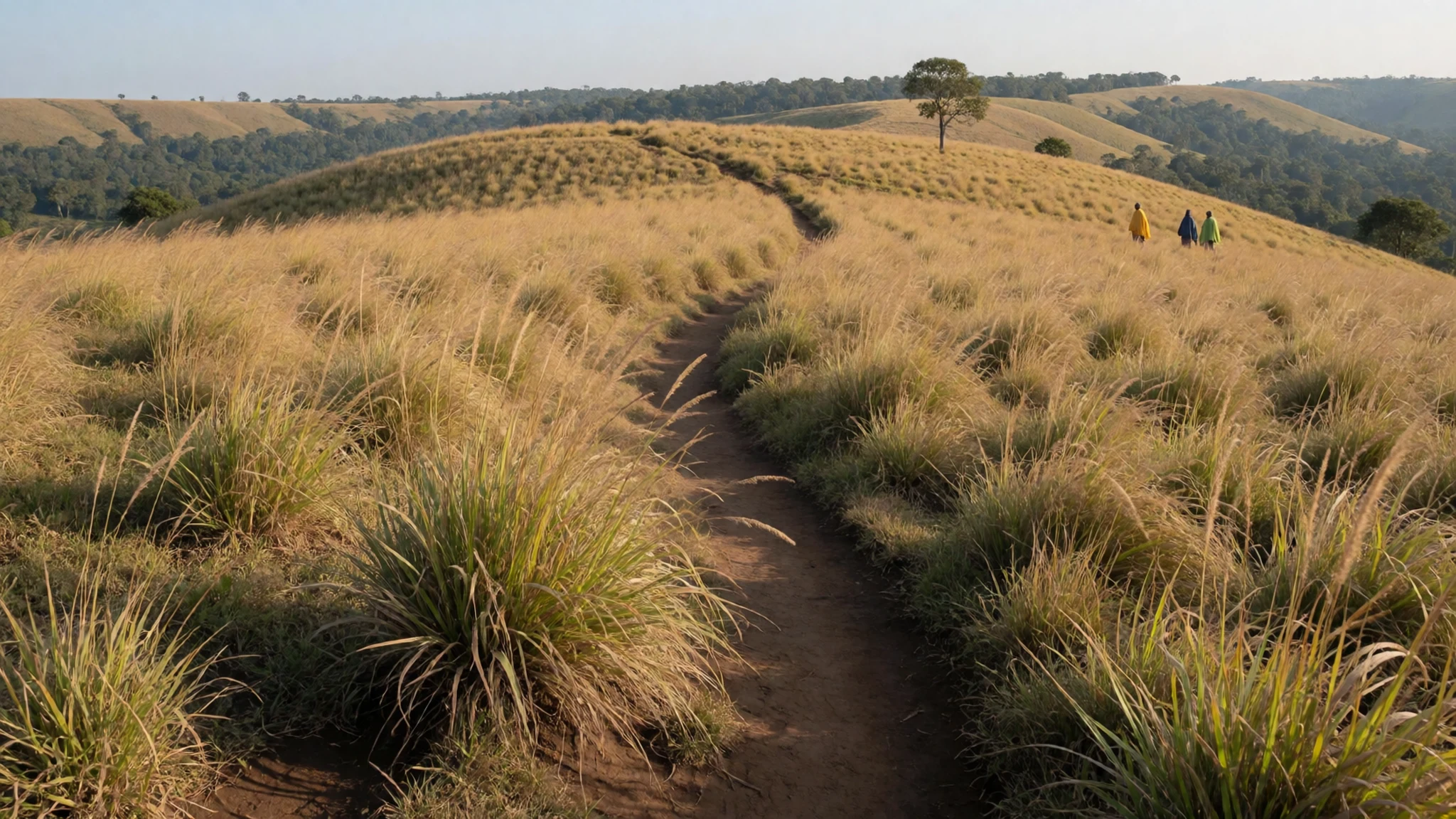
- Gorges and escarpment edges — Edges of the plateau
The plateau drops away into deep gorges, and the best vantage points are along the escarpment where the grassland ends abruptly. Views stretch over forested valleys on clear days. Keep well back from unfenced edges, especially in cloud or wind, and avoid the paths after heavy rain.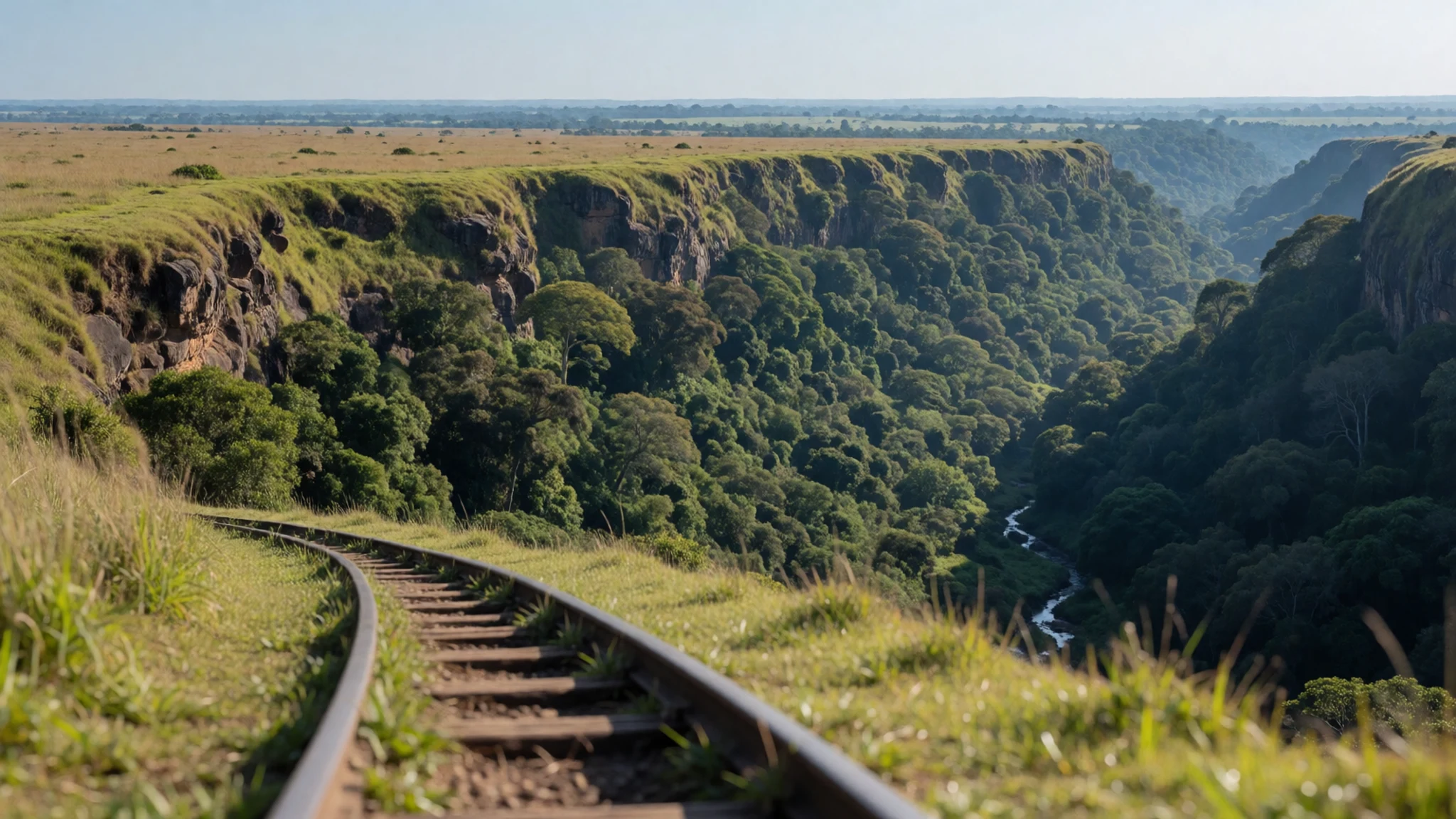
- Birdwatching on the high ground — Forest margins and grassland
The plateau is recorded as home to rare bird species, and the mix of grassland, scrub and forest edge gives variety in a small area. Early morning is best, before cloud and visitors arrive. A local guide helps with calls and with knowing which trails are safe.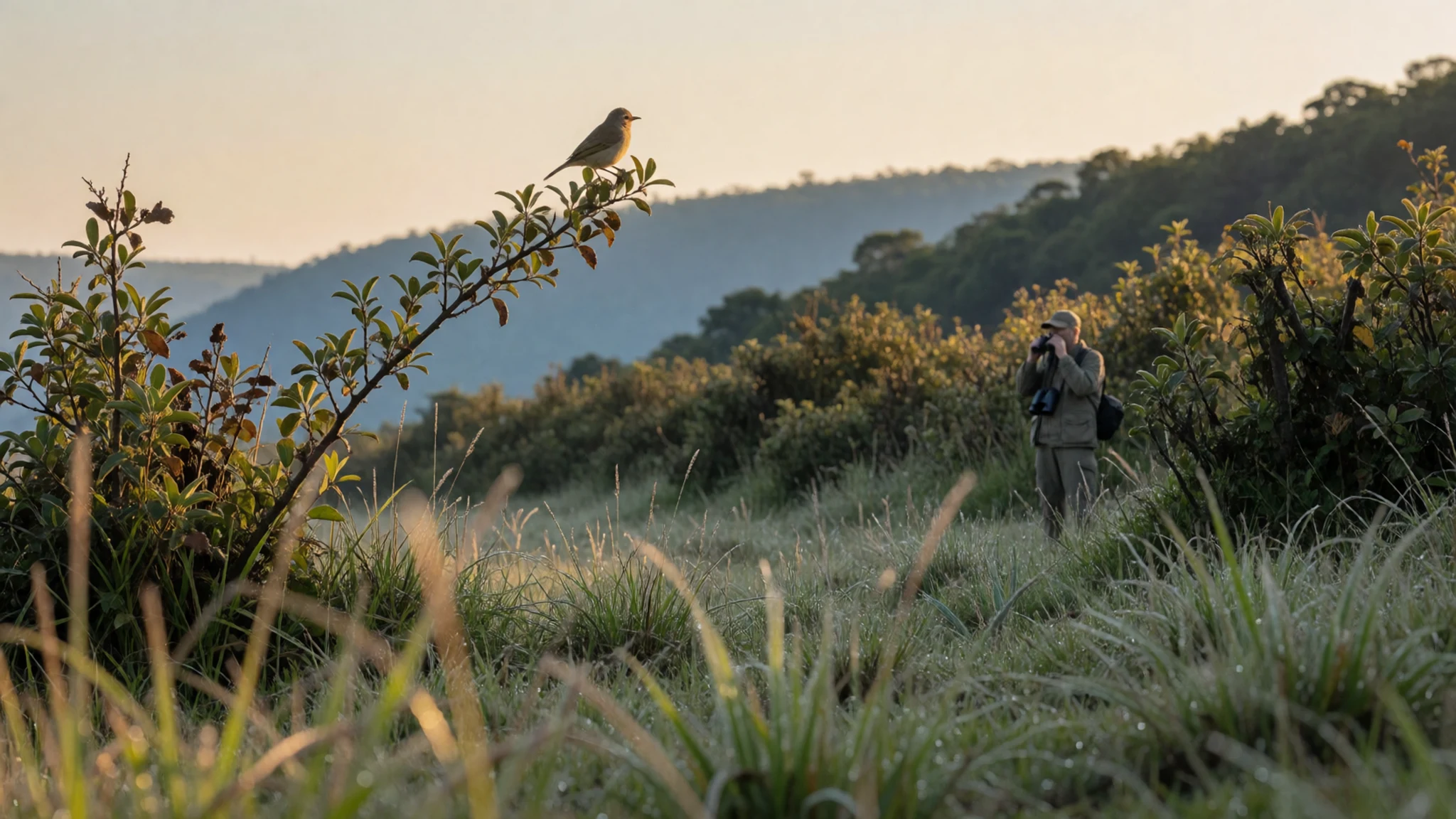
- Walking the mountain paths — Slopes below and around the plateau
Those who prefer to earn the height can follow the mountain paths that climb the slopes, a steady effort through changing vegetation. The air cools as the ground rises. Go with a guide arranged through the resort, carry water, and set out early so you are down before afternoon cloud.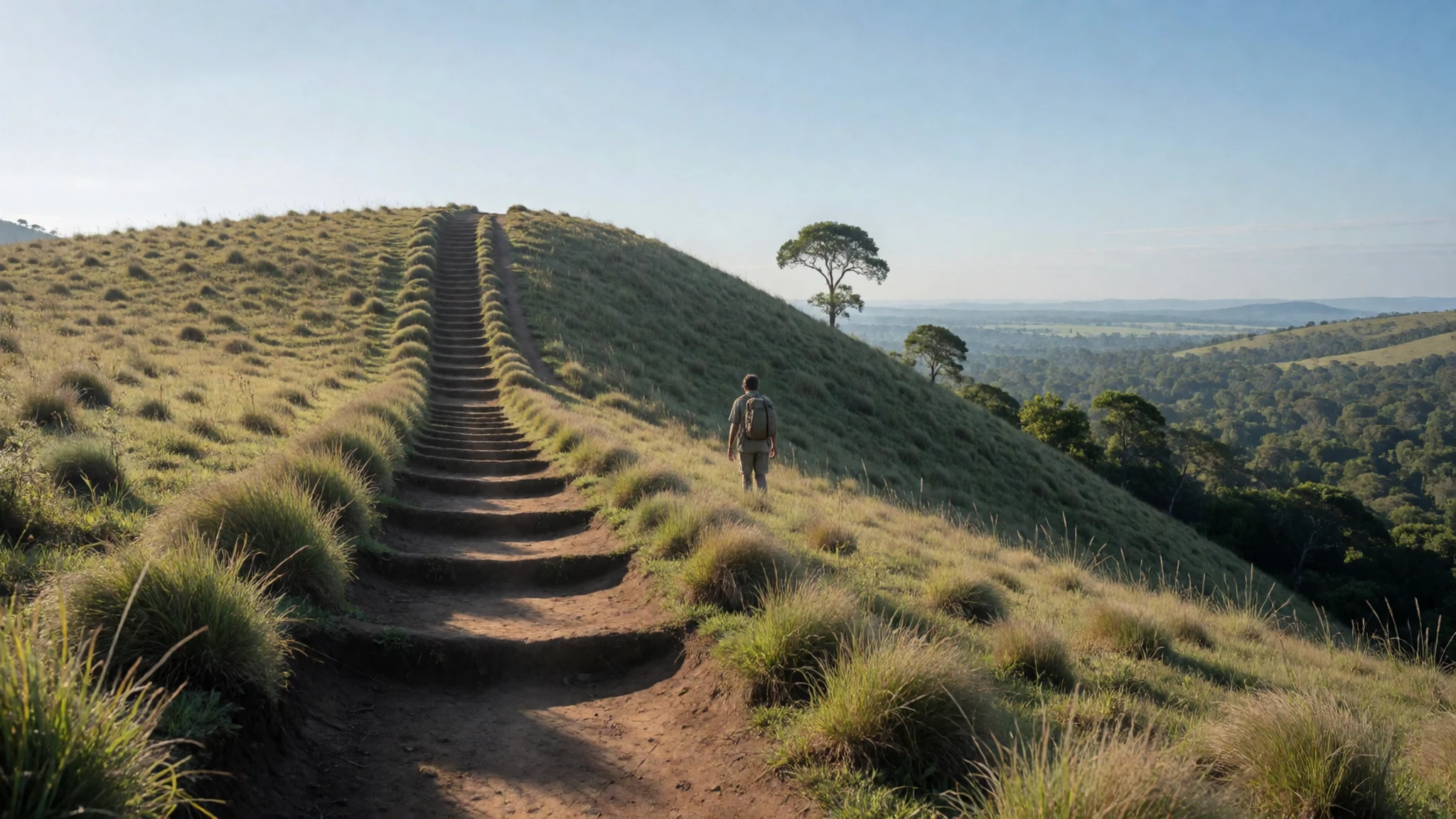
Culture
Obudu Mountain Resort lies in Obanliku, in Cross River State, an area of farming communities where family, land and church are central to daily life. Cross River State is also among Nigeria's most culturally varied regions, with many languages spoken across its hills and forests, and the plateau itself is a leisure setting that sits alongside villages rather than apart from them. Festivals in the state, especially around the year's end, bring masquerade, dance and music into towns, and many are open to respectful observers. Calabar in the south is known nationally for its carnival season at the end of the year. Hospitality is taken seriously: greetings matter, and a handshake and a polite question about the family or journey usually come before any request. Sunday is observed by many residents as a day for church, so services and quiet mornings are the norm in villages. Resort staff often come from local communities, and a courteous tone and a modest tip for good service are appreciated. The ranching past remains part of local memory, though most people now associate the plateau with tourism and cooler weather. Elders and chiefs are shown deference, and decisions about village land or events often involve them. When visiting a community near the plateau, ask a local guide to introduce you first, greet older people before anyone else, and always ask permission before photographing individuals or ceremonies.
What to wear
Dress around Obudu draws on the wider traditions of Cross River State. Wrapper cloth tied at the waist, a fitted blouse and a head tie are standard for women at weddings, church and festivals, often in bright printed fabrics such as Ankara or George wrapper, which is a heavy embroidered cloth. Men favour long embroidered shirts and trousers, or a loose agbada for formal days. In the wider state, the Efik of Calabar are known for flowing, layered women's gowns, and Ejagham communities for the indigo patterned ukara cloth, which is reserved for ceremony rather than everyday wear. Beads and coral jewellery accompany festive outfits. Daily life on and around the plateau is more practical: jeans, T-shirts, fleeces, rain jackets and sturdy shoes, since the climate is far cooler and wetter than the lowlands. Church clothing is neat and often colourful. Visitors should pack for changeable mountain weather: a waterproof jacket, a warm layer for evenings, and quick-drying trousers for walking. In the wet season nights turn properly cold, so a fleece or light sweater is useful. Footwear matters most: boots or trainers with grip for grass and mud. When visiting villages or churches, cover shoulders and knees, as modest dress is expected, and bring a hat and sun cream for clear days when the high-altitude sun is strong.
What to eat
- Afang soup — Home-style eateries and canteens in Calabar and Cross River towns
Afang is a rich soup of shredded wild leaves cooked with palm oil, fish, meat and pepper. It is a Cross River staple and is eaten with pounded yam, garri or fufu. Expect a thick green texture and plenty of heat.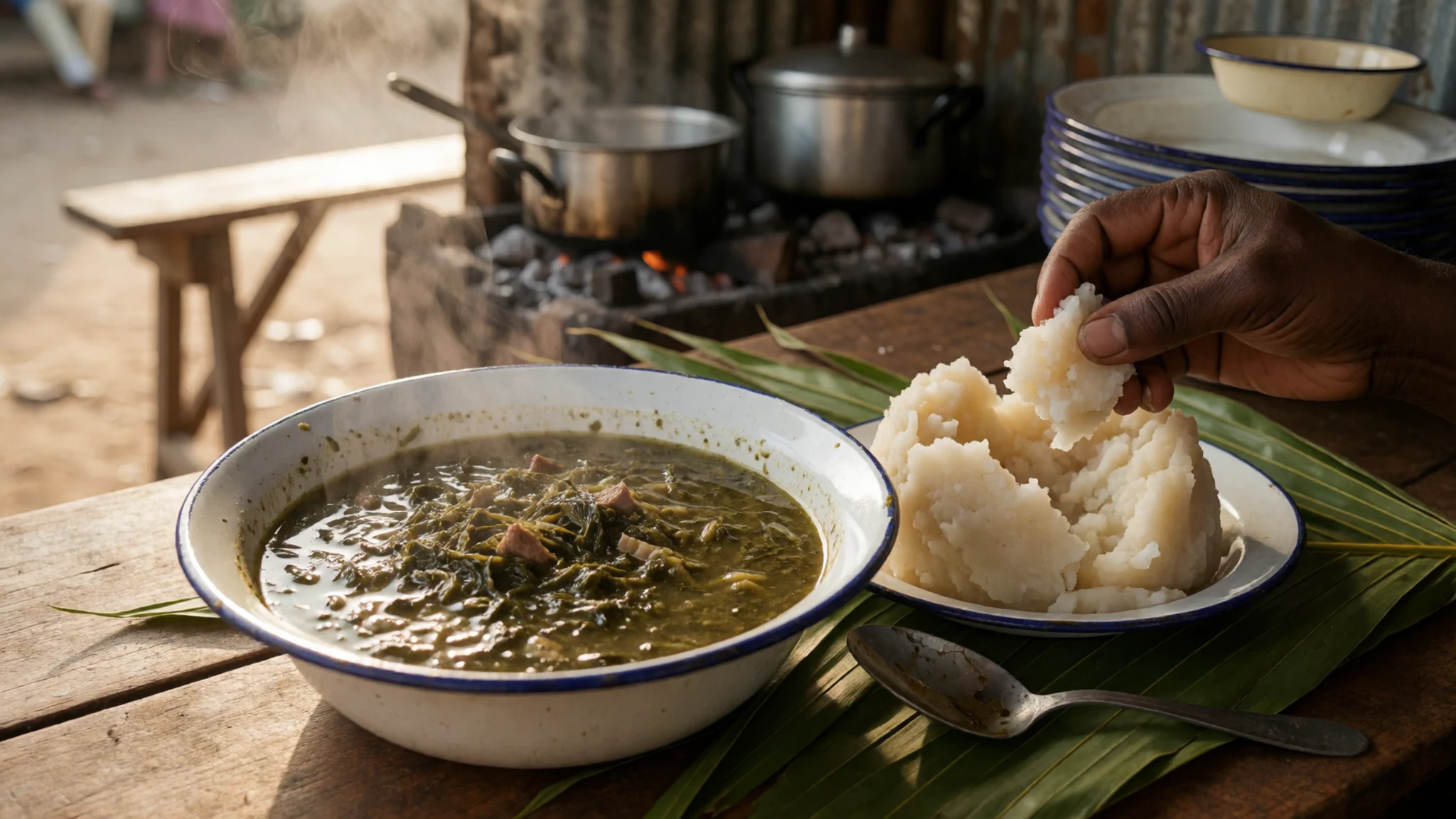
- Edikang ikong — Local eateries in Calabar and larger Cross River towns
This dense vegetable soup combines pumpkin leaves and bitter leaf with stockfish, meat and crayfish. It is cooked with little water, so the greens stay rich and tasty. Order it with pounded yam, and ask for pepper on the side.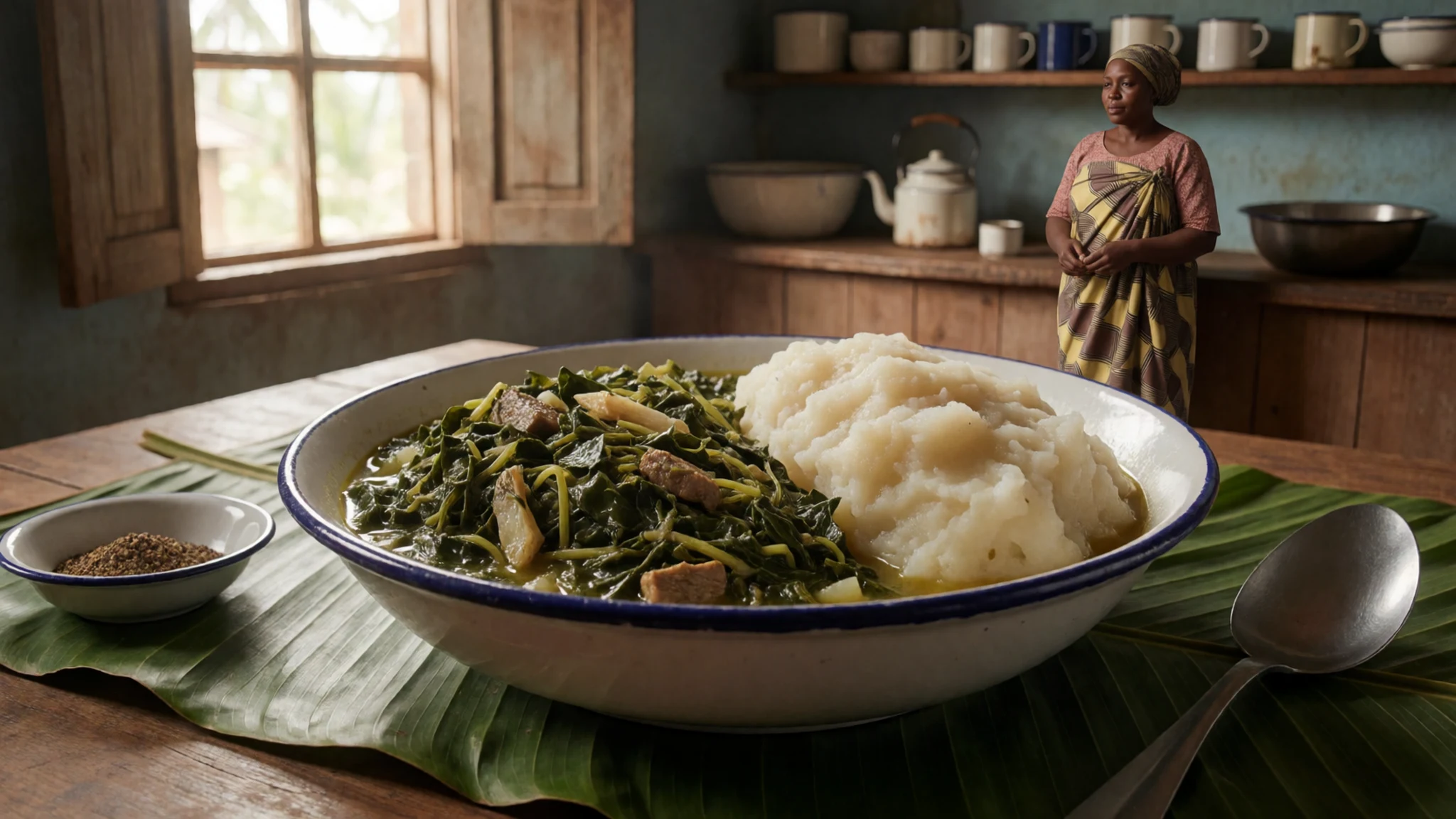
- Pounded yam with egusi — Resort restaurants and village eateries
Smooth, stretchy pounded yam is served with egusi, a soup of ground melon seeds with leaves and meat or fish. It is filling after a day walking in cool air. Eat with the right hand, tearing off small pieces. - Pepper soup — Roadside bars and evening eateries
A thin, fiery broth spiced with local seasonings and served with fish or goat meat. It suits the cooler nights on the plateau and is often eaten as a snack with a drink. Ask for mild if you are unsure. - Suya and roasted plantain — Street stalls in towns on the road to the plateau
Thin skewers of grilled meat coated in a peanut and chilli spice mix, often served with onions and tomato. Roasted plantain, sometimes with spicy sauce or groundnuts, is a common roadside companion. Both are best eaten fresh from the grill.
Plan it
Best time. November to January is the dry season, with clearer skies and warm days, which makes it the easiest time for views and walking. June to September is cold, cloudy and very wet, and heavy rain falls across April to November, so paths can be slippery and the view can disappear.
How long. 2–3
Getting there. Fly to Calabar, Abuja or Lagos, then continue by road towards Obanliku; confirm current routes and transfers with the resort. The resort has an airstrip at the base of the plateau for charter or private flights. The last leg up is by cable car or the mountain road, depending on operating conditions.
Budget. mid
Tips
- Book ahead for the dry season and for holiday weekends, when the plateau is busiest
- Pack layers and a waterproof jacket, because the plateau is much cooler than the lowlands and rain can arrive suddenly
- Carry some cash, as card machines and network coverage can be unreliable away from the main buildings
- Check the resort directly for cable car operating days, activity availability and current transfer arrangements
- Travel in daylight, and check recent travel advice for Cross River State before setting out
Etiquette
- Greet people politely before asking for help or directions
- Ask before photographing people, ceremonies or private compounds
- Follow guides' advice on trails and keep clear of unfenced edges
Nearby
Sources
- Wikidata Q7075587 (CC0)
- Wikipedia: Obudu Plateau (rev 1369591917) (CC BY-SA 4.0)
- Wikivoyage: Obudu Plateau (CC BY-SA 4.0)
- Aerial view of Obudu Mountain paths, Amoghale (CC BY-SA 4.0)
- Climbing the Obudu mountains 1, Amoghale (CC BY-SA 4.0)
- Climbing the Obudu mountains 2, Amoghale (CC BY-SA 4.0)
- Climbing the Obudu mountains 3, Amoghale (CC BY-SA 4.0)
- Climbing the Obudu mountains 4, Amoghale (CC BY-SA 4.0)
- Climbing the Obudu mountains 5, Amoghale (CC BY-SA 4.0)
- Climbing the Obudu mountains 6, Amoghale (CC BY-SA 4.0)
- Climbing the Obudu mountains 7, Amoghale (CC BY-SA 4.0)


