Gashaka-Gumti National Park
Gashaka-Gumti National Park, Nigeria
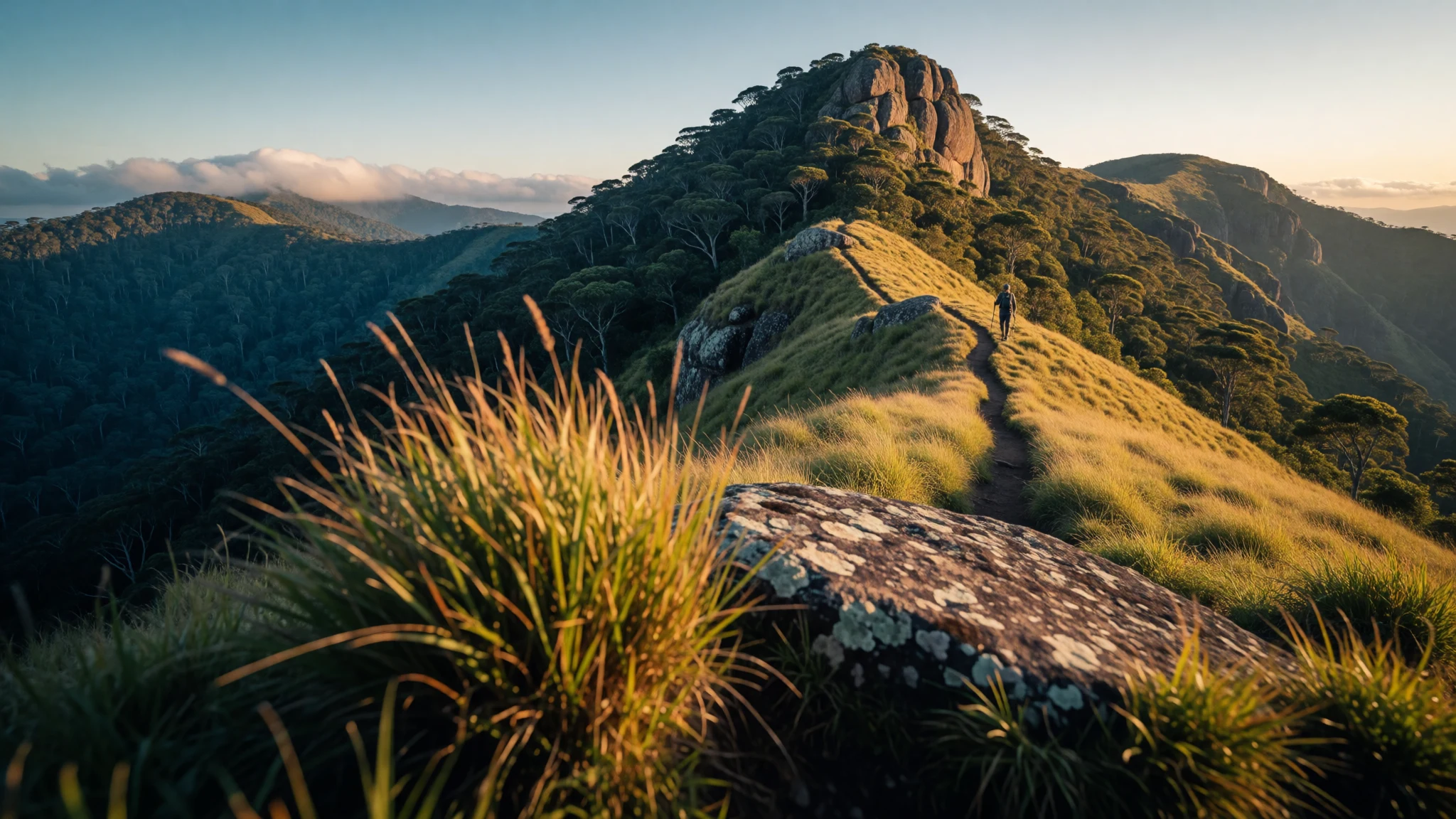
Gashaka-Gumti National Park offers Nigeria's wild east: open savannah, mountain forest, chimpanzees and a long trek towards Chappal Waddi.
The place
Gashaka-Gumti National Park sits in Nigeria's east, across Taraba and Adamawa states and right up against the border with Cameroon. It covers about 6,400 square kilometres, which makes it the biggest of the country's national parks, and it is really two landscapes stitched together. The north is open savannah, flat and hot, with grass that turns gold in the dry months. The south is the opposite: steep ridges, deep gorges, and forest that clings to the slopes and stays cool in the shade. The land rises from about 457 metres in the northern lowlands to Chappal Waddi, the park's summit and the highest point in Nigeria, at 2,419 metres. That height gap explains the variety of wildlife, from grassland species to forest primates such as chimpanzees. The park also works as a water tower. Streams from the highlands feed the Benue River, and plenty of water keeps flowing even through the long dry season. People live here too. Fulani herding families have enclaves inside the boundary, where grazing and some farming are permitted, so a walk can end with cattle on the path rather than antelope. Beyond the boundary lies the Mambilla Plateau, a cool upland of tea, coffee and cattle. This is not a park of tarmac and viewing towers. Reaching the interesting parts takes time, a vehicle with good ground clearance, and local guidance, and facilities are basic.
Its story
Gashaka-Gumti National Park was created in 1991, when two older game reserves, Gashaka and Gumti, were joined and gazetted as a single national park. The merger tied a northern savannah reserve to a southern mountain one, and the whole has been managed as one unit since. That same year the surrounding Taraba State was carved out of the former Gongola State, so the park and the state share a birth year. Its story since has been about people and animals sharing space. Herding communities were already here, and enclaves for Fulani pastoralists were kept inside the boundary, so the park has never been a simple fence between nature and settlement. Conservation here means negotiating grazing routes, farmland and forest edges. Research has been a steady thread. Scientists, many of them British, have long worked in the southern forests, and visitor records show that scholars made up a large share of foreign arrivals. Tourism itself has been fragile. Recorded visitor numbers over the years were small, and they fell further once insecurity in the north-east, including insurgent violence and tensions between herders and farmers, made travel in the region risky. Park income came mainly from accommodation and compensation payments rather than mass ticket sales, and the park has been a source of paid work in rural Taraba and Adamawa. Today it is quiet, and a visit rewards patience, planning and up-to-date advice.
What to see
- Chappal Waddi — Southern sector, Taraba State
Chappal Waddi is the summit of the park's southern highlands and the high point of the whole country, at 2,419 metres. It is reached on a multi-day trek with a park guide through grassland, forest and cold, cloudy ridges. This is a serious expedition rather than a day walk, so plan it with the park office and go in the dry months.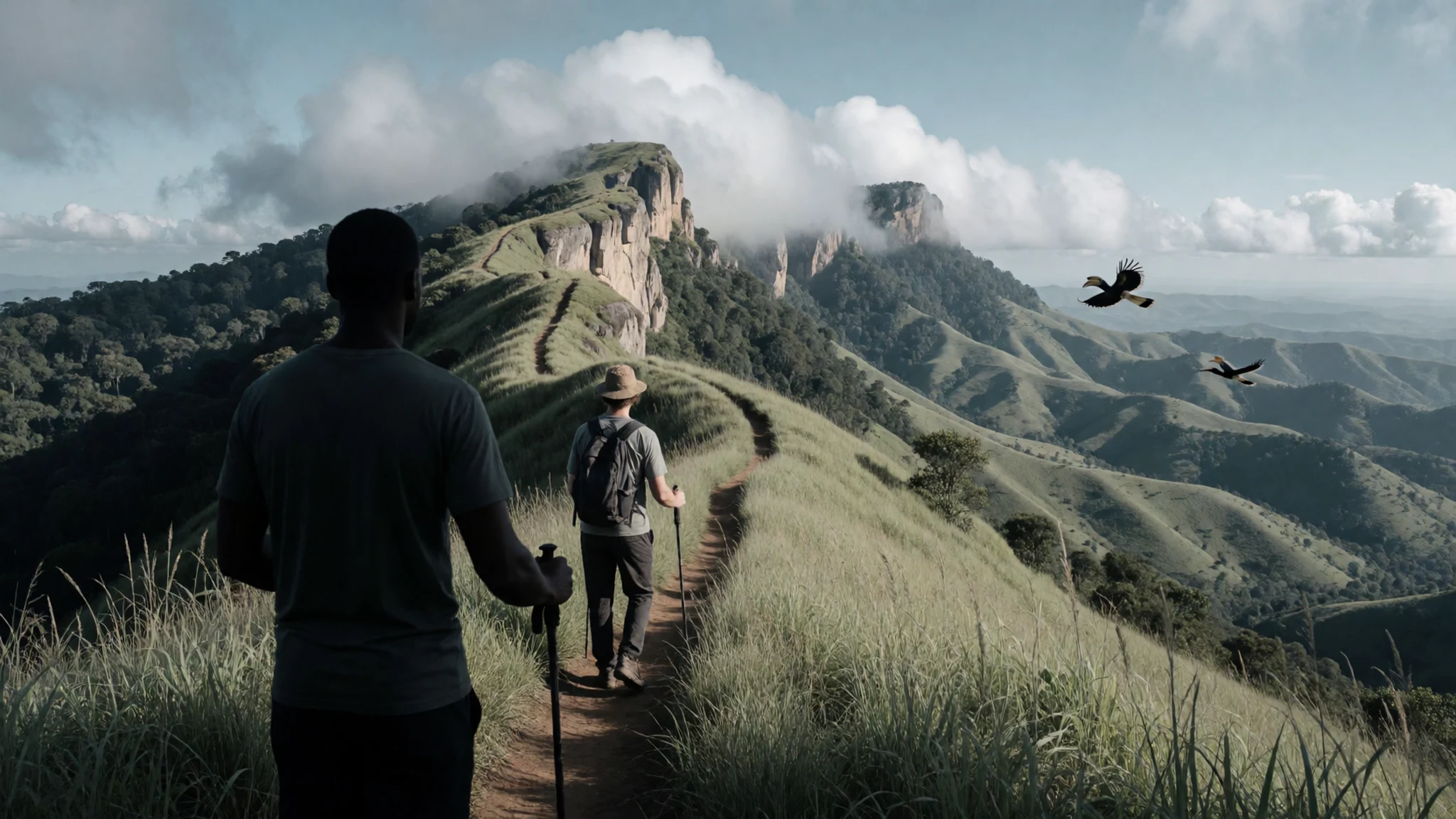
- The northern savannah sector — Northern sector, Adamawa and Taraba
The northern part of Gashaka-Gumti National Park is open grassland and woodland, lower and flatter than the south and easier for driving. The dry months, when grass thins and animals gather near water, give the clearest views. Ask the park office which tracks are open, since access depends on recent rain and current security conditions.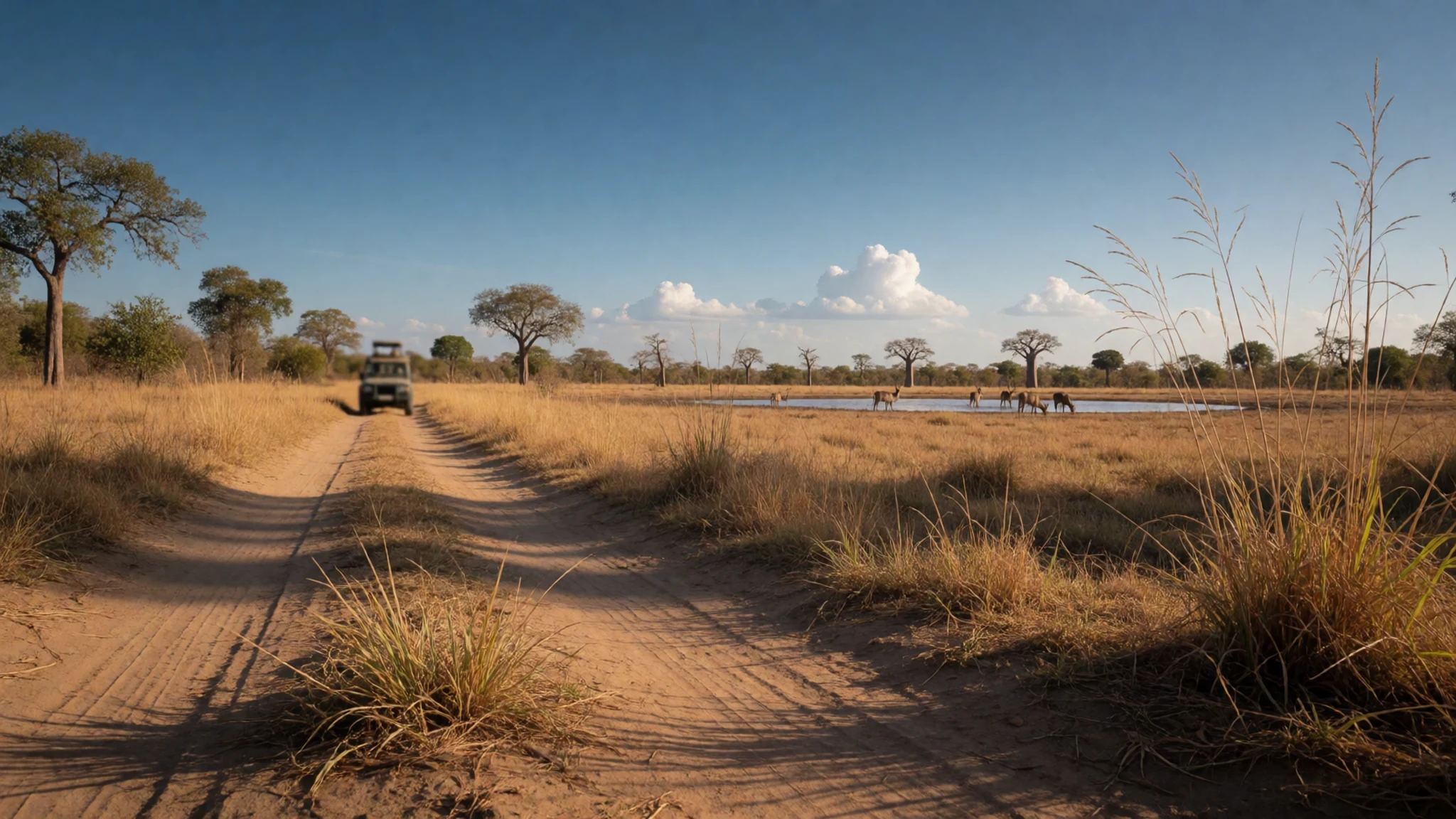
- Southern forests and gorges — Southern sector, near the Cameroon border
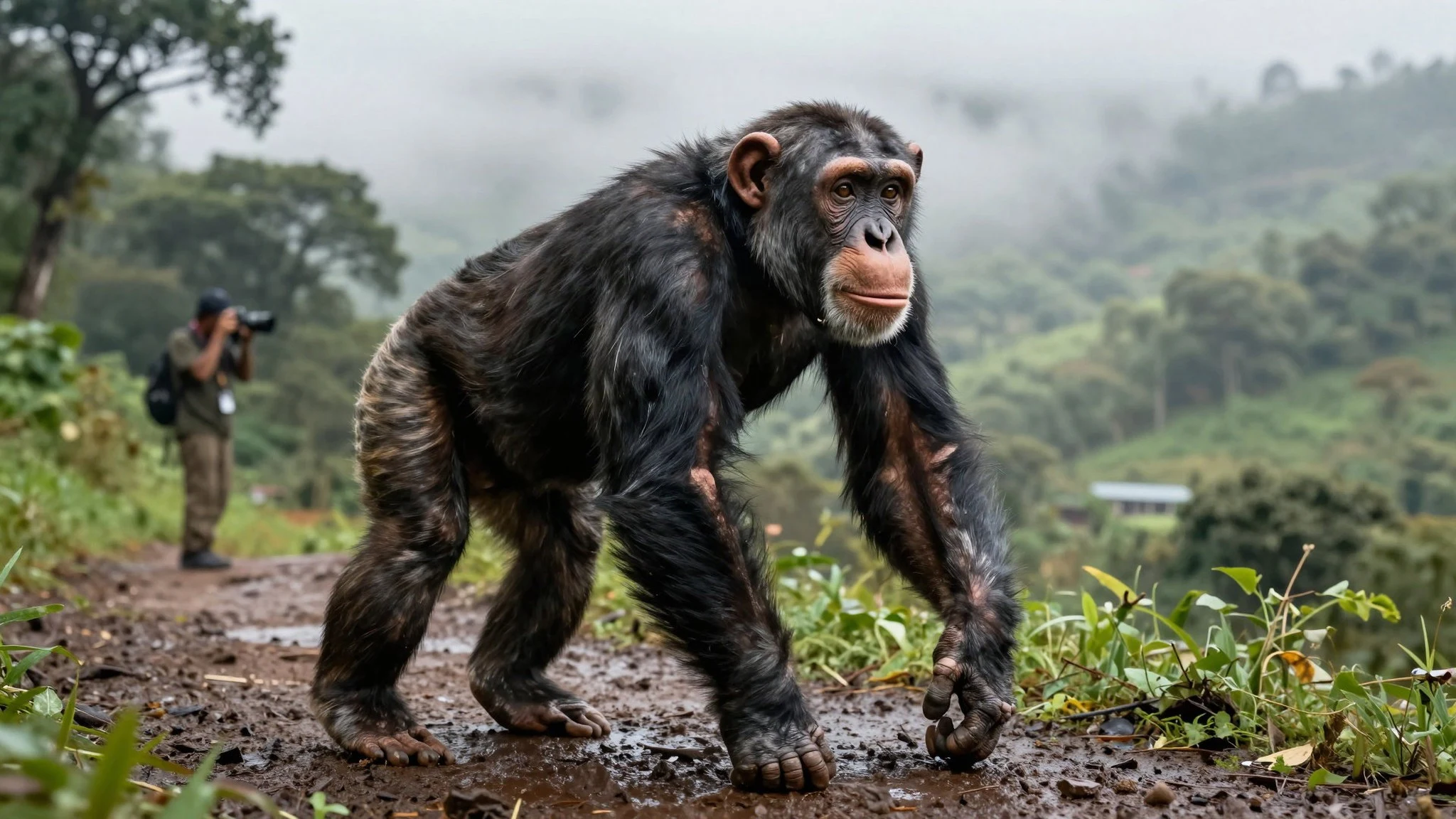
The southern sector is steep, folded country where montane forest fills the valleys and rivers cut deep gorges. This is where primates, including chimpanzees, live, though sightings are never guaranteed and need patient walking with a guide. Paths turn slippery after rain, and cloud can close in quickly on the ridges, so allow generous time.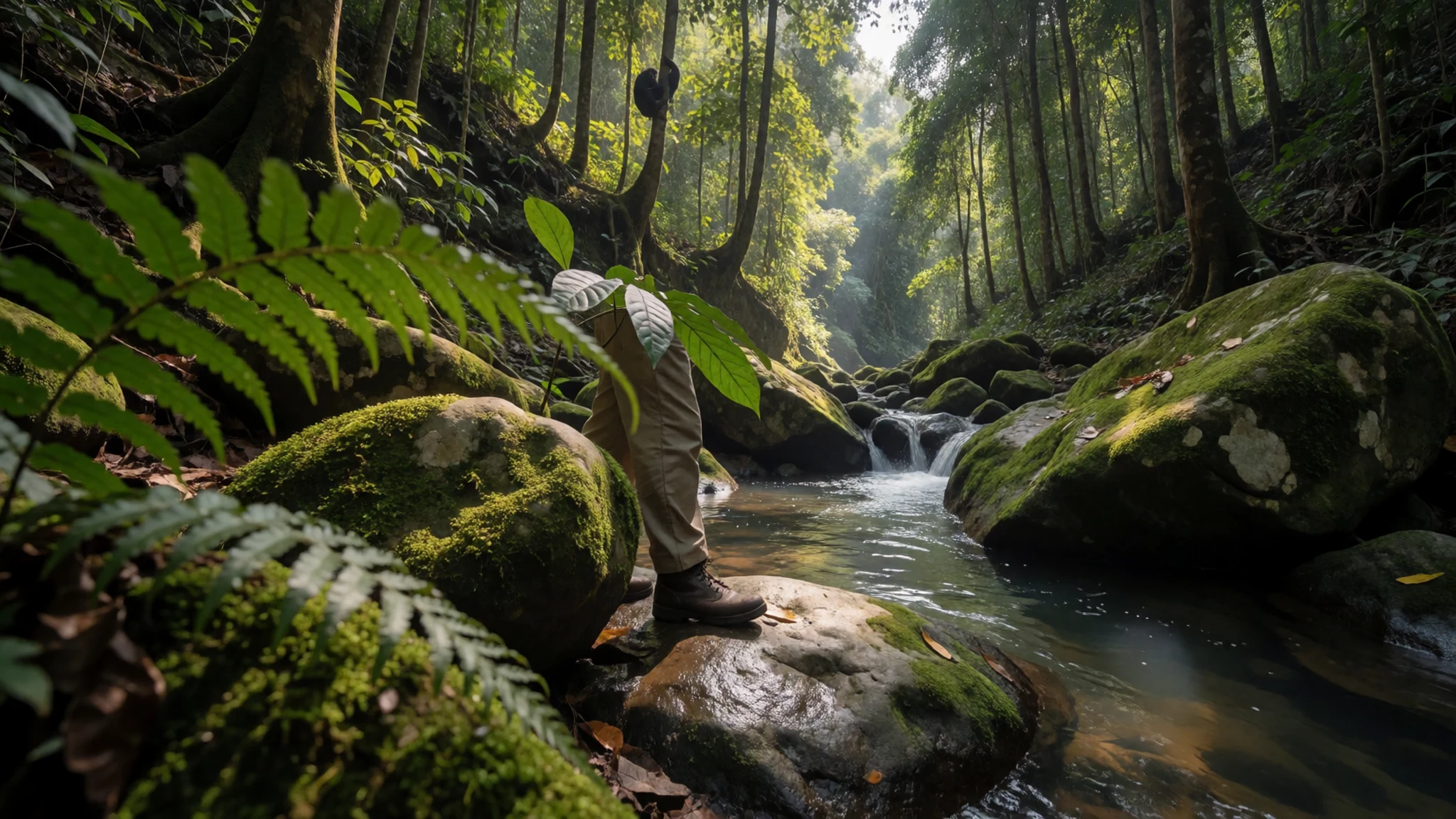
- Mambilla Plateau — Southern Taraba State
The Mambilla Plateau lies beside the park's southern edge, a high, cool grassland about 1,800 metres above sea level where cattle graze and tea and coffee grow. It makes a good base for a few days, with fresh air, farm villages and wide views, and a welcome break from the heat of the lowlands.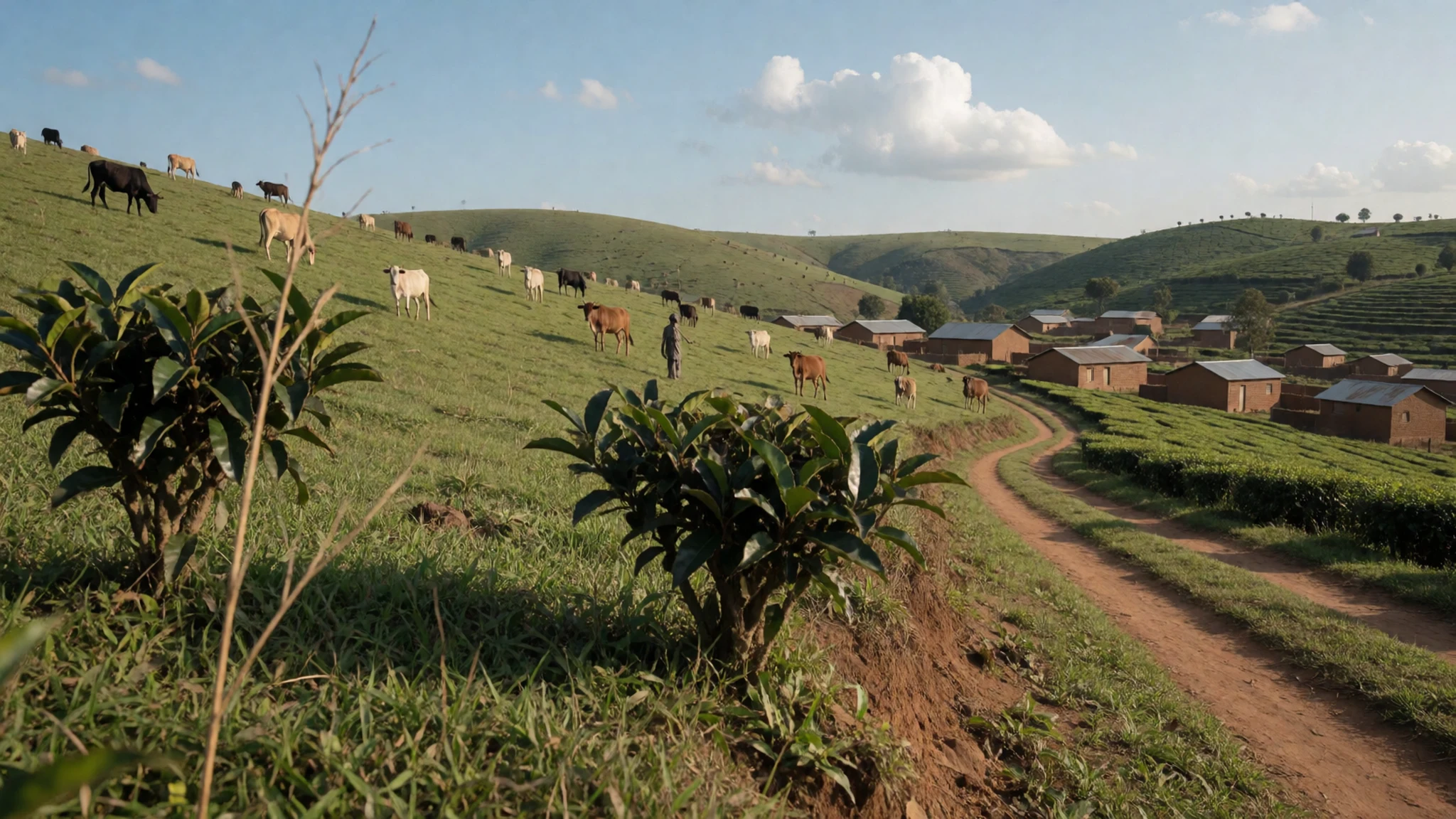
- Donga River Basin Forest — Donga area, Taraba State
Elsewhere in Taraba State, the Donga River Basin Forest is lowland woodland that birdwatchers value for the number of species it holds, including some rare ones. It suits a day or two of early starts with binoculars and a local guide, and is a useful add-on for anyone already travelling through the state.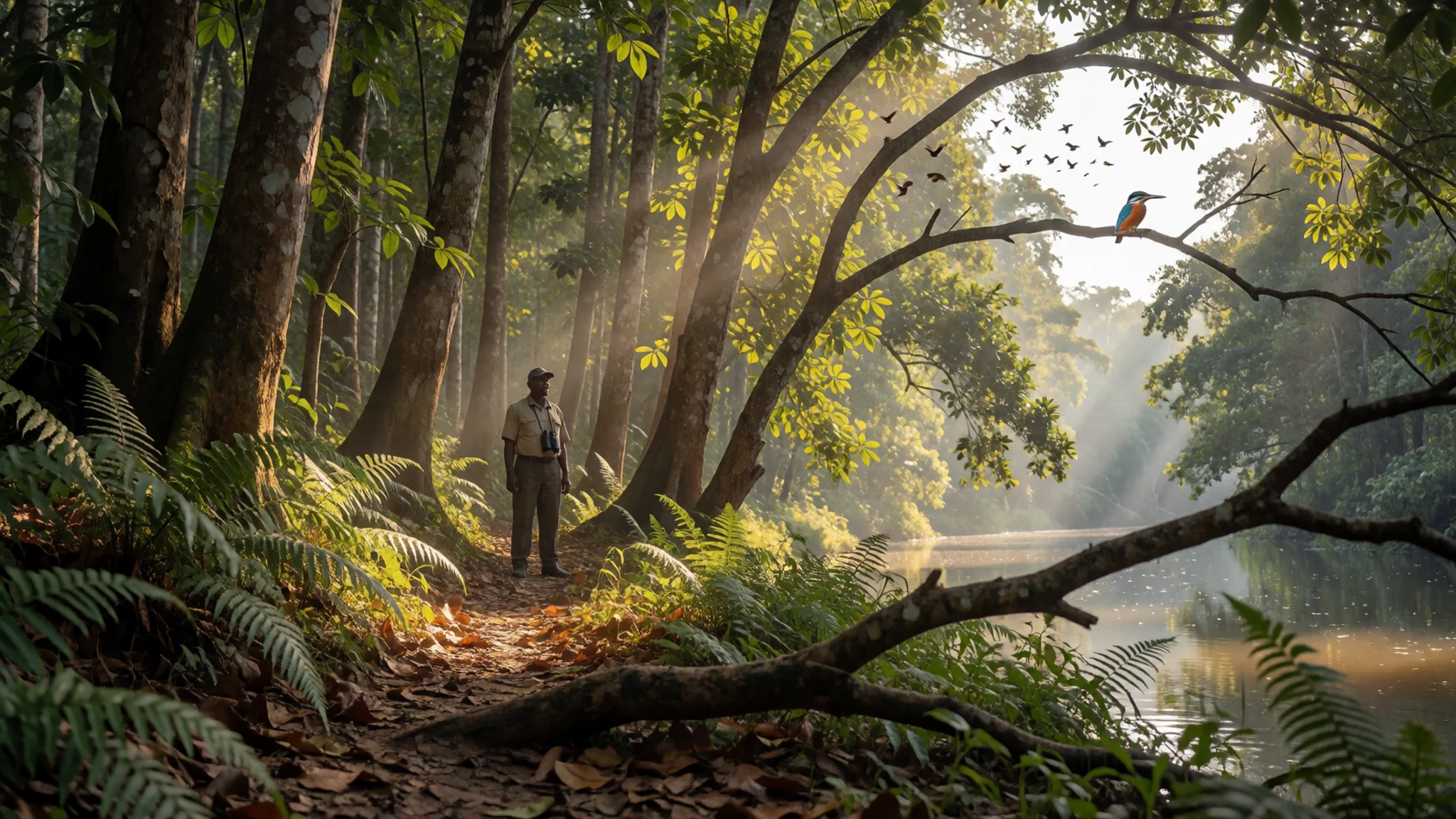
Culture
The communities around Gashaka-Gumti National Park are many. Taraba State is home to Fulani, Jukun, Chamba, Kuteb and Ichen people in the south, and Wurkum, Mumuye and Kona people in the north, while the Mambilla live on the plateau. Fulani herders move cattle across the grassland and keep settlements inside the park enclaves, so the animal world and the human world overlap every day. Farming sets the calendar: maize, millet, sorghum, rice, yam and cassava, with coffee and tea on the highlands. Festivals follow the seasons and the clans. The Nwonyo Fishing Festival at Ibi, usually held in April, brings boat races, swimming, masquerade dances and a fish-catching contest. Others include the Puje festival, the Purma of the Chamba, the Tagba of the Acha people, the Kuchecheb of the Kuteb and the Jibu dance in Bali. Dates shift from year to year, so ask locally before planning around one. Islam and Christianity are both widely practised, and Friday and Sunday shape the rhythm of towns. Hospitality is formal: greetings matter, and conversation usually starts with family and health before business. Etiquette: greet elders and village heads first, ask before photographing any person, home or herd, and take food or drink offered to you with your right hand.
What to wear
Traditional dress around Gashaka-Gumti National Park varies by community, but a few threads run through it. Fulani herders favour a practical, striking look: long cotton robes or wraps, wide-brimmed woven straw hats against the sun, and beaded or metal jewellery, with women's styling often layered and colourful. In towns across northern and central Nigeria, men wear the babanriga, a wide flowing gown, or a kaftan with matching trousers and an embroidered cap, especially on Fridays and festival days. Women wear wrappers (wraparound cloth) with fitted blouses and a head tie in printed or dyed cotton; cotton is grown in Taraba, and dyed and woven cloth is part of local trade. Festival masquerades and dancers use raffia, beads and painted cloth. Day to day, most people now wear shirts, trousers, dresses and trainers or sandals, saving traditional clothes for weddings, worship and festivals. A visitor to the park needs field clothes: light long sleeves and trousers in neutral colours, a hat, sturdy broken-in boots for slopes and river crossings, and a rain jacket for the wet season from April to October. Nights in the highlands can be cool, so pack a fleece. In villages and towns, especially Muslim ones, cover shoulders and knees; women may like to carry a light scarf.
What to eat
- Tuwo shinkafa — Local eateries and home-style canteens in Jalingo and Wukari
A soft, smooth rice pudding rolled into balls and eaten by hand with a soup such as groundnut or vegetable. It is filling and mild, and a common comfort meal across the north of Nigeria.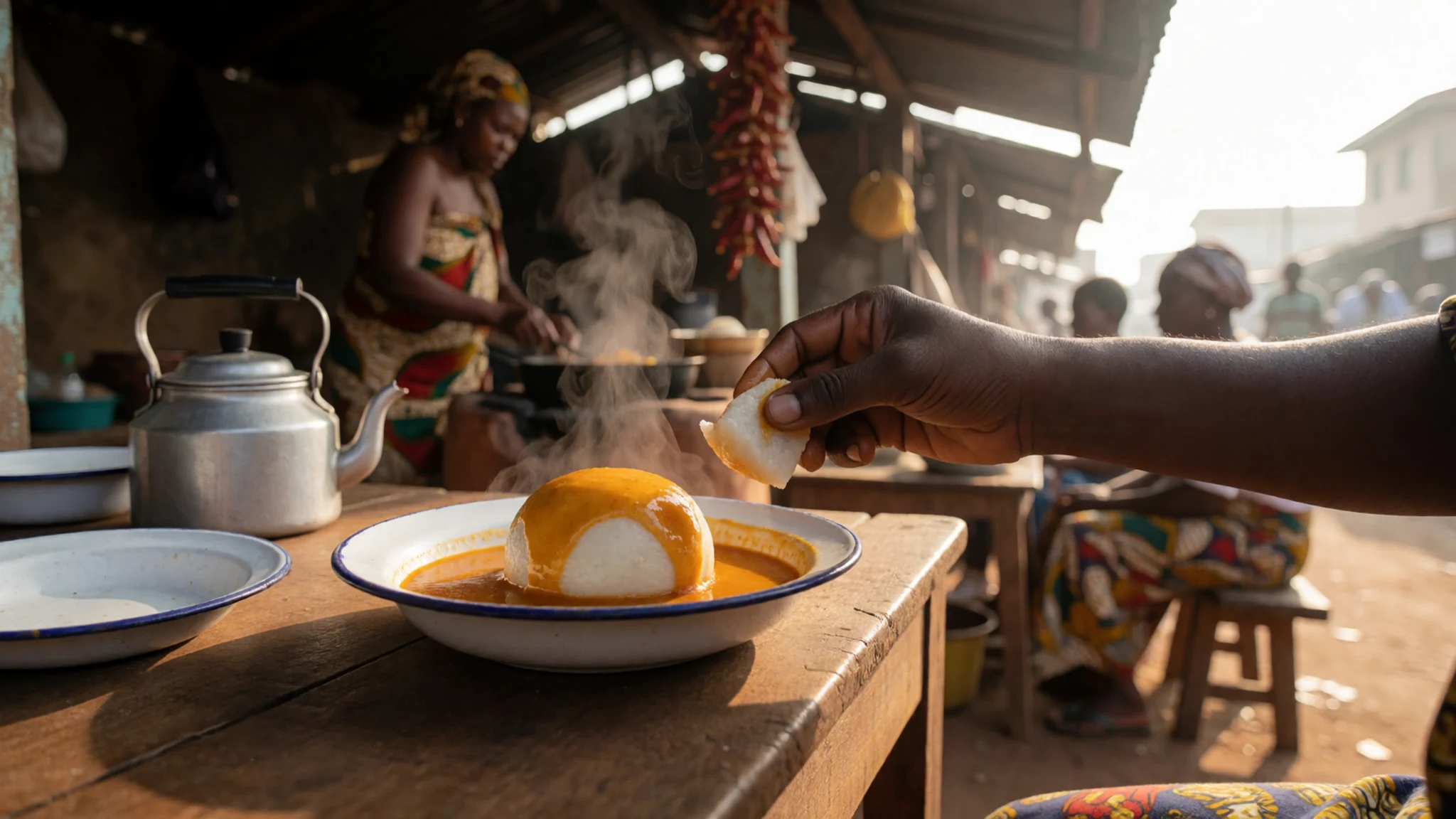
- Fura — Street vendors and market stalls in towns across Taraba State
Millet is pounded and shaped into balls, then crumbled into sour milk or kunu and drunk or eaten with a spoon. It is a cooling, tangy snack, associated with herding communities and often sold in the morning.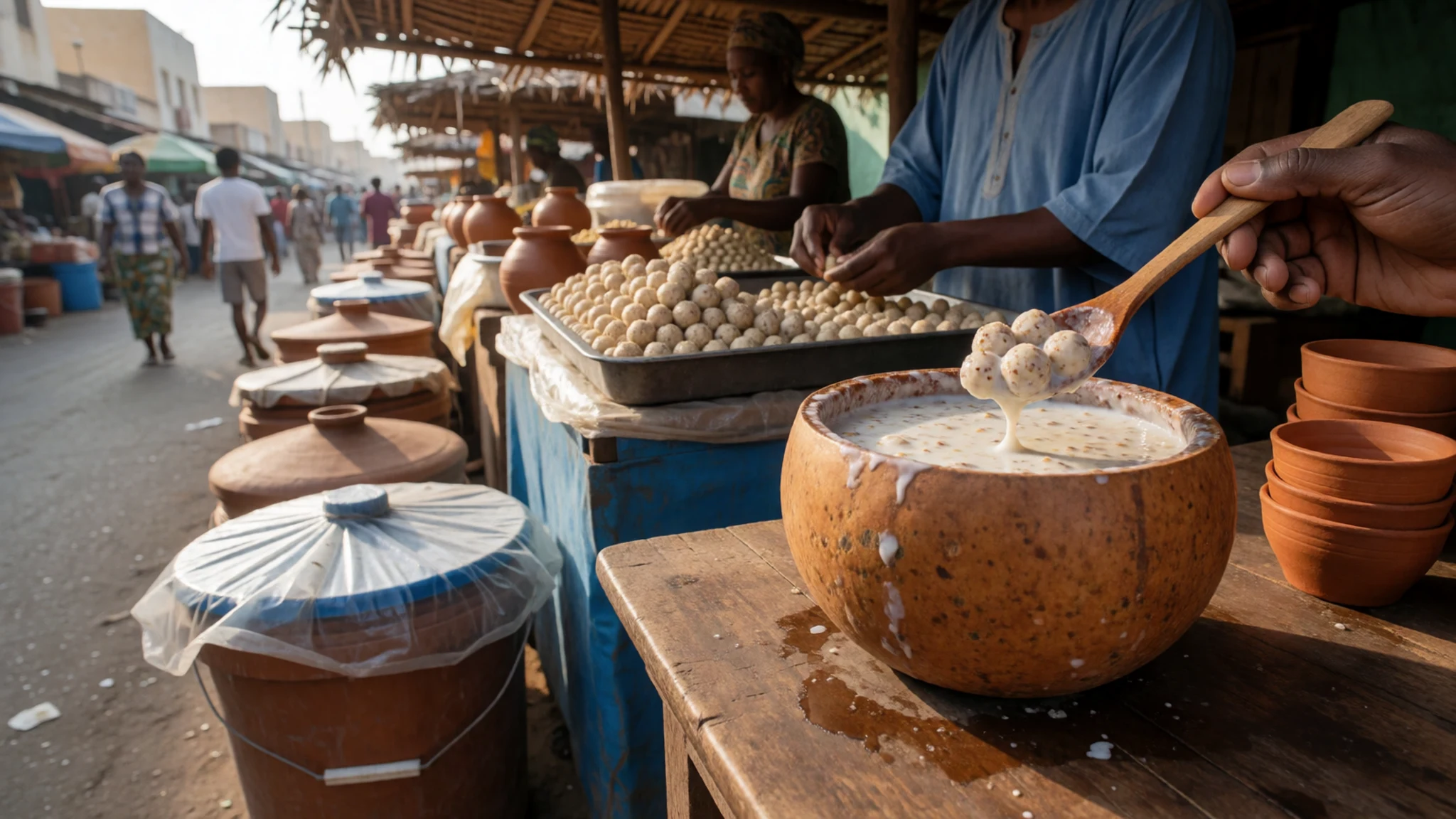
- Suya — Roadside grill stands in the evenings in Wukari and other towns
Thin slices of beef or chicken rubbed with a peppery groundnut spice mix and grilled over charcoal, served with raw onion and tomato. Best eaten hot, in the evening, wrapped in paper. Ask for it mild if chilli worries you. - Kunu — Roadside sellers and market stalls
A cold, faintly sweet and sour grain drink. Sorghum gives a brownish tint, millet or maize a paler one. Roadside sellers pour it from large containers, and it is a welcome refresher after a hot day on the road. - Kunun gyada — Morning stalls near markets and bus garages
A thin, warm porridge of groundnuts and rice, often called groundnut milk. It is gentle and nutty, a common breakfast drink, and similar in spirit to the pap or ogi eaten in the south-west of Nigeria. - Zobo — Market stalls, roadside shops and street sellers
A deep red, tart drink brewed from dried roselle flowers, usually served cold and often sweetened or spiced with ginger. Good for hot afternoons, and widely sold in bottles and sachets. Check that it was made with clean water.
Plan it
Best time. November to March, the dry season, when trails and tracks are most passable and rivers are lower. April and May are the hottest months, around 38 °C, and August is the wettest, so the rains make access and walking harder.
How long. 3–5
Getting there. Jalingo Airport handles domestic flights only, so fly within Nigeria to Jalingo or take a long-distance bus to Taraba State, then arrange a sturdy vehicle and a guide for the last leg on rough roads to the park. Confirm the route and the current security situation with the park office before leaving.
Budget. mid
Tips
- Arrange guides, permits and any overnight stay with the park office well ahead; do not count on walk-up service
- Check your government's current travel advice before booking and again just before you leave, as security in the north-east has affected visitor numbers
- Carry cash in small notes; cards are unreliable outside the larger towns
- Bring plenty of drinking water or a purifier, sun protection and insect repellent
- Travel in the dry months, because roads and trails turn muddy in the rains
Etiquette
- Greet people and ask permission before photographing them, their homes or their cattle
- Dress modestly in villages and towns, covering shoulders and knees
- Keep to guided paths and give wildlife and herds plenty of space
Nearby
Sources
- Wikidata Q108921089 (CC0)
- Wikipedia: Gashaka-Gumti National Park (rev 1369937989) (CC BY-SA 4.0)
- Wikivoyage: Taraba State (rev 5346214) (CC BY-SA 4.0)
Wildlife
- Chimpanzee (animal)
The chimpanzee is a medium-sized great ape with coarse dark hair and a bare face, and, together with the bonobo, it is our closest living cousin. In Gashaka-Gumti National Park it lives among the primates of the forest, but a sighting is never promised. Be ready to walk patiently, taking a guide with you, and treat a glimpse as a gift rather than something owed. Some days bring none, and that is simply part of looking for wild apes.