Xitang
Xitang, People's Republic of China
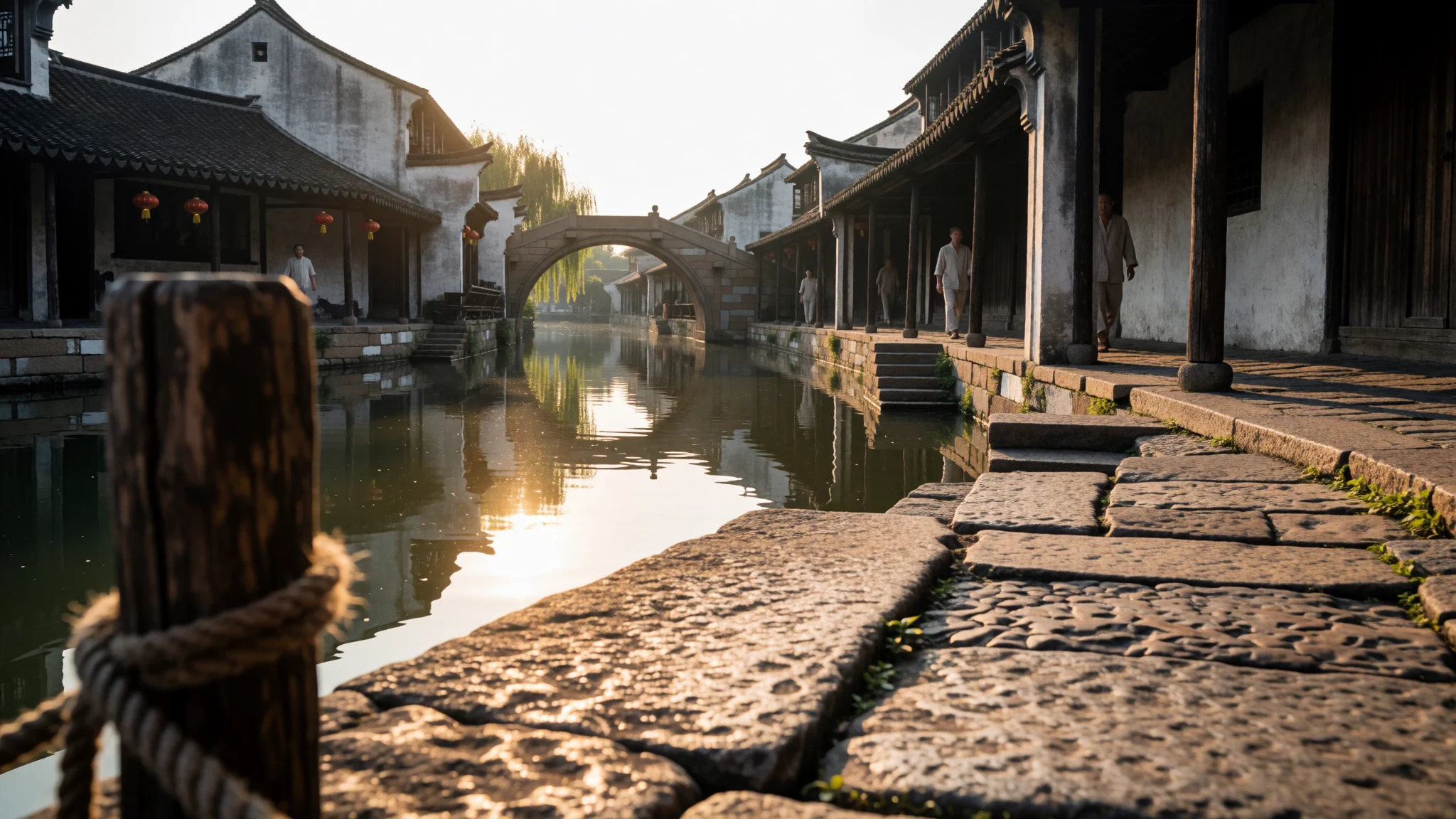
Xitang is a canal town in Zhejiang where old houses, stone bridges and covered walkways still sit right on the water.
The place
Xitang is a historic water town in Jiashan County, in Zhejiang province, a short run inland from Shanghai. About 65,000 people live in the wider town. The name means 'West Pond', and older records know it by several others, including Xietang, Pingtang and Xutang. Its character comes from the water. Nine rivers cross the area, and the town spreads over eight sections that are tied together by old stone bridges. In the historic core the houses stand shoulder to shoulder along the banks, and for centuries the canals did the work that roads do elsewhere: carrying people, rice, silk and household goods from door to door. That layout survives, which is why Xitang is a good place to understand how the Jiangnan region, the lower Yangtze delta, once functioned. Walking here means following the water. Lanes run parallel to the canals, bridges give the best views, and many frontages have wooden shutters and tiled roofs that lean slightly over the water. It is also a working town. Agriculture, local industry and tourism all feed the economy, and the visitor trade is large enough that the old streets can be very busy at weekends and during Chinese holidays. It carries the national AAAAA tourist rating, the top grade in China's scheme. It sits within the same cluster of preserved canal towns as Wuzhen, and the two are often compared. Xitang tends to feel more lived-in at the edges, and quieter once the day trippers leave.
Its story
Xitang's history reaches back to the Spring and Autumn period, when the area lay on the frontier between the states of Wu and Yue. A local legend credits Wu Zixu, a scholar and military commander of Wu, with ordering canals and a pond to be dug here so that boats could move easily and water could be channelled towards what is now Jiashan County. That tale is the usual explanation for one of the town's old names, Xutang, 'Xu Pond'. Whatever the truth of the legend, the pattern it describes is real: a landscape made liveable by digging and linking waterways. Over the centuries the settlement was known by other names too, including Xietang, 'Oblique Pond', and Pingtang, 'Flat Pond', before Xitang settled in. Modern recognition came in stages. In 2001 the town took part in the selection process for UNESCO World Heritage status. In 2003 the National Cultural Heritage Administration and the Ministry of Housing and Urban-Rural Development named it one of the Historic Towns of China, and in February 2017 the China National Tourism Administration graded it a AAAAA tourist site. These labels matter on the ground. They explain why the old core has been repaired rather than replaced, and why entry is organised around a managed historic area. They also explain the crowds. Nearby Jiaxing carries its own, separate history, and it should not be confused with Xitang's.
What to see
- The canals by boat — Old town canals
Xitang's waterways are the main sight, and a boat ride shows the town from the angle its builders intended. Boatmen pole or motor slowly between rows of houses, passing under stone bridges and past back doors that open straight onto the water. Go early or late to avoid queues for the jetties.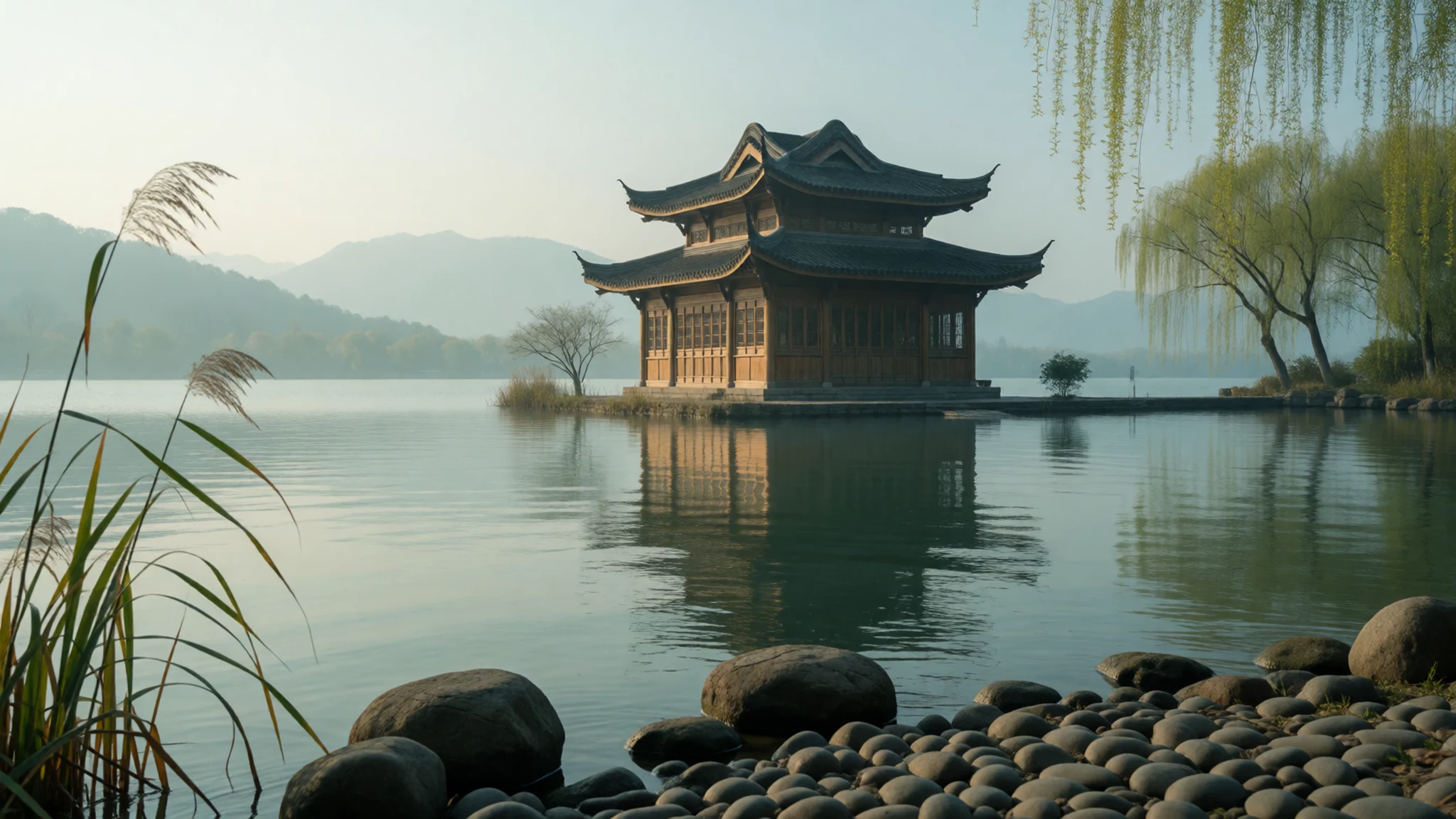
- The stone bridges — Across the old town
With nine rivers and eight sections to connect, the town relies on stone bridges, and each one makes a small viewing platform. Standing at the crown of an arch gives a clear line down the canal and across the tiled roofs. Bridges are also where photographers gather, so patience helps.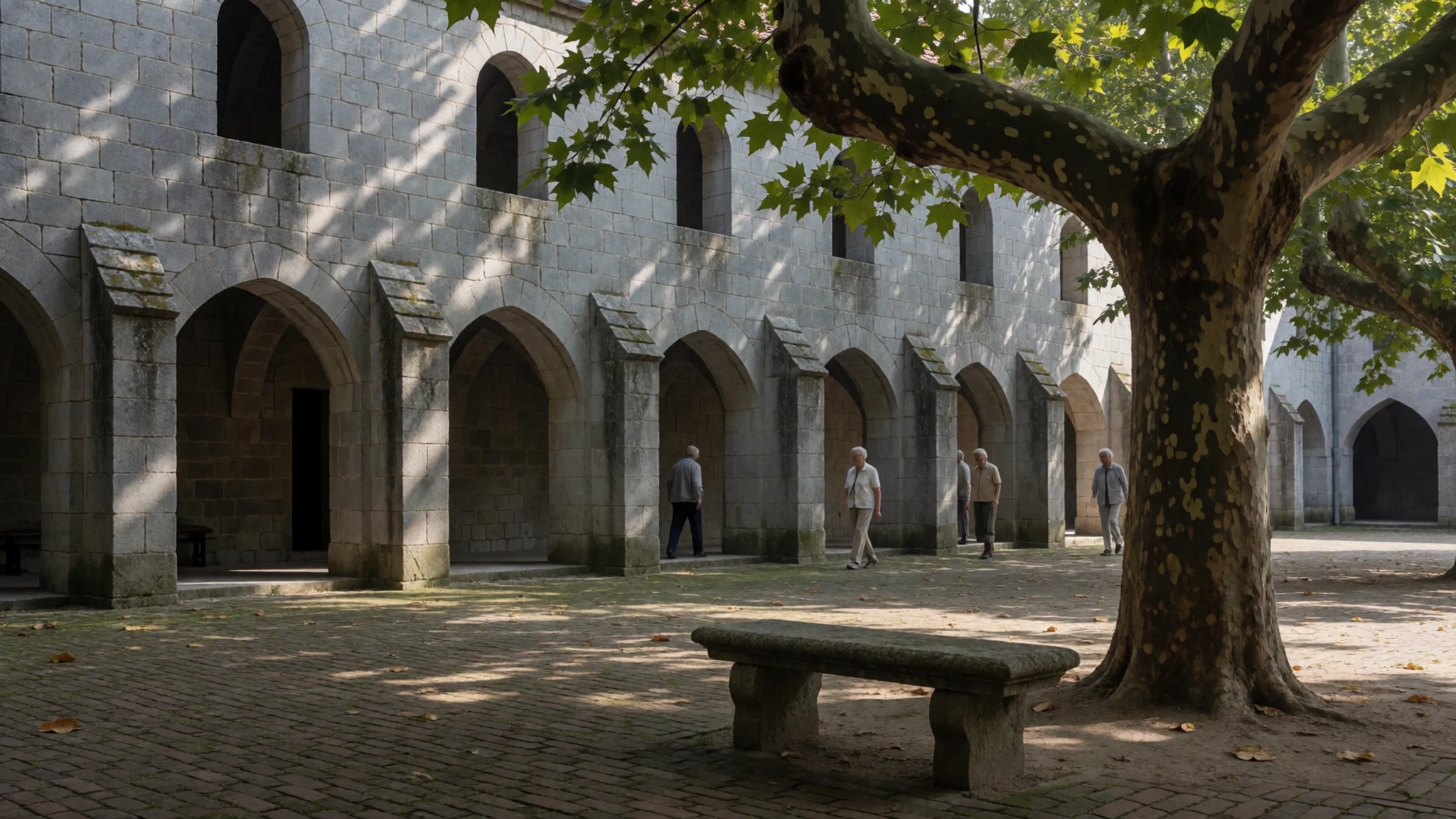
- Canalside lanes and covered walkways — Historic core
Streets run alongside the water, and in places roofed galleries shelter the path from sun and rain. Walking one stretch end to end shows how shops, homes and workshops shared the same frontage. The wooden fronts, shutters and old beams reward slow looking.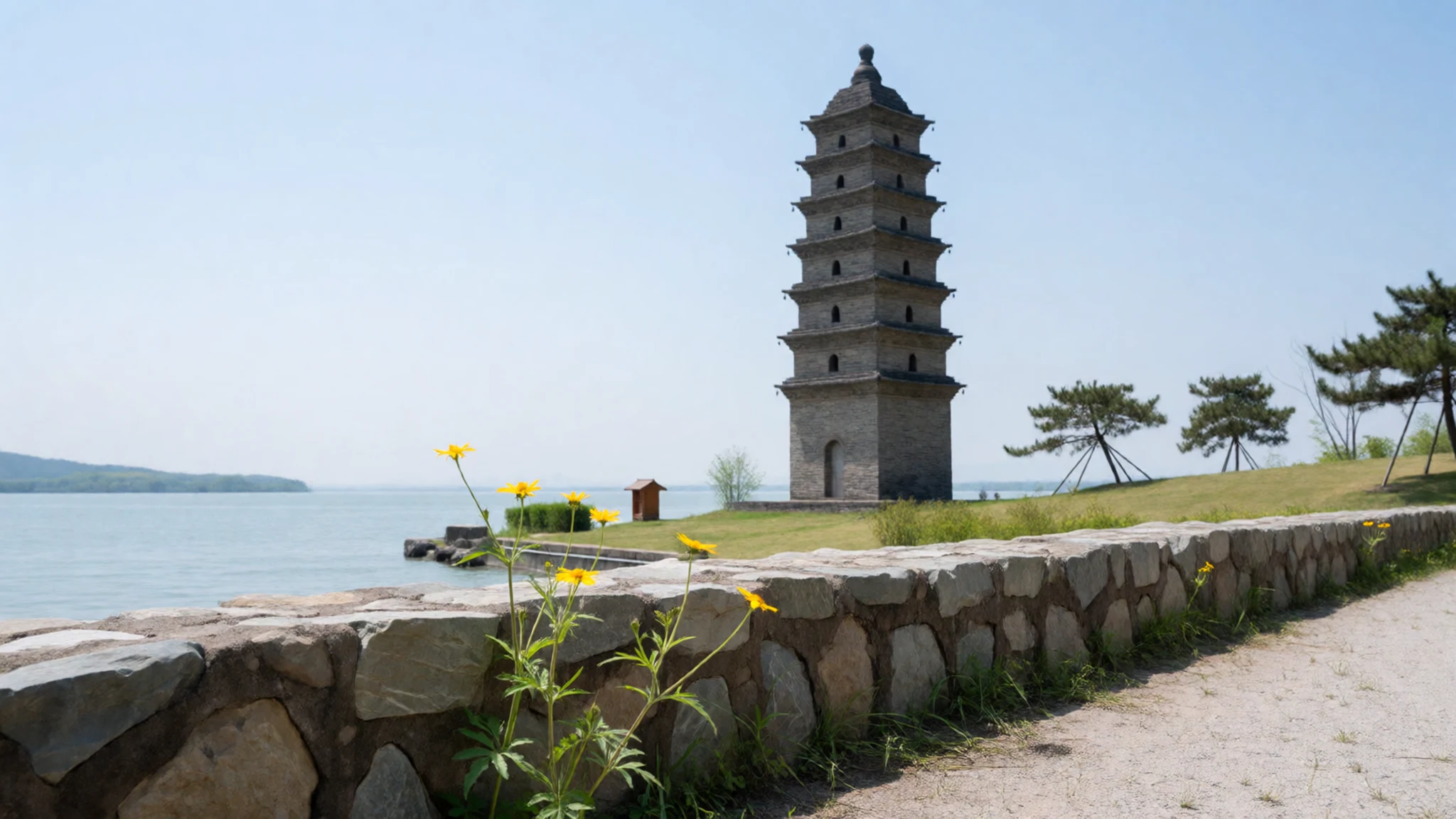
- The old town at night — Along the main canals
After the day groups leave, the canals are lit and the mood changes. Reflections in the still water, lanterns and the sound of oars make the evening walk a different experience from the daytime one. Expect music from bars and plenty of visitors, so it is lively rather than silent.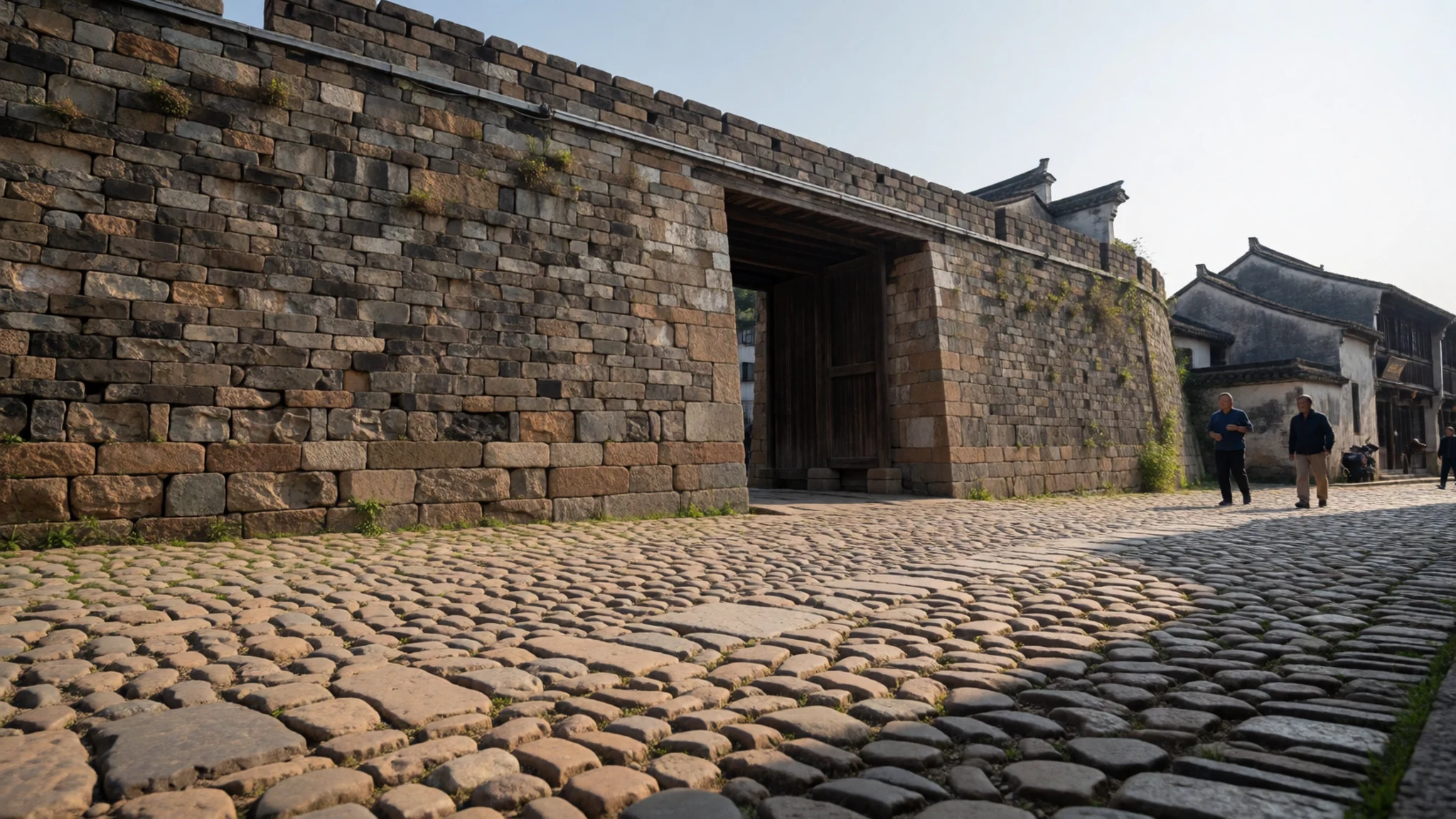
- Lanes away from the main waterfront — Back streets of the old town
A few streets back from the busiest canal, the town becomes more ordinary: neighbours chatting, washing hung out, small shops serving residents. Wandering these quieter lanes gives a more honest picture of Xitang as a living place, and the crowds thin noticeably.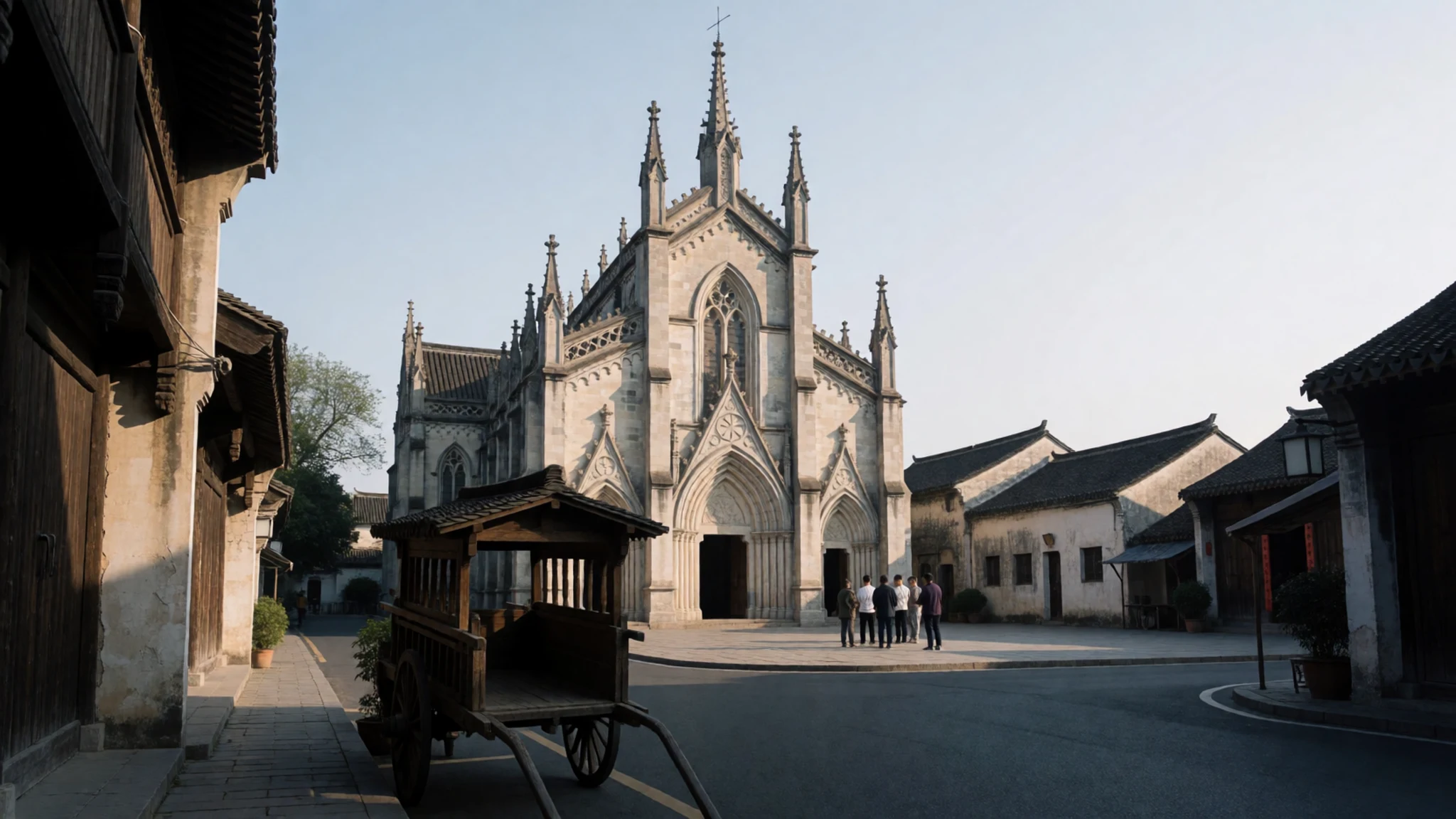
Culture
Xitang belongs to Jiangnan, the region south of the lower Yangtze, long associated with rice, silk, canals and a refined, understated way of life. The water shaped daily habits: people washed, shopped and travelled along it, and houses were built to face both the lane and the canal. Local identity is tied to that pattern, and to the idea of a 'water country' town where boats were once ordinary transport. Food and drink are part of it too, especially rice wine brewed from glutinous rice, which is made and sold in the town. Heritage status has brought money for restoration and has also turned the old streets into a stage set in places. Both sides are visible: families still live and work in the old houses, while shops, performers and lantern-lit bars serve the visitor trade. Chinese holidays bring the heaviest crowds, and many visitors come from nearby cities for a weekend. Historically the region was also a source of scholars and artists, and a taste for tea, calligraphy and quiet courtyards still shows in how people describe the area. When wandering the lanes, remember that many of the buildings you pass are private homes, so keep your voice low, do not step through open doorways, and ask before photographing residents at close range.
What to wear
Xitang has no single costume that visitors will see daily. The traditional dress of the Jiangnan region is associated with silk, the staple fabric of the lower Yangtze delta, as well as cotton and hand-dyed indigo cloth, and with long robes and jackets cut for temperate, damp weather. These garments now appear mostly at festivals, in museums and in hired costume photography. Many visitors rent traditional-style outfits for photos along the canals, and shops in the old town cater to that trade, so costumed groups are a common sight. Everyday dress among residents is plain and practical: jeans, trousers, light jackets, fleeces and sturdy shoes, with older people often wearing quilted or cotton jackets in the colder months. For visitors the main concern is climate and ground. Summers are hot and humid, so light cotton or linen and a hat are sensible, while winters are damp and cold and need layers and a waterproof. Showers are possible in any season, so carry a small umbrella or a light rain jacket. The paving is uneven, often worn smooth and slippery when wet, so choose flat shoes with grip rather than sandals or heels. There are no strict modesty rules in the old town itself, but if you step into a temple or private courtyard, cover shoulders and knees as a courtesy.
What to eat
- Jiashan rice wine — Rice wine shops and stalls along the old lanes
A wine made from glutinous rice, brewed in winter using traditional methods and then aged. It is made and sold in the town for locals and visitors alike. Expect a sweet, mellow flavour, often served in small cups alongside a meal.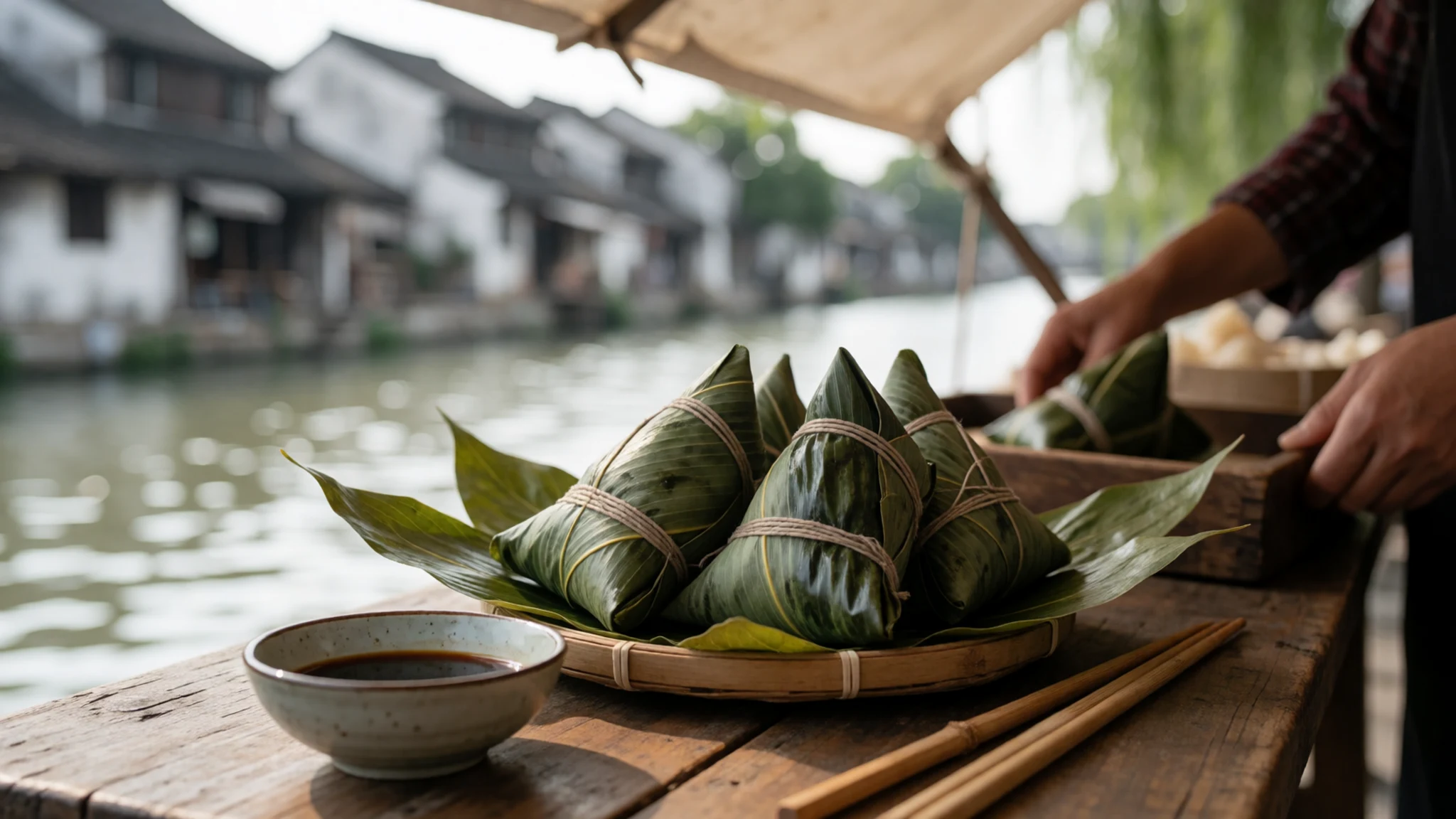
- Zongzi — Snack stalls and food shops in the old town
Parcels of sticky rice with fillings, wrapped in leaves and steamed or boiled. The Jiaxing area is known across China for them. Pork-filled versions are the classic savoury choice, and sweet ones turn up too. They make a filling snack while walking.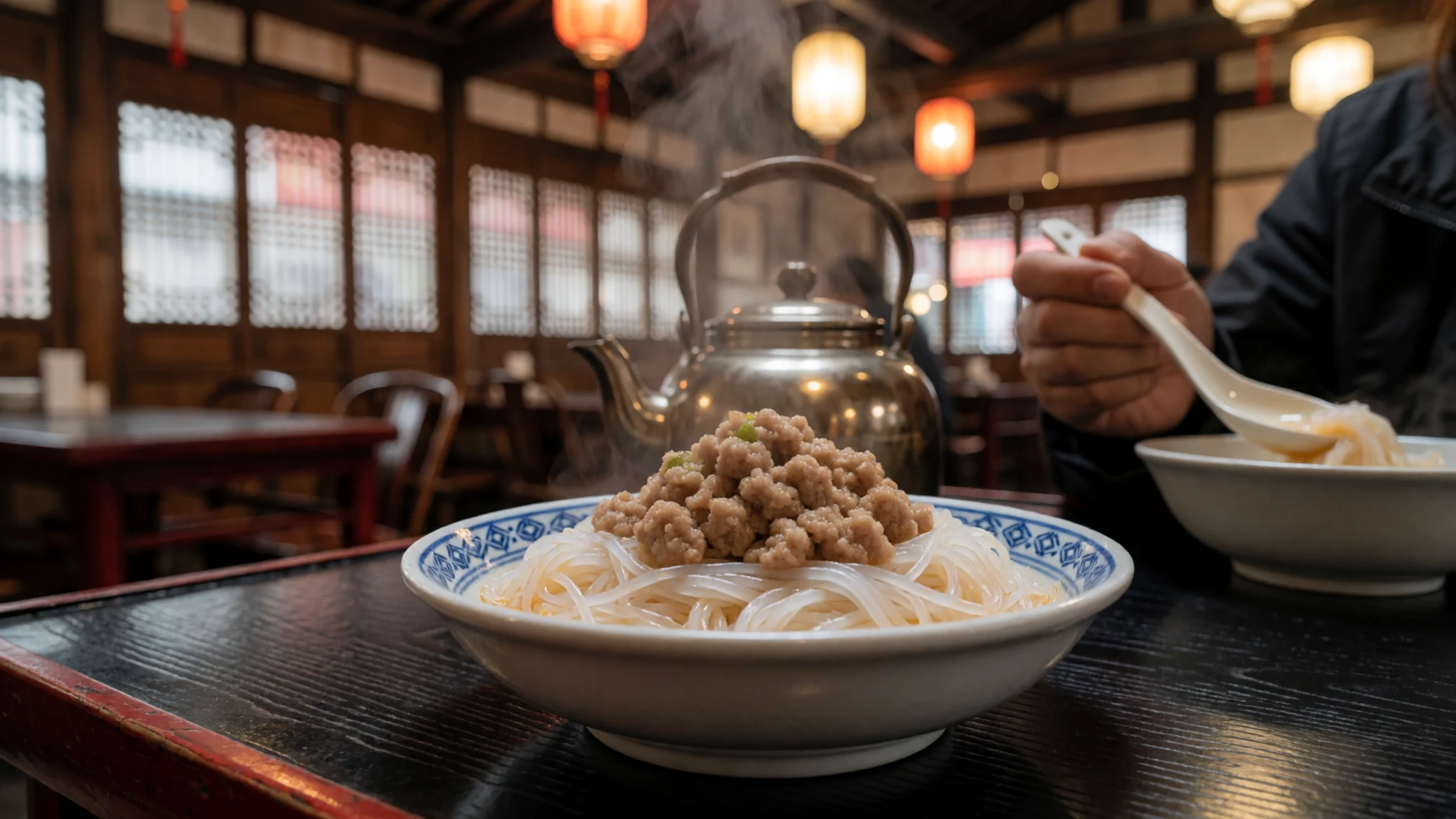
- Bridge Head Fan Pot — Small eateries near the canal bridges
A rice-noodle and pork dish built around vermicelli, pork and shiitake mushrooms, seasoned with garlic and bean paste. It is cooked in one pot, so it arrives hot and fragrant. Order it as a main dish at a simple eatery. - Fresh meat shaomai — Dumpling and snack shops in the old streets
A savoury dumpling with a thin wrapper that is open at the top, filled with seasoned fresh pork. It is a popular snack in the Jiaxing region and is usually served steaming from a bamboo basket. - Hangbai chrysanthemum tea — Canalside tea houses and tea shops
A tea made from dried chrysanthemum flowers, drunk for its gentle taste and its reputation for being cooling. The flowers open in hot water and the drink is light and slightly floral. It suits a rest by the canal.
Plan it
Best time. April–May and September–November, when it is mild and walking is comfortable. Summer is hot and humid, winter is damp and cold, and Chinese public holidays bring the biggest crowds in any season.
How long. 1–2
Getting there. Fly into Shanghai, then take the high-speed train to Jiaxing; from Jiaxing railway station a bus runs to Xitang. Coaches from Shanghai, Hangzhou, Suzhou and Nanjing also serve the area, and a taxi from Jiaxing is the easy last leg if you have luggage.
Budget. mid
Tips
- Arrive early in the morning, before the day groups, for quiet canals and better light
- Stay a night in the old town if you can, since the evening and early morning are the best times
- Avoid Chinese public holidays and busy weekends if you dislike crowds
- Check the official tourism channels for current entry arrangements and boat arrangements, as these change
- Carry a rain layer and shoes with grip, as paving gets slippery
Etiquette
- Treat canalside buildings as homes, and do not enter through open doors uninvited
- Ask before photographing people at close range
- Keep noise down in the lanes, especially in the evening
Nearby
Sources
- Wikidata Q781255 (CC0)
- Wikipedia: Xitang (rev 1385237832) (CC BY-SA 4.0)
- Wikivoyage: Jiaxing (rev 5359961) (CC BY-SA 4.0)
- Photo: Xitang photo by Dror Allon (CC BY-SA 4.0)
- Photo: xitang zhejiang 2023 (CC BY-SA 4.0)
- Photo: Location map of Zhejiang (CC BY-SA 4.0)
- Photo: Aerial perspective of Xitang's Canals (CC BY 4.0)
- Photo: Eine der Wasserstraßen von Xitang (Public domain)
- Photo: Pueblo Antiguo en la provincia de Zhejiang (CC BY-SA 4.0)
- Photo: Touristenboote in Xitang (Public domain)
- Photo: Xitang rice wine (CC BY 3.0)


