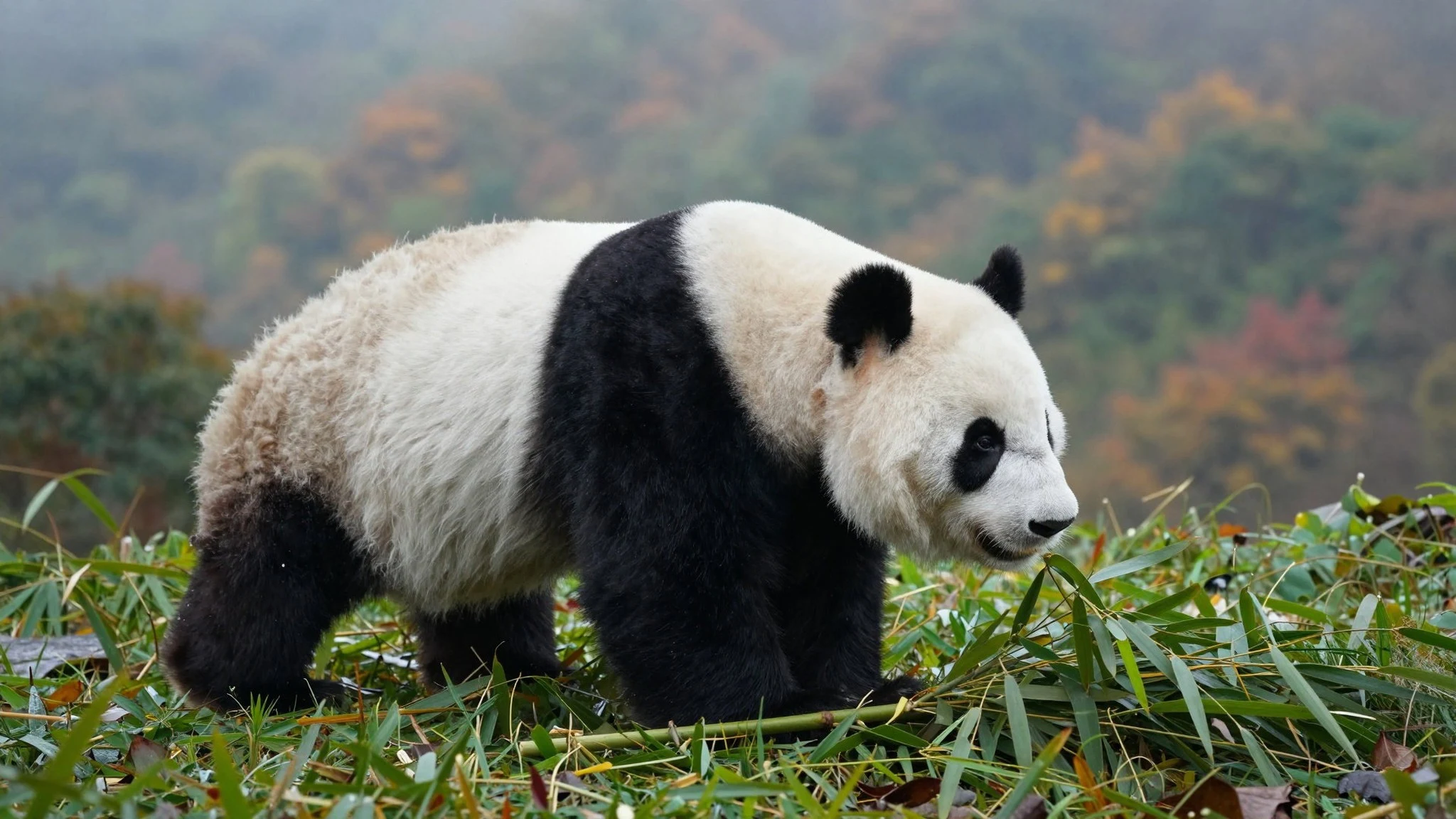
Wolong Nature Reserve
Wolong Nature Reserve, People's Republic of China

Wolong Nature Reserve is a mountain forest in Sichuan where giant pandas are bred and studied, and where the hills are worth the trip alone.
The place
Wolong Nature Reserve sits in the mountains of western Sichuan province, in the People's Republic of China, on the eastern edge of the Tibetan plateau. It is a protected landscape of steep river valleys, bamboo thickets, conifer forest and high ridges that climb into cloud. The reserve is best known as a home for giant pandas, both wild animals living in the forest and captive-bred ones kept at a research and conservation centre inside its boundaries.
The climate follows the terrain. The valley floors are mild and damp, while higher slopes stay cool and often misty, so weather changes quickly within a single day. Rain is common, and cloud can hide the peaks even in good months. That damp is exactly what the bamboo needs, and bamboo is what the pandas eat almost all day.
Wolong is not a single sight but a working landscape. Research staff, keepers, village households and a modest number of visitors share the same road along the river. Wild pandas are shy and rarely seen, so most visitors meet the animals at the centre, where enclosures, nurseries and viewing paths are laid out for walking. The surrounding forest rewards slower exploration: birdsong, streams, wildflowers in season and the smell of wet leaves. Expect a quiet, green, slightly foggy place rather than a dramatic skyline, and plan around the weather rather than against it. Mobile signal can be patchy in the valleys, so download maps before you set out.
Its story
Wolong Nature Reserve is bound up with the story of how China learned to look after the giant panda. The species was once seen mainly as a rare curiosity, but as forests were cleared and bamboo habitat broke into fragments, conservation became urgent. Protected areas in the Sichuan mountains, Wolong among them, were set up to keep the animal's forest homes intact and to give scientists a place to study how pandas live, feed and breed.
The reserve became home to a major panda conservation and research centre. Its work has centred on captive breeding, on understanding panda diet and behaviour, and on learning how animals raised in care might eventually cope in the wild. This has never been simple. Pandas breed slowly, cubs are tiny and fragile, and the skills needed to survive in a forest are learned rather than inherited.
The place also carries the scars of a natural disaster. The 2008 Sichuan earthquake badly damaged the centre, wrecking buildings and enclosures, and forcing animals and staff to be relocated and the work to be rebuilt elsewhere in the region. Photographs of the broken panda houses remain a sober reminder that this is a seismically active mountain zone. Today Wolong stands as both a symbol of panda conservation and a case study in how fragile such efforts can be, in a landscape that can change in a moment.
What to see
- Panda viewing at the conservation centre — Wolong town area
The conservation and research centre is the main draw. Paths pass enclosures where adult pandas chew bamboo, doze in the trees or wander slowly. Mornings are usually livelier, when the animals are fed and most active. Keep voices low, stay behind barriers and accept that on a hot afternoon many will simply be asleep.
- Panda cubs and nursery areas — Conservation centre
Young cubs are the most photographed residents, and a glimpse of one climbing or tumbling is the reason many people come. Access to nursery areas depends on the season and on what the keepers allow, so check the official channels before travelling rather than counting on a sighting.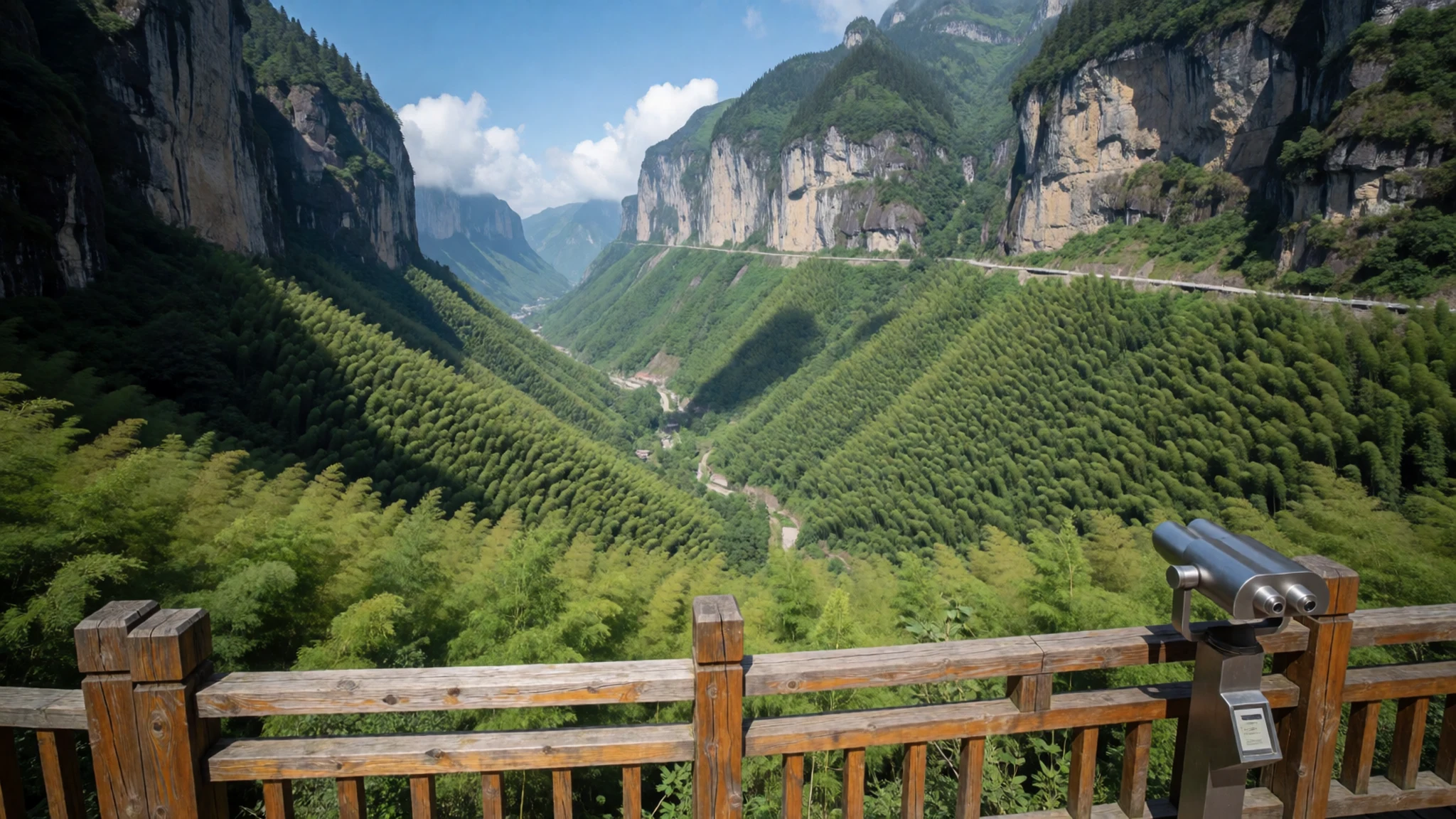
- Earthquake-damaged panda house — Old centre site
Ruined enclosures from the 2008 earthquake show how violently this valley was shaken. Seeing them gives the cheerful panda story a sobering counterpoint, and explains why the centre's work moved and was rebuilt. Respect any fencing and signs, since damaged structures can still be unsafe.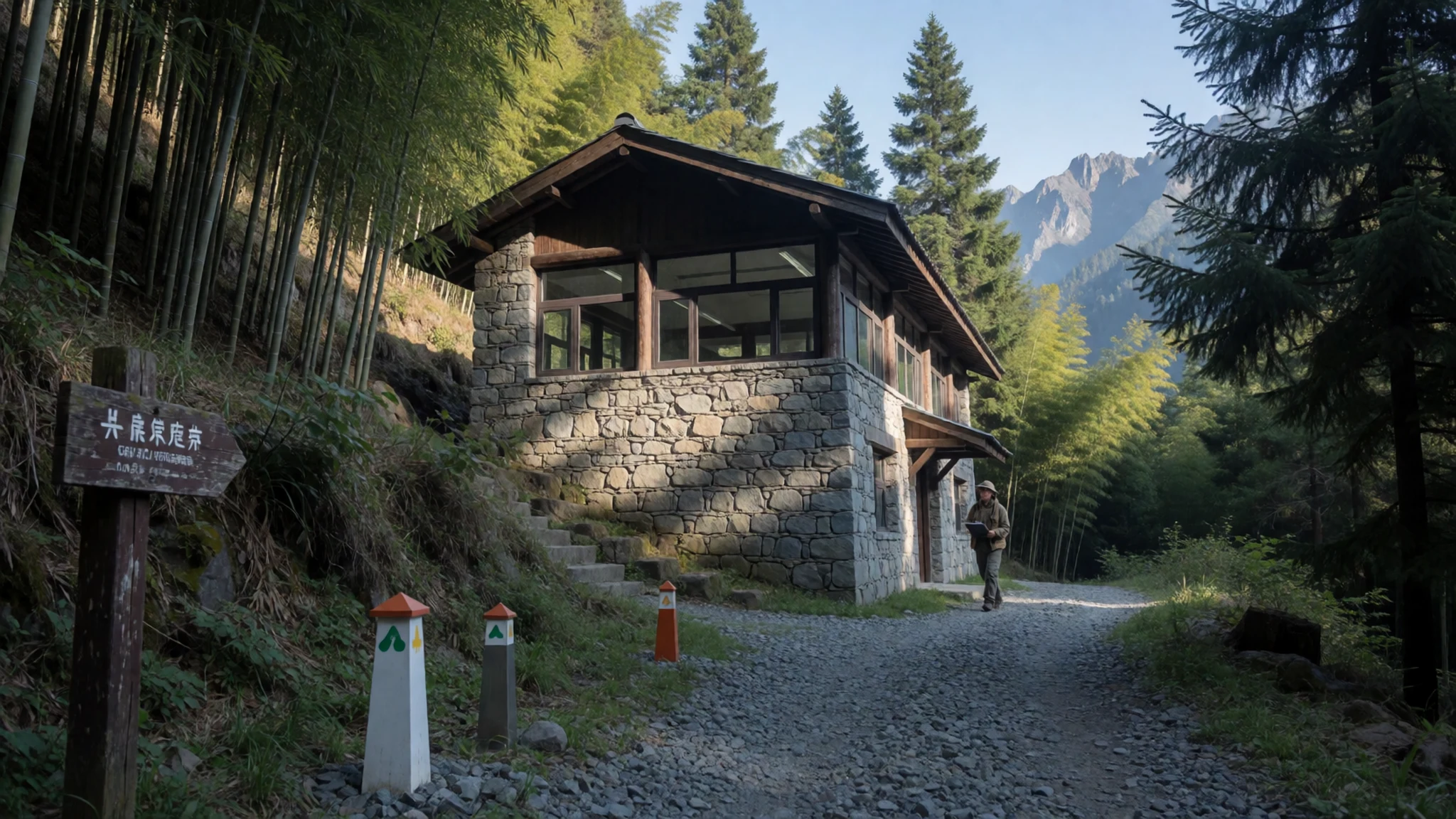
- Forest walks and river valleys — Reserve valleys
Outside the centre, the reserve is simply good mountain country. Trails and roadside paths run through bamboo, mixed woodland and along fast streams. Wear proper shoes, expect mud after rain, and listen for birds. Wild pandas are very rarely seen, so go for the scenery and treat any sighting as luck.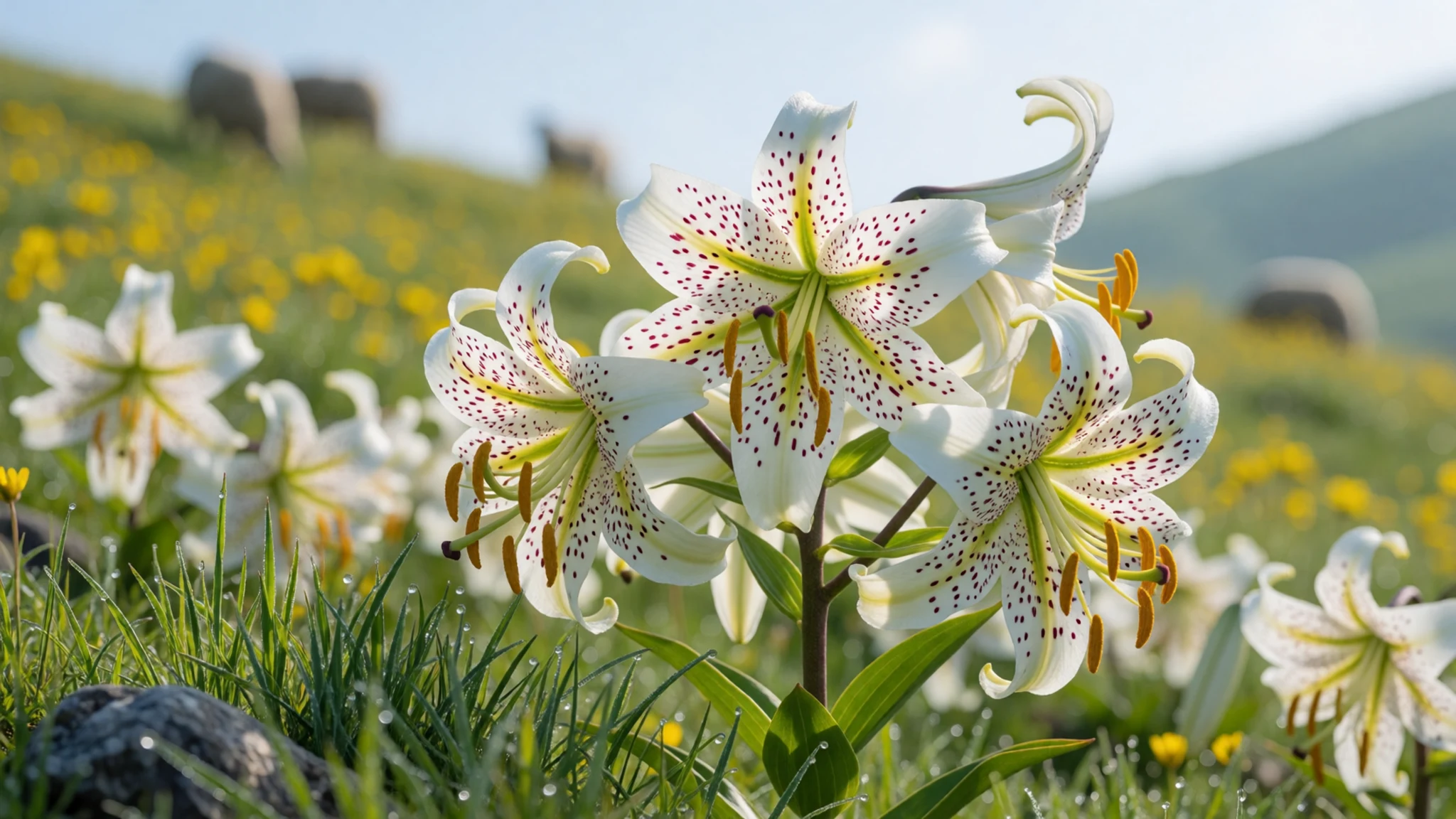
- Wildflowers on the slopes — Higher slopes
In season the hillsides carry wild flowers, including regal lilies, a species photographed growing naturally here. Flowering depends on altitude and weather, so timing varies from year to year. Go slowly, look at roadside banks and open slopes, and leave plants where they grow.
Culture
Wolong Nature Reserve lies in a part of Sichuan where Han Chinese communities live alongside Qiang and Tibetan neighbours, and where mountain villages have long farmed small terraces, kept livestock and gathered from the forest. The reserve's rules now shape daily life, so conservation is not an abstract idea here but part of how people work, build and travel.
The giant panda carries real national meaning in China. It appears on souvenirs and in the news, and it is treated as something close to a national emblem. At Wolong that feeling is turned into practice: keepers, vets and researchers spend their days on feeding, health checks and observation, and they take the animals' wellbeing seriously. Visitors are guests in that routine.
The earthquake of 2008 also left a strong mark on local memory. Many families lost homes or relatives, and rebuilding has been a long community effort. It is considerate not to treat damaged sites as mere backdrops for photographs, and to talk about the disaster with sensitivity if locals raise it.
Expect polite but reserved manners in small mountain places. Greetings are brief, bargaining is limited in shops and village stalls, and patience is appreciated when transport or services run slowly because of weather or road works. Learning a couple of Mandarin phrases, such as hello and thank you, goes a long way.
At the panda enclosures, keep your voice low, never feed or call to the animals, and do not use flash photography.
What to wear
Wolong Nature Reserve is home to Han, Qiang and Tibetan communities, each with its own traditional dress. Qiang women's festival clothing typically includes embroidered jackets and aprons, often in cotton or linen with bright thread work, and sheepskin waistcoats are a classic Qiang mountain garment. Tibetan dress in the region often features long wrapped robes with wool and sometimes sheepskin, with decorative belts and jewellery. These outfits mostly appear at festivals, weddings and performances rather than on ordinary days.
Everyday clothing is practical and modern. Locals wear jackets, fleeces, jeans, trainers or sturdy boots and waterproofs, because the valleys are damp and the weather changes quickly. Keepers and researchers at the centre wear work uniforms and rubber boots suited to enclosures that are hosed down often.
For visitors, think layers. Bring a light waterproof jacket or poncho, a warm fleece for cool mornings and higher ground, and trousers that dry quickly. Shoes should have good grip, since paths get muddy and slippery after rain; trainers with a firm sole are fine for the centre, and walking shoes or boots are better for forest trails. A hat and sunscreen help on bright days, and insect repellent is useful in warmer months. There is no strict dress code at the reserve, but modest, ordinary clothing is sensible if you visit a village or a small temple on the way.
What to eat
- Sichuan hotpot — Hotpot eateries in Wolong town and in Chengdu
A bubbling pot of chilli and numbing Sichuan pepper broth, with thin meat, vegetables and tofu cooked at the table. It is the classic warm-up after a damp day in the mountains. Ask for a mild or split pot if you do not want much heat.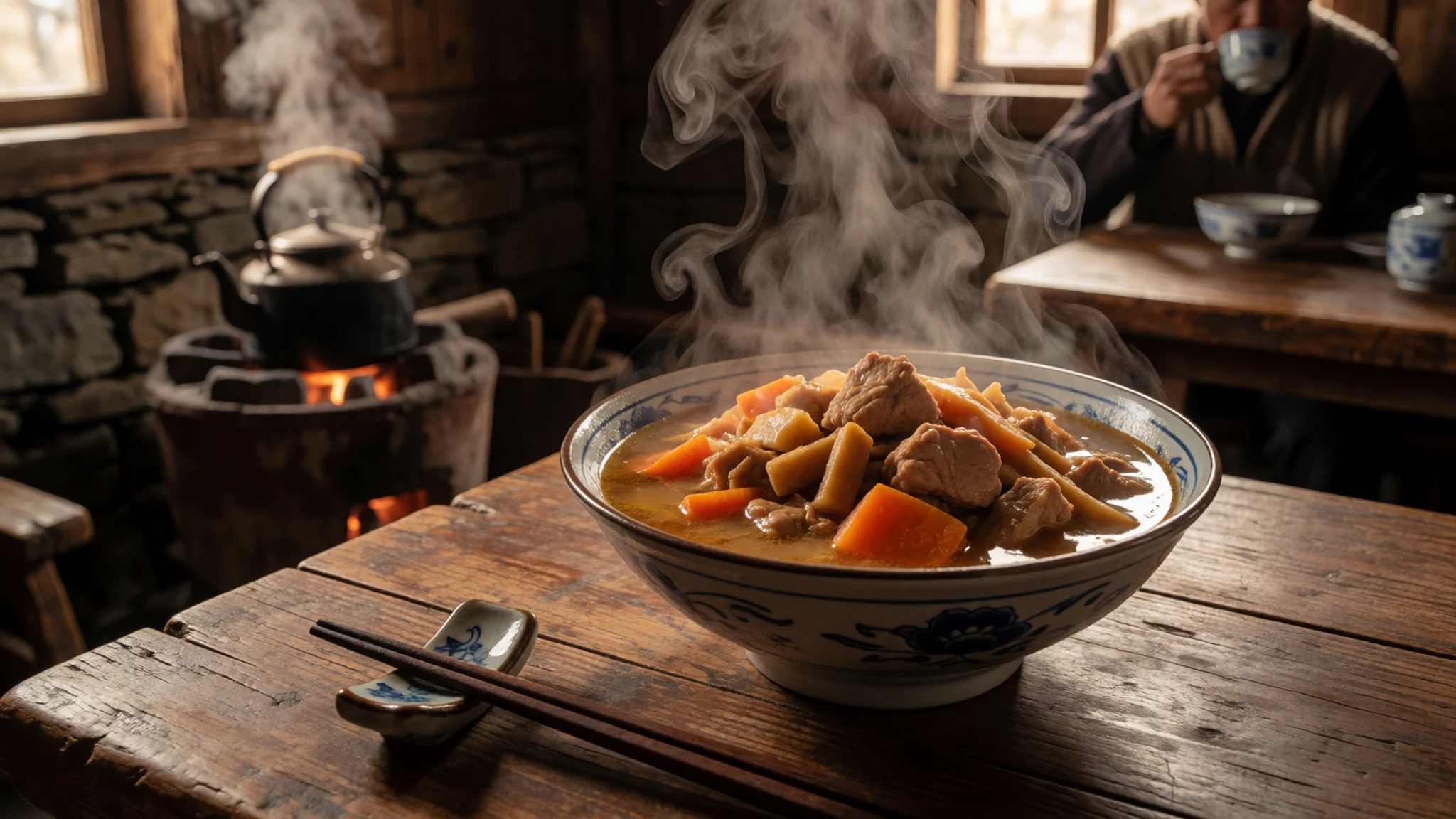
- Mapo tofu — Family-run roadside eateries
Soft tofu in a red, oily sauce with fermented bean paste, chilli and Sichuan pepper, often with a little minced meat. It tastes hot, savoury and tingling, and is best eaten over plain rice. Vegetarian versions are sometimes possible if you ask.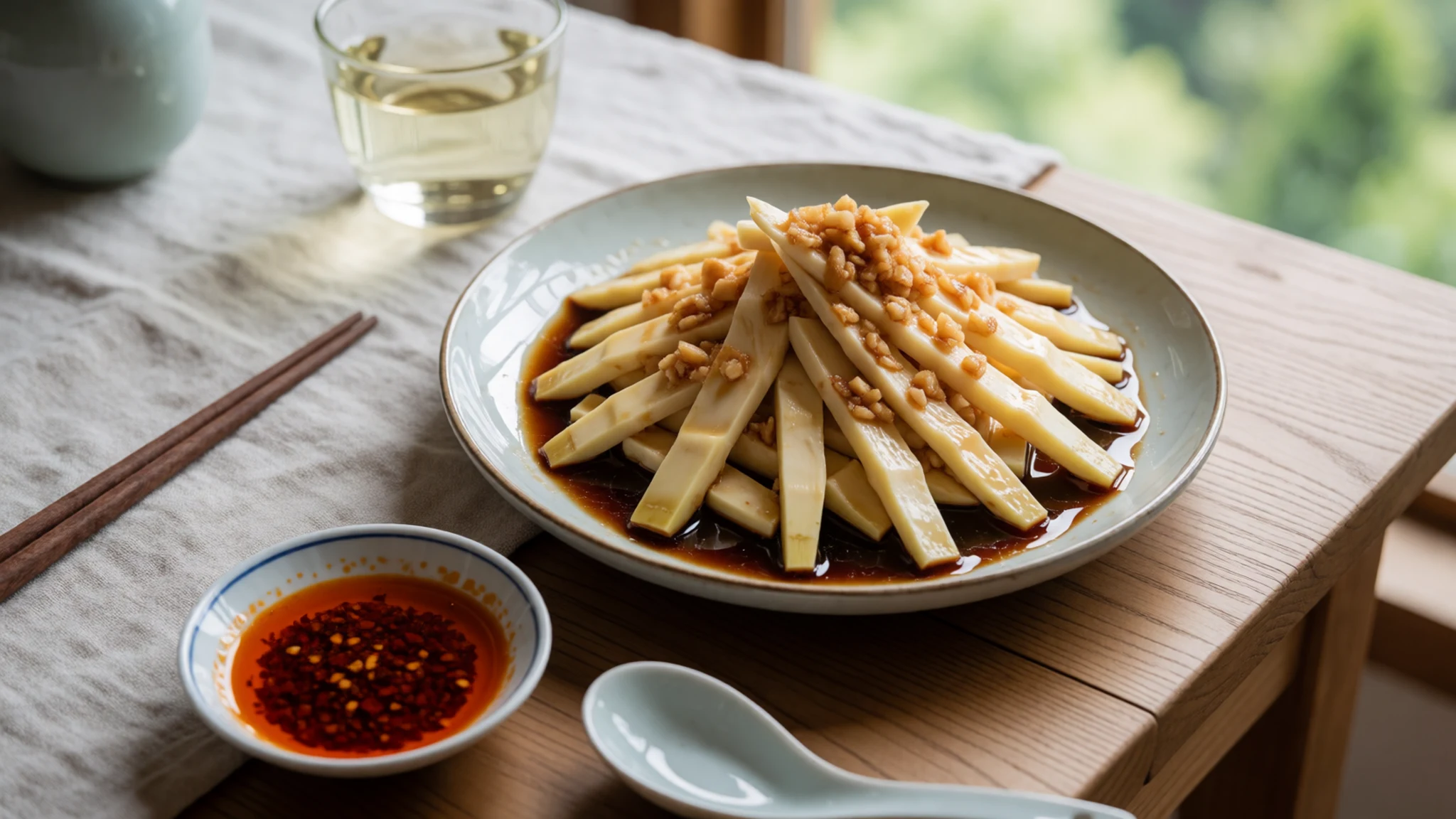
- Dandan noodles — Small noodle shops near the centre
Wheat noodles in a spicy, nutty sauce with preserved vegetable and sometimes minced pork. It is a quick, cheap lunch that suits a day of walking. Stir it thoroughly before eating so the sauce coats every strand. - Mountain vegetables and wild mushrooms — Village restaurants and farmhouse eateries
Seasonal greens, ferns and fungi from the surrounding hills are stir-fried simply with garlic or chilli. Availability depends on the time of year and the weather. They give a fresher, earthier taste than the heavier Sichuan classics. - Smoked cured pork — Local family kitchens and mountain-village restaurants
Preserved, smoked pork is a traditional mountain food across western Sichuan, stir-fried with leeks or peppers. It is salty and strongly flavoured, and works well with rice. It reflects older ways of keeping meat through cold, damp winters. - Butter tea and tsampa — Tibetan-run tea houses in the wider region
In Tibetan households and cafes, salted butter tea and barley flour tsampa are common comfort foods. Butter tea is an acquired taste, savoury and rich rather than sweet. Try a small cup first before ordering more.
Plan it
Best time. April–May and September–October are usually the most comfortable, with mild temperatures and fewer heavy rains. Summer is warm and wet, and winter can be cold and misty at higher levels.
How long. 2
Getting there. Fly to Chengdu, the main gateway city, then continue by road into the mountains towards Wolong, usually by private car, hired driver or tour transport. Allow plenty of time, as mountain roads can be slow and sometimes affected by landslides or repairs. Check current road and access conditions before travelling.
Budget. mid
Tips
- Check the official reserve and centre channels for current opening arrangements and any booking requirements before you go.
- Arrive early in the day, when pandas are usually more active and the paths are quieter.
- Carry some cash as well as a phone payment option, as small places may not take foreign cards.
- Bring waterproofs and layers, as mountain weather shifts quickly.
- Download offline maps, because mobile signal can drop in the valleys.
Etiquette
- Keep your voice low and stay behind barriers near the animals.
- Never feed wildlife or leave rubbish on trails.
- Ask before photographing local people, especially in villages.
Nearby
Sources
- Wikidata: Wolong Nature Reserve (CC0)
- Wikimedia Commons photographs of Wolong (Public domain / CC BY 3.0 / CC BY-SA 4.0)
- Wikipedia (CC BY-SA 4.0)
- Wikivoyage (CC BY-SA 4.0)
Wildlife
- Giant panda (animal)
The giant panda is a round bear in a white coat with dark patches around its eyes, ears, legs and shoulders, and it is found naturally only in China. A handy thumb on its forepaw helps it grip bamboo, which makes up almost everything it eats. Wolong is a wonderful place to hope for one, though sightings are never promised. Watch from a respectful distance, keep your voice low, stay close to your guide, and never offer food, however sweet the temptation.