Vwaza Marsh Wildlife Reserve
Vwaza Marsh Wildlife Reserve, Malawi
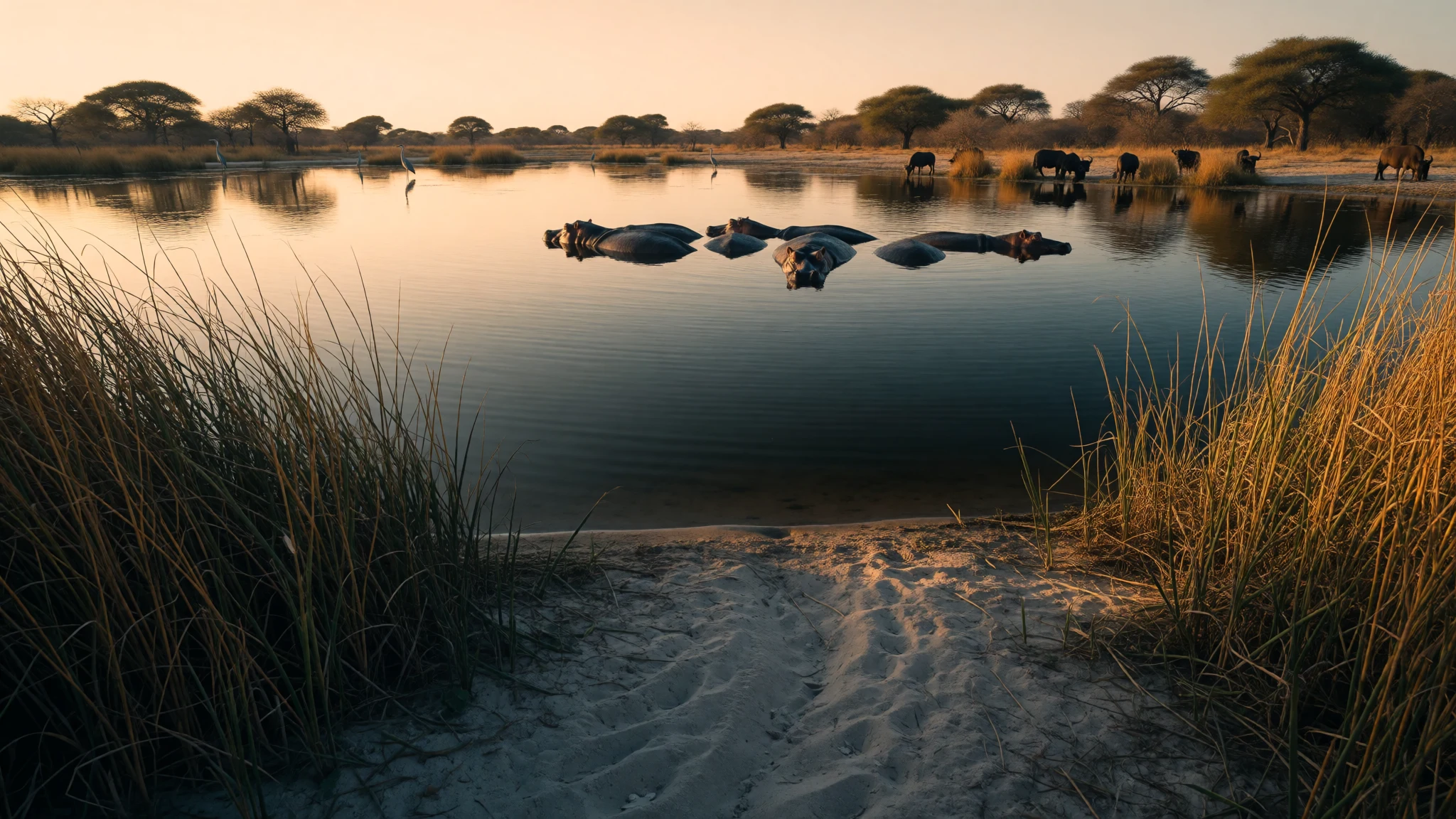
A big, quiet reserve in northern Malawi where hippos, elephants and wetland birds can be watched with almost no other visitors around.
The place
Vwaza Marsh Wildlife Reserve is a protected area in northern Malawi, tucked below the Nyika Plateau to the south-east and above the floodplain of the South Rukuru River. It covers about 1,000 square kilometres, which is a lot of ground for a place few travellers ever put on an itinerary. Where Nyika is high and cool, Vwaza is mostly low and flat, with hills only along its eastern side. The vegetation is a patchwork of two woodland types, mopane and miombo, broken up by open wetland. That mix of dry woodland and standing water is what makes the reserve work for wildlife: animals come to the marsh and to Lake Kazuni when the land around dries out, and the water draws birds in numbers. Plant surveys have recorded 398 species of vascular plants from 71 families, so the botany is richer than the flat skyline suggests. Part of the reason the reserve stays quiet is simply getting here. Roads are rough, the terrain is difficult and services are thin, so a visit takes planning and a sturdy vehicle. The reward is space. Because Vwaza lies close to the Zambian border and North Luangwa National Park, the animals seen can change from one season to the next as herds move across. Visitors should treat it as a working, slightly raw reserve rather than a polished safari park, and set their expectations for patience over guarantees.
Its story
The story of Vwaza Marsh Wildlife Reserve is mostly one of movement, and of people trying to keep track of it. Wildlife here pays no attention to the national boundary; animals drift across to North Luangwa in Zambia and back again, so what a ranger counts in one season may be gone the next. Camera traps have become one way of finding out what is really there. They have confirmed lions, though the cats seem to pass through rather than settle, and they have also recorded leopards and wild dogs, animals that are hard to spot from a vehicle. One small story from the reserve has travelled further than most. Rangers found an orphaned elephant calf in the South Rukuru River and rescued him. He was named Moses, and he now lives at the Jumbo Foundation elephant orphanage in Lilongwe, the capital. It is a reminder that rangers do more than patrol; they step in when an animal is stranded and alone. Vwaza's low profile shapes its story too. Poor roads and little infrastructure keep visitor numbers small, which means less income for upkeep but also less pressure on the animals. Today the reserve is a place where conservation is quiet, practical work, still far from the main tourist trail of Malawi.
What to see
- Lake Kazuni — Central reserve
Lake Kazuni is the place to look for hippos, which gather in sizeable pods in its water. Spend time at the edge in the early morning or late afternoon, when animals come down to drink and the light is softer. Buffalo and elephants also use the shore, so keep a respectful distance and stay with your guide.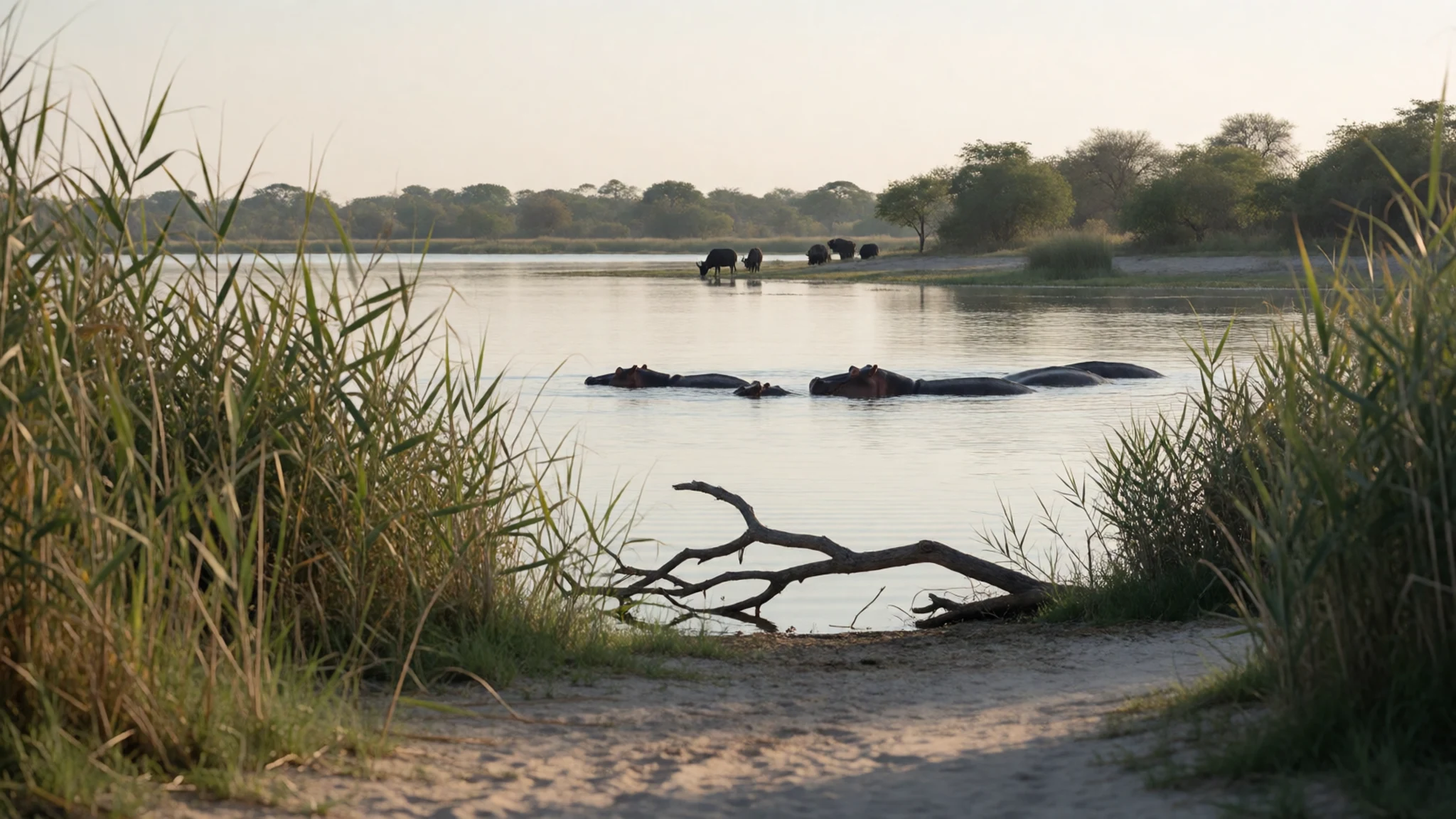
- The marsh and its birds — Wetland areas
The marshy wetlands are where birdwatchers should linger. Goliath herons stand motionless in the shallows, openbill storks work the mud, and the rare white-winged starling is the species keen watchers hope to find. Bring binoculars and a field guide, and move slowly; the wetland edge rewards patience more than distance covered.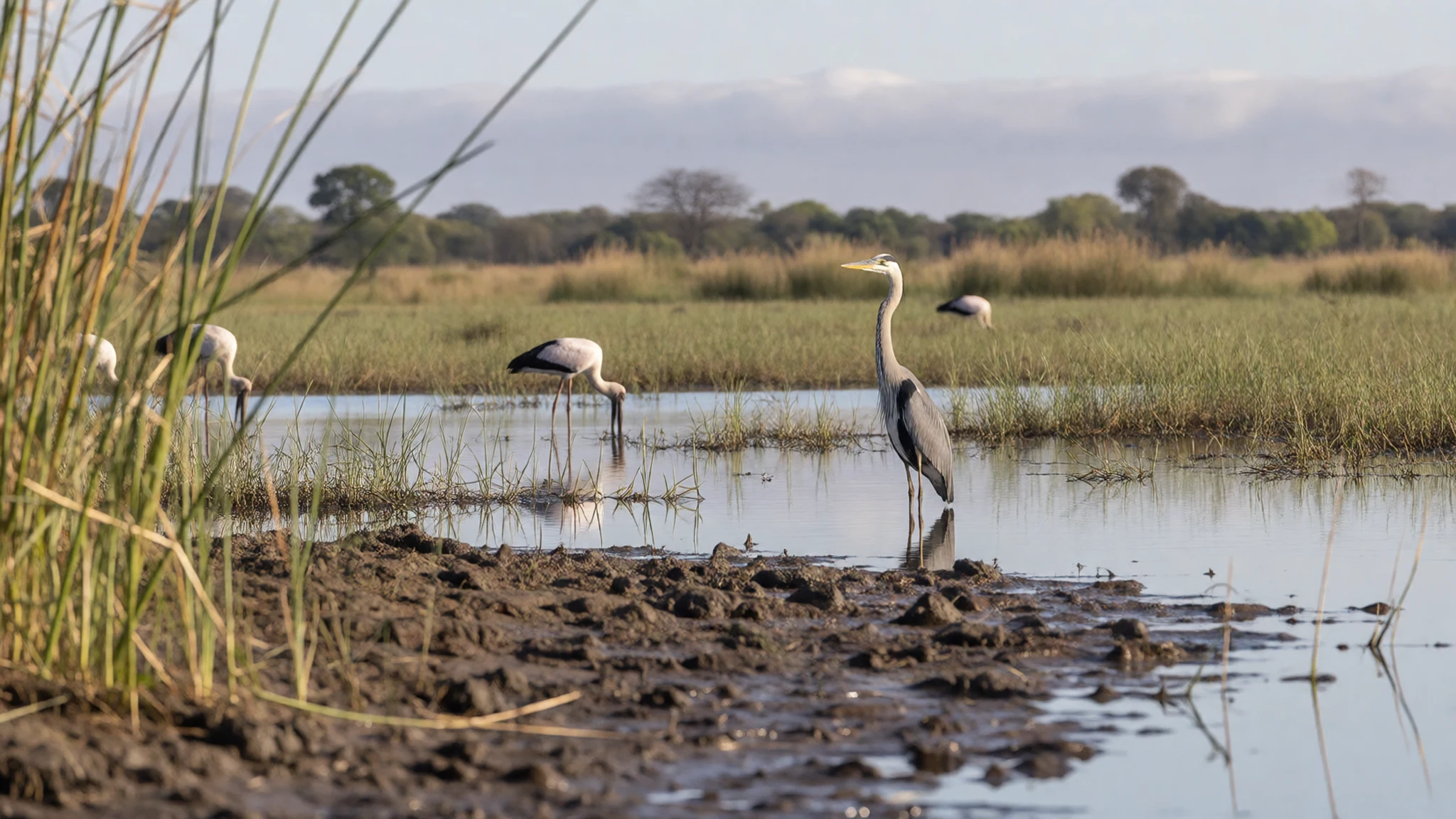
- Woodland drives — Mopane and miombo woodland
Mopane and miombo woodland covers much of the reserve, and drives through it are where herds of buffalo and elephant turn up. The antelope are varied too: eland, impala, roan and greater kudu all live here. Sightings shift with the season, so ask the rangers what has been moving recently rather than expecting a fixed list.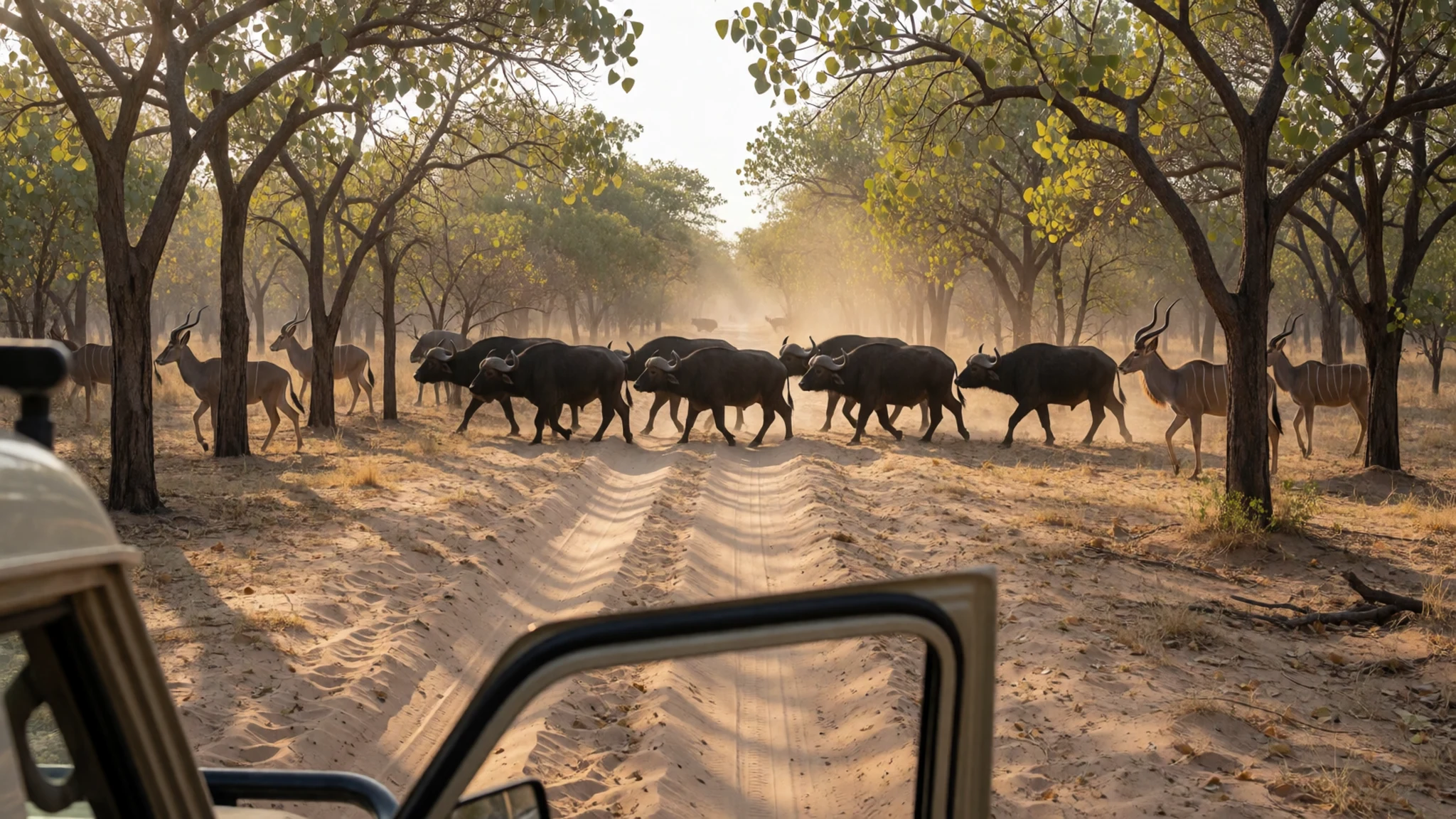
- South Rukuru River edge — Southern boundary
The South Rukuru River and its floodplain lie along the reserve's southern side and are worth a stop. Rangers once rescued the orphaned elephant Moses from this river. Water draws wildlife in the dry months, and the banks give open views that the woodland does not. Conditions depend on the rains, so confirm access before setting out.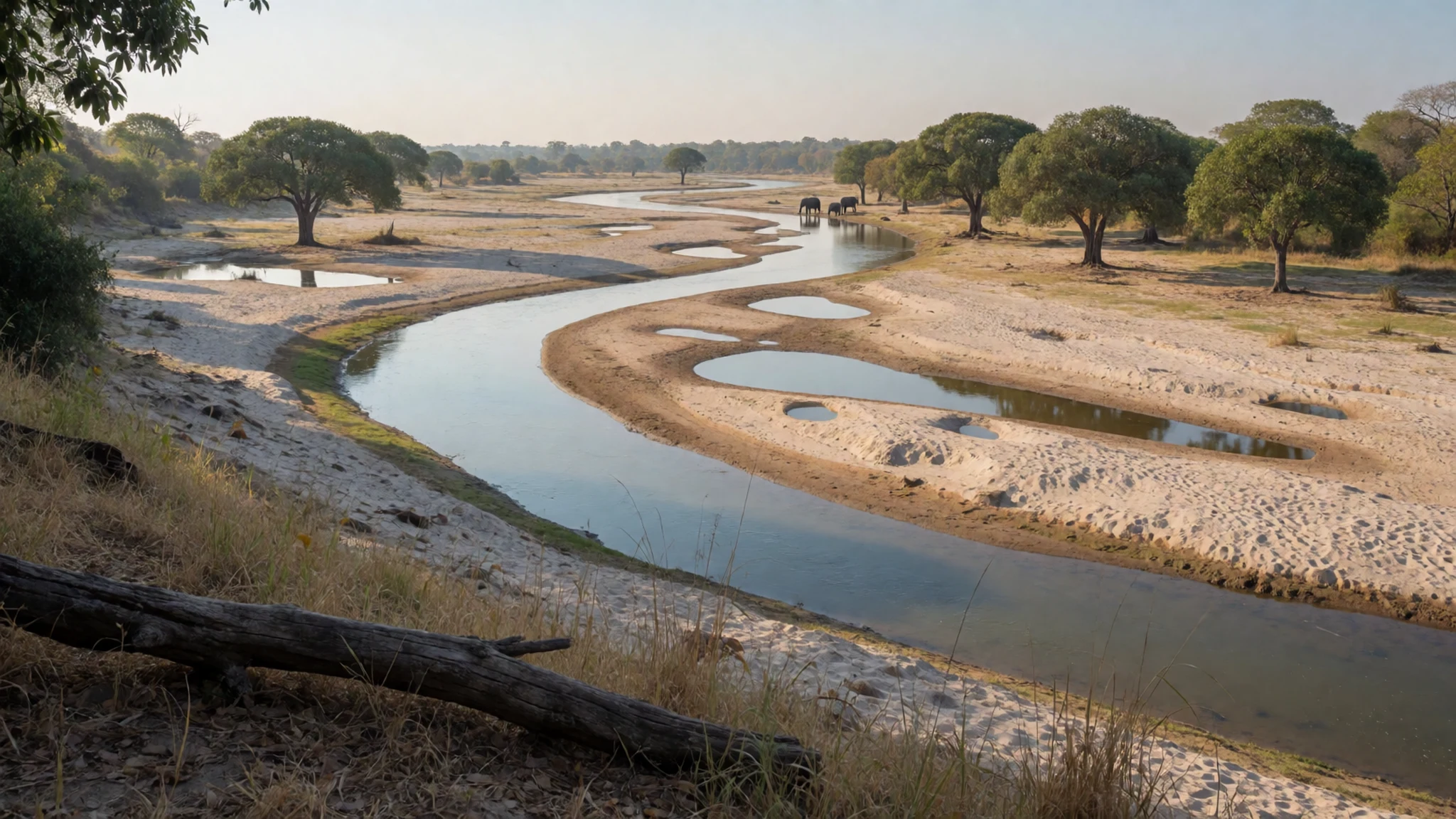
- The eastern hills — Eastern side of the reserve
The eastern side of Vwaza rises into hills, a change from the flat ground elsewhere. Views over the surrounding woodland are the draw, and the slopes are a reminder of why travel here is slow. Go with a guide who knows which tracks are passable, as the going can be tough after rain.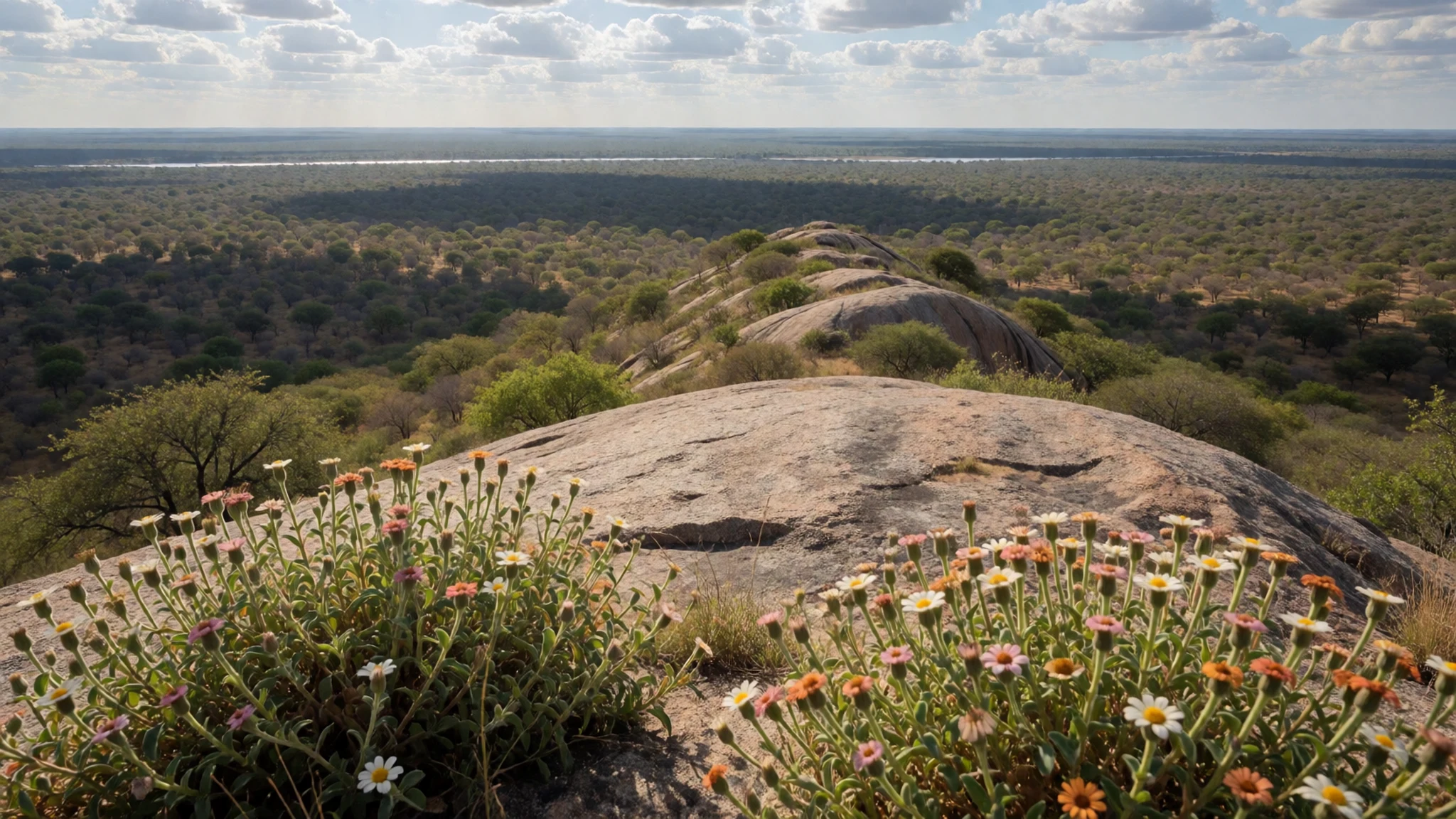
Culture
Vwaza Marsh Wildlife Reserve lies in northern Malawi, a region where daily life runs on farming, fishing and a strong habit of courtesy. Greetings matter: a handshake, often held a little longer than in Britain or India, and a proper enquiry after someone's health come before any request. Chitumbuka is widely spoken in the north alongside Chichewa and English, and a few words in either are welcomed. Communities around protected areas live close to wildlife, and many people have stories of elephants in the maize or hippos at the water's edge. Attitudes to the reserve are therefore practical rather than romantic: it is a source of local pride and also of some difficulty. Rangers and scouts are respected figures and the best people to ask about what is happening on the ground. Travelling with a local guide puts money directly into that relationship. Mornings start early and evenings are quiet, and Sundays can mean church services and slower service in nearby towns. Football is a common talking point, and showing interest costs nothing. Greet people before asking for anything, ask permission before photographing individuals or their homes, and keep voices low and vehicle windows closed near animals.
What to wear
Around Vwaza Marsh Wildlife Reserve, the cloth most people think of as traditional is the chitenje, a printed cotton length that women wrap at the waist as a skirt, tie over the hair, or use to carry a baby. Men wear it at home in some areas too. Ceremonial dress in the north, seen at dances and weddings, can include skins, beads and feathers, though these are for occasions rather than everyday life. Day to day, people wear what is practical for farm work and the heat: second-hand shirts, trousers, football shirts, and skirts that fall below the knee for women. Sunday is the day for best clothes, often pressed and bright. A visitor should dress for bush and for village courtesy at once. Pack lightweight long sleeves and long trousers in neutral colours such as khaki, olive and sand, which help with sun and insects. Avoid camouflage patterns, and be wary of black and dark blue, which insects tend to like. Wear closed, broken-in shoes with grip, since tracks are rough and grass can hide thorns. Bring a hat, sunglasses and a warm layer for early game drives, plus a rain jacket in the wet months. Women and men alike should cover their knees in villages.
What to eat
- Nsima with ndiwo — Home-style eateries and market stalls in Rumphi and Mzuzu
Nsima is the maize-meal staple of Malawi, a firm white porridge eaten by hand. Ndiwo is the relish served with it: beans, greens, groundnut sauce, stewed chicken or fish. It is filling, cheap and almost always available.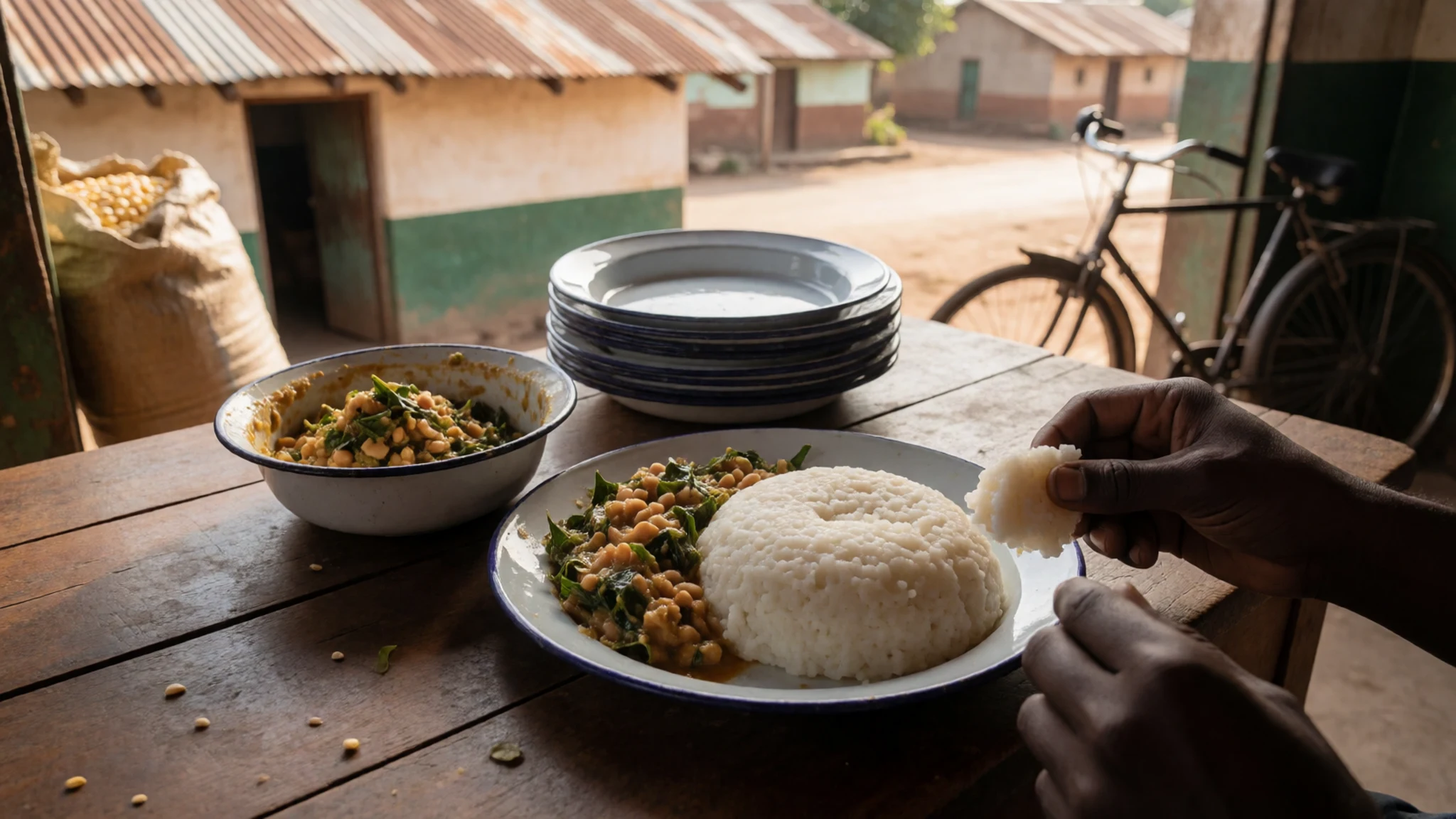
- Grilled chambo — Lakeshore markets and roadside fish sellers on Lake Malawi
Chambo is a freshwater fish from Lake Malawi, usually grilled whole or fried and served with nsima. The flesh is mild and flaky. Lakeshore towns are the best place to eat it fresh, while inland sellers often offer it dried.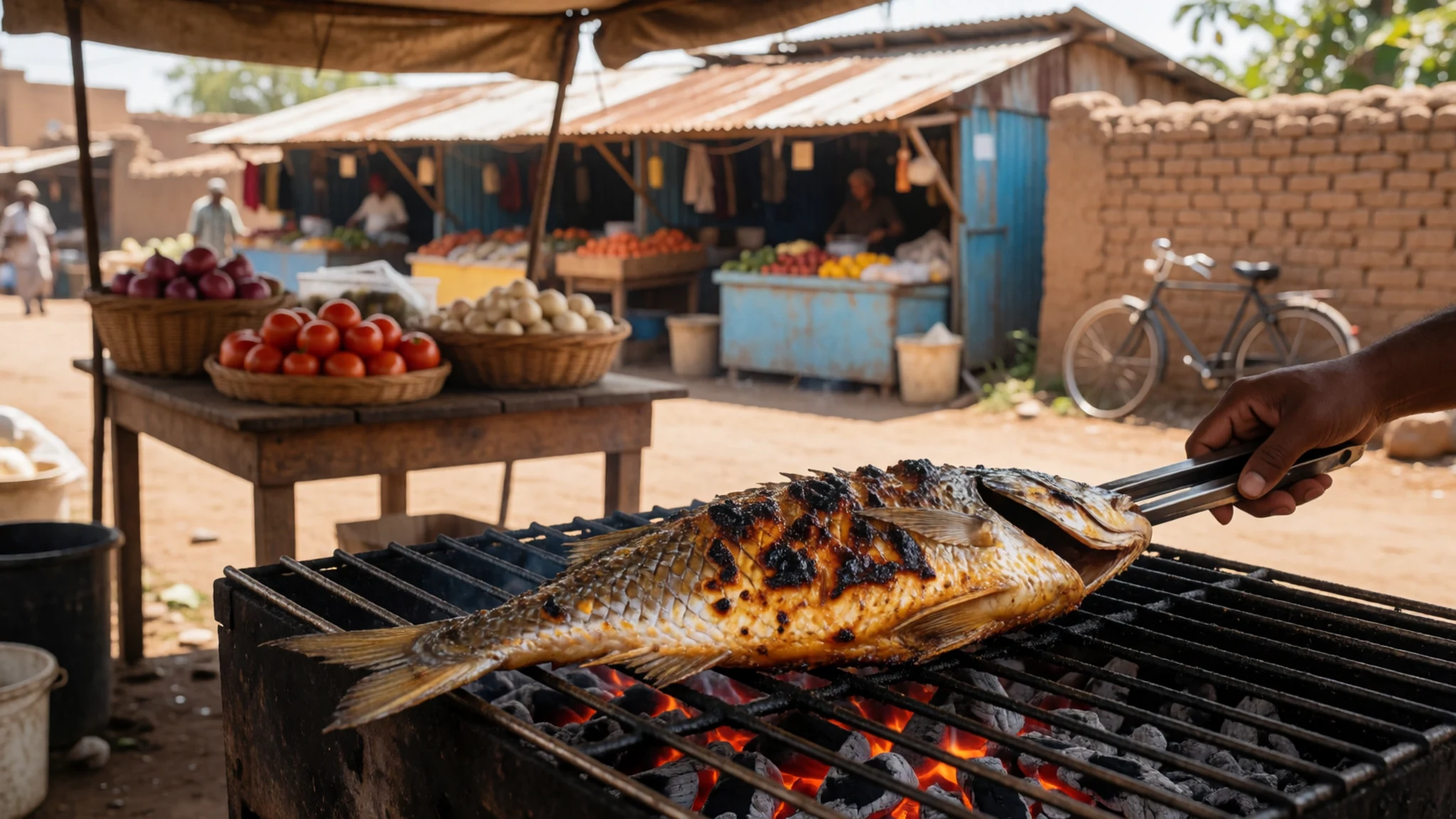
- Usipa — Markets and small roadside eateries
Usipa are tiny silvery lake fish, sun-dried or fried crisp and cooked into a relish with tomato and onion. They are strongly flavoured and a good way to taste everyday northern cooking away from the tourist menu. - Mandasi — Tea stalls and bus-stop vendors
Mandasi are fried dough balls, lightly sweet and a little like a plain doughnut. They are sold hot in the morning with tea and make a handy breakfast before a long, bumpy drive towards the reserve. - Roasted maize — Roadside fires along the main northern routes
In the harvest season, maize cobs are roasted over charcoal at the roadside and sold in twos and threes. The kernels are chewy and smoky. It is a simple snack and a sign that the rains have done their work.
Plan it
Best time. June to October, the cooler dry months, when tracks are firmer and animals concentrate around Lake Kazuni and the marsh, which makes watching easier. The rainy months bring lush growth, tall grass and muddy roads that can cut access, though birdlife is active then.
How long. 2–3
Getting there. Fly to Lilongwe, then travel north by road via Mzuzu towards Rumphi; the final stretch to the reserve is on rough tracks, so a high-clearance vehicle is wise. Check access and arrangements with the national parks department before you travel.
Budget. mid
Tips
- Confirm road conditions and entry arrangements before leaving the main road, especially after rain
- Bring fuel, drinking water, food and cash, as services near the reserve are limited and card payment cannot be relied on
- Start game drives at first light, when animals are most active and the heat is mild
- Carry binoculars, insect repellent and a hat, and take any malaria precautions advised by a doctor
- Hire a local guide or ranger, who will know which tracks are passable
Etiquette
- Stay in your vehicle or with your guide near elephants, buffalo and hippos
- Ask before photographing people, homes or farms
- Take all rubbish out with you and keep noise low around the water
Nearby
Sources
- Wikidata Q27766952 (CC0)
- Wikipedia: Vwaza Marsh Wildlife Reserve (rev 1340335433) (CC BY-SA 4.0)
- Wikivoyage: Northern Malawi (rev 5264853) (CC BY-SA 4.0)
Wildlife
- Hippo (animal)
The hippo is a huge, water-loving mammal whose name means "river horse" in Ancient Greek, so picture a giant horse that lives in the river. At Vwaza Marsh, Lake Kazuni is the place to look, where hippos gather in sizeable pods in the water. Watch from a respectful distance, keep your voice low and your movements calm, and go with a guide who knows the shoreline. Never feed them, and never edge closer for a better view.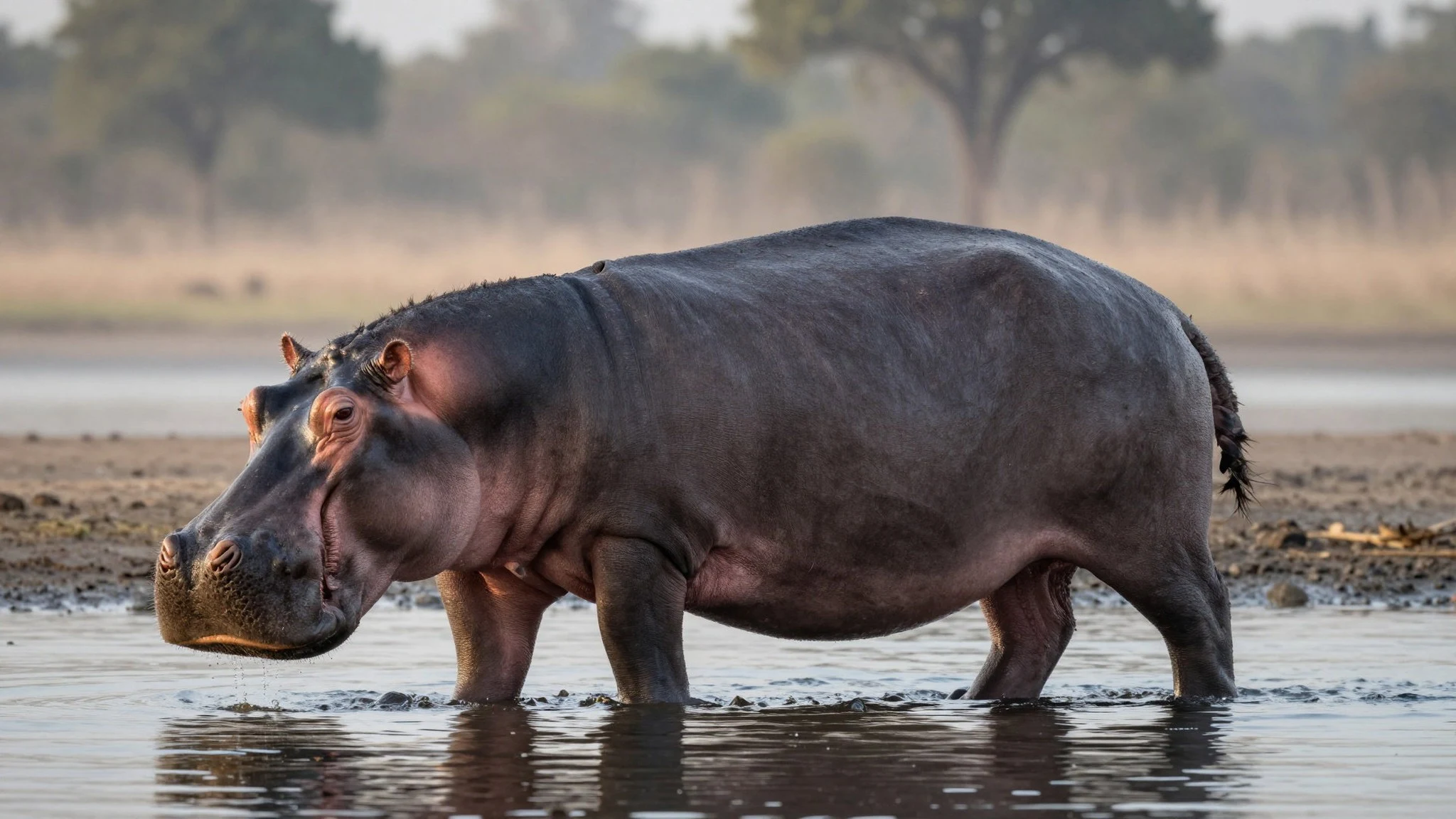
- Elephant (animal)
The African bush elephant is the biggest animal living on land, with a trunk that works rather like a hand and large ears that help it keep cool. In Vwaza Marsh, herds turn up on drives through the mopane and miombo woodland that covers much of the reserve. Keep a generous distance, stay quiet, and let your guide read the herd's mood. Never feed elephants, and never crowd them, however curious they seem.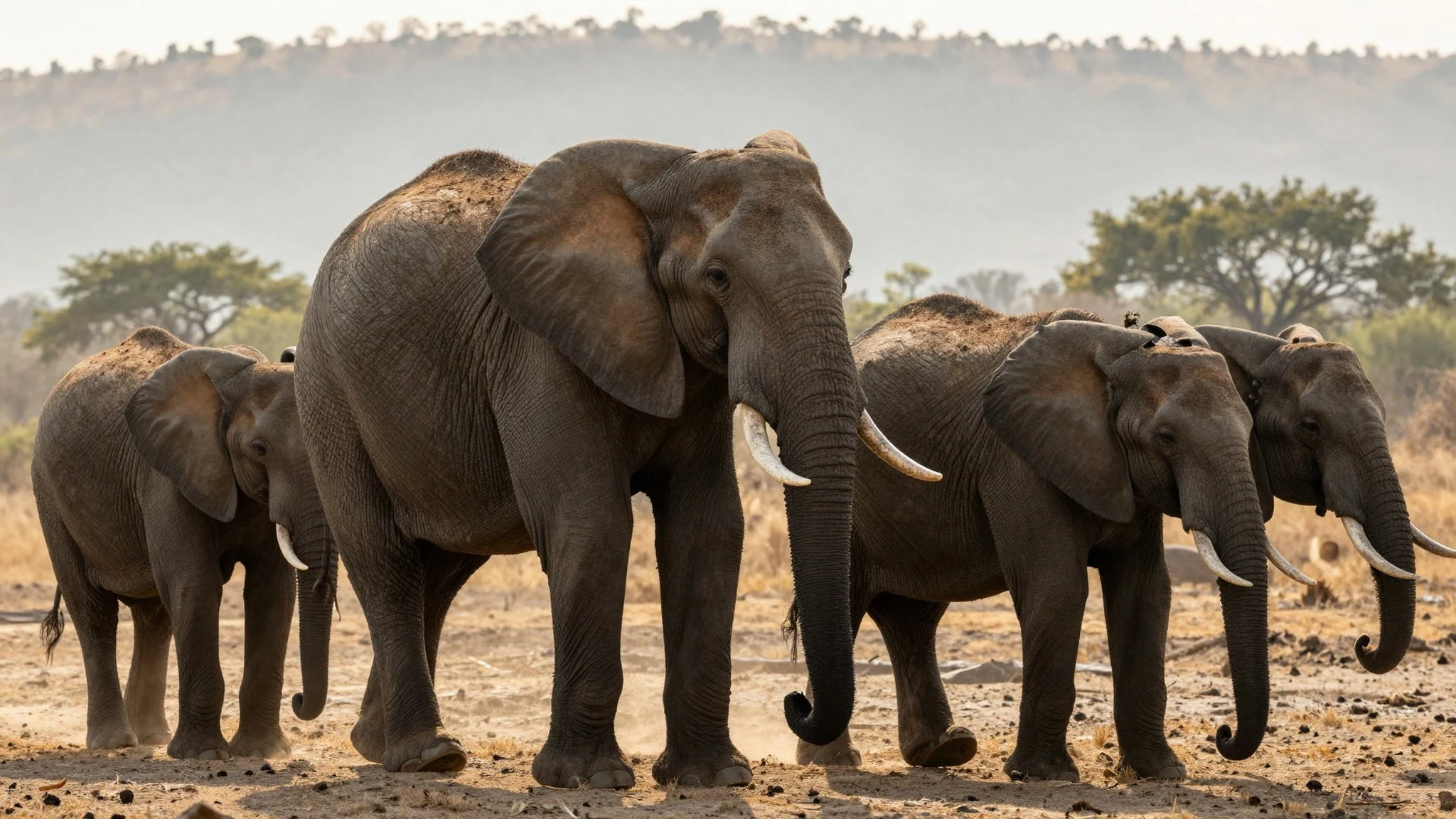
- Goliath heron (bird)
The Goliath heron is a giant among wading birds, so tall and still that it can look like a statue beside the water. In Vwaza Marsh, watch for it standing motionless in the shallows. Move slowly, speak softly and keep well back so that it is not startled, and ask your guide to help you spot it. Never feed wild birds. Simply let the heron wait and hunt in peace while you enjoy its patience. - Openbill stork (bird)
The African openbill is a stork with an oddly shaped, very large bill, which is how it got its name. In Vwaza Marsh, you may see openbill storks busily working the mud. Stand well back, stay quiet and keep your movements gentle so the birds carry on undisturbed, and a guide will help you find them. Never feed them or throw anything towards them. Watching calmly from a distance lets you enjoy that curious bill properly.