Majete
Majete, Malawi
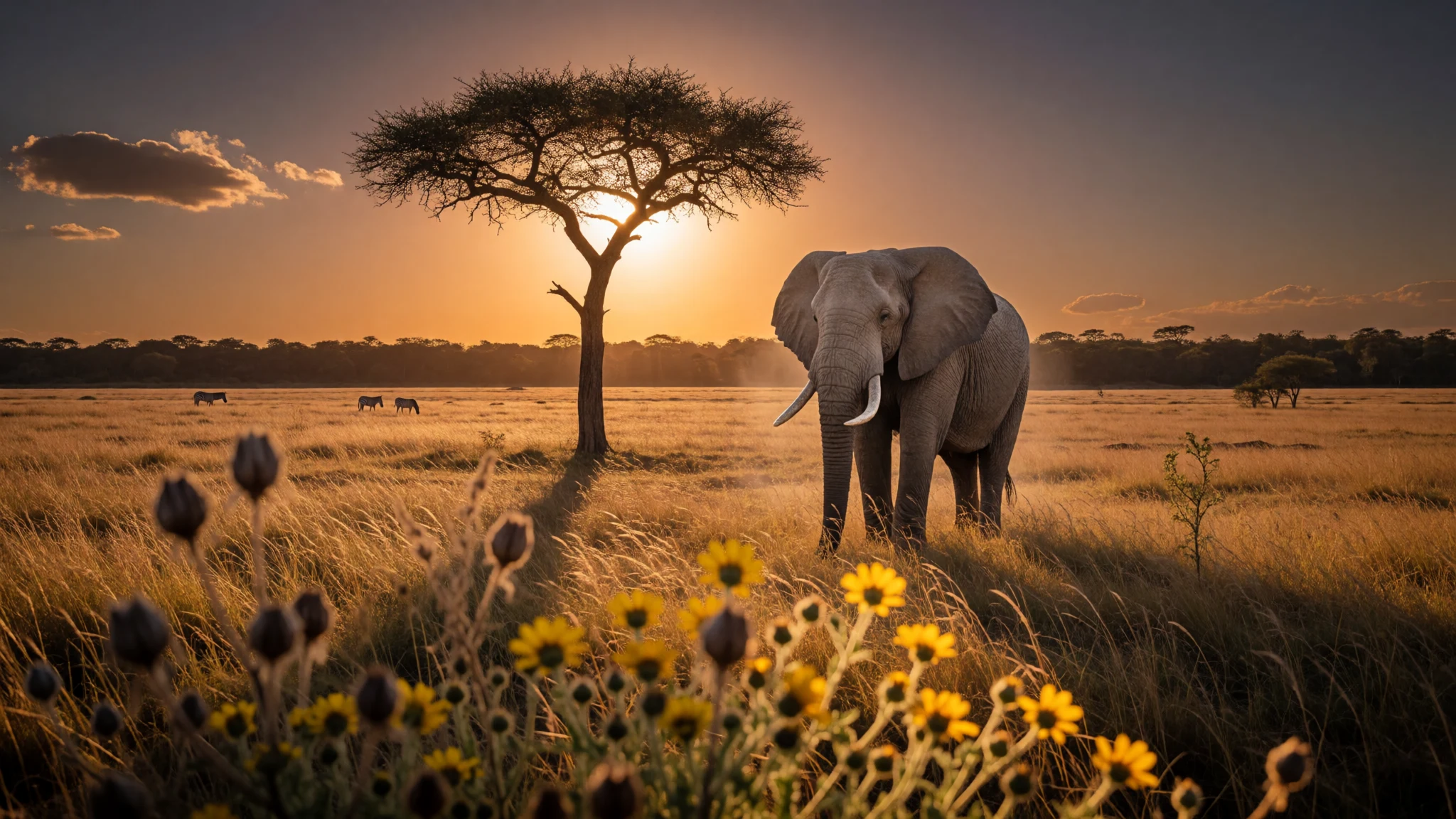
Experience one of Africa's great conservation success stories with Big Five sightings in the lower Shire River valley.
The place
Majete Wildlife Reserve is a sprawling sanctuary in southwestern Malawi, situated within the fertile lower Shire River valley. The landscape is a diverse mix of riverine forests, open grasslands, and woodlands, providing a rich habitat for a wide array of species. While it was officially established as a protected area in 1955, it spent decades struggling against the pressures of illegal activity before a massive rehabilitation project transformed it into a premier destination for wildlife enthusiasts.
Today, Majete is celebrated for its successful restoration of the Big Five. Visitors can find elephants, rhinos, lions, leopards, and buffalo roaming freely across the reserve. The park is managed through a unique public-private partnership, ensuring that conservation efforts are paired with high-quality tourism infrastructure. From the luxury of riverside chalets to community-run campsites, the reserve offers various ways to experience the wild. The entrance features a heritage centre that serves as a sobering reminder of the park's past, displaying confiscated poacher tools and traps.
For those visiting, the experience is defined by the quiet rhythm of the bush. Whether on a dawn game drive or a night safari, the reserve provides an intimate look at Malawi's biodiversity. Because the area is relatively compact compared to some of the continent's giant parks, wildlife sightings are often frequent and rewarding, making it an accessible yet wild escape near the city of Blantyre.
Its story
The story of Majete Wildlife Reserve is a narrative of collapse and resurrection. Although it became a formal reserve in 1955, the late seventies and eighties were dark years for the park. Widespread poaching, illegal logging, and charcoal production decimated the animal populations, leaving the sanctuary nearly empty. By the early two-thousands, Majete existed as a protected area in name only, with very few species remaining beyond some hardy antelope.
Everything changed in 2003 when African Parks stepped in to manage the land in partnership with the Malawi Department of National Parks and Wildlife. This was not merely a change in administration but a complete overhaul of the reserve's security and ecology. A massive perimeter fence was constructed to protect the interior, and a professional ranger force was established to provide twenty-four-hour patrolling. This security allowed for the phased reintroduction of species that had long been extinct in the area, including the black rhino and the lion.
Beyond the animals, the project focused on the people. By creating community programs and employing local residents, the reserve turned former poachers into protectors. The financial success of the park's tourism—driven by the return of the Big Five—has funded scholarships, beekeeping projects, and health centres for surrounding villages. Majete stands as a global model for how targeted investment and community integration can bring a dead ecosystem back to life.
What to see
- Game Drives
The primary way to explore Majete is via guided drives. These excursions range from sunrise outings to track the elusive leopard to full-day tours across the grasslands. The variety of terrain means you can spot everything from plains game to the Big Five in a single trip.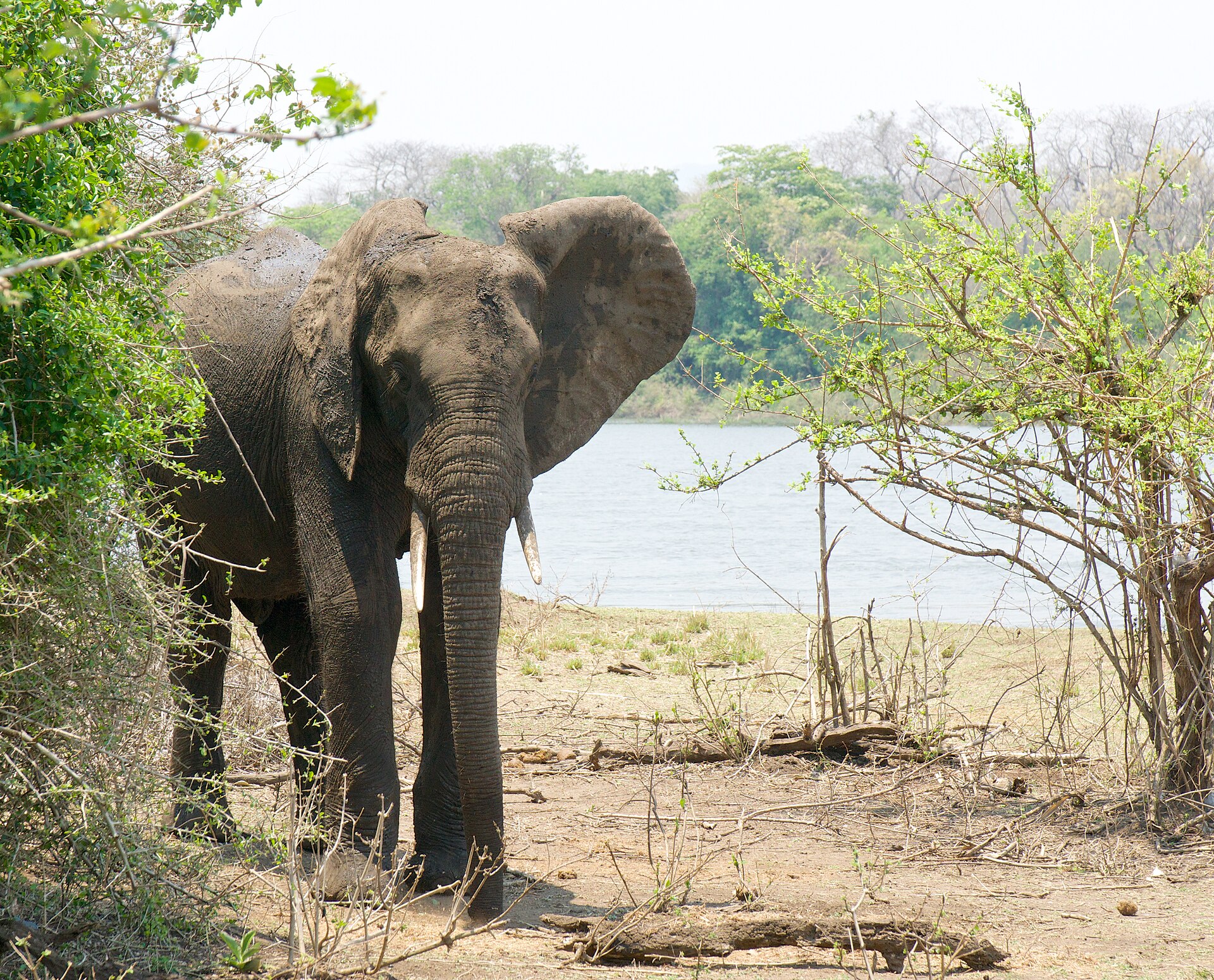
- Night Drives
After dark, the reserve transforms. Night drives use spotlights to find nocturnal hunters and smaller mammals that hide during the heat of the day. It is the best opportunity to spot lions on the move or the glint of a rhino's eye in the brush. - The Heritage Centre
Located at the entrance, this centre provides essential context for the park's recovery. It displays recovered poaching equipment and muzzleloaders, telling the story of the reserve's struggle and its eventual triumph over illegal hunting and habitat loss. - Shire River Bank
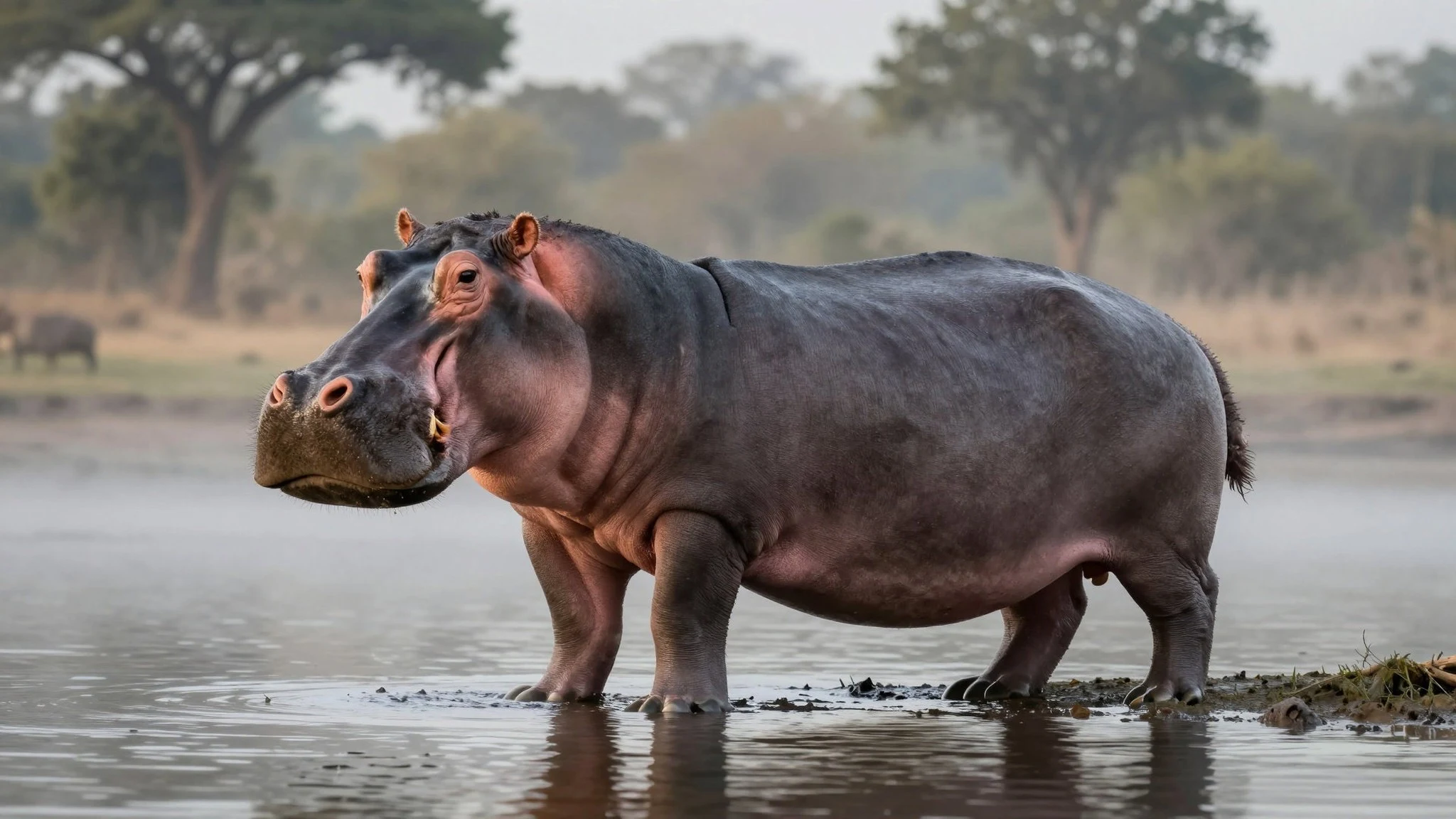
The river is the lifeblood of the reserve. Visiting the banks, particularly near the Matitu Falls, offers excellent opportunities for bird watching and spotting hippos or crocodiles. It is a peaceful area that contrasts with the dry scrub of the interior.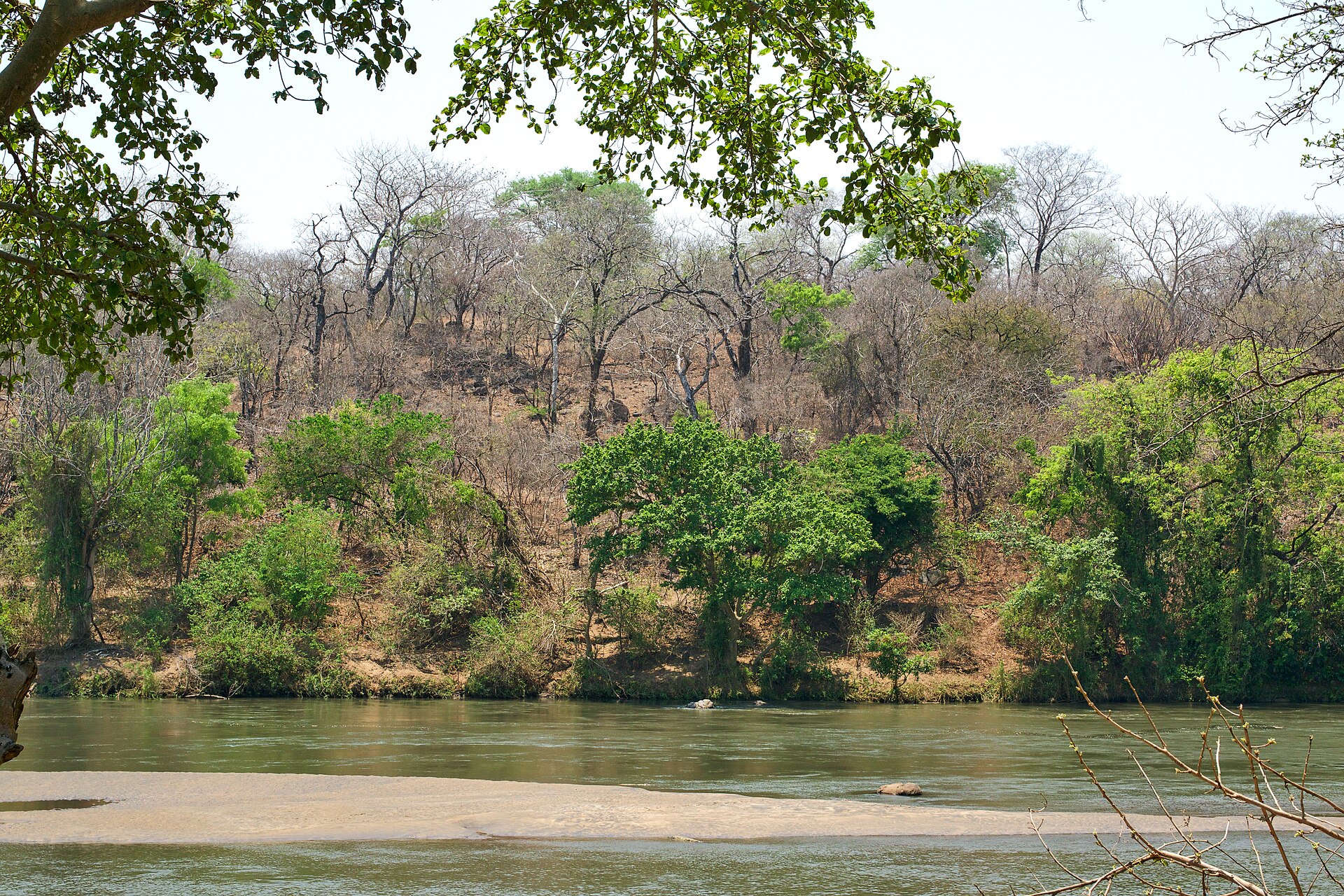
- Bird Watching
With its mix of riverine and dry forest, Majete is a haven for avians. Guided walks and drives often reveal a dizzying array of colourful species, making it a top destination for those with binoculars and a field guide.
Culture
Culture in Majete is inextricably linked to the philosophy of community-based conservation. The reserve is not an island; it exists in harmony with the local villages that surround it. Much of the park's management involves collaborating with these communities to ensure they benefit directly from tourism. This is evident in the community-run campsite and the various social projects, such as beekeeping and education, funded by park revenues.
Visitors will find a warm, welcoming atmosphere from the rangers and lodge staff, who often share stories of the land's transformation. There is a deep sense of pride among the local employees in the return of the wildlife. The interaction between tourists and the local community is designed to be respectful and mutually beneficial, fostering an understanding of why protecting the environment is vital for the region's economic future. When visiting community-led initiatives, a spirit of curiosity and gratitude is always appreciated. You should always ask for permission before taking photographs of local residents or their homes.
What to wear
Traditional dress in the southern region of Malawi often includes the 'chitenje', a brightly coloured wrap-around fabric worn by women, frequently paired with a matching headscarf. These textiles are versatile and signify various social and cultural roles. In the villages surrounding the reserve, you will see these vibrant patterns contrasting with simpler, functional cotton clothing used for daily agricultural work.
Nowadays, people in the nearby towns like Blantyre wear a mix of Western-style clothing and traditional wraps. In the reserve itself, staff and rangers wear durable khaki uniforms designed for the harsh bush environment, which have become a symbol of the park's professional management.
For visitors, the priority is practical, neutral-coloured clothing. Khaki, olive, and beige are recommended to blend into the environment and avoid attracting insects. Lightweight, breathable fabrics are essential for the heat, but a warm fleece or jacket is necessary for early morning and evening game drives, as temperatures drop sharply. Sturdy, closed-toe walking shoes or boots are a must for the sandy and rocky terrain, and a wide-brimmed hat and sunscreen are non-negotiable for the intense African sun.
What to eat
- Nsima — the community campsite
The staple maize porridge of Malawi, served as a thick, white dough. It is usually accompanied by relish, such as sautéed greens or beans, and can be found at the community campsite. - Braai — the lodge lapa or campsites
An outdoor barbecue featuring grilled meats and vegetables, often cooked over open flames. This is a social highlight of the evening in the reserve. - Grilled Tilapia — riverside bush chalets
Fresh fish sourced from the nearby Shire River, typically seasoned simply and grilled. It is a common delicacy in the riverside lodges. - Chambo — the lodge dining room
A prized lake fish often served in Malawian cuisine, usually fried or grilled with lemon and herbs, appearing on menus in the lodge dining rooms.
Plan it
Best time. June to September is the dry season, offering the best wildlife viewing as animals congregate around water sources; October can be extremely hot.
How long. 3–4
Getting there. Fly into Blantyre, then take a 4WD vehicle south towards Chikwawa, followed by the 16-km access road into the reserve.
Budget. high
Tips
- Book lodges well in advance during the peak dry season
- Carry a high-quality torch for night drives
- Bring plenty of insect repellent for the riverine areas
- Keep binoculars handy for bird watching
- Carry cash for tipping rangers and buying local crafts
Etiquette
- Stay inside the vehicle at all times during game drives
- Keep noise levels low to avoid stressing the animals
- Follow the guide's instructions strictly regarding animal proximity
Nearby
Sources
- Wikidata Q11340179 (CC0)
- Wikipedia (CC BY-SA 4.0)
- Wikivoyage (CC BY-SA 4.0)
Wildlife
- Lion (animal)
The lion is a big, muscular cat, and the male is easy to spot because of his splendid mane, like a shaggy collar around his head and shoulders. In Majete, lions wander freely through the reserve, so keep your eyes open as you travel. Watch them well by staying with your guide, keeping a respectful distance and speaking softly, so they stay relaxed and natural. Never feed them or try to draw them closer; simply enjoy the sight.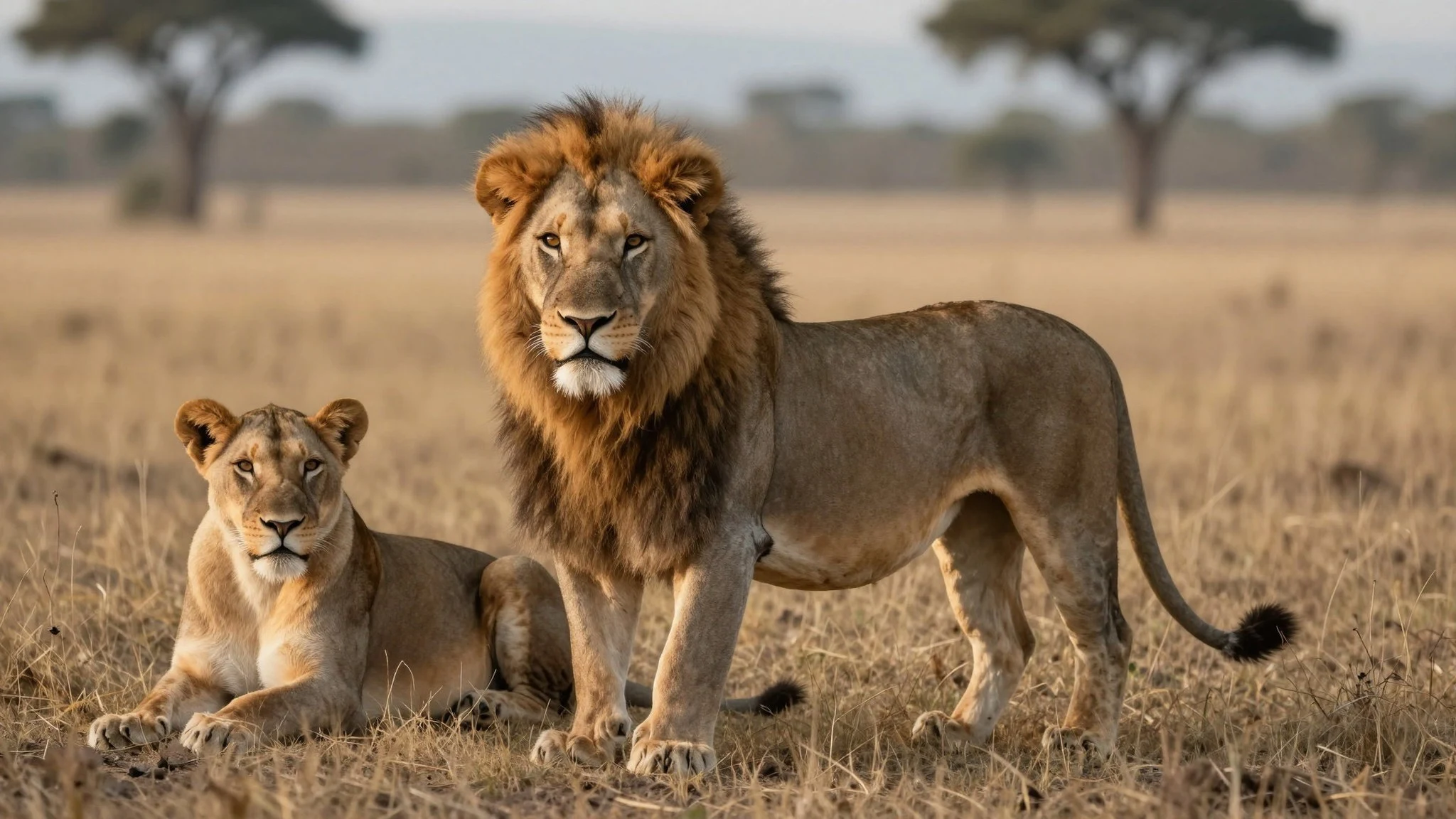
- Hippo (animal)
The hippo, whose name means "river horse" in Ancient Greek, is a huge mammal that spends much of its life half in the water. In Majete, look for hippos along the riverbanks, especially near Matitu Falls, where crocodiles and birds can be seen too. Watch from the bank with your guide, keep your distance and stay quiet so they are not disturbed. Never feed them; a calm, patient wait is the best way to enjoy them.