Nkhata Bay
Nkhata Bay, Malawi
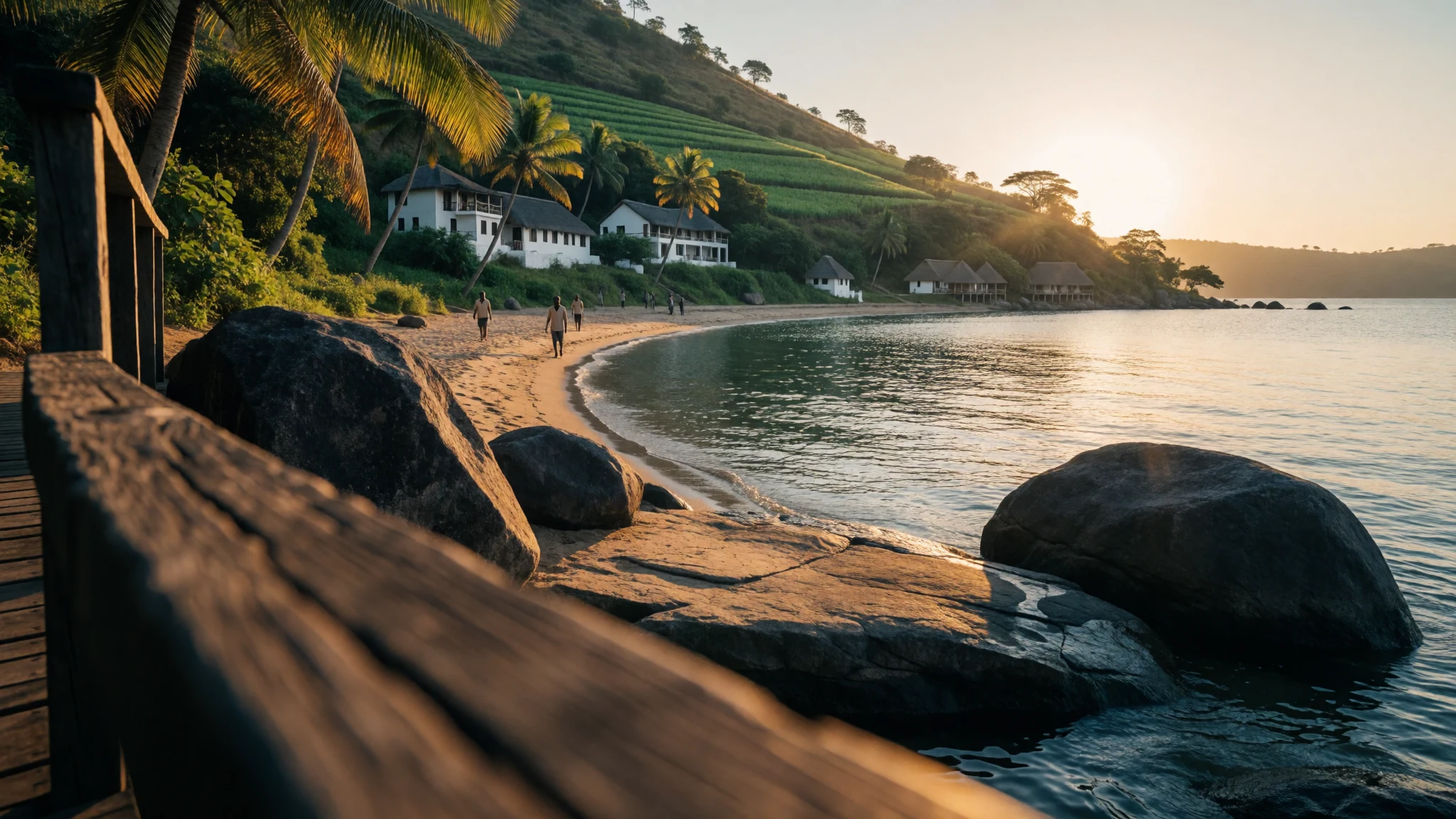
Nkhata Bay is a small, unhurried lake port where days are spent swimming, diving, kayaking and eating fresh fish above the water.
The place
Nkhata Bay sits on the western shore of Lake Malawi, about 40 km east of Mzuzu and roughly 471 m above sea level. It is the district capital and a working port, where boats, fish and a busy central market set the rhythm of the day. Steep green hillsides drop to a sheltered bay, and the lodges are strung along the rocky shoreline, many reached by footpaths or a short boat hop. The town itself is compact and easy to read: bus station beside the market, a few restaurants, dive shops on the north side of the bay. Fishing and farming carry the local economy. Cassava is the main crop, and rubber, macadamia, sugar and rice grow in the wider district. Tourism is also a major source of income. The seasons follow the rain rather than the temperature. December to April is wet, with downpours heavy enough to affect roads and fields, while May to November is far drier. The town's sand is limited to Chikale beach, an easy stroll away, so the appeal is the water itself: swimming, snorkelling, kayaking and diving. Travel further up the shore is by boat, because no road follows the coast northwards. Crowds are modest, and beds are rarely short.
Its story
The story of Nkhata Bay is that of a port living from two things: the lake's fish and the people passing through. Fishing and small-scale farming have long fed the district, and the Tonga people, whose home this shore is, gave the town much of its character. Boats were once the natural way to reach distant lakeside villages, and the MV Ilala passenger ferry has long served the port, with lodge staff waiting at the landing when it arrives. Backpackers began arriving in numbers decades ago, drawn by low prices, diving and an easy-going atmosphere. News travelled along the East African overland route, and dive shops, bars and guesthouses followed. Over time more comfortable lodges opened, and independent travellers continued to arrive via the lake road, as organised overland trucks typically bypass the bay for Chinteche. Today tourism is a major earner for the community, yet it has not replaced the fields and nets. The weather can be unforgiving. Heavy rain in the wet season has more than once washed crops away across the district, and food shortages followed, with relief maize sent in. That fragility sits quietly beside the holiday mood, and it explains why the market, the farms and the fish-drying racks matter as much here as the dive boats do.
What to see
- Chikale beach — Shore south of the town centre
Chikale is the town's one stretch of sand, an easy walk along the shore from the centre. It suits slow mornings of swimming, reading and watching fishing boats. Bilharzia is a known risk in Lake Malawi, so ask a clinic about treatment before getting into the water.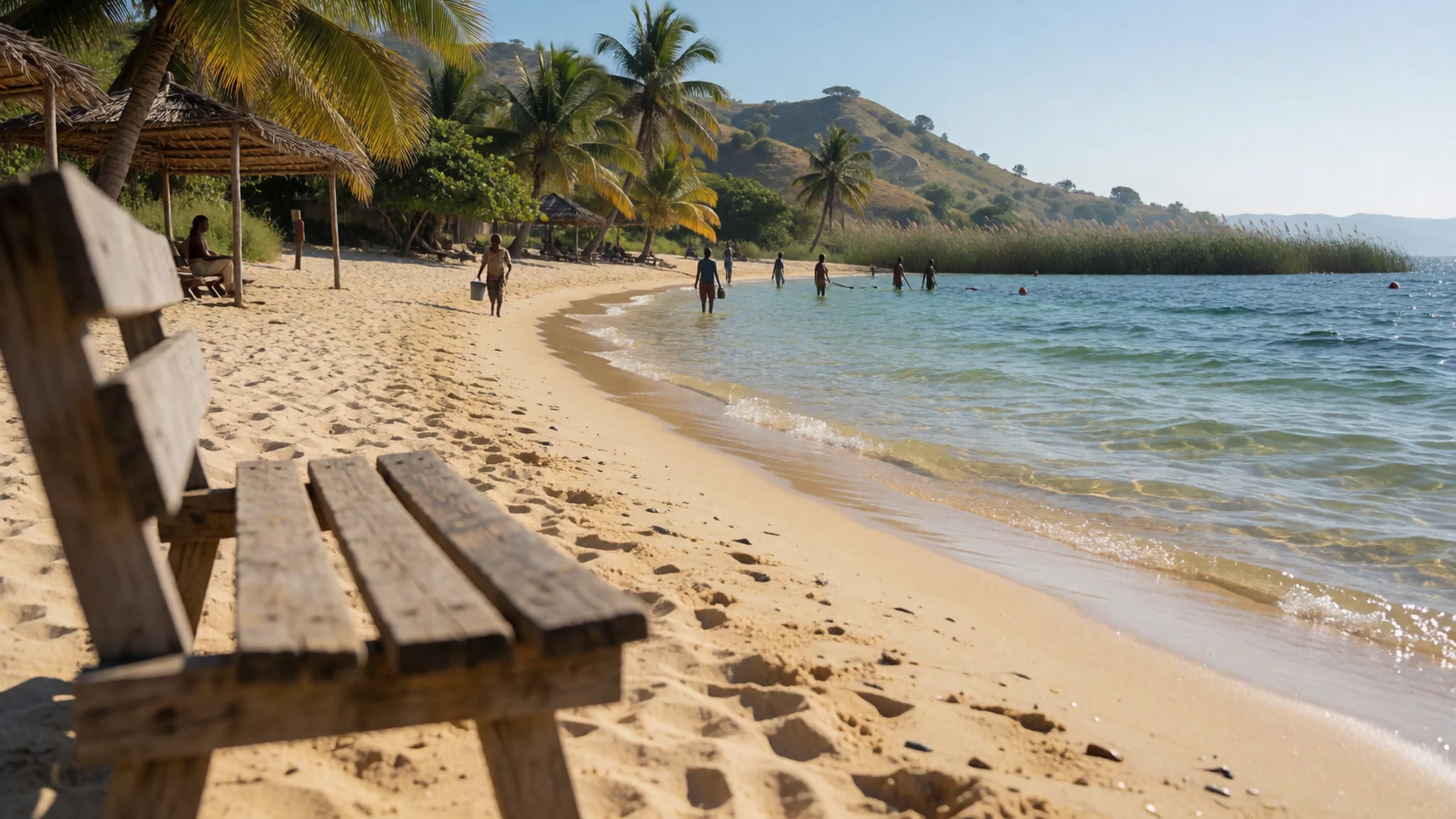
- Diving and snorkelling in the bay — North side of the bay
The lake is the main attraction, and diving is the clearest way into it. Dive shops on the north side of the bay, such as Aqua Africa, run single dives and courses through to Divemaster. Mouth-brooding cichlids, small and colourful, are the draw. Most lodges also hire out masks, fins and kayaks.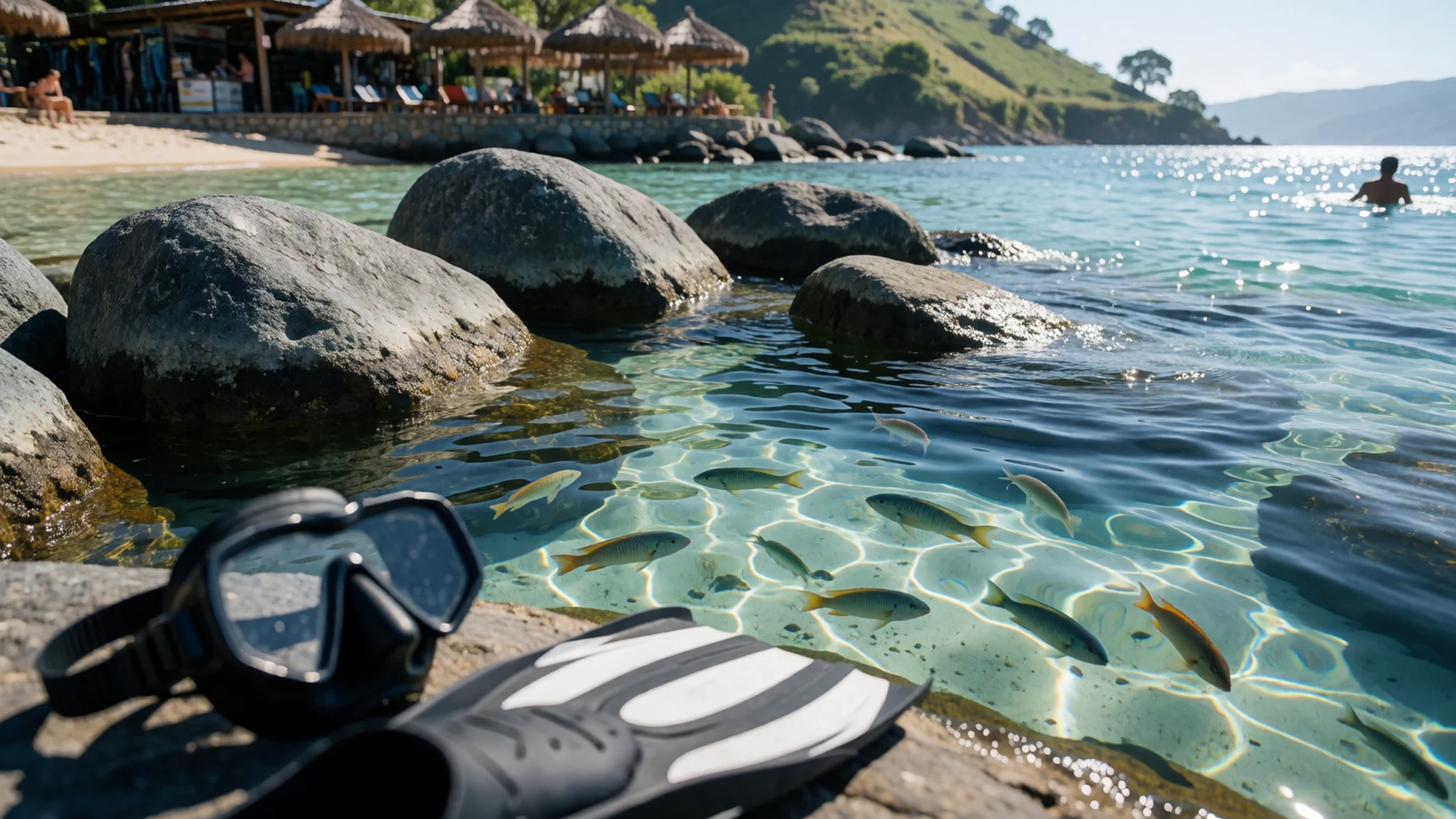
- The fish eagle on the cliff — Cliffs south of Njaya Lodge
A fish eagle lives high on the cliff face south of Njaya Lodge, and visitors can watch it being fed from the water. Any lodge can organise the trip, which fits easily around a swim, a kayak paddle or a lazy afternoon on a lodge deck.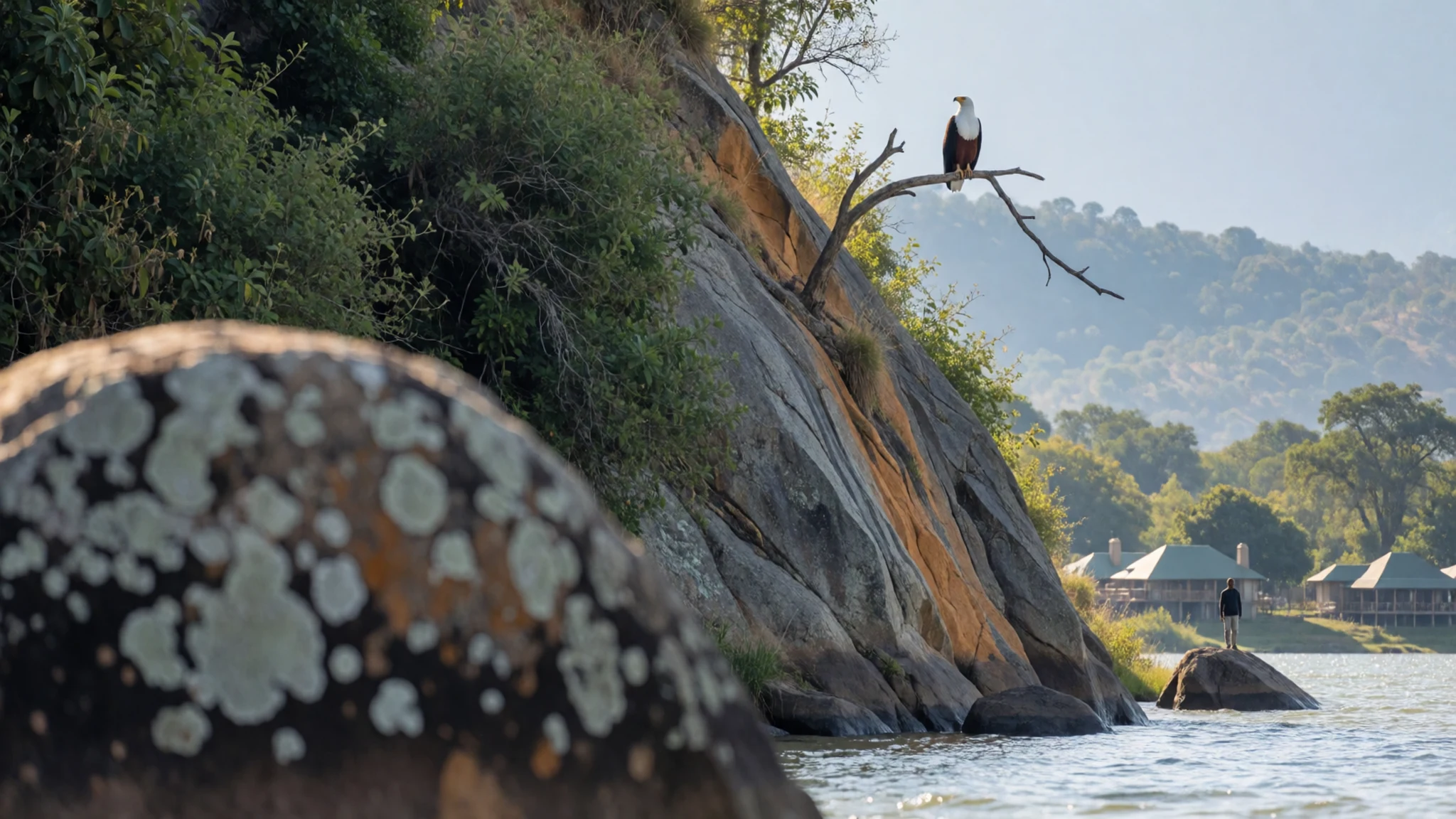
- Kawalazi coffee plantation — Road between Mzuzu and Nkhata Bay
Kawalazi coffee estate lies roughly midway between Mzuzu and Nkhata Bay, marked only by a small roadside sign. A vehicle is needed to reach it. The estate has welcomed visitors who ask to see how it is run, and the surrounding hills make a change from the lakeshore.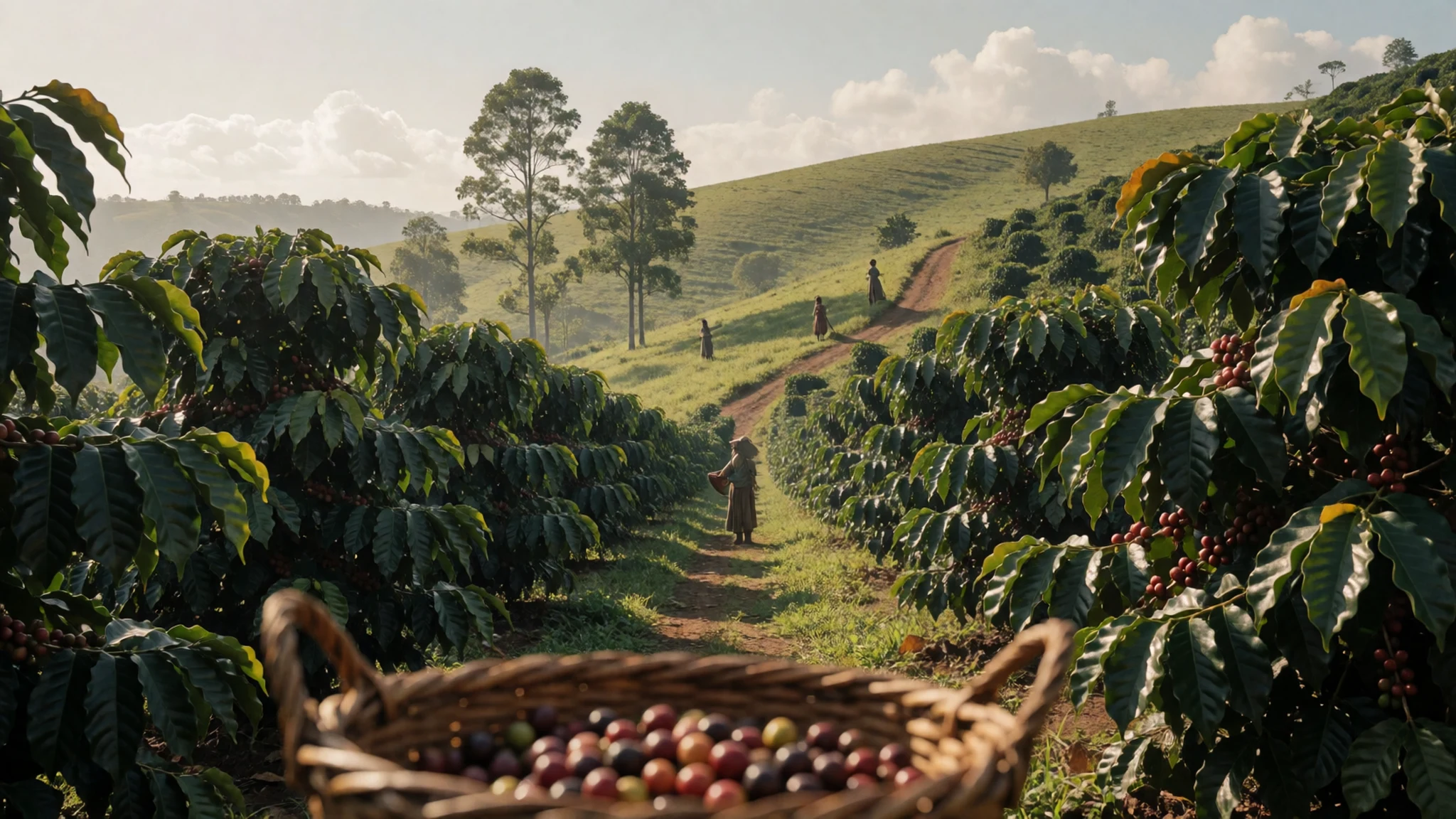
- Chombe rubber and tea estates by bicycle — Hills inland towards Mzuzu
Between Nkhata Bay and Mzuzu, rubber and tea estates at Chombe and several research farms cover the hills. Hiring a bicycle is the sensible way to see them, leaving time to stop in villages and watch how crops are grown. Lodges can advise on bikes and routes.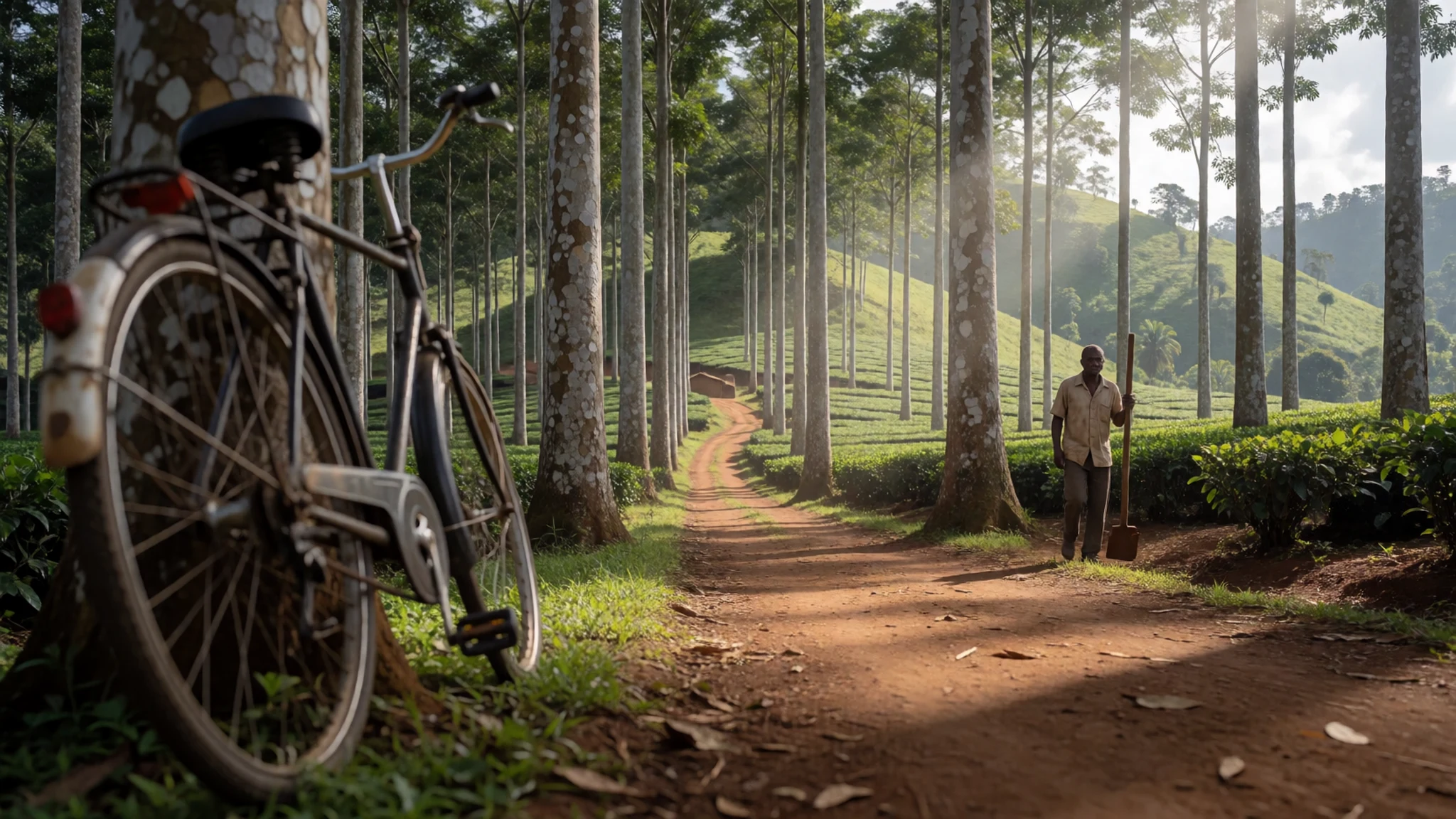
- Boat trips along the lake — Lake Malawi shoreline and islands
Most lodges arrange day trips by water and longer journeys of two or three days. Options run north to Usisya and Ruware, south to Kande beach, or across to Likoma and Chizumulu islands. Plan around weather and boat availability, and settle the details with the lodge in advance.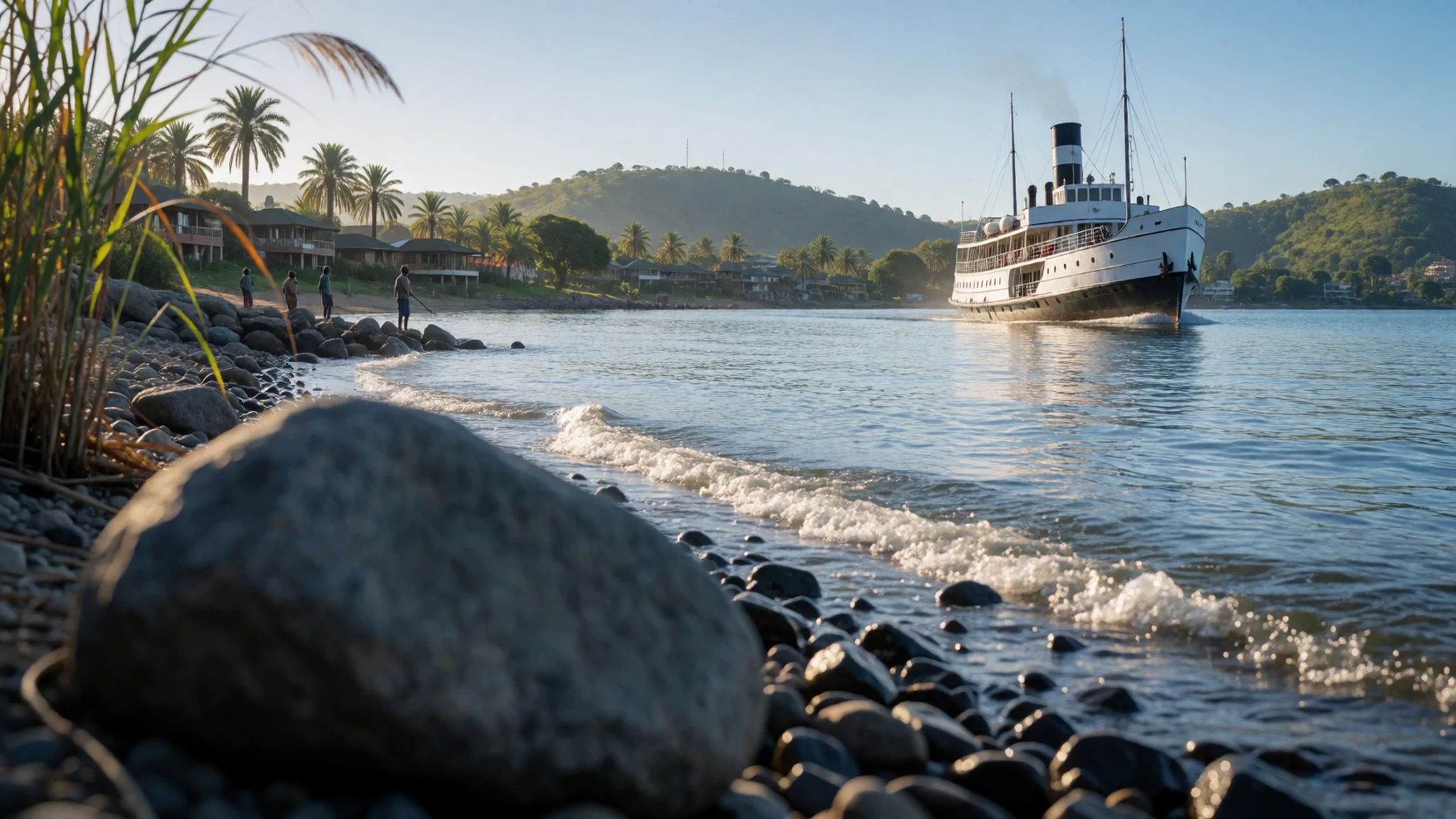
Culture
Nkhata Bay is Tonga country, and the Tonga people are known across Malawi for taking pride in how they dress and present themselves. The language, manners and daily routines of the town come from that community, not from the travellers who stop here. Greetings matter. A friendly hello and a question about the day come before any request, whether buying fish, asking directions or hiring a boat. Life revolves around the lake and the market. Fishermen head out at night and return at dawn to sell their catch, and the market beside the bus station is where news, food and bargains all change hands. Farming families bring cassava and other produce in from the surrounding hills. Tourism has grown here for decades, so visitors are a familiar sight, but the town is not staged for them. Lodges and dive shops sit alongside churches, schools and ordinary homes. Evenings are sociable, with local bars and small tourist-friendly places opening and closing as the seasons shift. Music drifts across the water on warm nights. Respect for elders is strong, and older people are greeted first. Ask permission before photographing anyone, especially fishermen at work and traders at their stalls, and be ready to accept a polite no.
What to wear
Nkhata Bay, home to the Tonga people, has a reputation for smart dressing, and that reputation shows in the way people wear traditional and borrowed styles. The everyday textile across Malawi is the chitenje, a printed cotton cloth in bright patterns. Women wrap it as a skirt, tie it as a headscarf or use it to carry a baby, and it appears at weddings, funerals and church as well as at home. Older men often favour tailored suits, felt hats and walking sticks, a look inherited from earlier decades and worn with obvious pride. Everyday clothing now is practical: T-shirts, jeans, football shirts and a good deal of second-hand clothing, with fishermen in shorts and rubber sandals around the boats. Visitors should pack light cotton or quick-dry clothes for heat and humidity, plus swimwear for the lodge decks and water. In town and villages, cover shoulders and knees as a sign of respect, and avoid walking about in swimwear away from the shoreline. Sturdy sandals or trainers help on rocky paths and wet jetties, and a hat and sunscreen are useful. From December to April, a light waterproof is worth carrying, and closed shoes make cycling and plantation visits more comfortable.
What to eat
- Chambo — Lodge restaurants and the tree-shaded eating spot in the market
Chambo is a popular lake fish, usually grilled or fried whole and served with chips, rice or nsima. Order it for dinner at a lodge restaurant, or find a plate under the big shady tree in the market, where benches and simple cooking keep prices modest.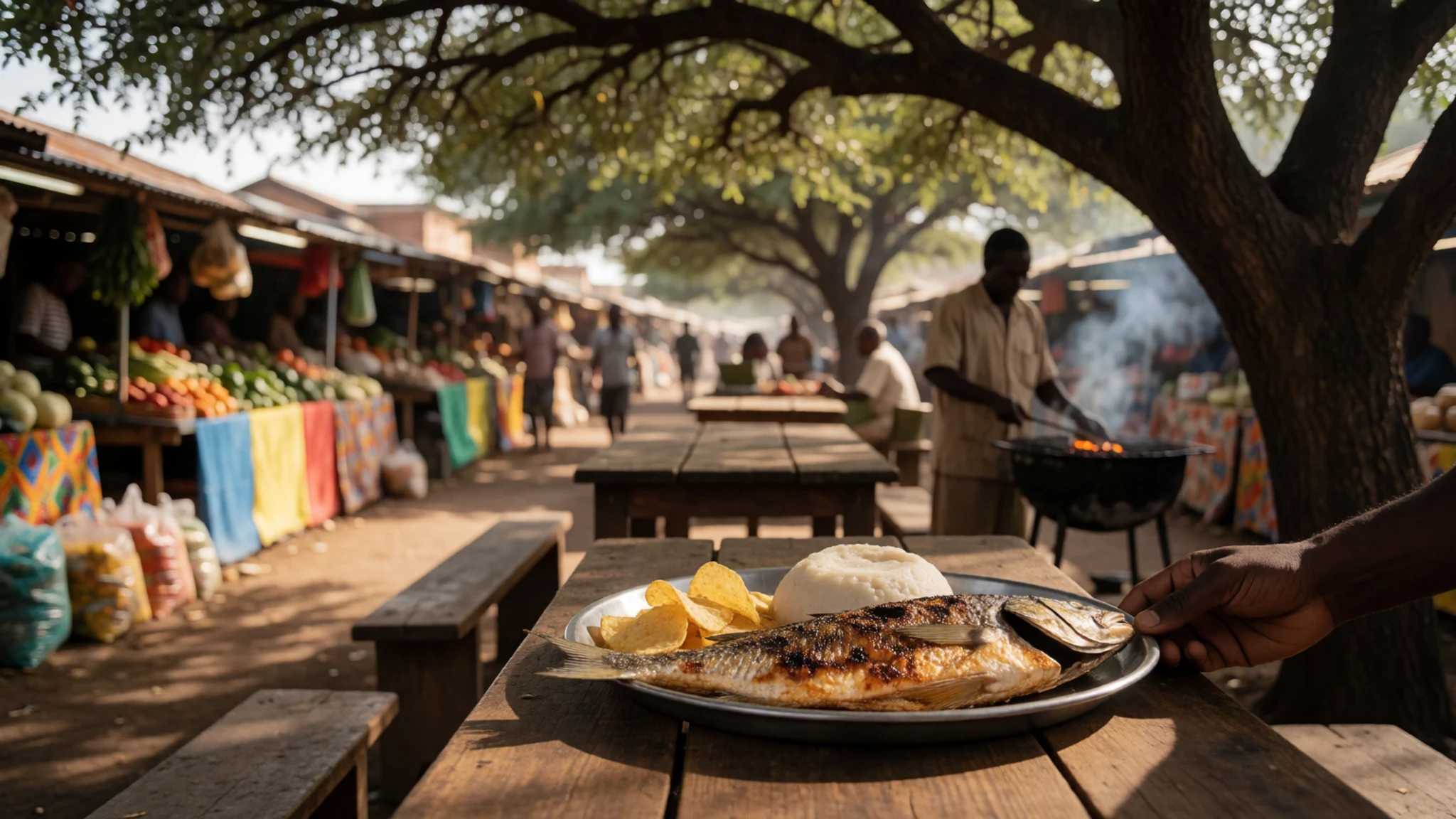
- Nsima with relish — Market eateries and local restaurants
Nsima is the thick maize porridge that anchors most Malawian meals. It is eaten by hand, rolled into a ball and dipped into a relish of greens, beans, fish or meat. Local restaurants and market eateries serve it as an everyday lunch.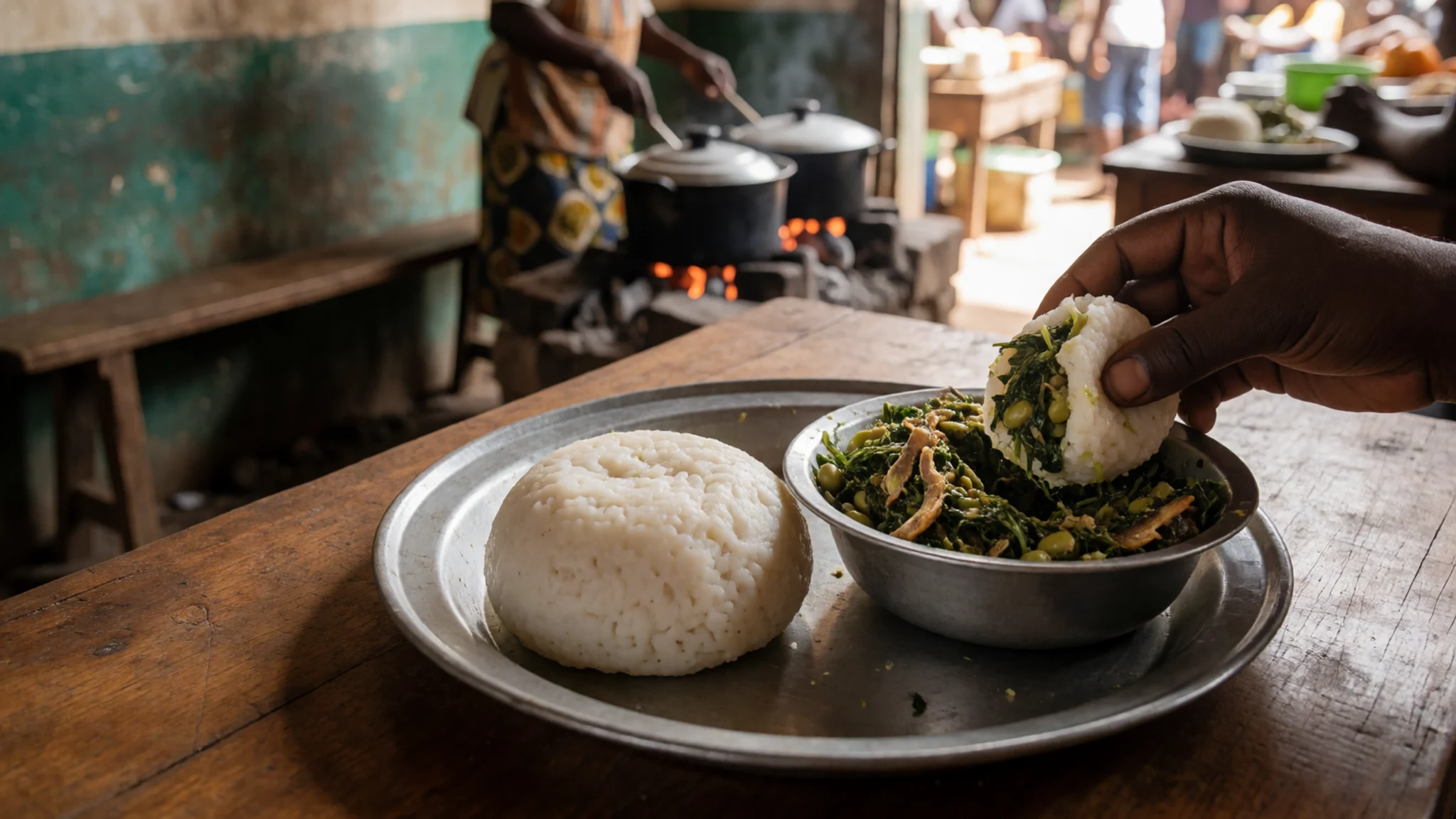
- Malawian pizza — Independent restaurants in the town centre
Several independent restaurants in town make their own version of pizza, often listed beside burgers. It is a filling, inexpensive meal and a change after a day on the water. Menus and places change often, so ask locals and lodge staff what is open. - Cassava — Market stalls beside the bus station
Cassava is the main crop in the district and turns up boiled, fried or cooked into stews. It is plain, filling food that shows how local farming supports the town, and it is easy to buy as a snack from stalls. - Curries and international plates — Independent restaurants and cafés near the bay
Small restaurants near the bay cook spicy Indian-style curries, pasta, soups and breakfast plates for visitors, and some add Thai dishes, cakes, juices and cocktails. A dependable choice after a day of diving, though menus and opening times change often.
Plan it
Best time. May to November is the drier season, which makes roads, boats and hill rides easier. December to April is the rainy season, with heavy downpours that can disrupt roads and travel, so plan more slack if visiting then.
How long. 3–4
Getting there. Mzuzu has an airport, but services are limited to short hops and non-scheduled flights, so most visitors fly into Lilongwe or Blantyre. From Mzuzu, minibuses and taxis take roughly ninety minutes along a winding, scenic road. By car, take the M5, and Nkhata Bay is a short spur off the highway. Regular buses also run from Lilongwe and Blantyre, and the lake ferry calls here too.
Budget. low
Tips
- Ask a clinic or doctor about bilharzia treatment before swimming in the lake, because local claims that the water is clear of it are unreliable
- After dark, use a taxi or go with lodge staff, and leave spare cash in the lodge safe
- Beds are rarely all taken, so booking ahead is usually unnecessary outside busy holiday weeks
- Bring enough cash for markets, minibuses and small restaurants, as card machines are rare away from the larger lodges
- Lodges can arrange boat trips, kayaks, snorkelling kit and the fish eagle outing, so ask there first
Etiquette
- Greet people before asking for anything
- Ask before taking photographs of people, boats or market stalls
- Dress modestly in town and villages, keeping swimwear for the beach and lodge decks
Nearby
Sources
- Wikidata Q1370650 (CC0)
- Wikipedia: Nkhata Bay (rev 1384827884) (CC BY-SA 4.0)
- Wikivoyage: Nkhata Bay (rev 5412662) (CC BY-SA 4.0)
- Photo: The MV Ilala leaving Nkhata Bay (Lukecf) (CC BY 3.0)
- Photo: Bannière wikivoyage de Nkhata Bay, Malawi (JackyR) (CC BY 3.0)
- Photo: Fishermen's roost (Geoff Gallice) (CC BY 2.5)
- Photo: Nkhata Bay, Malawi, fishermen (Geoff Gallice) (CC BY 2.5)
- Photo: Nkhata Bay, Malawi, sunset 1 (Geoff Gallice) (CC BY 2.5)
- Photo: Nkhata Bay, Malawi, sunset (Geoff Gallice) (CC BY 2.5)
- Photo: Nkhata Bay, Malawi, market day (Geoff Gallice) (CC BY 2.5)
- Photo: Mr Chiume disowning his son Kanyama at an MCP rally in Nkhata Bay (National Archives of Malawi) (CC BY-SA 4.0)


Wildlife
- Fish eagle (animal)
Think of the fish eagle as a king of the lakeside: a large eagle that lives wherever wide, open water offers plenty to eat. It looks a little like North America's bald eagle, yet the two are not close relatives. Here, look up at the cliff south of Njaya Lodge, where one has made its home and is fed in a way you can watch from the lake. Keep still, stay well back, and let it eat only what its feeders give it.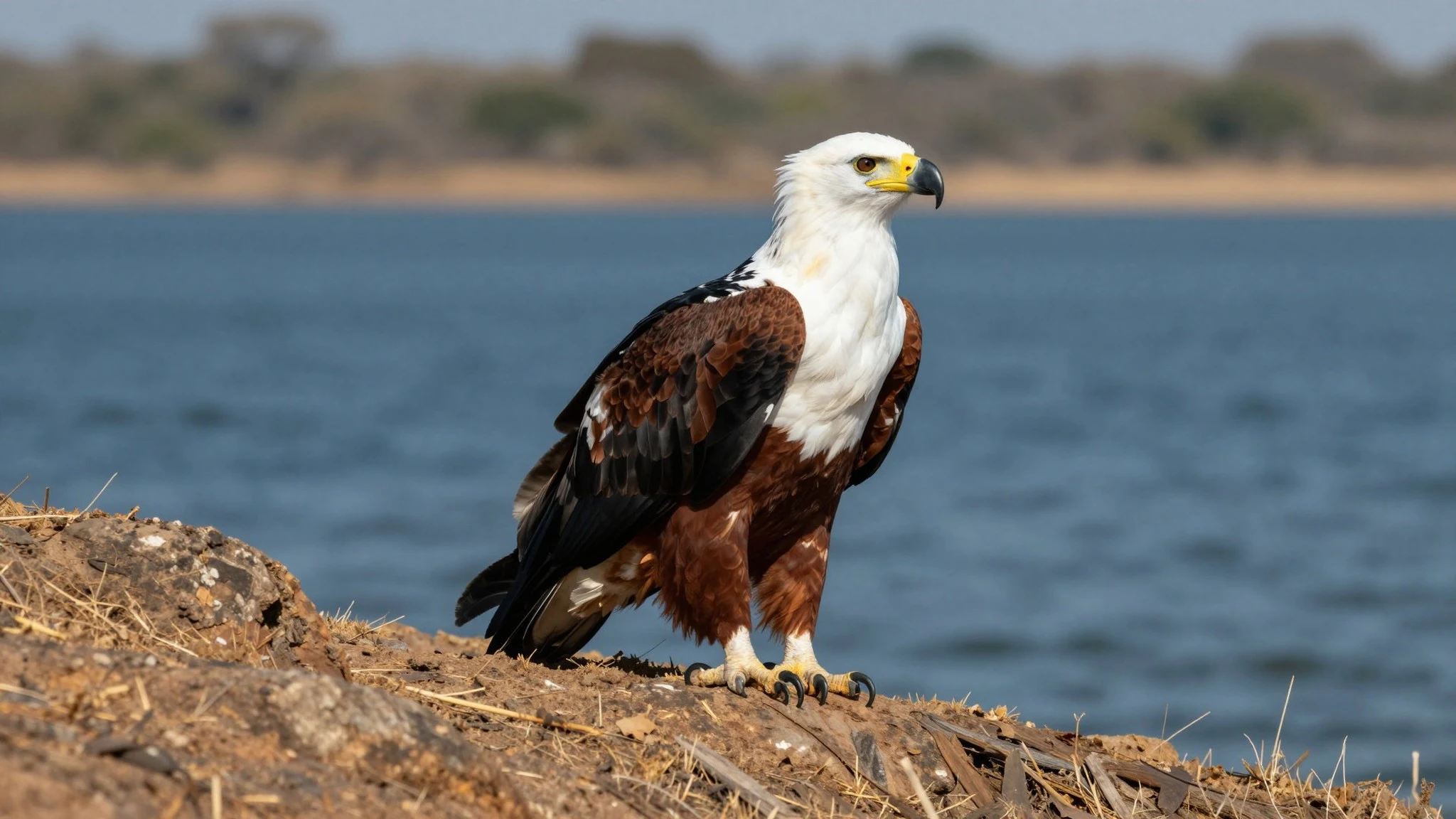
- Fish eagle (bird)
Think of the fish eagle as a king of the lakeside: a large eagle that lives wherever wide, open water offers plenty to eat. It looks a little like North America's bald eagle, yet the two are not close relatives. Here, look up at the cliff south of Njaya Lodge, where one has made its home and is fed in a way you can watch from the lake. Keep still, stay well back, and let it eat only what its feeders give it.