Nyika Plateau
Nyika Plateau, Malawi
Nyika Plateau is a high, cool grassland in northern Malawi where orchids, leopards and long empty horizons replace the usual lakeshore holiday.
The place
Nyika Plateau sits in northern Malawi and is almost entirely covered by Nyika National Park, which was founded in 1965. The park is described as Malawi's largest, and it feels it: a high, rolling tableland of grass, with dark pockets of montane forest folded into the valleys and boulder-strewn ridges breaking the skyline. The name Nyika is usually explained as meaning "where the water comes from", and the plateau does feed streams that run off in several directions.
The setting is unlike the lowland Africa most visitors picture. There are few big trees on the tops, the wind is steady, and the light is wide and clear. Dambos, which are shallow, wet, grassy hollows, hold water in the rains, and small lakes such as Lake Kaulime sit in the folds of the land. On the lower slopes the vegetation changes to miombo woodland, a different world from the open grass above.
Getting a sense of distance helps. The park lies roughly 480 km north of Lilongwe and about 60 km north of Rumphi by road. A single dirt road climbs the south-western scarp, crosses the top and drops down the north-west side towards the Chisenga border post. A spur leads east to Chelinda, where the park's headquarters and main camp are found. There is no way in from the eastern side, even though the boundary comes close to Livingstonia. Zambia has its own adjoining Nyika national park, so the plateau straddles a border.
Its story
Nyika National Park was established in 1965, and the plateau's story as a protected place is a story of water, grass and remoteness. For people living in the surrounding lowlands, the high ground has long been the source of rivers, which is the idea packed into the name. That reputation as a headwater country is why the land matters well beyond the animals living on it.
Its isolation shaped everything that followed. With only one rough road up the scarp and no entry from the east, the plateau stayed difficult to reach, and that has kept much of it open and quiet. The park was set up to look after a landscape rather than a single famous species, covering grassland, forest and woodland in one block.
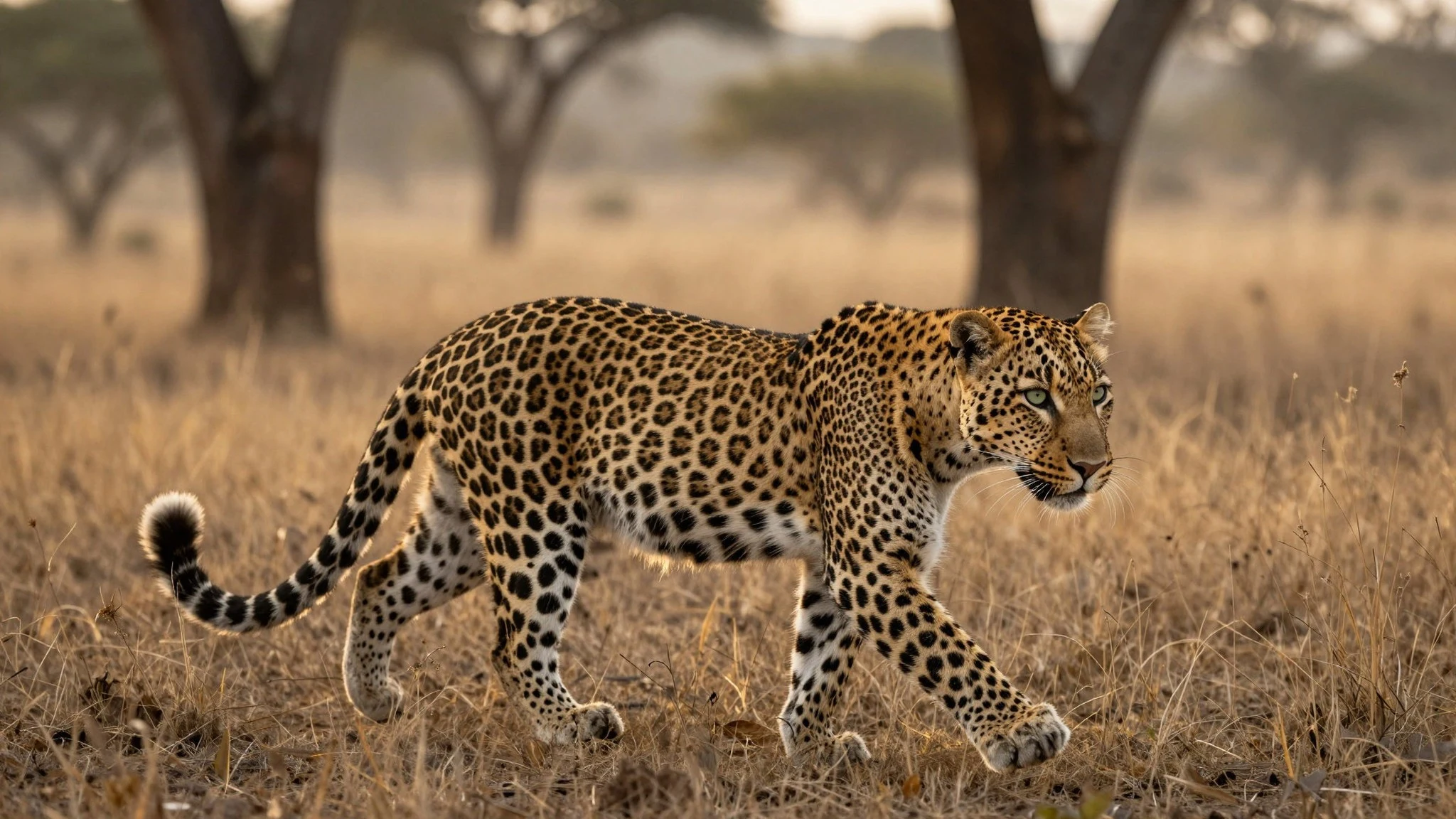
What the plateau became known for is its wildlife and plants. The park is said to hold one of the highest leopard densities in Central Africa, though these cats are shy and most visitors will never see one. In the rainy season, more than 200 kinds of orchid flower across the grassland, a reason botanists and keen walkers make the journey. The Wikivoyage entry also notes biological expeditions as part of what goes on here, a sign that researchers treat the plateau as a place worth studying.
Today the story continues quietly. Visitors stay at Chelinda or camp, drive or walk across the tops, and leave with an impression of space. The plateau's past is less about monuments than about a landscape that has been left to get on with being a watershed.
What to see
- Open grassland of the plateau top — Plateau top, near Chelinda
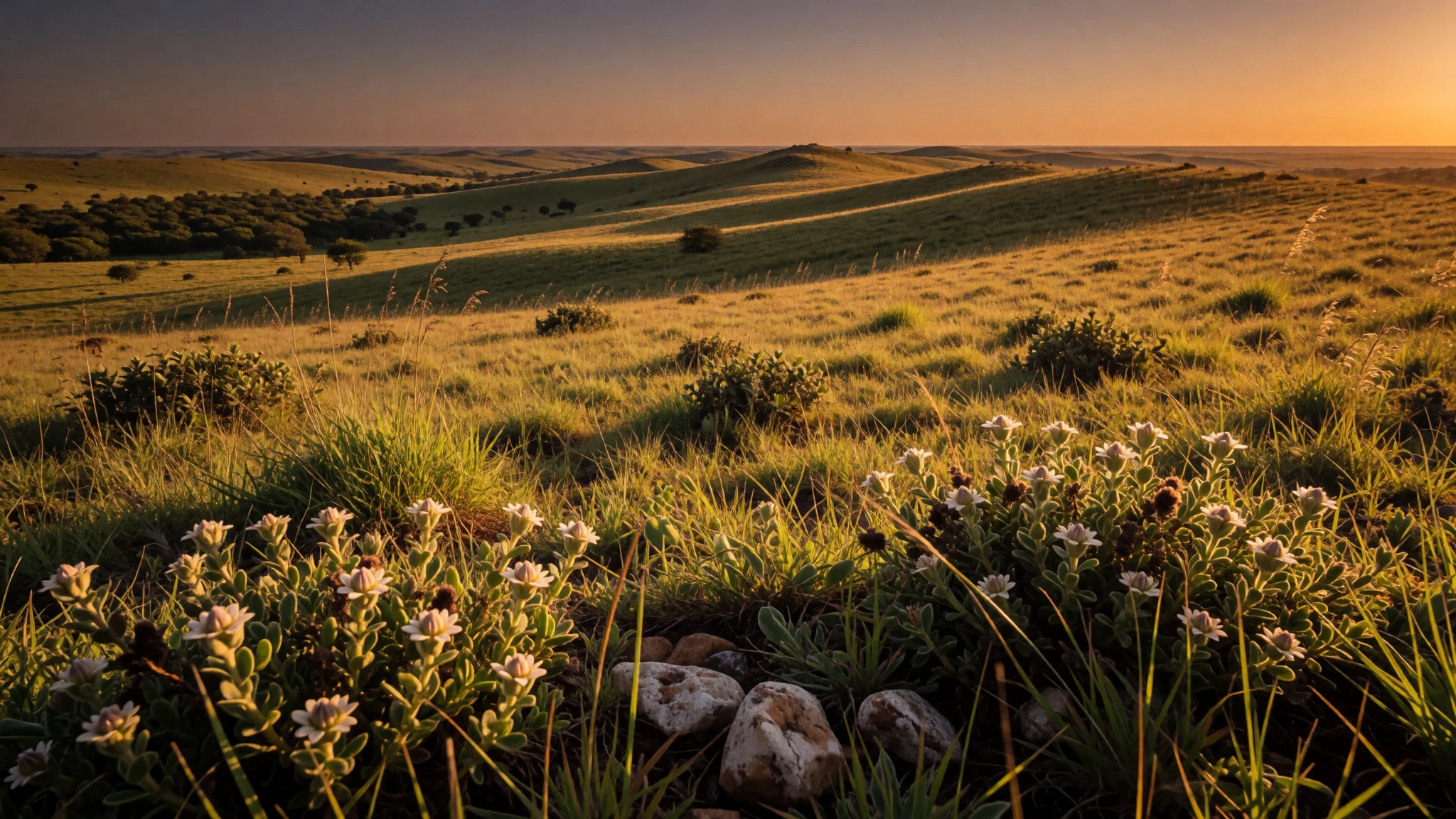
The defining sight is the high, rolling grassland itself, seen best from the track between Chelinda and the wider plateau. Expect big skies, wind and few trees. Early morning and late afternoon give the softest light, and it is a good setting for slow drives or long walks.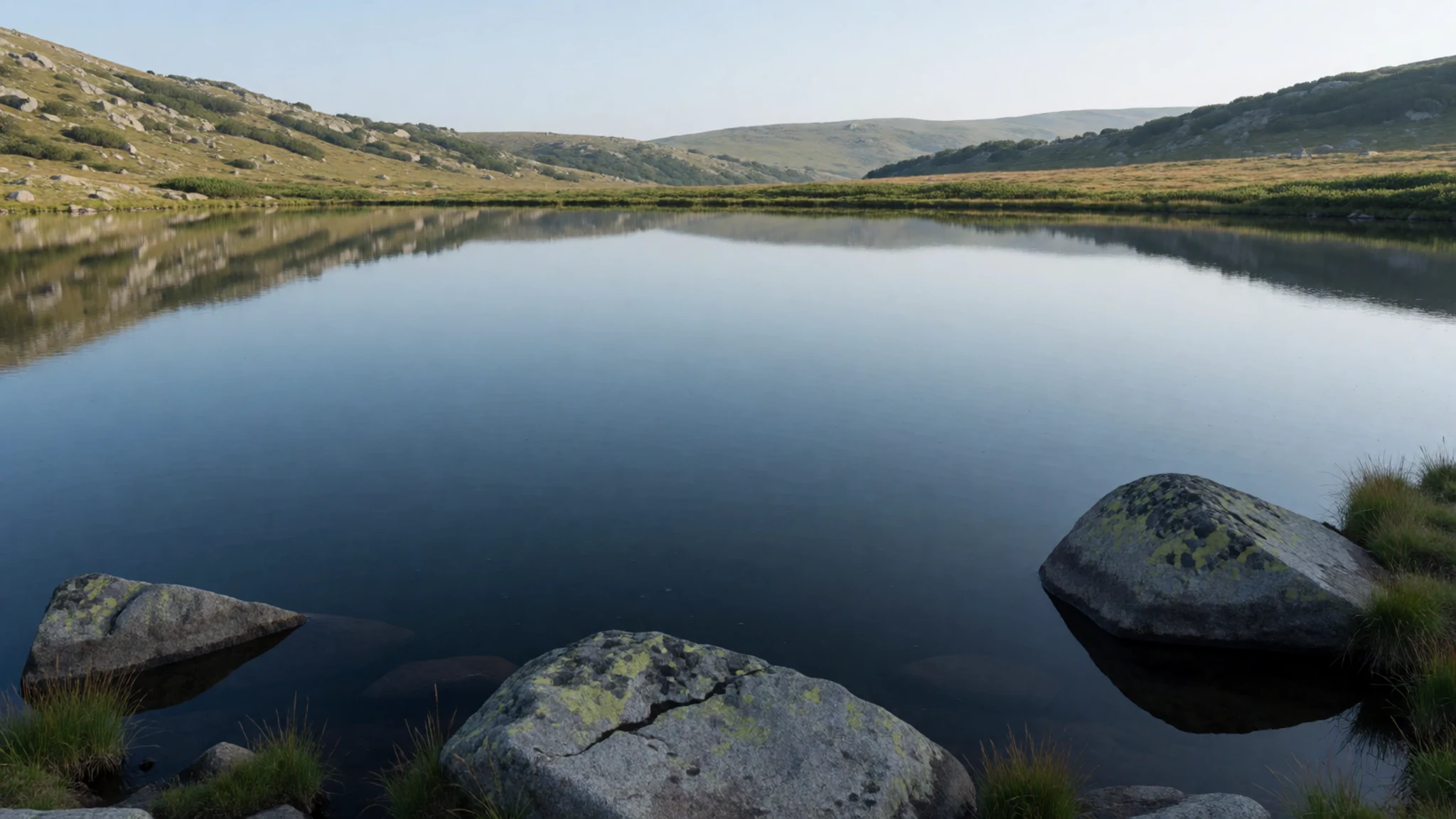
- Lake Kaulime — Central plateau
A small lake in a fold of the grassland, reached by a short drive or walk from the main camp area. It is modest rather than dramatic, but the stillness, birds and open views make it a pleasant stop, particularly when the light is low and the wind drops.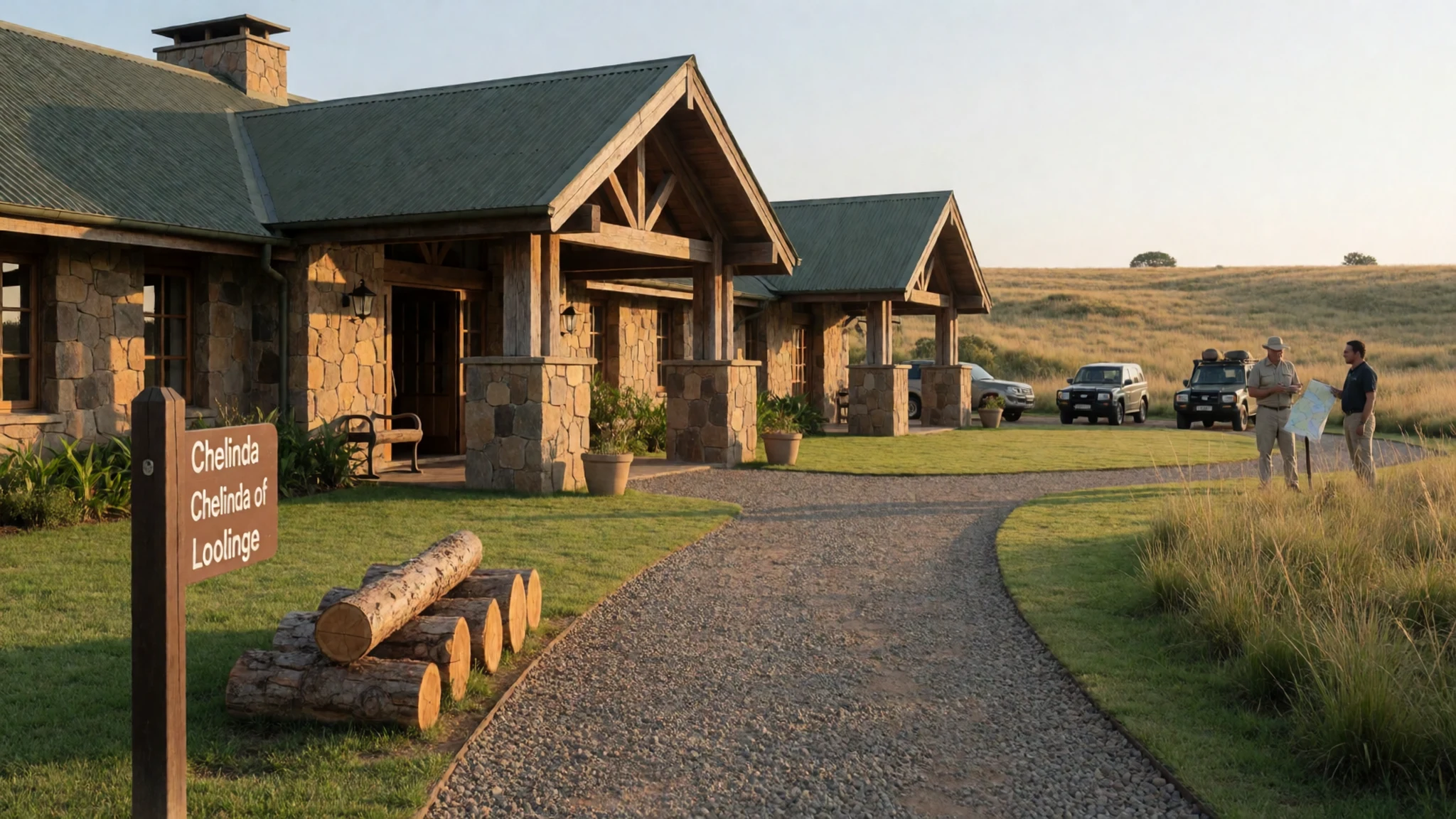
- Montane forest patches — Valleys across the plateau
Dark clumps of afromontane forest fill the sheltered valleys between the grassy ridges. They feel cooler and damper than the tops, and are good for birds, mosses and a change of texture. Go with a guide if you plan to leave the track.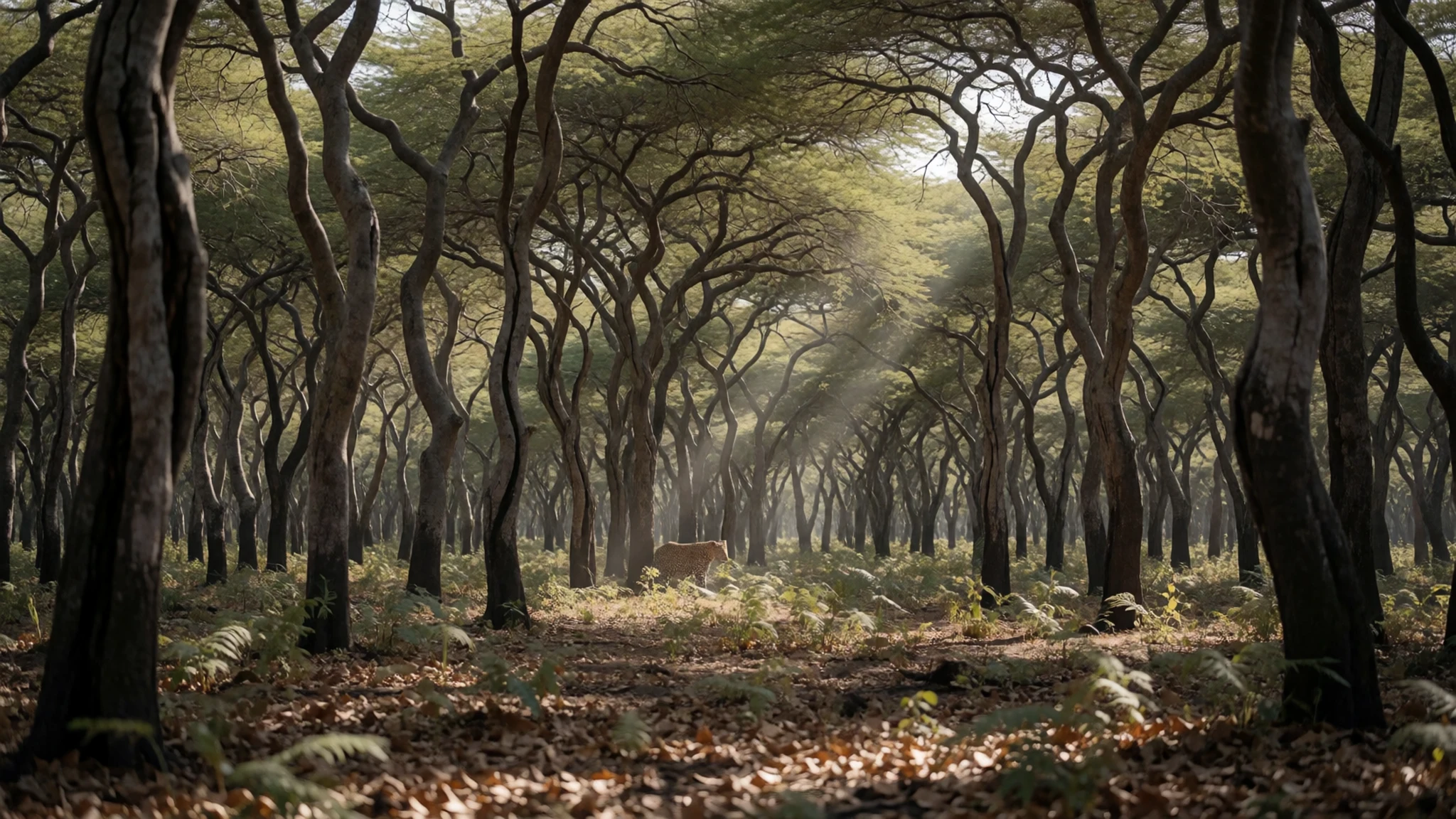
- Orchids and quartz-strewn ground — Open grassland and stony slopes
In the rainy season the grassland is scattered with orchids, more than 200 kinds in all. Look low, among stones and short turf, rather than scanning the horizon. A hand lens and patience reward you far more than a long lens does.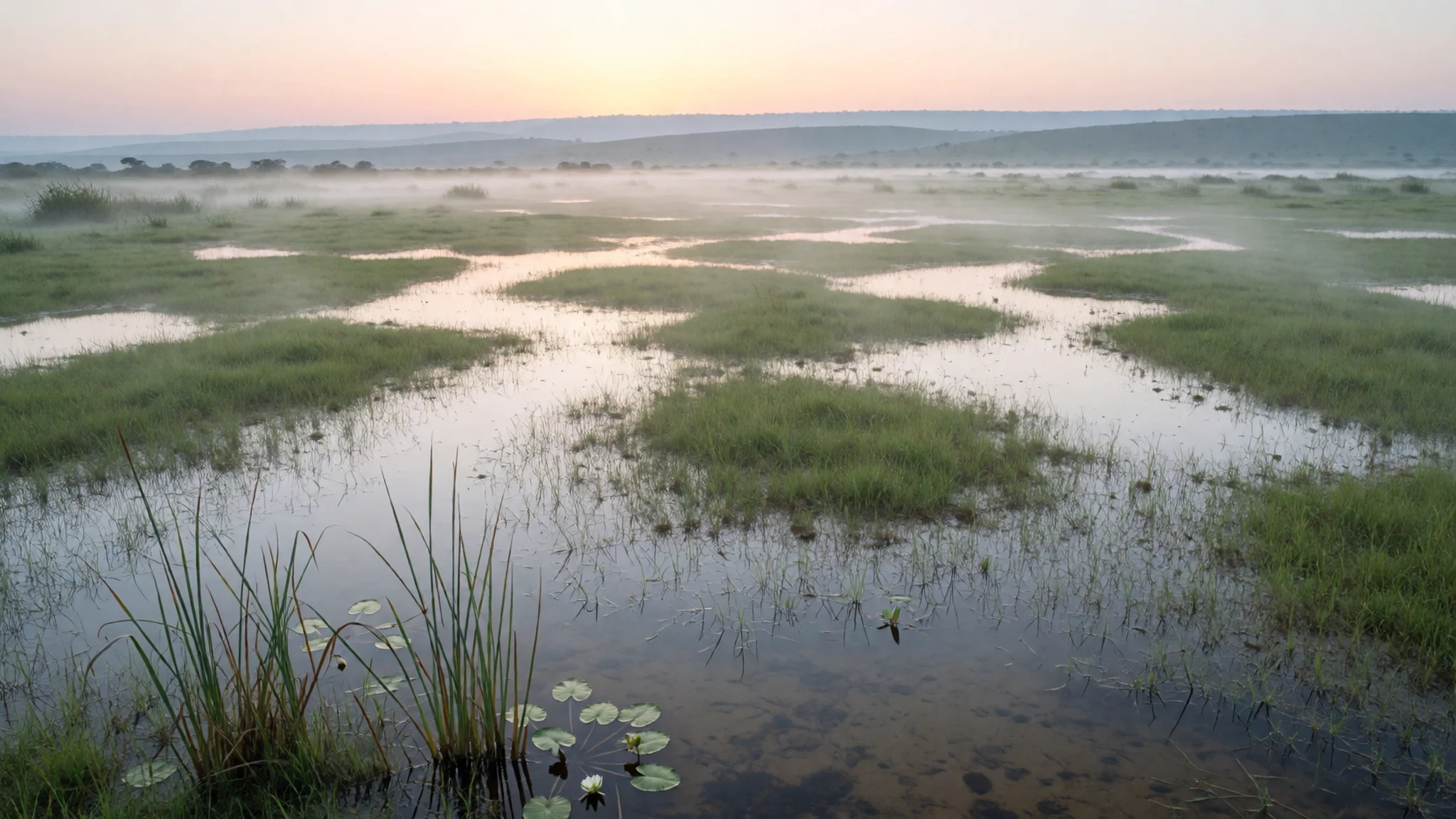
- Dambos and miombo woodland — Slopes and hollows of the plateau
Dambos are wet grassy hollows that glisten after rain and feed the streams below. Lower down, miombo woodland takes over, with a very different feel and birdlife. Together they show how the plateau works as a watershed as well as a viewpoint.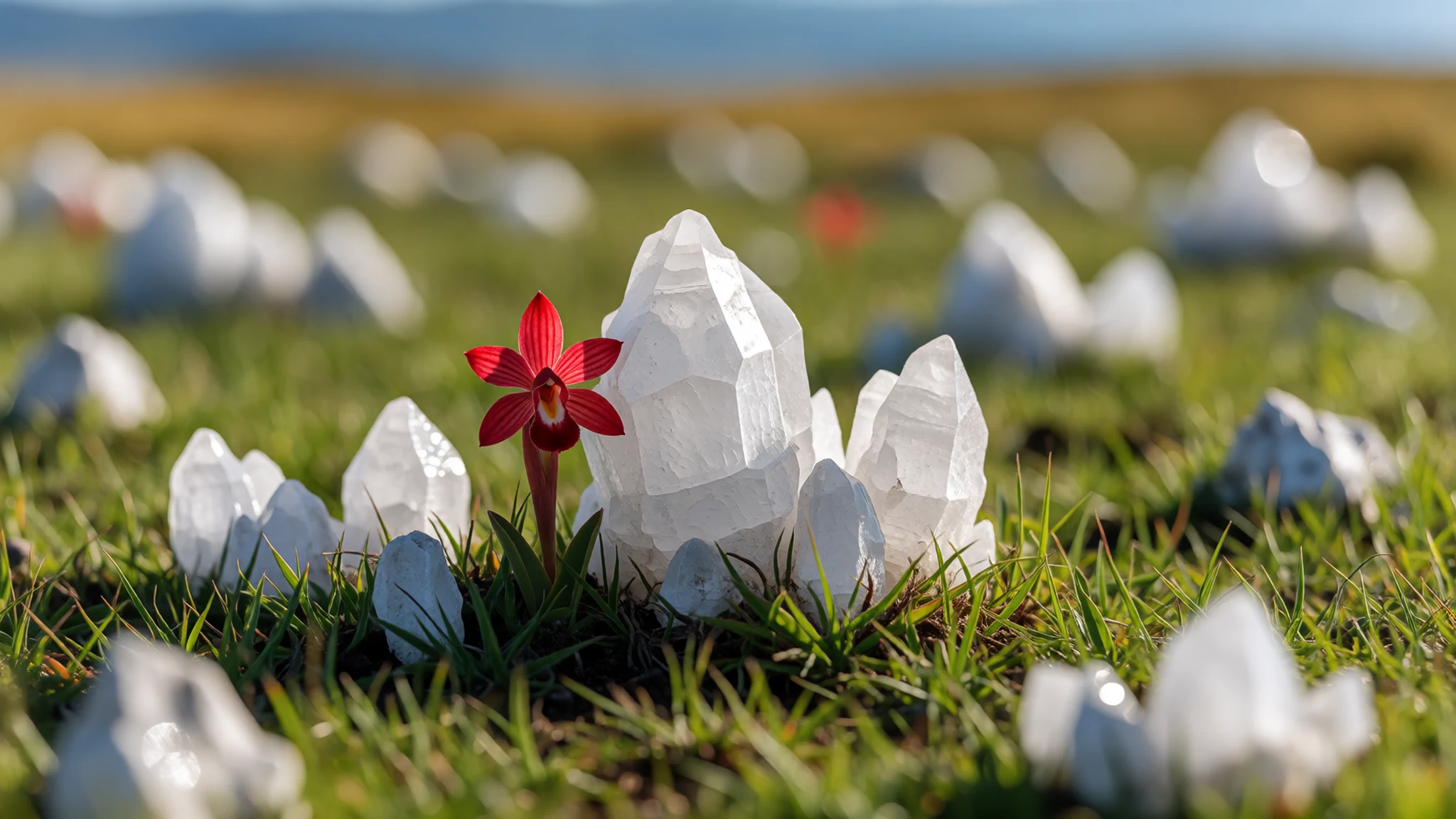
Culture
Nyika Plateau is a wilderness first and a cultural site second, so the local culture you meet is mostly that of northern Malawi on the roads leading up to it. Rumphi is the usual gateway town, and the villages along the approach are farming communities where greetings matter. A friendly hello and a few words of Chichewa or Tumbuka are warmly received, and a slow, polite start to any conversation goes a long way.
The plateau itself is tied to the idea of water. The name is commonly taken to mean "where the water comes from", and that sense of the high ground as a source shapes how people talk about it. Rivers that rise here matter to the communities downstream, and that gives conservation a practical, local meaning rather than a purely scenic one.
Staff at the park, guides and scouts are an important part of the experience. They know the tracks, the weather and where the animals tend to be, and they are usually glad to share it. Tipping is appreciated but should be handled discreetly and fairly.
In practice, visits are quiet and low-key. There are no crowds, no souvenir strips and few places to shop, so the culture on offer is hospitality and knowledge rather than spectacle.
Ask before photographing people in villages on the approach road, and keep to marked tracks and your guide's instructions inside the park so you do not disturb wildlife or fragile grassland.
What to wear
Nyika Plateau has no dress code of its own, so fashion here means what people in northern Malawi wear and what suits the climate. Traditionally, women wear the chitenje, a printed cotton wrap cloth tied at the waist or over the chest, often with a matching head cloth or a second cloth to carry a baby. Men have worn wrapped cloths too, though shirts and trousers are now far more usual. Cotton prints in strong colours remain the everyday textile, and they turn up on market stalls in every town.
Today, people in towns such as Rumphi wear a mix of chitenje, dresses, shirts, trousers and secondhand clothing. Modest dress is the norm in villages, with knees and shoulders usually covered, particularly for women.
For visitors, the plateau is high, so it can be cold, windy and wet even when the lowlands are hot. Pack layers: a warm fleece, a windproof and waterproof jacket, a hat and sturdy, broken-in walking shoes or boots for grass, stones and mud. Long trousers help against wet grass and insects. Neutral greens, browns and greys are practical for wildlife watching, and a light scarf is useful for dust on the long dirt road. When passing through villages, keep shoulders and knees covered as a courtesy.
What to eat
- Nsima with relish — Local eateries in Rumphi and Mzuzu
Nsima is the stiff maize porridge that anchors almost every Malawian meal. It is rolled into a ball by hand and used to scoop up relish, a side of vegetables, beans or meat. Look for it at any local eatery in Rumphi or Mzuzu.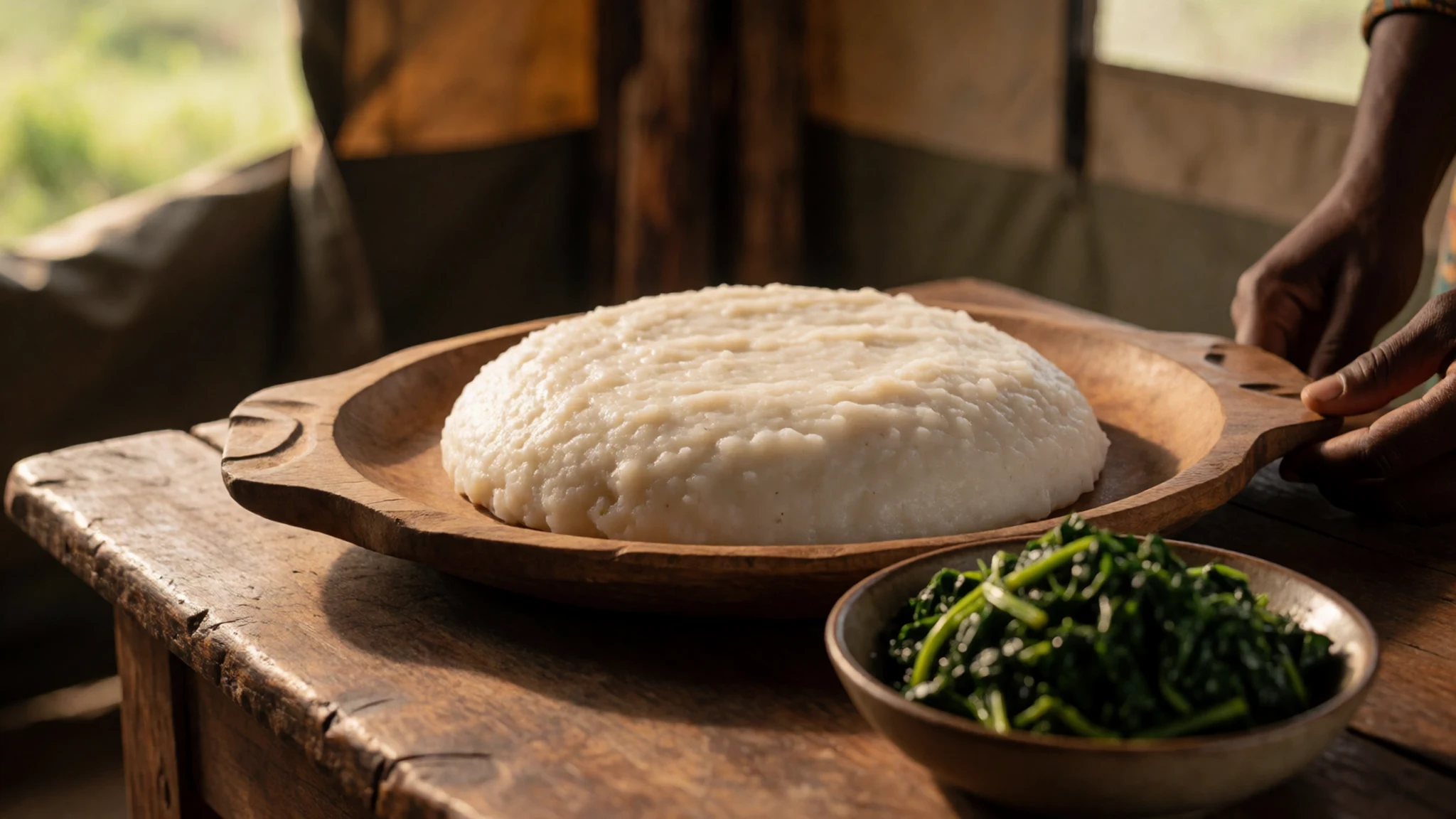
- Chambo — Lakeshore towns and town restaurants
Chambo is a prized freshwater fish from Lake Malawi, usually grilled or fried whole and served with nsima. It is the dish many travellers associate with Malawi, and it is easiest to find on the lakeshore or in town restaurants on the way north.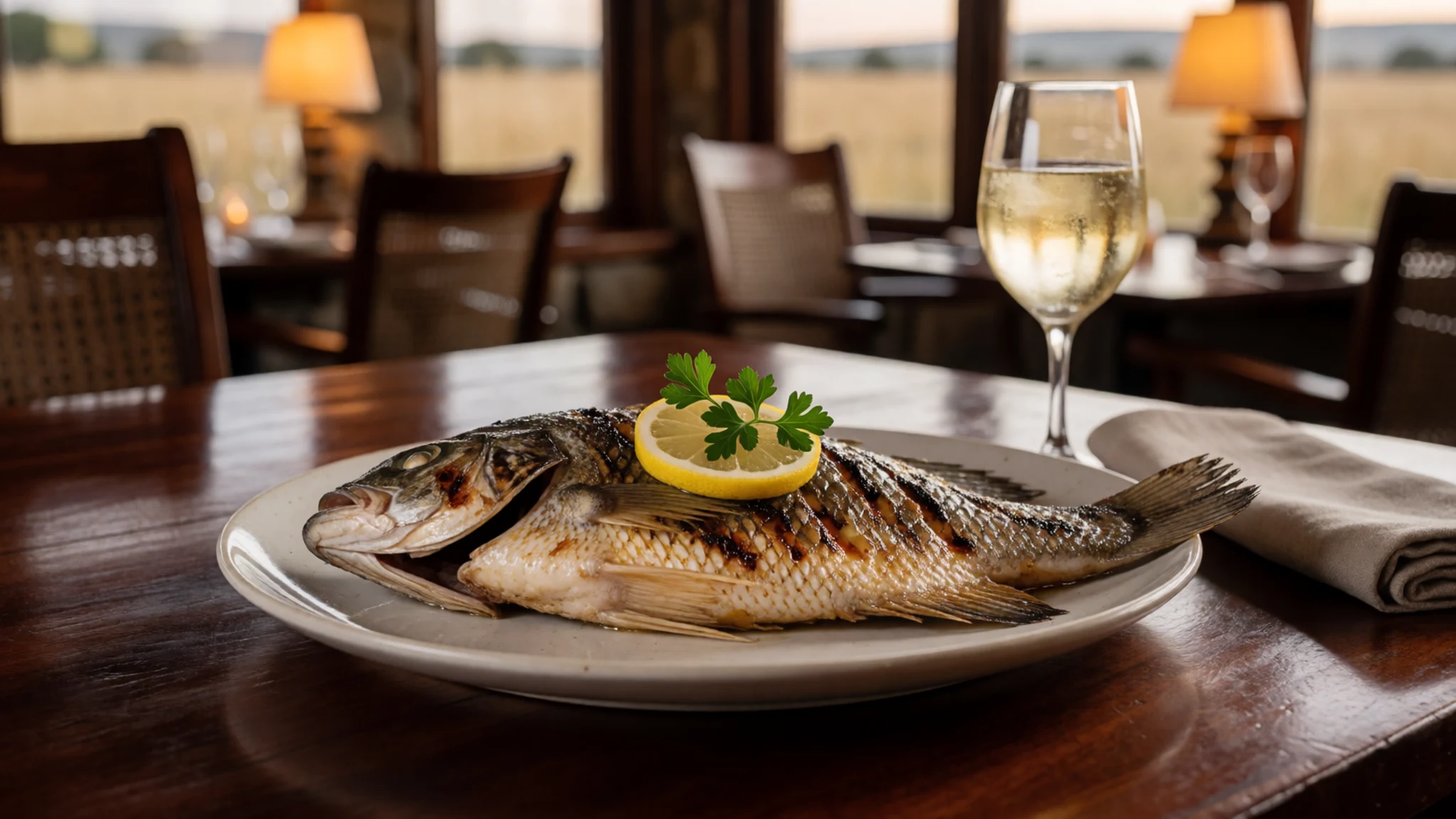
- Ndiwo of greens — Village eateries and market food stalls
Ndiwo simply means relish, and leafy greens such as pumpkin leaves or bean leaves, cooked with tomato and onion, are a common version. It is simple, filling and often vegetarian, a good choice in village eateries. - Roasted maize and groundnuts — Roadside stalls and bus stops
Roadside sellers offer cobs of maize roasted over charcoal and small bags of groundnuts. They are cheap, handy snacks for the long drive up the scarp, and a chance to chat with sellers at the edge of towns. - Camp meals at Chelinda — Chelinda Camp and park lodgings
Inside the park, food is mostly whatever the camp or lodge prepares, often hearty stews, roast meat, vegetables and bread suited to a cold evening. Bring snacks and check ahead on what can be provided.
Plan it
Best time. April to June and September to November are good choices: the rains have eased, the grass is still green or drying and the roads are more manageable. The rainy season brings the orchids, over 200 kinds, but also mud, cloud and harder driving. Nights on the plateau can be cold at any time of year.
How long. 3–4
Getting there. Fly to Lilongwe, then drive about 12 hours, half of it on paved road, or go via Mzuzu, about 6 hours on very rough roads, with a 4x4. A single dirt road climbs from the Rumphi–Katumbi road onto the plateau. You can also fly in if staying at Chelinda Lodge.
Budget. mid
Tips
- Hire or arrange a 4x4; the approach road is rough and slow
- Bring food, water, warm layers and a rain jacket, as the plateau is high and cold
- Fill the fuel tank before leaving Rumphi and carry spare
- Book lodging or camping at Chelinda well ahead and check the official park contacts for current details
- Expect little or no phone signal and carry offline maps
Etiquette
- Stay on tracks and follow your guide's advice around wildlife
- Ask permission before photographing people in villages
- Take all rubbish out with you
Nearby
Sources
- Wikidata Q1567460 (CC0)
- Wikipedia: Nyika National Park (rev 1362883497) (CC BY-SA 4.0)
- Wikivoyage: Nyika National Park (rev 5385762) (CC BY-SA 4.0)
- Nyika grassland, Dr. Thomas Wagner (CC BY-SA 2.5)
- Nyika kaulime, Dr. Thomas Wagner (CC BY 3.0)
- Flower Quartz Nyika National Park Malawi, Sara&Joachim (CC BY-SA 2.0)
- Nyika miombo, Dr. Thomas Wagner (CC BY-SA 1.0)
- Nyika typical, Dr. Thomas Wagner (CC BY 3.0)
- Hyperolius pictus, Luke Verburgt (CC0 1.0)
- Nyika Banner, Dr. Thomas Wagner (CC BY 3.0)
- Nyika dambo, Dr. Thomas Wagner (CC BY-SA 1.0)


Wildlife
- Leopard (animal)
The leopard is a slender, muscular big cat with golden fur patterned in dark rosettes, like a sleek spotted shadow. Nyika is a remote highland of grassy, rolling hills and rare orchids, and it counts among the most leopard-rich places in Central Africa. Go with a local guide, keep a respectful distance, stay quiet and still, and never offer food. Let the leopard decide how close it comes, and enjoy simply being near it.