Lake Malawi National Park
Lake Malawi National Park, Malawi
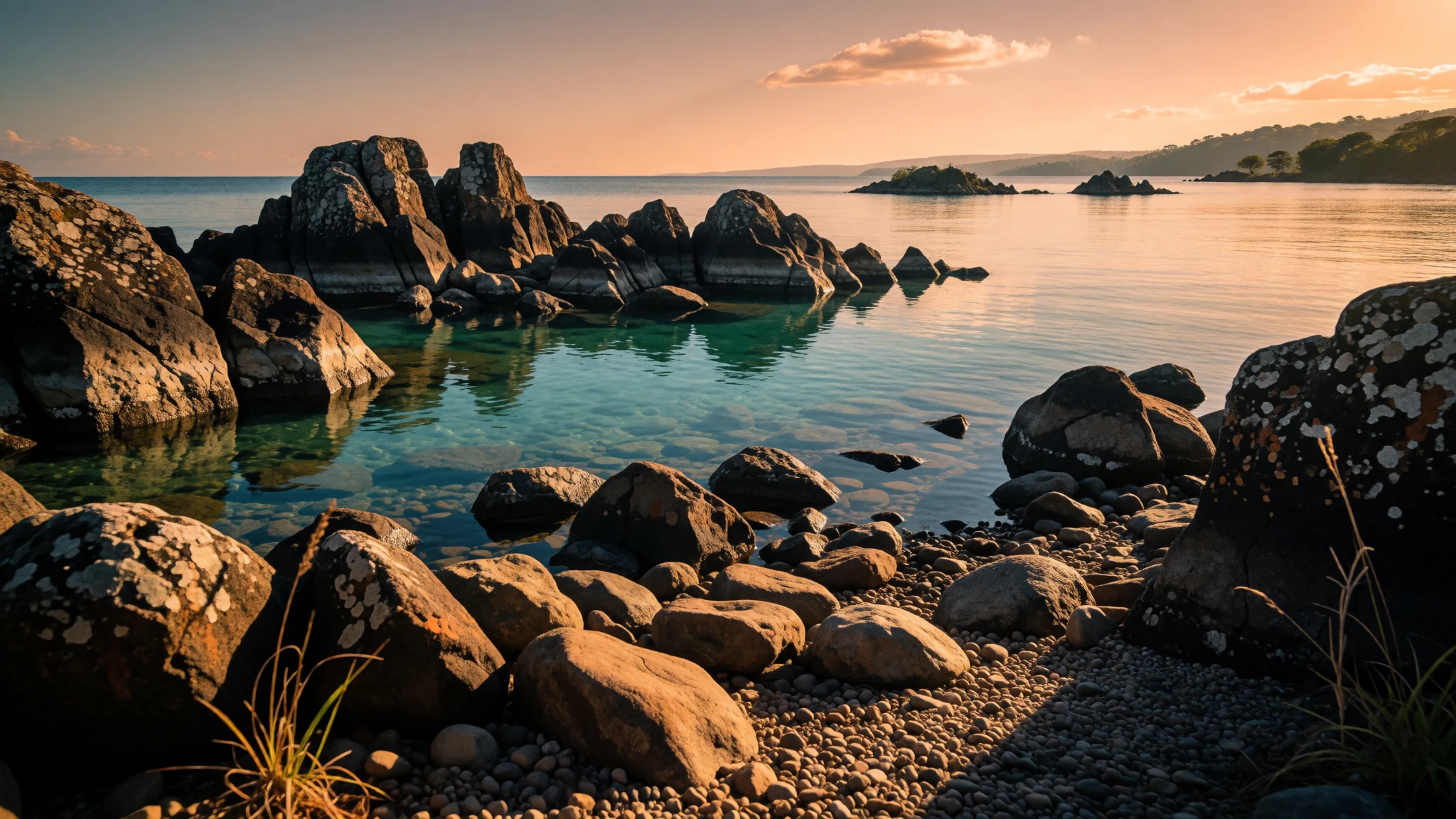
Lake Malawi National Park is a water-first reserve protecting fish and aquatic habitats, plus rocky islands and scenic lake-edge land.
The place
Lake Malawi National Park sits at the southern end of Lake Malawi in Malawi, Southeast Africa, between Monkey Bay and Cape Maclear. The park is best understood as a mix of lake and land: a headland and foreshore, plus small rocky islands offshore, all framed by clear water and rugged edges.
What makes the place feel different from other lake destinations is its original purpose. This is the only national park in Malawi created with the specific job of protecting fish and aquatic habitats, and the result is that the lake is the centre of gravity. On land, you still get variety—rocky viewpoints over the water, shoreline habitats, and the chance of wildlife such as baboons. There’s also a human layer: missionary-era remains and a baobab associated with David Livingstone’s preaching, which gives the coastline a story to go with the scenery.
The UNESCO connection is tied to biodiversity rather than scenery alone. The lake’s fish diversity is the headline, especially the mbuna (cichlids) that locals know well. The park’s boundaries include both watery habitats and enough coastline to make walks, pauses, and short excursions worthwhile, rather than feeling like you’re just dropping in for a swim.
Seasonally, planning is about balancing dry, calmer conditions with the heat. Expect crowds to vary by exact lakefront base, but the vibe is usually relaxed: fewer big-tour groups, more small boats, beach time, and slow exploration around the shoreline.
Its story
Lake Malawi National Park carries a European mission story layered over a much older landscape. Dr David Livingstone was the first European associated with seeing Lake Malawi (then called Lake Nyassa), and later the Scottish Presbyterian Church set up a mission on Cape Maclear. That mission era left traces in and around the park area, including the graves of early missionaries.
One landmark that often comes up in local retellings is a large baobab tree said to have been a favourite place for Livingstone to hold sermons and speak with other missionaries. Whether you treat the tale as literal history or as the way communities preserve memory, the baobab gives the shoreline a focal point: a tree that feels anchored to the coast even as travel and settlement patterns change.
The park itself also has a “why here” logic that runs parallel to the human story. On the natural side, the protected area exists largely to safeguard aquatic life, and that focus shapes how people experience it. Instead of thinking in terms of trails leading to views, the setting encourages thinking in terms of water habitats leading to discoveries—fish diversity below the surface, rocky islands and foreshore habitats around you, and land edges that connect the lake to the bush.
In short, the history feels lived-in rather than museum-like: missionary remains, a baobab tied to sermons, and a protected lake that still draws attention to evolution and biodiversity.
What to see
- Rocky islands and foreshore — Southern Lake Malawi coast near Monkey Bay and Cape Maclear
Lake Malawi National Park includes small rocky islands, a headland and the foreshore. From the shore you can spot the rugged outline where land meets lake, and on short boat outings the rockier islands feel like natural waypoints.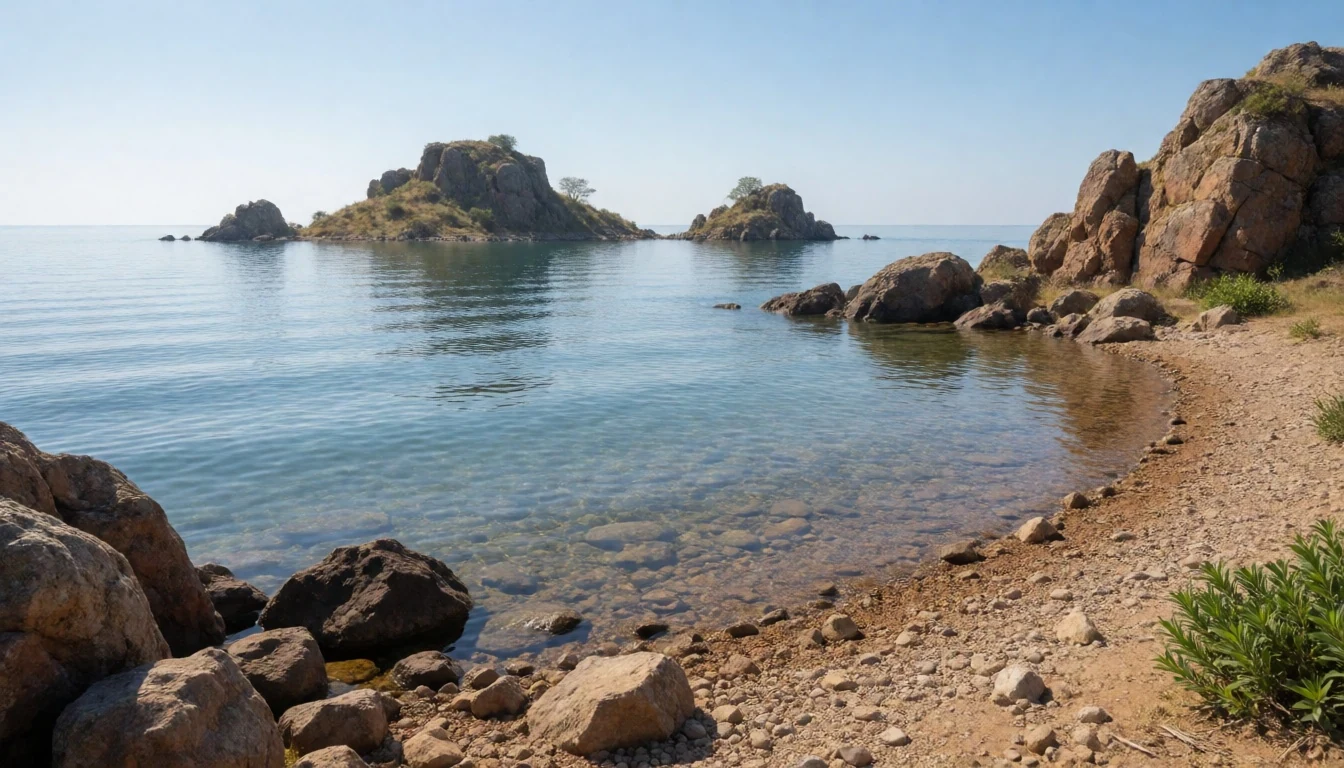
- Clear-water swimming breaks — Beach edges along the southern lakefront
Lake Malawi’s shoreline around the park is known for clear water, and swimming is often the simplest way to experience the place’s mood. Expect gentle beach entries, cool water relief on hot afternoons, and calm pauses between excursions.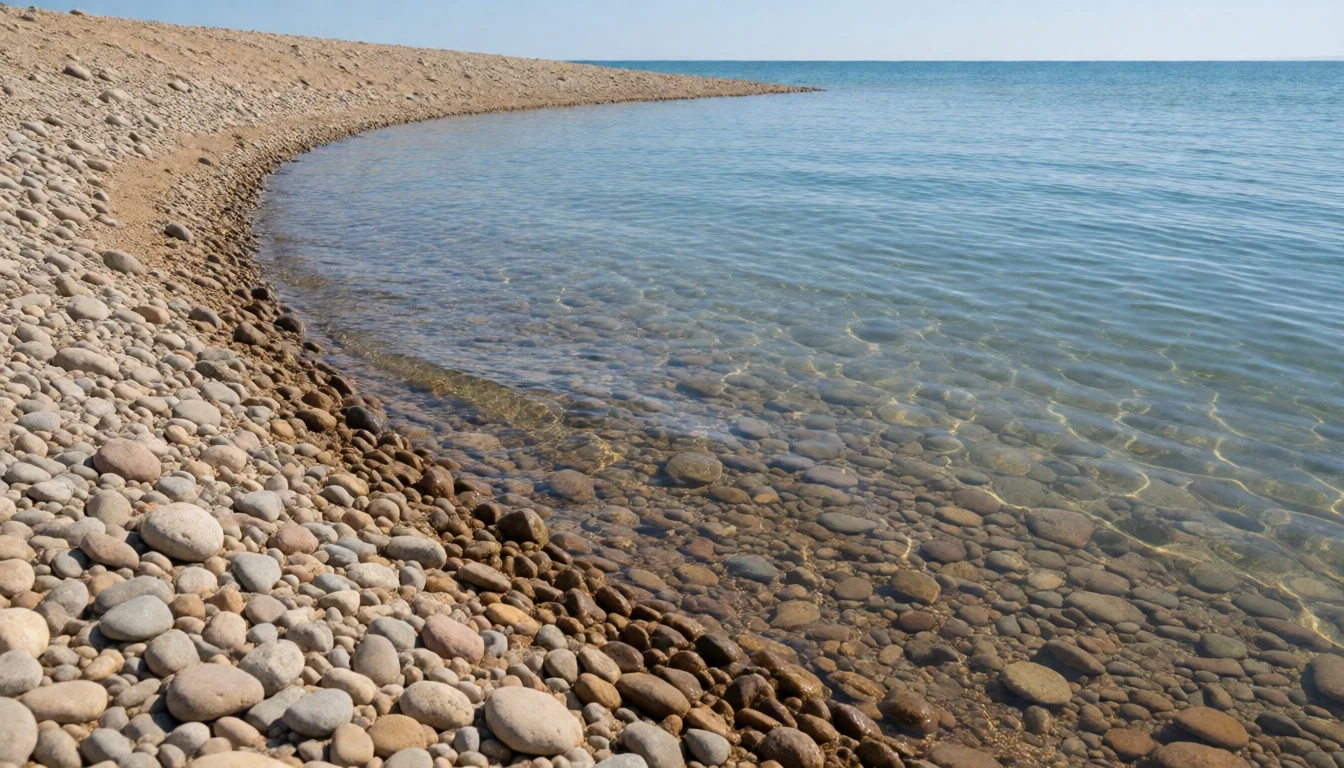
- Mbuna cichlids (underwater viewing) — Inshore lake shallows around the park
Lake Malawi National Park is created to protect fish and aquatic habitats, and mbuna cichlids are the most talked-about group. With snorkelling, the lake’s rocky shallows and clear shallows can make underwater life feel close and surprisingly active.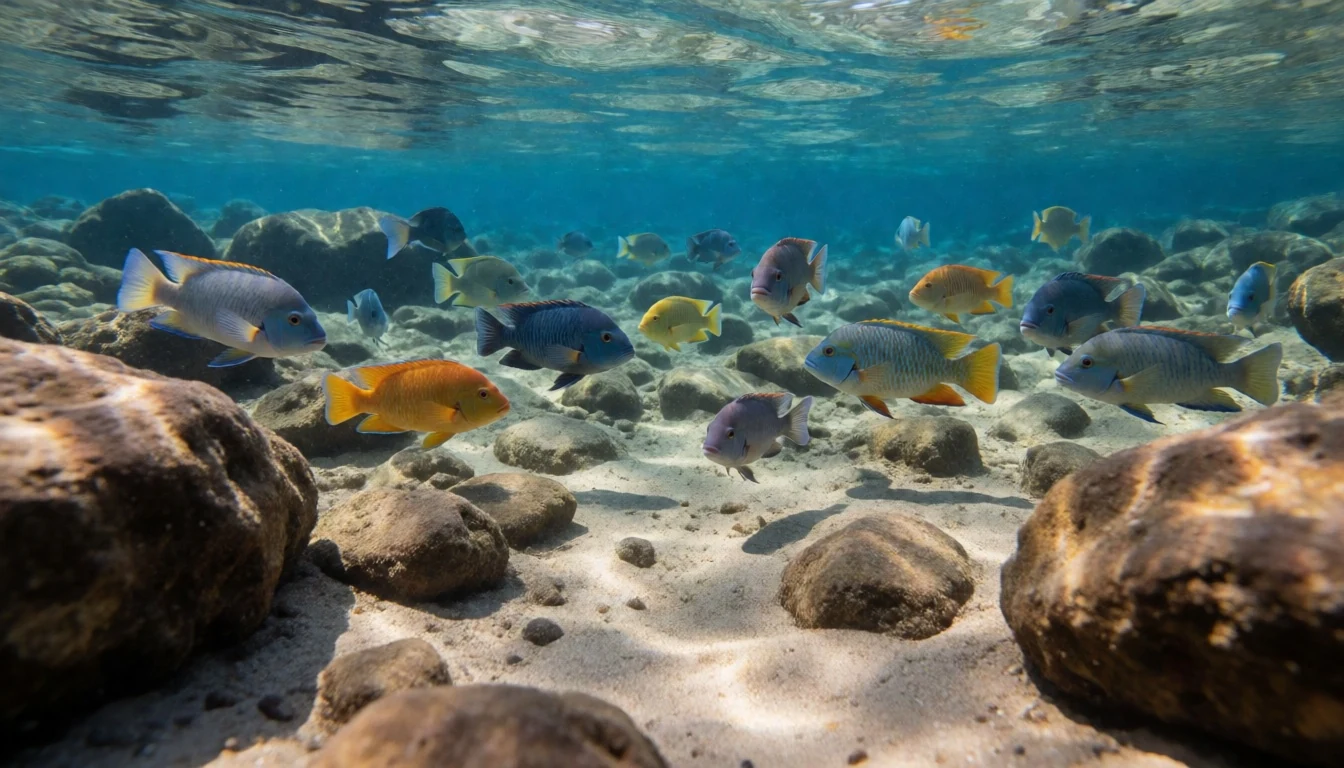
- Land edges and baboon sightings — Headlands and shoreline trails near the coast
The park includes land portions such as headland and shoreline areas, so it’s not all open water. Walking the edges can bring wildlife sightings, including baboons, and the contrast between land textures and blue water stays the visual theme.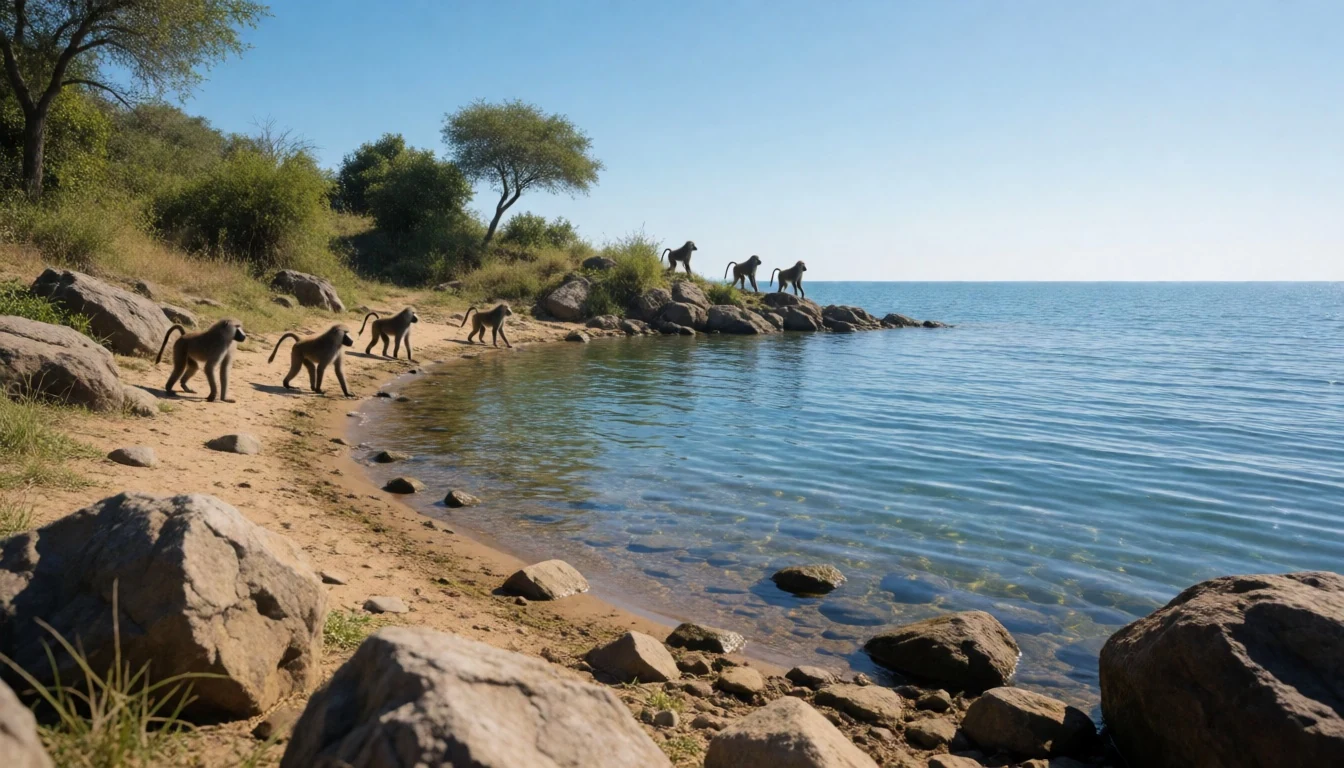
- Baobab landmark tied to early missions — Mission-related areas near Cape Maclear
A large baobab tree associated with David Livingstone’s sermons helps anchor the park’s human story in the landscape. It’s the kind of stop where the scenery slows down, and conversation naturally shifts to the mission history around Cape Maclear.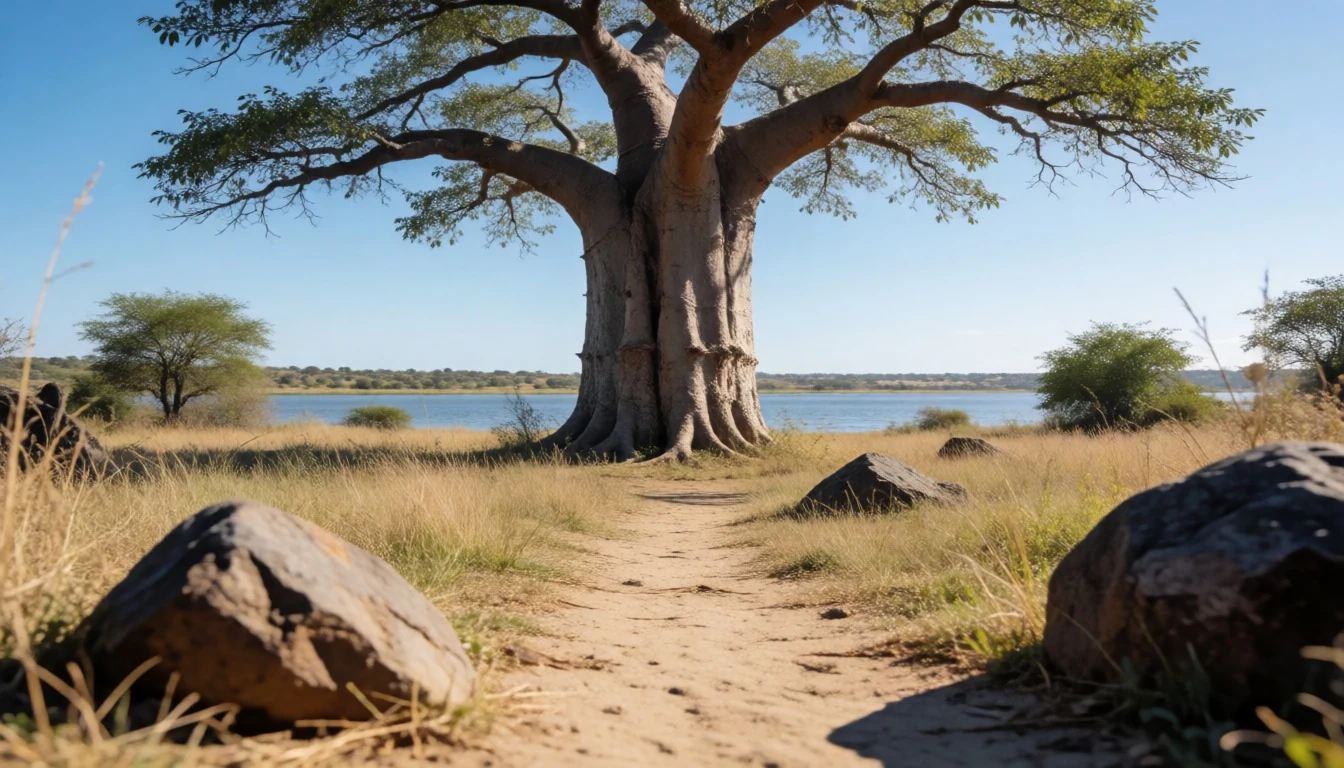
Culture
Lake Malawi National Park is fundamentally a water-based destination, and local life often revolves around the lake—fishing, boat routines, and beachfront communities. That means cultural encounters tend to be practical rather than ceremonial: a chat while someone prepares gear, a guide explaining where land meets water, or a local family showing how everyday routines fit the shoreline rhythm.
The other cultural thread here is the missionary-era memory connected with Cape Maclear. Even if you’re not seeking historical sites, the names, stories, and the baobab tied to sermons make it harder to treat the coastline as “just a beach”. The park’s UNESCO status also nudges conversations towards biodiversity and fish, particularly the cichlids people see and know well.
Crowds are usually modest compared with big safari circuits, but the lake attracts day swimmers and visitors from nearby bases. The safest cultural approach is to be patient and observant: follow local guidance on water conditions, share space respectfully on small jetties or landing points, and keep a calm, low-noise mood around communities.
Visitor etiquette: ask before photographing people, and keep noise low near shoreline homes and work areas.
What to wear
Lake Malawi National Park is warm and beach-led, so dressing is mostly about handling sun, water and rocky ground. Traditional clothing in Malawi commonly reflects bright textiles and patterned fabrics; you’ll see wrapped garments and shirts in everyday life, and on the coast the dress tends to be practical for heat and movement.
What people actually wear now around the lakefront usually looks like lightweight T-shirts, shorts or long skirts, and sandals or simple footwear. For evenings, many visitors swap to light long sleeves for comfort rather than anything formal.
For visitors, pack a swim-ready outfit for the lake, plus a cover-up you can move in on land. Choose breathable layers (cotton or similar), because the sun can feel intense around open water. Bring footwear with grip for rocky edges and uneven paths, and consider a cap and sunglasses for glare off the lake.
Religious spaces connected with mission history may still call for modesty, so a light shawl or long lightweight trousers can help you feel comfortable without overpacking.
What to eat
- Fresh lake fish, grilled or fried — Lakeside restaurants and community eateries near Monkey Bay and Cape Maclear
Around Lake Malawi, expect fish-focused meals that follow the day’s catch. Look for simple grilled fish or fried portions served with staples, often at lakeside eateries and community-run food spots.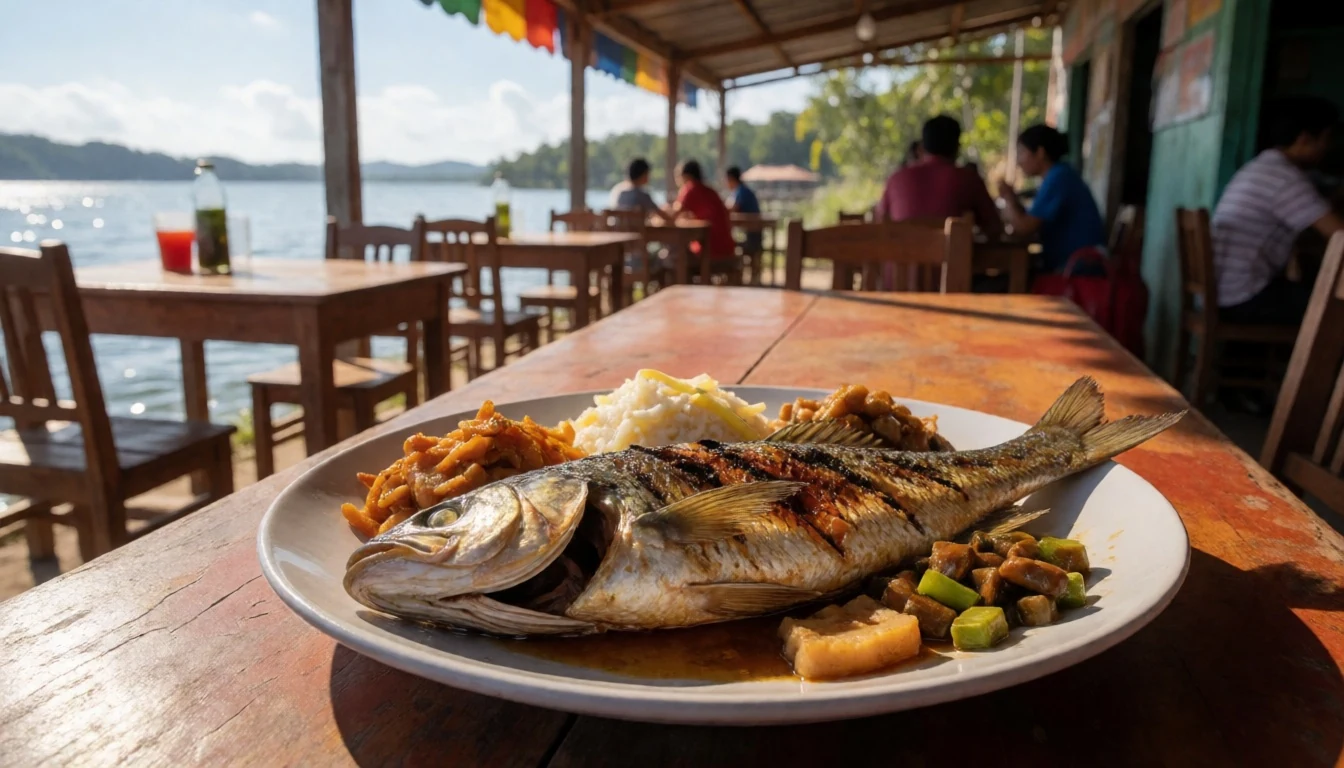
- Nsima (maize porridge) with relish — Local restaurants and guesthouse dining areas by the lake
Nsima is the familiar base in Malawi—served with relishes, vegetables, and sauces that bring flavour and heat. You’ll usually find it at local restaurants and guesthouse dining areas.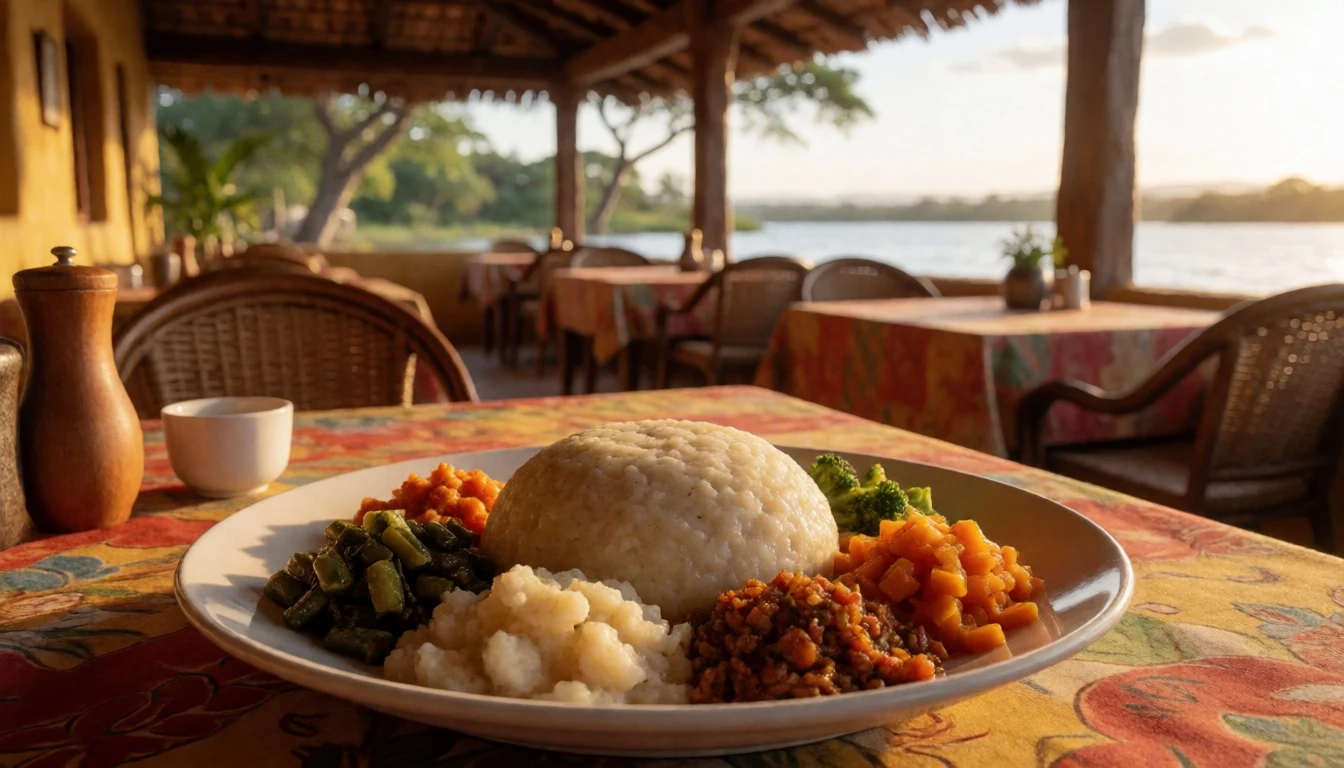
- Chambo-style cichlid dishes — Main eateries in lakefront towns (order at the restaurant, not by a specific name)
In this part of Lake Malawi, cichlid fish often shows up on menus in straightforward preparations. You might see it baked, grilled, or cooked with a tomato-onion relish, depending on the cook and the catch. - Matapa-style greens — Lodges and local eateries serving traditional plates
Malawian meals frequently include leafy greens cooked with groundnuts or similar rich ingredients. They’re a good counterpoint to grilled fish and usually appear alongside nsima in everyday menus. - Fresh fruit and simple drinks — Convenience stalls and small shops near lakeside trading areas
Lake travel brings plenty of refreshers: cut fruit, sweet drinks, and cool beverages between swims. Grab them from small shops near your base or at casual roadside stops.
Plan it
Best time. March–April and October–November are the most comfortable months to combine warm lake time with easier travel conditions; June is the rainy season, while October–November typically feels more manageable than midsummer heat.
How long. 3–4
Getting there. Fly into Malawi’s main gateway airport, then continue by road to the Monkey Bay or Cape Maclear area on the southern lake edge; the final leg is typically a drive followed by short lakefront transfers to your accommodation.
Budget. mid
Tips
- Base yourself around Monkey Bay or Cape Maclear so you can do short lake outings without long daily drives
- Start lake activities early to avoid the strongest sun and to enjoy calmer water conditions
- Bring water shoes or grippy sandals for rocky shoreline entries and boat landings
- Use a waterproof bag or dry sack for camera and phone on boat trips
- Plan for cash in small lakefront places where cards may not be reliable
Etiquette
- When boarding or swimming near local jetties, wait your turn and keep clear of work areas
- Ask before photographing people on shore, especially around homes and community spaces
- Follow local guidance for water conditions—don’t ignore warnings about waves or visibility
Nearby
Sources
- Wikidata Q1077596 (CC0)
- Wikipedia (rev 1372228901) (CC BY-SA 4.0)
- Wikivoyage (rev 4614989) (CC BY-SA 4.0)
- Photo photos/01-lake-malawi-2489696873.jpg (CC BY-SA 2.0)
- Photo photos/02-lake-malawi-national-park.jpg (CC BY 2.5)
- Photo photos/03-lake-malawi-national-park-109871.jpg (CC BY-SA 3.0)
- Photo photos/04-lake-malawi-national-park-109873.jpg (CC BY-SA 3.0)
- Photo photos/05-lake-malawi-national-park-109869.jpg (CC BY-SA 3.0)
- Photo photos/06-a-swim-in-lake-malawi.jpg (CC BY-SA 4.0)
- Photo photos/07-bundesarchiv-bild-105-doa0278-deutsch-ostafrika-njassasee-st.jpg (CC BY-SA 3.0 de)
- Photo photos/08-bundesarchiv-bild-105-doa0330-deutsch-ostafrika-njassasee.jpg (CC BY-SA 3.0 de)


