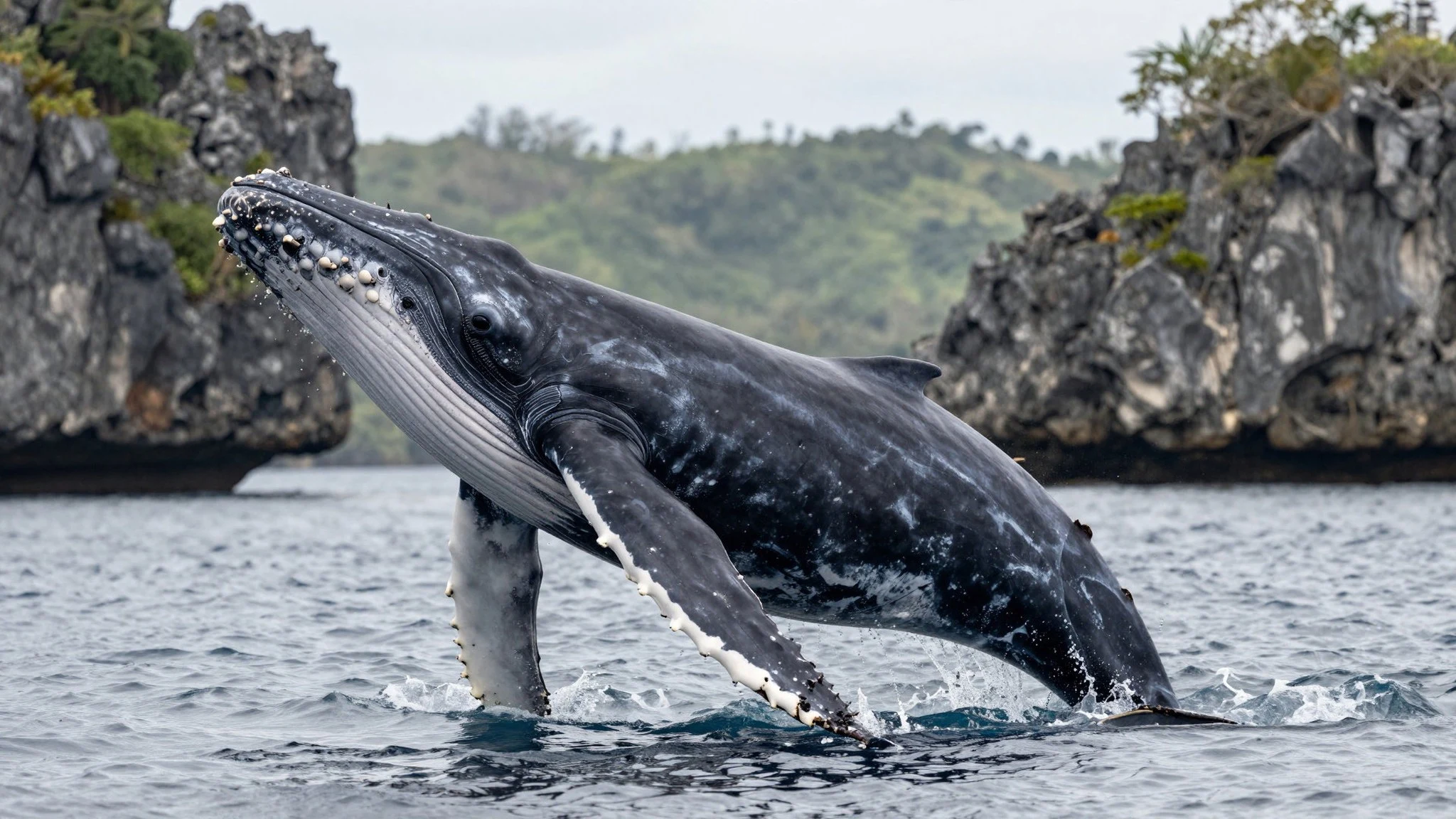
Vava'u
Vava'u, Tonga
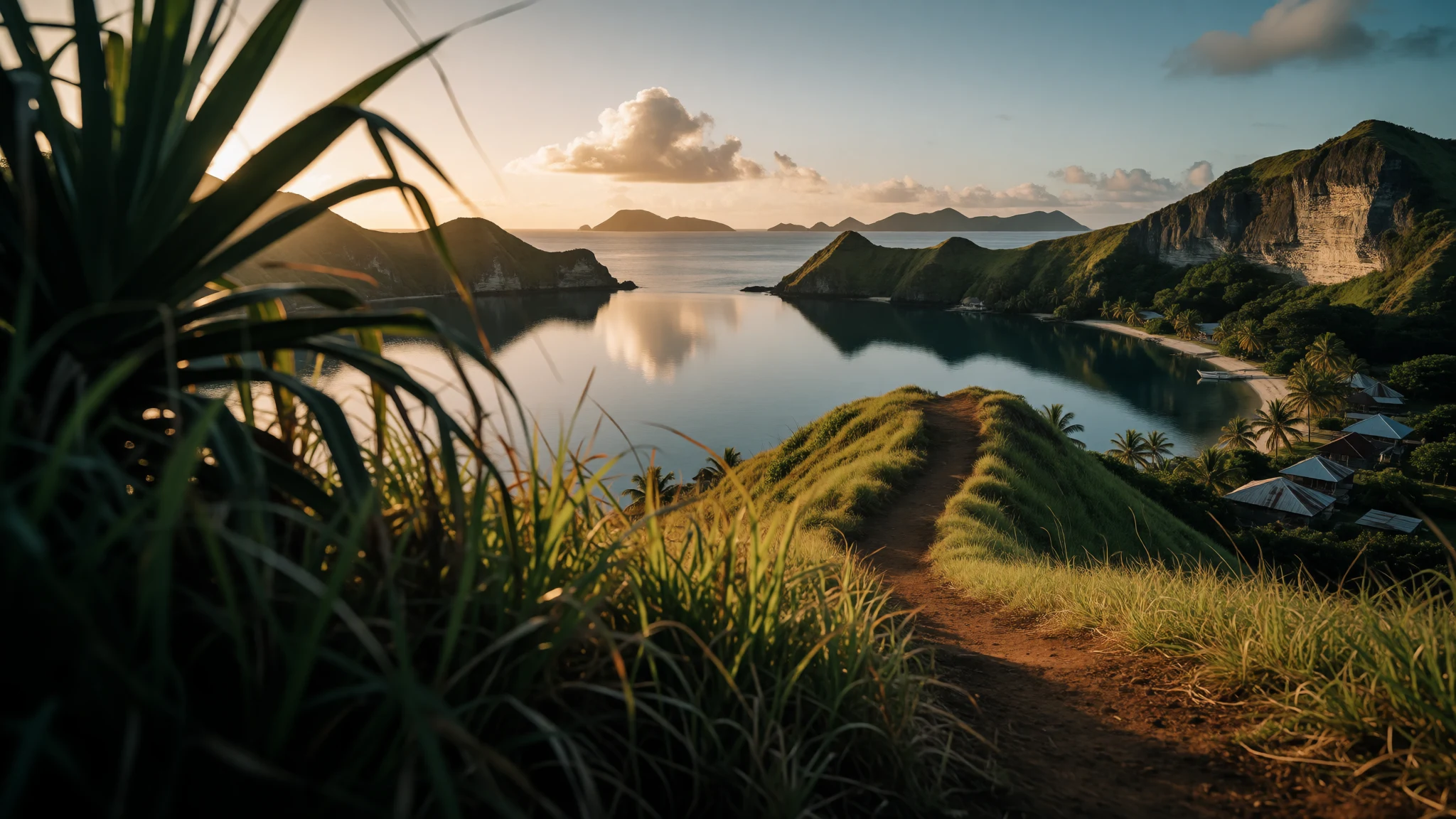
Vava'u is a sheltered Tongan harbour where sailing days, sea caves and humpback whales share the same quiet water.
The place
Vava'u is the northern island cluster of the Kingdom of Tonga, raised limestone and green ridges wrapped around a deep, almost landlocked harbour. Neiafu, the main settlement, stands on that harbour, long called the Port of Refuge: still water, hills on most sides, and a narrow way out to the open Pacific. From a boat the coast shows as cliffs, caves and small beaches. Channels between the islands are short, so a boat can leave a village wharf, reach open reef and be back in calm water before evening.
Life on land gathers along the harbour edge: the market, the churches, the small shops and the wharves where yachts and local boats tie up. Roads follow the ridges above town, and the walks are short lookouts rather than long trails. Under the surface, coral heads and sandy passages hold the reef life of this part of the Pacific, including the small, brightly coloured sea slugs that divers seek on a calm day.
Humpback whales use these waters in the cooler months, and boats go out from the harbour to watch them in the channels and just outside. The same limestone forms sea caves, some entered by boat in daylight and some reached only by a swim. Vava'u is a small Tongan district shaped by a protected anchorage set against the open ocean. Evenings are quiet, Sundays quieter, and the wind chooses the day: a sail, a cave or a walk above town.
Its story
Vava'u belongs to the longer story of Tonga, a Polynesian kingdom whose sacred and political centre lies further south, while this northern harbour has long offered shelter, gardens and a passage between islands. Oral tradition sets the group inside an older world of voyaging canoes, chiefly rank and duty to the Tu'i Tonga line. The people of these islands were not a separate nation. They were, and remain, Tongans, with the same language, the same Sunday and the same weight given to monarchy and to family duty.
Spanish and British ships put the group on European charts. The harbour gained the name Port of Refuge because crews could wait out weather that an open coast would punish. The name Mariner still attaches to a cave, and to an English sailor who lived among Tongans after a local war and later described their customs for readers in Britain. Those pages are a window. The anchorage was already a home, and what outsiders called a refuge was simply the water in front of the villages.
Vava'u stayed an outer district of the kingdom. Copra and other produce left from Neiafu, and church schools, pastors and inter-island ships shaped the town. Churches became the buildings that organise the week, and the waterfront became the place where visiting crews and local families meet. Hunting whales for industry has ended; boats leave now to watch. Gardens, church and kin still set the pace. Taken only as a sailing ground, Vava'u is misread: its history is Tongan history gathered around a protected harbour.
What to see
- Neiafu and the Port of Refuge — Neiafu
Neiafu is the town on Vava'u's main harbour, the Port of Refuge, where local boats and visiting yachts lie in still water under green hills. The market, churches and wharves sit close together, and this is where a boat is arranged, fruit is bought and the harbour is watched as the tide turns. Mornings are the quiet hour, before the day-boats head out toward the channels.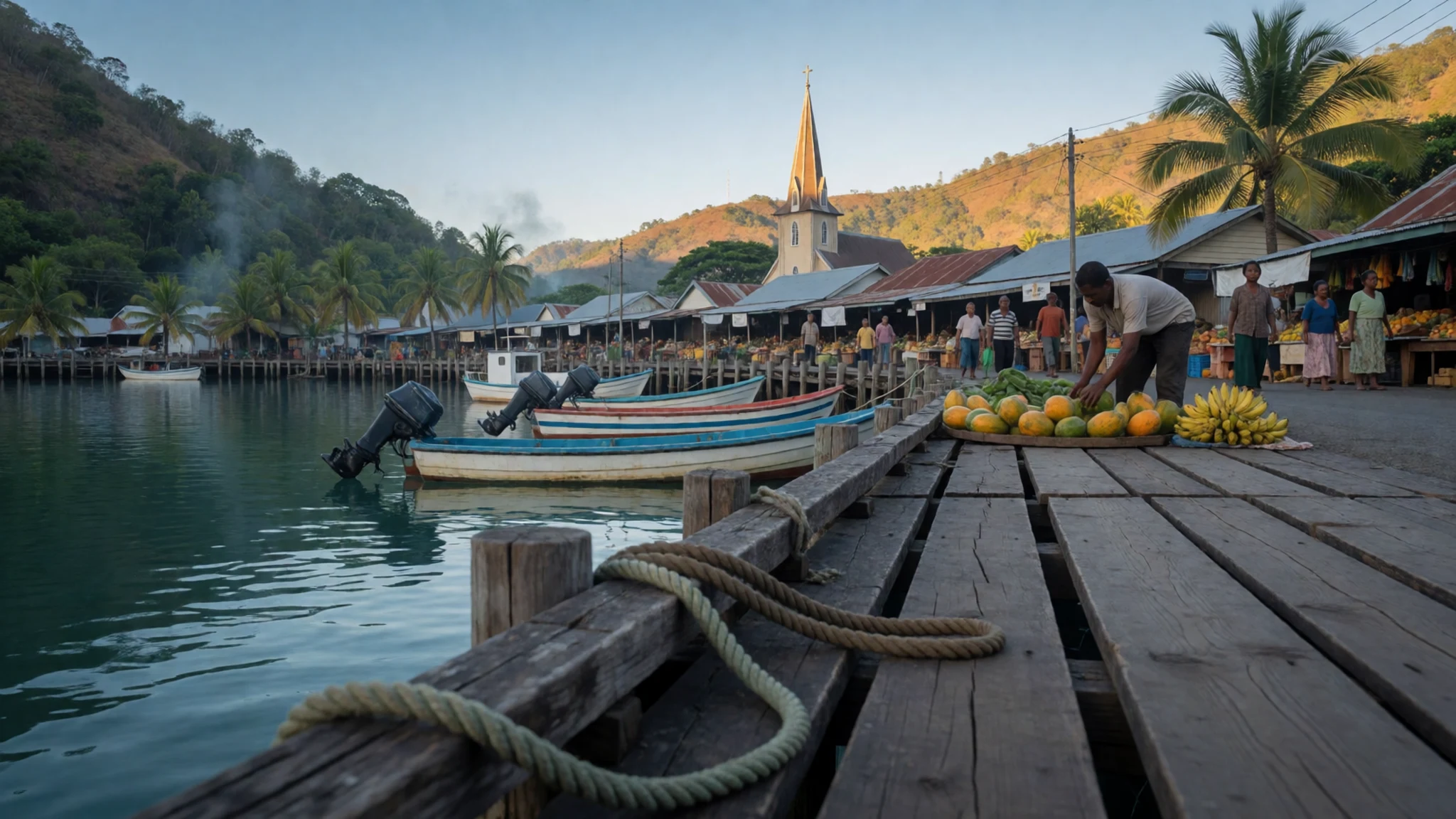
- Humpback whales — Channels and outer islands
Humpback whales use the waters around Vava'u in the cooler months, in the channels and just beyond the outer islands. Boats leave Neiafu for a day of watching, and crews cut the engine when animals are near so the hull simply drifts. This season is why travellers who care about whales choose these months. Guides decide the distance, and anyone in the water follows their word rather than approaching alone.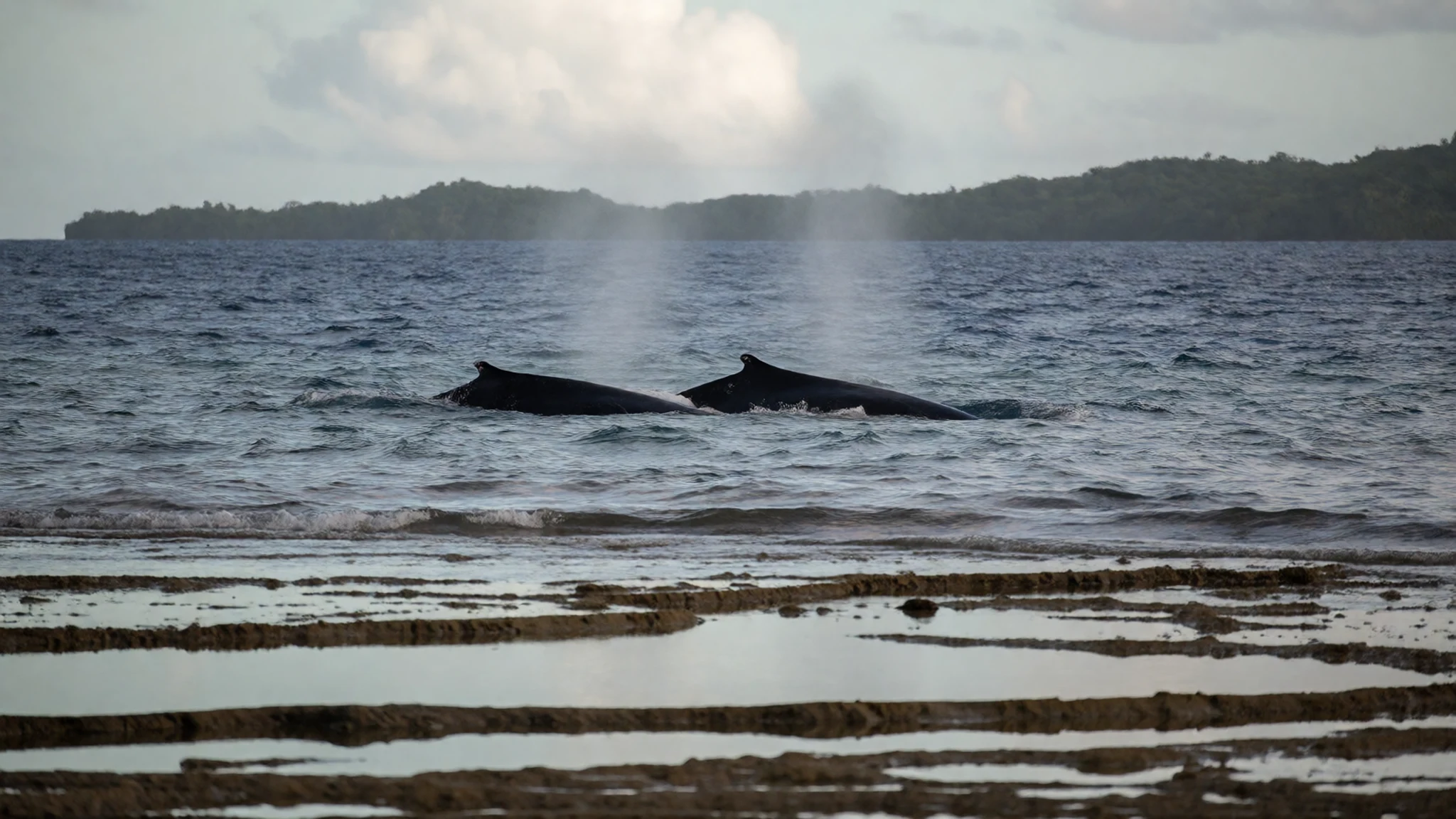
- Swallows Cave and Mariner's Cave — Limestone coast
Sea caves in the limestone of Vava'u are reached by small boat from Neiafu. Swallows Cave is the daylight chamber, where the water clears and sun falls to the sandy floor. Mariner's Cave asks for a swim through a tighter, darker opening. A local skipper, calm water and a willingness to get wet are what make the visit possible.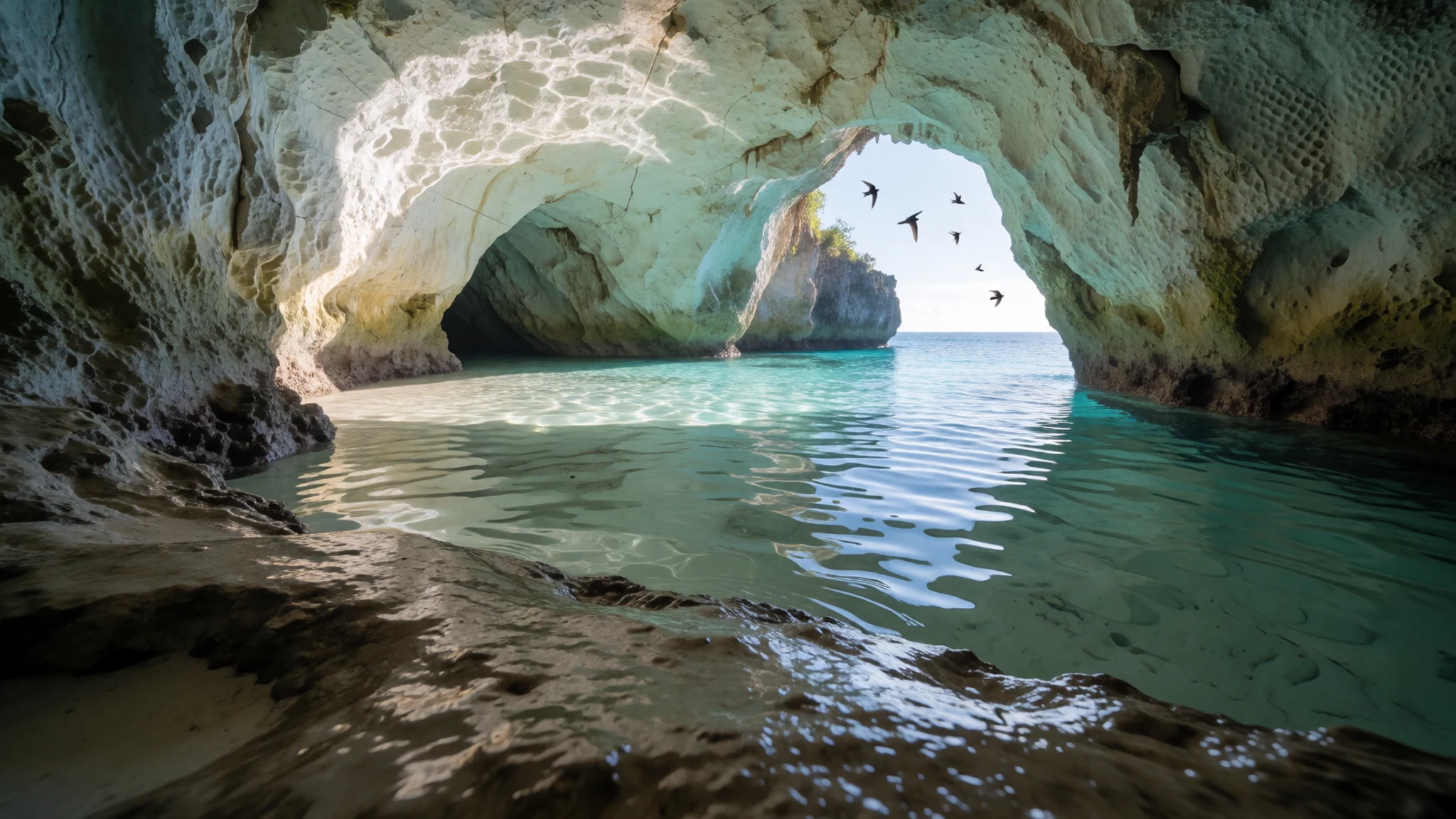
- Outer reefs — Reefs around the group
The reefs around Vava'u suit a slow snorkel or a guided dive. Coral heads and sandy channels hold reef fish and the small, brightly coloured nudibranchs often photographed in these waters. Visibility follows the wind and any recent rain. A guide picks the sheltered side of the group, and visitors keep fins and hands off the coral.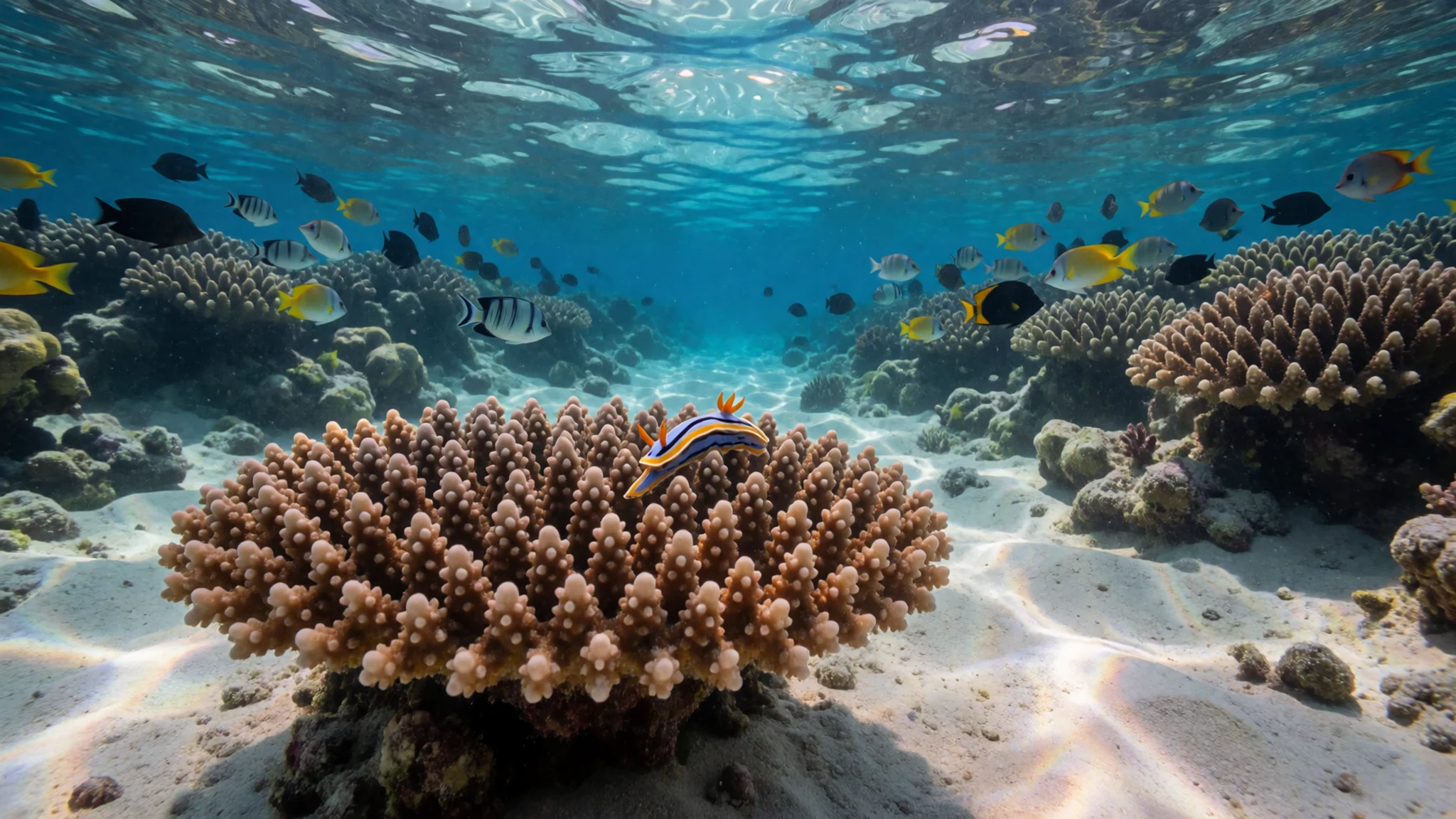
- Mount Talau — Ridge above Neiafu
Mount Talau above Neiafu is Vava'u's land outing, a short walk up from town to a lookout over the Port of Refuge and the islands beyond. The path is local rather than a managed park, so heat, slippery roots and a lack of shade matter more than distance. From the top the harbour's shape is obvious: a nearly enclosed bowl, with the Pacific only at the exits.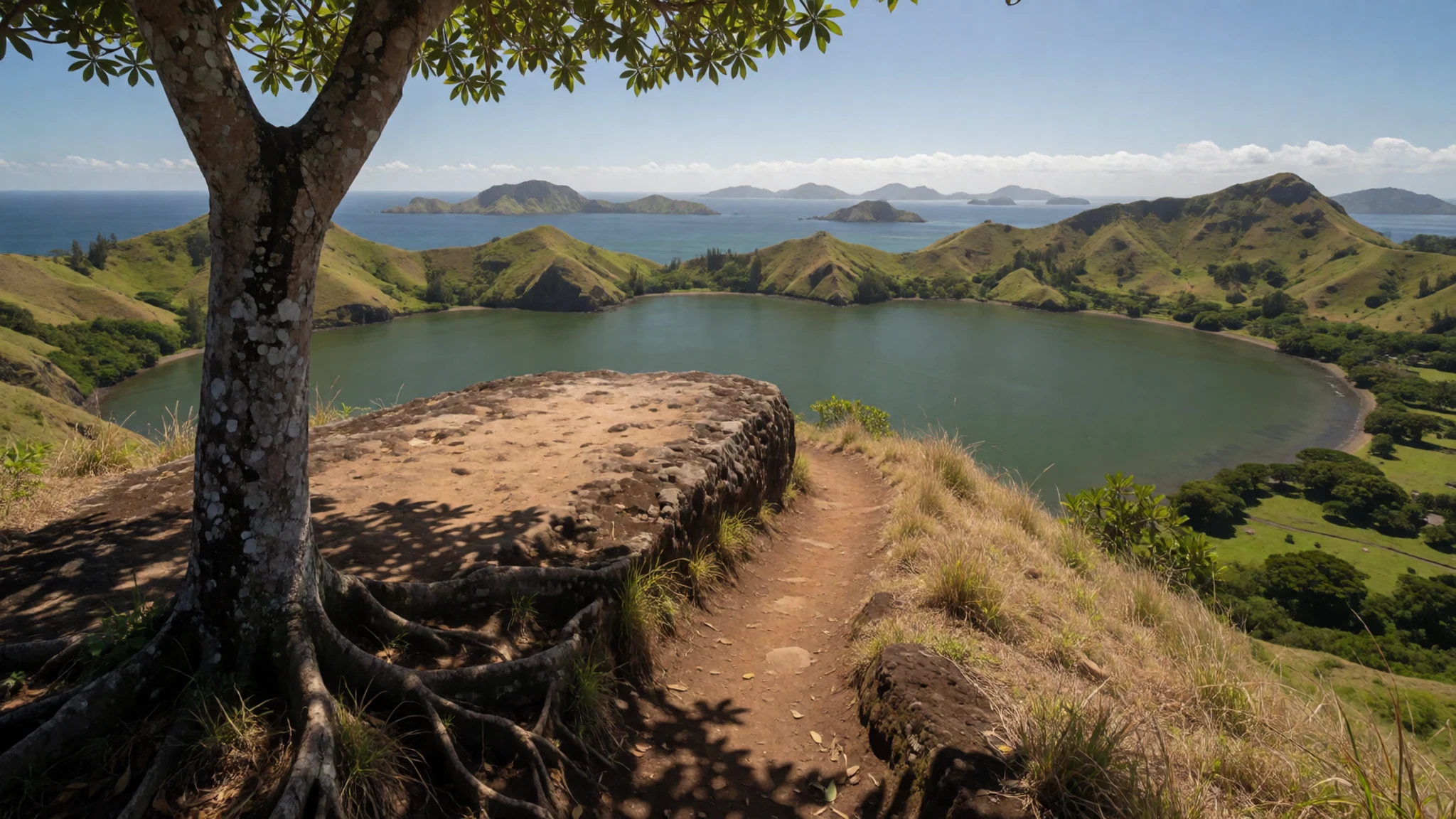
Culture
Vava'u shares the culture of the Kingdom of Tonga rather than a separate island identity. Family, church and respect for rank organise ordinary life. Children and elders are greeted, and it is normal to wait to be invited into a conversation rather than to start talking at full volume on a wharf. Sunday is the hinge of the week: shops and boats largely pause, people dress with care, and the morning belongs to church. Singing in those services carries well beyond the door, harmony from the congregation rather than a show arranged for visitors. Kava still belongs to ceremony and to social gatherings, served in a circle with a set order of who speaks and who receives the bowl. The ta'ovala, a woven mat worn over clothing at church, at formal occasions and often in daily work, signals respect. Beaches and bush in front of houses are part of village land, not a public park. A feast, when offered, is generous and unhurried, and tasting a little of what is served matters more than finishing a plate. Ask before you photograph people in Vava'u, and do not walk a village in swimwear.
What to wear
Dress in Vava'u follows Tongan custom, and the garment that matters is the ta'ovala, a mat of woven pandanus or hibiscus worn around the waist over other clothes. Women also wear the kiekie, a lighter waist garment of woven strips, often with decorative strands. They appear at church, at ceremonies, at official moments and, for many people, through an ordinary working day. Bark cloth, ngatu, is the other ceremonial textile: beaten from paper-mulberry bark, patterned in brown and black, and presented at weddings, funerals and formal gifts rather than worn as everyday dress. It is seen in ceremonies and sometimes in houses, not in the market as a costume.
Day to day, people in Neiafu wear practical tropical clothes: t-shirts, blouses, tupenu or long skirts, sandals. Church dress is modest and formal, with a ta'ovala or kiekie over a long skirt or tupenu, and shoulders covered. Bright reefwear stays on the boat.
Swimwear is for the beach and the deck, with a shirt and a wrap kept for any landing. In town, lightweight clothes that cover shoulders and knees read as polite, especially near churches. Footwear should cope with wet dinghies, rough coral paths and hot tarmac; reef shoes earn their space, and shoes come off when entering a home. The climate is hot and humid, with strong sun on the water, so breathable cloth, a hat and a cover for the shoulders matter more than anything smart.
What to eat
- 'Ota ika — Feasts and casual eateries around Neiafu
'Ota ika is Vava'u's raw-fish dish: fish cured in citrus, folded through coconut cream, with tomato, onion and a little chilli. Feasts and casual eateries around Neiafu serve it, as do cooks near the harbour. It is best the day it is made, coconut fresh and fish clean.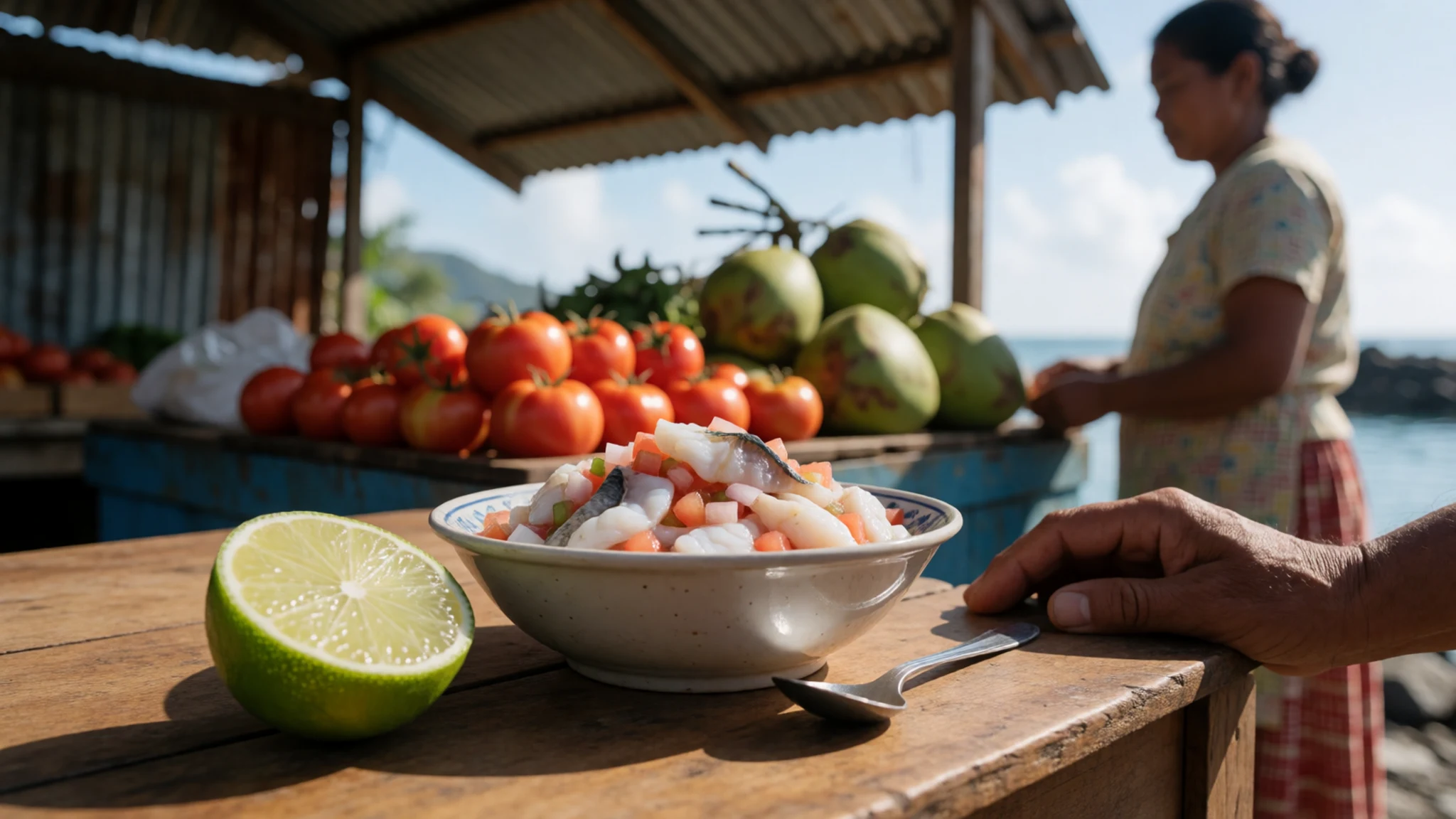
- Lu pulu — Feasts and home-style tables around Neiafu
Lu pulu wraps corned beef and coconut cream in taro leaves, then bakes the parcel until it is soft and rich. Around Neiafu it belongs to feasts and home-style tables, not to a quick harbour snack. It turns up when a church or family meal is shared.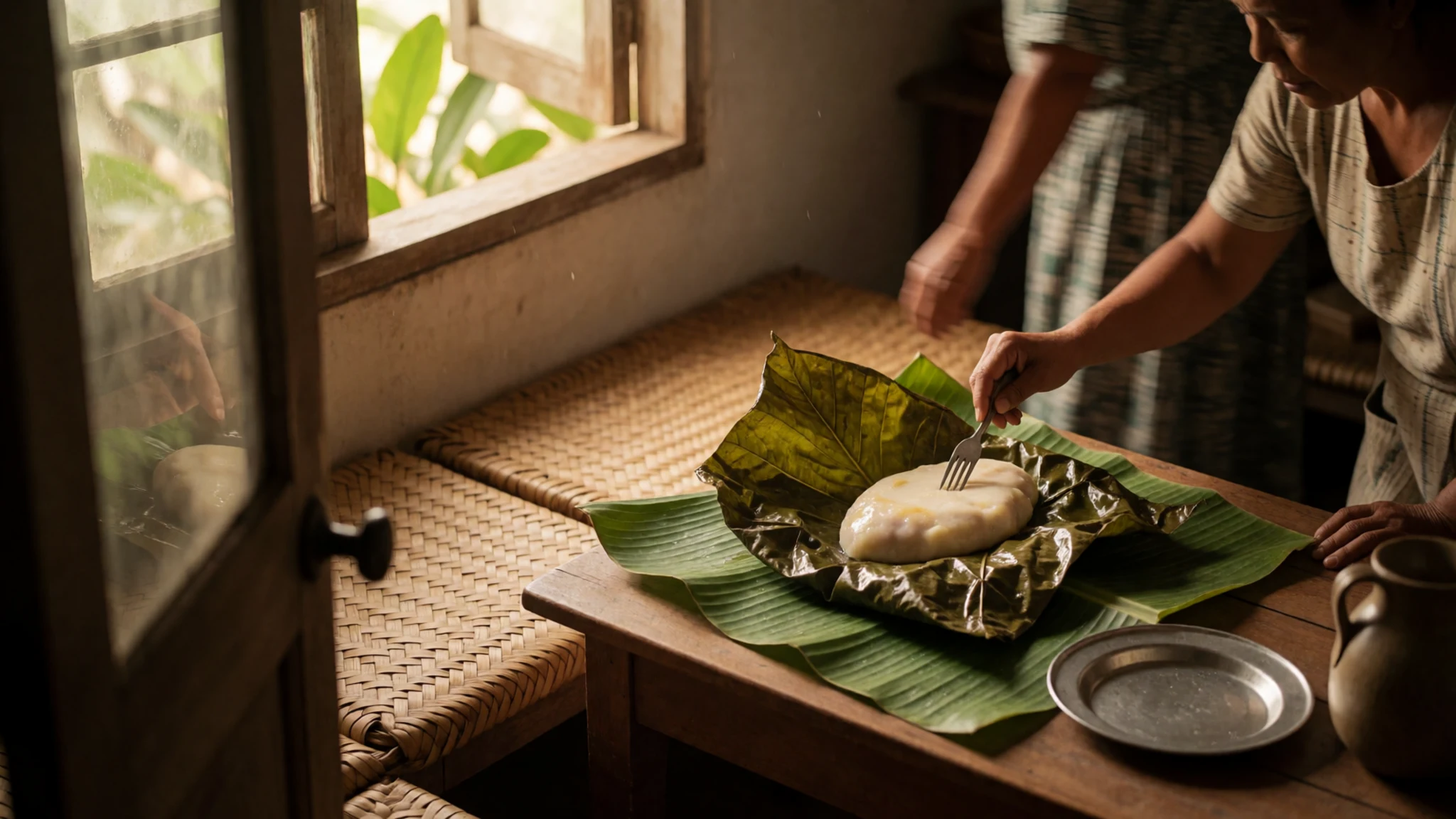
- Puaka — Feasts, church gatherings and family pola
Puaka, roast pig, is the centre of a feast in Vava'u, cooked until the skin crackles and the meat is shared across a crowd. It appears at celebrations, church gatherings and a family pola, the spread where many dishes arrive together, rather than as a weekday plate. - Otai — Homes, feasts and stalls near the Neiafu market
Otai is a cold drink of mashed fruit, usually watermelon or mango, mixed with coconut cream, and it suits a hot morning around Vava'u's harbour. Homes, feasts and stalls near the Neiafu market are where it appears. Fruit should lead, with coconut as a soft edge. - Grilled reef fish — Stalls and small eateries near the Neiafu waterfront
Grilled reef fish, simply salted and cooked over a flame, is everyday food in Vava'u when a feast is not on. Stalls and small eateries near the Neiafu waterfront, and village kitchens on the outer islands, serve it with cassava, taro or breadfruit.
Plan it
Best time. In Vava'u, June to October is the drier, slightly cooler stretch, and the time when humpback whales are usually in these waters. November to April is wetter and hotter, with a higher chance of tropical storms, so boat plans need more slack.
How long. a few days
Getting there. Vava'u is reached via Tongatapu. Travellers fly into the international airport there, then take a domestic flight to Lupepau'u, with a road transfer on to Neiafu. The inter-island ferry from Nuku'alofa is slower and arrives in the harbour itself. Schedules change, so the airline and the ferry operator need checking before a date is fixed.
Budget. mid
Tips
- Book a whale or sailing boat ahead during the cooler months, when skippers fill up.
- Treat Sunday as a quiet day, because many boats and shops pause for church.
- Carry some cash, since small stalls and village landings may not take cards.
- Start cave and snorkel outings in the morning, before the trade wind rises.
- Pack reef-safe sunscreen, a hat and more drinking water than a town day needs.
Etiquette
- Ask before photographing people, including at the market and on village shores.
- Take shoes off when entering a home, and keep swimwear for the boat and the beach.
- Stay seated and quiet near a kava circle, and let the guide set the distance to any whale.
Nearby
Sources
- Wikidata (CC0)
- Wikipedia: Vavaʻu (CC BY-SA 4.0)
- Wikivoyage: Vava'u (CC BY-SA 4.0)
Wildlife
- Humpback whale (animal)
The humpback is a huge whale with very long flippers, a bumpy head and a habit of leaping out of the sea, and the males sing long, winding songs. In Vava'u it visits during the cooler months, and boats leave the harbour to look for it in the channels and just beyond them. Go with a local guide, keep a respectful distance, stay calm and quiet on board, and never try to feed or touch these great animals.