Valencia
Valencia, Spain
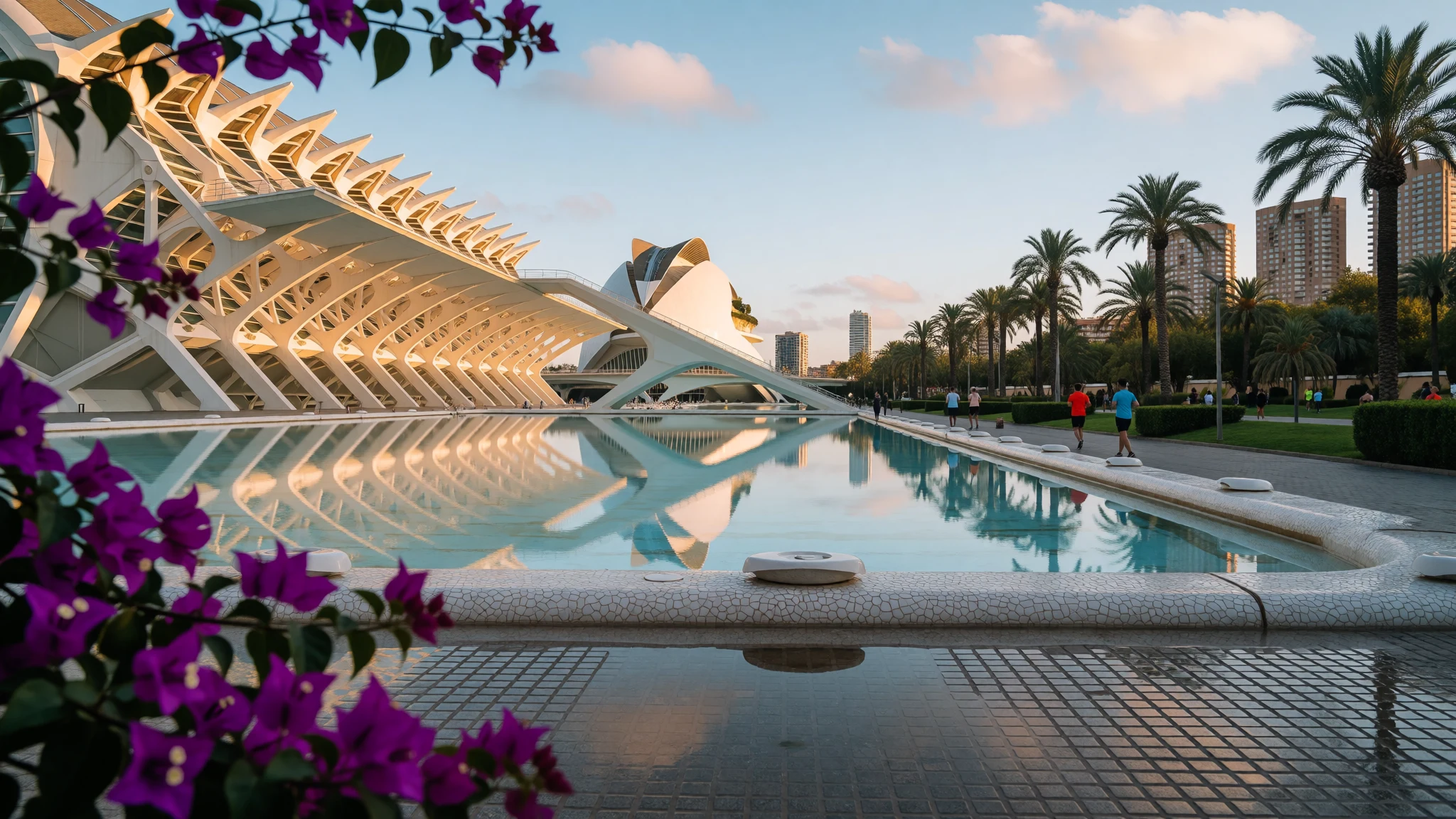
Valencia pairs a Gothic old centre and a long city beach with futuristic white architecture, rice dishes and a spring festival of fire.
The place
Valencia sits on Spain's Mediterranean coast, on the banks of the Turia, and is the capital of the Valencian Community. About 840,000 people live in the city itself, which makes it a mid-sized place by European standards, and the land is almost completely flat, with an elevation of about 15 metres. That suits walking and cycling, and the city leans into both.
The Turia no longer runs through the middle of town. Its old bed has become a long green park that curls around the historic centre, and the Ciutat de les Arts i les Ciències sits along its southern stretch. The old quarter, with its narrow lanes, squares and a medieval gate or two, lies on the north side of that green belt. Further east, the neighbourhoods open out towards the port and a wide sandy beach.
The city has two names in daily use. València is the Valencian form and appears on signs and official material; Valencia is the Spanish spelling. Both languages are heard on the street, and most visitors manage happily with either, or with English in the busier areas.
The urban area is home to about 1.6 million people and the wider metropolitan region to about 2.5 million, so there is plenty going on beyond the centre. Even so, the sights most visitors want are compact enough to link on foot or by metro, tram and hired bike. Summers are hot and humid, while winters are mild, which is why the city works for much of the year and not only in high season.
Its story
Valencia began life as a Roman colony, planted in 138 BCE under the name Valentia Edetanorum. When imperial administration faded, the Church filled the gap, and the city later passed to the Visigothic kingdom. That period lasted from 546 to 711, shortly before the Moors arrived and took the city around 714.
The Islamic centuries reshaped the surrounding land. New irrigation systems and crops arrived, turning the plain into the market garden it still partly is. The city was known in Arabic as Balansiya, and for a time it also went by Madinat al-Turab, a name meaning city of earth or sand. After the collapse of central authority in al-Andalus, it became the seat of an independent small kingdom, the Taifa of Valencia.
Christian conquest by the Aragonese in 1238 made it the capital of the Kingdom of Valencia, part of the wider Crown of Aragon. Trade with the rest of the peninsula, with Italian ports and with other Mediterranean harbours brought money and confidence. By the end of the fifteenth century it counted among the larger cities of Europe, and many of the grand civic buildings that survive were built on that wealth.
The Turia's later diversion, the long green park and the modern white architecture of the south all belong to more recent chapters. What a visitor sees today is layered: Roman foundations under the museum, medieval gates and halls above, and twenty-first-century curves along the old riverbed.
What to see
- Ciutat de les Arts i les Ciències — Southern end of the Turia gardens
Santiago Calatrava and Félix Candela designed this cluster of white, curving buildings on the former riverbed. It is best seen twice: in daylight for the scale and the reflecting pools, and after dark when the lighting turns the water into a mirror. Check the official sites for entry details.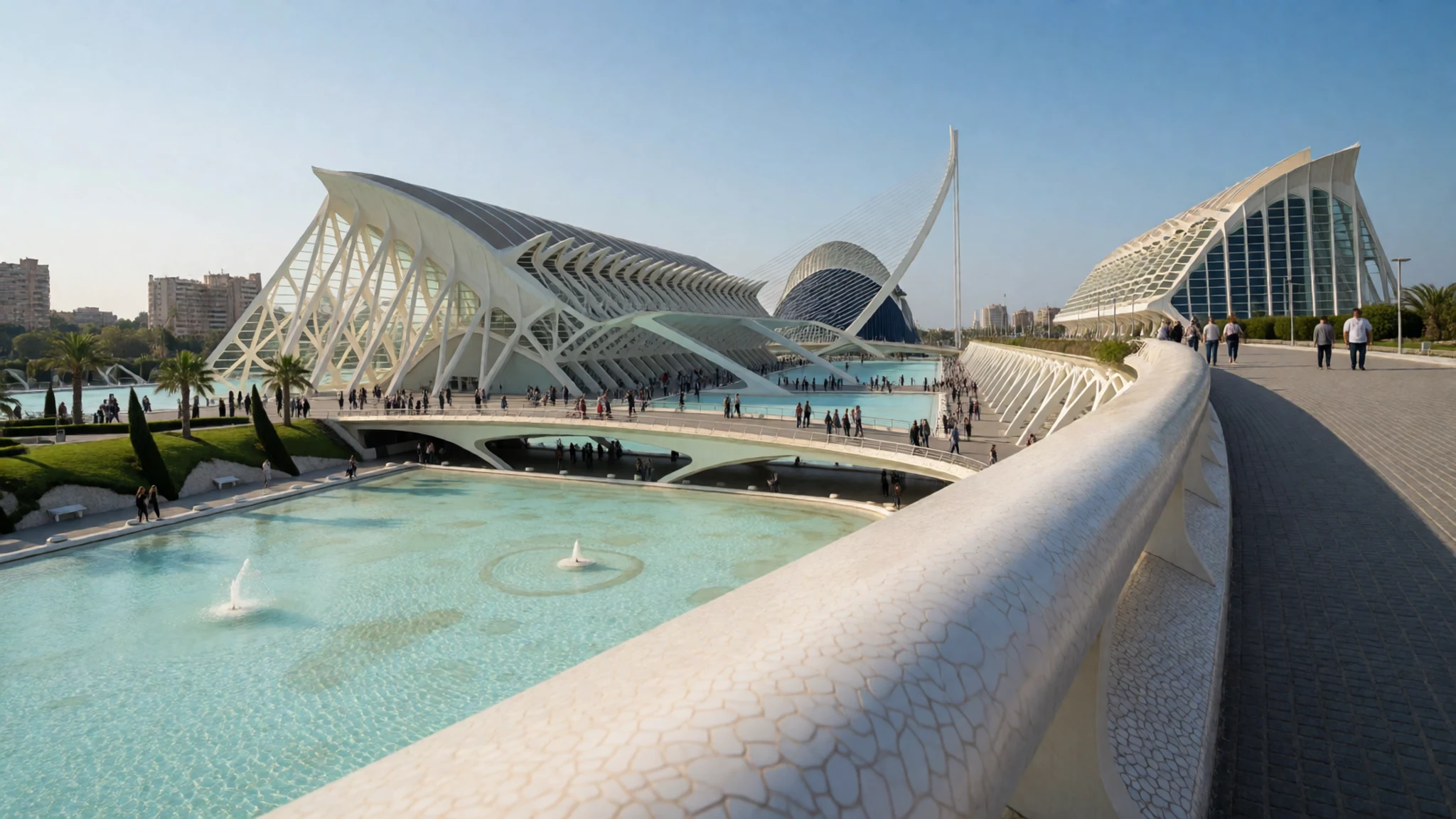
- L'Oceanogràfic — Ciutat de les Arts i les Ciències
An oceanarium with sections devoted to different marine and ecological zones, housed in buildings by Félix Candela shaped like a water lily. It is a good wet-day option and works well for families. Expect queues at weekends and school holidays, and book ahead through the official site.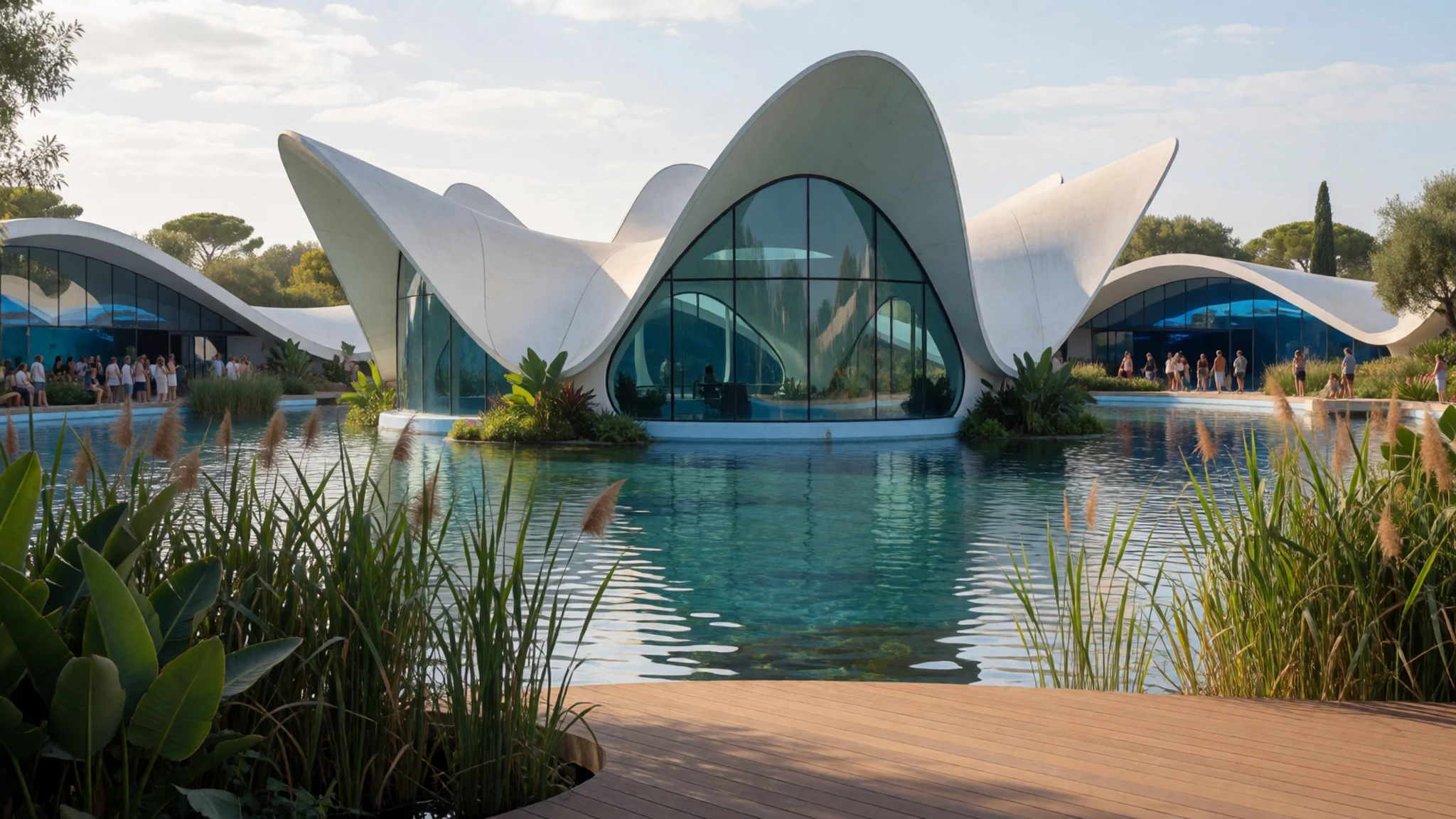
- Torre del Micalet (Miguelete) — Old town, beside the cathedral
Climbing the cathedral's bell tower gives a rooftop view across the old town, the terracotta tiles and, on a clear day, out towards the sea. The stairs are narrow and the space at the top is limited, so go early and be ready to wait.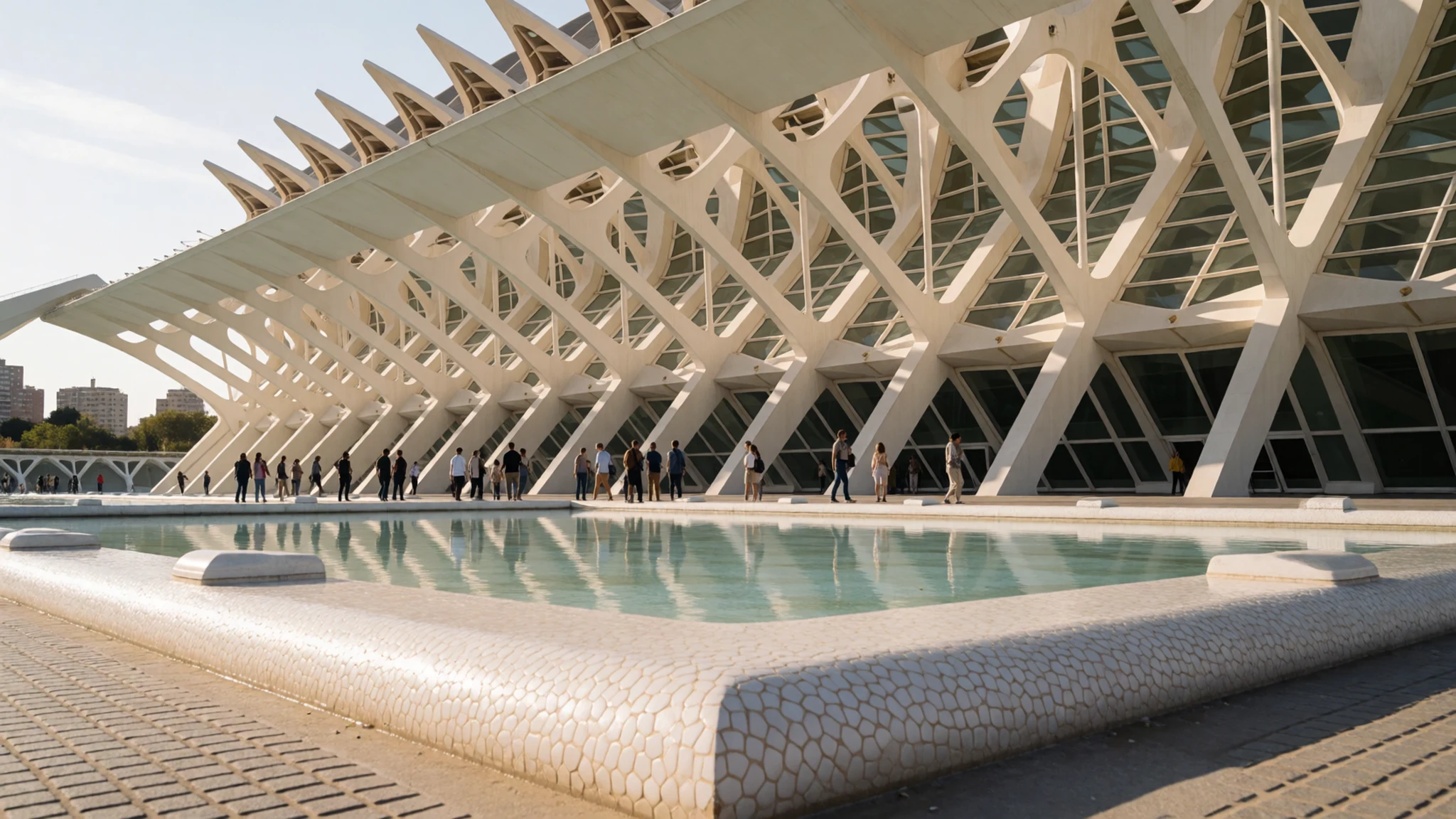
- Llotja de la Seda — Old town, near the Central Market
The old silk exchange is a late Gothic trading hall, with a large room whose twisting stone columns rise like palm trunks to the vault. It is a reminder of the commercial confidence of the fifteenth century. Check the official site for opening times.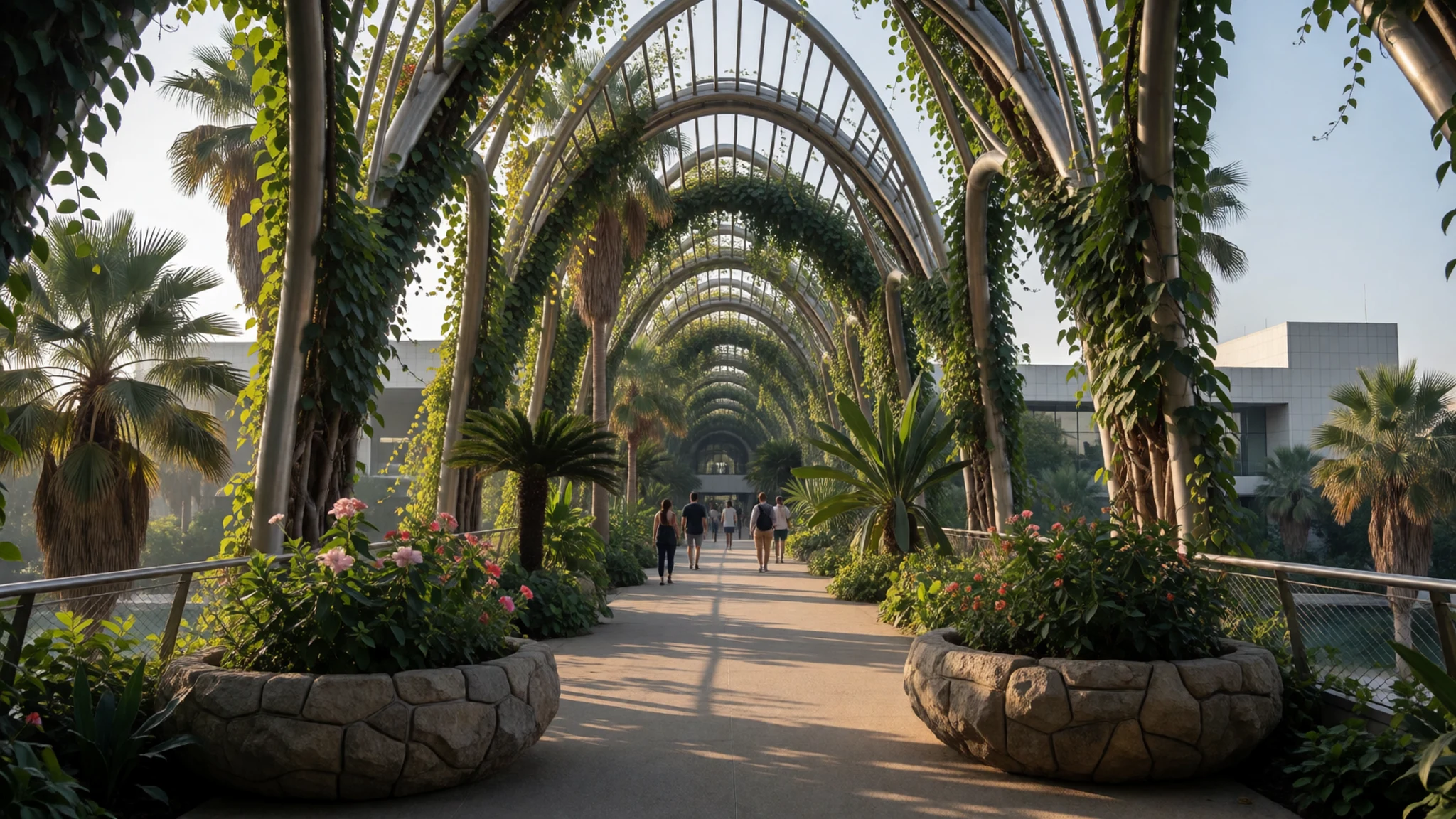
- Torres de Serranos — Northern edge of the old town
This medieval fortified gate once guarded the northern entrance to the walled city. Its crenellated towers frame the road in from the Turia gardens, and the upper level offers a modest view of the rooftops. It is an easy stop on a walk through the old town.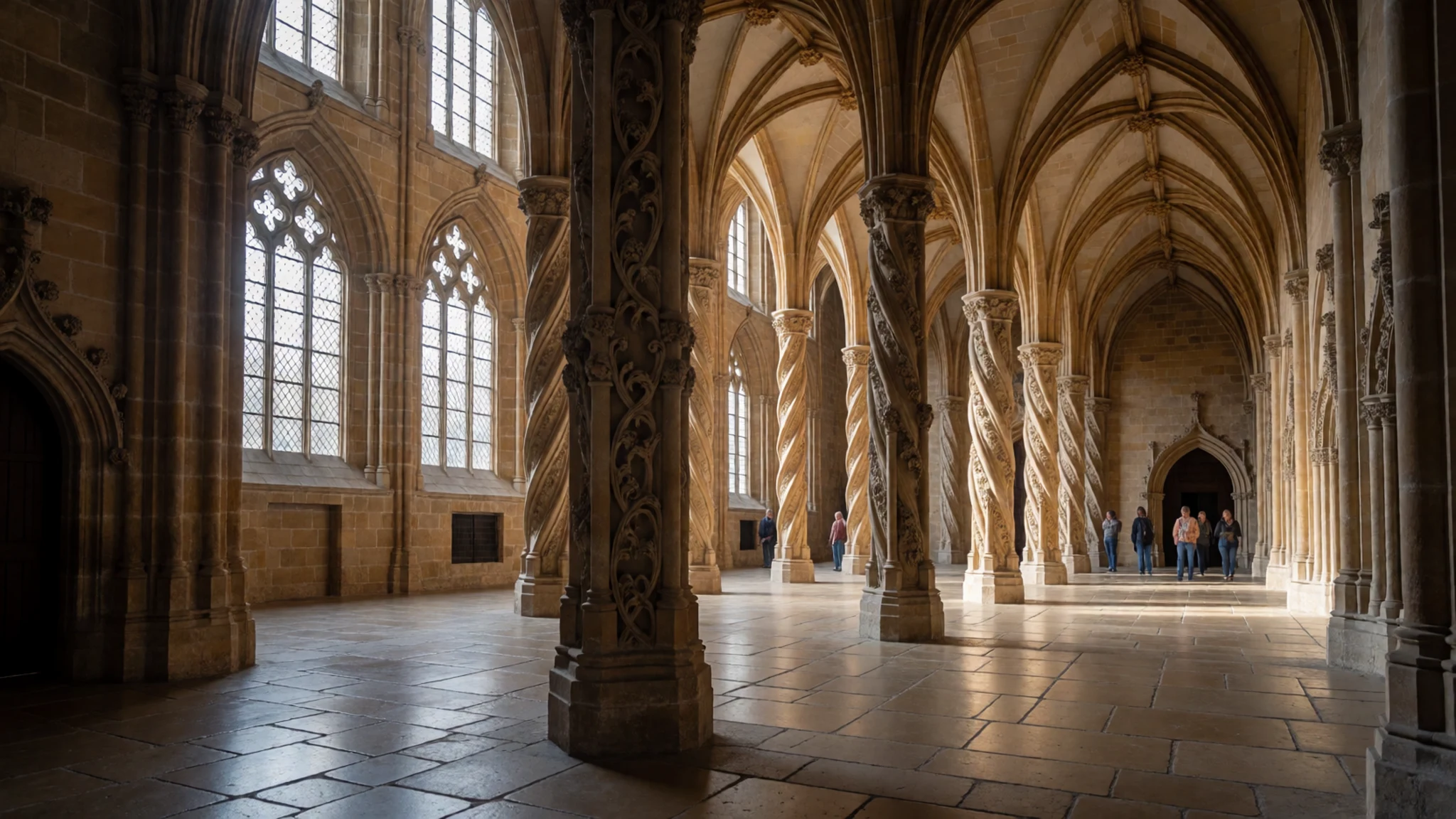
- Museu d'Història de València — North-west of the centre, near the Turia gardens
This history museum tells the city's story from its Roman origins onward, with displays that include a mosaic showing a Medusa. It is a calm counterweight to the modern architecture in the south and helps make sense of the layers of the old centre.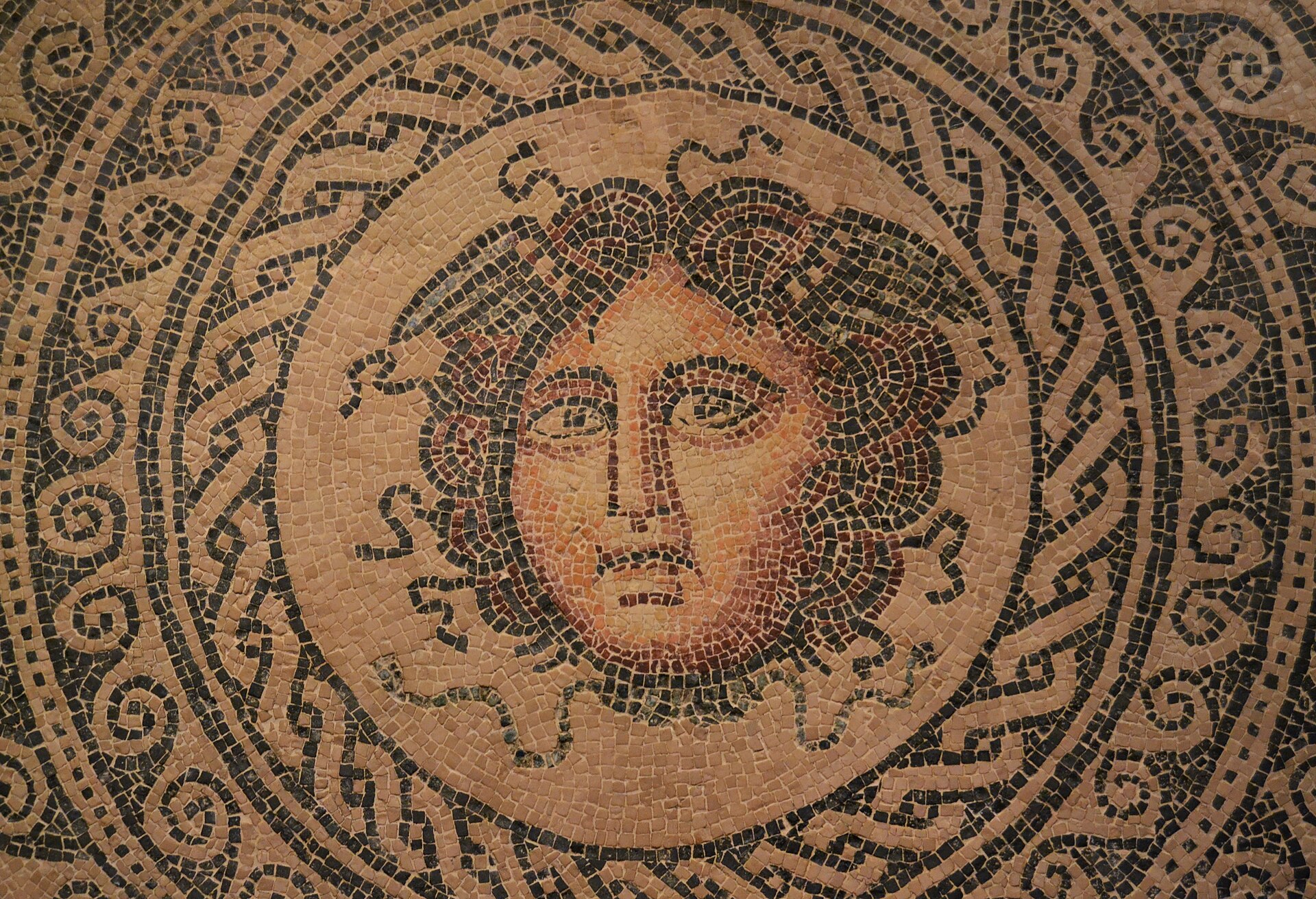
Culture
Valencia is known across Spain for the Falles, a festival held in March in which neighbourhoods build large satirical figures that are later burned. Streets fill with music, fireworks and processions, and the city is loud and crowded for days. Many locals love it; some leave town.
Holy Week is another high point of the year, with Catholic processions that are counted among the more colourful in the country. Brotherhoods carry sacred images through the streets, often accompanied by drums and brass bands.
Music runs deeper than festivals. Brass and wind bands are a local passion, and almost every town in the region has one. Since 1886 the city has hosted an international contest for wind orchestras and concert bands each year, which shows how seriously the tradition is taken.
Two languages shape daily life. Valencian, a form of Catalan, sits beside Spanish on signs, in schools and in conversation. A few words of greeting in either are welcome, though staff in busy areas will switch to English without fuss.
Ceramics and fine craftsmanship in traditional dress are part of the local pride, and the city's architecture, from medieval halls to glassy modern buildings, is a point of civic identity. Meals tend to be late and unhurried, and lunch is the main event of the day.
During festival nights, keep a respectful distance from the fireworks and the burning figures, and follow the barriers and the instructions of the marshals.
What to wear
Valencia's traditional dress is best known from the Falles and other festivals. Women wear the espolín-style gown, made of silk woven on small hand looms with floral patterns in brocade, with elaborate hair arranged in coils and decorated with combs and pins. Men wear a short jacket, a sash, loose white trousers and a headscarf. This dress is worn mainly on festival days and for processions, and making it is still a skilled craft in the region.
On an ordinary day, Valencians dress smartly casual. Linen, cotton and light layers dominate, and trainers and sandals are everywhere. In the old town you will see tailored shirts and dresses on people heading for a long lunch, while the beach districts are far more relaxed. In winter, a jacket or light coat is enough.
Visitors should dress for heat and for walking. Choose breathable fabrics, a hat and sunscreen in summer, and comfortable shoes with grip, because the old-town paving is uneven and can be slippery after rain. Beachwear belongs on the sand, not in the streets or in restaurants. For the cathedral and other churches, cover shoulders and knees. An extra layer helps in air-conditioned museums and on evenings by the sea, which can be breezy outside the hottest months.
What to eat
- Paella valenciana — Paella restaurants in the old town and along the beachfront
The classic rice dish, cooked in a wide pan, usually with chicken and rabbit. Seafood versions also exist, but locals tend to treat the meat version as the original. It is traditionally a lunchtime meal, so eat it then.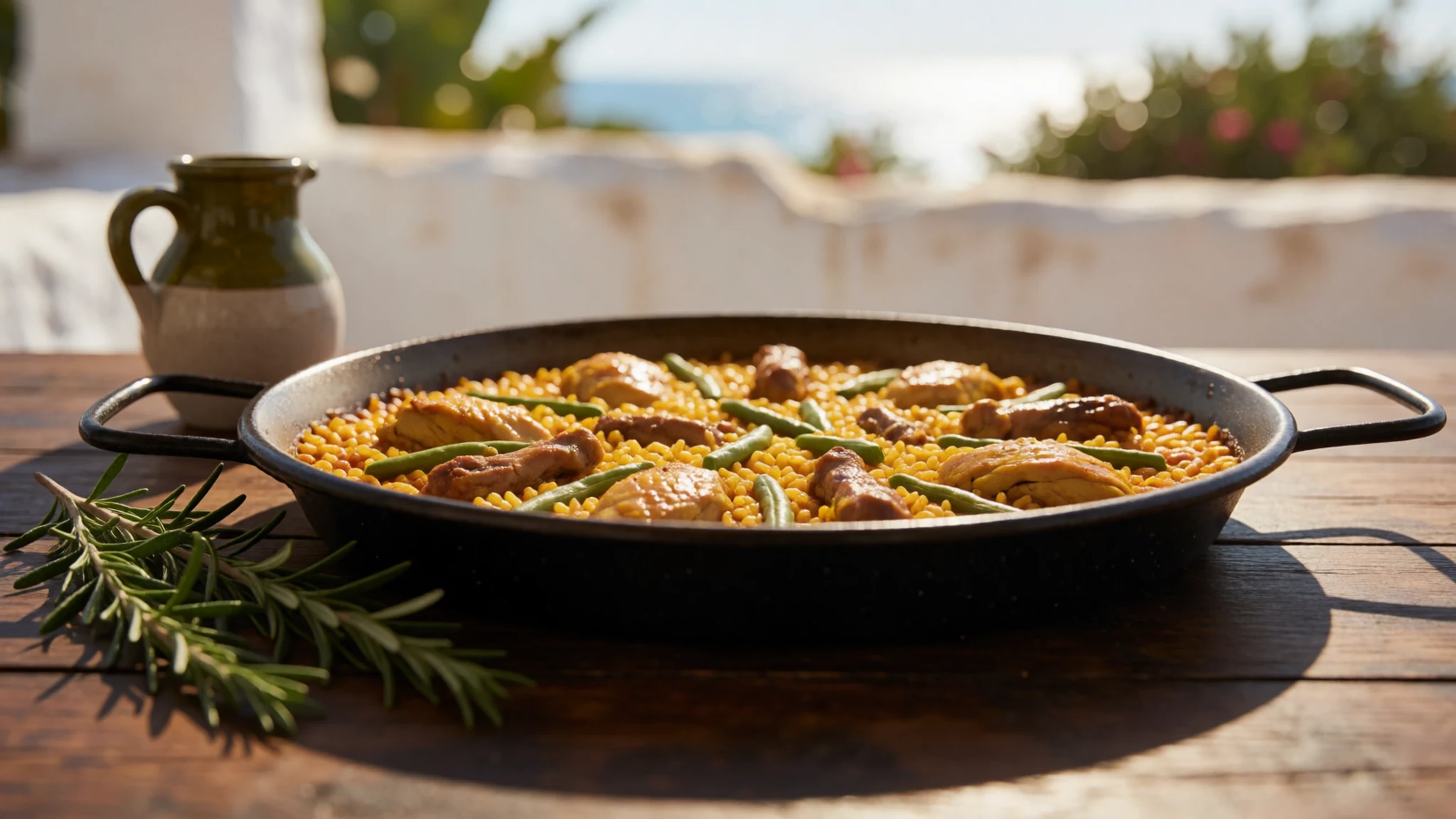
- Arròs a banda — Seafood restaurants near the port and the beach
Rice cooked in fish stock and served on its own, usually with alioli on the side. It is a lighter, cleaner-tasting cousin of paella and a good choice for anyone who prefers seafood flavours.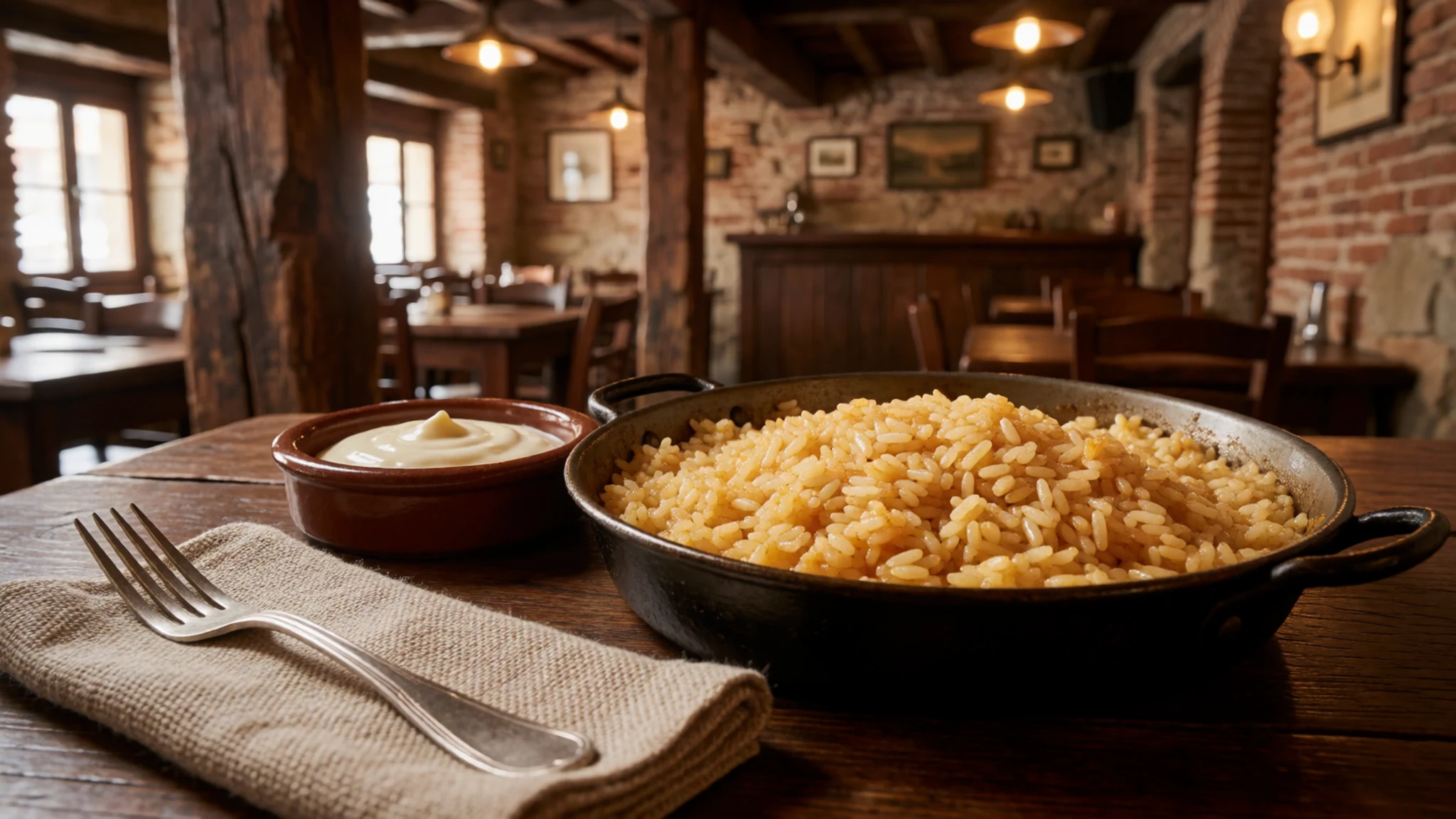
- Arròs negre — Rice restaurants in the beach neighbourhoods
A black rice dish coloured with squid ink and cooked with squid or cuttlefish, peppers and paprika. It is rich and savoury, and the alioli served beside it cuts through the depth. - Fideuà — Paella restaurants across the city
A paella-like dish made with short noodles instead of rice, cooked with fish. It was invented in nearby Gandía and appears on the menus of most paella restaurants. Worth trying for a change of texture. - All i pebre — Restaurants in the Albufera villages, a short trip south of the city
A traditional stew of eel, a fish typical of the Albufera lagoon near the city. It is rich, peppery and deeply local, and best eaten in the villages around the lagoon, where the dish originated.
Plan it
Best time. April–June and October, when the days are warm and the beach and gardens are pleasant. March brings the Falles, which is vivid but crowded and noisy. July and August are hot and humid, so plan indoor stops and early starts.
How long. 2–4
Getting there. Valencia Airport has a metro link to the centre that runs every few minutes and reaches the main station, Estación del Norte, in about twenty minutes. Buses and taxis also serve the airport. Once in the centre, most sights are reachable on foot, by metro or by bike.
Budget. mid
Tips
- Book the Ciutat de les Arts i les Ciències attractions and the Oceanogràfic ahead through their official sites
- Start the Miguelete climb and the old town early to avoid queues and heat
- Eat paella at lunchtime, when it is freshest and most traditional
- Carry water and a hat in summer, and use the shade of the Turia gardens
- Check the official city site, valencia.es, for festival dates and closures
Etiquette
- Cover shoulders and knees in the cathedral and other churches
- Keep behind barriers and follow marshals during Falles fireworks
- Greet staff in Spanish or Valencian before switching to English
Nearby
Sources
- Wikidata Q8818 (CC0)
- Wikipedia: Valencia (rev 1385859900) (CC BY-SA 4.0)
- Wikivoyage: Valencia (rev 5421033) (CC BY-SA 4.0)
- Vue sur la ville depuis la Tour du Miguelete — Nicolas Vollmer (CC BY 2.5)
- Ciutat de les Arts i les Ciències at night — William Warby (CC BY 2.5)
- Serranos Gate — Diego Delso (CC BY-SA 4.0)
- Malvarrosa Beach — Boris Dzhingarov (CC BY 2.5)
- Llotja de la Seda — Francesco Bini (CC BY-SA 4.0)
- City hall, Valencia — Diego Delso (CC BY-SA 4.0)
- Nou Mestalla Stadium area — Areyes108 (CC BY-SA 4.0)
- Museu d'Història de València, Medusa mosaic — Joanbanjo (CC BY-SA 4.0)


Wildlife
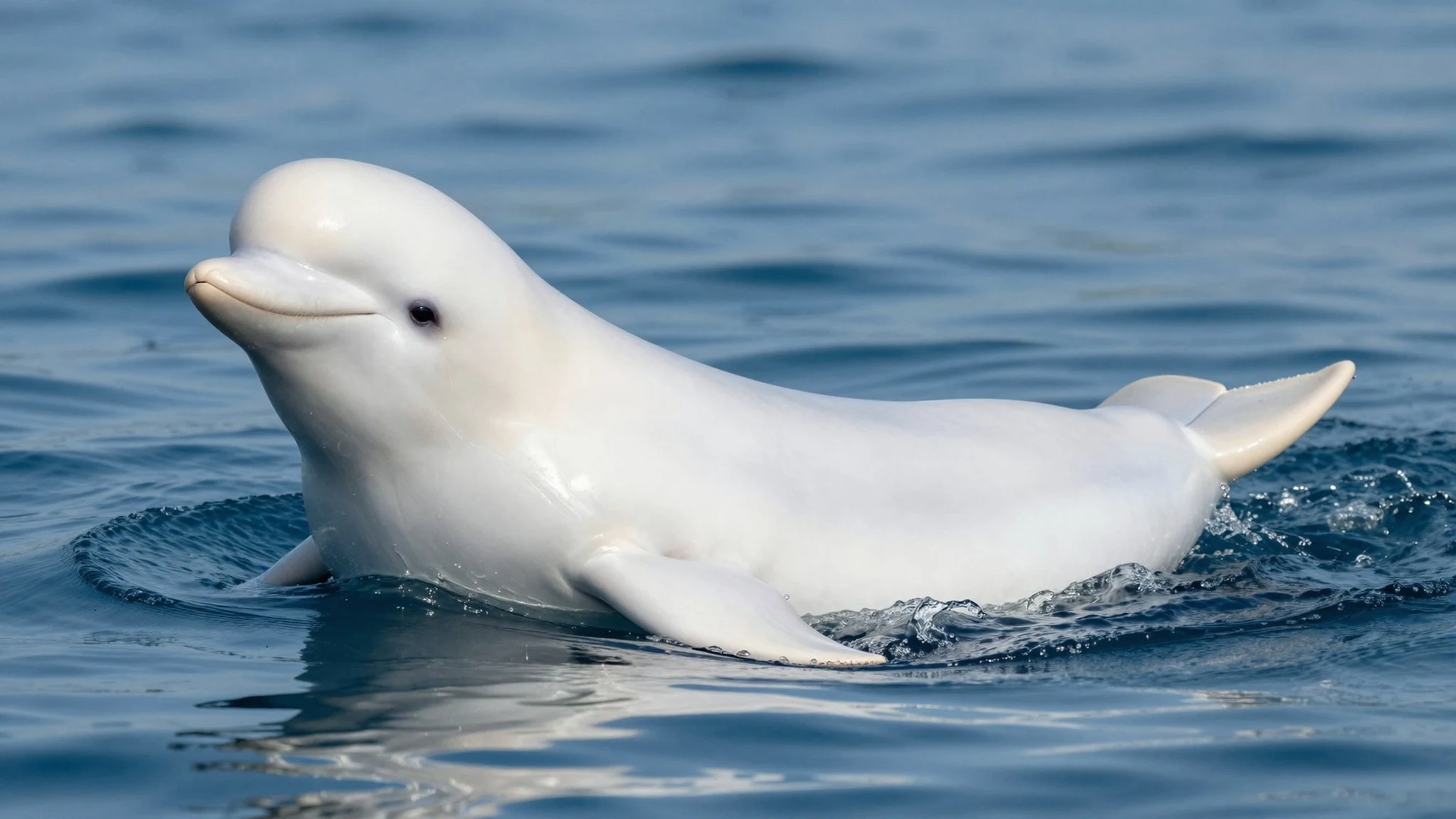
- Beluga whale (animal)
The beluga is a pale whale from chilly northern seas, nicknamed the sea canary because it sings in high, whistling calls. In Valencia you can meet belugas in one of the city's aquatic pavilions, where glass tunnels let you stroll beneath sharks, rays and whales as if you were walking along the seabed. Walk slowly, keep your voice low so you can listen for those calls, follow any staff guidance, and never tap the glass or offer food to the animals.