Utila
Utila, Honduras
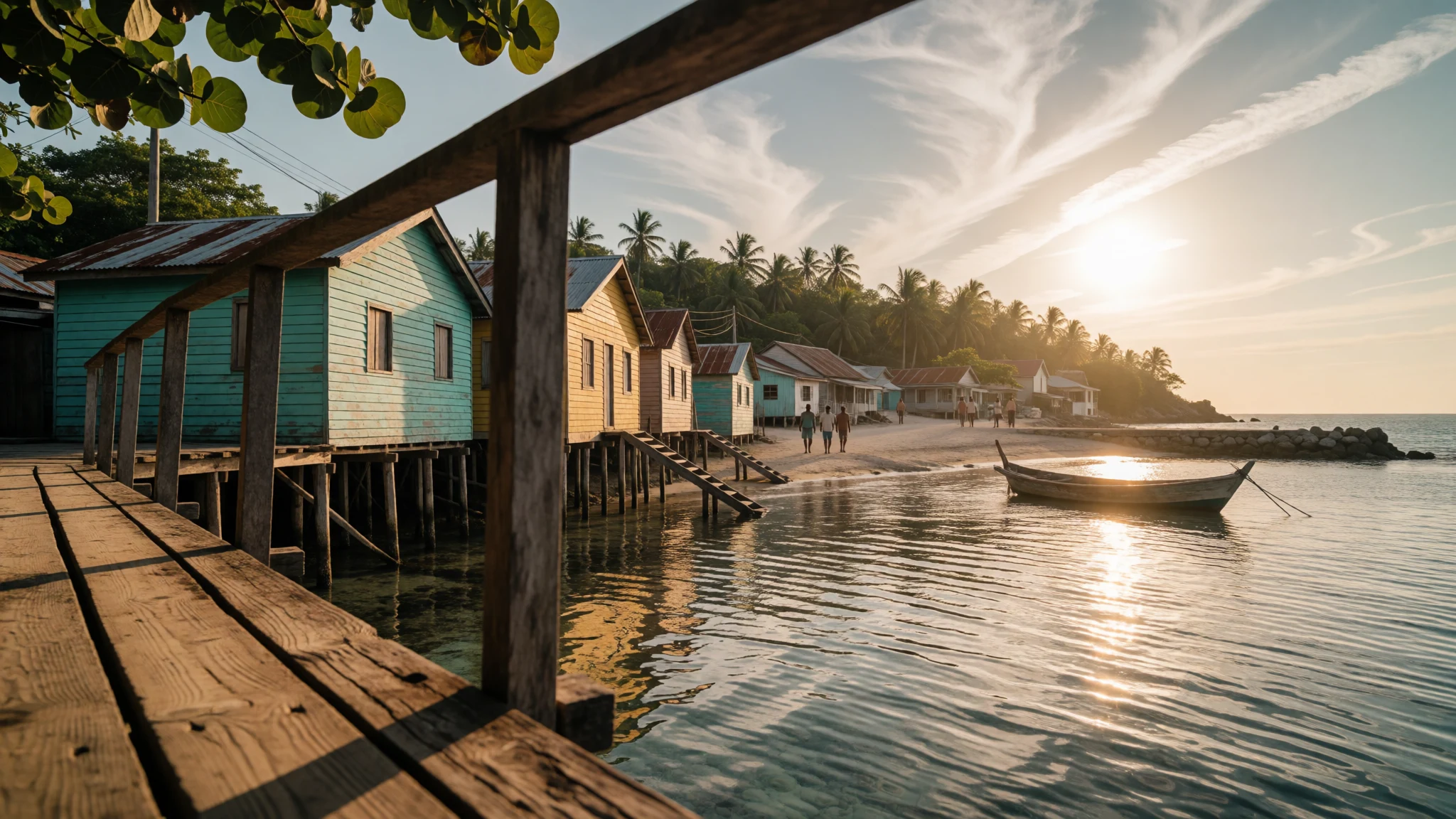
Utila is a small Bay Island where coral starts at the beach and the town is still a walkable harbour.
The place
Utila is a low Caribbean island in the Bay Islands of Honduras, close enough to the reef that swimmers leave the beach and meet coral within a short paddle. The main settlement is a compact harbour town of wooden houses, small docks and one principal road. Traffic on that road is local and light: a handful of old pickup trucks serves the island, and the street rarely feels like a city. Daily life sits on the water. The public beach is known for water that stays calm, while Big Rock Beach offers a rougher mix of sand, stone and open sea. An outhouse standing on posts over the shallows is hard to miss, a plain sign of how the shore is used. Underwater, fan corals ring the island, and a first look at the reef does not require a distant boat ride. Nurse sharks belong to this water; divers and snorkellers encounter them around the island as part of an ordinary outing. On land the scale stays human. Roads are short, the interior is low trees and scrub, and the skyline is masts, roofs and cloud. Older wooden buildings along the road, among them a historic place known as the Munchies building, give the town a weathered, practical look. Shops, dive operations and simple eateries share those same streets, so the harbour is both workplace and evening gathering point. Heat and humidity are the climate a visitor actually feels, with a stormier season when small boats wait on the weather and a calmer season when the public shore is at its easiest.
Its story
Utila's story is the story of a small Bay Island that has always faced the sea. Indigenous seafarers used these cays long before European charts gave them a colonial name, fishing the reef and moving between the islands and the Central American shore. Spanish voyages later brought the coast into an imperial map, yet the islands stayed a thin, contested edge rather than a great port. British settlers, traders and privateers found the same usefulness: a sheltered Caribbean foothold, close to shipping lanes and far from firm control. Families with roots in the Cayman Islands and the wider British Caribbean built wooden houses, kept boats and passed on an English-speaking island life that still shapes how the town sounds. The streets have never carried only one language. Bay Islands English shares them with Spanish spoken by mainland Hondurans who came for fishing, trade and work. Garifuna communities across the bay tie this coast to an Afro-Indigenous Caribbean history, even where the harbour itself feels like a dive town. Dive training and snorkelling then drew people who stay longer than a day trip. Fan coral and nurse sharks in the near shore became a reason visitors know Utila beyond Honduras. The older island is still visible. The road is shared with a handful of old pickup trucks, the public beach remains a local shore, and weathered wooden buildings still mark the harbour. Fishing, migration and Honduran rule lead into a late chapter in which the sea is both classroom and wage. People still move boats, sell the catch and watch the weather from the same short streets.
What to see
- Utila Town — East Harbour
Utila Town, often called East Harbour, is the island's compact waterfront and the place almost every arrival ends. Wooden houses, small docks and dive shops share a short grid off the main road. A historic wooden building known as the Munchies stands on that road, with only a handful of old pickup trucks for traffic. Boats leave in the morning, and the streets fill again when divers and fishers return.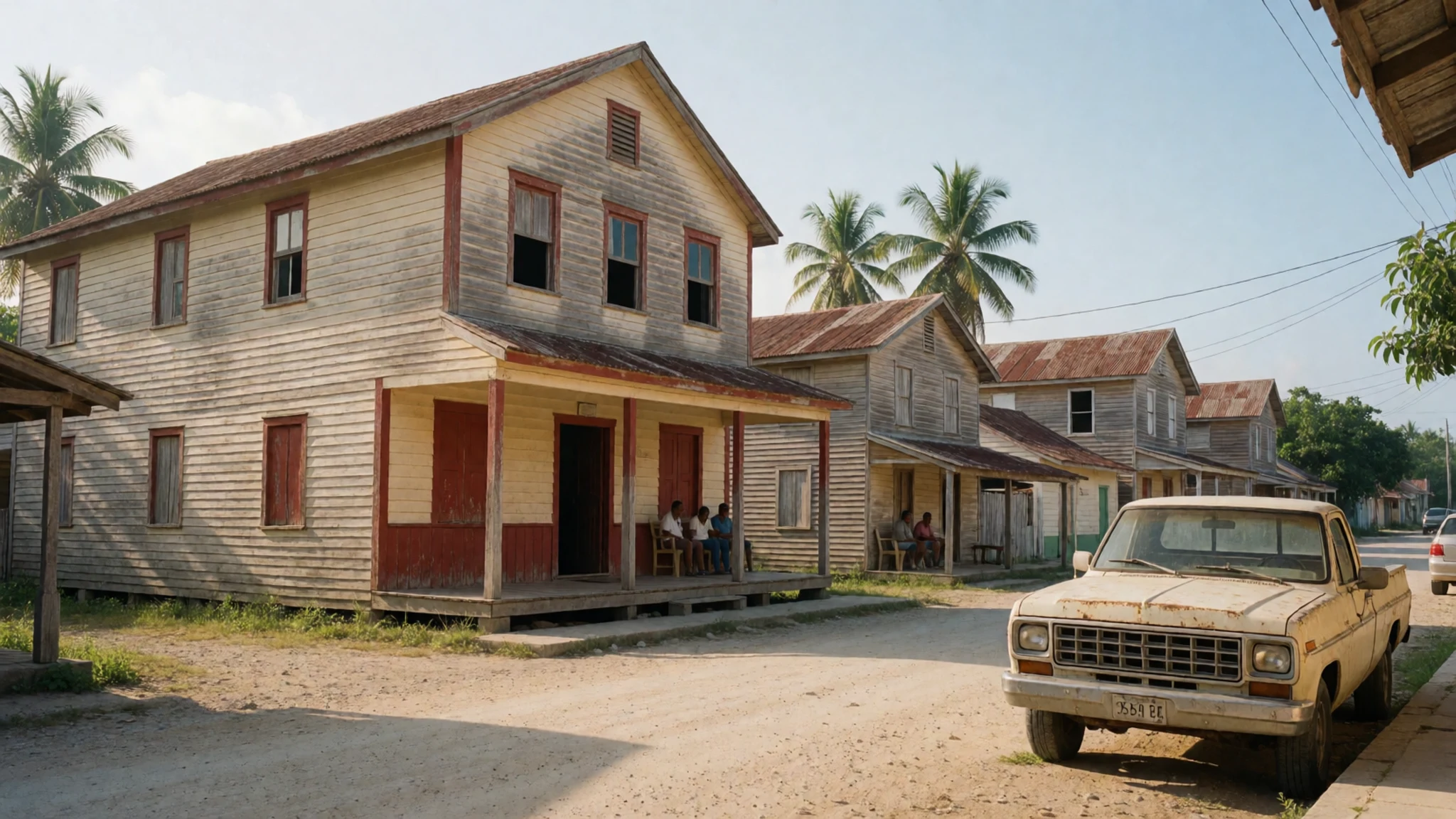
- Public Beach — Public Beach
The public beach on Utila is a local shore, and its reputation is for water that stays calm. Swimmers wade in from pale sand with the town still close behind them. Shade, a few simple structures and the open Caribbean make up the scene, without a resort frontage. People come for an unhurried hour in water that does not need a boat.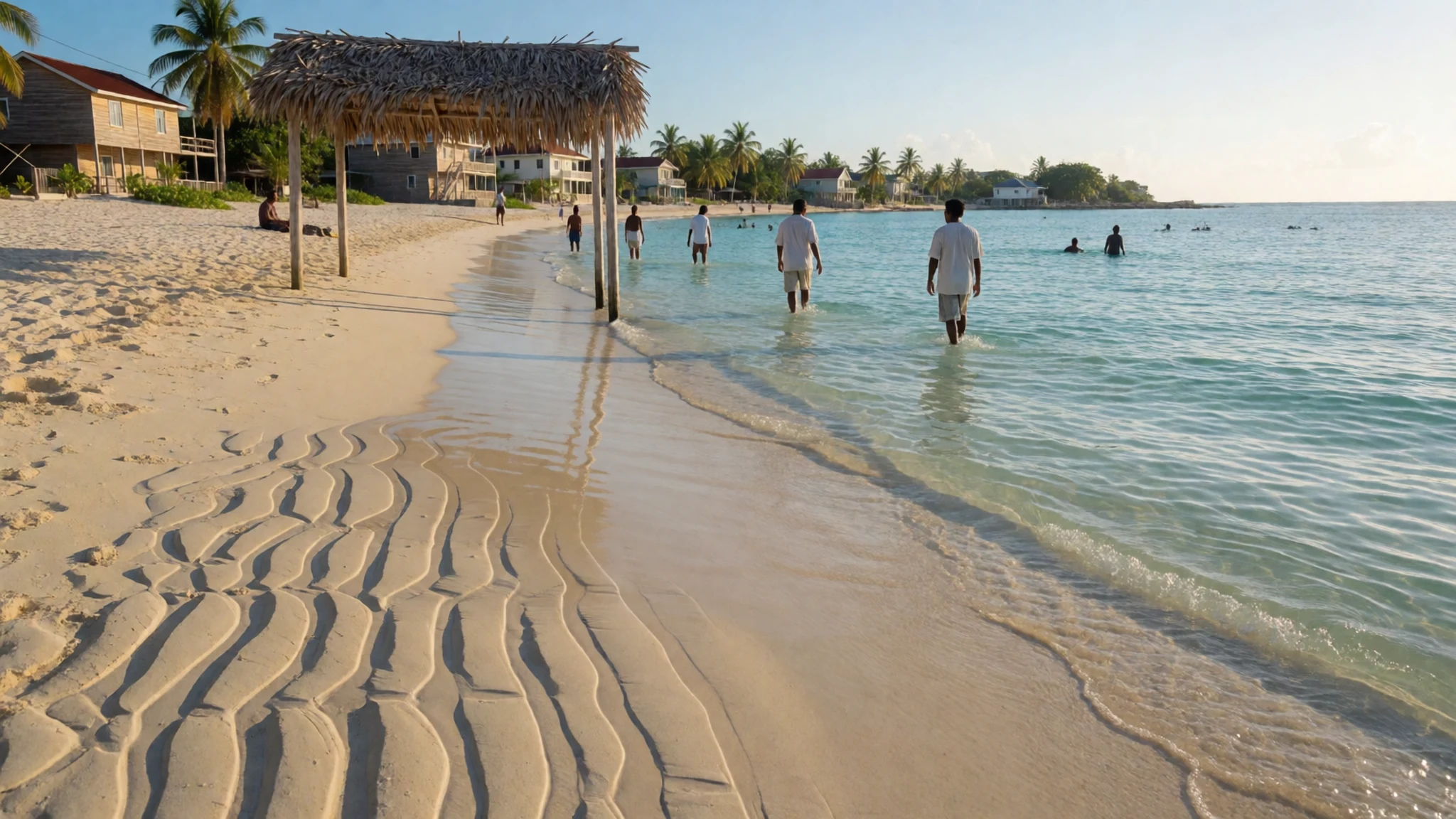
- Big Rock Beach — Big Rock Beach
Big Rock Beach is a swimming shore on Utila where sand, stone and clear blue water meet. The rock that names it breaks the softer line of the public beach and gives the water a little more movement. Nothing about the spot is built up. Visitors get the island's edge and the colour of the sea, and on a calm day the bottom shows through almost at once.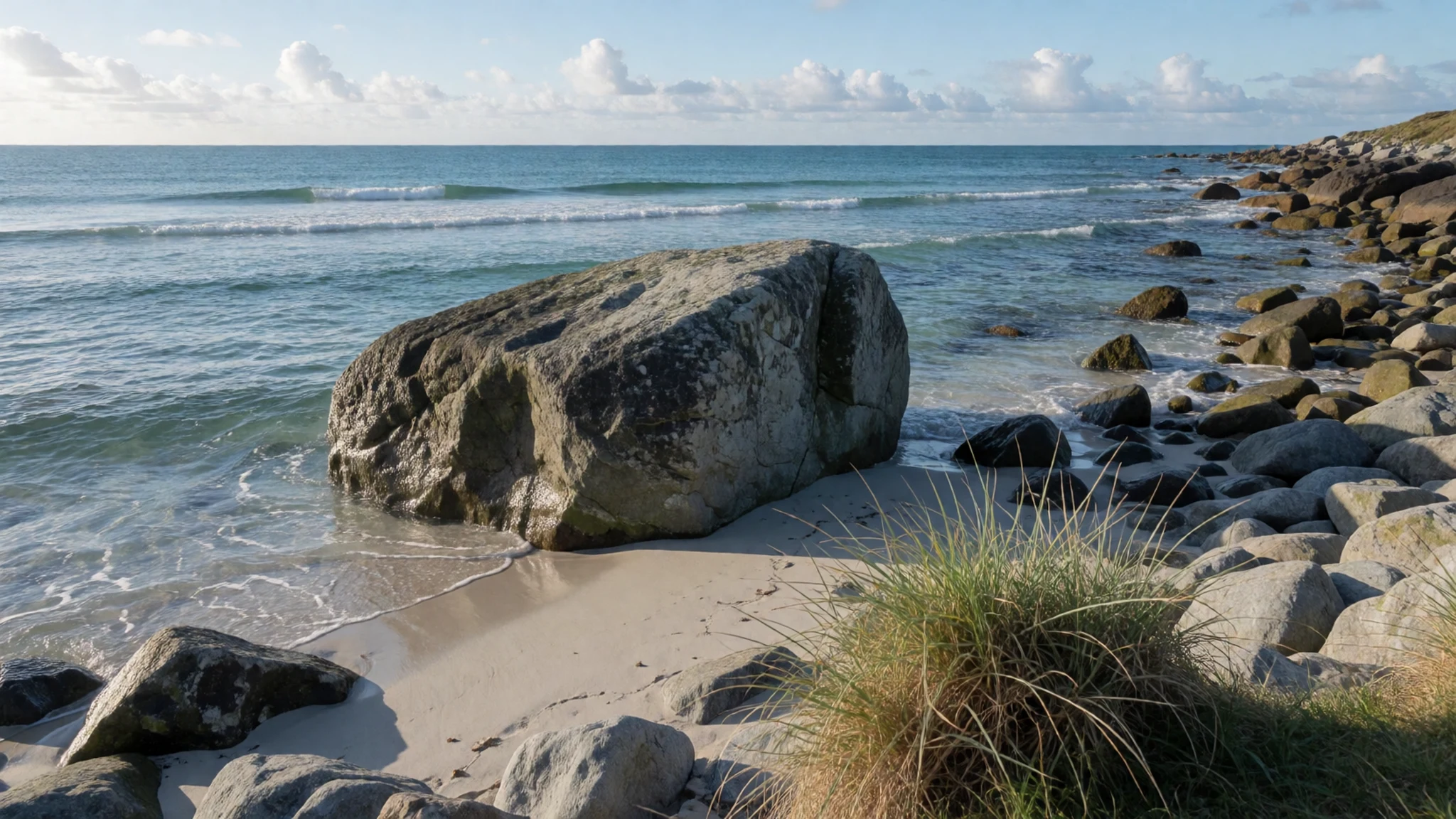
- Shore reef — waters off the beach
Fan corals surround Utila, and much of the snorkelling starts from the beach itself. A swimmer can leave the sand and be over coral without a long boat run. The growth is close, colourful and easy to harm if fins or feet land on it. Sea fans, reef fish and clear water make up this everyday view, with the beach still in sight.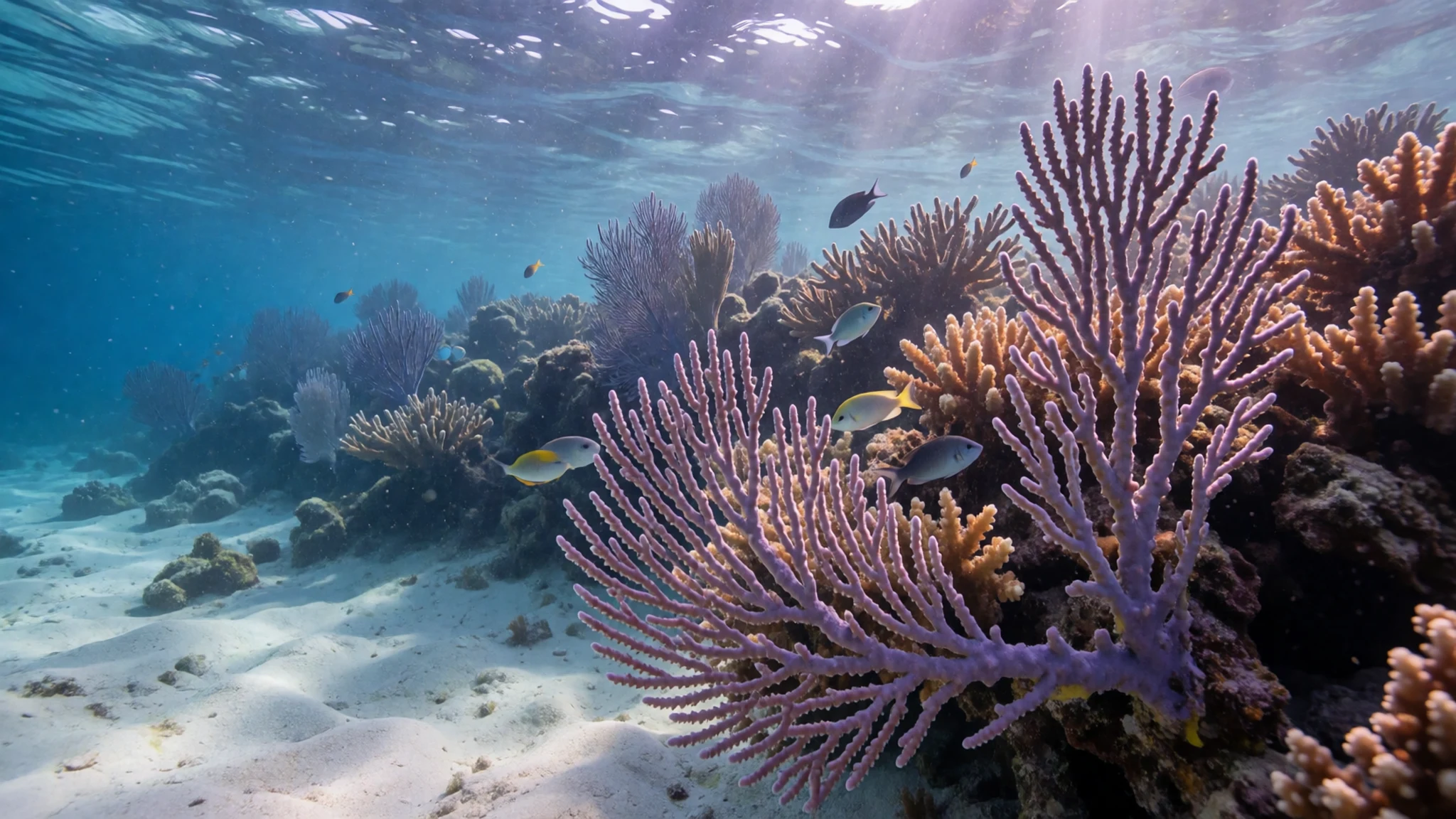
- Nurse sharks — reefs around Utila
Nurse sharks are a familiar sight in the water around Utila, often resting on sand patches near the reef rather than cruising the open sea. Divers and snorkellers meet them on ordinary outings, including swims that start from shore. They are large, slow-looking animals and part of the island's working seascape. Give them room, keep hands off, and let the animal decide the distance.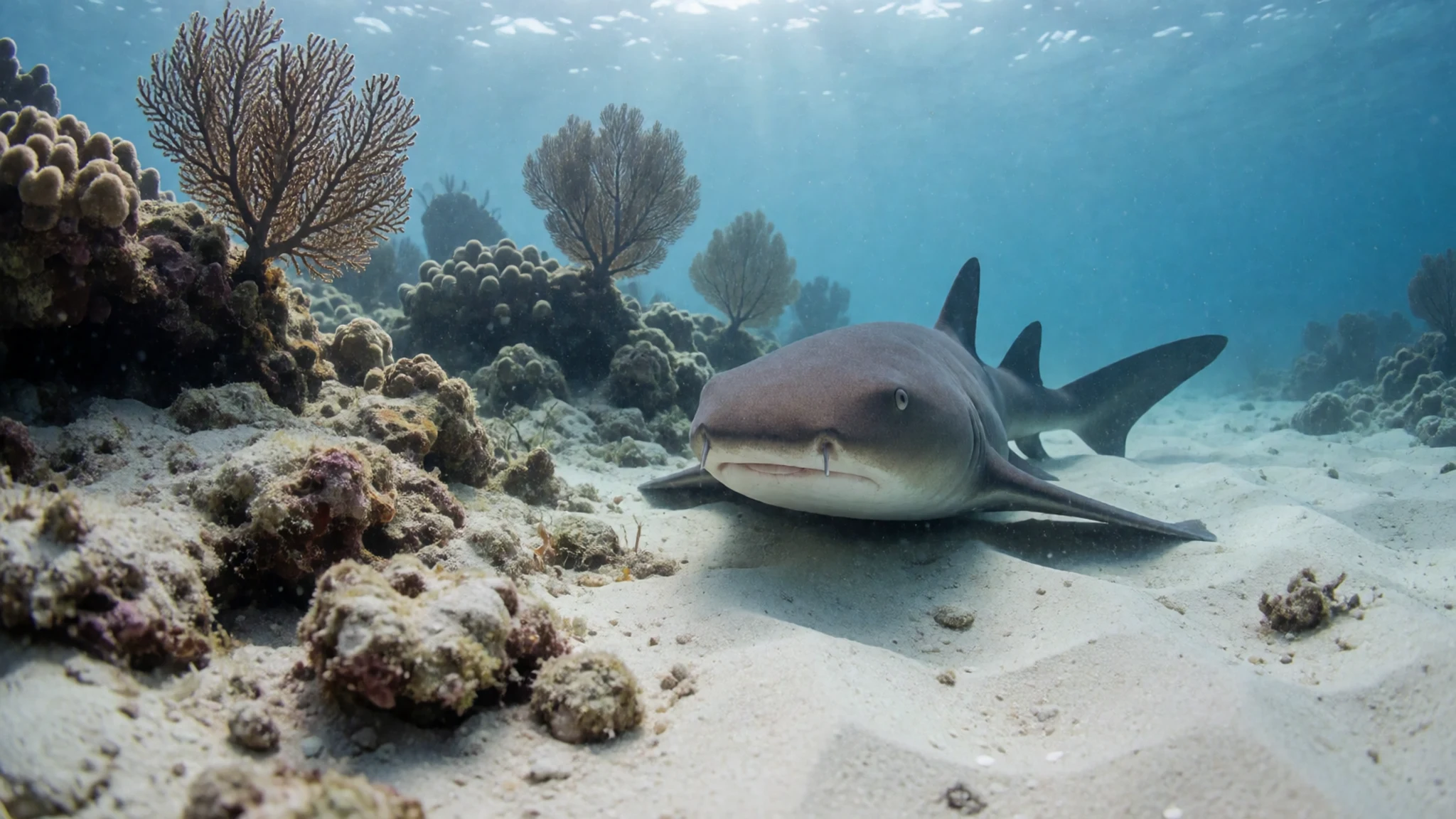
Culture
Utila's culture is a harbour culture, shaped by fishing, English-speaking island families and the later arrival of dive schools. Bay Islands English is still the sound of many porches and boats, while Spanish is the language of the Honduran state, of newer residents and of plenty of shop talk. The two sit together without much ceremony. Church still structures the week for many families, and boats remain family tools as well as tourist transport. The evening stroll along the single road is a social habit. People who live here are used to newcomers in rash vests. Teaching diving has gone on long enough that a transient crowd is part of the week. Houses open towards the street, so private life and the public road sit very near each other. Food, church socials and the dive-shop porch are where news actually travels. Music, a domino table and a shared meal do more social work than any formal venue. Ask before you photograph residents, and do not touch coral or marine animals.
What to wear
Utila has no single court costume, but the island's traditional dress belongs to the English-speaking Caribbean coast: light cotton shirts and dresses, straw hats against the glare, and, for occasions, the brighter clothes seen at church and at bay festivals. Garifuna textile tradition on this wider coast favours bold colour and gathered skirts for dance and ceremony, while everyday island cloth was historically practical, cotton that survives salt, sun and washing in a place where almost everyone is near the water. Those clothes still appear at celebrations more than on a weekday morning. Residents and long-stay visitors move in shorts, T-shirts, sundresses and flip-flops, with a rash vest or a faded shirt over a swimsuit for the walk back from the beach. A collared shirt comes out for church or a night that feels slightly more dressed. Closed shoes are uncommon on the main road because the day is hot and the ground is mostly sand, concrete and packed fill. A visitor on Utila needs lightweight cotton or linen, a hat, and swimwear that can be covered with a shirt or a wrap near houses and any church. Footwear should handle wet rock and sandy lanes; reef shoes or sandals with a grip suit the path better once it meets stone. A long-sleeve swim shirt earns its place in the midday sun, and a modest cover-up belongs in a bag for the walk through town.
What to eat
- Fried fish — harbour eateries and home kitchens along the main road
Fried fish is the ordinary meal on Utila: the day's catch, usually served with coconut rice, beans or fried plantain. Harbour eateries and family kitchens along the main road all cook a version. The difference is which boat came in, so the plate changes with the weather.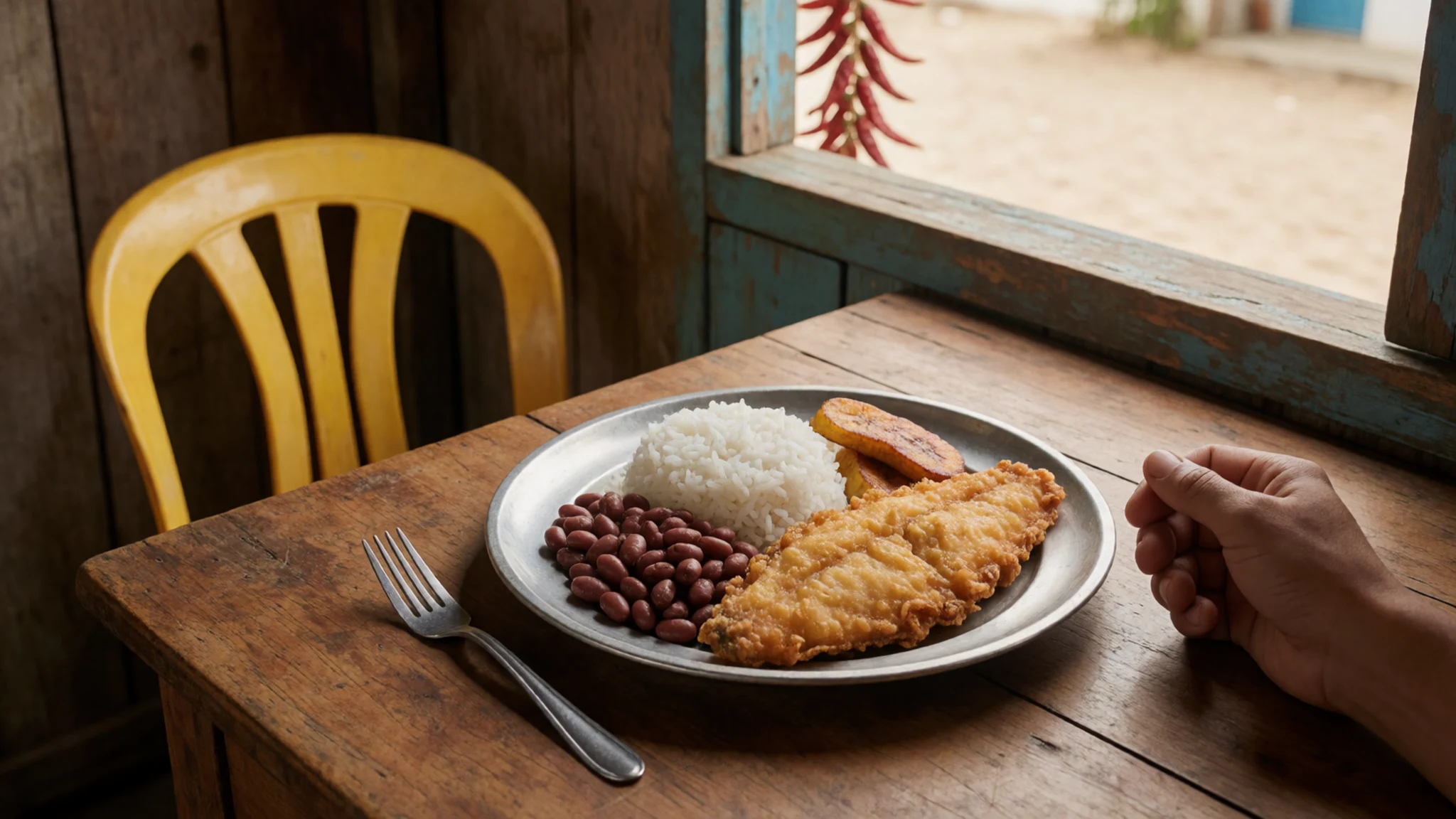
- Baleadas — casual eateries and stalls serving mainland Honduran food
A baleada is the Honduran folded flour tortilla, filled with beans and cheese and often egg or avocado. On Utila it shows up in casual eateries and stalls that cook mainland food for residents and visitors. It is breakfast or a late snack, eaten in the hand.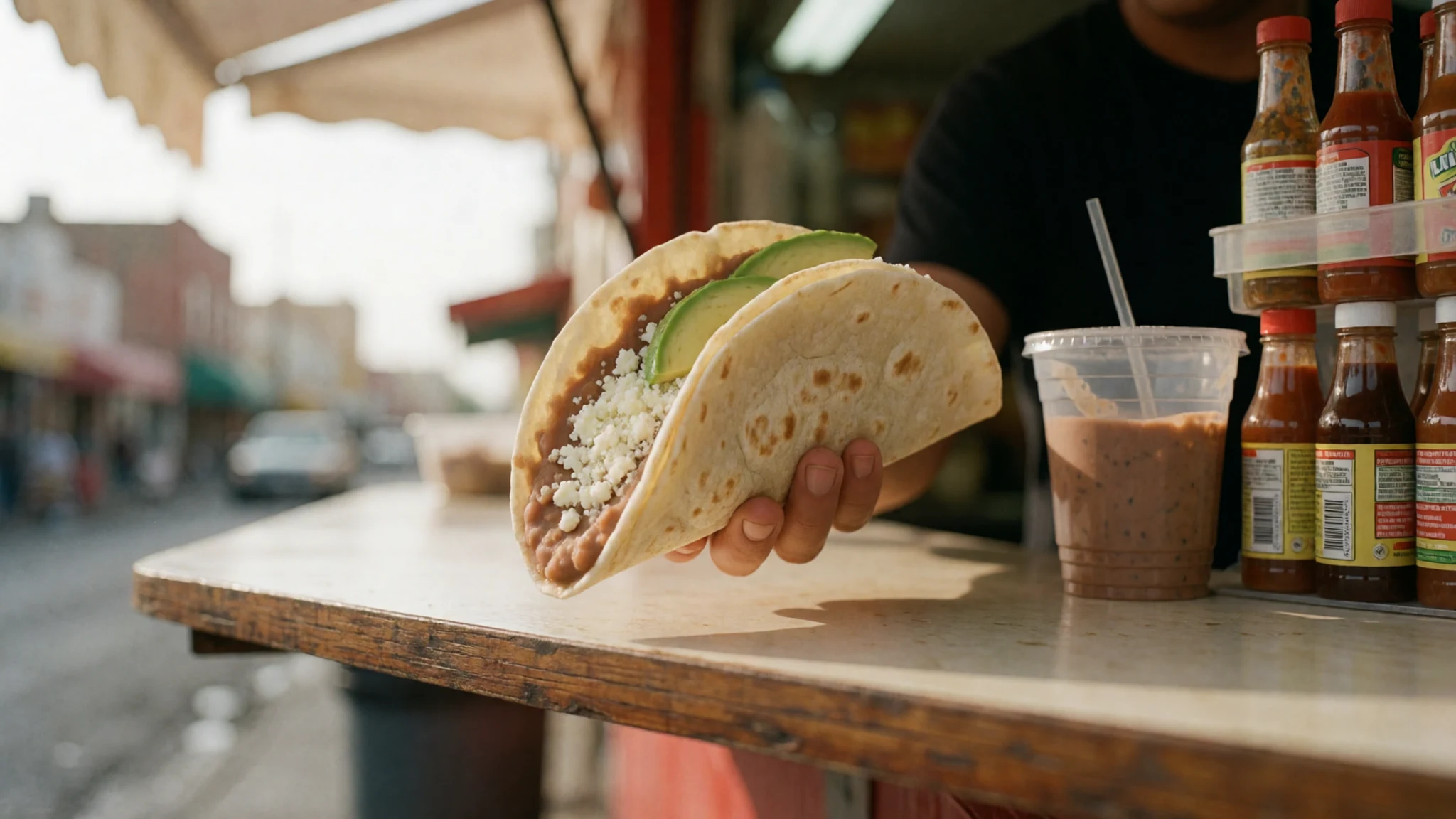
- Coconut rice and beans — home-style eateries by the harbour
Coconut rice and beans is the Bay Islands plate under the fish: rice cooked in coconut milk, with stewed beans beside it. Home-style eateries by the harbour serve it as the starch of an ordinary seafood lunch. It is everyday food, the kind of plate residents order without a fuss. - Conch soup — seafood eateries around the harbour
Conch soup is a slow bowl: chopped conch simmered with coconut milk, vegetables and island herbs until the broth goes rich. Seafood eateries around Utila's harbour make it when conch is available. The texture should be tender, which is a fair test of the kitchen. - Johnny cakes — bakeries and breakfast stalls in town
Johnny cakes are the Bay Islands fry-bread, round and slightly dense, eaten at breakfast with butter, cheese or a little fish. Bakeries and breakfast stalls in Utila Town still turn them out in the morning. The morning batch goes quickly.
Plan it
Best time. On Utila the calmer, drier months before the hurricane season are when ferries and shore swims are more reliable. Storm months are still possible between systems, but boats wait on the weather and any plan needs slack. The sea stays warm through the year; rain, wind and tropical storms are what change.
How long. 3–4
Getting there. Utila is reached by light aircraft to the island airstrip, or by ferry from La Ceiba on the Honduran mainland. Many journeys connect through Roatán or a mainland city and finish on that boat. Check the operator before travel; weather can rewrite the last leg.
Budget. low
Tips
- Leave slack in ferry and flight plans during the storm season.
- Carry some cash, because small kitchens and shops do not all take cards.
- Swim and snorkel earlier in the day, when the sea is often calmer.
- Choose reef-safe sunscreen and keep fins and feet off the coral.
Etiquette
- Ask before photographing people.
- Do not touch coral, nurse sharks or other marine life.
- Keep noise down near houses that open onto the road and the beach.
Nearby
Sources
- Wikidata (CC0)
- Wikipedia (CC BY-SA 4.0)
- Wikivoyage (CC BY-SA 4.0)
Wildlife
- Nurse shark (animal)
The nurse shark is a fish from the shark family, with a name that sounds friendly but belongs to a wild animal. In Utila, look for it in some of the sandy channels; no particular season or hour is known, so ask local people what to expect. It is listed as vulnerable worldwide, and fishing threatens it across Central America and the Caribbean, so watch with care. Go with a guide, keep your distance, stay quiet and calm, and never feed it.