Roatán
Roatán, Honduras
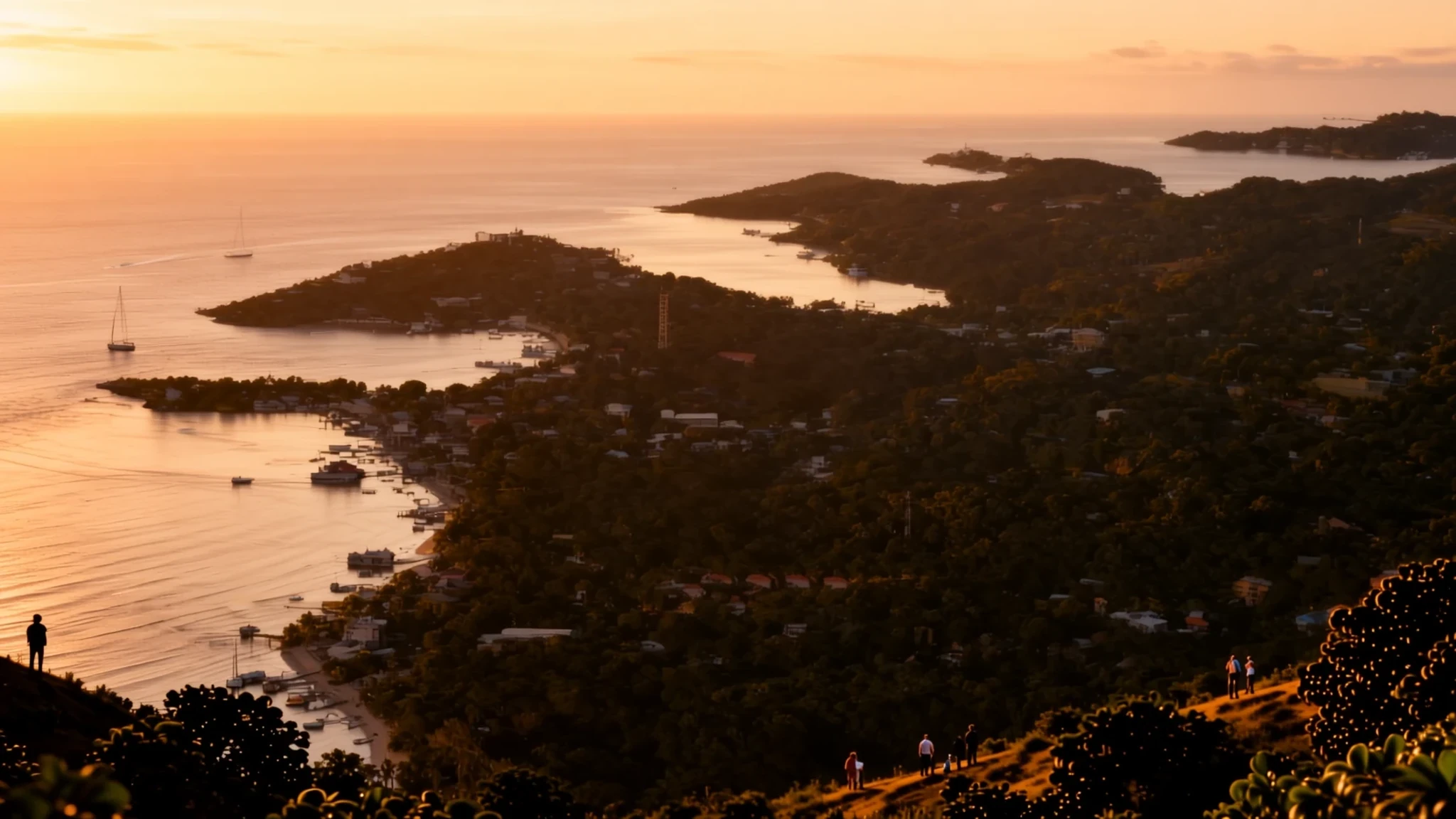
Roatán is the largest of Honduras's Bay Islands, a reef-fringed place that suits people who want sea, snorkelling and a slower pace.
The place
Roatán is an island in the Caribbean, a short way off the northern coast of Honduras. It is the biggest of the Bay Islands, lying between Utila and Guanaja, and it is long and narrow rather than broad, so most spots are never far from the sea. The island sits on old coral that has risen above the water, giving it limestone shelves, low cliffs at the eastern end and a shoreline of small bays.
Most of the roads, shops and services are on the western half. Coxen Hole is the largest town and the administrative centre of Roatán municipality. The north coast villages of Sandy Bay, West End and West Bay face the reef and are where most visitors stay. The eastern section is quieter, separated by a mangrove channel, with a scatter of cays offshore. Most people fly in through the mainland city of San Pedro Sula, or take a local flight from Tegucigalpa or La Ceiba, and the island has its own airstrip near Coxen Hole.
Life here runs on tourism, diving and fishing, for a population of about 42,000 people. Spanish and English are both common in shops and restaurants. Rain can arrive in short bursts at any time, and the sea is warm enough for swimming for most of the year. Roads are narrow and hilly, so a taxi or hired car makes exploring far easier than walking. Choose your base with care: West End suits people who want bars and walking, while Sandy Bay and West Bay are quieter.
Its story
Roatán's recorded history begins with the Indigenous peoples of the Bay Islands, who are thought to have been related to groups on the mainland such as the Paya, Maya, Lenca or Tolupan. European arrival changed that world quickly. Columbus called at neighbouring Guanaja during his fourth voyage, and Spanish traders soon began taking islanders away as forced labour. Diseases such as smallpox and measles did even more harm, since local people had no immunity to them.
For a long stretch afterwards, the Bay of Honduras drew settlers, traders, soldiers and pirates. Britain and Spain competed for control of the Caribbean, and the islands passed back and forth between them; the English held them on and off for many decades. Roatán became a handy resting point for sea travellers, and its sheltered waters suited ships needing repairs or fresh supplies.
Buccaneers found the thinly defended islands ideal as bases. English, French and Dutch pirates set up settlements there and raided Spanish treasure ships loaded with gold and silver bound for Spain. One survivor's tale stands out: a fisherman called Philip Ashton fell into the hands of Edward Low's crew, yet he got free during a water stop on Roatán.
What to see
- West End village — North coast, West End
West End is the village most visitors mean when they say they are heading into town. It is a compact cluster of sandy lanes, bars and dive shops along the north shore, close to the sand and easy to walk. In the evening it gets busy, so it is a good place to watch the sunset over a cold drink. Walk in daylight and take a taxi back late at night.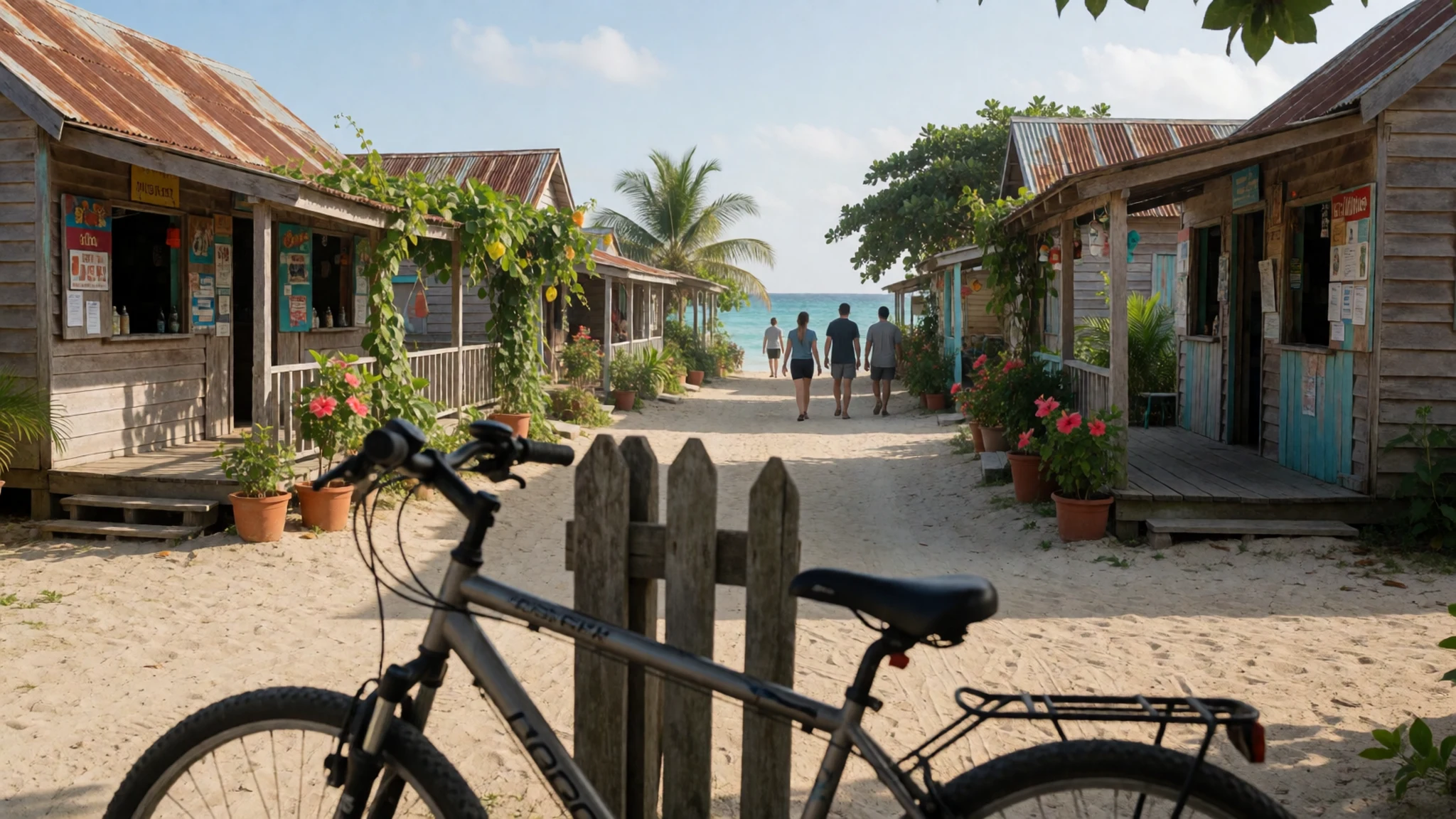
- West Bay Beach — West Bay, north-west coast
West Bay Beach is a long, sheltered strip of sand on the western end of the island and a regular stop on shore excursions. The water is calm for swimming, and there is snorkelling off the beach. Go early in the morning, when the sand is quieter and the sea is calmer before boats arrive.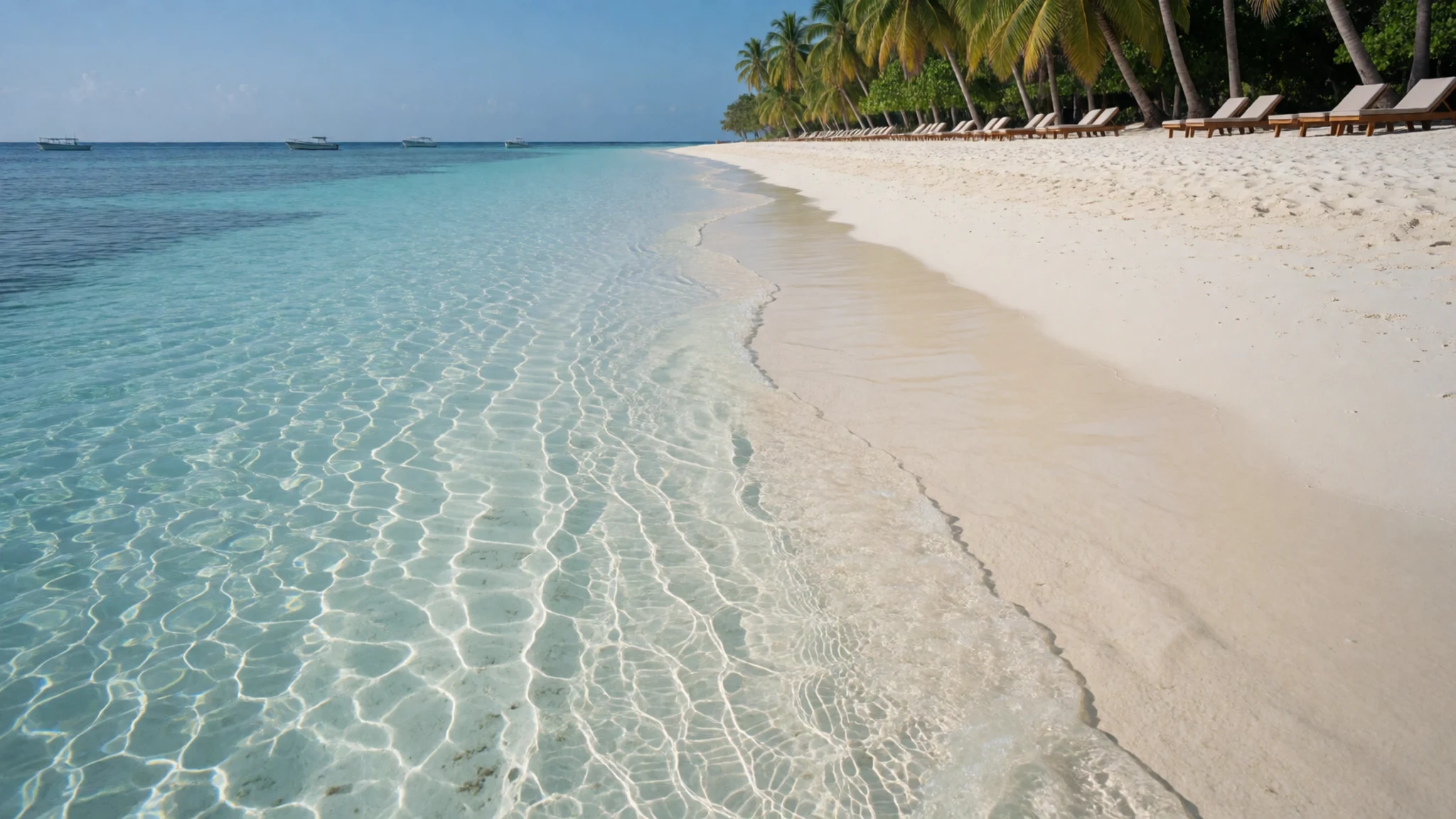
- Coconut Tree Divers — Western shore dive shops
This dive shop is described as the only PADI Career Development Centre on the island, so it suits people who want more than a single introductory dive. Its morning boat makes two dives and returns around midday. Book ahead, especially in the busy months, and bring your certification card if you are already qualified.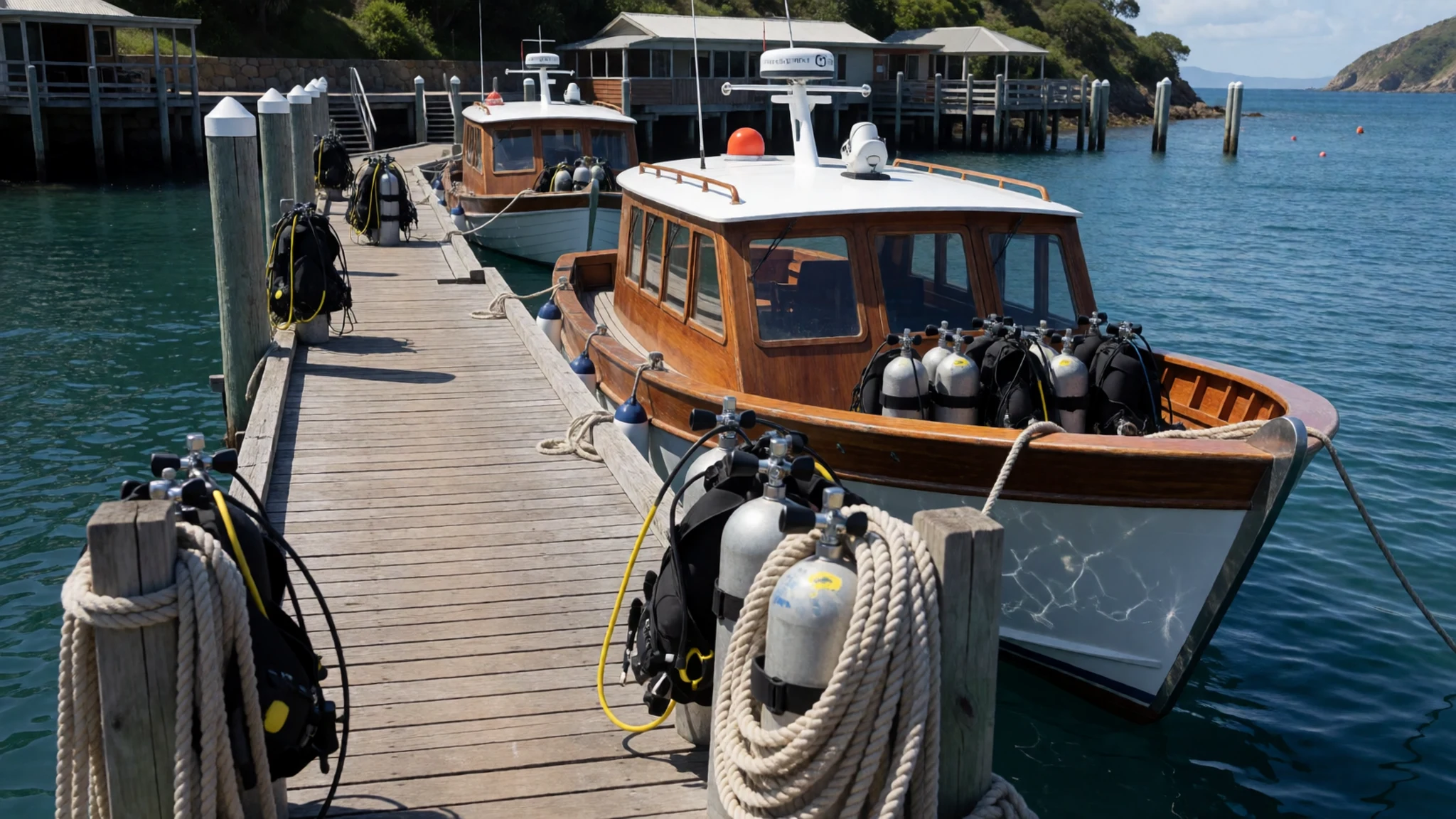
- Roatán Butterfly Garden — Inland, reached by taxi from the main villages
A small enclosed garden where a handful of butterfly species move among flowering plants. It makes a gentle hour for anyone wanting a change from the sea, or a useful option on a rainy afternoon. The garden is small, so treat it as a short visit rather than a full day. Check opening times with the garden before you set out.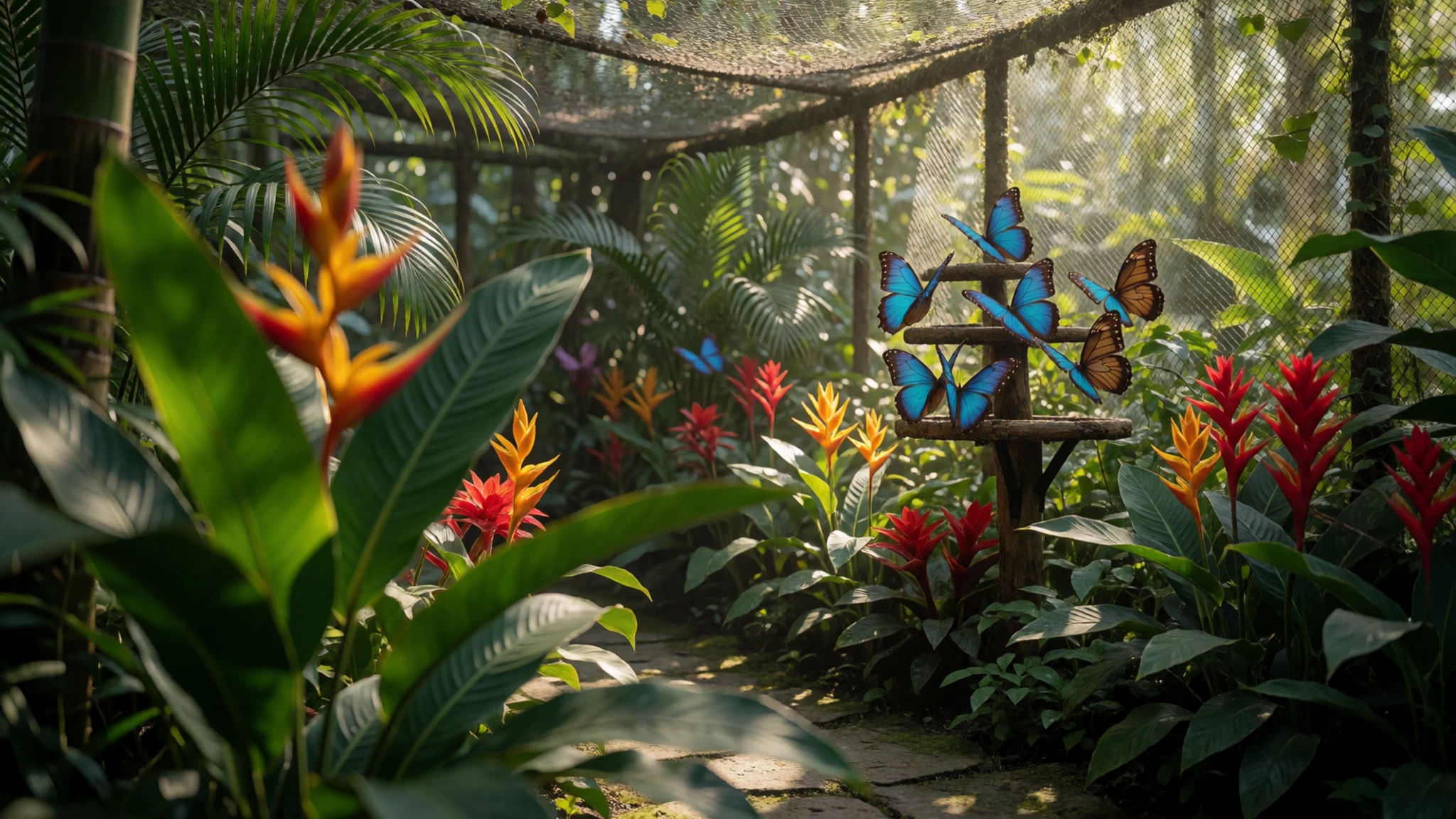
- Stone Castle Cameo Factory — Island workshop, check locally
The factory offers tours of its workshop, where you can see how carved cameo pieces are made. It is a useful stop if you enjoy craft and want to understand the work behind the jewellery sold on the island. Ask about tour times when you arrive, and allow time to look around the shop without rushing.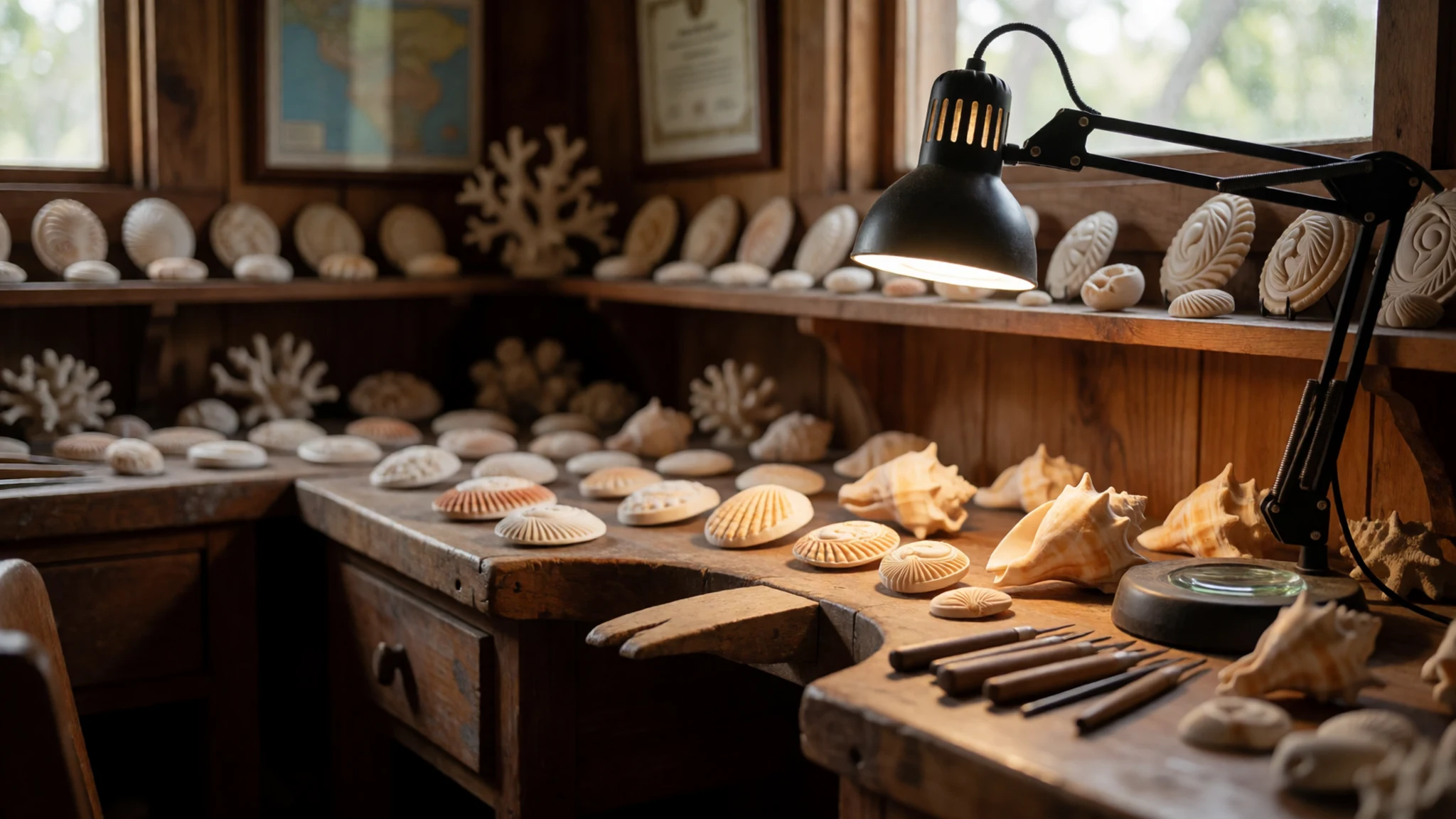
Culture
Roatán's culture is layered. Indigenous peoples lived on the Bay Islands before Spanish, English, French and Dutch arrivals, and pirates left their mark too, so the island has long been shaped by people passing through. Today Spanish is the main language, though English is widely heard in restaurants and dive shops, and many people in tourism work across both.
Much of the economy is built on visitors. Divers, boat crews, cooks and small tour operators all depend on the steady flow of people through the island. Treat staff as hosts rather than entertainment, and greet people with a simple buenos días before asking for anything. Tipping is customary for guides, boat crews and waiters, so carry small notes for them.
Life in the villages moves at its own pace. Music from bars can carry late, so keep noise down after dark near homes and guesthouses. Dress modestly away from the beach, and keep your voice low in churches. Ask before photographing fishers, traders or children, and leave coral and shells where you find them.
What to wear
Roatán does not have a single traditional costume that can be described with confidence, so the honest picture is one of practical dress shaped by sea work and a hot, humid climate. Fishing, boat travel and farm work have long favoured light cotton and loose shirts, and that practicality still shows.
Most people wear everyday clothing: t-shirts, shorts, sundresses and sandals in town, with a shirt or dress for church or a formal meal. In West End and the other resort villages, beachwear is normal on the streets, but people usually cover up when they leave the sand.
Visitors should pack loose cotton or linen, a hat and sunglasses, and a rash top for long days on the water. Bring water shoes, because rocky entries and coral make bare feet a poor choice. For churches, villages and restaurants with a dress code, cover shoulders and knees, and bring a light layer for air-conditioned rooms.
What to eat
- Lobster and steak evenings — Hole in the Wall, a restaurant with set lobster nights
Lobster and steak come as an all-you-can-eat spread on certain nights of the week, so check which evening suits before you book. It makes a sociable, unhurried dinner, and it suits a group that wants to share.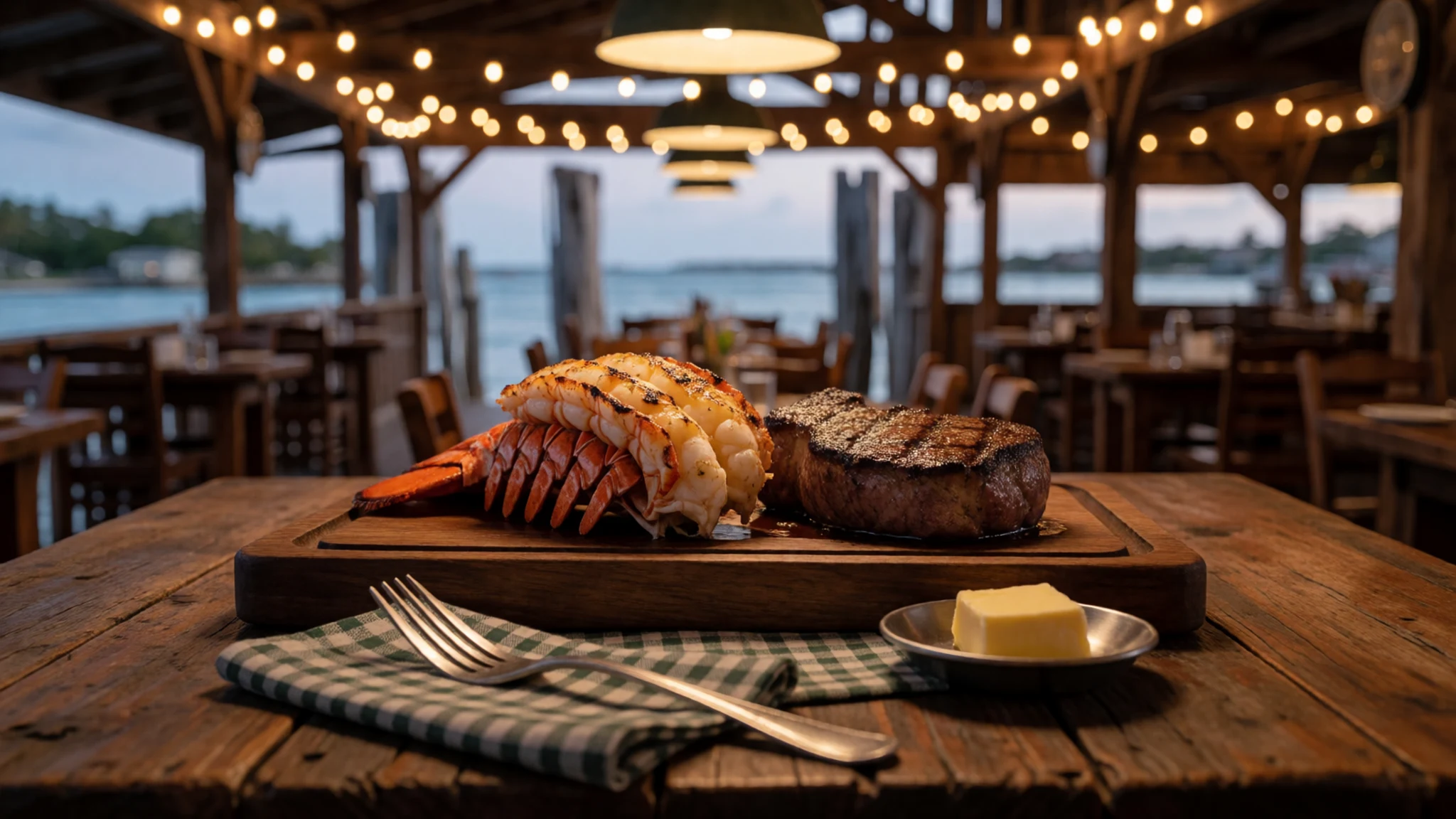
- Monster nachos — A beach bar and grill on the coast
Monster nachos at Smugglers Beach Bar & Grill are a generous, shareable plate, topped with a choice of chicken, steak or lobster. Order them after a day in the water, when a cold drink and something salty hits the spot.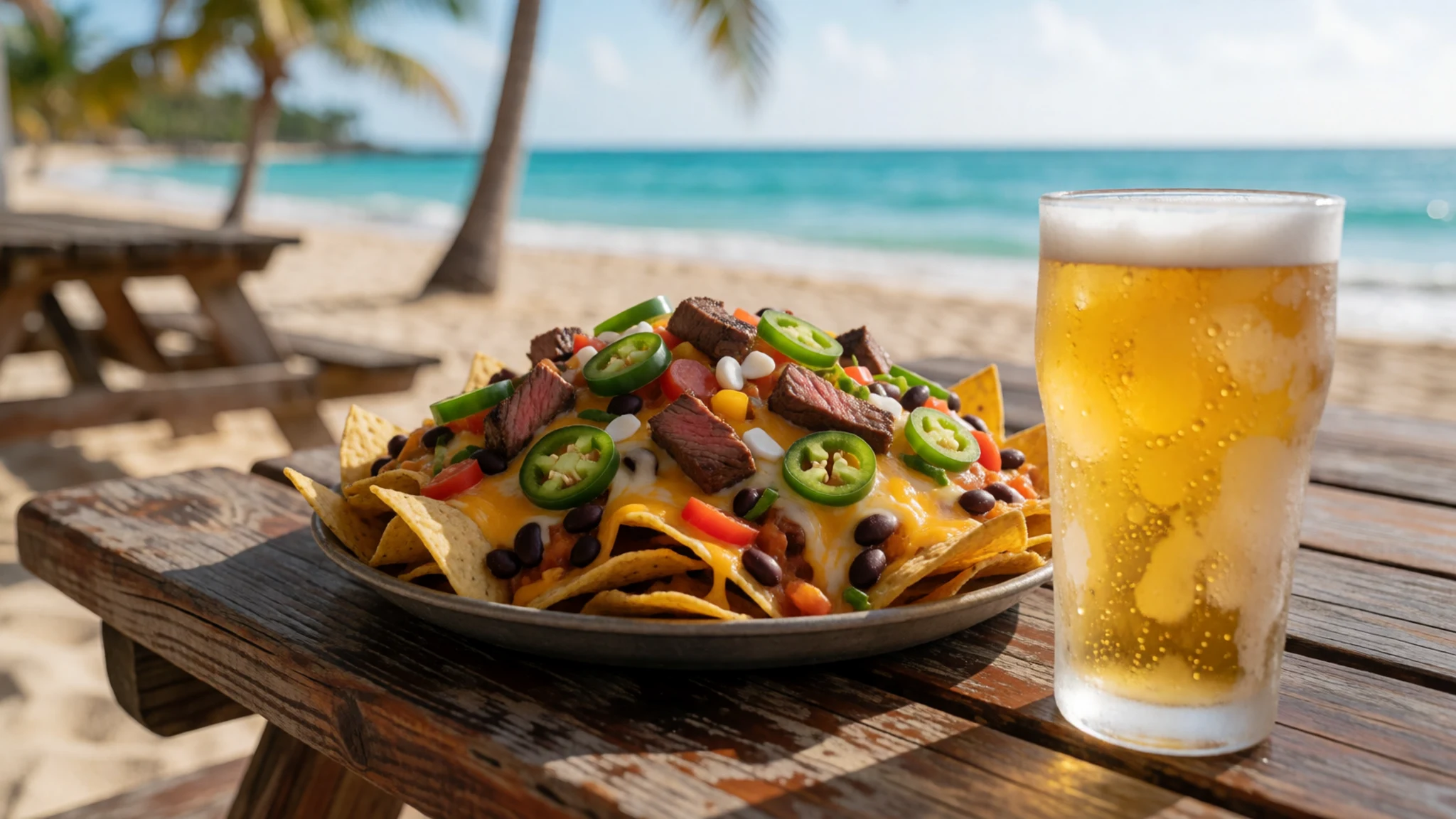
- Sushi dinner — A quieter restaurant away from the beach bars
Sushi at Rendezvous Sushi Grill suits a slower dinner when you want distance from the beach-bar noise. The room is quiet and a bit romantic, with a sushi-focused menu. Reservations are essential, so book ahead. - Indian dishes — A restaurant with sunset views and air-conditioned dining
Ooloonthoo serves progressive Indian cooking, and by one account it is the only Indian restaurant in Honduras. The dining room is air-conditioned, and the sunset views come with it all year. Reservations are required, so book before you arrive. - Fresh fish at a dock bar — A beach bar on a long dock
Asylum is a beach bar at the end of a long dock over the water, where you can sit above the sea with a drink. It also arranges fishing trips on a local cayuca, so you can go out and fish.
Plan it
Best time. Rain is heaviest from September to November, peaking in October, while March and April are the driest months and August is the hottest. Choose the drier part of the year where you can, since heavy showers can cancel boat trips, and keep a flexible day in your plan for weather.
How long. 2–3
Getting there. Fly into San Pedro Sula's Ramón Villeda Morales International Airport on the mainland, or connect through Houston, Atlanta or Miami, then take a local airline flight to the island's airstrip near Coxen Hole.
Budget. mid
Tips
- Book flights and rooms early for the high season, when direct services run most often
- Schedule dives and boat trips for the morning, when the sea is usually calmer
- Carry small amounts of cash for taxis, tips and small shops, and check whether cards are accepted before you order
- Drink bottled or filtered water, and use sun protection in the heat
- Agree taxi fares before you get in, since taxis are the easiest way between villages
Etiquette
- Ask before photographing people, especially fishers and market traders
- Leave coral, shells and marine life where they are, and do not stand on the reef
- Dress modestly in town, in churches and on village streets, and keep beachwear for the sand
- Keep noise down late at night near homes and guesthouses
Nearby
Sources
- Wikidata Q1419813 (CC0)
- Wikipedia, Roatán (rev 1382478136) (CC BY-SA 4.0)
- Wikivoyage, Roatán (rev 5382376) (CC BY-SA 4.0)
- West Bay, Westbrowncanada (CC BY 3.0)
- Decorative map of Roatan Bay Islands, Nickgray (Public domain)
- Roatan from a cruise ship, Penelopechicken123 (CC BY-SA 4.0)
- Roatán French Harbour, Lubiesque (CC BY 3.0)
- Roatán Oak Ridge 1968, Lubiesque (CC BY 3.0)
- Roatan looking northwest with West Bay, Pi3.124 (CC BY-SA 4.0)
- Roatan looking north towards West End, Pi3.124 (CC BY-SA 4.0)
- Roatan Island Agouti, Pi3.124 (CC BY-SA 4.0)


