Lancetilla
Lancetilla, Honduras
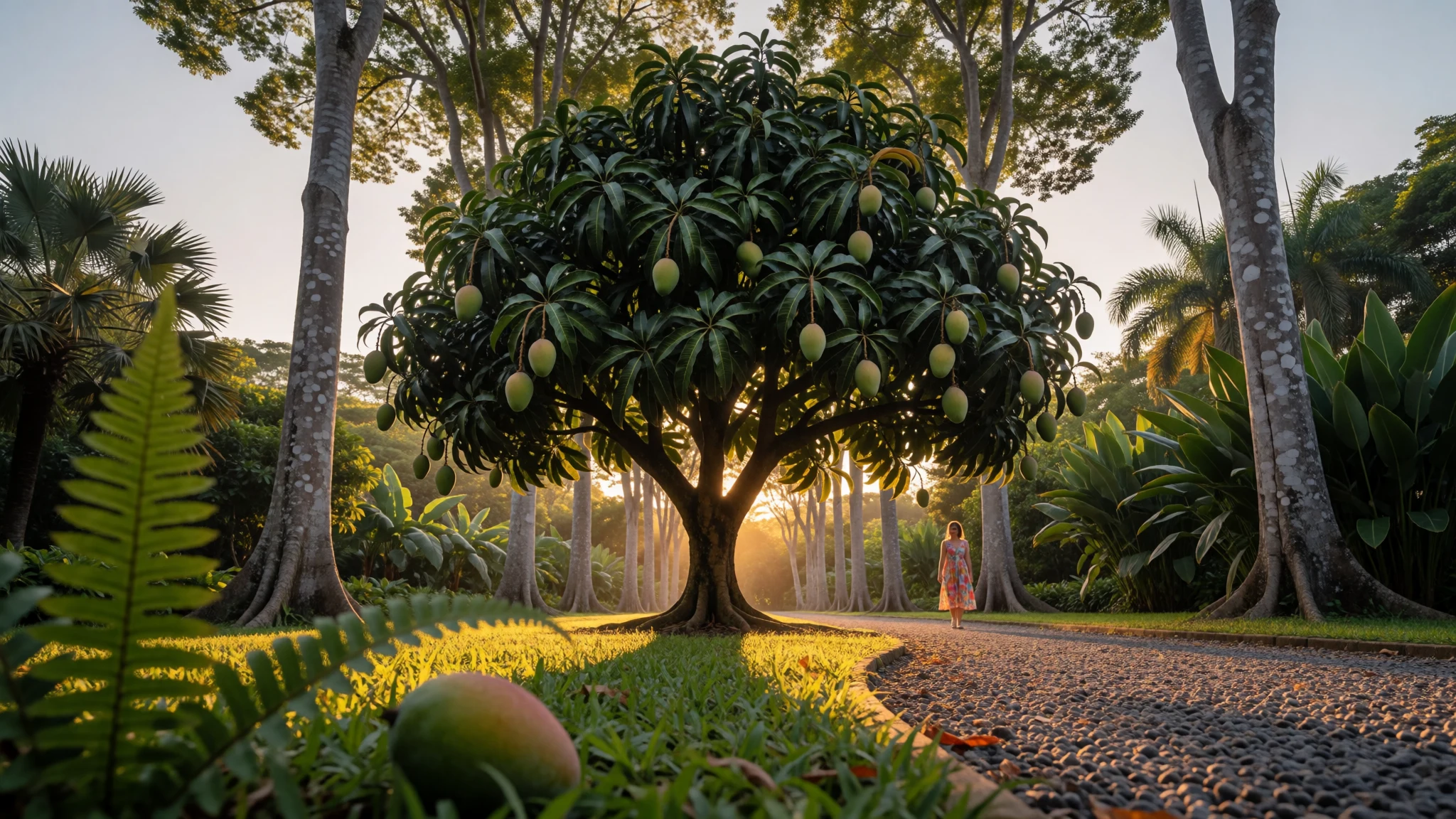
Lancetilla is a tropical botanical garden near Tela where Honduras's Caribbean coast meets fruit-tree science, birdsong and easy beach days.
The place
Lancetilla Botanical Garden lies on Honduras's Caribbean side, about 7 km southeast of Tela, the beach town that serves as its base. The setting is lowland tropical: heat, high humidity, heavy rain at some times of year, and a dense green backdrop that all that water produces. Formally it is a botanical garden and research centre, and Wikidata also classes it as an arboretum, so the emphasis is on labelled trees and collections rather than flower beds. It suits slow walking, birdwatching and learning what fruit trees look like before their produce reaches a market stall. Tela itself is a small, easygoing coastal town with a long beach, a dock jutting out over the water, and a museum about the railway and fruit company that shaped it. Around Tela, Garifuna villages keep a separate language and culture, and much of their land is held in common; Triunfo de la Cruz, a short ride along the shore, is the one most visitors reach. Further west, the wetlands of Punta Izopo add mangroves, lagoons and forest, so a few days here can mix garden, sea and swamp. San Pedro Sula is the usual gateway, and the road from it is straightforward. Most people treat Lancetilla as a half-day or full-day outing from a Tela beach stay, not as a destination that needs a week of its own.
Its story
Lancetilla Botanical Garden grew out of the banana economy of Honduras's north coast, where Tela was once a major shipping point for a US fruit company and where the phrase 'banana republic' is linked to the political weight such firms carried. Plantation farming depends on knowing which plants thrive in which soils, so a research garden was a practical idea as well as a scientific one. The sources used for this reading do not give founding dates, so none are offered here. What they do establish is the garden's standing: for a long time it was the only botanical garden in the country, and it kept that position until a university garden opened elsewhere. Today it is a department of UNACIFOR, the national university of forest sciences, which gives it a teaching and research purpose beyond tourism. It is a member of Botanic Gardens Conservation International, the global network of botanical gardens, and it contributes to the international agenda for plant conservation. Its institutional code, which is also the herbarium acronym for its dried reference collection, is LANCE. A mango variety carrying the Lancetilla name turns up at fruit festivals in Florida, which hints at how widely material from gardens like this has been shared. The railroad company museum in Tela fills in the commercial background to the whole story.
What to see
- Lancetilla Botanical Garden — South-east of Tela
The garden is the reason to come: a research collection of tropical trees and fruit, set in humid lowland forest a short drive from Tela. Go early, when birds are active and the heat is gentler, and bring insect repellent. Check with the garden or its university before travelling, as visiting arrangements are not confirmed here.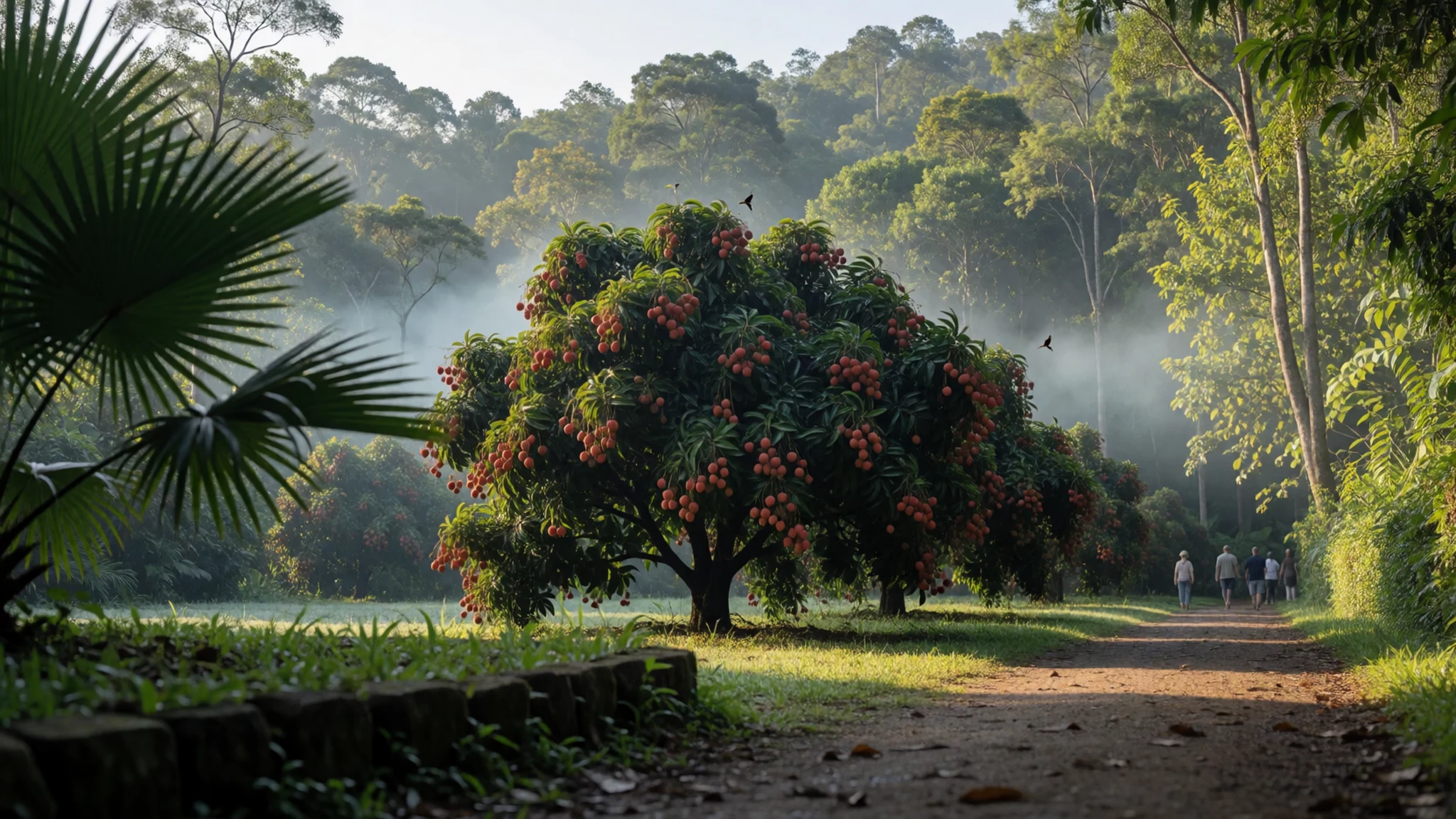
- Museo Tela Railroad Company — Tela town centre
This small museum in Tela covers the era when the town shipped bananas for a US fruit company. It explains why the coast's railways, docks and politics took the shape they did, and it gives useful context for the garden's agricultural roots. Worth an hour on a hot afternoon.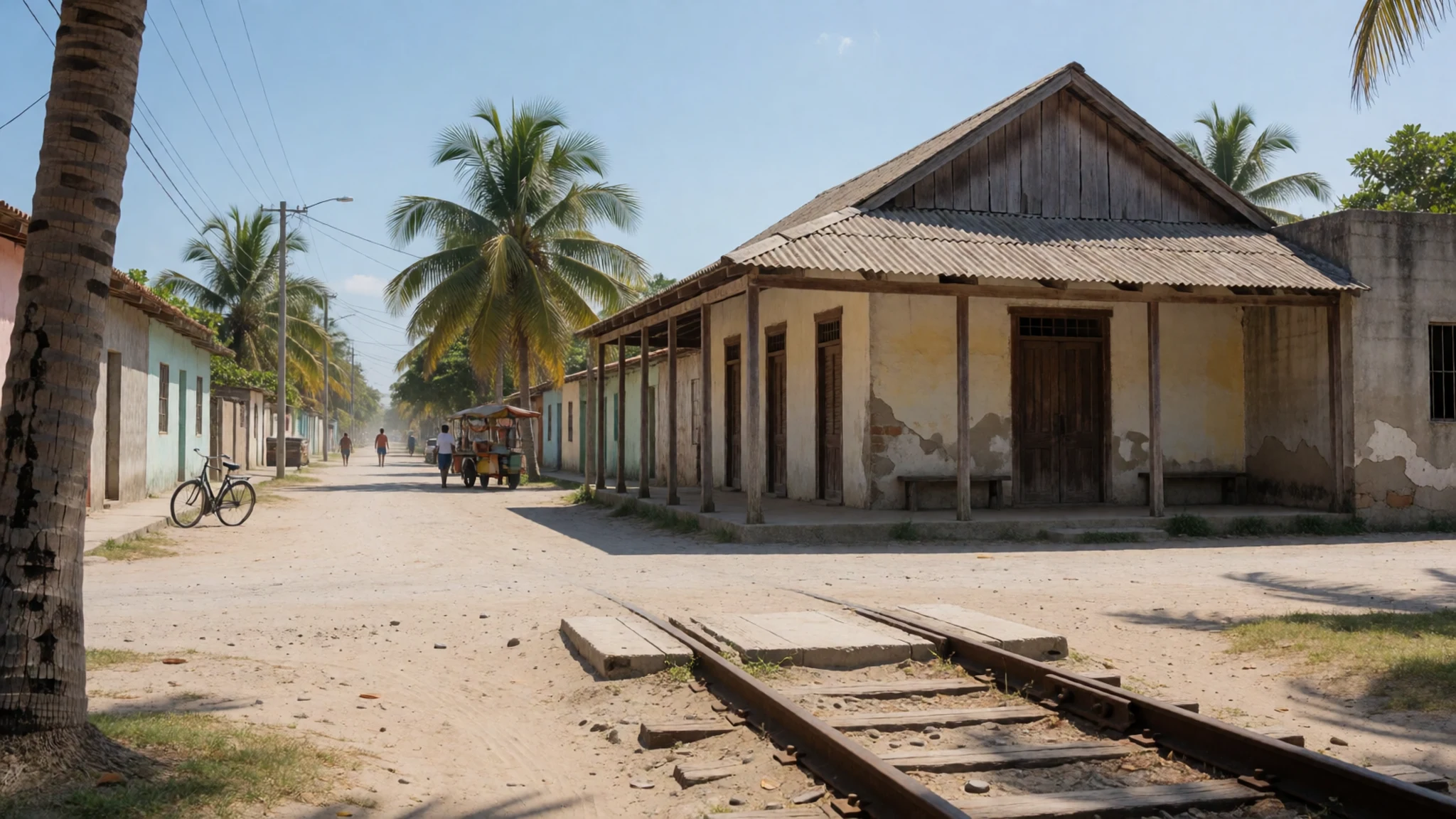
- Muelle de Tela — Tela seafront
Tela's dock stands where an earlier pier was lost to storms. The beach on either side lies right in front of town, so it is an easy place for a late-afternoon walk, a coconut and a look at fishing boats. Keep bags in sight, since passing thieves take unattended belongings.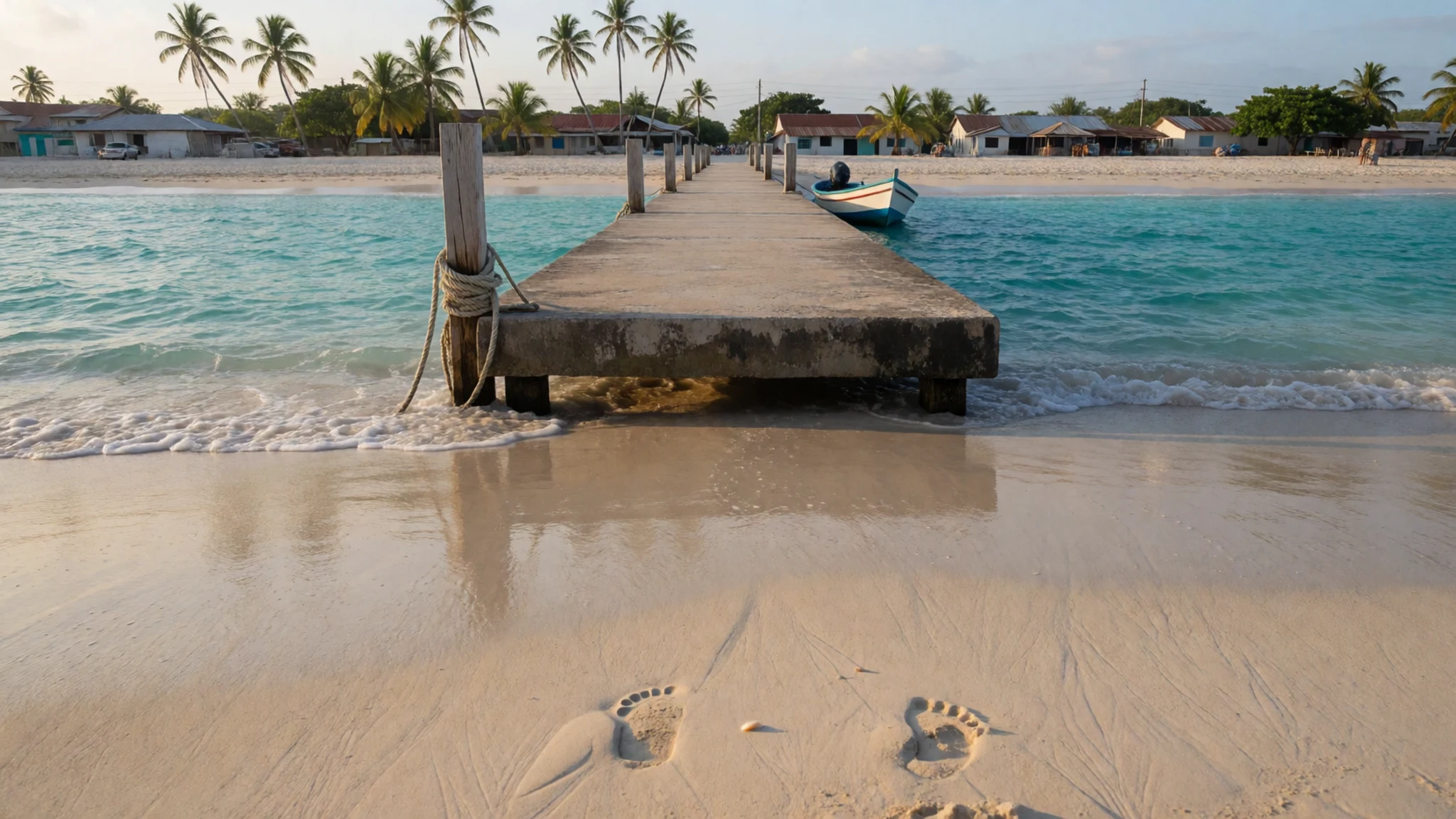
- Triunfo de la Cruz — Coast east of Tela
A Garifuna community a few kilometres along the beach from Tela, with far less hotel development than the town. Small beach restaurants often offer changing cabins, showers and hammocks. Use a bus from the central station or a taxi rather than walking, and consider a local Garifuna-run tour.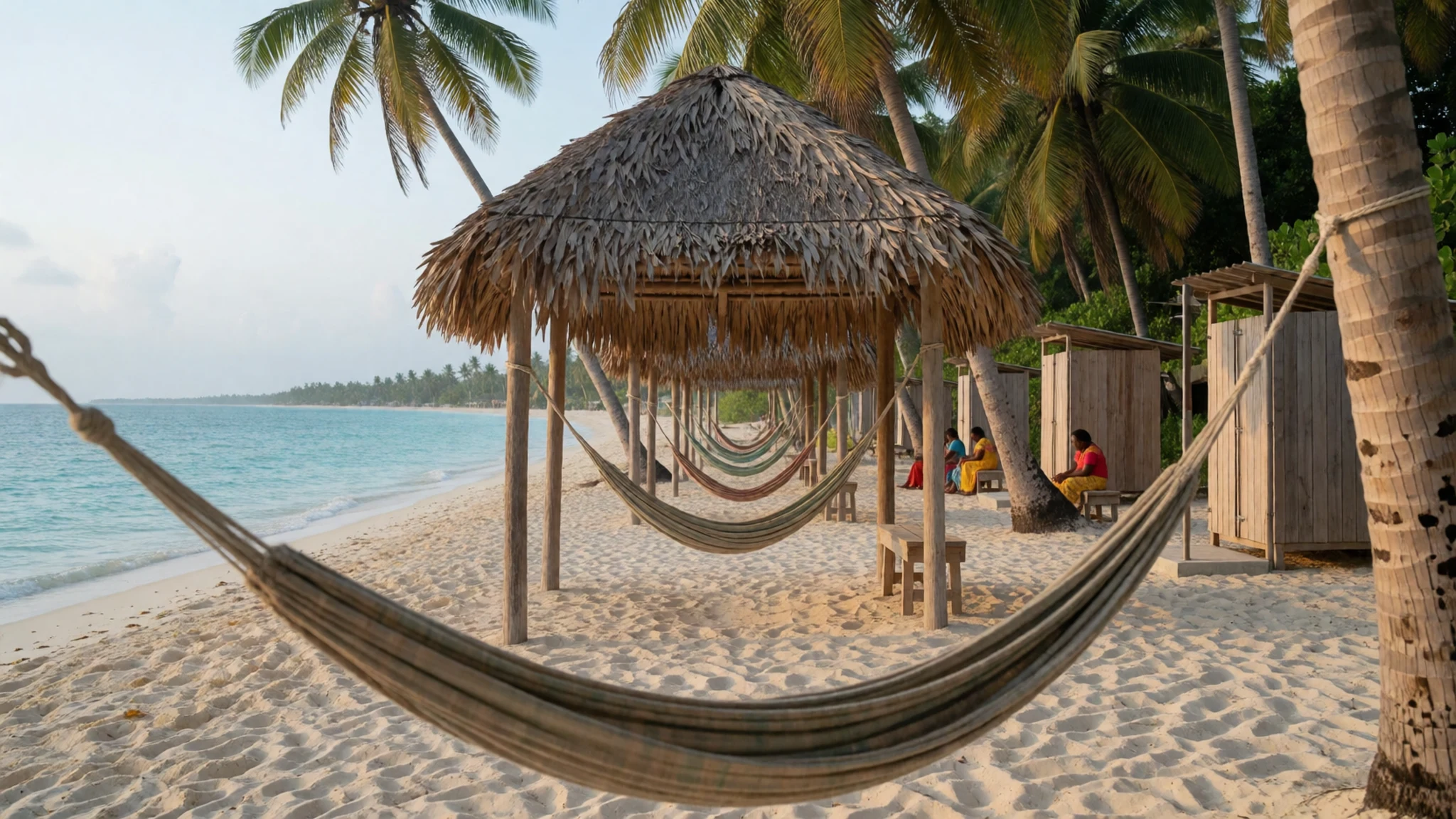
- Jeannette Kawas National Park — Coast west of Tela
A protected stretch of mangrove swamp, tropical forest, shady lagoons and coral reef west of Tela. Monkeys and birds are the draw for wildlife watchers, and hiking and snorkelling are both possible. Tour operators in Tela arrange visits, which saves working out the boat and trail logistics alone.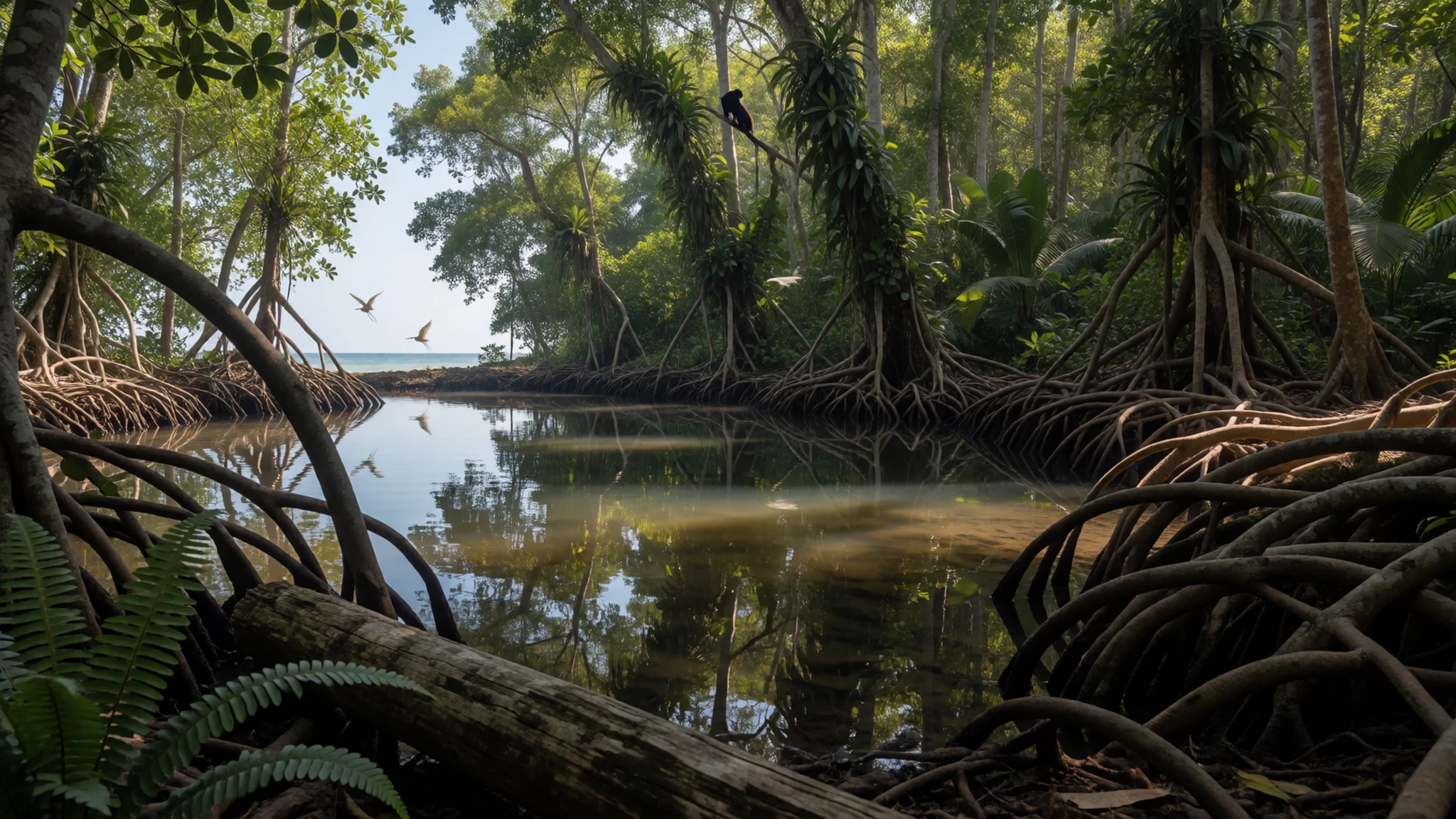
Culture
Lancetilla sits in a part of Honduras shaped by two strong currents: the Garifuna communities of the coast and the legacy of the banana companies. The Garifuna have their own language, music and food, and many villages around Tela hold land collectively. Visiting one, such as Triunfo de la Cruz, is the most direct way to meet that culture, ideally through a local guide or a family-run beach restaurant, so the money stays in the community. Homemade gifi, a coconut-based liquor, is offered to those willing to try it, and it is usually a friendly gesture rather than a sales pitch. The fruit-company era left its mark on Tela's layout, its museum and the way Hondurans talk about foreign influence, and the garden belongs to that same history of agricultural science and trade. Daily life is relaxed and social: families spend weekends on the beach, vendors walk the sand with fresh coconuts, and conversations with strangers start easily. The Tourist Police presence in Tela is meant to reassure visitors, though normal care with belongings and after-dark walking still applies. Many people speak some English in tourist areas, but a few Spanish greetings go a long way. Ask permission before photographing people in Garifuna villages, and agree any guide or boat arrangement before you set off.
What to wear
Lancetilla and Tela have no single regional costume, but the Garifuna communities nearby have a strong tradition of colourful dress. At celebrations, women often wear bright headwraps and long, full dresses in printed cotton, while everyday clothes are the same casual wear seen across Honduras. These outfits are for festivals and community occasions, so visitors are more likely to see them at events than on a normal afternoon. What people wear day to day on this coast is practical for the climate: light T-shirts, shorts, cotton dresses, flip-flops and sandals, with hats and sunglasses on the beach. Smarter clothes appear for church and evenings out. For a visit to the garden, wear lightweight long trousers and a loose long-sleeved shirt to cut down on insect bites and sun, and choose closed shoes with grip because paths can be muddy after rain. Carry a light waterproof, as showers arrive quickly. Swimwear belongs on the beach, so put a shirt and shorts or a wrap over it in town, restaurants and Garifuna villages, where modest dress is appreciated. Bring a hat, sunscreen and a spare dry layer, since cotton takes a long time to dry in humid air. Sandals suit the sand, but keep sturdier shoes for the park trails.
What to eat
- Baleada — Street stalls and small eateries in Tela
A thick wheat tortilla folded around refried beans, crema and often avocado, scrambled egg, chicken or sausage. Hondurans rate the versions from Tela and La Ceiba highly. It is cheap, filling and works as breakfast or a quick lunch between sights.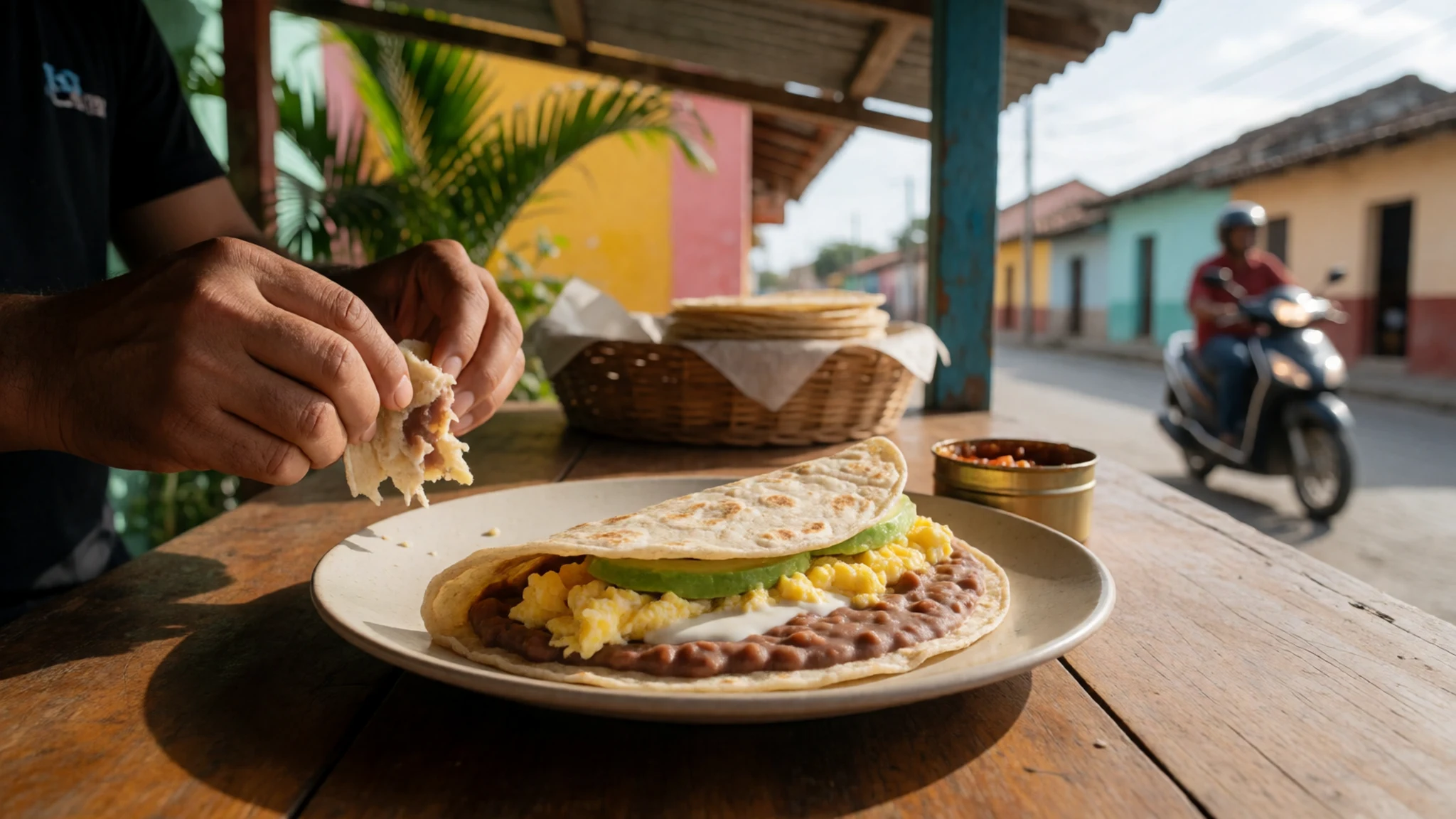
- Sopa de caracol — Seafront seafood restaurants in Tela
Conch soup, usually creamy and coconut-rich, served hot despite the climate. It is among the best-known seafood dishes on this coast. Locals disagree about which kitchen cooks it best, so ask in Tela for a few recommendations.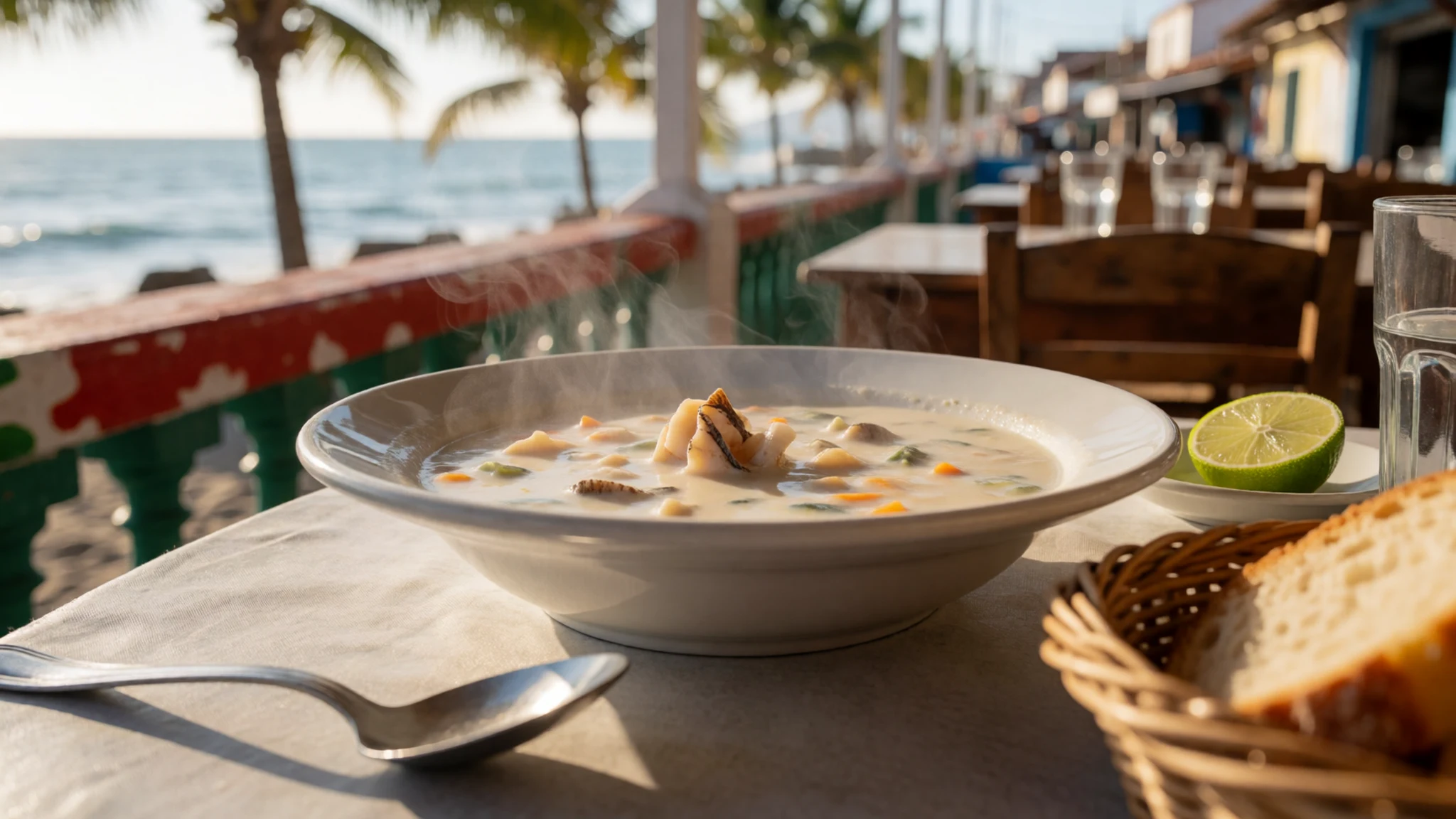
- Sopa de jaiba — Local seafood restaurants around Tela
Crab soup, another coastal favourite, with a rich broth and pieces of crab to pick through. It makes a good post-beach meal, and the same kitchens that make conch soup often serve it. - Fresh coconut — Tela beaches and the seafront
Cold coconut water drunk straight from the shell. Vendors find visitors on the main beaches, and trying one is part of the Tela experience. It is a good way to rehydrate after walking the garden in the heat. - Gifi — Garifuna villages near Tela, such as Triunfo de la Cruz
A homemade coconut liquor offered in Garifuna communities. It is strong and home-brewed, so treat it as a taste of local custom rather than something to drink freely. Accept a small amount in a friendly spirit.
Plan it
Best time. February to May is generally the more comfortable stretch, with less rain, though the coast is hottest in April; the wettest months are October and November, bringing heavy showers and muddier trails. Check the forecast before committing to park or boat trips.
How long. 2–3
Getting there. Fly into San Pedro Sula's international airport, then take a direct coach, shared shuttle or your own car east along the paved highway to Tela; allow a couple of hours by bus. For the last leg, a taxi or local transport from Tela covers the short distance south-east to the garden.
Budget. mid
Tips
- Go to the garden early, when it is cooler and birds are most active
- Carry insect repellent, water and a light rain layer
- Keep belongings in sight on the beach and avoid leaving bags unattended
- Check with the garden or its university before travelling for visiting arrangements, since they are not confirmed here
- Book guided tours in Tela for the national parks rather than going alone
Etiquette
- Ask before photographing people in Garifuna villages
- Stay on marked paths and do not pick plants or fruit in the garden
- Agree prices for guides, boats and taxis before you set off
Nearby
Sources
- Wikidata Q632833 (CC0)
- Wikipedia: Lancetilla Botanical Garden (rev 1355281932) (CC BY-SA 4.0)
- Wikivoyage: Tela (rev 5357142) (CC BY-SA 4.0)
- Photo: Mango Lancetilla Asit fs8, Thaumaturgist (CC BY 3.0)
- Photo: Lychee, Barry Fitzgerald, USDA (Public domain)

