Comayagua
Comayagua, Honduras
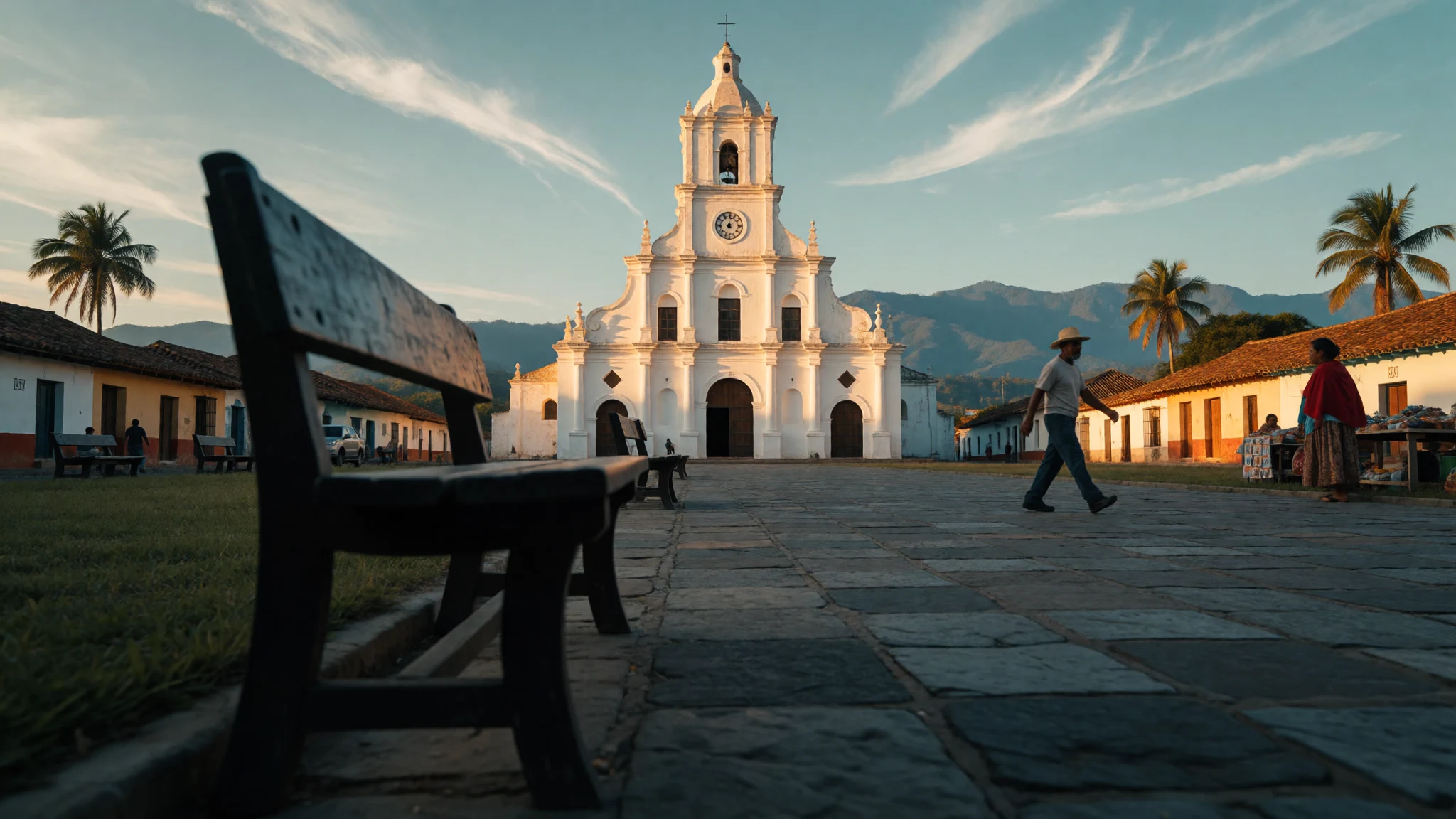
Comayagua is a former capital in a high Honduran valley, where colonial churches, a famous old clock and calm streets reward a slow day.
The place
Comayagua sits 594 metres above sea level in a broad valley in central Honduras, ringed by mountain ranges, northwest of Tegucigalpa on the main road towards San Pedro Sula. About 145,000 people live in the municipality, and the old centre keeps the gridded streets, plazas and whitewashed church fronts of a Spanish colonial town. It was the capital of Honduras before the seat of government moved, which explains why a modest provincial city holds so many grand churches and a cathedral on its main square.
The climate is tropical savanna: warm all year, with a clear wet season and a drier stretch when the valley turns brown and gold. Afternoons can be hot, so the pleasant hours for walking are the morning and the last hour before dusk. Mountains close the horizon in every direction, which gives the town a sheltered, quiet feel despite the lorries on the highway.
The centre is compact. Almost everything of interest lies within a short walk of the cathedral square: churches, a small archaeology museum, shaded courtyards, cafés and the family eateries that feed office workers at lunch. Beyond the old grid the city spreads along the highway with petrol stations, shopping centres and fast-food chains, which are useful but not the reason anyone comes.
Comayagua works as a day trip from Tegucigalpa or as an overnight stop between the capital and the north. Staying the night means getting the plaza after the day-trippers leave, when families sit on the benches and the cathedral is lit. It is a place for wandering and sitting rather than ticking off sights.
Its story
Comayagua's story starts long before the Spanish. The valley was home to Lenca communities, and sites such as Yarumela and Tenampúa show settlement from roughly 1000 BC. Flat land, a mild climate and a position on routes between the Caribbean and the Pacific let those communities prosper and control trade. When Spanish forces arrived they met organised, hierarchical towns, and Lenca leaders put up a determined resistance during the conquest of Honduras.
In 1537 Captain Alonso de Cáceres founded a Spanish city here, following orders to find a site roughly midway between the two oceans. The instruction came from Francisco de Montejo, the governor of the province. The settlement was named Santa María de la Nueva Valladolid, and records also give the name Santa María de la Concepción de Comayagua. The founding date, 8 December 1537, falls on the feast of the Immaculate Conception, which is why Marian dedications run through the town's churches and its coat of arms.
Status followed quickly. A royal order had placed the regional high court, the Audiencia de los Confines, in Santiago de Guatemala, but in 1543 the Council of the Indies directed that its headquarters be installed in Comayagua instead. Comayagua became the political and religious centre of the province and kept that role through the colonial centuries, which is when the cathedral and the oldest churches were raised.
Later the capital function moved on, and Comayagua became a provincial city. What remains is a colonial core with unusual depth for Honduras, set over a much older Lenca landscape that archaeologists are still reading.
What to see
- Cathedral of the Immaculate Conception — Central square
Comayagua's cathedral faces the central square and dates from 1711, a fine example of colonial church building in Honduras. Its clock draws the most attention: local accounts call it the oldest in the Americas and trace it to medieval Moorish Spain. Go in the morning, when the light is soft and the square is quiet.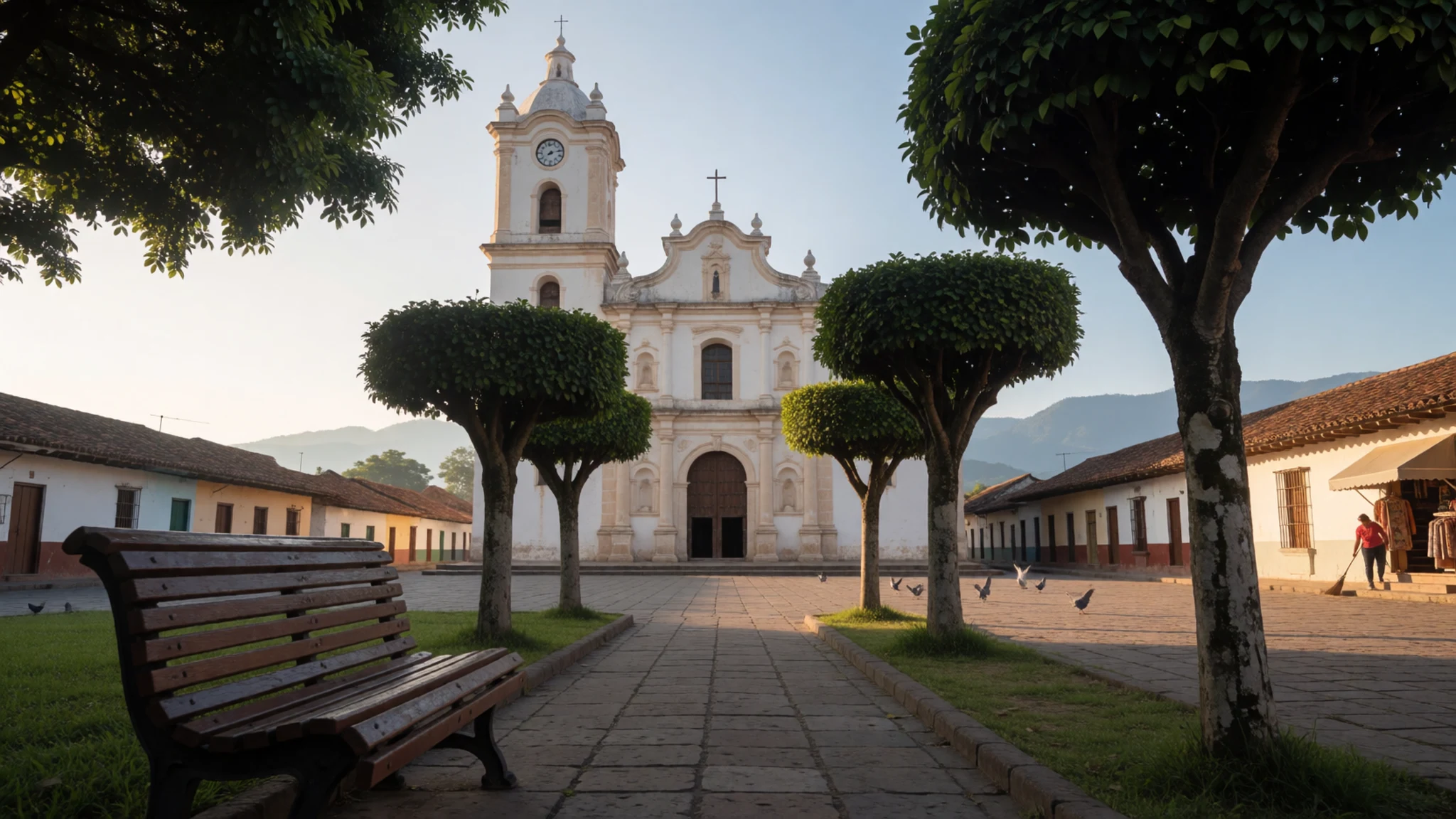
- Iglesia de la Merced — Old town
Regional listings describe La Merced as the oldest church in Honduras, raised in 1550 by Fray Gaspar de Quintanilla. It originally carried the Immaculate Conception dedication, before the present cathedral took over that name. The interior is plain and cool, and the street outside is a good place to see ordinary town life.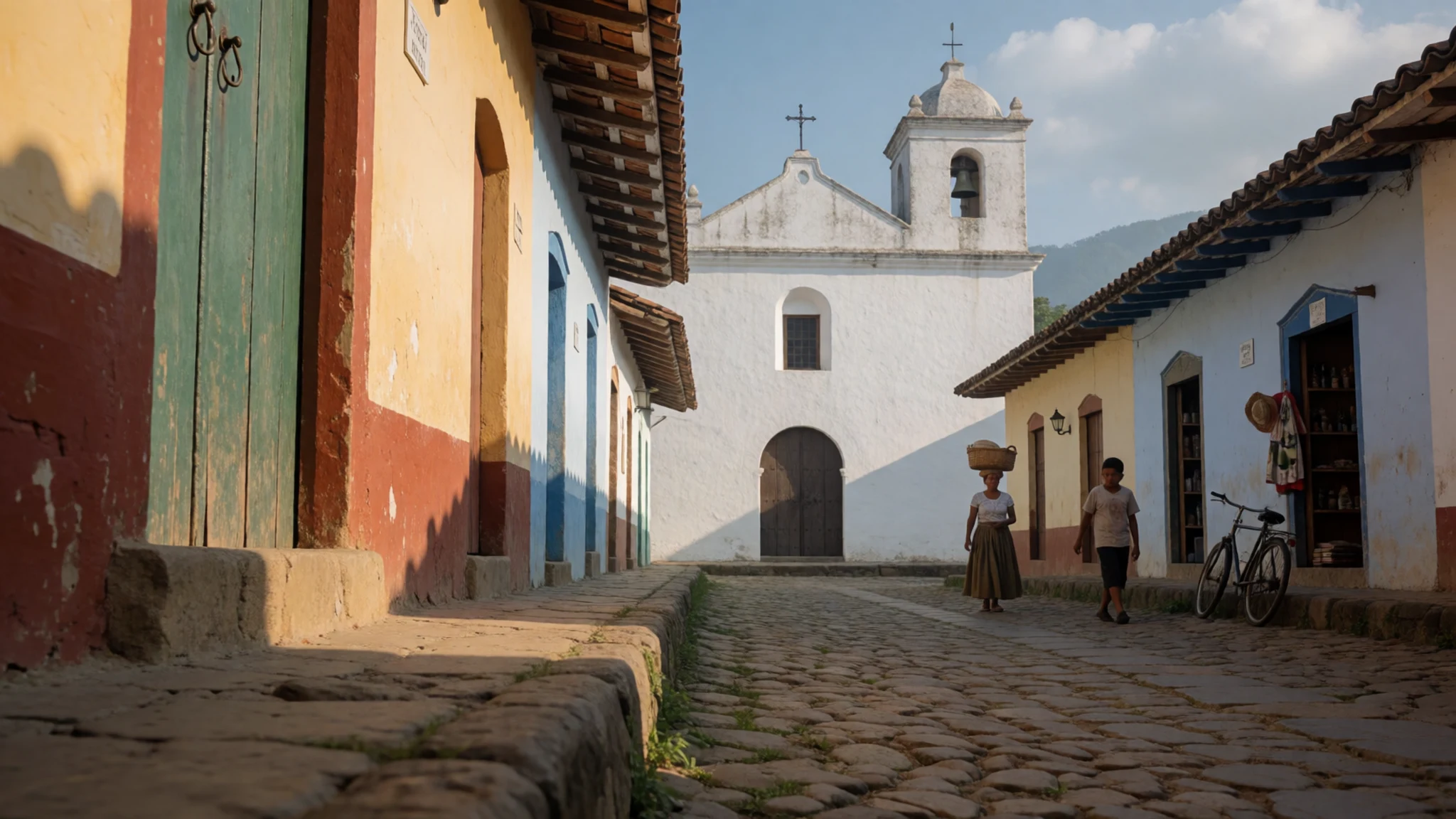
- Iglesia de San Francisco — Colonial old town
Built in 1560 under Bishop Fray Alonso de la Cerda and dedicated to St Francis of Assisi, this is the second-oldest church in town after La Merced. Its façade is simple and sturdy, and the small plaza in front is a pleasant place to sit while the heat of the day passes.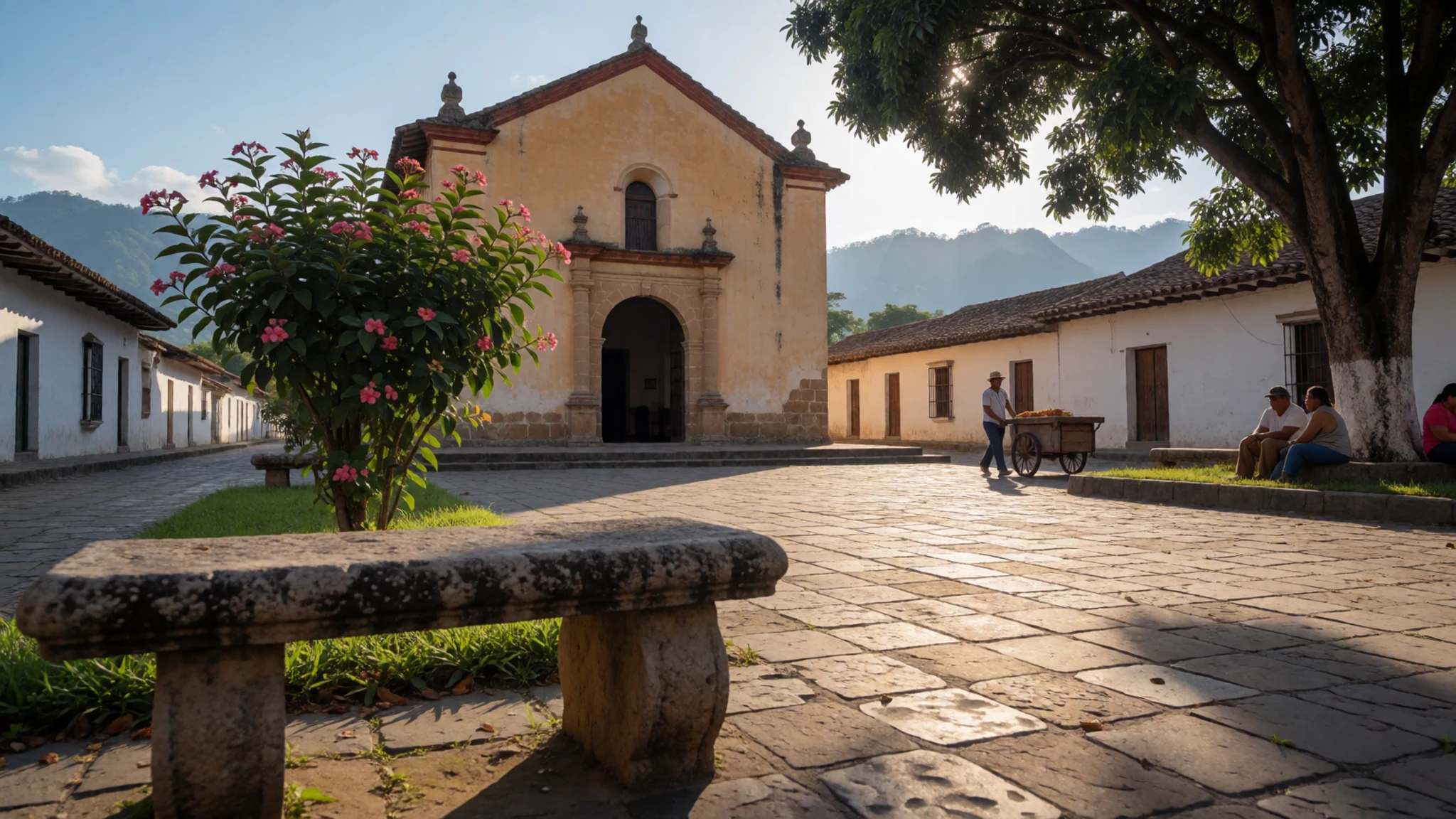
- Iglesia de la Caridad — Northern edge of the old town
La Caridad was established in 1654 and sits a little further out from the cathedral square. Fewer visitors reach it, so it suits a slow wander. Look at how the building has been repaired and repainted over the centuries, a reminder that these churches are still in everyday use.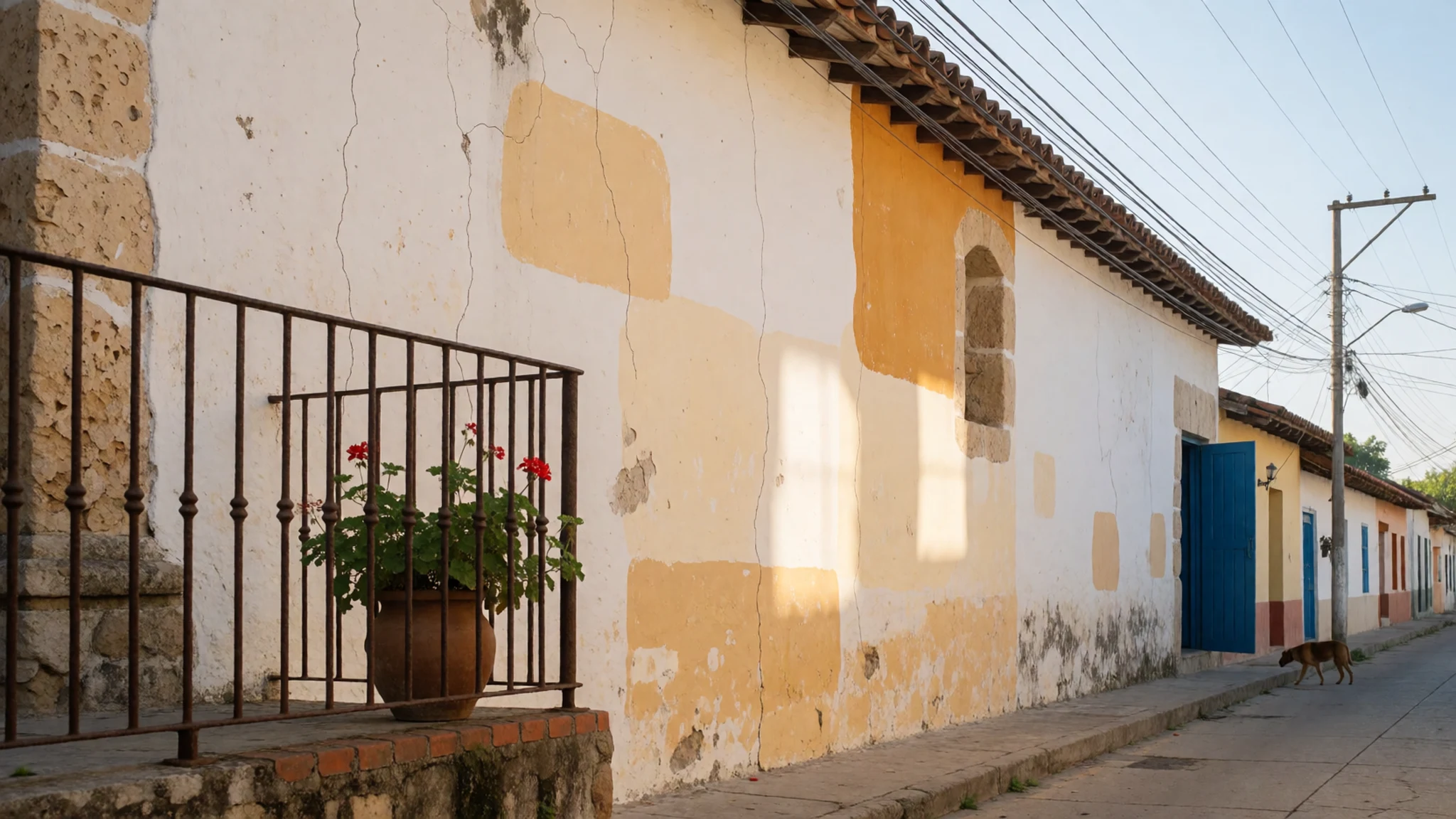
- Museo de Arqueología de Comayagua — Near the central square
The town's archaeology museum is the place to connect the colonial streets with the Lenca valley beneath them, through pottery and finds from sites such as Yarumela. It is small, so a short visit is enough. Opening times change, so check the municipal website before setting out.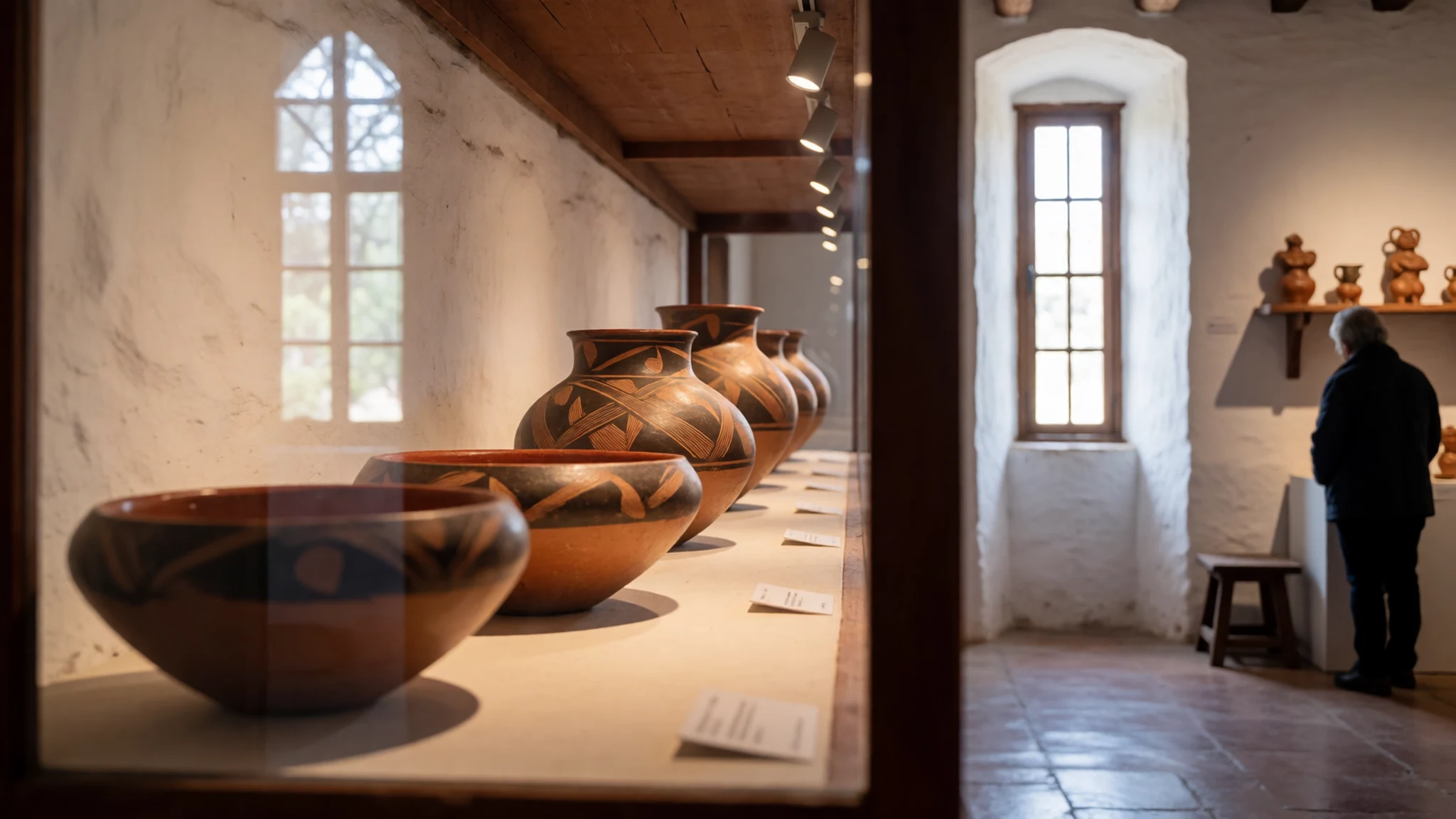
Culture
Comayagua carries its Catholic and Spanish heritage in plain view, and the daily rhythm follows the churches: bells, early Mass, and families filling the cathedral square on Sunday evenings. Holy Week is the high point of the year, when streets are covered with carpets of coloured sawdust and flowers laid out for the processions, so expect crowds and closed roads then. Beneath the Spanish layer lies Lenca heritage, visible in archaeology, in pottery traditions and in the pride people take in the valley's long history before 1537.
Residents think of the town as a former capital and are quick to explain which building did what in colonial days, so a question about the past usually starts a conversation. Social life is courteous: a greeting of buenos días or buenas tardes on entering a shop or sitting down in a small eatery is expected, and handshakes are normal. Evenings are unhurried, with music drifting from open doors and street vendors working around the plaza. A little Spanish is met warmly, and patience with slow service is read as good manners. Sunday is for family, so many smaller businesses keep short hours.
When entering a church, cover your shoulders and knees, keep your voice low, and never photograph worshippers during Mass without asking first.
What to wear
Comayagua has no costume worn daily, but the Lenca communities of the surrounding highlands have a textile tradition built on handwoven cotton, embroidered blouses and skirts, and woven bags and belts in earth tones and bright dyes. These pieces mostly appear at festivals, school parades and craft fairs rather than on ordinary days. Holy Week and religious processions bring out formal dark clothing, and white dresses and suits appear for first communions and weddings.
On an ordinary day people wear what is practical in a warm valley: jeans or light trousers, T-shirts, football shirts, office shirts and school uniforms. Men from the countryside often wear straw or felt hats and boots, especially on market days. People dress neatly for church and for town, and it is common to see pressed shirts even in the heat.
Visitors should pack light, breathable cotton, a sun hat, sunglasses and sunscreen, since the sun at this altitude is strong even when the air feels mild. Closed, comfortable shoes suit the uneven cobbles and pavements, and a light waterproof is worth carrying in the wet season. For churches, bring a layer or scarf that covers shoulders and knees. Showy jewellery and visible phones draw attention in any Honduran town, so keep valuables discreet.
What to eat
- Baleadas — Street stalls and small family eateries near the plaza
A folded wheat-flour tortilla filled with refried beans, crumbly cheese and thick cream, sometimes with egg or avocado. It is the standard cheap breakfast or snack across Honduras and turns up all day in Comayagua.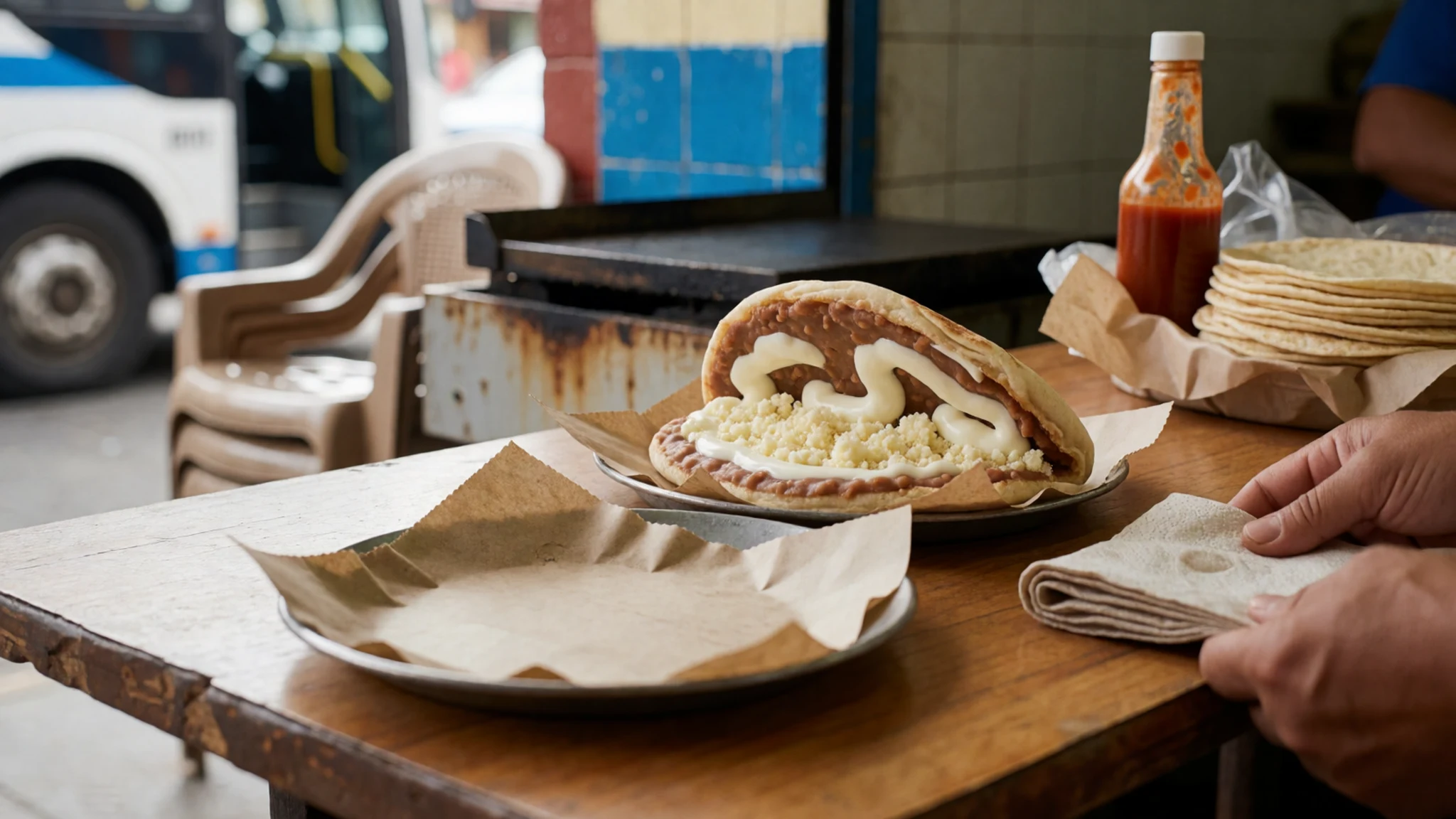
- Fried or rotisserie chicken with tajadas — Small family eateries called golosinas, on most streets
Chicken, either fried or turned on a spit, comes with tajadas, crisp slices of fried plantain, plus a simple cabbage salad. Small family-run eateries serving it appear on nearly every block, and lunch there is filling and inexpensive.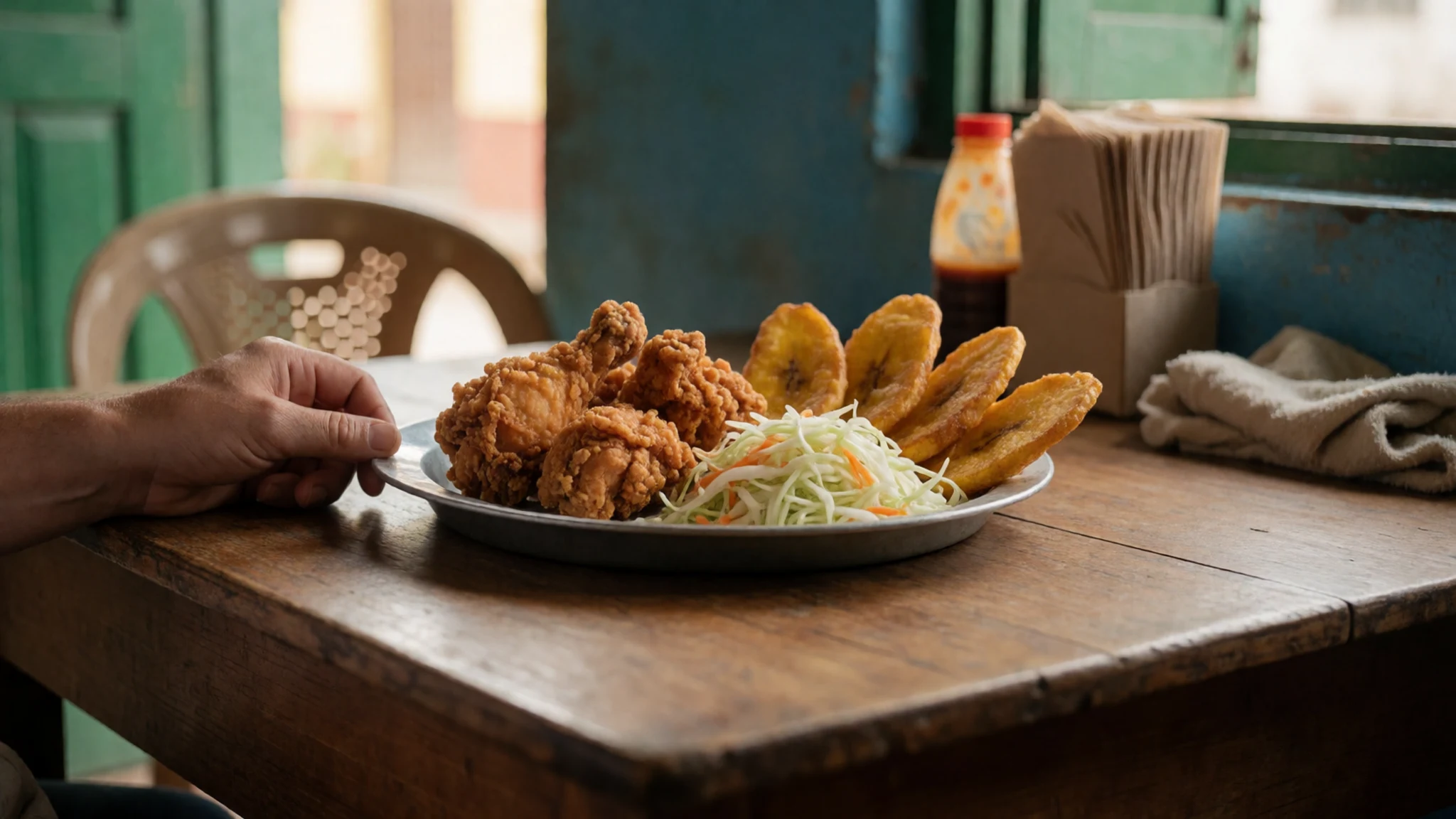
- Grilled meat skewers — Street vendors around the main plaza after dark
Street vendors grill skewers of beef or chicken over charcoal in the evening, serving them with tortillas, salsa and a sharp pickled cabbage. The smoke and the smell are the best guide to finding a good stand. - Plato típico — Family restaurants in the old town
A plate that gathers the everyday Honduran staples: red beans, rice, fried plantain, a piece of grilled or stewed meat, cheese and cream, with tortillas on the side. It is a decent way to try several things at one sitting. - Chinese-Honduran plates — Restaurants along the main road and in the town centre
Comayagua has a surprising number of Chinese restaurants, mostly serving similar fried rice, chow mein and chicken dishes in very large portions. They suit a hungry group or a lazy evening, and the food is usually quick and filling.
Plan it
Best time. November to March, in the drier months, when days are warm and rain is least likely. The wet season brings afternoon downpours and the heat can build before the rains, while Holy Week in spring is lively but crowded.
How long. 1–2
Getting there. The nearest large airports are those serving Tegucigalpa and, further north, Ramón Villeda Morales International Airport in San Pedro Sula, about two hours away on the main highway. Some airlines list flights to a closer airport, so check current schedules. The last leg is a hired car or a long-distance bus; Tegucigalpa to Comayagua takes about an hour to an hour and a half by road.
Budget. low
Tips
- Start walking early, before the midday heat, and visit the churches in the morning
- Do not drink tap water anywhere in Honduras; use bottled or treated water
- Carry some cash for small eateries and street stalls, and cards for larger restaurants
- Book a room well ahead for Holy Week, when the town fills
- Check the official municipal website for museum and church opening times: https://www.amcomayagua.com/
Etiquette
- Greet people when entering a shop or eatery
- Cover shoulders and knees in churches and keep voices low
- Ask before photographing people, especially worshippers
Nearby
Sources
- Wikidata Q679169 (CC0)
- Wikipedia: Comayagua (rev 1378474489) (CC BY-SA 4.0)
- Wikivoyage: Comayagua (rev 5400427) (CC BY-SA 4.0)
- Comayagua Cathedral View from the park, Luis Alfredo Romero (CC BY-SA 4.0)
- Ciudad de Comayagua collague, Luis Alfredo Romero (CC BY-SA 4.0)
- Bandera de la Ciudad de Villa de Santa María de la Nueva Valladolid de Comayagua, Luisriver272 (CC BY-SA 4.0)
- Escudo de Comayagua, DARANTAGUI (CC BY-SA 4.0)
- Lenca vasija, Luis Alfredo Romero (CC BY-SA 4.0)
- Representación Comayagua siglo XVIII, Jesús Valladares Tejeda (CC BY 4.0)
- Iglesia de San Francisco de Comayagua 2018, Luis Alfredo Romero (CC BY-SA 4.0)
- Museo de Comayagua, Einkimadu (CC BY-SA 4.0)


