Cusuco
Cusuco, Honduras
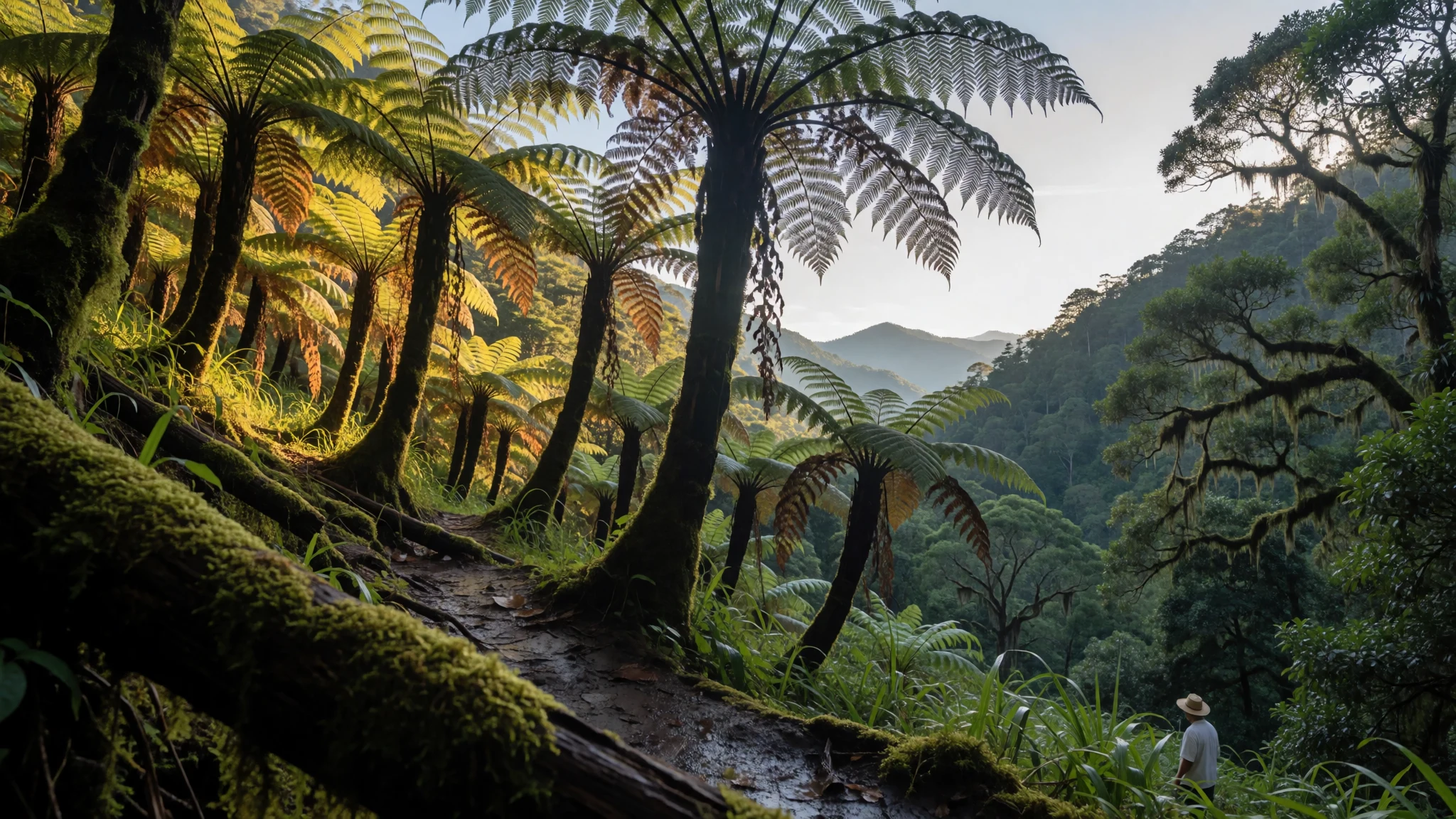
Cusuco is a cloud-forest park in northwest Honduras, where tree ferns, stunted dwarf forest and rare amphibians lie within reach of San Pedro Sula.
The place
Cusuco National Park sits in the Merendon mountains of northwest Honduras, about 30 km from San Pedro Sula, close enough that the city's noise fades within a morning's drive uphill. The protected area covers 234.4 square kilometres, divided into a smaller core zone and a wider buffer zone where people still live and farm. Altitude does most of the work here. From almost sea level at the western edge the land climbs to 2,425 metres near the middle, and the vegetation changes with each step: dry pine woodland first, then damper pine, then moist broadleaf forest. Around 1,500 metres the cloud forest begins, hung with moss, ferns and epiphytes, and it acts as a water store for the slopes below. Above 2,000 metres comes the bosque enano, or dwarf forest, where wind and cloud keep the trees low and twisted. That spread of habitats explains why scientists value the park. It lies inside the Meso-American biodiversity hotspot and is recognised as a Key Biodiversity Area, mainly because of its threatened amphibians. Tapirs, cougars, monkeys, toucans and quetzals are all recorded, though a walker is far more likely to meet beetles, frogs and birdsong than a big cat. Facilities are modest: a visitors' centre, trails, camping, and tours arranged through agencies in the city. This is a working conservation area, not a polished resort park. Mud and mist are normal at height even when the lowlands are hot, and most trails stay quiet.
Its story
Cusuco National Park has been a protected area since 1959, when Honduras set aside this stretch of the Merendon mountains. The label on the map has never been the whole story, because the forest sits in a region that people want to use. Slopes at these altitudes suit coffee, and conversion of forest to plantations is one of the pressures named by researchers. Growing communities, new roads and buildings add to it, and hunting has thinned the large mammals. The zoning of the park, a protected core ringed by a buffer, is a compromise between keeping forest standing and letting neighbours earn a living. A quieter threat comes from chytridiomycosis, a fungal disease that has damaged amphibian populations in many mountain regions. Cusuco's salamanders and frogs are the reason it counts as a Key Biodiversity Area, so the disease strikes at the heart of the park's value. Climate change adds another worry. Species adapted to cool, misty air near the summits have little higher ground to retreat to, and the globally rare dwarf forest, with its characteristic shrub Randia brachysiphon, is exactly that kind of habitat. None of this makes the park a lost cause. It makes it a place where the argument for conservation is visible on the ground, from tree ferns in the mist to coffee rows at the edge of the trees. Money spent locally, on guides, food and transport, is part of how that argument is won.
What to see
- Visitors' centre — Eastern side of the park
The visitors' centre is the practical starting point for Cusuco National Park. It is the place to register, ask which trails are passable after rain and arrange a guide. Staff knowledge counts for more than signage, since conditions shift with weather. Confirm current access arrangements with a San Pedro Sula tour agency before setting out.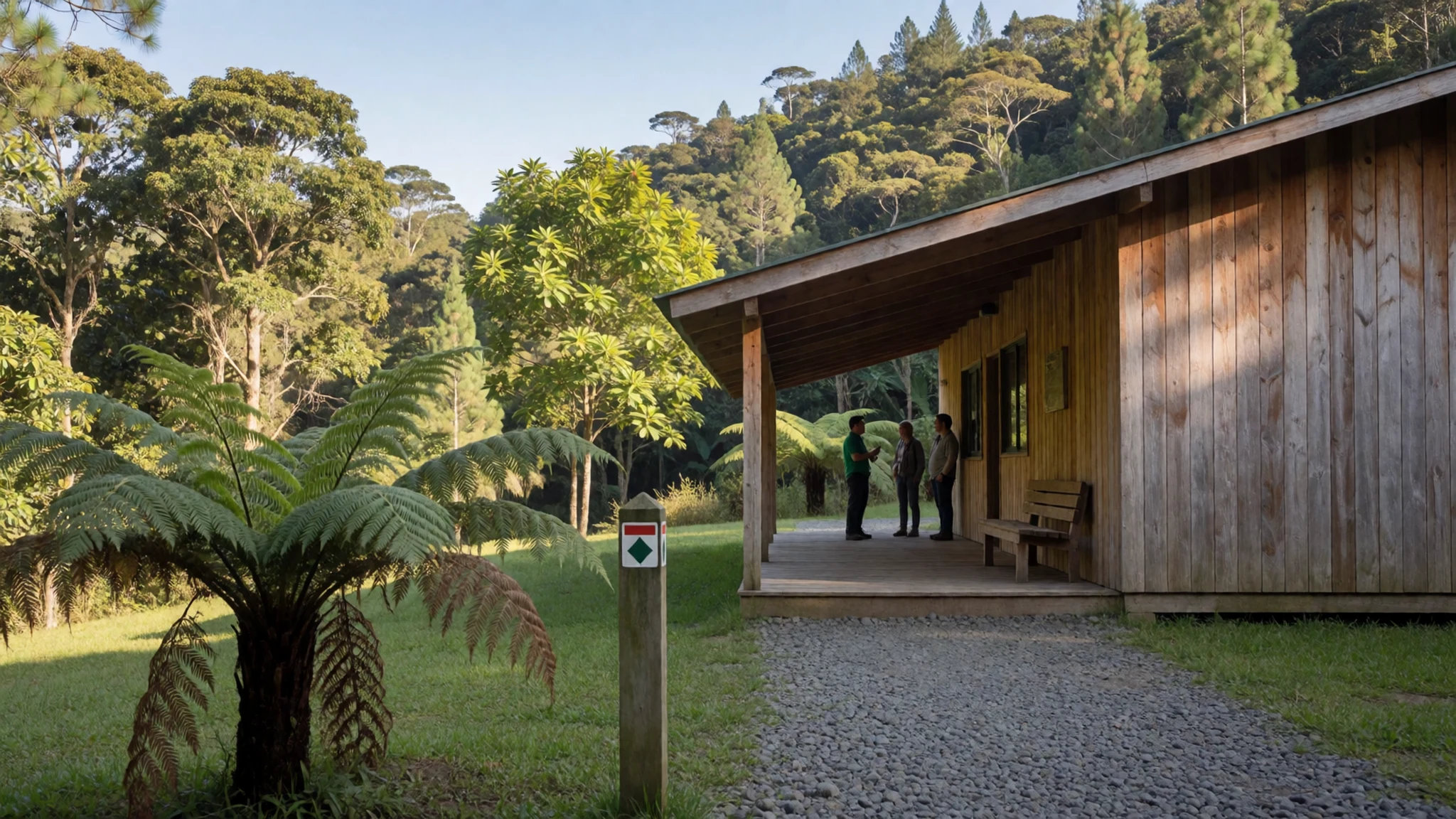
- Cloud forest trails — Above about 1,500 metres
From about 1,500 metres the trails enter cloud forest, where trunks are furred with moss and tree ferns open like green fountains overhead. The air turns cool and wet, and walking slows. Fog can hide the views completely, but it is the reason the forest holds so much water for the slopes below.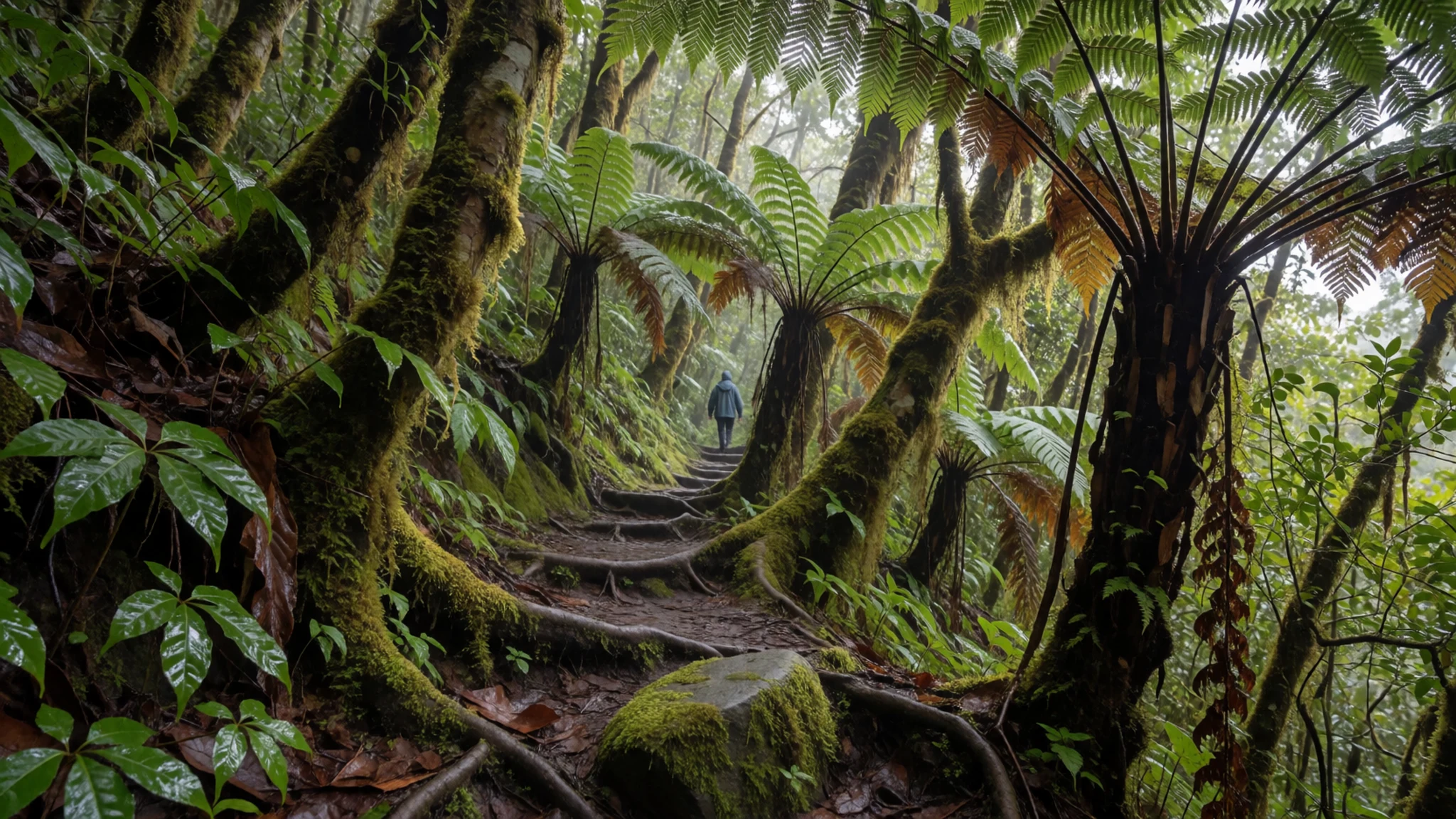
- Dwarf forest (bosque enano) — Above 2,000 metres, central ridges
The bosque enano above 2,000 metres is the park's globally rare habitat, a wind-bent woodland of low, gnarled trees where Randia brachysiphon is the characteristic shrub. It means a long, steep climb, often combined with a night of camping. Fitness and a competent guide matter, and the reward is an odd, stunted landscape with ridge views when cloud lifts.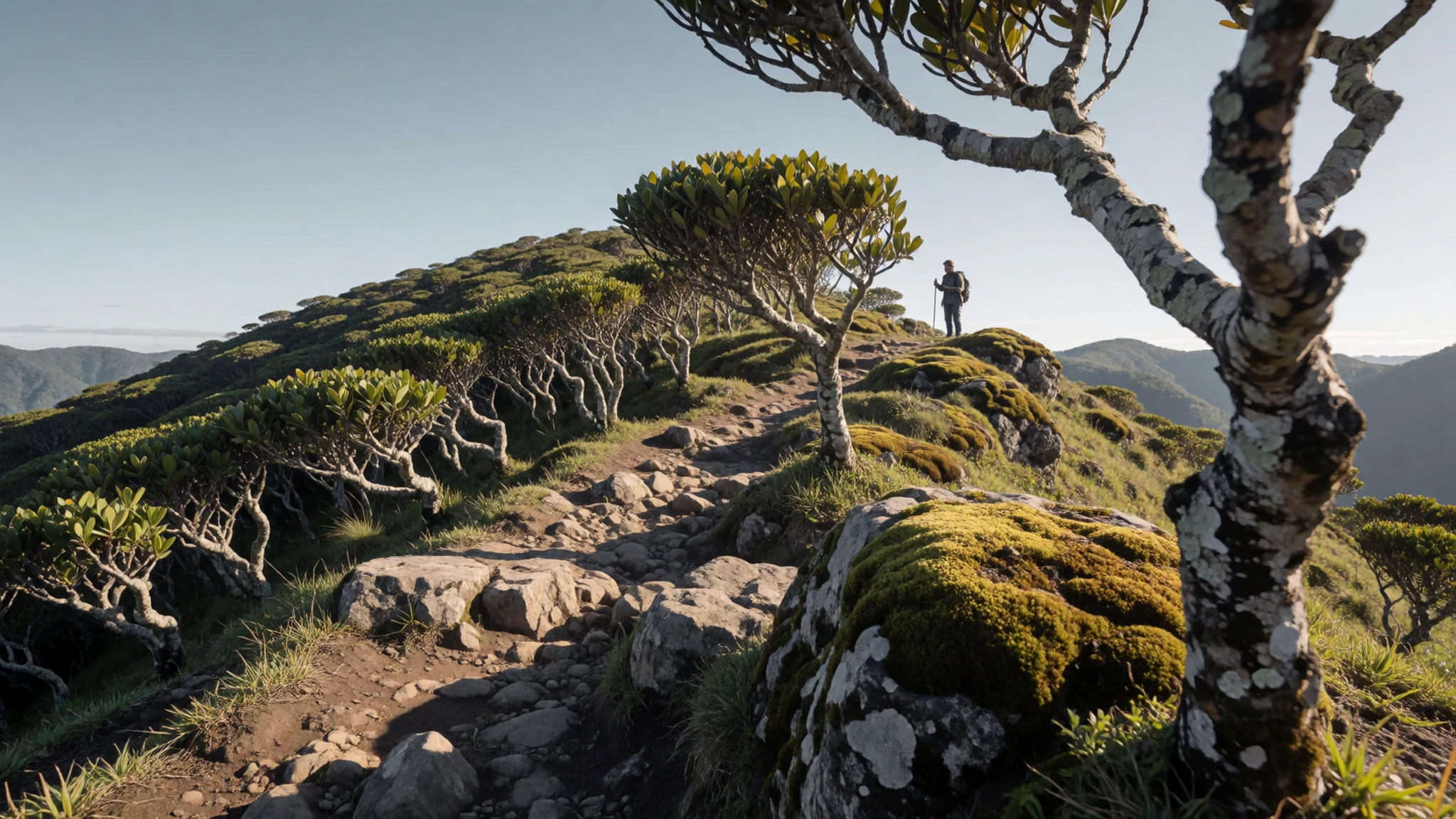
- Night walks and amphibians — Forest trails near the lower and middle slopes
After dark the forest changes cast. Guided night tours search with torches for salamanders, frogs, spiders and the occasional snake, and amphibians are the main reason the park is a Key Biodiversity Area. Guides ask visitors not to handle animals, partly because of disease. A head torch, patience and boots that grip wet mud all help.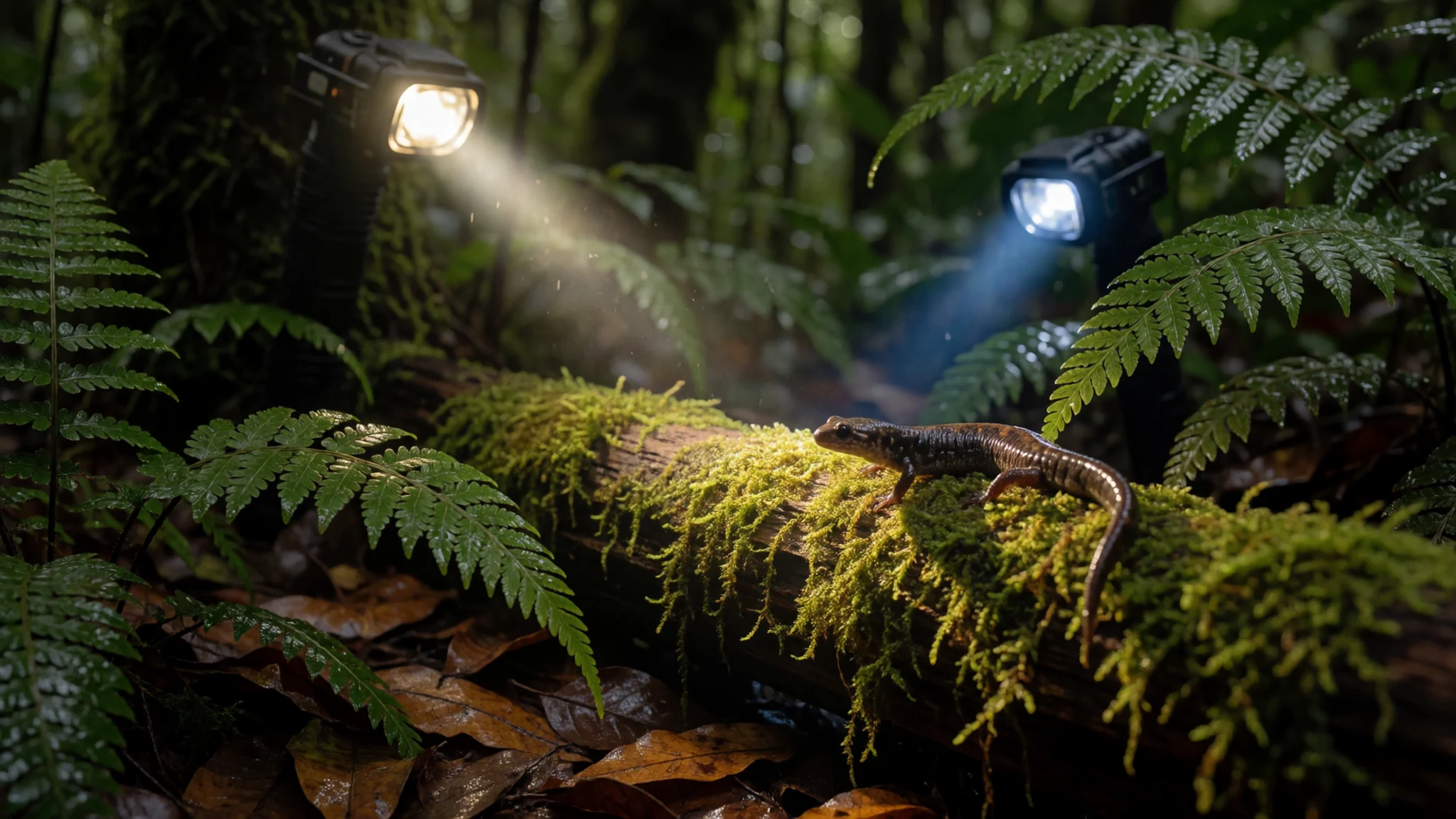
- Waterfalls, caves and rope work — Lower trails and buffer zone
Activity-style visits fill the lower parts of the park: swimming below waterfalls, caving, rappelling and mountain biking are all listed as options. What actually runs in a given week depends on the operator, water levels and group size, so ask the agency what is on offer. After heavy rain, streams run faster and colder.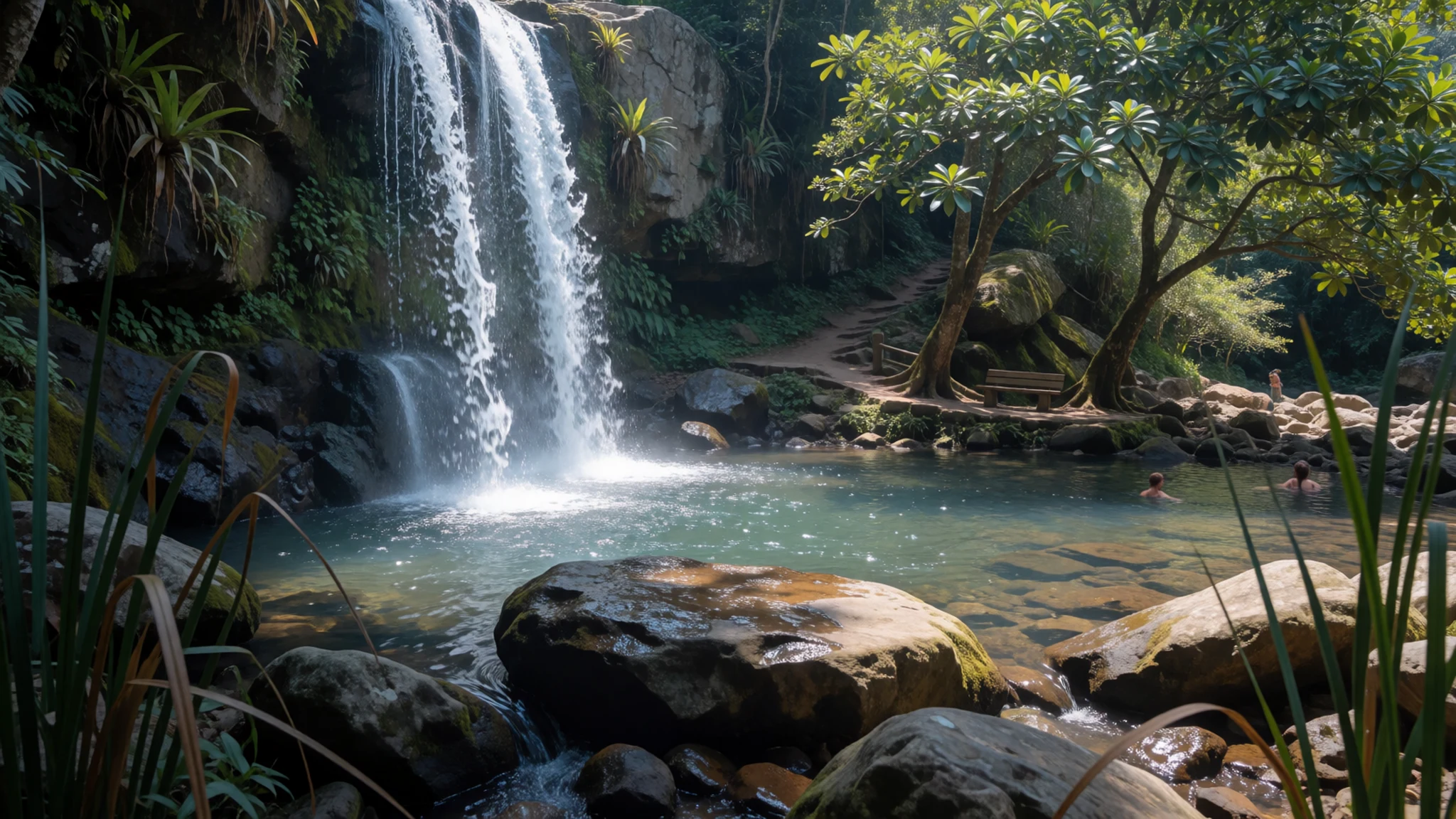
- Bird watching — Forest edges and cloud forest
Early starts suit bird watching. The park holds montane forest specialists, toucans and quetzals, and dawn along a forest edge or ridge trail gives the best chance of hearing them before seeing them. Sightings are never guaranteed, and mist can swallow a morning, so a patient guide with sharp ears is worth more than binoculars.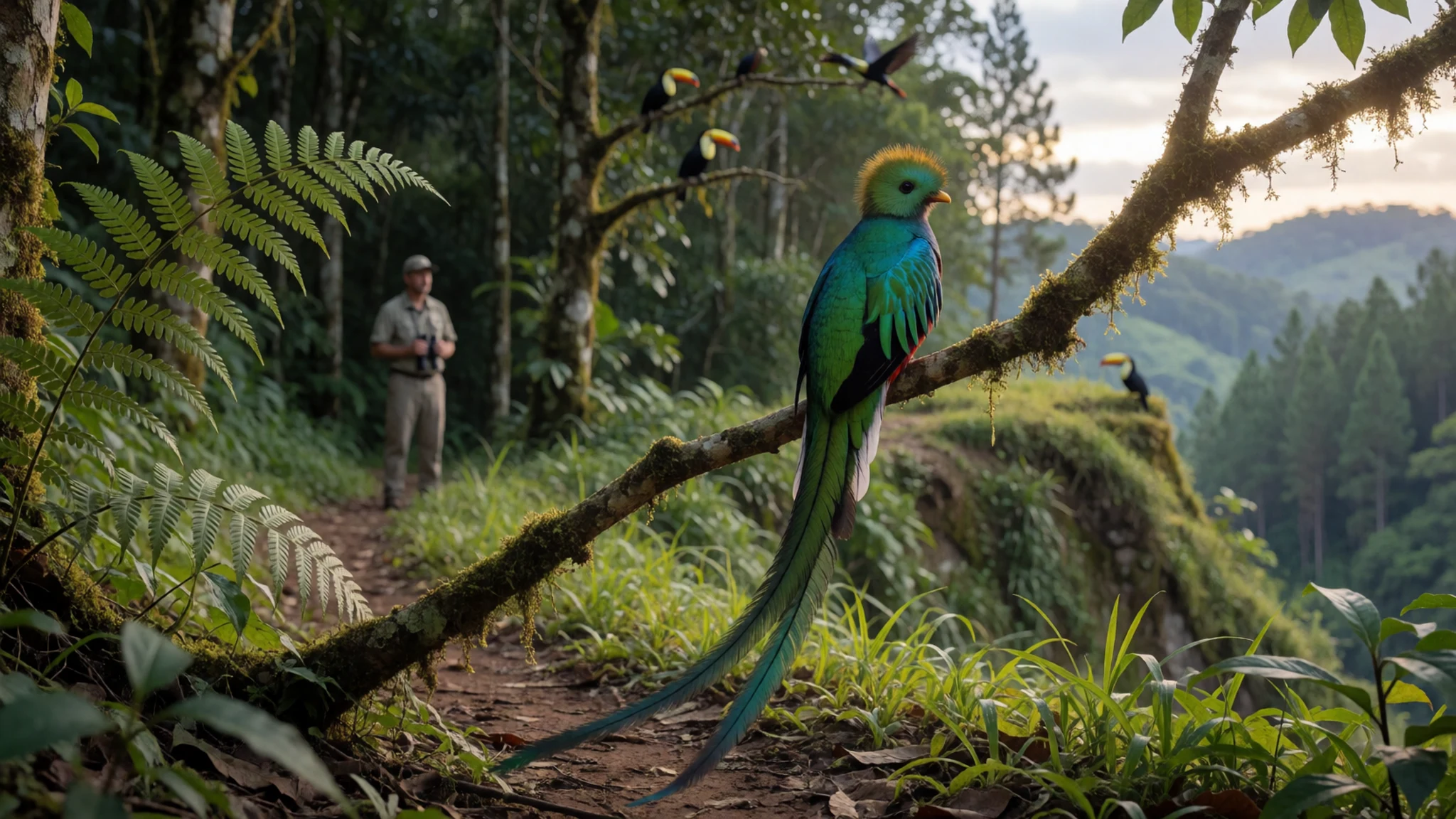
Culture
Cusuco National Park is surrounded by Spanish-speaking farming communities, and the park's culture is really theirs. Coffee is the visible crop on the slopes of the Merendon mountains, and conversations about the forest often come back to livelihoods, land and water. Conservation is not an abstract idea here. It sits alongside people who depend on the same hillsides and streams. Down in San Pedro Sula, the nearest large city, the pace is quick and commercial, with football, family meals and loud music setting the weekend mood. Up in the villages, mornings start early, greetings are unhurried, and a polite buenos días on the trail is expected. Visitors who take a local guide, buy food and drink from nearby families and ask questions rather than lecture will usually find people willing to talk about the forest they know well. Researchers and conservation groups also work in and around the park, so a trail may bring an encounter with scientists measuring plots or checking traps. Honduras has several other cultures of its own, including Lenca and Garifuna communities elsewhere in the country, and Cusuco should not be mistaken for a stand-in for them. Greet people on the trail with a buenos días, ask before photographing anyone or their land, and keep to marked paths so as not to trample crops or fragile moss.
What to wear
Honduras has no single national costume, and nothing specific to Cusuco itself. Traditional folk dress appears mainly at festivals, school performances and dance groups: women in wide, ruffled, brightly coloured skirts with embroidered blouses, men in white shirts, dark trousers and straw hats, mostly in cotton. Lenca weaving in the west and Garifuna dress on the Caribbean coast are separate traditions with their own textiles. Everyday clothing around San Pedro Sula is practical and casual: jeans or light trousers, football shirts, cotton tops and trainers in the city, with wide-brimmed hats and rubber boots on farms and in the wet hills. A visitor needs to dress for two climates in one day. The lowlands are hot and humid, while the cloud forest above about 1,500 metres is cool, damp and often misty. Quick-drying long trousers and a long-sleeved shirt protect against scratches, insects and the odd snake, and a light waterproof jacket plus a thin fleece for the heights are sensible. Boots with ankle support and good grip matter more than anything else, since trails turn to mud. Swimwear is fine at waterfalls, but in villages and in town modest, covered clothing is more comfortable. A hat, a small rucksack with a dry bag and a head torch for night walks round off the kit.
What to eat
- Baleadas — Early-morning street stalls and market counters in San Pedro Sula
A folded wheat tortilla filled with refried beans, crumbled cheese and thick cream, often with egg, avocado or meat added. Baleadas are a filling breakfast to eat before heading uphill, and they are cooked fresh on a hot griddle at most stalls.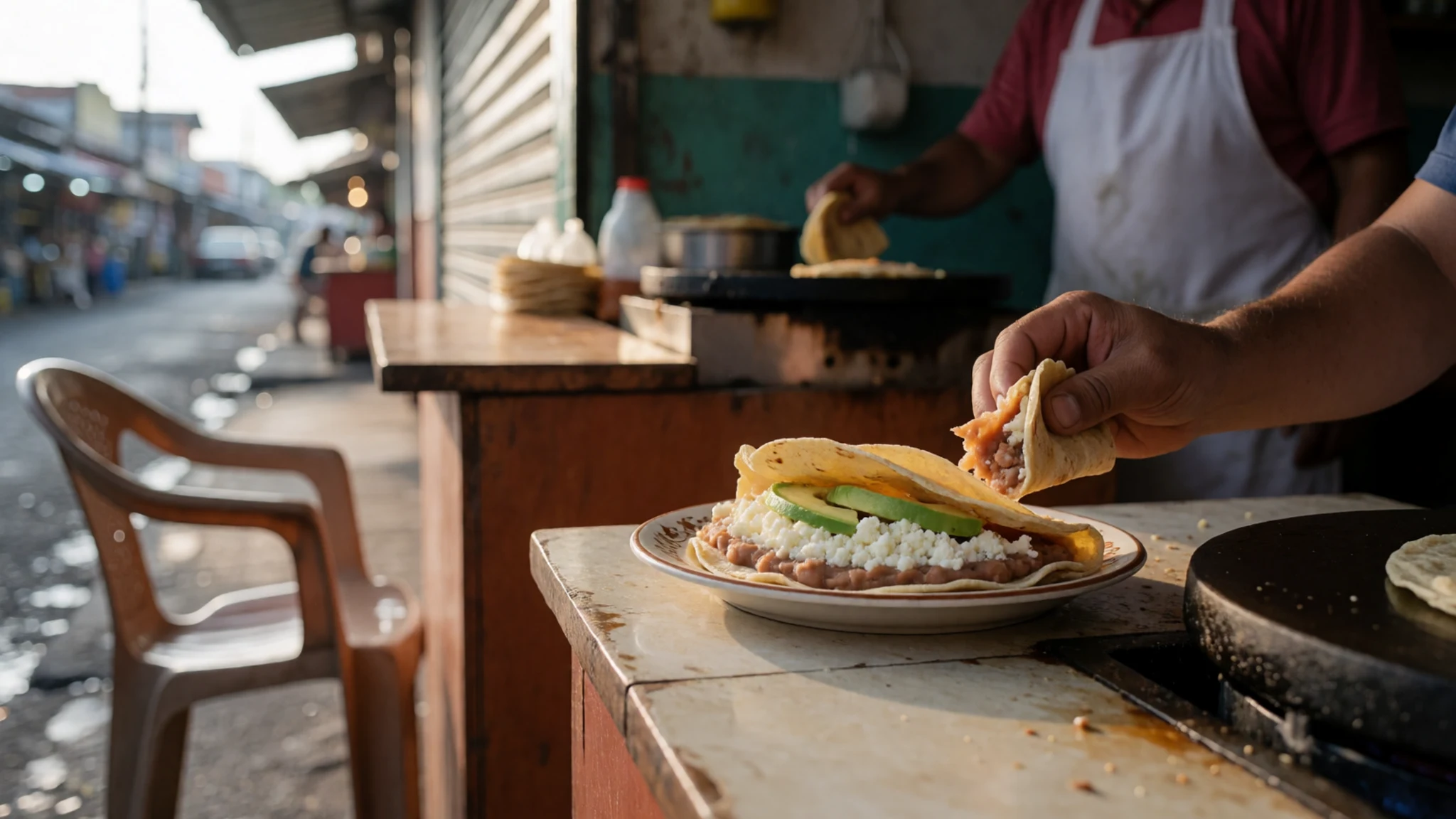
- Plato típico — Family-run eateries (comedores) around San Pedro Sula
A generous plate of grilled beef or chicken with rice, beans, fried plantain, pickled cabbage and a slice of cheese. It is the standard lunch for working people, and a comedor gives a fair picture of everyday Honduran cooking.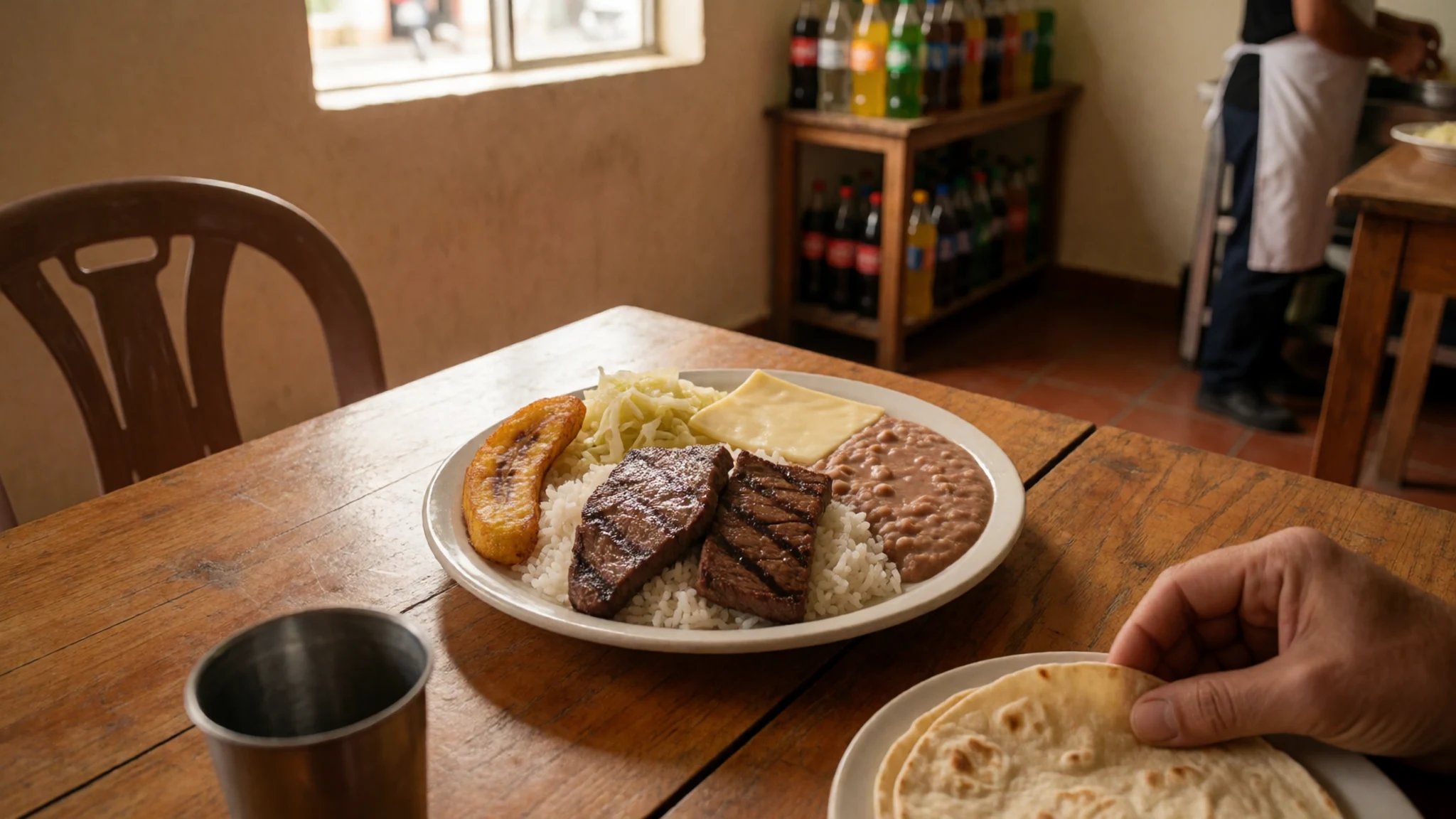
- Yuca con chicharrón — Street stalls and market food courts in San Pedro Sula
Boiled cassava topped with crisp fried pork, a cabbage and tomato salad and a squeeze of lime. Cassava soaks up the salty, fatty crackling well. It is usually served on a banana leaf or a paper tray and eaten with the fingers. - Pollo con tajadas — Casual chicken eateries and roadside stalls
Fried chicken served with crisp slices of green plantain, shredded cabbage and a tangy pink sauce. It is a familiar casual meal in the north of Honduras and an easy, filling stop before or after a day on the trail. - Honduran coffee — Cafés and small roasters in San Pedro Sula; farm gates in the hills
Coffee is grown on the mountain slopes of Honduras, and the Merendon range is part of that story. A cup in a city café or a bag of beans from a small roaster makes a sensible souvenir, and it directly supports local growers.
Plan it
Best time. February to May is usually the more comfortable stretch for walking, with drier trails; the cloud forest stays damp whatever the month, and heavy rain later in the year makes paths slippery and views poorer. Check the current forecast with the agency before booking.
How long. 2–3
Getting there. Fly to San Pedro Sula, the nearest major airport, then travel about 30 km to the park. Tours are normally arranged through travel agencies in the city, who handle transport and guides for the last leg on rough roads.
Budget. mid
Tips
- Book through a San Pedro Sula agency in advance, and ask about trail and road conditions after rain.
- Start early, since cloud often thickens as the day goes on and early light suits bird watching.
- Carry cash in small notes and your own water; supplies on the trail are limited.
- Pack layers: the lowlands are hot but the forest above about 1,500 metres is cool and damp.
- Check current government travel advice for the San Pedro Sula area, and go with an agency or guide rather than independently.
Etiquette
- Stay on marked trails and do not handle amphibians or snakes.
- Greet people you pass with a buenos días and ask before taking photographs of them or their land.
- Take all rubbish out and do not pick plants, moss or insects.
Nearby
Sources
- Wikidata Q5196587 (CC0)
- Wikipedia: Cusuco National Park (rev 1362718875) (CC BY-SA 4.0)
- Wikivoyage: Cusuco National Park (rev 5283411) (CC BY-SA 4.0)
- Helecho arboreo cola de mono, Anjelkaido (Public domain)
- Recon Cusuco, Honduras, Yamil Gonzales (CC BY-SA 2.0)
- Relief map of Honduras, Виктор В (CC BY-SA 2.0)
- El Cusuco Salamander, Tkennedy239 (CC BY-SA 4.0)
- Bosque enaño (dwarf forest), Jessica Towne (CC0 1.0)
- Central American jumping pitviper, Jessica Towne (CC0 1.0)
- Cupiennius salei, adult female underside, Stuart J. Longhorn (CC BY-SA 4.0)
- Cupiennius salei, adult female, Stuart J. Longhorn (CC BY-SA 4.0)


Wildlife
- Cougar (animal)
The cougar is a big, secretive cat that goes by many names, including puma and mountain lion. Cusuco's forest is known to hold one, yet a walker is far more likely to enjoy beetles, frogs and birdsong, so count any sighting as a rare gift. I can't tell you a season or hour to look. Go with a local guide, keep a respectful distance, stay calm and quiet, and never feed it or any wild animal.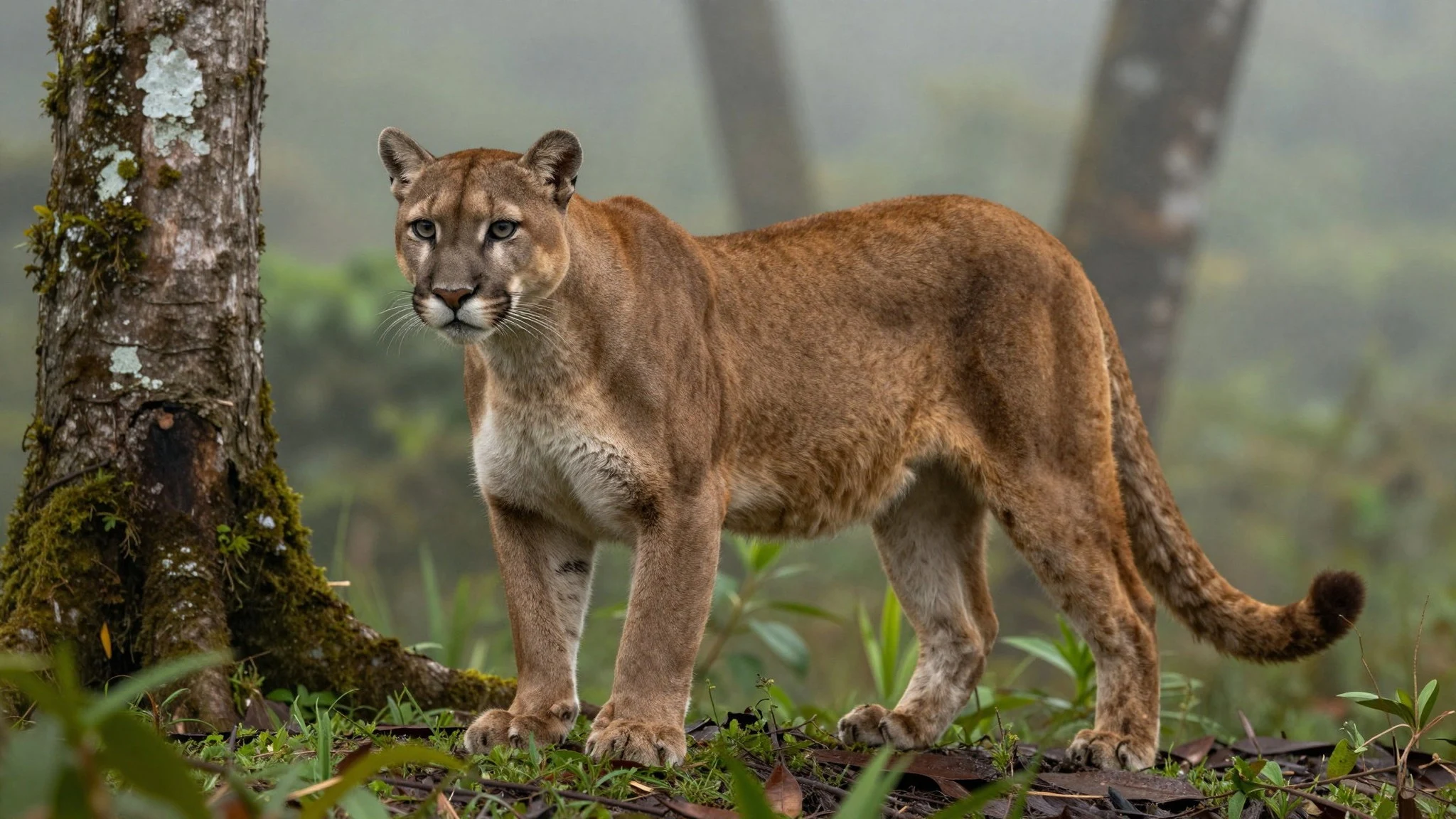
- Resplendent quetzal (animal)
Think of the resplendent quetzal as a small forest bird that lives among the mist and feasts mostly on fruit. Cusuco is among the places where quetzals have been recorded, but the notes give no season or hour, so I will not guess. Birdsong is far likelier than any single sighting. Take a guide, move quietly, watch from afar so it stays relaxed, and never feed it. - Resplendent quetzal (bird)
Think of the resplendent quetzal as a small forest bird that lives among the mist and feasts mostly on fruit. Cusuco is among the places where quetzals have been recorded, but the notes give no season or hour, so I will not guess. Birdsong is far likelier than any single sighting. Take a guide, move quietly, watch from afar so it stays relaxed, and never feed it.