Bay Islands
Bay Islands, Honduras
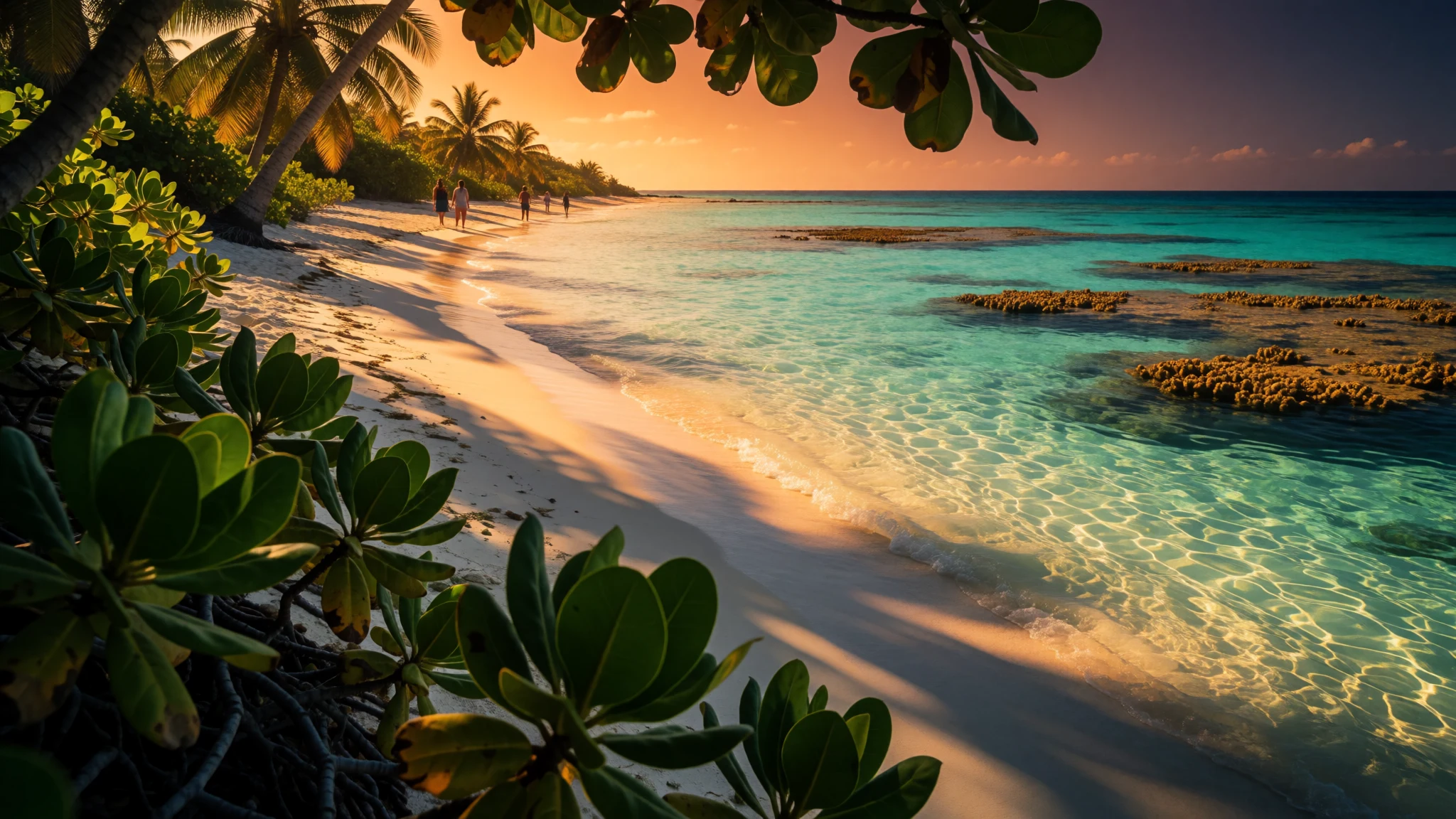
Bay Islands offers Caribbean reef diving and snorkelling off Honduras, with English-speaking islanders, Garifuna cooking and quiet cays within a short boat ride.
The place
Bay Islands is the Honduran island group in the western Caribbean, lying off the country's north coast, and the name also covers the department that governs them. The main islands are Roatán, Utila and Guanaja, with many smaller cays scattered around them and the Cayos Cochinos set closer to the mainland. A fringing reef runs along much of the north shore, close enough in places that snorkellers can swim out to it from the beach, and that reef is the reason most visitors come.
Roatán is the long, hilly island with the most roads, restaurants and flights. Its western end holds the beach strips of West End and West Bay, while Coxen Hole, the administrative town, is a working place of banks, ferries and markets rather than a resort. Utila is low and flat, with one main settlement, bicycles and golf buggies instead of traffic, and a name as a place to learn to dive. Guanaja is greener and more rugged, with pine-covered hills; much of its main settlement sits on a small cay just off the coast, with canals for streets.
The air is warm and humid all year, and the sea is warm enough that a thin wetsuit or none will do. Rain comes in bursts, heaviest toward the end of the year, and hurricane season runs through the second half of the year. English-based Creole, Spanish and Garifuna are all heard, often within a single street. Mosquitoes and sandflies are a real nuisance on calm evenings, and a day on the water without sun cover goes badly.
Its story
Bay Islands has been a crossing point for centuries. Long before European ships appeared, Indigenous peoples of the Central American coast visited and settled the islands, and traces of their villages survive on several of them. Spanish voyagers reached the group in the early colonial years, after which Spanish authority stayed thin for a long time. Pirates and privateers used the sheltered bays, and British settlers and logwood cutters moved along the wider Caribbean coast.
British influence grew until, in March 1852, Great Britain formally annexed the islands, an event that a commemorative print of 1853 still records. The islands were later handed to Honduras, but the English language and the Protestant church life of that era stayed, which is why many islanders still speak a Caribbean English at home and Spanish on the mainland ferry.
Another layer came with the Garifuna, people of mixed West African and Indigenous Caribbean descent, whom the British deported from St Vincent. They landed on Roatán and then spread along the Central American coast. Garifuna villages such as Punta Gorda on Roatán, and the fishing cay of Chachahuate in the Cayos Cochinos, keep language, drumming and cassava cooking going.
In recent decades diving and cruise tourism have transformed Roatán in particular, bringing jobs, rising land prices and pressure on reef and water supply, while Utila and Guanaja have changed more slowly. Arguments over who benefits, and how much building the coast can take, run through local life.
What to see
- West End and West Bay — Western Roatán
West End is a narrow strip of dive shops, small eateries and beach bars at the western tip of Roatán, easy to walk end to end. West Bay, a short water-taxi or road trip away, has a long pale beach and clear shallows good for snorkelling. Both fill up on cruise-ship days, so go early.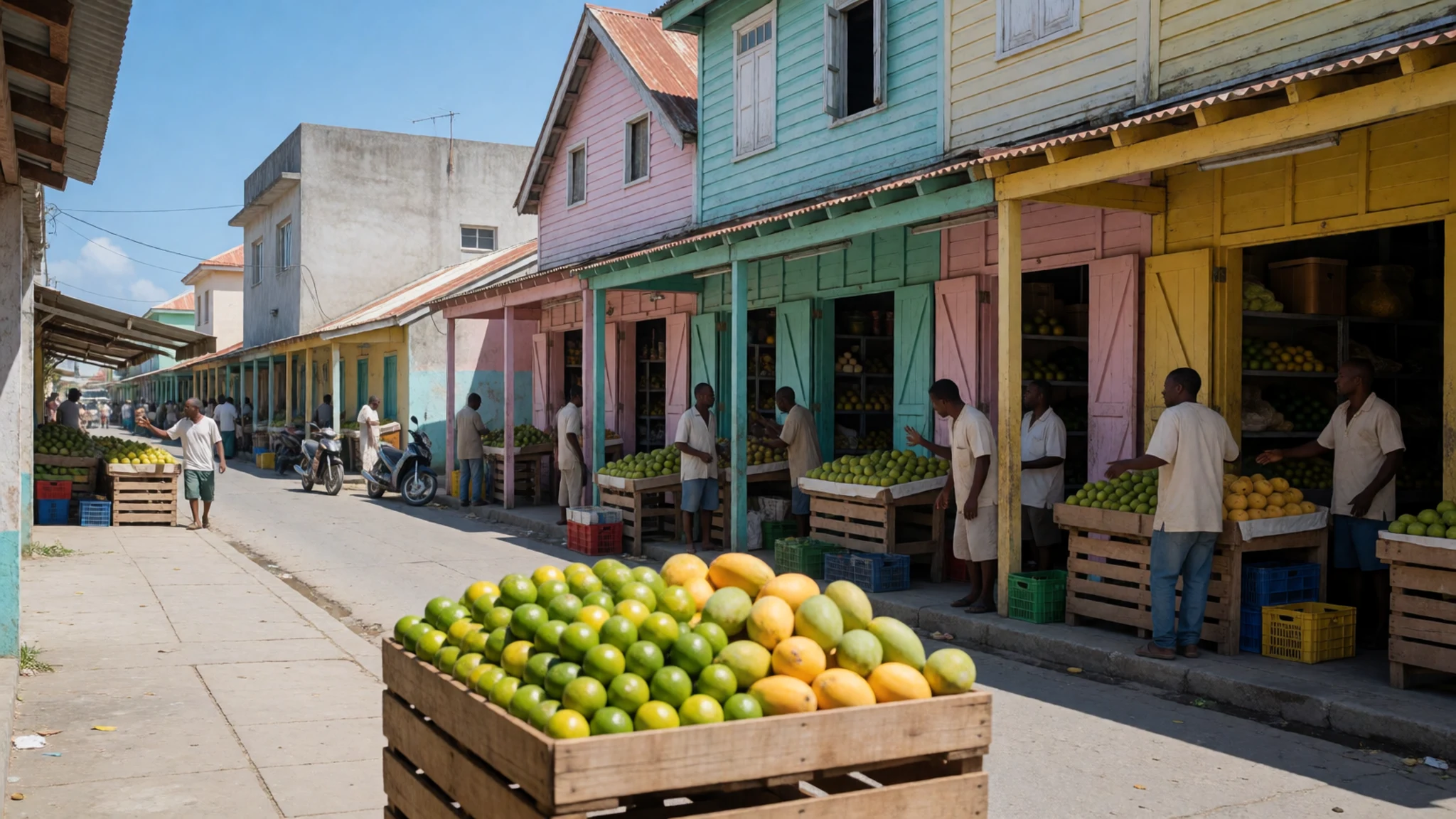
- Coxen Hole — Central Roatán
Coxen Hole is Roatán's administrative town, and an old postcard of its street from the early twentieth century shows how modest it once was. Today it is busy, practical and not pretty, but it gives a look at everyday island life: ferry traffic, market stalls, offices and shops used by islanders rather than visitors.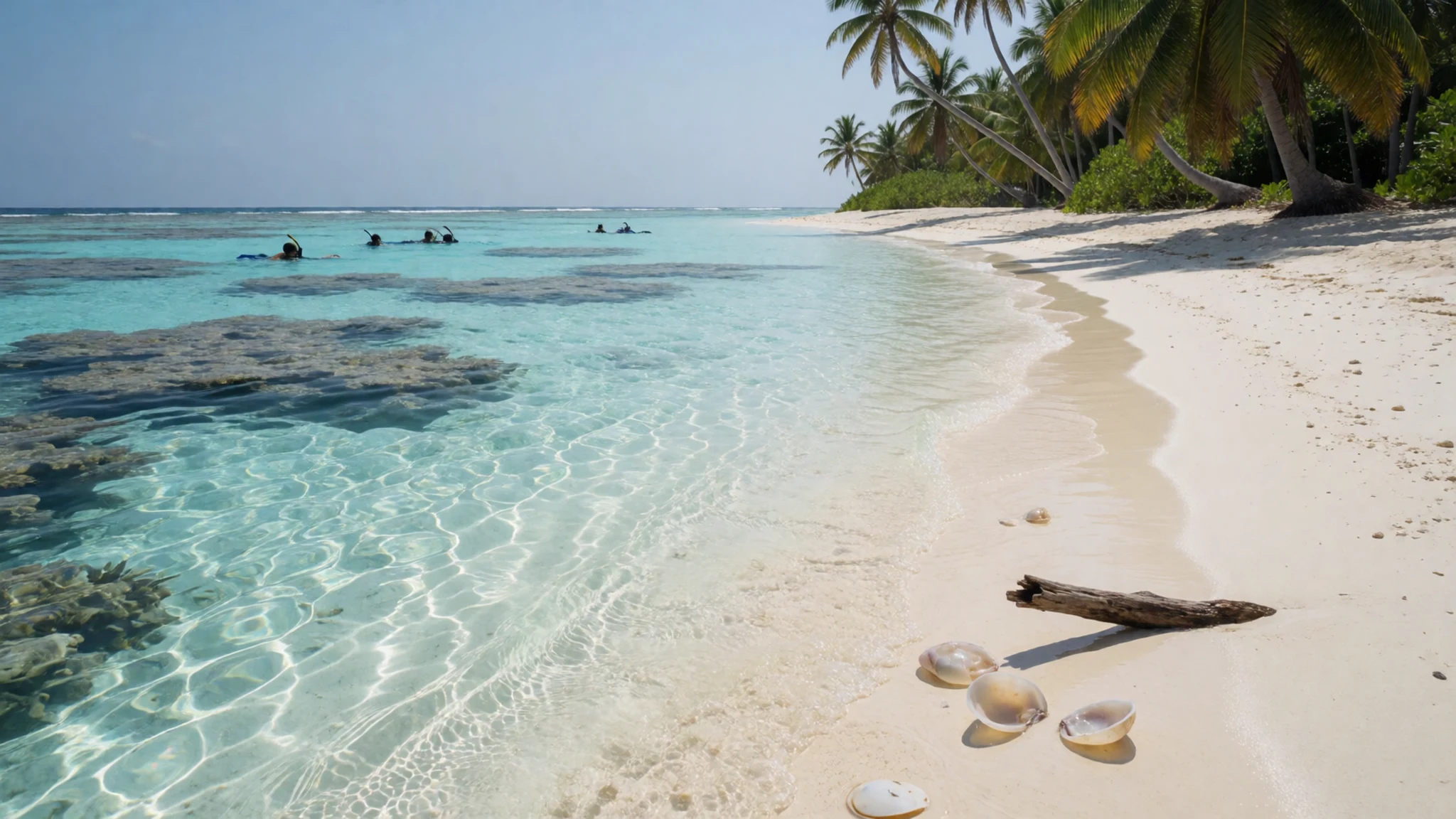
- Utila — Utila
Utila is the low, flat island where many people take a first dive course, with reef and wall sites close to shore. Between sessions there is little to do but cycle, swim from jetties and walk to quiet mangrove edges. Whale sharks are sometimes seen offshore, but sightings are never guaranteed, so ask local operators what to expect.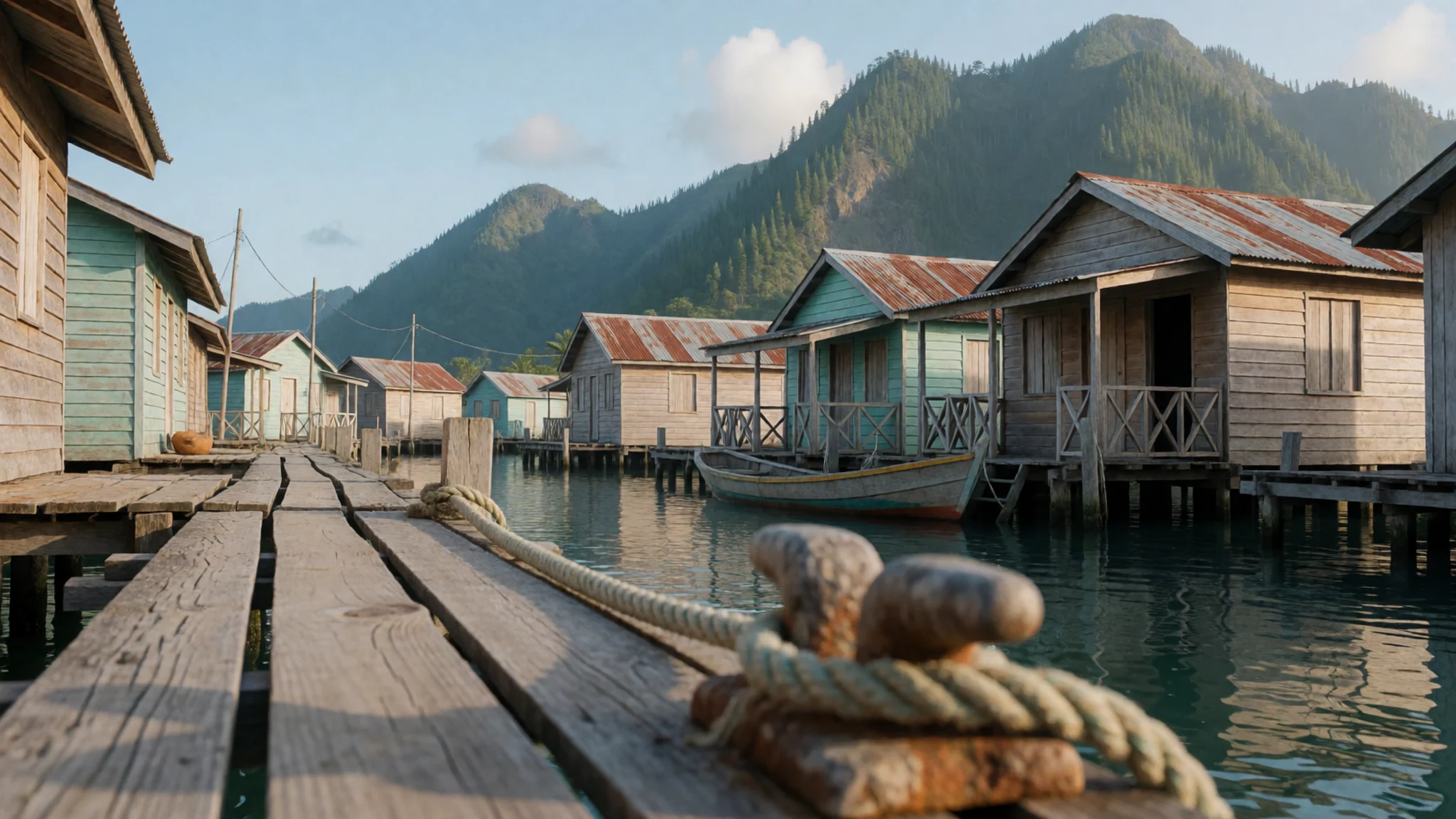
- Guanaja — Guanaja
Guanaja is the greener, hillier island, with pine slopes above the shore and far fewer roads than Roatán. The main settlement, Bonacca, is built on a small cay close to the coast and moves by boat and footbridge. A print of around 1842 shows the island under its old name, Bonacca. Visitors come for diving, quiet beaches and walks.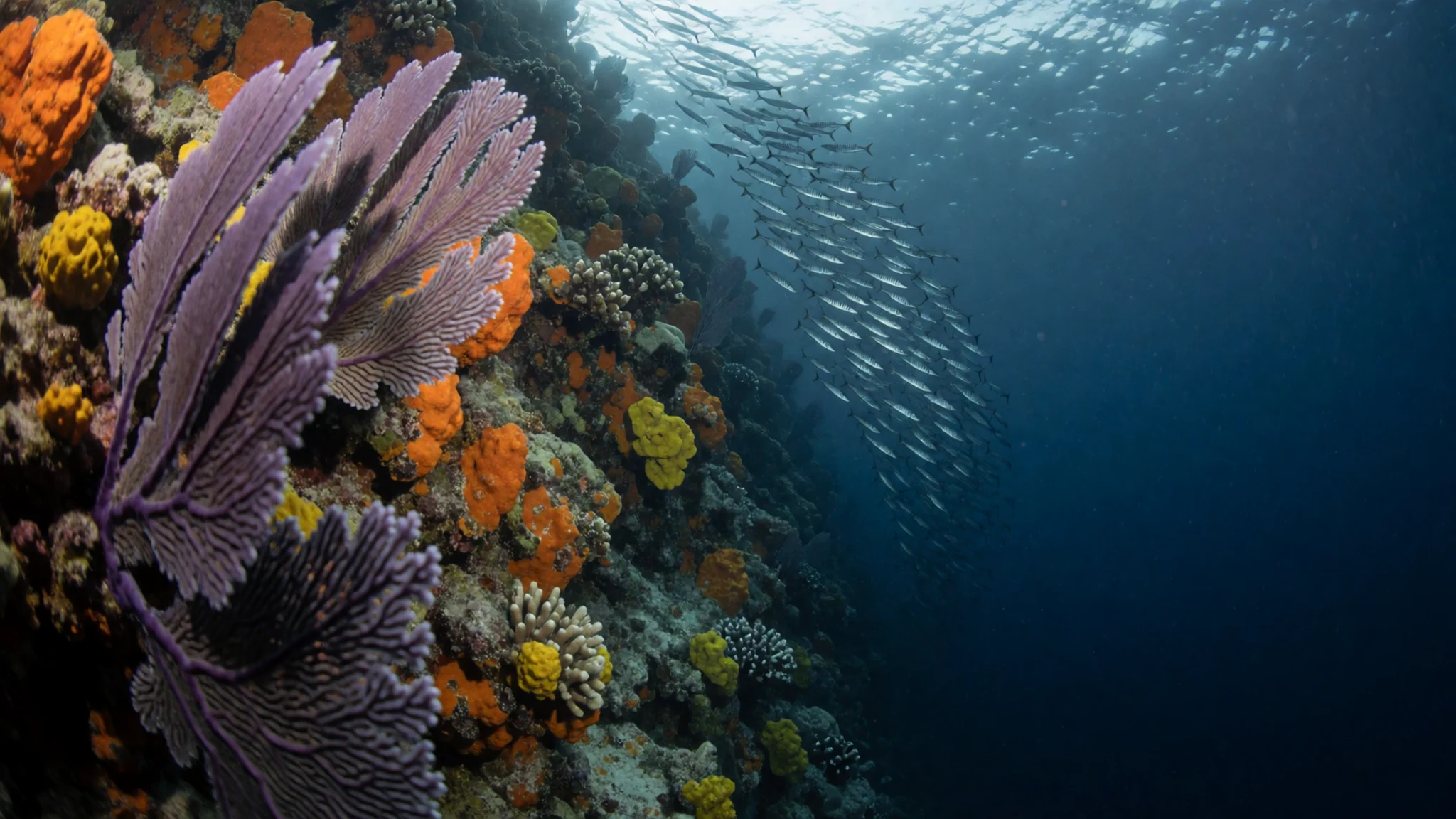
- Chachahuate — Cayos Cochinos
Chachahuate is a tiny sand cay in the Cayos Cochinos where a Garifuna community lives and cooks for day and overnight visitors. Boats go from the mainland coast near La Ceiba and, with more planning, from the islands. Meals of fish and coconut bread are eaten at simple shelters, with shallow clear water all around.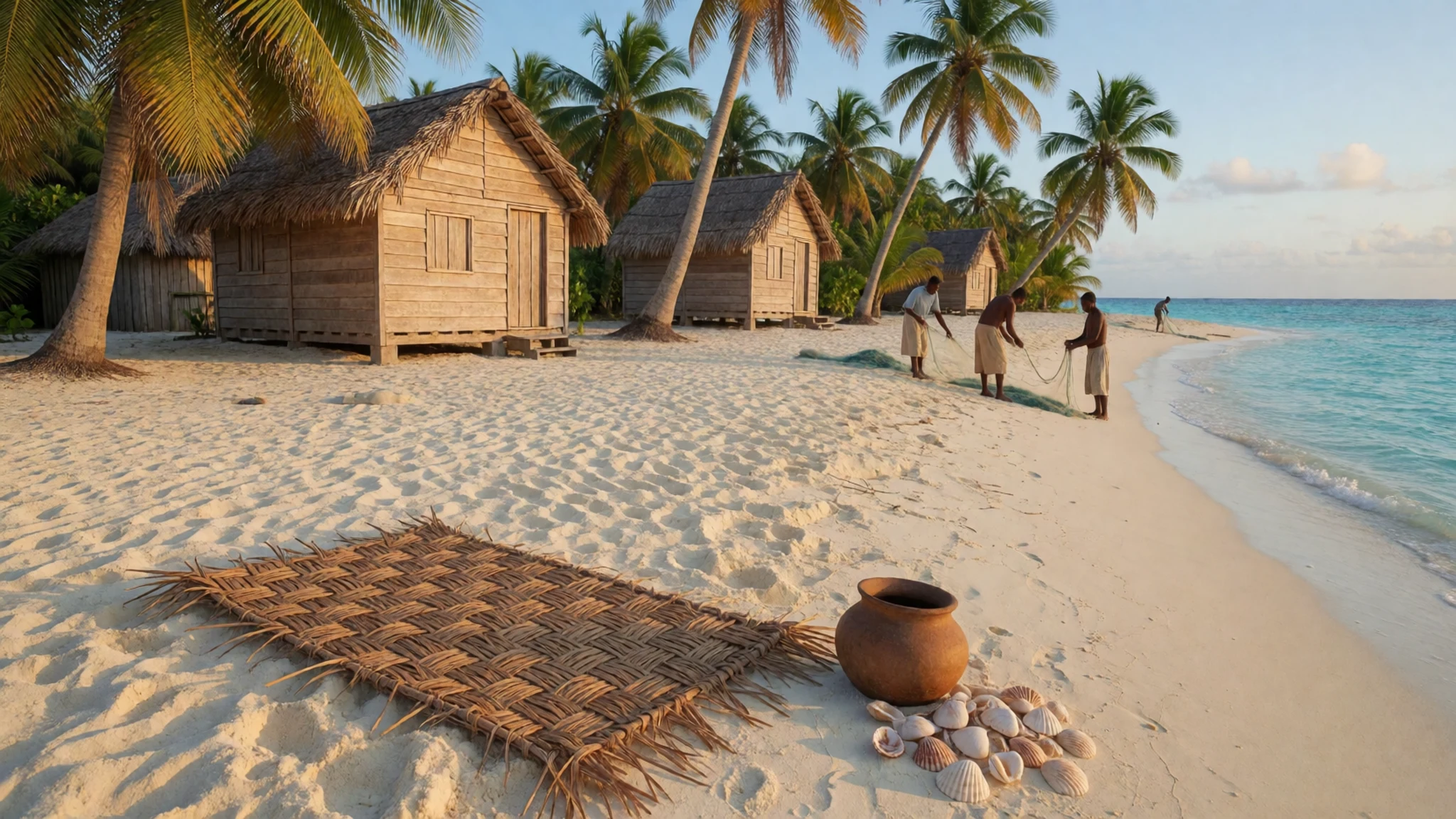
- Cayo Menor — Cayos Cochinos
Cayo Menor is a small island in the Cayos Cochinos, known for the clarity and colour of its water, as the reference photo shows. Reef lies just off the beach, so snorkelling is easy. Access is by boat and usually involves a marine reserve permit or fee, so check with an operator rather than assuming.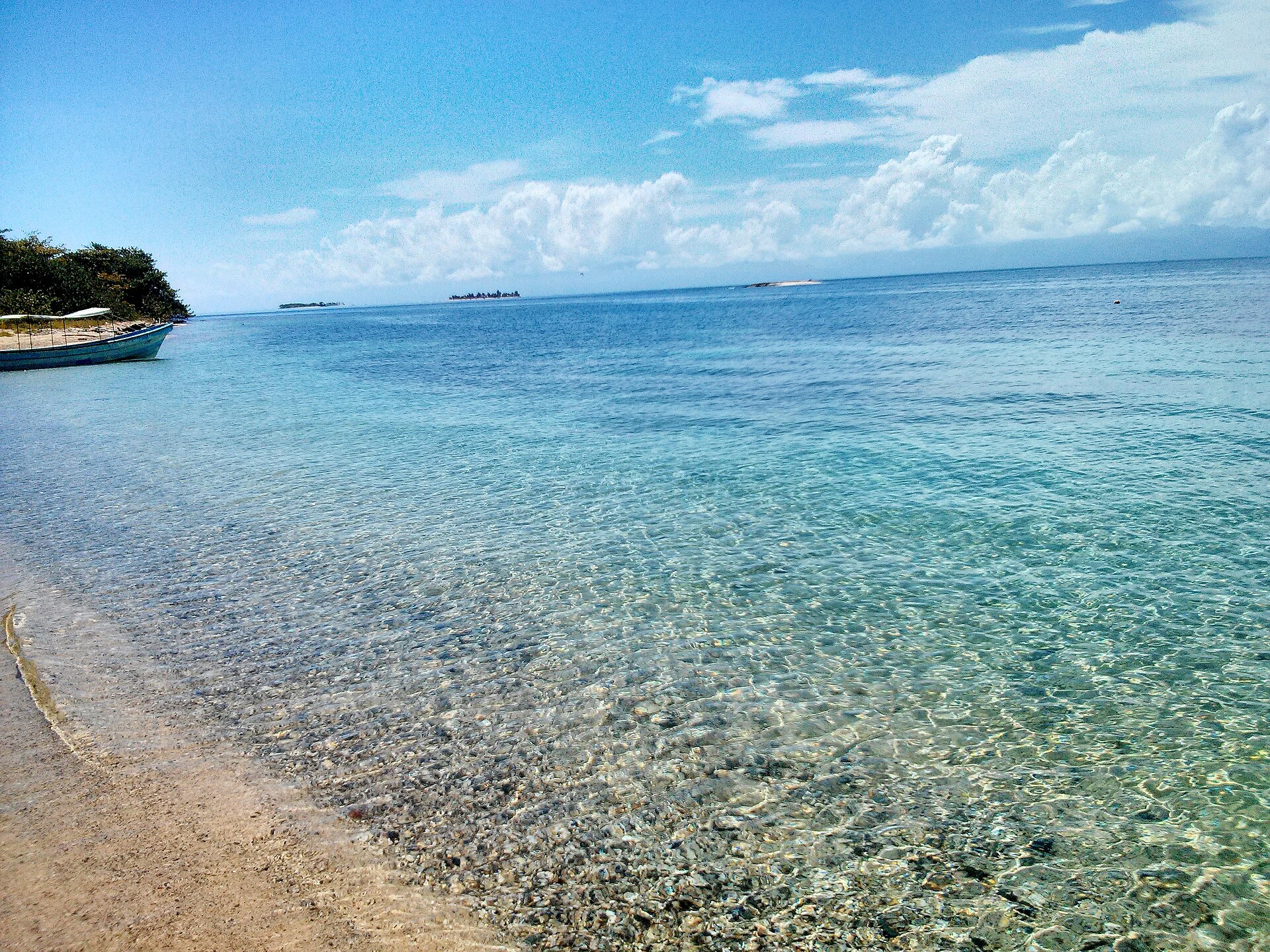
Culture
Bay Islands culture is layered rather than single. Many Bay Islanders, descended from settlers of British and Caribbean origin, speak a Creole English at home, keep to Protestant church life and treat Sunday as a quieter day. Spanish-speaking families from the mainland have come in growing numbers for work, bringing their own food, Catholic and evangelical churches, and football loyalties. Garifuna communities, on Roatán and in the Cayos Cochinos, add their own language, cassava cooking and drumming.
Punta, the Garifuna dance music driven by hand drums and answered by fast, hip-swinging dancers, is the rhythm to listen for at festivals and in village bars. Fishing and diving shape the daily routine: boats leave early, some shops open late, and a slow pace is normal rather than rude. Diving has its own code of reef care, and most operators brief divers on not touching or standing on coral.
Debate over development, land ownership and cruise tourism is ongoing, so conversation with islanders on those topics can turn candid. Listening usually earns more than arguing.
Ask before photographing residents in Garifuna villages and on the cays, and put a shirt on over beachwear when walking through settlements or entering a church.
What to wear
Bay Islands dress follows its communities. Among the Garifuna, women have traditionally worn bright cotton dresses with matching headwraps for festivals, dance and church occasions, and the colours stand out against the sea and sand. Bay Islanders of British and Caribbean descent have no single costume; Sunday best, with pressed shirts and modest dresses, is the nearest thing to a traditional look.
Everyday wear is practical and relaxed: shorts, T-shirts, sandals and flip-flops, with dive-shop shirts and rash vests common near the water. Fishing families wear sturdy rubber boots or go barefoot on boats. Town dress is a little neater, particularly on Sundays or when visiting offices.
Visitors should pack light cotton or quick-dry clothing, a wide-brimmed hat, sunglasses and a long-sleeved rash guard, since the sun on the water is strong even under cloud. Water shoes help on rocky entries and where sea urchins sit in the shallows. Bring a light long-sleeved shirt and trousers for evenings when mosquitoes and sandflies come out. Swimwear belongs on the beach and boat; cover up with a shirt or wrap in towns, restaurants and churches. Reef-safe sunscreen is the considerate choice.
What to eat
- Sopa de caracol — Garifuna villages and seafront eateries on Roatán
Conch soup, a Caribbean-coast favourite, is simmered with coconut milk, cassava, plantain and herbs. It is rich and slightly sweet. Conch stocks are under pressure in the region, so ask whether the shellfish is legally sourced.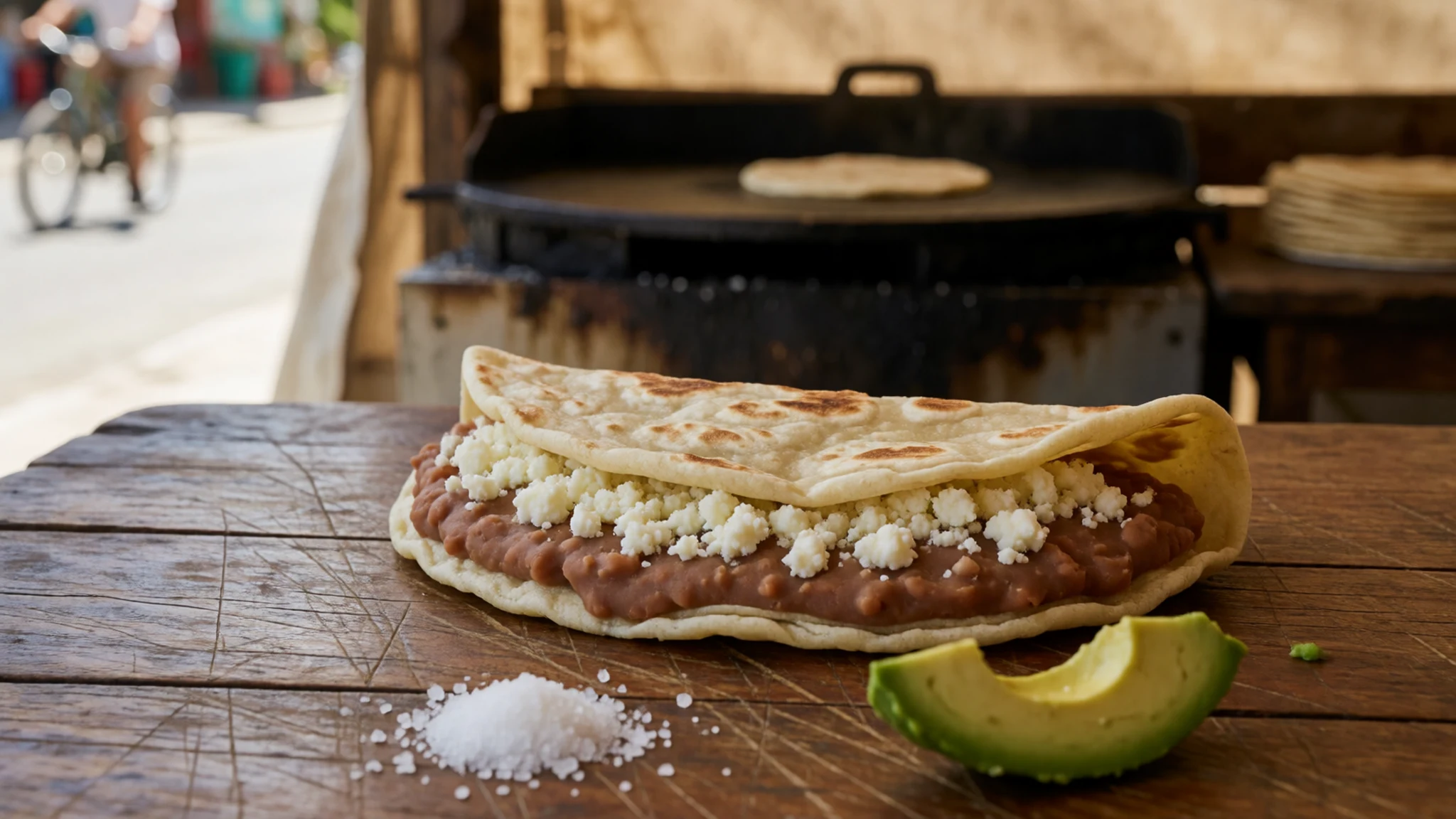
- Tapado — Garifuna communities such as Punta Gorda and Chachahuate
Tapado is a Garifuna seafood stew of fish, sometimes with shellfish, cooked in coconut milk with green plantain, garlic and herbs. It is usually served in a deep bowl with rice or cassava bread, and is most often cooked in Garifuna homes and community kitchens.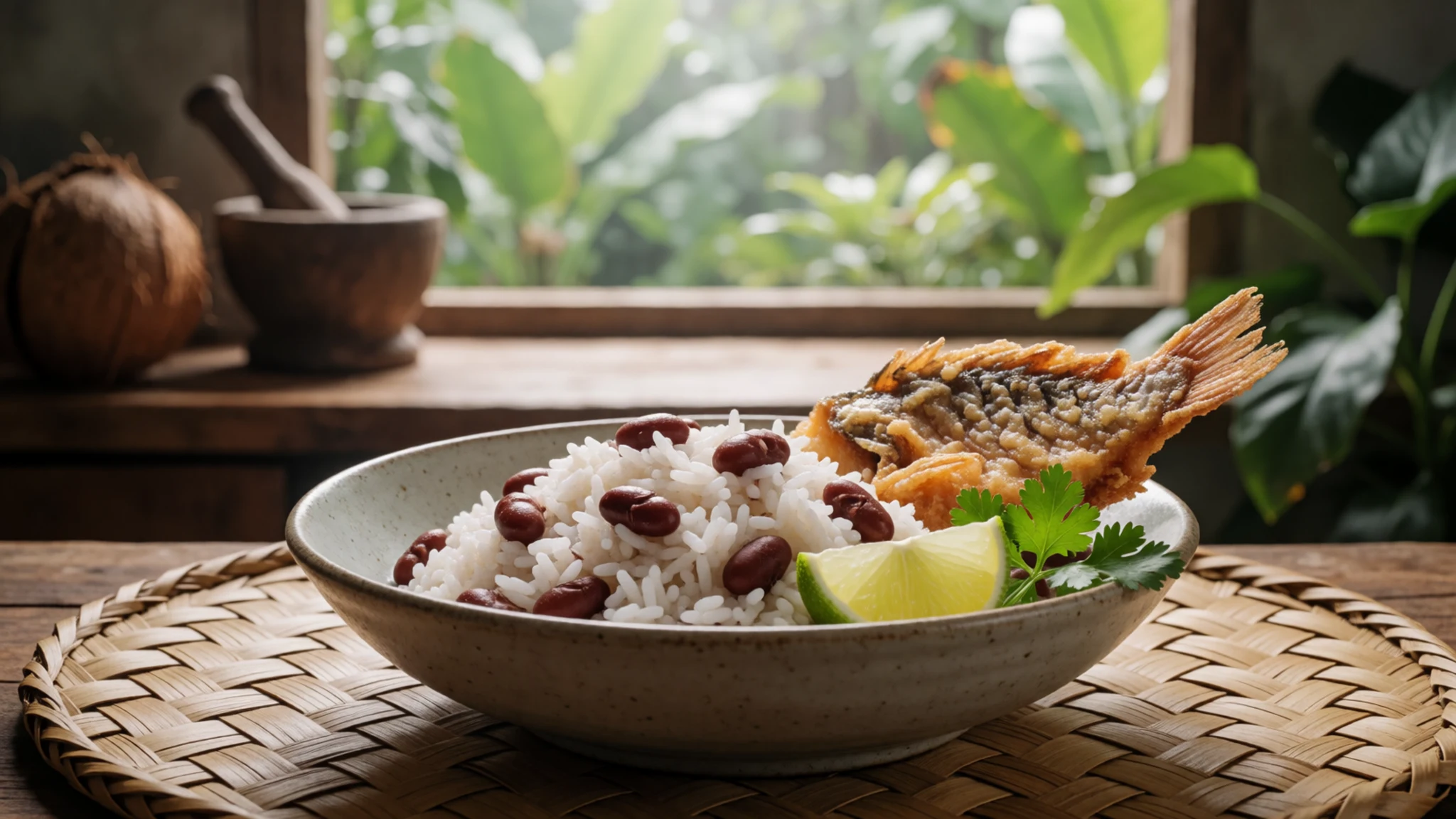
- Pan de coco — Roadside stalls and village bakeries across the islands
Coconut bread is a soft, lightly sweet loaf or roll made with coconut milk and sold warm. It goes well with fish dishes or tea. Home bakers sell it at doors and roadside tables, and some eateries serve it as a side. - Ereba (cassava bread) — Garifuna villages and cay communities
Ereba is a thin, crisp flatbread made from grated cassava, baked on a griddle and eaten with soups or stews. It is a staple of Garifuna cooking and takes some skill to make, so watching a cook at work is part of the pleasure. - Baleadas — Street stalls and small eateries in Coxen Hole and other towns
The baleada is Honduras's everyday snack: a folded flour tortilla filled with refried beans, crumbly cheese and thin cream, with eggs or meat as extras. It is cheap, filling and eaten at any hour, brought to the islands by mainland families. - Fried fish with coconut rice and beans — Beach shacks and seafront eateries in West End, West Bay and Utila
Whole fried fish, often snapper, comes with coconut rice and beans, fried plantain slices and a plain salad. It is the standard meal at beachfront eateries and tastes best when the catch came in that morning.
Plan it
Best time. March–May is the driest, sunniest stretch, with calm seas and the clearest water for snorkelling and diving. Rain is heavier toward the end of the year, and hurricane season covers the second half of the year, so check forecasts and keep travel plans flexible.
How long. 4–6
Getting there. Juan Manuel Gálvez International Airport (RTB) on Roatán takes international and domestic flights, and taxis or minibuses run the last leg to West End or West Bay. Utila, Guanaja and the Cayos Cochinos are reached by ferry or small plane, often from La Ceiba on the mainland; check current operators and schedules before booking.
Budget. mid
Tips
- Book flights and ferries ahead in busy months, and check sailing times locally because weather can cancel crossings
- Go to West Bay and the main beaches early on cruise-ship days, when they are quietest
- Carry some cash for small eateries, water taxis and village visits, since card machines are not universal
- Use reef-safe sunscreen, a hat and plenty of water, and carry insect repellent for dusk
- Ask dive operators about their safety briefings and equipment checks before choosing one
Etiquette
- Do not touch, stand on or take anything from the coral or marine life
- Ask before photographing residents, especially in Garifuna villages
- Dress modestly in towns, restaurants and churches, not in swimwear
Nearby
Sources
- Wikidata Q3593570 (CC0)
- Wikipedia: Bay Islands (rev 1313699439) (CC BY-SA 4.0)
- Wikivoyage: Bay Islands (rev 4733970) (CC BY-SA 4.0)
- Photo: Bay Islands 1853 (Unknown) (Public domain)
- Photo: Bay Islands and coast of Honduras 1754 (Jacques Nicolas Bellin) (Public domain)
- Photo: Bonacca AKA Guanaja 1842 (Standidge & Co.) (Public domain)
- Photo: Cayo Arena (Paradise Island) (Kullez) (CC BY 2.5)
- Photo: Cayo Garifuna Chachahuate (Garcia.dennis) (CC BY 3.0)
- Photo: Cayo Menor (Garcia.dennis) (CC BY 3.0)
- Photo: Colonia Policarpo (eliasroatan) (CC BY 3.0)
- Photo: Coxen's Hole, Roatán 1910–1925 (Guerrero ?) (Public domain)


