La Esperanza
La Esperanza, Honduras
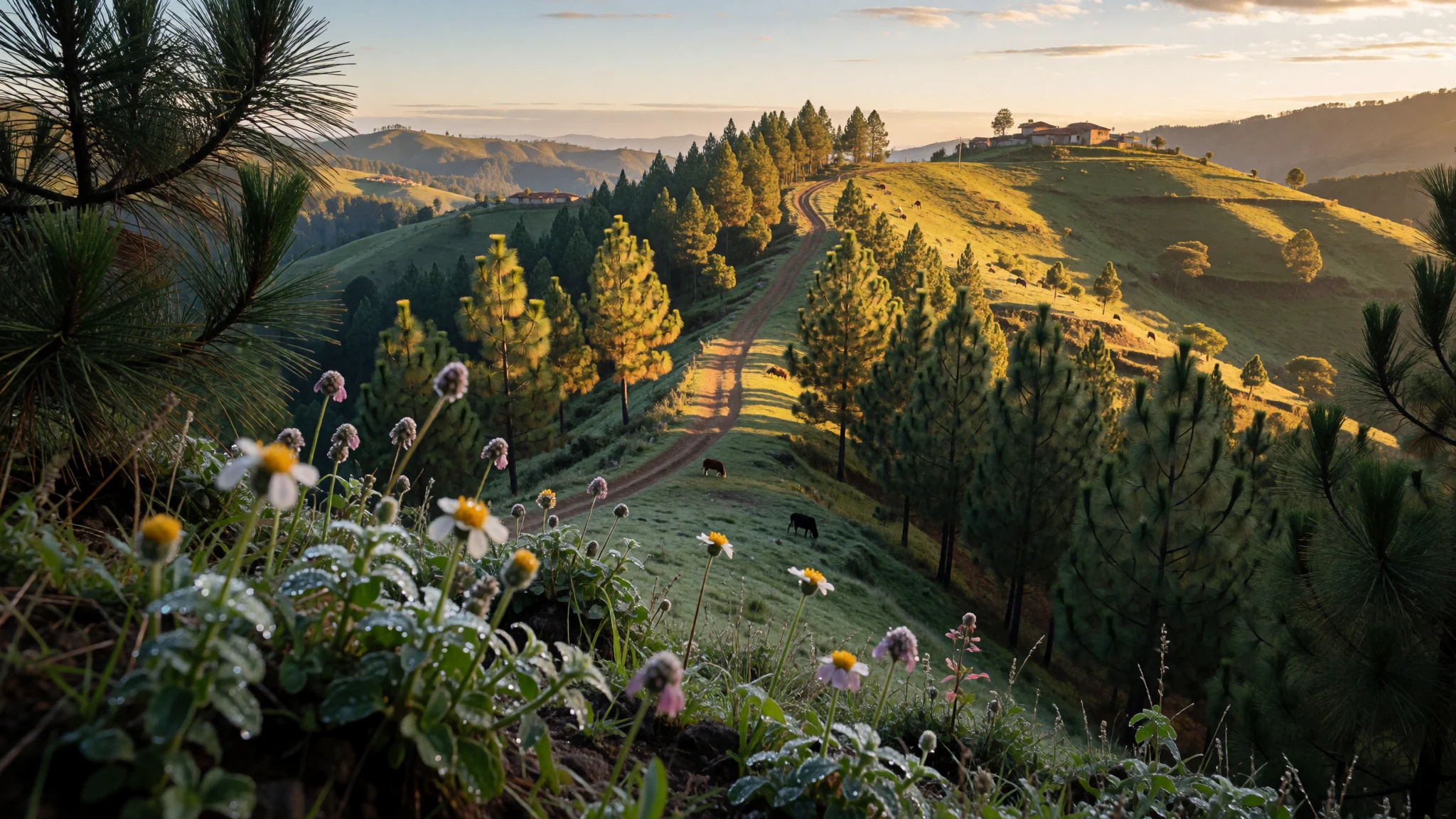
La Esperanza is a cool, high Lenca market town in western Honduras, worth a stop for its daily produce market and hillside shrine.
The place
La Esperanza is the capital of the department of Intibucá in western Honduras, a small highland city of about 11,600 people at 1,700 metres above sea level. That height shapes everything. Mornings are chilly, jumpers and shawls are normal, and the surrounding fields grow crops more often linked with temperate countries, among them potatoes, strawberries and apples. Pine-covered hills and thin, cool air give the place a feel quite unlike the hot lowlands most people picture when they think of Honduras.
The town is effectively joined to its twin, Intibucá, which has its own municipal government. Only a street divides them, and outsiders usually treat the pair as one place. Intibucá is the older settlement and began as a Lenca community, while La Esperanza grew up as the ladino one; residents call themselves intibucanos and esperanzanos respectively. A small river, the Río Intibucá, runs through the urban area.
La Esperanza sits at the heart of the Ruta Lenca, a loose trail of towns and villages in the south-west of the country where Lenca culture, pottery and weaving are promoted as a reason to travel. It also lies on the road linking Tegucigalpa with the west, so many travellers arrive on the way to somewhere else and end up staying a night. The centre is compact: a central park with the main Catholic church, a daily market a short walk away, a pink cultural centre, and a shrine on a hill. Everything can be covered on foot, though the altitude makes the climb to the shrine feel steeper than the distance suggests. Evenings are quiet, and the pace is that of a working farming town rather than a resort.
Its story
La Esperanza has two layers of history, indigenous and colonial, and the town still carries both. Before the Spanish arrived, the area was home to Lenca and Maya communities, remembered in the names of two settlements, Eramani and Lentercala. In 1647 a Spanish official, Francisco de La Cerda, was sent to mark out the lands belonging to the indigenous population. His boundaries did not follow the old settlements. Instead he drew two jurisdictions and named the small communities around them, a decision that fed a long rivalry, mostly over land, between the neighbouring towns that grew into Intibucá and La Esperanza.
Both communities expanded through the nineteenth century. La Esperanza was granted the rank of villa in September 1848, the date given as its founding. City status followed in 1883, tied to the creation of the new department of Intibucá, which was split off from Gracias, the department now called Lempira. The old pairing of an indigenous town and a ladino one survives in the way the two municipalities still sit side by side.
A more recent chapter came from the river. A private consortium obtained permits to build a hydroelectric scheme on the Río Intibucá, on top of an earlier project that had been abandoned. Power began flowing to nearby communities in 2003, and a second phase was finished in 2006. The scheme is recorded as the first in the world to earn carbon credits, known as Certified Emission Reductions, under the United Nations Clean Development Mechanism. It is an unexpected claim for a quiet farming town, and a reminder that the same mountain water that cools the climate also keeps its lights on.
What to see
- La Gruta — Hill above the town centre
Reached on foot from the Central Park in around five minutes, La Gruta is a hilltop shrine to the Virgin of the Immaculate Conception. Thirty-one steps cut by hand into volcanic rock lead up to it, and a trail continuing through thick greenery gives a wide outlook across the town. Local ceremonies take place at the base. Clear mornings give the sharpest view, and the altitude makes the climb tiring.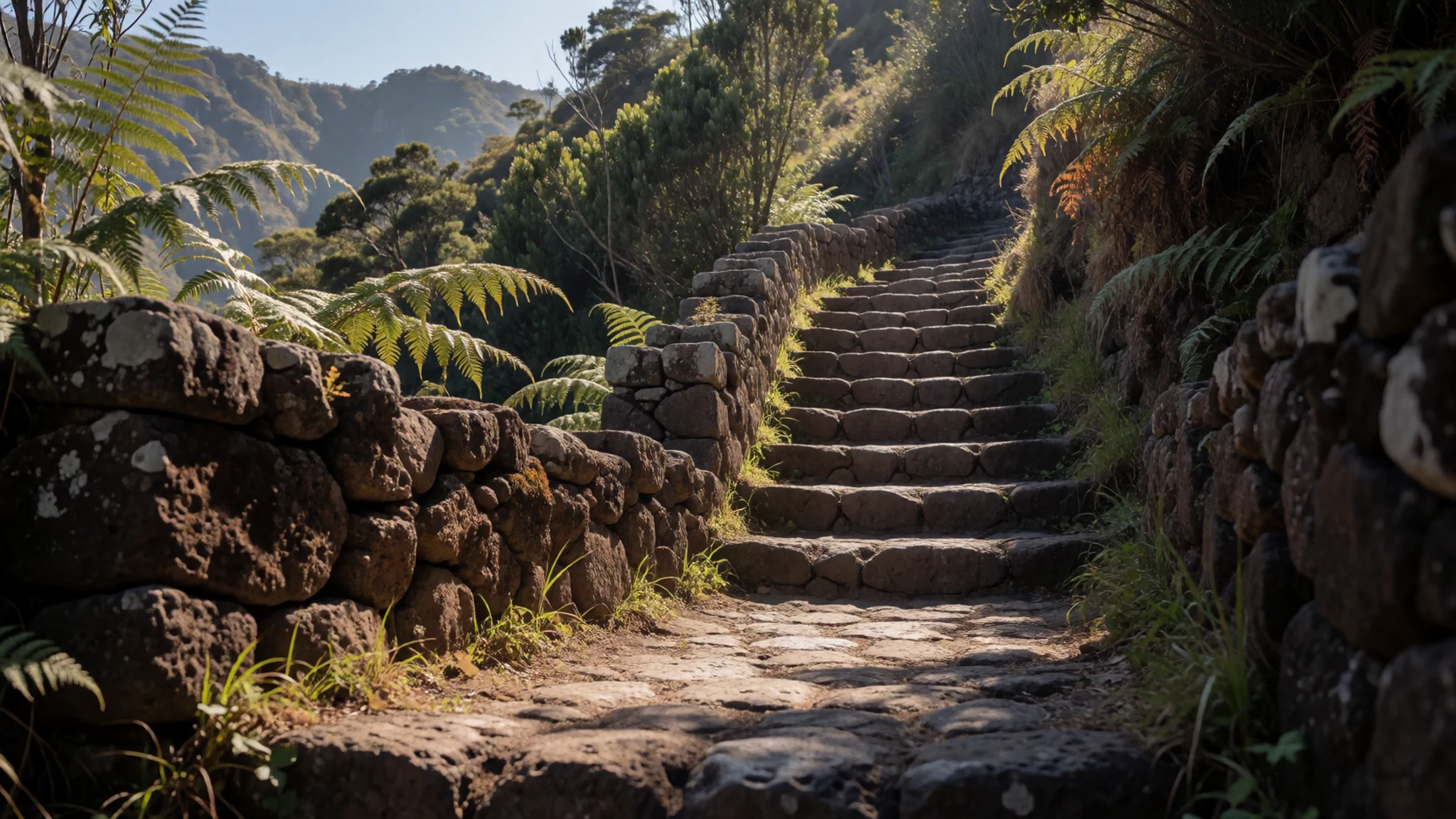
- Lenca Cultural Museum — Two blocks from the Central Park
The Lenca Cultural Museum occupies the Casa de Cultura, a large pink building two blocks uphill from the Central Park on the way to La Gruta. Displays cover artefacts, craft work and the history of the Lenca people of the area, with labels in Spanish. Opening days and hours change, so check locally before planning a visit around it.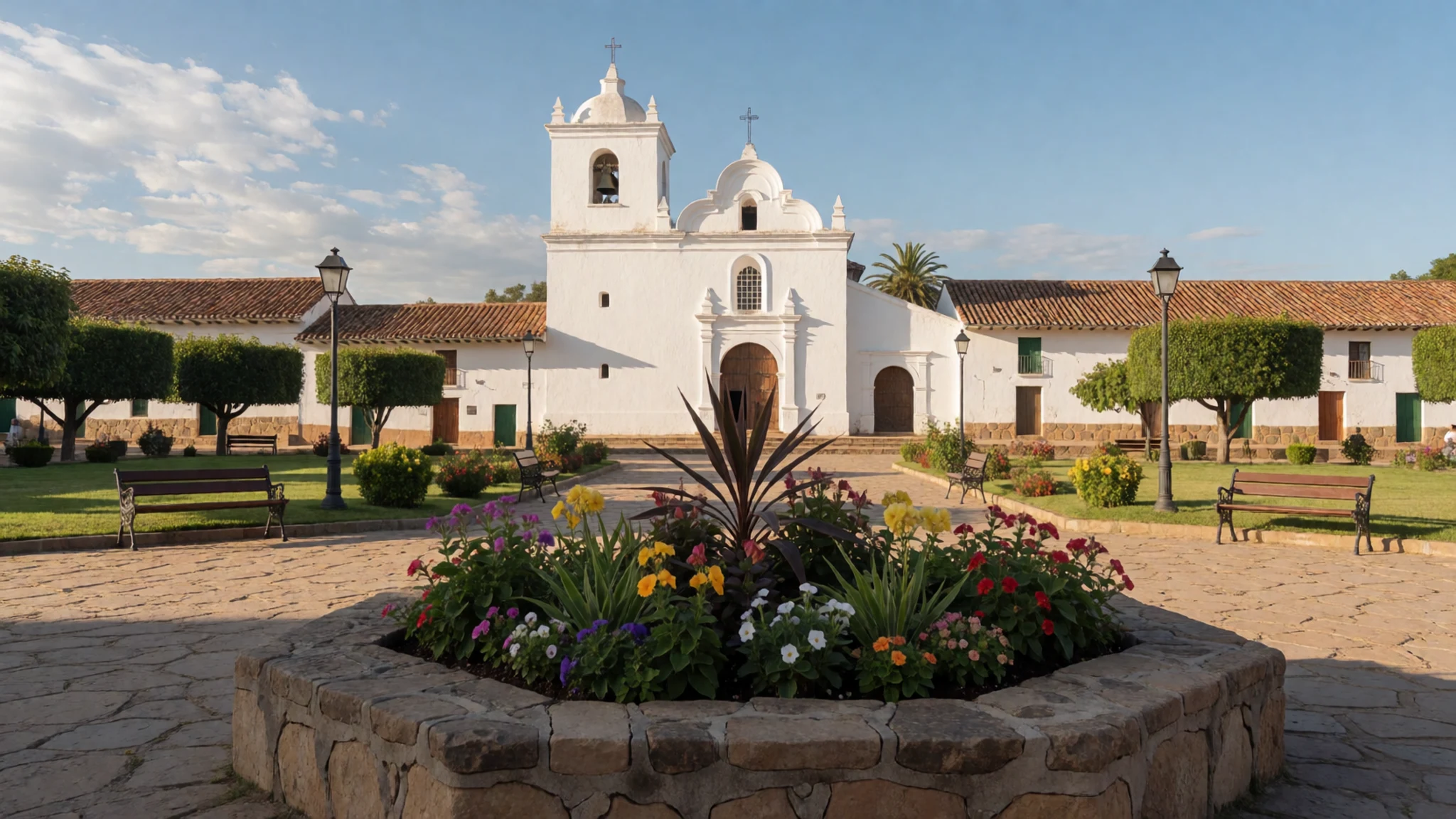
- Central Park and church — Town centre
The Central Park is the town's social centre, with the main Catholic church on its edge. Families, students and market traders cross it through the day, and it works as the fixed point for finding everything else: the market, the cultural centre and the path to La Gruta all lie within a short walk. The church is simple but well kept, best visited outside service times.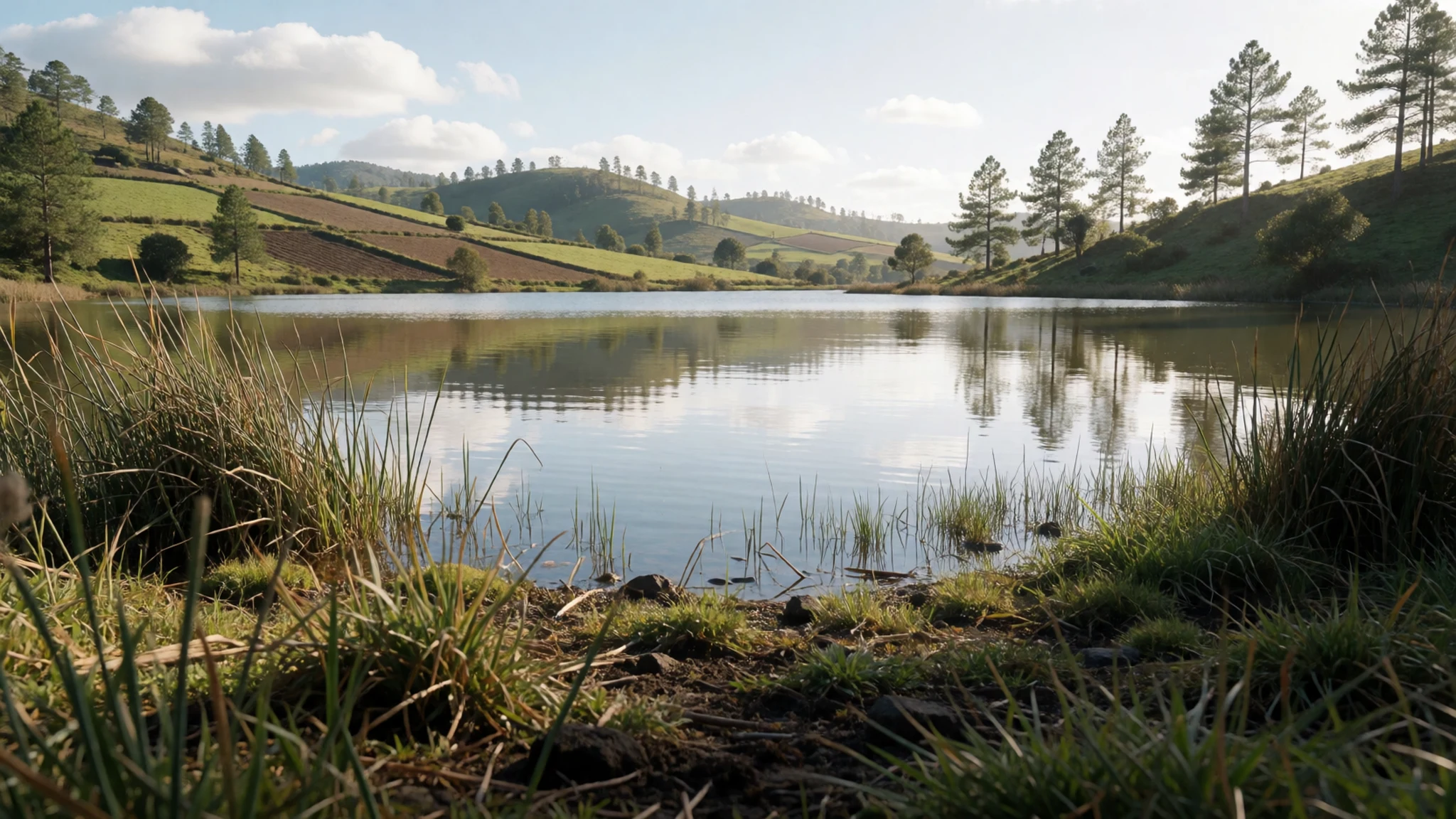
- The daily Lenca market — A short walk from the Central Park
The daily produce market draws sellers and shoppers from villages across the department. Stalls pile up with highland potatoes, strawberries, apples and vegetables, alongside crafts and everyday goods. Mornings are the busiest and most colourful. Even a short walk through gives a clear picture of how farming and Lenca life set the town's rhythm.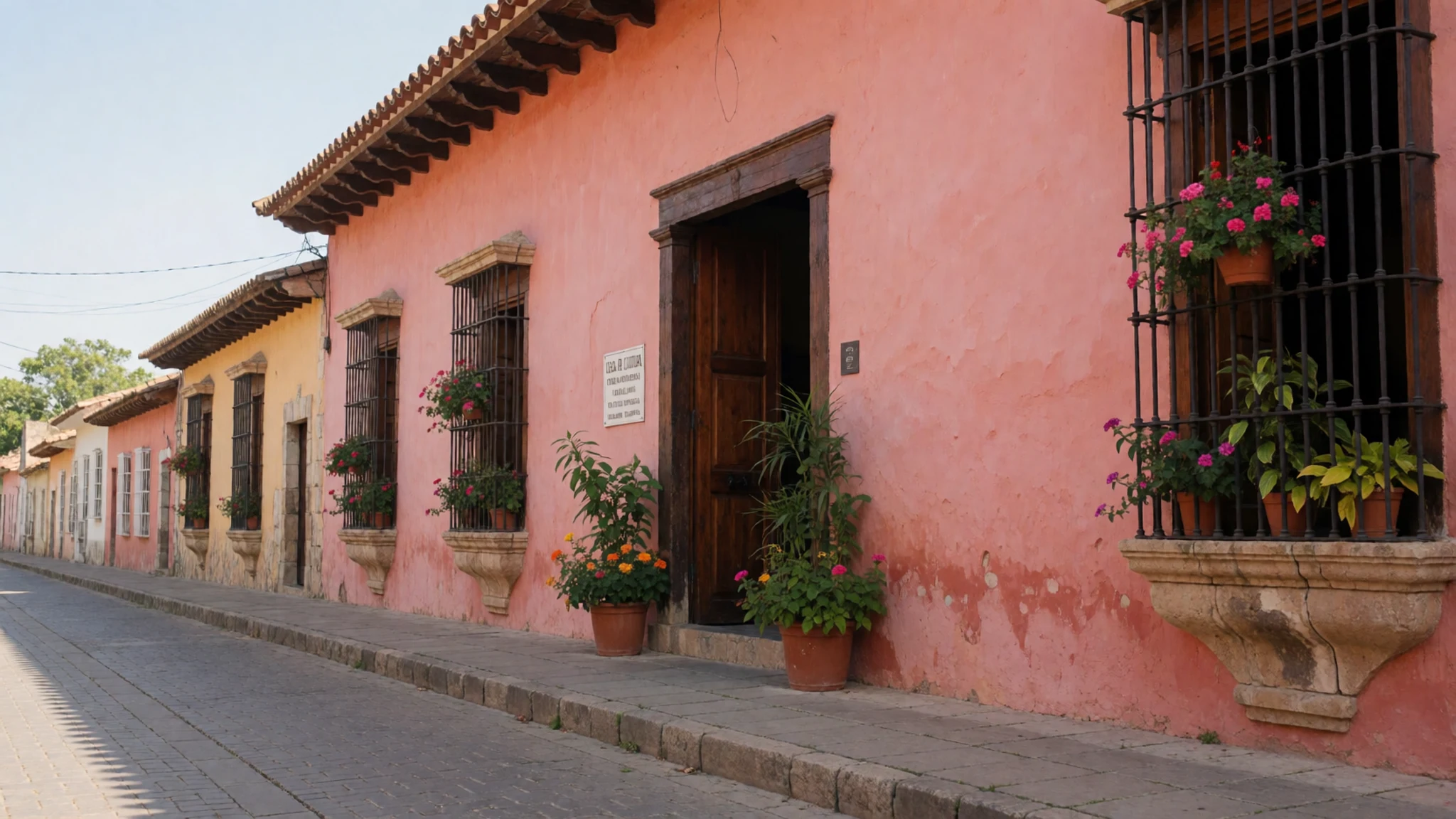
- Laguna de Chiligatoro — Rural area outside town
Laguna de Chiligatoro is a small lake and modest leisure area in the countryside outside La Esperanza, so a taxi or a lift with a local is sensible. It suits a picnic or a slow afternoon among fields, and it shows how close the town sits to working farmland. Ask locally about the road after heavy rain.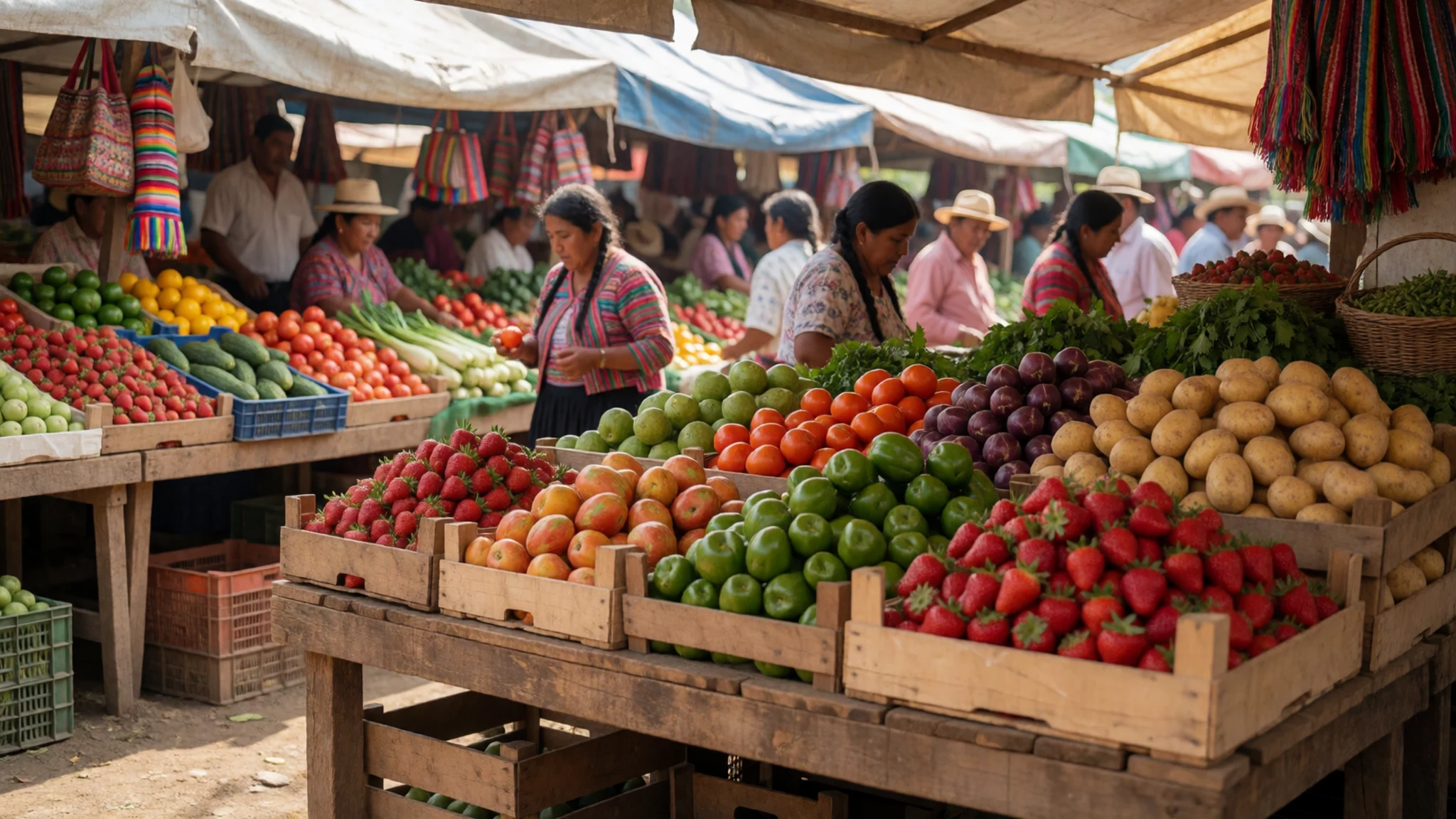
Culture
La Esperanza is Lenca country, and its customs make most sense through that. The Lenca have lived in south-western Honduras since long before Spanish rule and number just over 100,000 today. Their own language has died out, yet craft and ceremony carry on: weaving, pottery, dance and distinctive dress all remain in use, and the Ruta Lenca tourism scheme exists partly to keep buyers coming for such work.
Daily life runs on farming. The cool climate lets growers raise potatoes, strawberries and apples that lower departments cannot, and the daily market is where that harvest spills into town, with vendors arriving from the villages around. Catholic devotion is visible too, at the central church and at La Gruta, where processions and festivities gather at the foot of the stairs. Folkloric dance troupes perform at regional festivals in the bright dresses and scarves associated with Lenca women.
The older Lenca community of Intibucá and the newer ladino community of La Esperanza share the same streets but keep separate identities, and locals appreciate visitors who use the right names for each. Conversation is mostly in Spanish, and a few greetings go a long way, especially in the market, where buying and chatting are one activity.
Ask before photographing people, especially women in traditional dress and market vendors, and buy something small if you linger at a stall.
What to wear
Traditional Lenca dress in La Esperanza is best known through women, who wear brightly coloured dresses and woven headscarves called pañuelos. The cloth comes from the region's long weaving tradition, and colours and patterns can vary between communities. This clothing appears most often at festivals, dance performances, church celebrations and craft stalls, and some older women still wear parts of it daily.
Everyday clothing now is practical and highland-minded. People wear jeans, sweaters, fleece or padded jackets, caps and sturdy shoes, with rubber boots common among farmers in wet weather. Mornings and evenings are cold enough that scarves and hats are ordinary rather than costume, and football shirts are as common as anywhere in Honduras. Dressing smartly is normal for church and for town events.
Visitors should pack for a cool mountain town rather than a tropical one. Layers work best: a warm top for early and late hours, a light rain jacket in the wetter months, and something lighter for sunny midday, when the sun is strong at this altitude. Closed shoes with grip suit the hand-cut stone steps at La Gruta and muddy lanes after rain. Shoulders and knees covered is a courteous choice for churches, and a hat and sun cream help on clear days.
What to eat
- Fruit wines — Small shops and craft stalls near the market
La Esperanza is known for sweet, liqueur-like wines made from strawberries, blackberries, peaches, pears and apples. They are closer to dessert drinks than table wine. Look for small shops and craft stalls around the market and town centre, and ask for a taste before buying a bottle.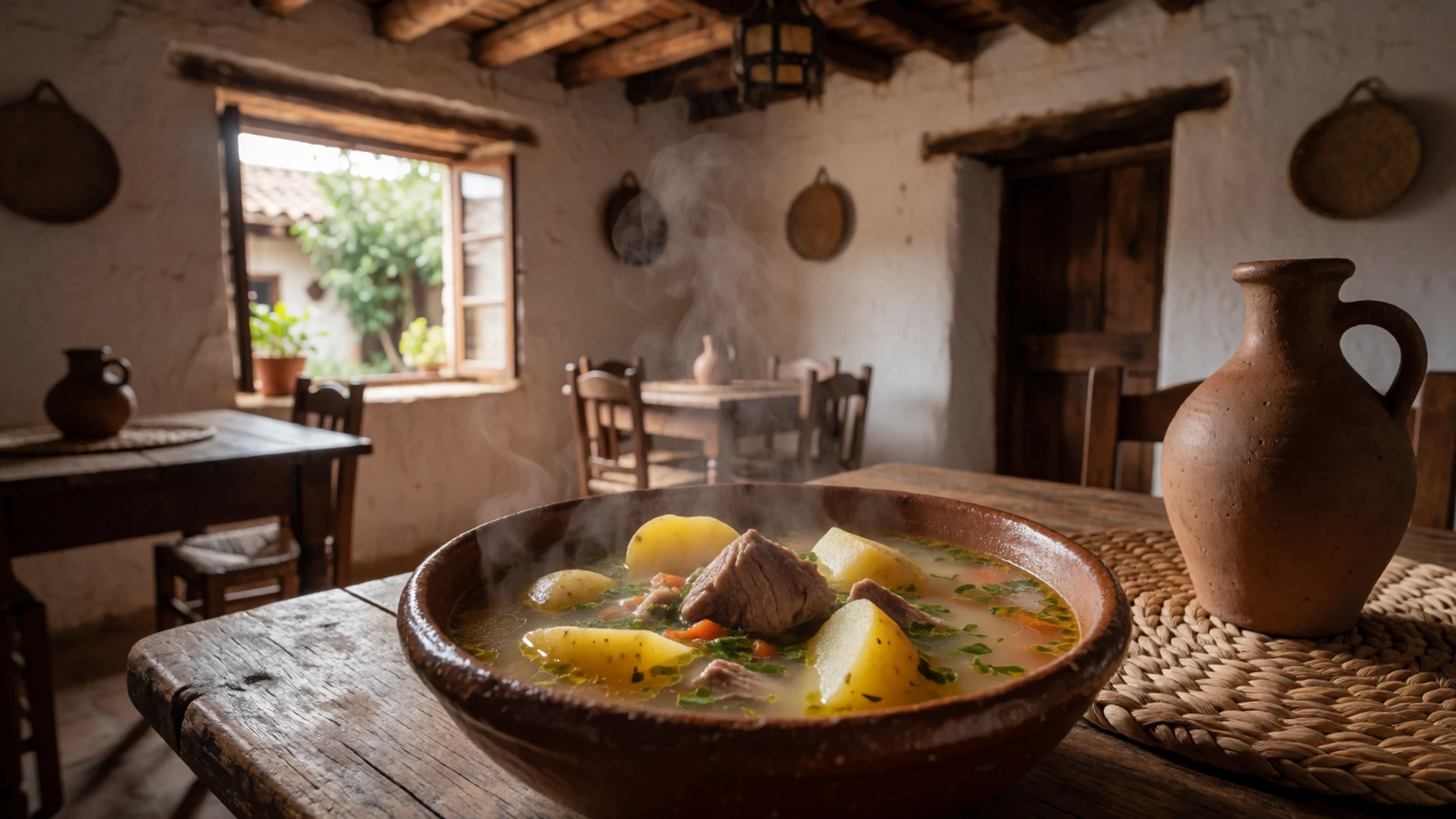
- Fresh strawberries — The daily produce market
The cool climate suits strawberries, which are sold in season by the bowl or bag, often with cream or in juices and sweets. They are a good, simple snack to eat while wandering the stalls, and the flavour is notably better than anything shipped from the lowlands.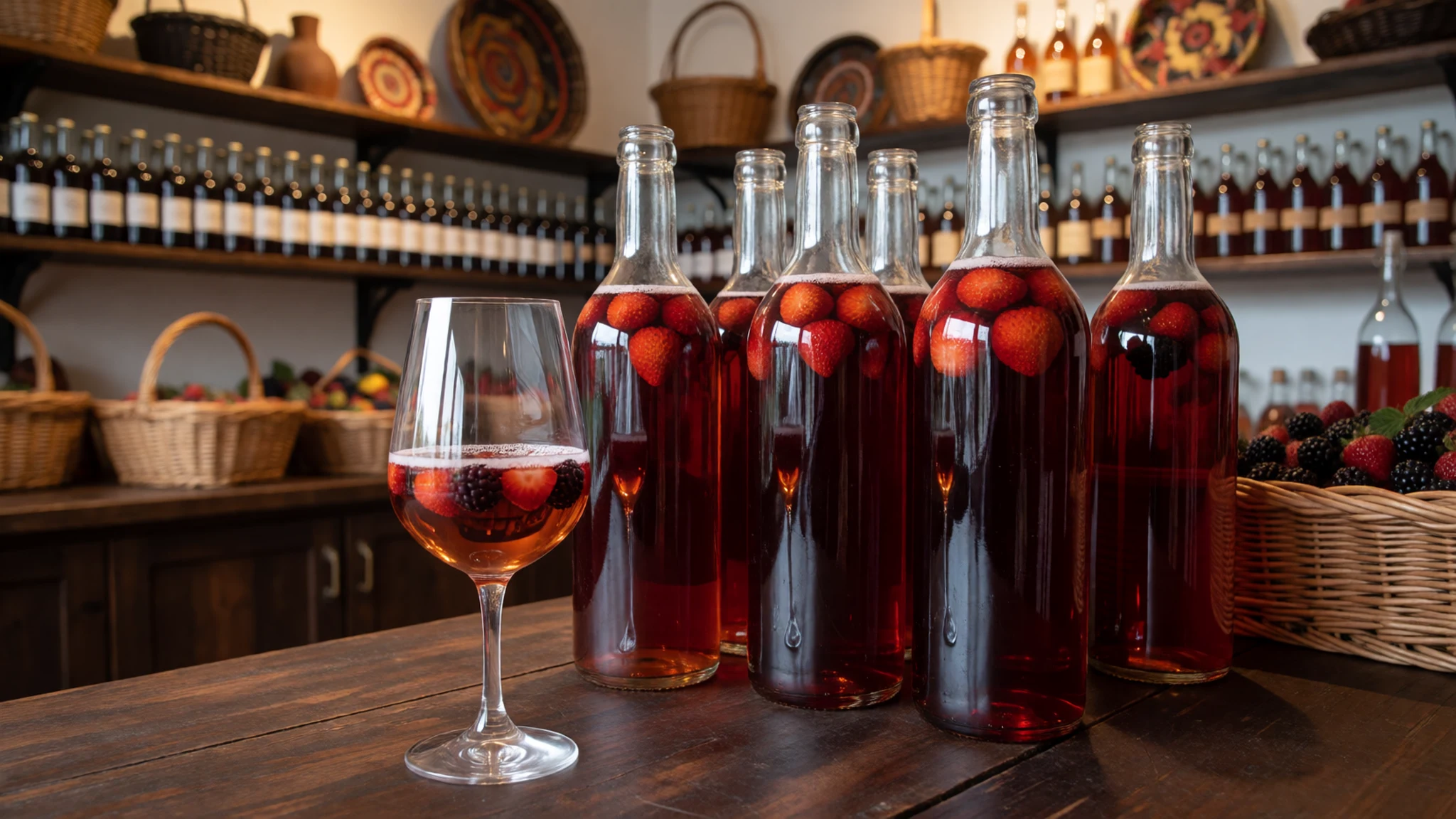
- Highland potatoes — Family eateries and market stalls
Potatoes are the local favourite and grow well in the cold soil of Intibucá. They turn up boiled, fried or mashed beside meat and beans in small family eateries, and raw in sacks at the market. Simple, filling and very much the food of the area. - Baleadas — Street stalls and small eateries near the Central Park
A folded wheat tortilla filled with refried beans, crumbly cheese and cream, the baleada is a staple across Honduras and an easy, cheap breakfast or snack here. Extra fillings such as egg or avocado are common. Cold mornings make a warm one taste even better. - Coffee from San Juan — Cafés and food shops around town
The nearby town of San Juan is known for its coffee, and cups brewed from local beans are easy to find in La Esperanza. Strong, warming and welcome on a chilly morning, it pairs well with sweet bread. Bags of beans make a lightweight souvenir.
Plan it
Best time. November to March, the drier months, when roads are easier and days are clear; nights stay cool all year at this altitude. In the rainy season the unpaved road between La Esperanza and San Juan can become impassable.
How long. 1–2
Getting there. Fly into Tegucigalpa or San Pedro Sula, then take a Pullman coach; operators run services from both cities, so check current times locally. By car or bus, the route from Siguatepeque along Highway 22 is paved and in good condition. The last leg is a short walk or taxi ride to the central park.
Budget. low
Tips
- Pack layers and a warm top, because mornings and evenings are cold at 1,700 metres
- Visit the market in the morning, when it is busiest and the produce freshest
- Carry some cash for market stalls and small eateries
- Check road conditions locally before heading for San Juan or other villages in the rainy season
- Allow time for the climb to La Gruta, as the altitude can make steps tiring
Etiquette
- Ask before photographing people, especially women in traditional dress
- Dress modestly and keep voices low when entering a church
- Greet vendors and shopkeepers politely in Spanish before asking prices
Nearby
Sources
- Wikidata Q2561304 (CC0)
- Wikipedia: La Esperanza, Honduras (rev 1384975043) (CC BY-SA 4.0)
- Wikivoyage: La Esperanza (Honduras) (rev 4946358) (CC BY-SA 4.0)
- Photo: La Esperanza, Intibucá In Honduras (JVC3ETA) (CC BY-SA 4.0)
- Photo: Collage of the city of La Esperanza, Intibucá (Polonia2004) (CC0 1.0)
- Photo: The main Catholic Church in the Central Park of La Esperanza (Nsitko) (CC BY 3.0)
- Photo: Daily Lenca produce market in La Esperanza (Nsitko) (CC BY 3.0)
- Photo: Ballet Folklórico Oro Lenca dancers (Catrachos) (CC BY 3.0)
- Photo: Paseo Turístico La Gruta, La Esperanza (Werjo assumed) (Public domain)
- Photo: Laguna de Chiligatoro (Nsitko) (CC BY 3.0)
- Photo: Bandera de la Municipalidad de La Esperanza (CC0 1.0)


