Ukulhas
Ukulhas, Maldives
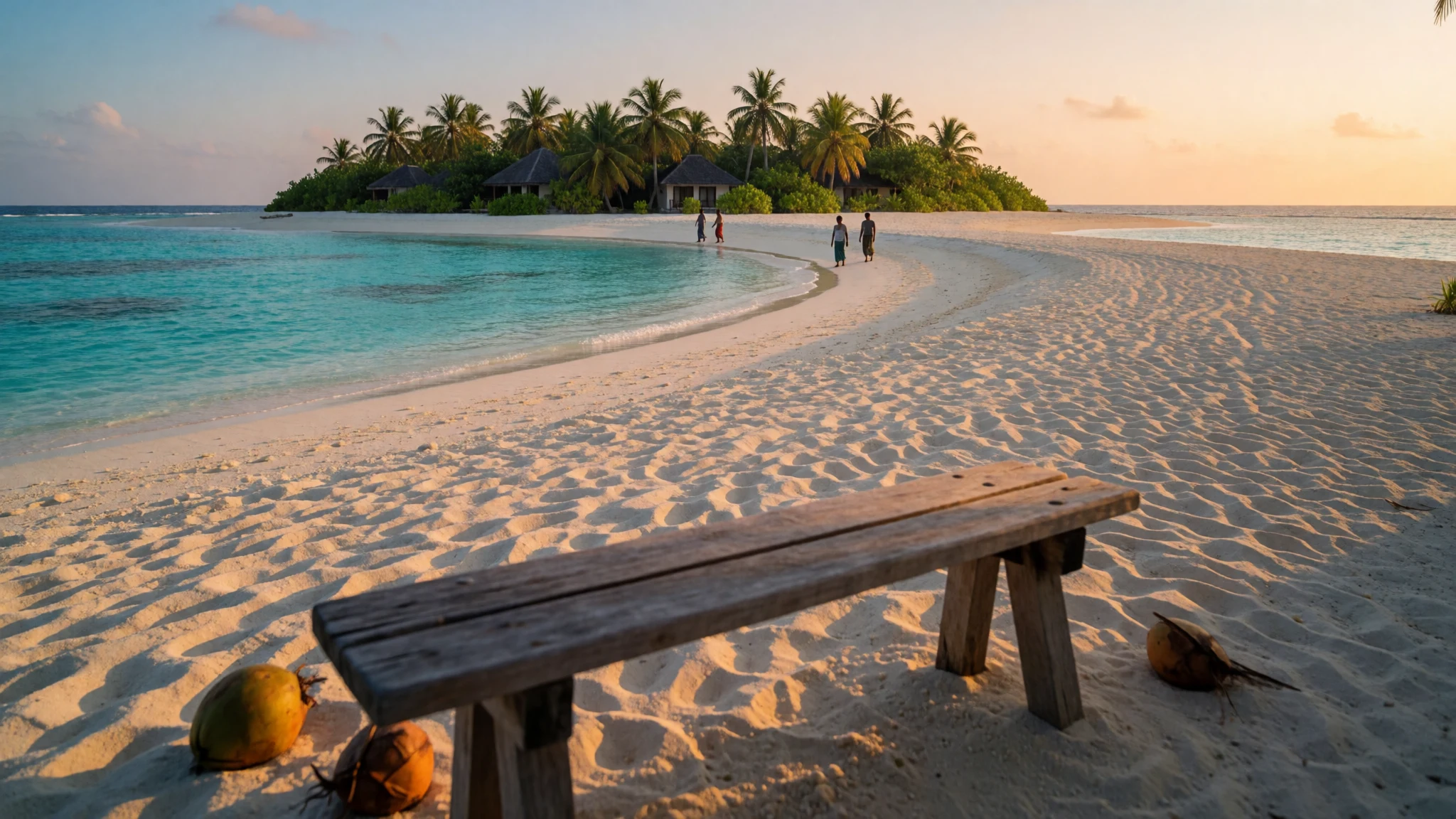
Ukulhas is a tiny, tidy Maldivian island where local guesthouses, reef snorkelling and a strong recycling habit make a quieter, cheaper alternative to resort life.
The place
Ukulhas is a flat coral sand cay in Alif Alif Atoll, near the northern edge of the atoll, in the Maldives. It is oval, roughly a kilometre from end to end and only a couple of hundred metres across, so the whole island can be crossed on foot in a few minutes. The main street runs through a small village of low houses, shops and guesthouses, with the harbour on one side and the beaches on the other. Malé lies some distance to the east, and the journey there is part of the experience rather than a quick hop.
The setting is tropical and warm all year. The southwest monsoon brings wetter weather from May to November, while the northeast monsoon from December to April is the drier stretch, with February often the driest month. April tends to be the hottest and December the coolest. Because the island sits close to the equator, severe storms are rare.
What shapes daily life here is the sea. A reef encircles the island, the lagoon is clear and shallow enough for easy swimming, and diving is a major draw despite the island's size. Ukulhas has also built a name for how it handles rubbish, with organised collection, clean-up days and awareness programmes. It feels like a village that happens to receive visitors, not a resort with staff quarters attached.
Its story
For most of its history Ukulhas was a fishing community, like many islands of the atoll. Its oldest mosque dates from the middle of the seventeenth century, a reminder that people have settled here for a long time. Life followed the tides, the monsoons and the catch.
The modern chapter began when tourism formally started on the island in November 2012. Until then, visitors to the Maldives were largely steered towards private resort islands. Local guesthouses changed that, letting travellers stay in inhabited villages, eat with local families and spend money directly in the community. Ukulhas Inn, founded by a local man, Ibrahim Shifaz Shaukath, was the first guesthouse here.
The island's other claim to fame grew alongside. Residents set up what is described as the country's first systematically managed waste system, and ran regular planting and cleaning programmes along with talks on marine ecosystems and biodiversity. That work earned a Green Leaf award in 2014 and a reputation as an environmental role model among Maldivian islands.
Today the two stories sit together. Tourism brings income and a steady trickle of visitors, while the community keeps firm rules about behaviour, dress and alcohol. The result is a small place with clear local control over how outsiders use it.
What to see
- The house reef and lagoon — Around the island
The turquoise lagoon and the reef around Ukulhas make it easy to swim and snorkel straight from the shore. Guesthouses lend snorkel gear on request. Diving here has a strong following, and the island has a dive centre, so certified divers can arrange trips through their guesthouse.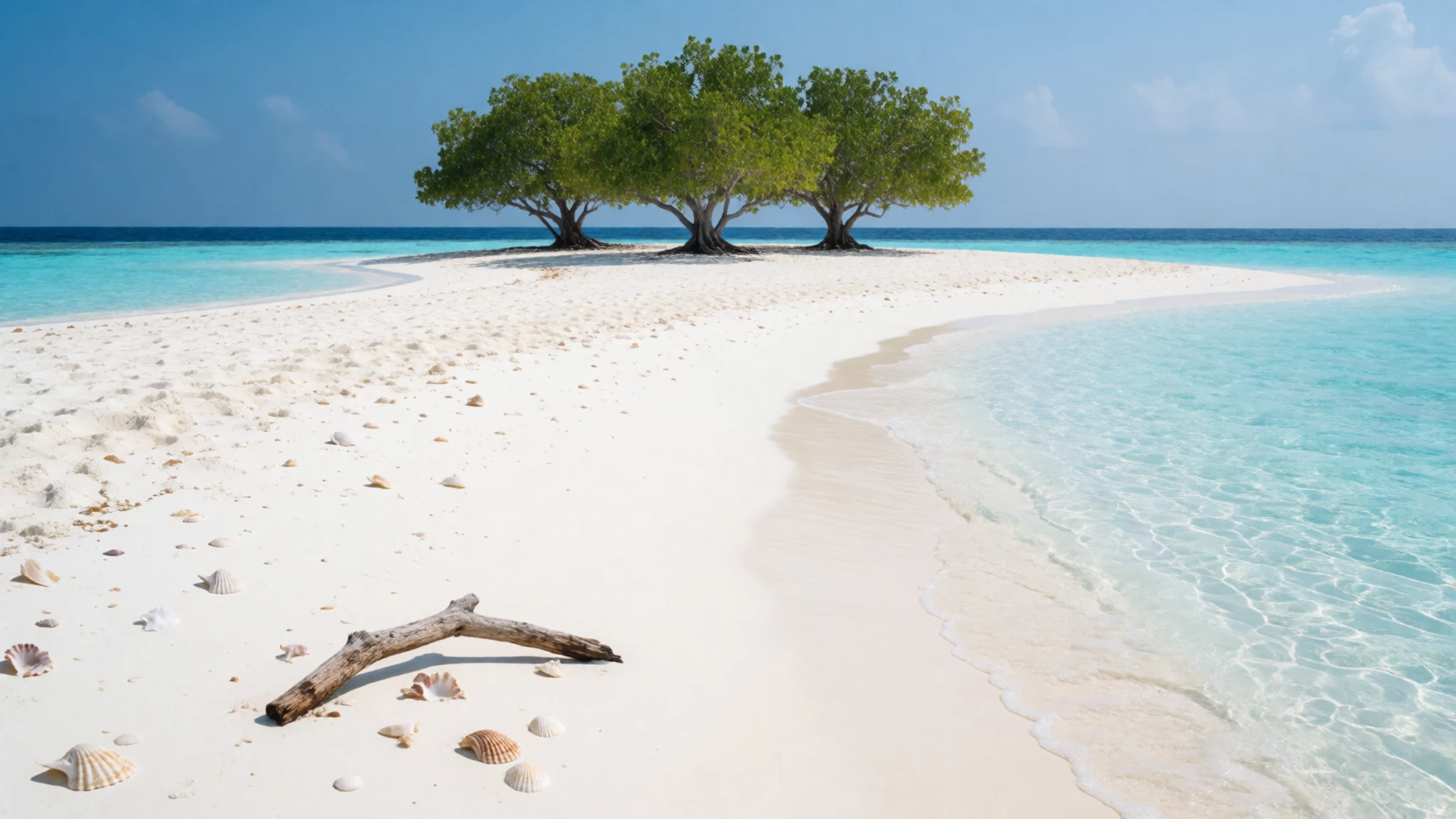
- Sunset beach — Western shore
The western side of the island is the place to watch the day end, with soft sand and a wide view over the water. Locals and visitors drift here in the late afternoon. Bikinis are allowed only on the designated tourist beach, so check where that is before swimming.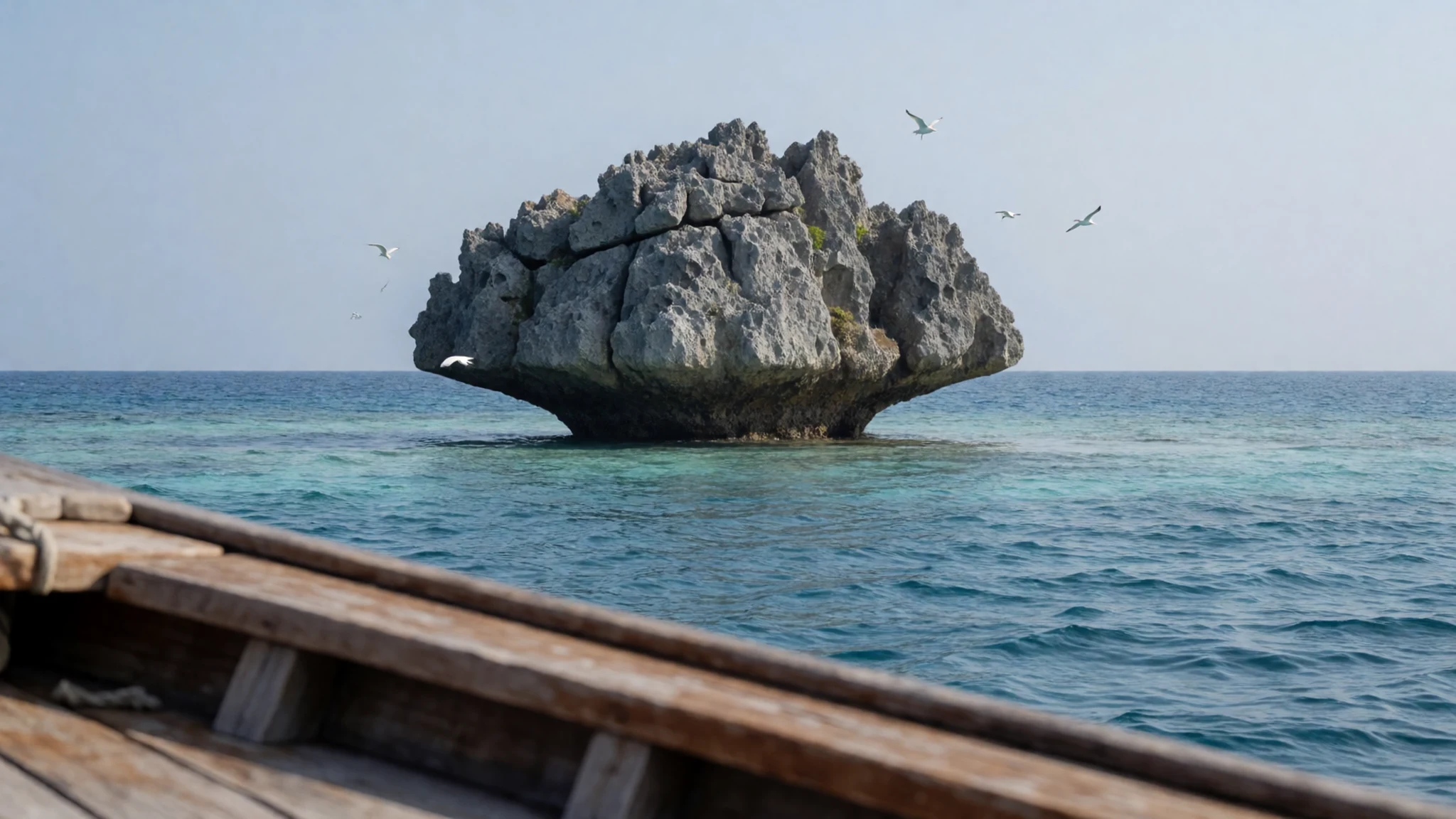
- Fushi island — Short boat ride from Ukulhas
A small uninhabited islet with white sand, clear water and three tall trees in the middle. It is reached by boat arranged through a guesthouse. There are no toilets, bars or rooms, so bring water, shade and anything else you need for the day.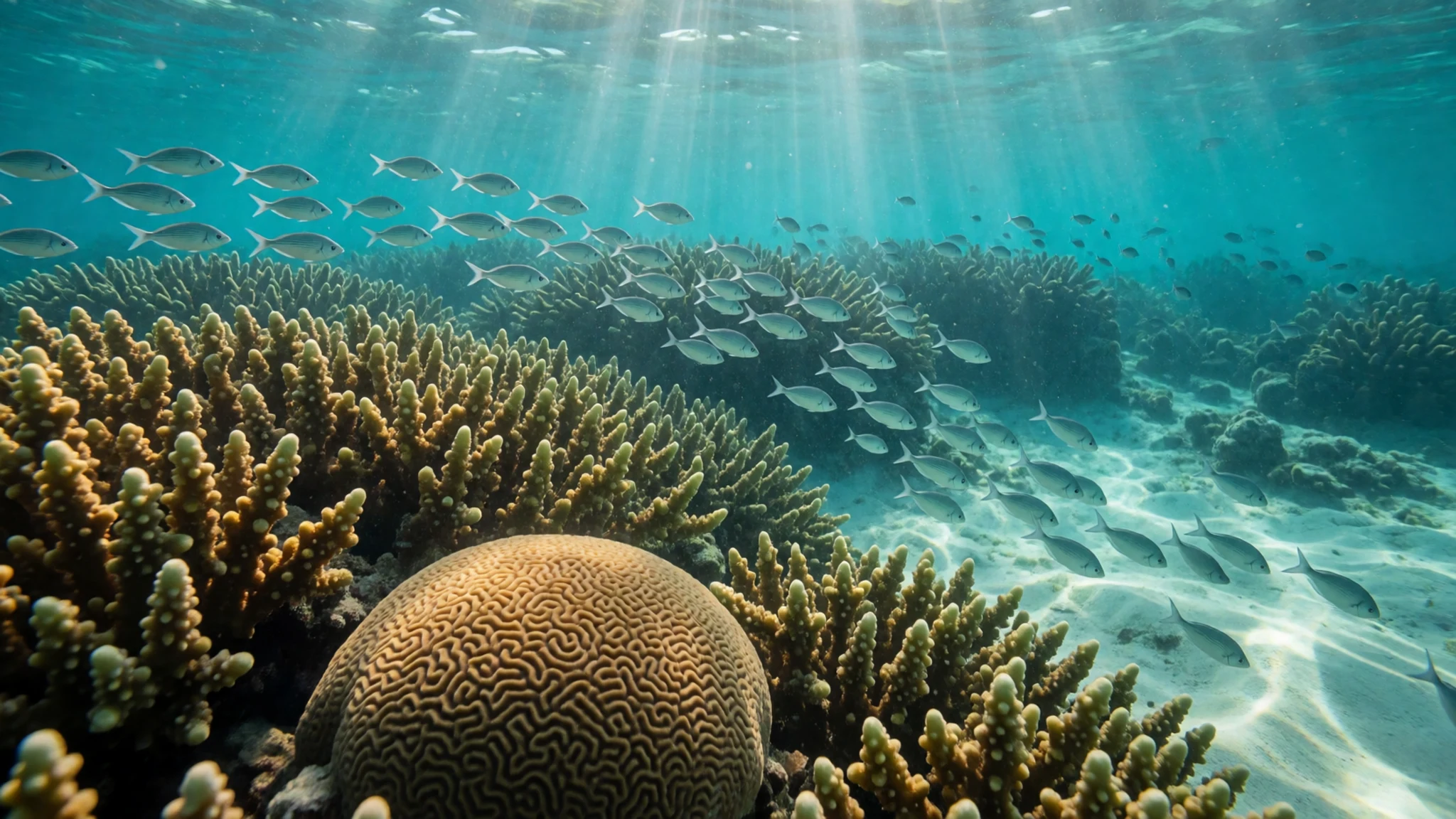
- Gaagandu rock — North of the island
A small limestone outcrop standing in the sea, the only part of the atoll's reef structure that rises above the water here. It is a short boat trip away and is more about the curiosity and the ride than a long visit. Ask your guesthouse for a combined trip.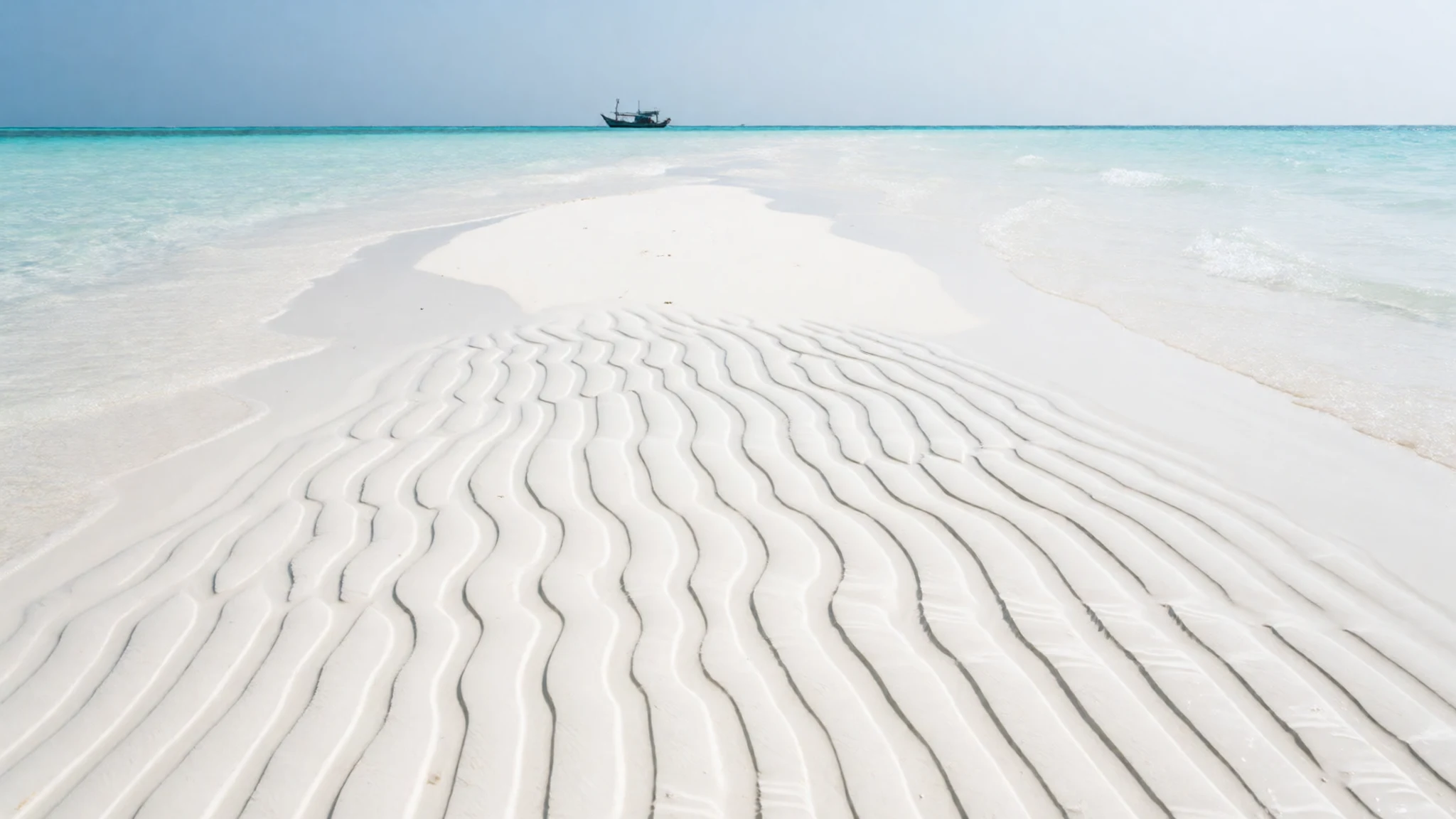
- Sunset dhoni cruise — Harbour
A cruise on a traditional wooden dhoni circles the island at dusk, and dolphins sometimes appear. The boats are built by hand and decorated by their builders. Guesthouses arrange the trip and set the price, so confirm the cost before you agree.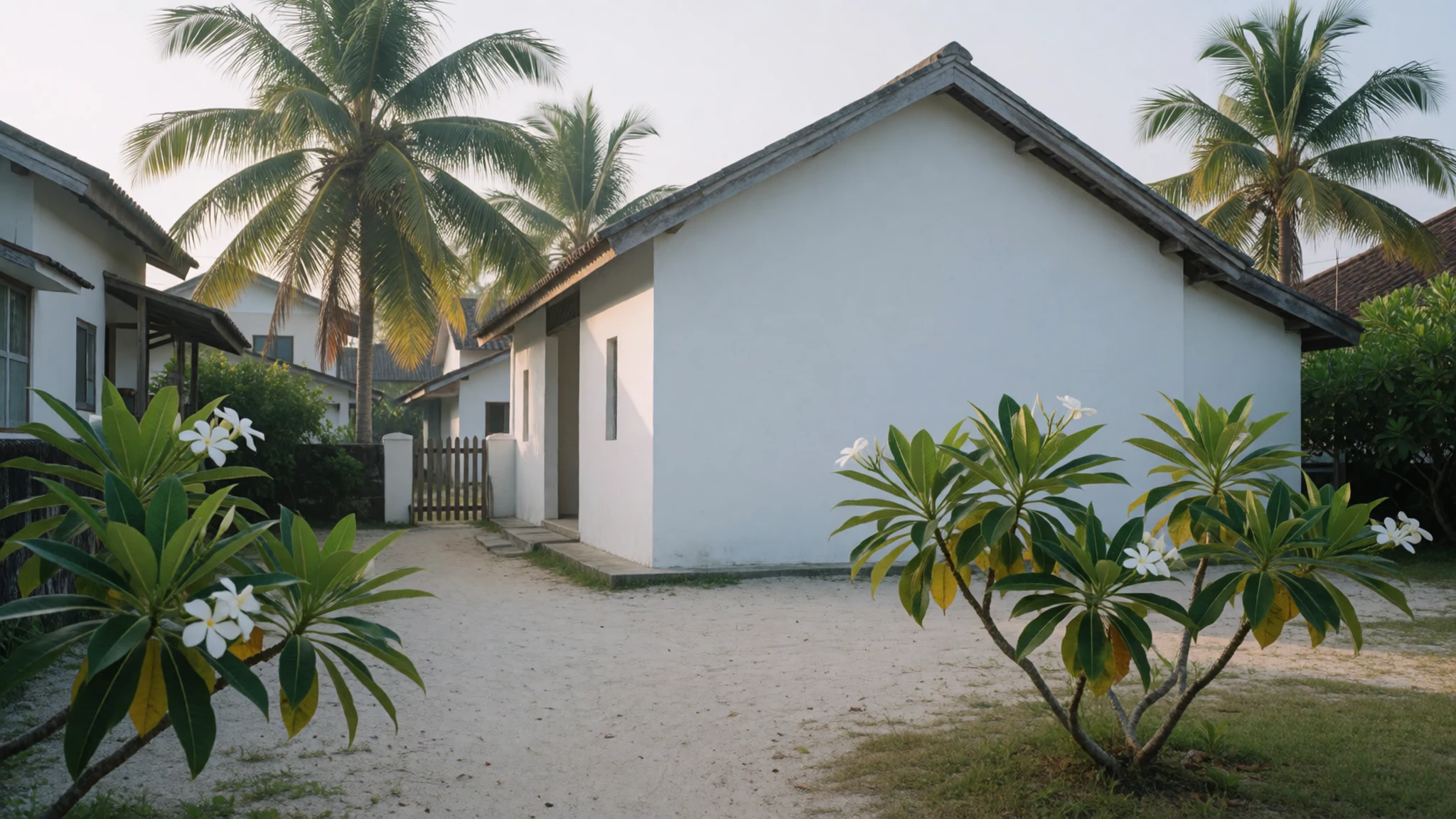
- Kudamikiy mosque — Village centre
The oldest of the island's small mosques, dating from the mid-seventeenth century. It is a working place of worship, best admired from outside and at a respectful distance. Visitors should dress modestly nearby and avoid going inside unless invited by a local.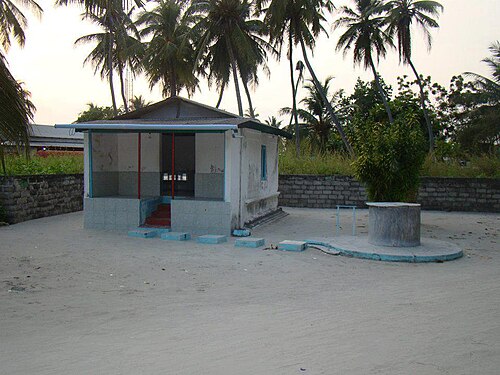
Culture
Ukulhas is a Muslim community, and island life follows that rhythm: calls to prayer, quiet Fridays and modest dress in the village. Visitors are welcome, but the rules are set locally and enforced by residents themselves, which is a large part of why guesthouse tourism works here.
The best-known local art form is boduberu, a drum-led music and dance found across the Maldives. A group is usually about fifteen people, including four drummers and a lead singer, with a small ridged bamboo piece scraped to give a rasping rhythm. Songs may tell of heroism, romance or gentle satire. They begin slowly, heavy on the drums, and build to a crescendo in which one or two dancers move in a frantic, wild beat. Performers wear a sarong and a white shirt with sleeves. Ask your guesthouse whether a performance is planned during your stay, since these are community events rather than scheduled shows.
There are also firm rules on behaviour. Nudism is prohibited. Swimming in a bikini is allowed only on the single beach set aside for tourists, and locals watch this closely. Alcohol is banned by law, and anyone offering it at inflated prices is operating quietly and at some risk to the community.
On the village streets, wear shirts that cover your shoulders and shorts or skirts that reach the knee, and keep swimwear for the tourist beach only.
What to wear
Traditional Maldivian dress is simple and suited to heat. Men wear a sarong-style wrap, called a mundu, often with a white shirt, and this is what boduberu performers wear on stage. Women historically wore a long dress known as a libaas, and the best-known version has embroidered thread work around the neck, called kasabu. Cotton is the usual fabric because it breathes in the humid climate. Traditional clothes appear most clearly at festivals, weddings and cultural performances.
Day to day, people on Ukulhas wear light cotton shirts, trousers or long skirts, and many women cover their hair with a scarf. Younger residents wear T-shirts, jeans and sports kit, much as anywhere in South Asia, though with attention to covering shoulders and knees in public. Fishermen and boat crews wear shorts and work shirts while on the water.
Visitors should pack for heat and for modesty. Lightweight linen or cotton shirts and loose trousers or long skirts work well in the village, with a scarf or shawl handy for the mosque area. Swimwear is for the tourist beach and boats only, and a rash vest and shorts are useful for snorkelling. Bring reef-safe sunscreen, a hat and sunglasses. Sandals or flip-flops are enough for the island, since the streets are sand and paved paths, and many guesthouses ask you to leave footwear at the door.
What to eat
- Fresh fish and seafood — Guesthouse kitchens and seafront restaurants
Tuna and other reef fish are grilled, curried or served with rice. The seafood menus at the village's tourist-facing restaurants are gentler on western palates, while guesthouse kitchens often serve the daily catch.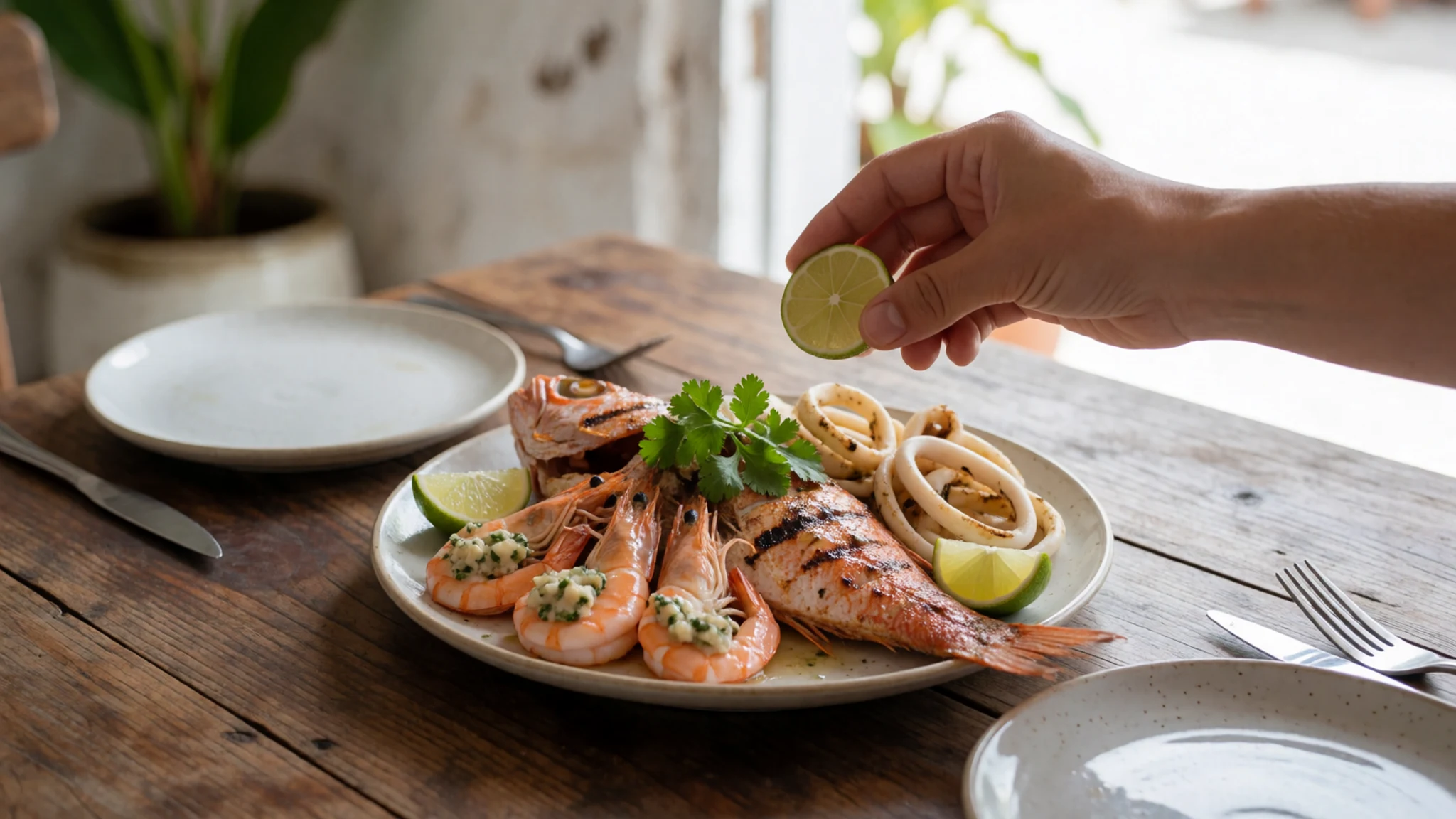
- Garden cafe vegetarian plates — Garden restaurants near the main street
Several tourist-focused cafes offer vegan and vegetarian dishes in a garden setting, which makes the island easy for travellers who do not eat fish. Expect standard international fare with a friendly welcome rather than a local speciality.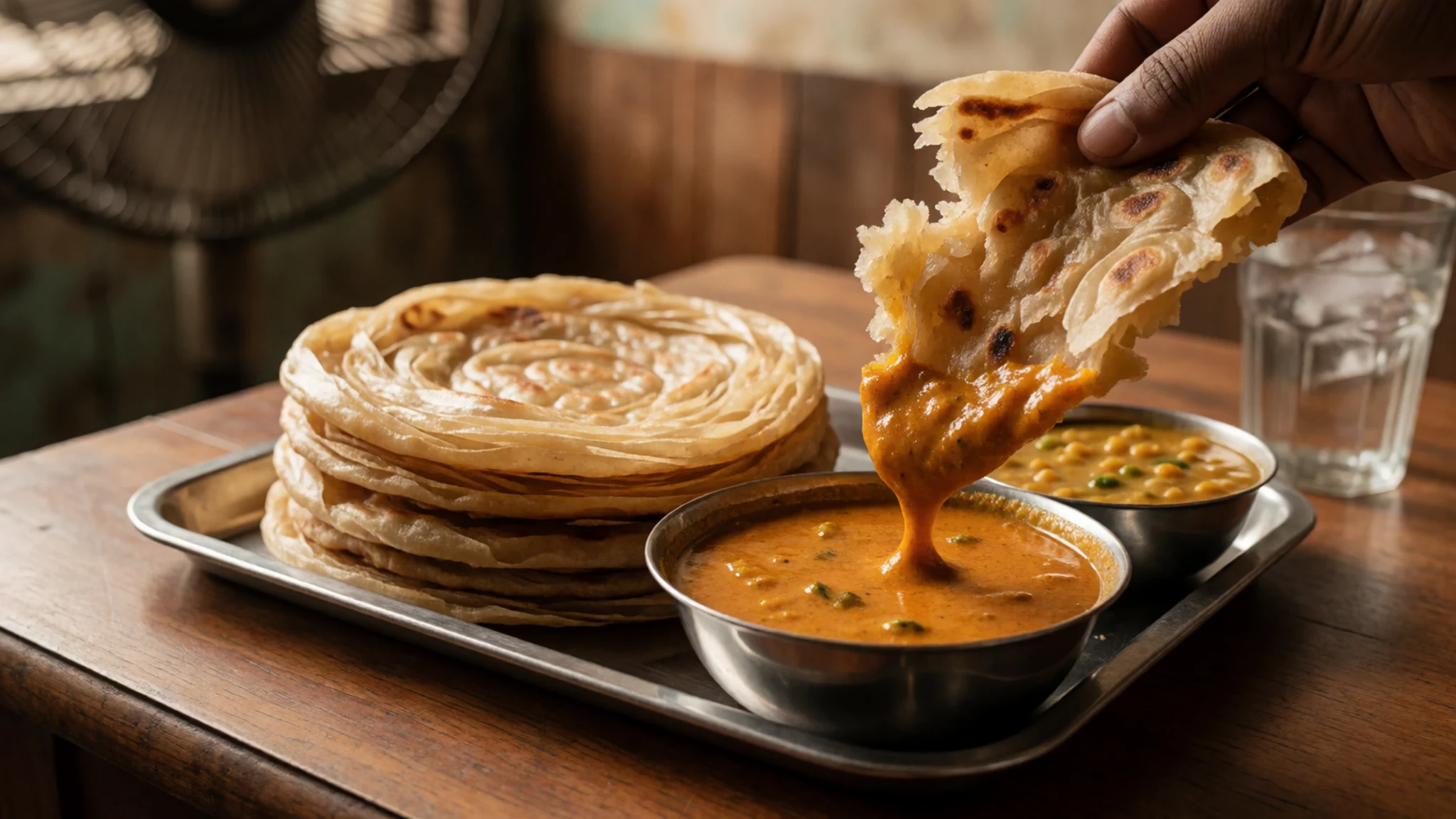
- Parathas and Indian curries — Small eatery in the north of the village
A simple local eatery serves decent Indian-style dishes, including good parathas, alongside some tourist fare. Familiar to readers from India, it is a handy option when you want something filling and plain. - Fresh coconut and orange juice — Cafes and shops on the main street
Alcohol is not available, so do as locals do and drink fresh coconut water or orange juice. Both are cold, sweet and well suited to the heat after a morning in the sun or the water. - Beachfront coffee and iced latte — Beachfront cafe near the sand
One outdoor cafe sits under coconut palms by the beach and serves coffee drinks, including iced lattes. It suits an afternoon pause between swims, with the sea close enough to hear. - Sunset cafe snacks — Northern end of the island
A quiet cafe run by local women at the northern end of the island serves coffee and light bites. It is a good place to watch the sun go down away from the busier central streets.
Plan it
Best time. January to April is the drier northeast monsoon, with February often the driest month; April is the hottest. May to November is the wetter southwest monsoon, so expect more rain and cloud.
How long. 3–4
Getting there. Fly into Velana International Airport at Malé. From there, take a speedboat (roughly 50 minutes, irregular, tickets sold by Atoll Transfer) or the slower public dhoni ferry, which runs a few days a week and takes several hours. Alternatively, take a seaplane to nearby Rasdhoo, then a speedboat or slow boat to Ukulhas. Check current schedules with the operators before booking.
Budget. mid
Tips
- Check ferry and speedboat timetables in advance, because services do not run daily
- Carry some cash, as card use on small islands can be patchy
- Bring reef-safe sunscreen, a hat and refillable water bottle
- Book excursions through your guesthouse, and confirm the price first
- Plan a sunset on the water or the west beach
Etiquette
- Wear modest clothes in the village and keep swimwear for the tourist beach
- Do not photograph local people without asking
- Do not bring alcohol, and avoid nude or topless sunbathing
Nearby
Sources
- Wikidata Q4177376 (CC0)
- Wikipedia: Ukulhas (CC BY-SA 4.0)
- Wikivoyage: Ukulhas (CC BY-SA 4.0)
- View of Ukulhas, Rappey (CC BY-SA 4.0)
- Sunset Beach in Ukulhas, Rappey (CC BY-SA 4.0)
- Bird's eye view of Ukulhas, Rappey (CC BY-SA 4.0)
- Harbor View of Ukulhas, Rappey (CC BY-SA 4.0)
- Front view of Ukulhas at the front jetty, Rappey (CC BY 3.0)
- Rahgudaa Boduberu band of Ukulhas, Rappey (CC BY 3.0)
- Kudamikiy mosque, Ukulhas, Rappey (CC BY 3.0)
- Gaagandu rock, Rappey (CC BY 3.0)


