Thoddoo
Thoddoo, Maldives
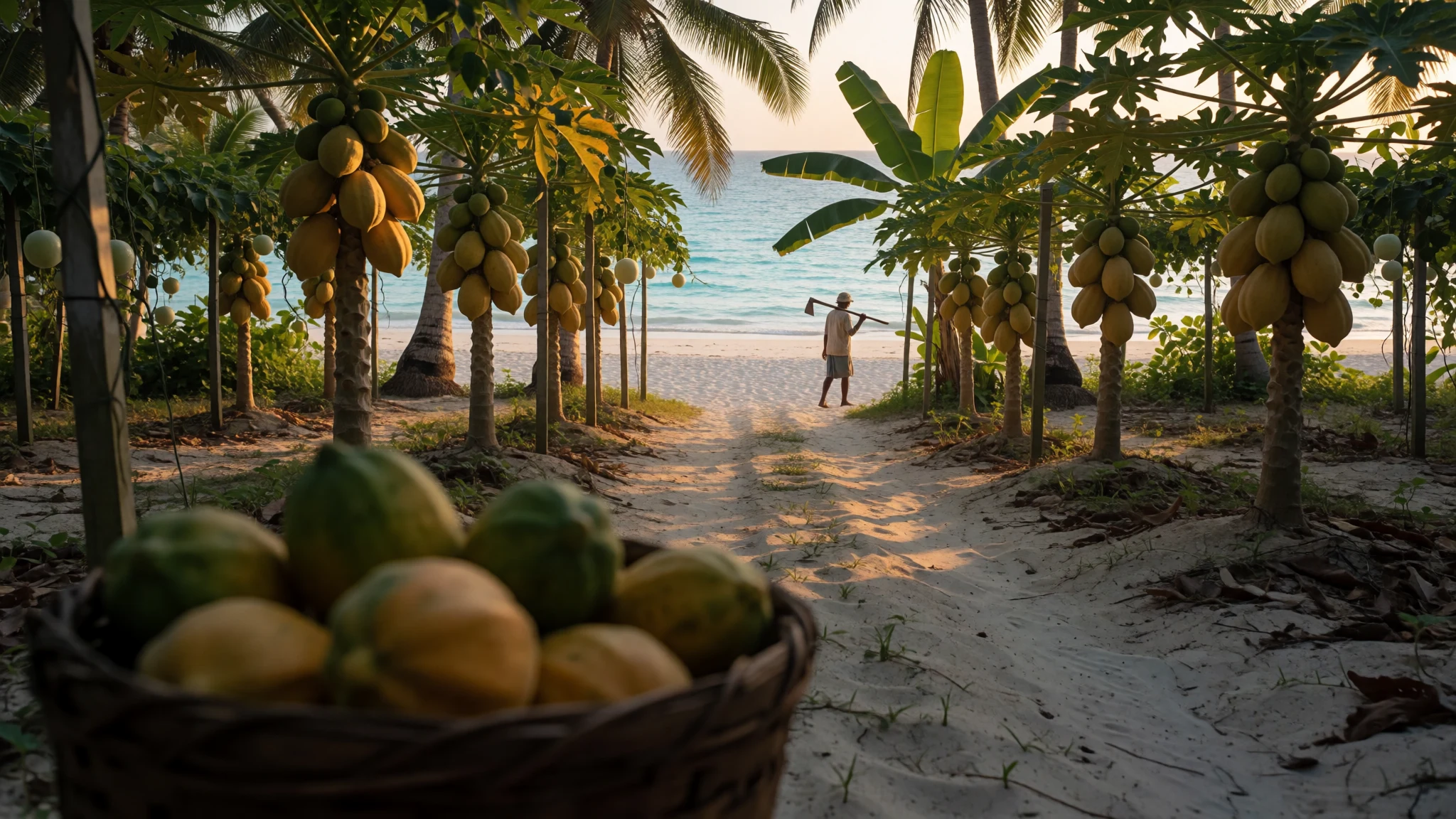
Thoddoo is a small farming island in Alif Alif Atoll where papaya fields meet a designated bikini beach and a house reef close to shore.
The place
Thoddoo is an inhabited island in Alif Alif Atoll, in the Maldives, and it works differently from the resort islands most visitors imagine. It lies to the north-west of the capital, Malé, and a little way from Rasdhoo, the nearest inhabited neighbour. The island is small: roughly two kilometres long and one wide, so a walk across it takes minutes rather than hours.
The land divides into rough thirds. One part is farmland, one part is the village where families live, and the remainder is left empty. That layout shapes a visit. Instead of a hotel perimeter, there are lanes, plots of crops, guesthouses and a working community going about its day.
Farming is the island's identity. Papaya and passion fruit are the best-known crops, and local growers also raise watermelon, banana, chilli, brinjal (aubergine), pumpkin and several gourds. Thoddoo is described as the country's largest producer of watermelon and of betel leaf, and those crops reach Malé's markets by boat.
Tourism arrived in 2015 and has grown steadily, mostly through small guesthouses and a handful of eateries rather than large developments. Because the community is Muslim, the island sets clear rules on where swimwear is acceptable. Bikinis belong on the designated tourist beach, which people often call Bikini Beach. Elsewhere, visitors dress as the villagers do. Expect warm, humid weather year round, strong sun, sandy lanes and a friendly, unhurried pace.
Its story
Thoddoo's written history is thin, and much of what is known comes from the ground itself. Buddhist ruins lie in one area of the island. They are a reminder that the Maldives were not always Muslim: before the conversion to Islam, Buddhism was practised across the atolls, and traces of that earlier world survive on several islands. On Thoddoo the remains are modest, and a visitor should not expect signposted monuments or a museum. Ask at your guesthouse if you want to know where they are and whether access is appropriate.
The more recent story is about the soil. For generations Thoddoo has been a place where people grow things, which is unusual in a country of coral islands with little fertile land. Farming remains one of the main sources of income. Betel leaf has been the strongest economic activity for around forty years, and watermelon is timed to reach Malé around Ramadan, when demand and prices climb.
Then came tourism. Local guesthouse tourism opened up in 2015 and quickly became a major part of the economy. The island now has more than 200 guest rooms, about ten restaurants and some fifteen speedboats for transfers. The island also appeared on screen when the film Ghosts Can't Do It was shot here, with the cast sleeping in tents on the beach. The challenge for Thoddoo now is to grow without losing the farming character that makes it different.
What to see
- Bikini Beach — Tourist beach, western side of the island
The designated tourist beach is where swimwear is allowed, and the water is clear and shallow enough for easy paddling. It is the natural base for a day of sun and snorkelling. Come early or late to avoid the strongest heat, and bring shade, because natural cover is limited.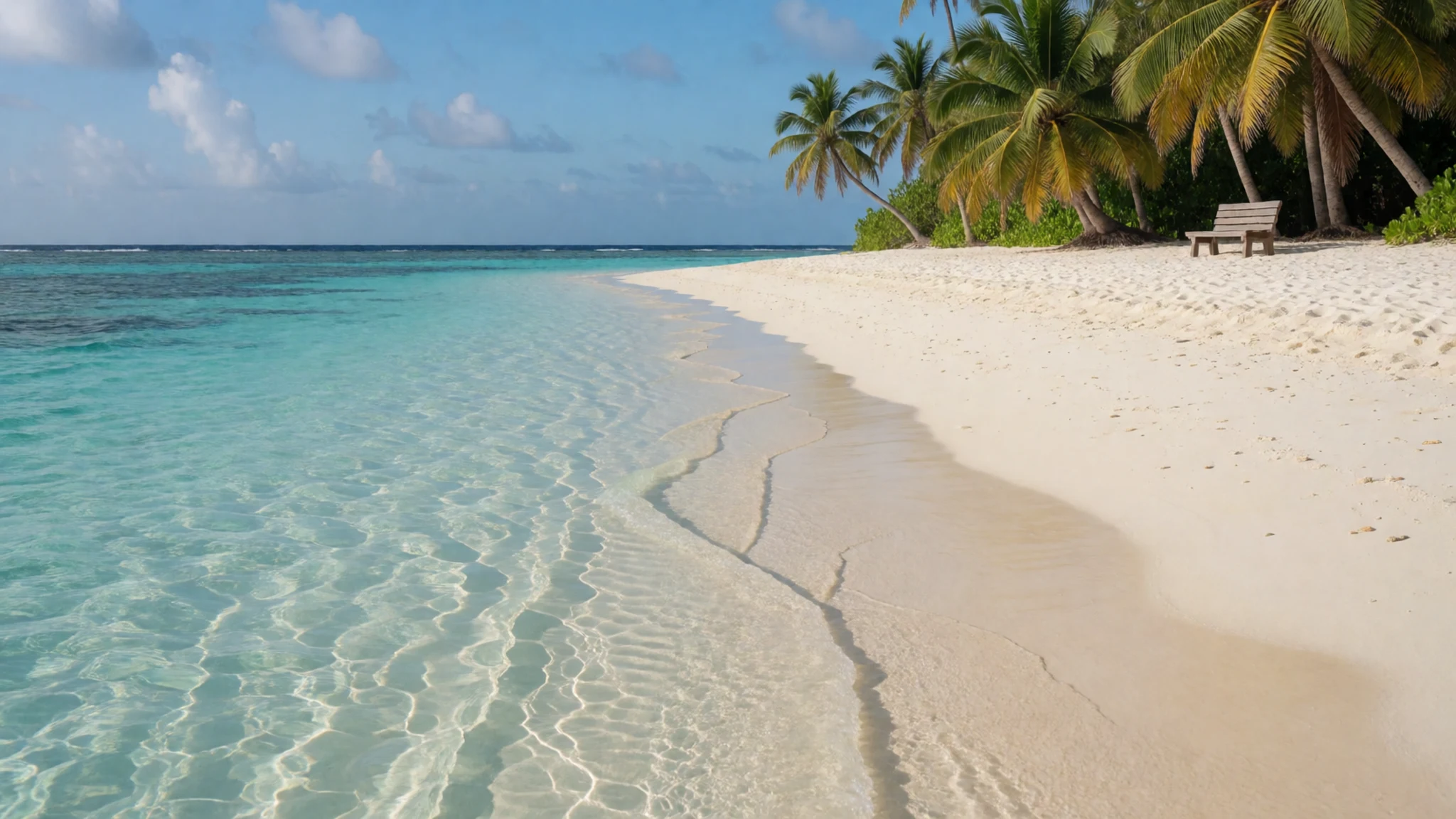
- Fruit and vegetable farms — Agricultural area, inland
A third of the island is cultivated, so a slow walk or cycle through the plots shows papaya, passion fruit, banana and gourds growing in sandy soil. It is the clearest view of what makes Thoddoo different. Greet farmers politely and ask before photographing people or picking anything.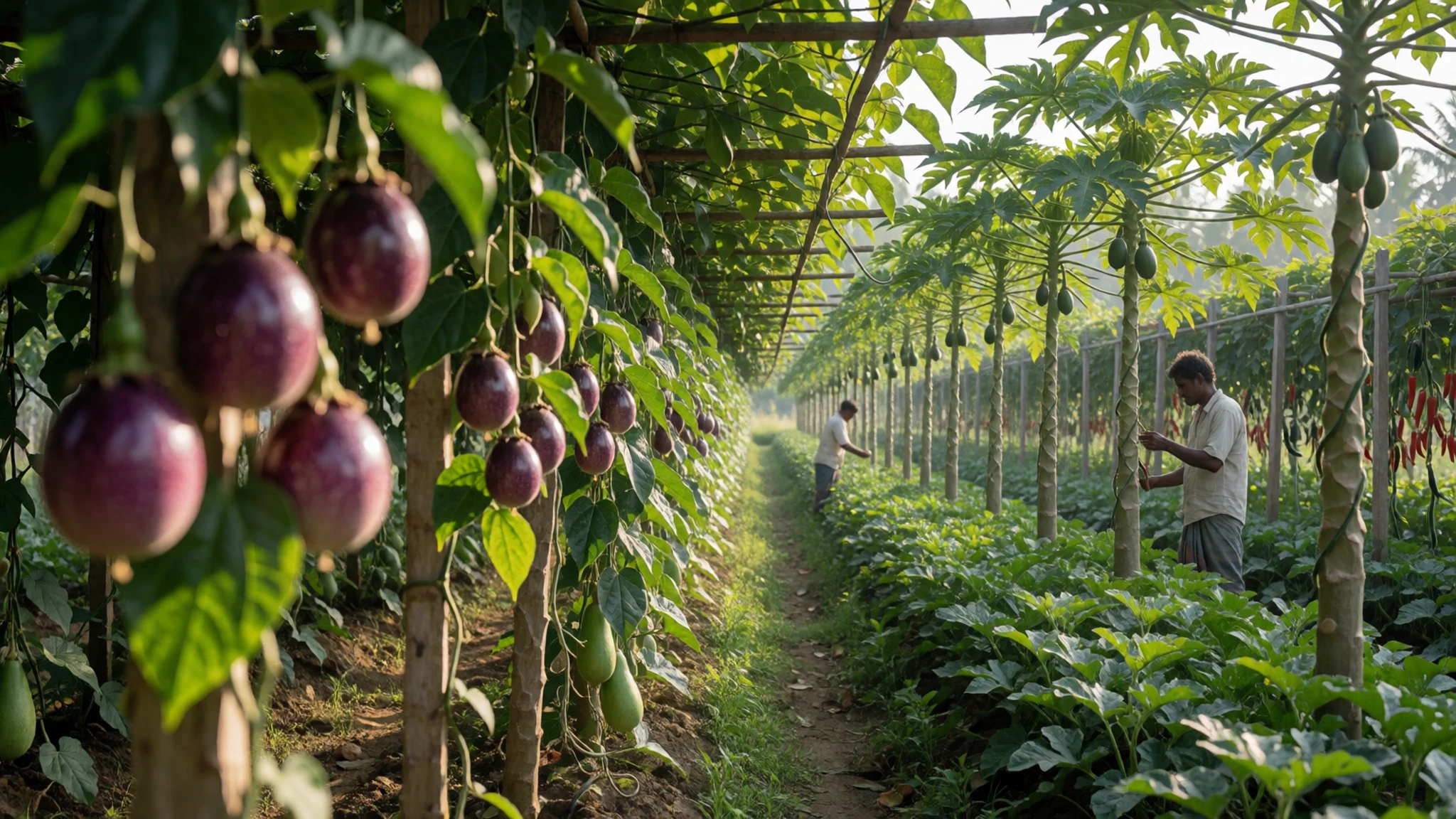
- House reef snorkelling — Offshore from the tourist beach
Swim a few metres out from the beach and the reef is already beneath you. About a hundred metres further lies the outer reef, though currents there can be strong, so go with someone who knows the conditions. Around full moon the tide drops low enough to walk part of the way.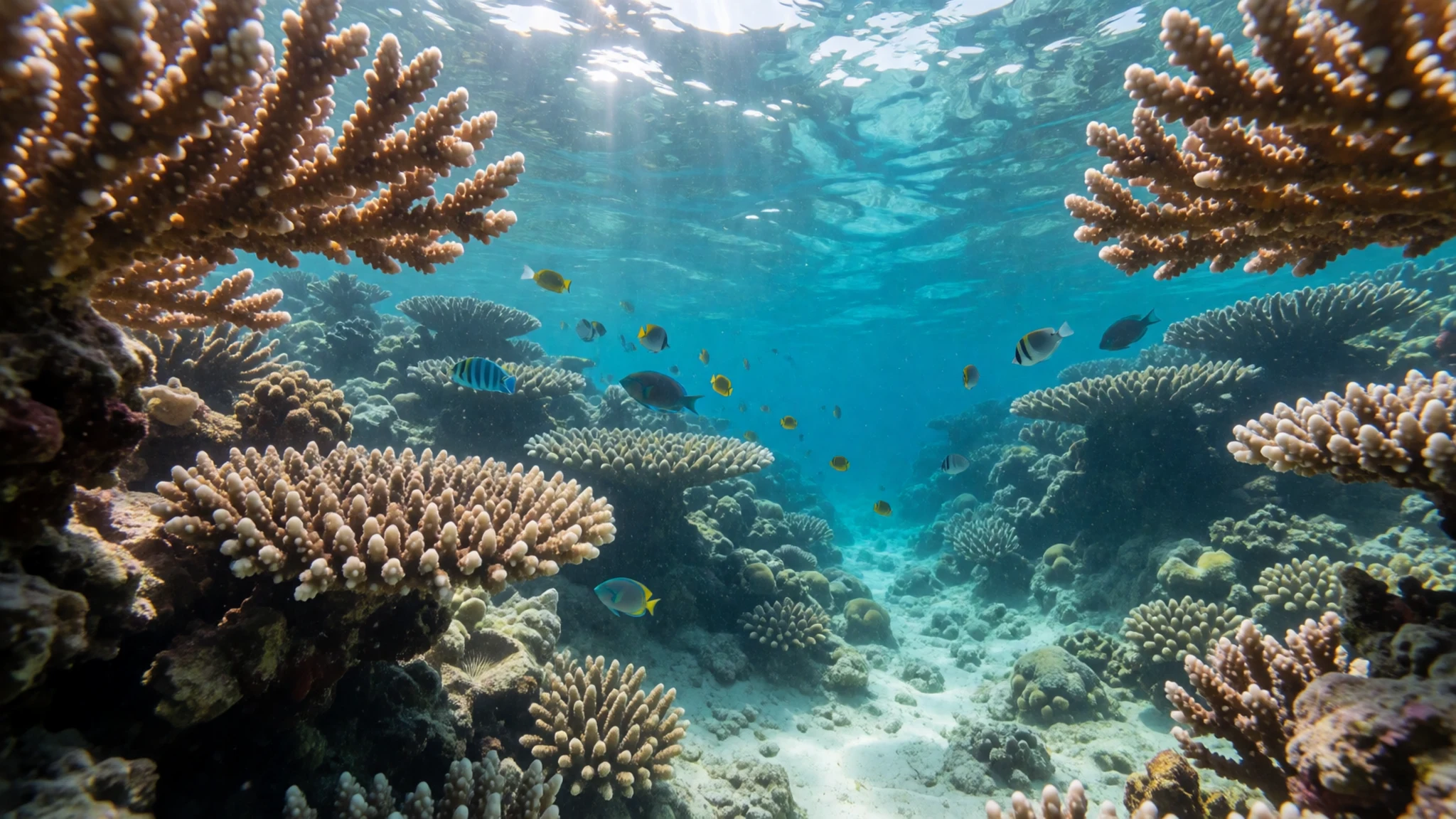
- Boat fishing — Waters around the island
Morning and night fishing trips go out from the island by boat. Catching fish off the shore is hard, so a boat is the sensible route. Many guesthouses will cook what you bring back on a barbecue if you ask them in advance, which makes a good end to the trip.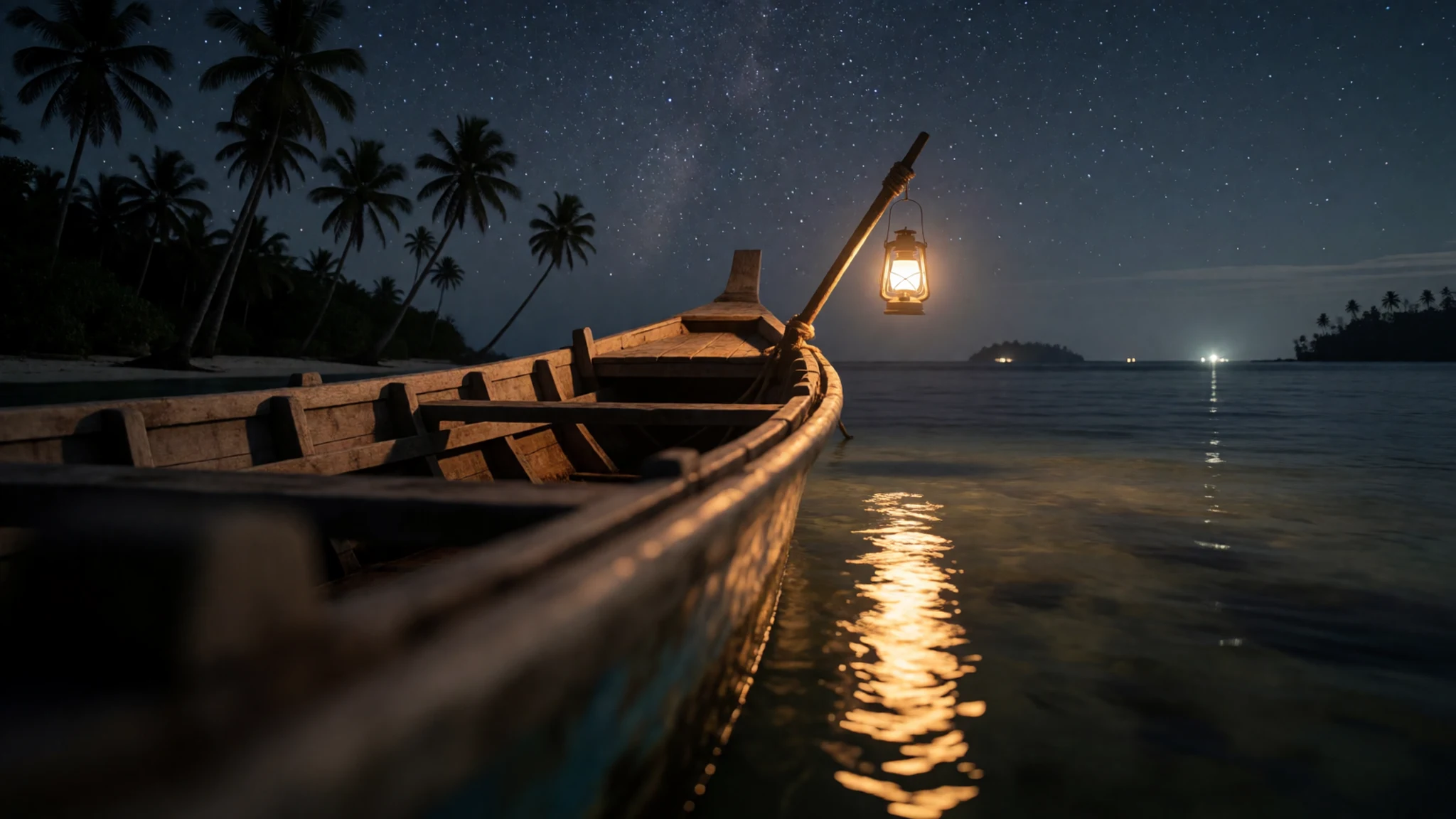
- Diving — Dive centre, village side
The island has its own dive centre, and the surrounding atoll offers reef and open-water sites. Contact the centre directly to ask about conditions, certification requirements and what trips are running in your dates. Do not assume anything is available without confirming first.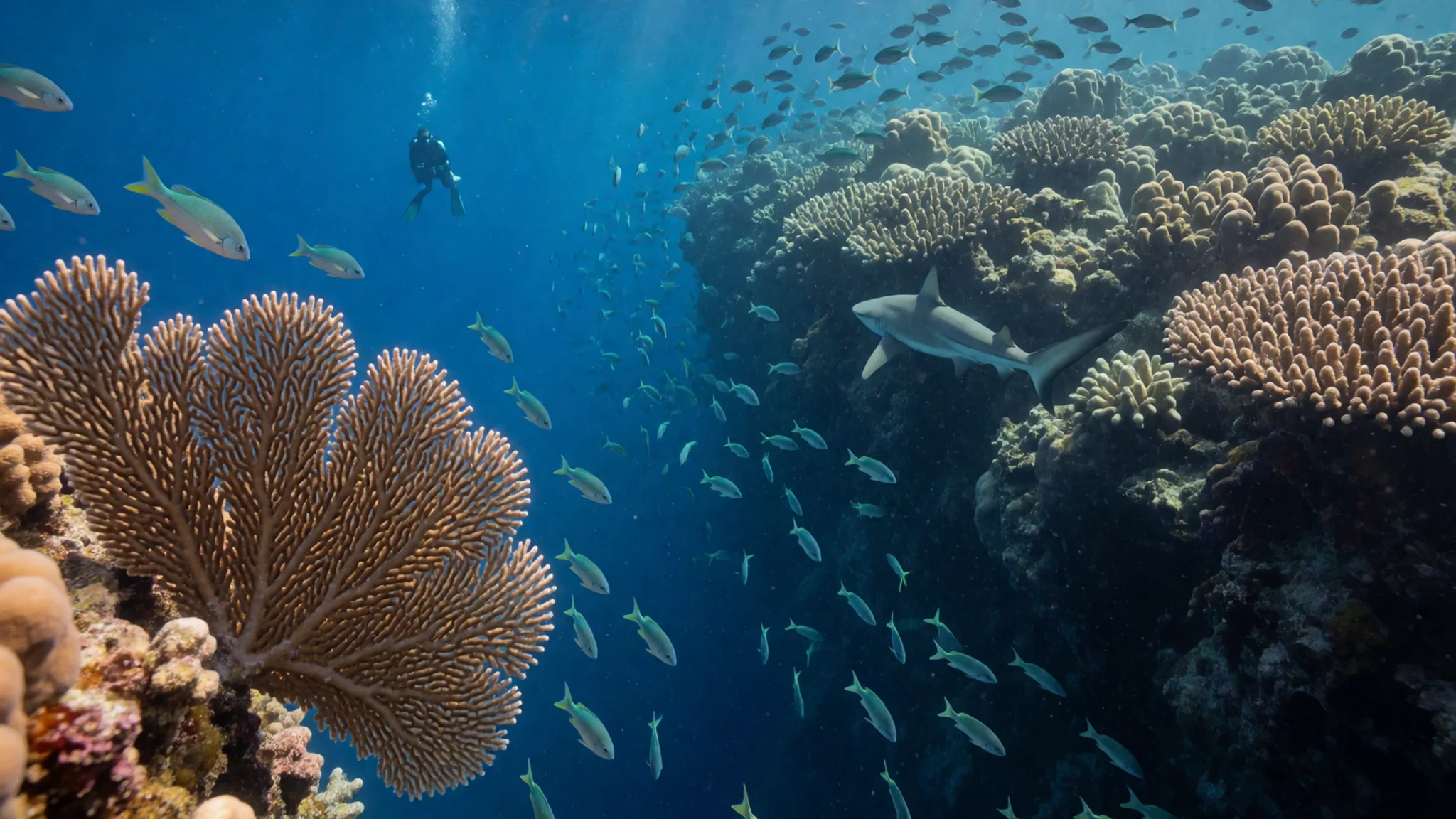
- Village lanes — Village centre
The village takes up another third of the island, and walking through it gives a more honest picture of Thoddoo than any beach. You will see houses, small shops, children and daily routines. Dress modestly, keep voices low and be friendly; the welcome is usually warm in return.
Culture
Thoddoo is a Muslim community, and daily life follows that. The call to prayer structures the day, Friday is the main day of worship, and the island is a place where families know each other. Visitors are welcomed warmly, but the welcome comes with expectations about behaviour and dress, especially away from the tourist beach.
Farming sets the rhythm as much as faith does. Fields are worked early, before the heat builds, and produce is packed for Malé by boat. Ramadan matters twice over: it is a month of fasting, and it is also the moment when Thoddoo's watermelons are most in demand. During that month, daytime eating and drinking in public are best avoided, and some eateries may change their hours, so ask your guesthouse what to expect.
Guesthouse tourism means visitors often eat and talk with island families. Conversation tends to be easy, and questions about crops, fishing and island life are usually welcomed. Alcohol is not part of village life, and the island's rules reflect that. Buddhist remains in one part of the island point to a much older past, though they are not an organised attraction.
People are generally relaxed about visitors, but they appreciate effort. Learning a greeting, asking before taking photographs and accepting offered tea or fruit all go a long way. Keep swimwear to the designated tourist beach and cover your shoulders and knees when walking through the village.
What to wear
Thoddoo has no single formal costume that visitors are likely to see in daily use, but Maldivian dress has its own tradition. Women have long worn the libaas, a long dress with a decorated neckline, often embroidered in gold or coloured thread, and men wear the mundu, a wrapped cloth worn as a sarong. These are usually kept for festivals, weddings and religious occasions rather than a working day among the papaya fields.
In everyday life on the island, people dress simply and for heat. Many women wear loose long-sleeved tops or dresses with a headscarf, and men wear shirts with trousers or a sarong. Farmers wear light, practical clothes, often with a hat, because the sun is strong and the soil is sandy. Younger people mix local modesty with familiar casual styles.
Visitors should treat the island as two zones. On the designated tourist beach, swimwear including bikinis is acceptable. Everywhere else, including the village lanes, shops and the sea beyond that beach, wear modest beachwear or normal clothes: shorts to the knee, T-shirts that cover the shoulders, and a light wrap or shirt for walking through the village. Linen and cotton cope best with humidity.
Bring a sun hat, sunglasses and a rash vest for snorkelling, which also protects the skin from burning. Sandals or flip-flops are enough for the lanes, and reef shoes help at the water's edge. A light scarf is useful for covering up quickly.
What to eat
- Fresh papaya — Guesthouse breakfast tables and farm stalls
Papaya is the island's signature fruit and tastes best eaten the day it is picked. Ask your guesthouse for it at breakfast or buy it from a farm stall. It is sweet, soft and very different from fruit that has travelled far.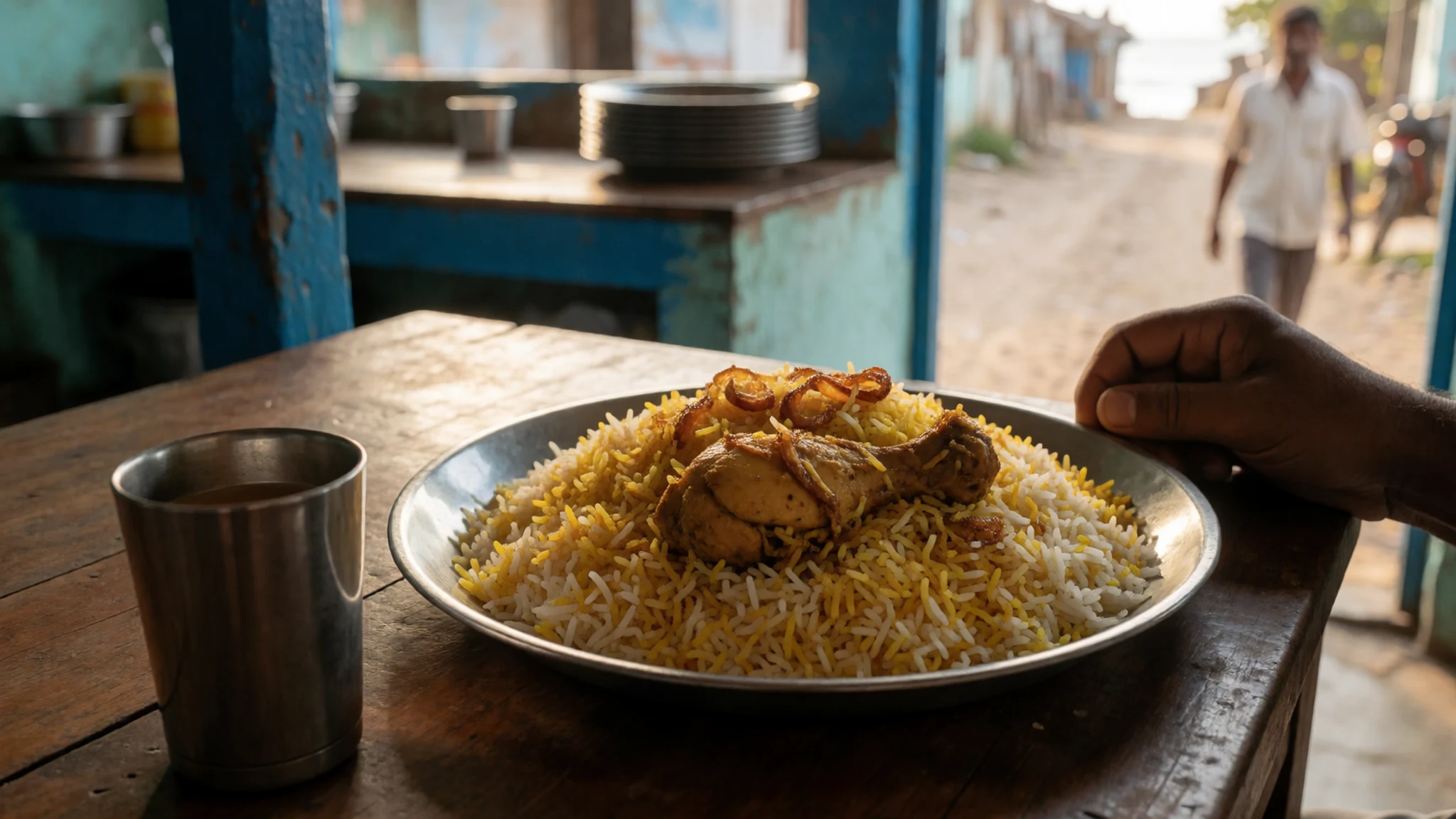
- Passion fruit — Island cafés and guesthouse kitchens
Grown widely here, passion fruit is served as juice, scooped fresh from the shell or used in desserts. The juice is tart and refreshing in the heat. Ask for it with less sugar if you prefer the sharper flavour.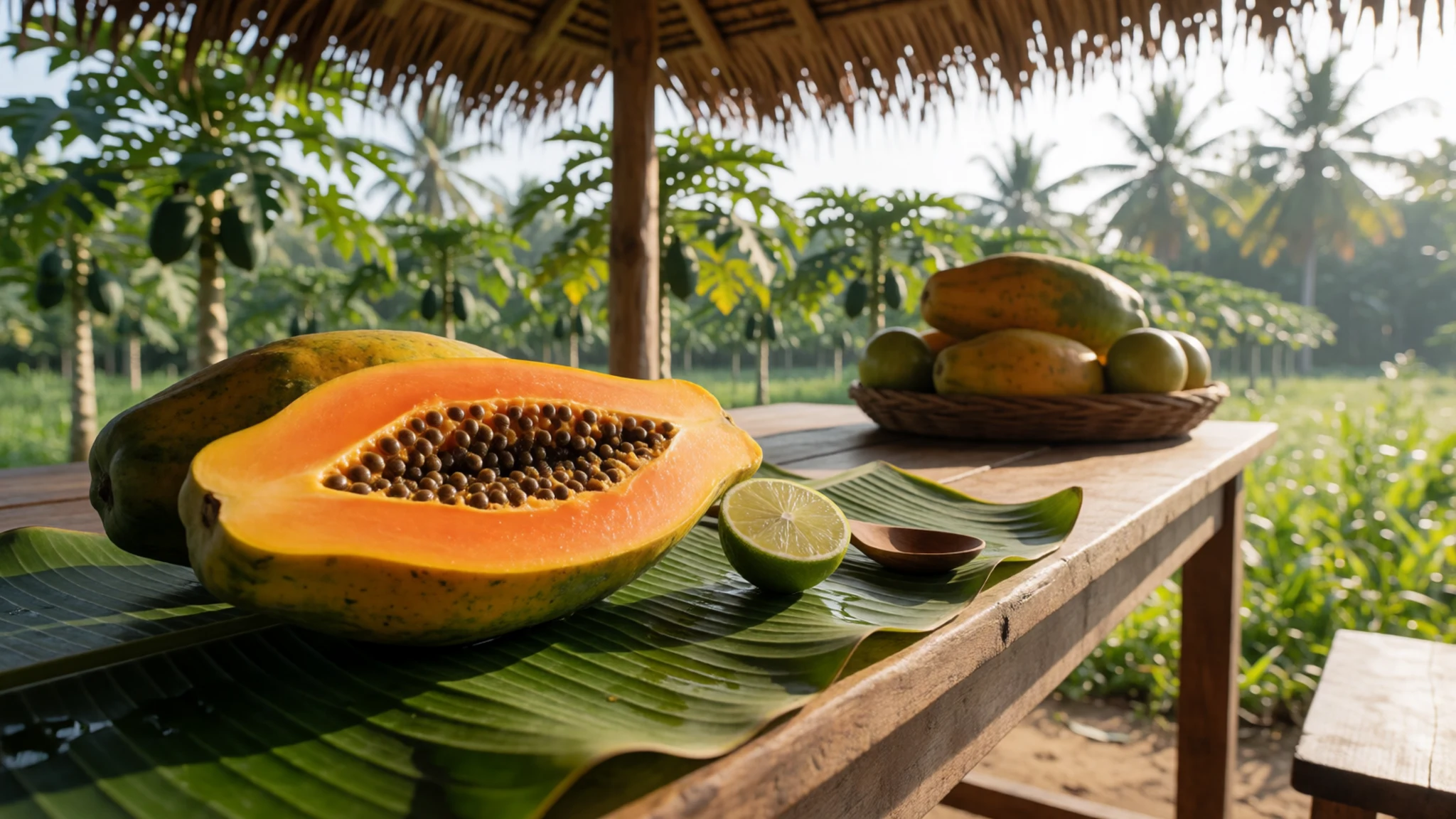
- Watermelon — Farm stalls and village shops
Thoddoo grows a great deal of watermelon, and it is a cooling snack after a morning in the sun. It is cut thick and eaten plain, or blended into juice. The fruit is at its busiest around Ramadan. - Chicken biryani — A small eatery in the village centre
One of the island's cooks is Bangladeshi, and the chicken biryani there has a reputation as the best around. It is fragrant, filling and a useful change after several days of fish. Fried rice is reported to be fine rather than special. - Grilled fresh fish — Guesthouse courtyards and beachside tables
After a fishing trip, many guesthouses will barbecue the catch if asked in advance. It is simple food: fish with salt, chilli and lime, often served with rice. It is also the most satisfying way to end a day on the water. - Fresh vegetable curries — Village eateries and guesthouse kitchens
Island kitchens cook with locally grown brinjal, pumpkin and gourds, usually in lightly spiced curries served with rice or roshi flatbread. They are mild to medium in heat and good for vegetarians. Ask what is in season and what is freshest that day.
Plan it
Best time. December to April is the drier, sunnier season in the Maldives and the most comfortable for beach days and snorkelling, though it is also the busiest and priciest time. May to November brings more rain and wind but cheaper rooms. It is hot and humid year round.
How long. 2–3
Getting there. Fly to Velana International Airport at Malé, then take a speedboat to Thoddoo, about an hour. Boats run daily but times shift, so confirm with your guesthouse. A public ferry also links Thoddoo with Rasdhoo and other atoll islands on certain days of the week.
Budget. mid
Tips
- Book your guesthouse and speedboat transfer ahead, especially in the peak season, and reconfirm the boat time a day before.
- Ask your guesthouse about ferry days if you plan to island-hop, because public ferries run only on certain days.
- Carry some cash for small shops and eateries, as card use can be patchy on a small island.
- Bring reef-safe sun cream, a hat and a refillable bottle; shade is limited and the sun is strong.
- Check currents before swimming out to the outer reef, and go with someone who knows the conditions.
Etiquette
- Wear swimwear only on the designated tourist beach and cover up elsewhere on the island.
- Ask before photographing people, especially women and children, and ask before entering farms.
- Avoid eating or drinking openly in the village during daylight in Ramadan.
Sources
- Wikidata Q3040414 (CC0)
- Wikipedia: Thoddoo (rev 1381633606) (CC BY-SA 4.0)
- Wikivoyage: Thoddoo (rev 5416255) (CC BY-SA 4.0)
- Alifu Alifu Atoll, Maldives (12) — Alx R (CC BY 3.0)
- Alifu Alifu Atoll, Maldives (14) — Alx R (CC BY 3.0)
- Alifu Alifu Atoll, Maldives (16) — Alx R (CC BY 3.0)
- Alifu Alifu Atoll, Maldives (17) — Alx R (CC BY 3.0)
- Alifu Alifu Atoll, Maldives (18) — Alx R (CC BY 3.0)
- Alifu Alifu Atoll, Maldives (19) — Alx R (CC BY 3.0)
- Alifu Alifu Atoll, Maldives (20) — Alx R (CC BY 3.0)
- Alifu Alifu Atoll, Maldives (21) — Alx R (CC BY 3.0)


