Maldives
Maldives, Maldives
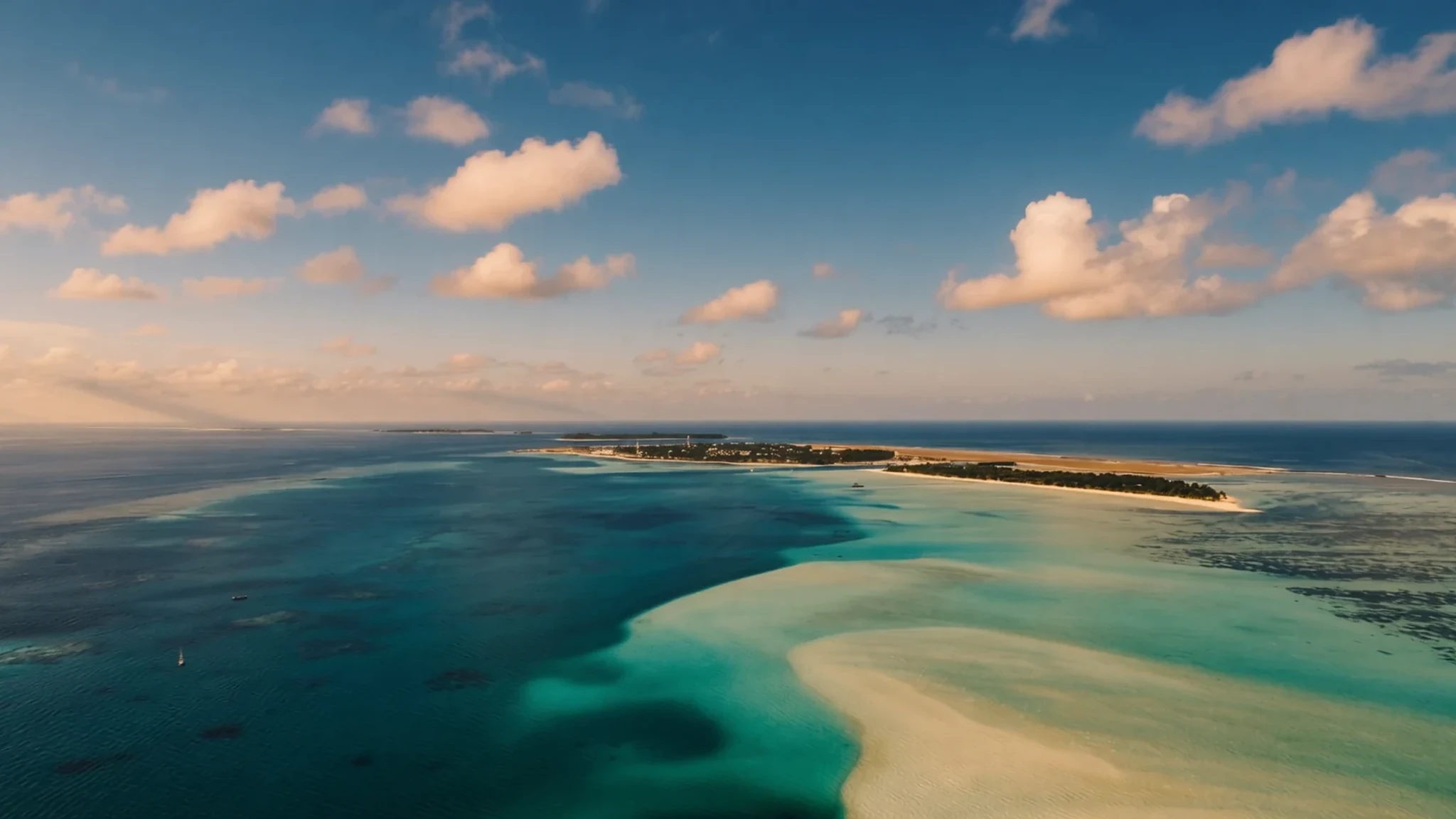
The Maldives offers pristine coral atolls, isolated luxury island resorts and vibrant marine life across a scattered Indian Ocean archipelago.
The place
The Maldives is an island country positioned in the Indian Ocean near the Arabian Sea. Situated southwest of the Indian subcontinent, the nation consists of a vast chain of atolls spreading across equatorial waters. This maritime state functions as an independent sovereign entity, governed from the densely packed capital city of Malé. Historically known as the King's Island, the capital concentrates administrative functions and local commerce on a heavily urbanised coral patch. Beyond the capital, the geography breaks down into dozens of natural atolls featuring shallow lagoons, fringing coral reefs and narrow strips of white sandy beaches. Because the islands rise only slightly above sea level, the territory presents a flat profile dominated by coconut palms and scrub vegetation. The surrounding marine environment is exceptionally rich, supported by warm tropical waters that sustain extensive barrier reefs. Travellers arrive to experience a landscape defined by isolation, where individual islands host single resorts surrounded by clear turquoise shallows. The geographical layout requires travel by speedboat or seaplane, turning simple journeys between islands into aerial sightseeing over blue water mazes. Logistics are dictated by weather patterns, shifting currents and the dispersion of inhabited settlements across the island groups. While most foreign visitors remain confined to resort islands, the local inhabited islands maintain distinct community traditions rooted in maritime life, fishing and centuries of coastal trade across the Indian Ocean basin.
Its story
Historical records indicate that the Maldives has supported human settlements for millennia, with ancient connections to maritime civilisations of the Indian Ocean. Early migration streams brought settlers from neighbouring South Asian shores, including legendary movements linked to ancient trading networks and early kingdoms. Archaeological traces suggest early Buddhist and Hindu influences prior to the arrival of Islam. By the twelfth century, increasing trade contacts with Arab and Persian merchants transformed the religious and political structures of the islands. The region transitioned into a centralised sultanate, maintaining diplomatic and commercial links with ports across Africa, the Middle East and Asia. European interest grew from the sixteenth century onward, beginning with Portuguese incursions and followed later by Dutch dominance. Eventually, the archipelago entered into agreements with the British Empire, becoming a protectorate in the late nineteenth century. The political status evolved through the mid-twentieth century until the country regained full independence. Since then, the nation has navigated the challenges of maritime governance, economic modernization through tourism, and environmental vulnerability due to rising sea levels. The historical trajectory remains deeply tied to the sea, reflecting centuries of seafaring adaptation, foreign trade and Islamic scholarship preserved in local chronicles and copper plate charters.
What to see
- Malé City — Malé Atoll
The crowded capital island serves as the administrative and historical heart of the country. Visitors can observe narrow streets, local markets, the grand Friday Mosque built from coral stone, and government buildings that reflect the urban density contrasting with the quiet resort islands.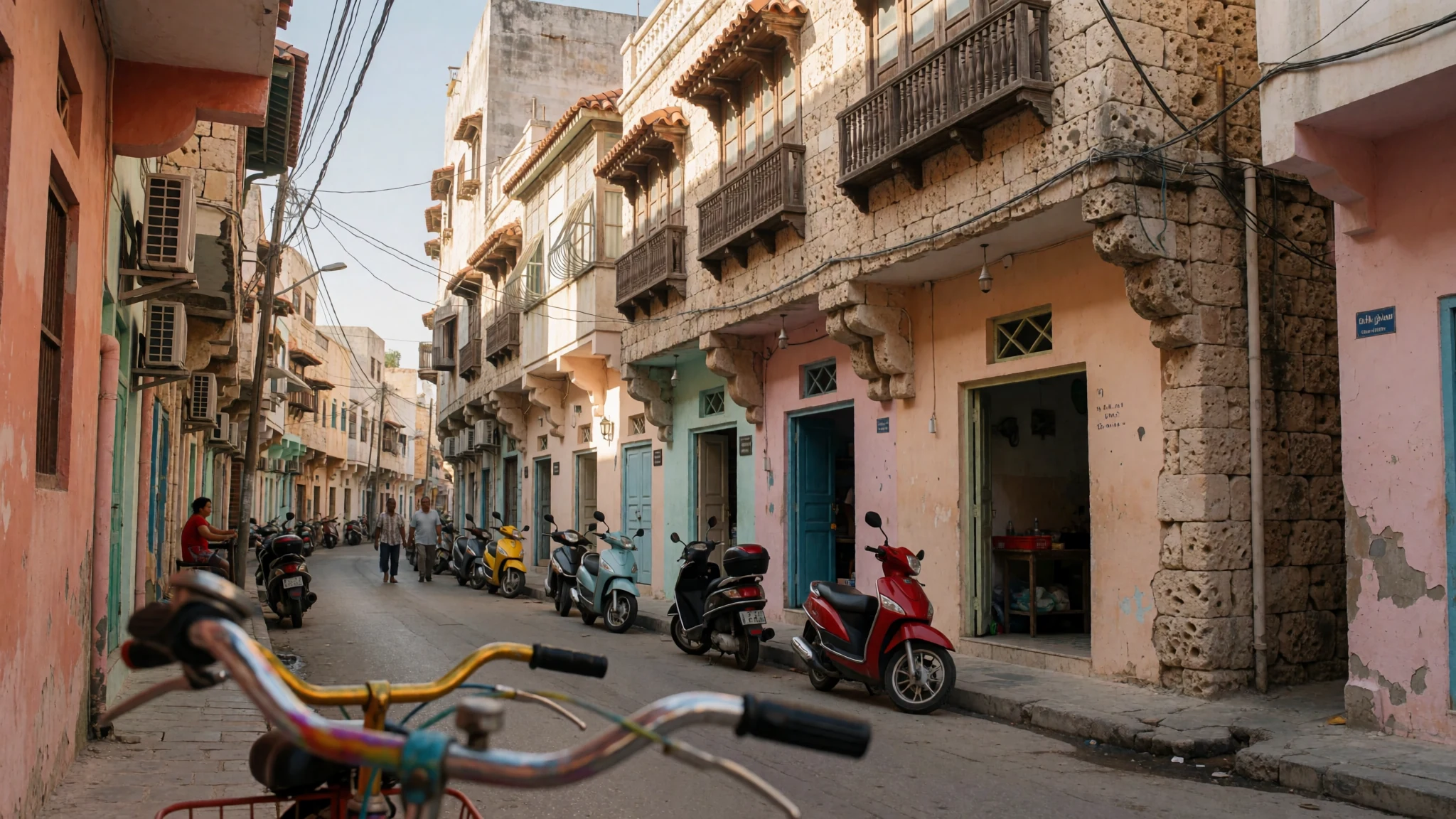
- Baa Atoll Biosphere Reserve — Baa Atoll
Designated for its exceptional marine biodiversity, this protected coral reef system attracts snorkelers and divers. The waters support abundant reef fish, manta rays and sea turtles within clear protected lagoons that showcase sustainable conservation efforts.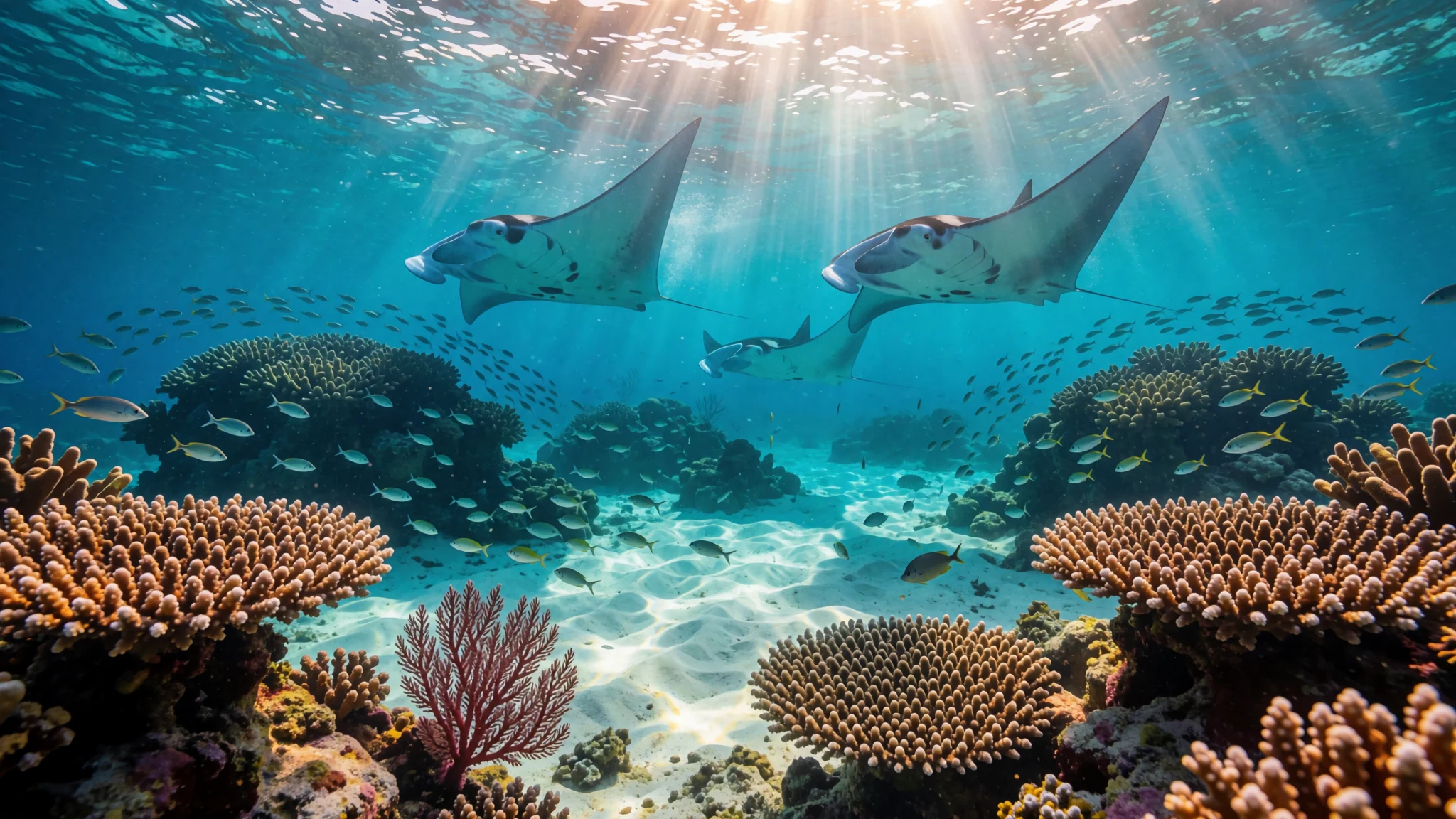
- Atoll Lagoons and Sandbanks — Multiple Atolls
The shallow turquoise waters enclosed by barrier reefs create natural swimming pools across the island chain. Aerial transit via seaplane reveals intricate ring-shaped structures and isolated white sandbars emerging from the deep blue Indian Ocean.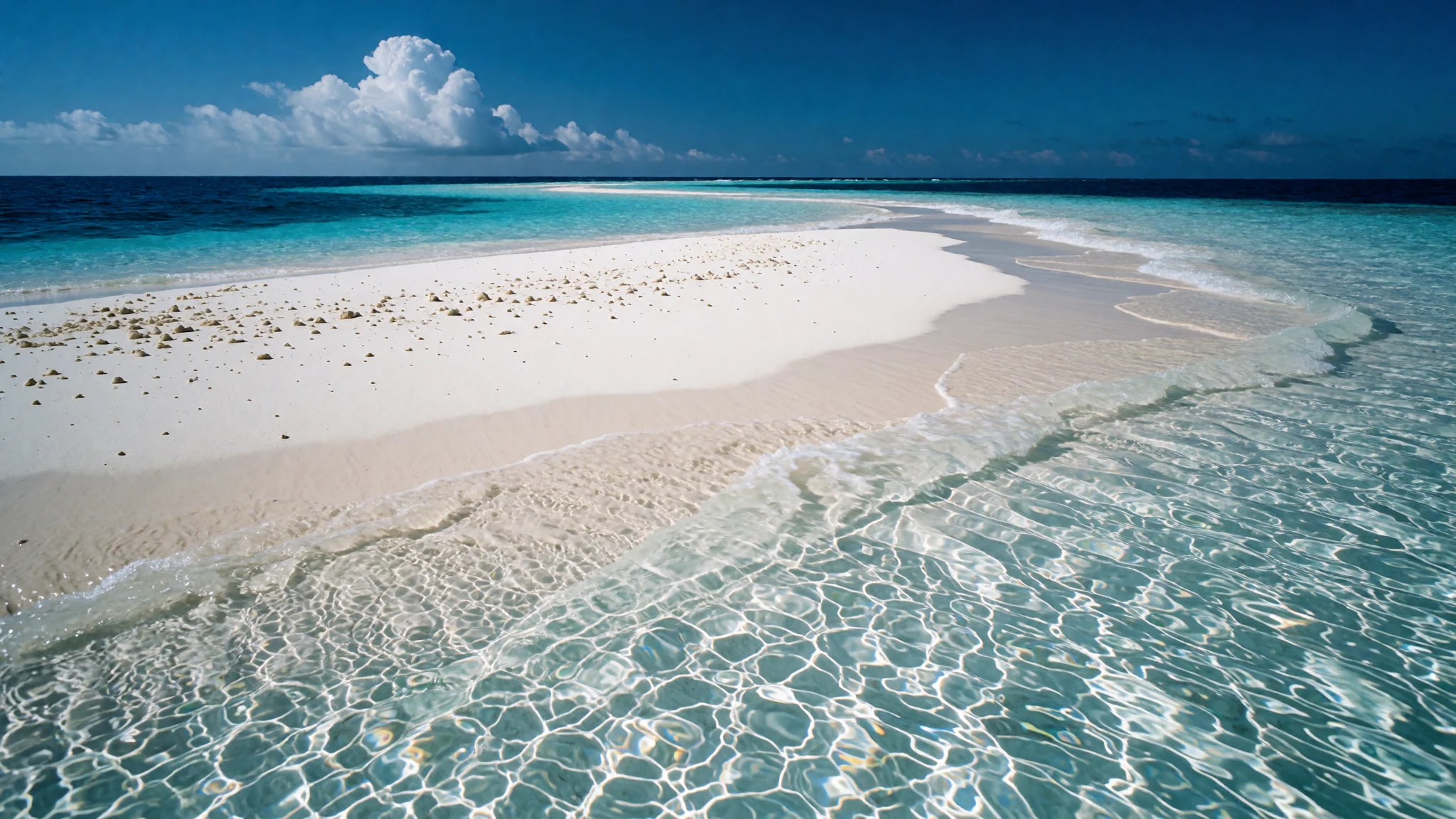
- Local Fishing Islands — Various Atolls
Stepping onto inhabited local islands reveals traditional village life away from luxury resorts. Visitors can walk sandy pathways, view coral-built houses, and observe daily community routines centered around small harbours and artisanal fishing boats.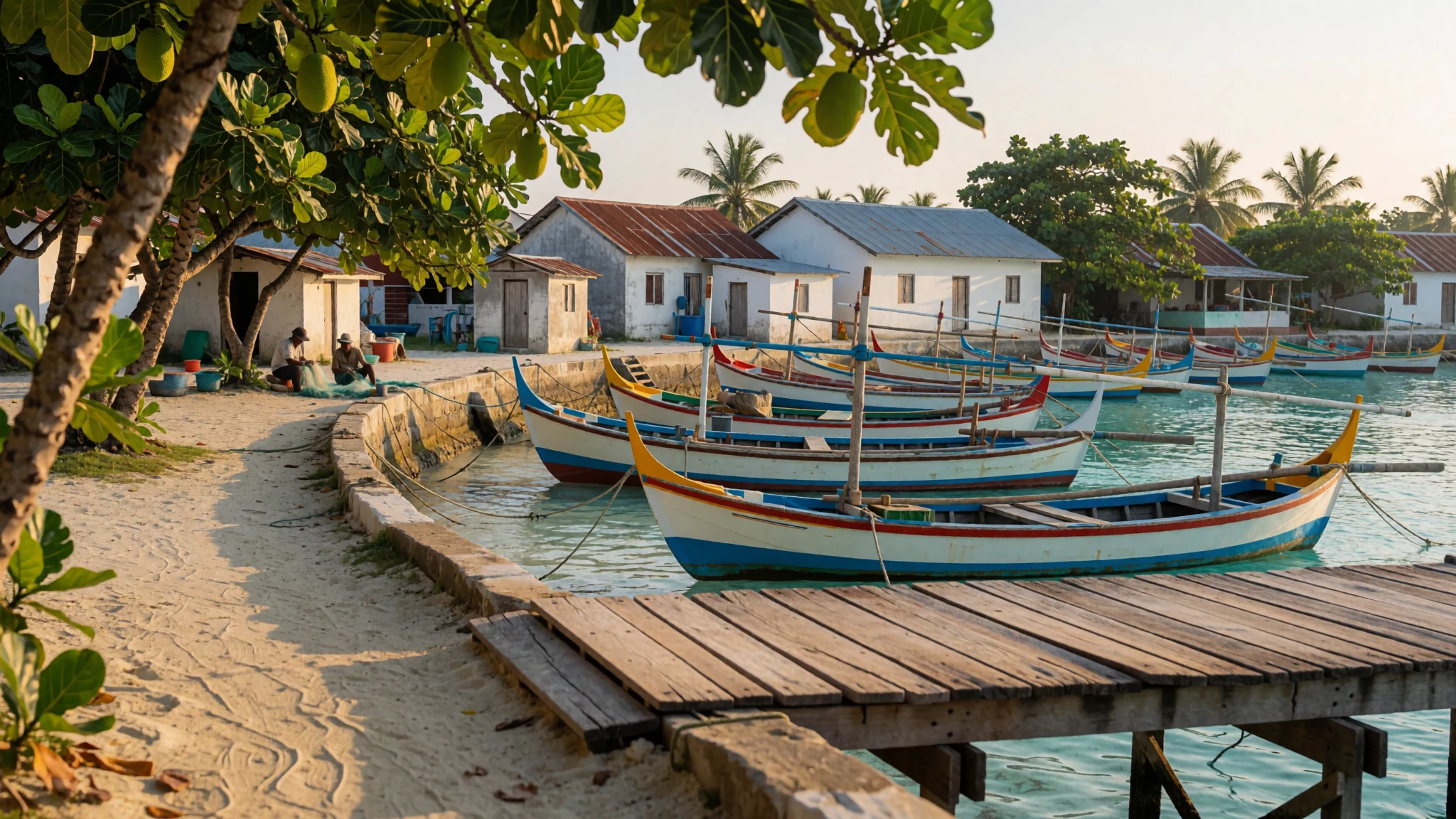
Culture
Maldivian culture is shaped by its island isolation and centuries of maritime interaction with traders from Arabia, Africa and South Asia. Islam is central to public life, influencing daily customs, legal frameworks and community celebrations. Traditional music and dance forms, such as Bodu Beru featuring rhythmic drumming and chanting, reflect African heritage integrated into local folklore. Social structures are historically close-knit, though urban migration to the capital has shifted traditional community patterns. The society is also notable for high societal divorce rates, rooted in historic customary practices and flexible marital norms. Public interactions are generally polite and hospitable, though visitors should remain mindful of local religious observances, particularly during prayer times and holy months. Dress modestly when visiting inhabited local islands, covering shoulders and knees out of respect for Islamic traditions.
What to wear
Traditional Maldivian attire has evolved to suit a hot, humid tropical climate while reflecting Islamic modesty standards and maritime practicality. Historically, men wore a wraparound sarong known as a mundu paired with a cotton shirt, while women wore loose tuniques called libaas, often decorated with intricate silver or gold thread embroidery around the neckline. These garments relied on breathable cottons and light weaves to cope with coastal humidity. In contemporary daily life, urban residents in Malé and larger hubs wear modern casual clothing, including western-style shirts, trousers and lightweight dresses, alongside traditional garments worn for formal occasions or religious festivals. For international visitors, fashion is dictated by location. On private resort islands, resort wear, swimwear and light beach clothing are standard. However, when travelling through Malé or visiting inhabited local islands where conservative Islamic norms apply, both men and women must dress modestly by keeping shoulders and knees covered in public spaces.
What to eat
- Garudhiya — Local eateries and resort restaurants across the islands
A clear, aromatic fish broth prepared with fresh tuna, onions, chilli and curry leaves, typically served hot alongside steamed rice. This staple dish highlights the country's reliance on Indian Ocean tuna.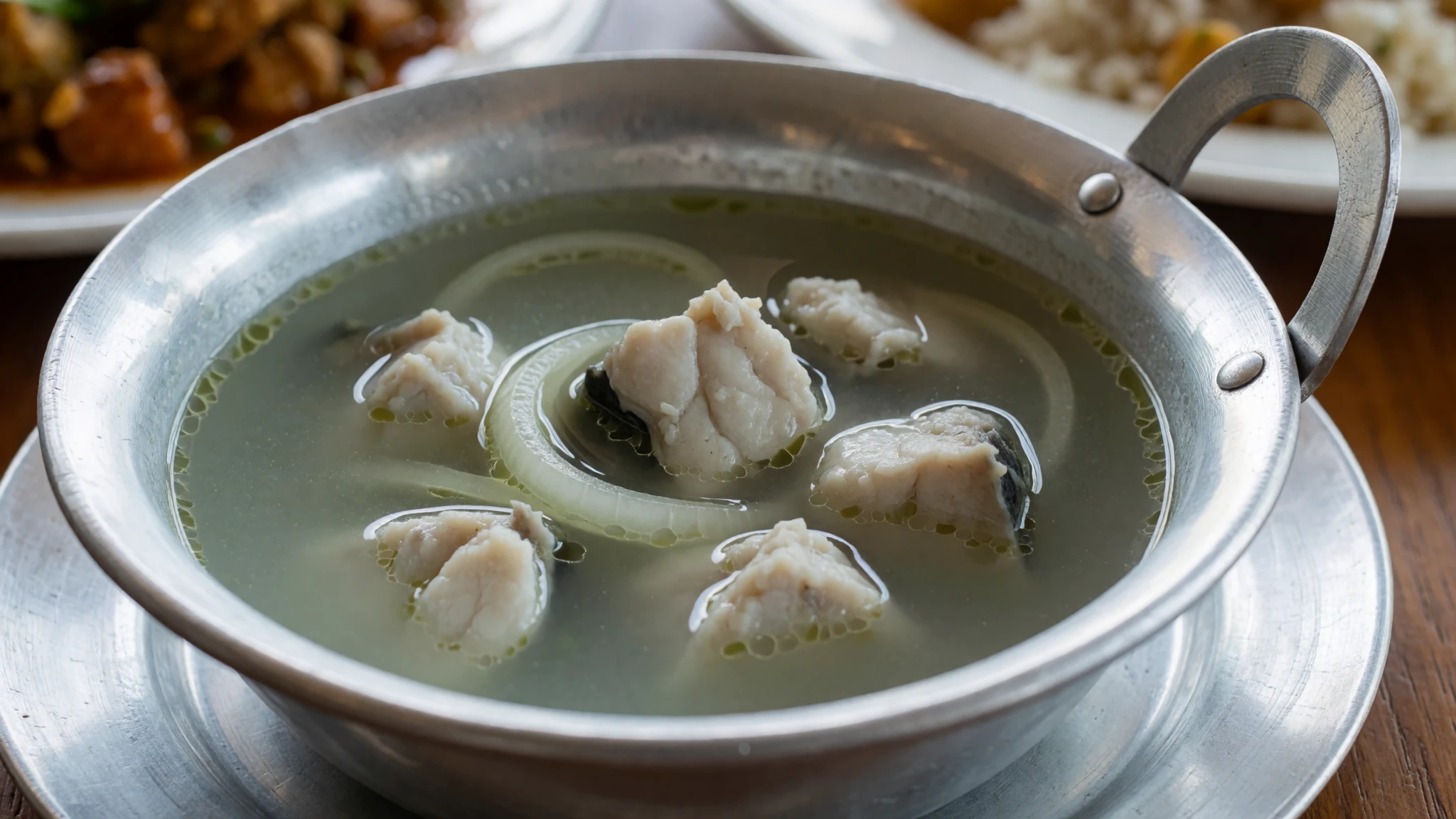
- Mas Huni — Morning markets and cafes in Malé and local islands
A popular breakfast dish consisting of shredded smoked tuna mixed with grated coconut, onions, and chilli, usually eaten wrapped in freshly baked flatbread known as roshi.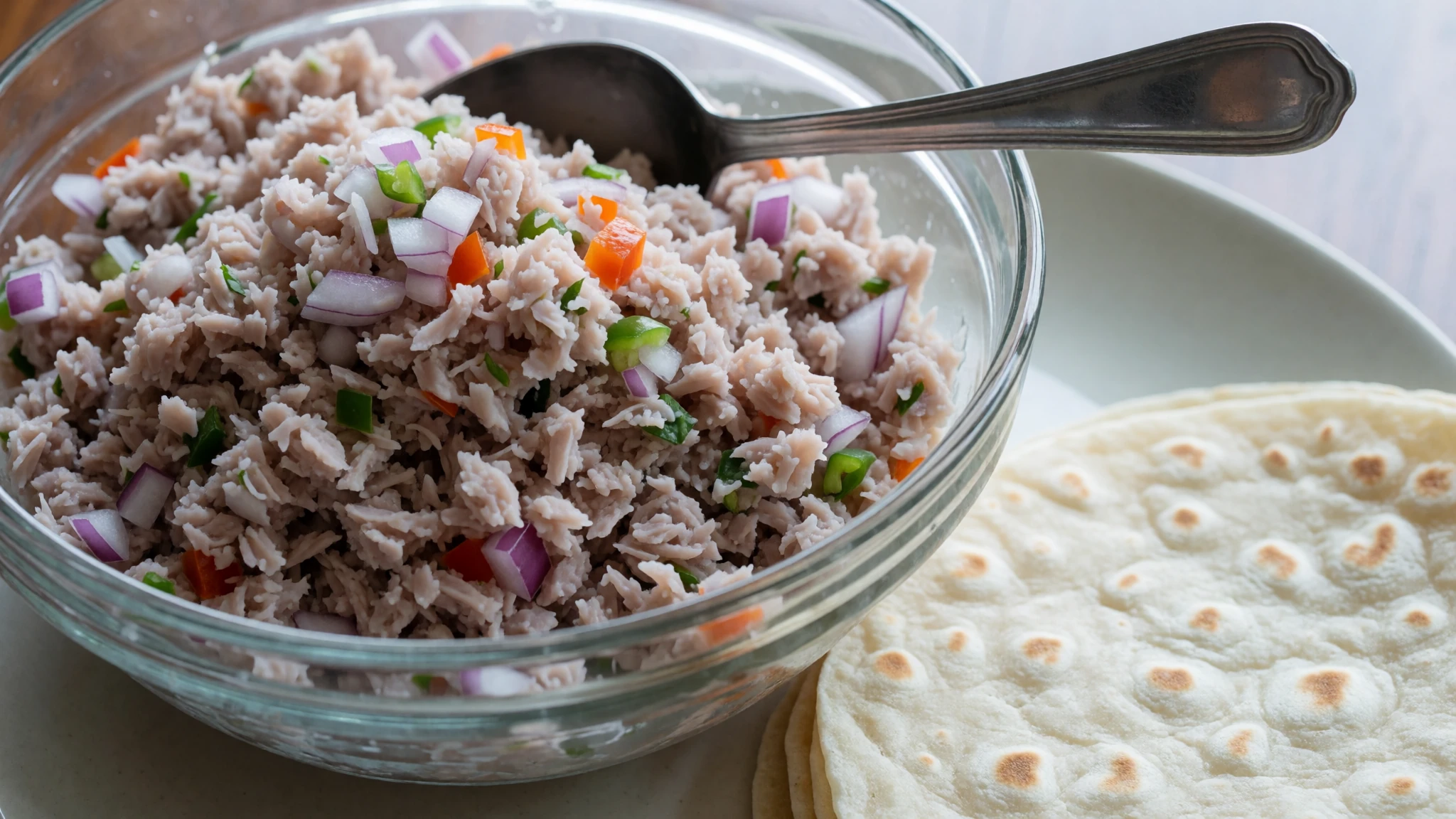
- Fihunu Mas — Evening food stalls and local seaside grills
Barbecued fish heavily spiced with chilli paste, garlic, and local herbs, grilled over open flames to produce a smoky, flavourful crust. - Bajiya — Teashops and bakeries throughout Malé
Crisp, triangular pastry pockets filled with spiced tuna, onions, and lentils, similar to a local samosa and enjoyed as an afternoon snack with tea.
Plan it
Best time. December to April offers the driest weather, calmest seas and best visibility for diving, while the monsoon season brings rougher seas and heavier rainfall.
How long. 5–7
Getting there. Velana International Airport on Hulhule Island near Malé is the primary entry point, connected by international flights, followed by speedboat or seaplane transfers to resort islands.
Budget. high
Tips
- Submit the mandatory Traveller Declaration form online via IMUGA within 96 hours before arrival
- Book resort transfers well in advance, as seaplanes operate only during daylight hours
- Pack reef-safe sunscreen and light, breathable fabrics to cope with tropical heat
- Remember that alcohol, pork products and religious items are strictly prohibited for import and only available on licensed resort islands
Etiquette
- Dress modestly covering shoulders and knees when visiting inhabited local islands or Malé
- Remove footwear when entering local homes or mosques
- Do not collect or export coral, seashells or sand from the beaches
Nearby
Sources
- Wikidata Q826 (CC0)
- Wikipedia (CC BY-SA 4.0)
- Wikivoyage (CC BY-SA 4.0)