Úbeda
Úbeda, Spain
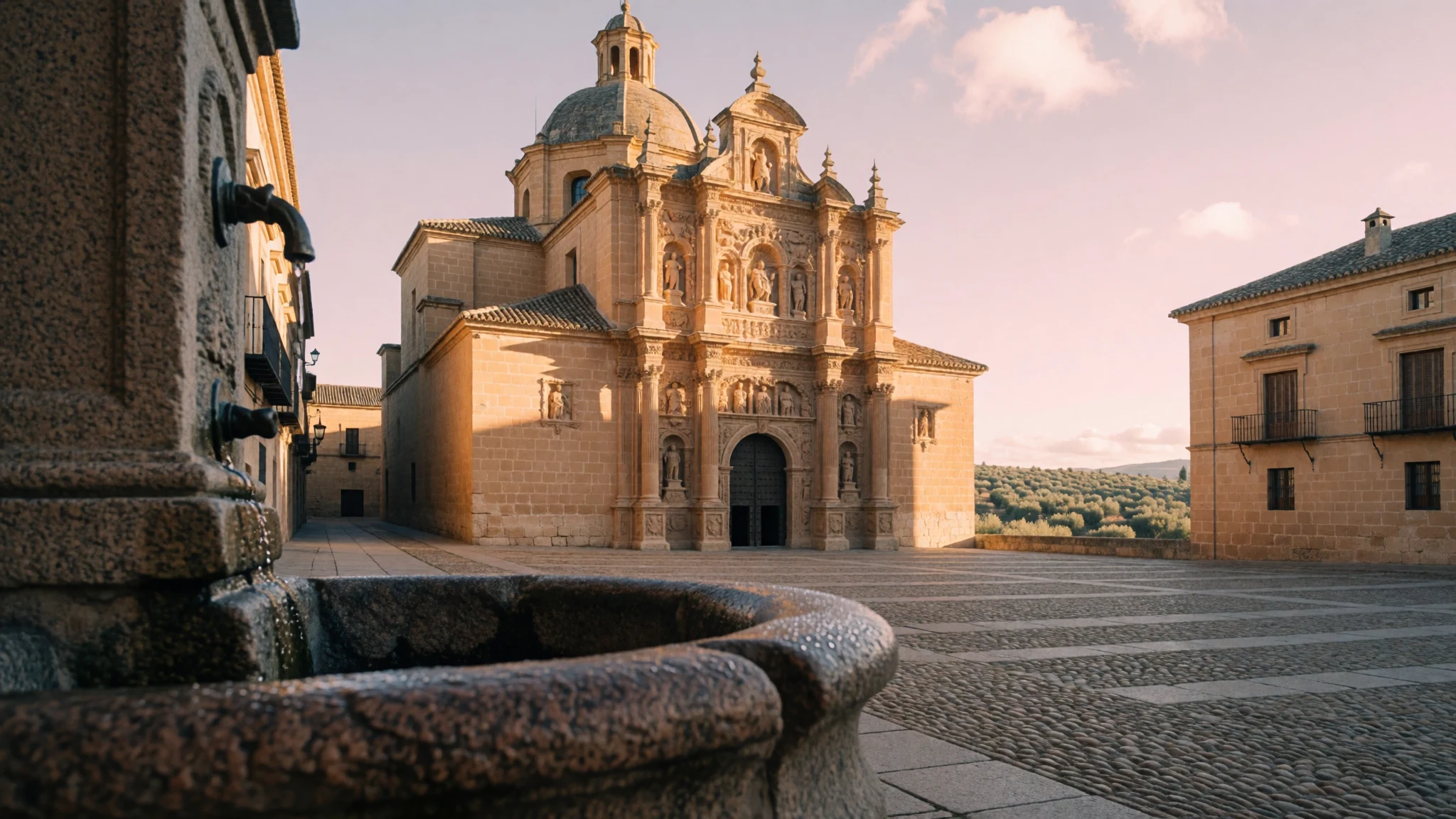
Úbeda is a small Andalusian hill town where Renaissance palaces and churches stand in near-silence, surrounded by an ocean of olive groves.
The place
Úbeda sits in the province of Jaén, in eastern Andalusia, at 748 metres above sea level. The old town occupies the southern edge of a long, flat-topped ridge, the Loma de Úbeda, which lies between the valleys of the Guadalquivir and the Guadalimar. From the south, the old quarter reads as a stone crown set about 250 metres above the river plain, and in every other direction the land is planted with olive trees in tidy rows.
About 33,588 people live in the municipality, which gives the centre a settled, local feel. Shutters close at midday, schoolchildren cross the squares, and the pace is far slower than in Seville or Granada. Tour groups do come, mostly as day visitors, but the streets empty out by evening.
The town shares a UNESCO World Heritage listing with its neighbour Baeza, awarded in 2003 for the historic centres of both. What the listing protects is a compact grid of palaces, chapels, hospitals and churches paid for by wealthy families in the early sixteenth century. Most of the best buildings cluster within a few minutes' walk of each other around the Plaza Vázquez de Molina, so the town is easy to explore on foot.
Summers are hot and the ridge catches wind in winter, so the seasons matter here. Spring and autumn are the comfortable times. Without a car, reaching Úbeda takes some planning, but the effort filters out the crowds and rewards you with a town that still feels lived in rather than staged.
Its story
Úbeda's story begins long before the Renaissance. A local legend credits its founding to Tubal, a descendant of Noah, and links the name to a mythical tower of a king called Ibiut. The archaeology is less colourful but still striking: excavations around the Cerro del Alcázar, the oldest part of town, point to settlement from the Copper Age, and a research team there has argued for a continuous history of some six thousand years. That claim comes from one team's work, so treat it as a proposal rather than settled fact.
Later layers include Iberian, Roman and Visigothic remains. The town took its recognisable name under the Emir Abd ar-Rahman II in the ninth century, and Moorish rule lasted for centuries until Christian forces took the town in 1233. The main church, Santa María, was built on the site of a mosque destroyed in that conquest.
The golden age came in the sixteenth century, when noble families and royal officials poured fortunes into palaces and chapels. Earlier, feuding among local nobles had alarmed the Catholic Monarchs, Isabella and Ferdinand. Their solution was to order the walls of the Alcázar pulled down and make the quarrelling families rebuild together. The patronage that followed gave Úbeda its Renaissance character, and because the town later lost economic momentum, little was torn down or rebuilt, which is why so much survives intact.
What to see
- Sacra Capilla del Salvador — Plaza Vázquez de Molina
Úbeda's best-known building was begun in the 1530s under Francisco de los Cobos as a funerary chapel. It was reworked during construction to magnify his reputation, and the result is a grand Renaissance façade facing the main square. Go early for soft light on the stone and fewer people in the doorway.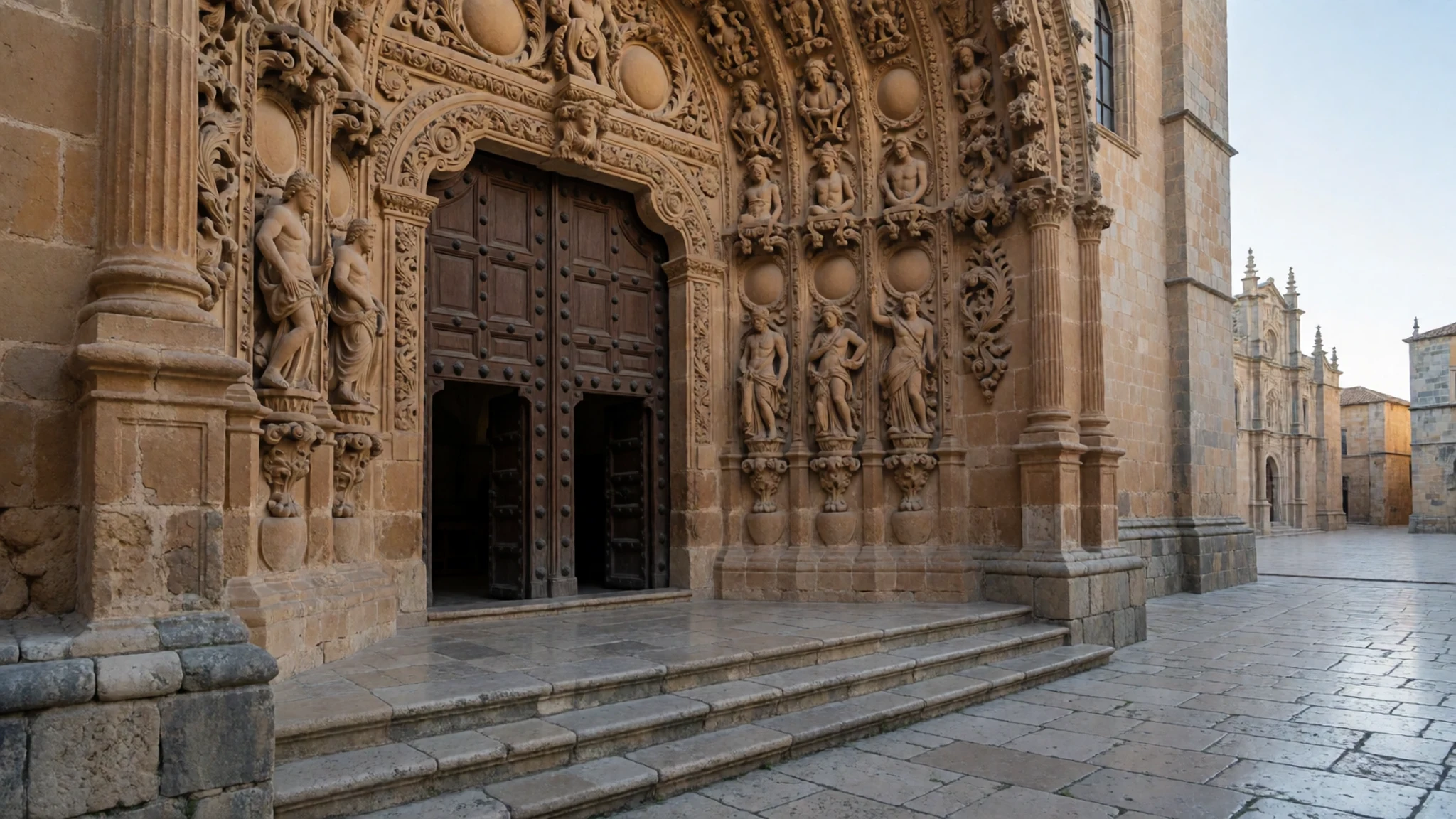
- Palacio de Juan Vázquez de Molina — Plaza Vázquez de Molina
Built in the mid-sixteenth century, this palace is regarded as a fine example of Renaissance architecture in Spain. It stands on the same square as the Salvador chapel and now holds municipal offices. Look at the proportions of the front and the way the stonework catches the afternoon sun.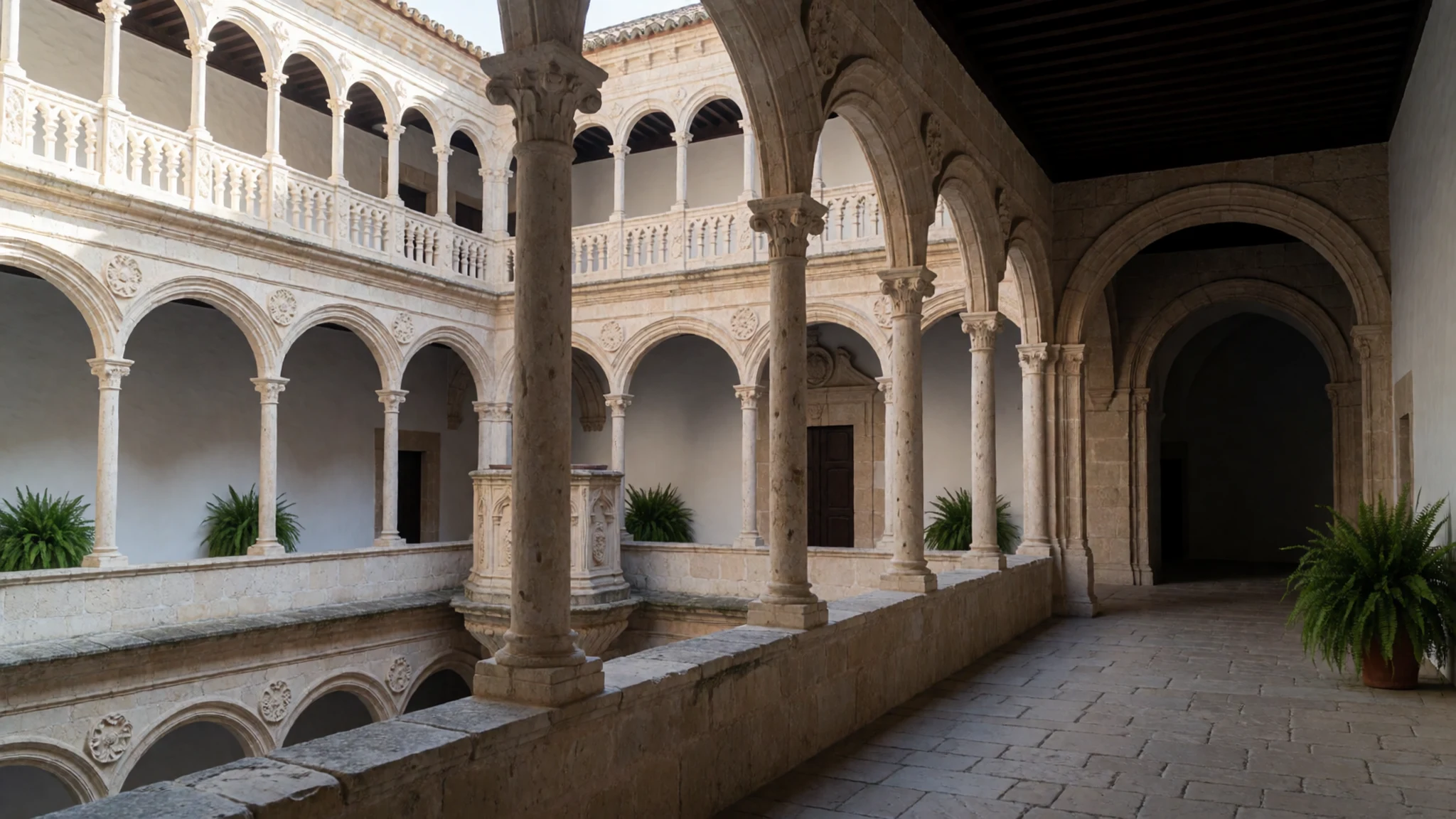
- Basílica de Santa María de los Reales Alcázares — Old town, beside the main square
This church stands on the remains of a mosque destroyed when the town fell in 1233. Its cloister and chapels reward a slow walk, and the mixture of styles shows how the site was rebuilt over the centuries. Opening times change, so check the official town website before going.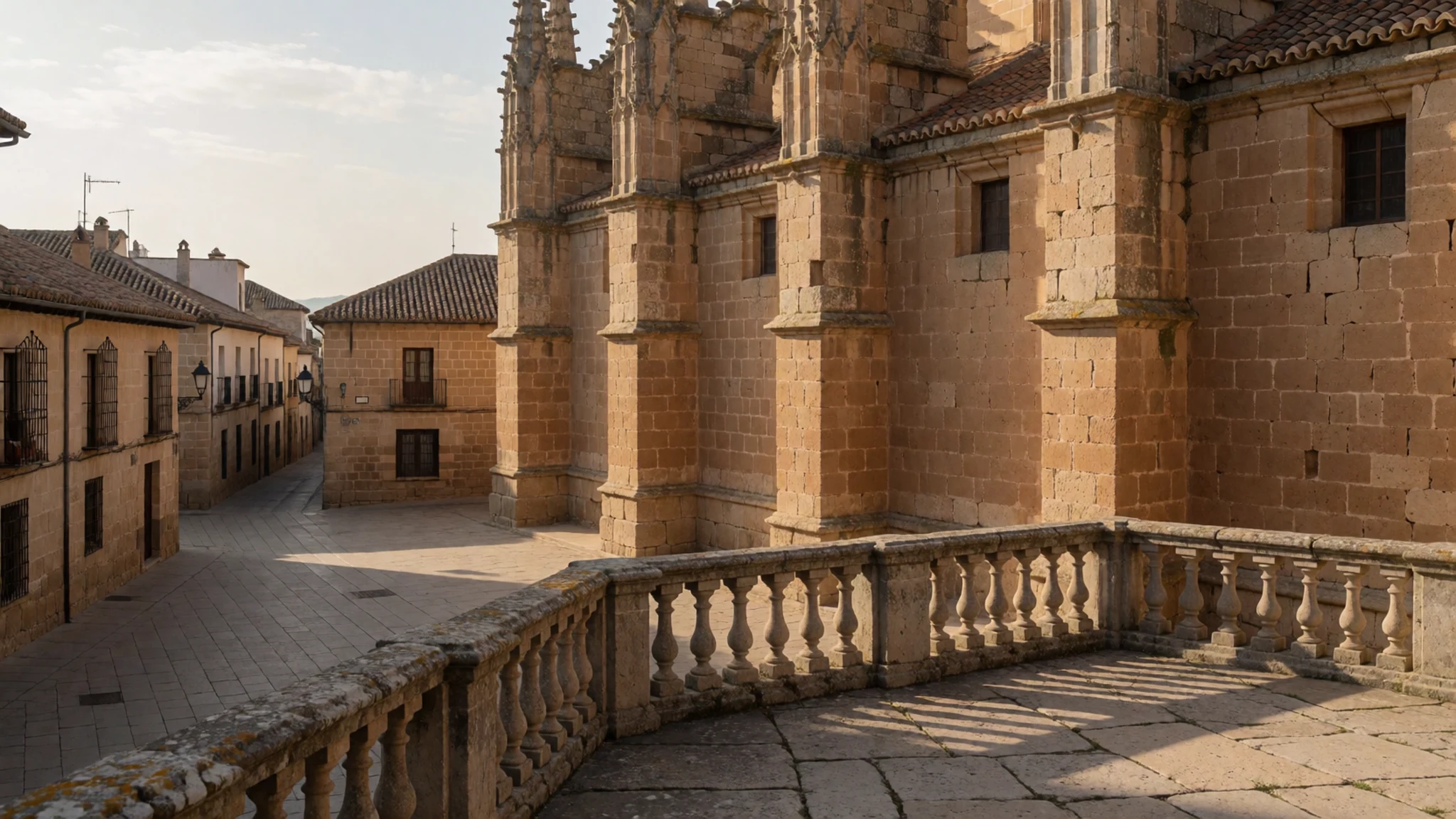
- Hospital de Santiago — Western edge of the old town
Built in the later sixteenth century, this huge building fills an entire city block on the western side of the old town. Its courtyard and long proportions feel almost monastic. Today it works as a cultural venue, so there is often an exhibition or concert, and it is usually calmer than the central sights.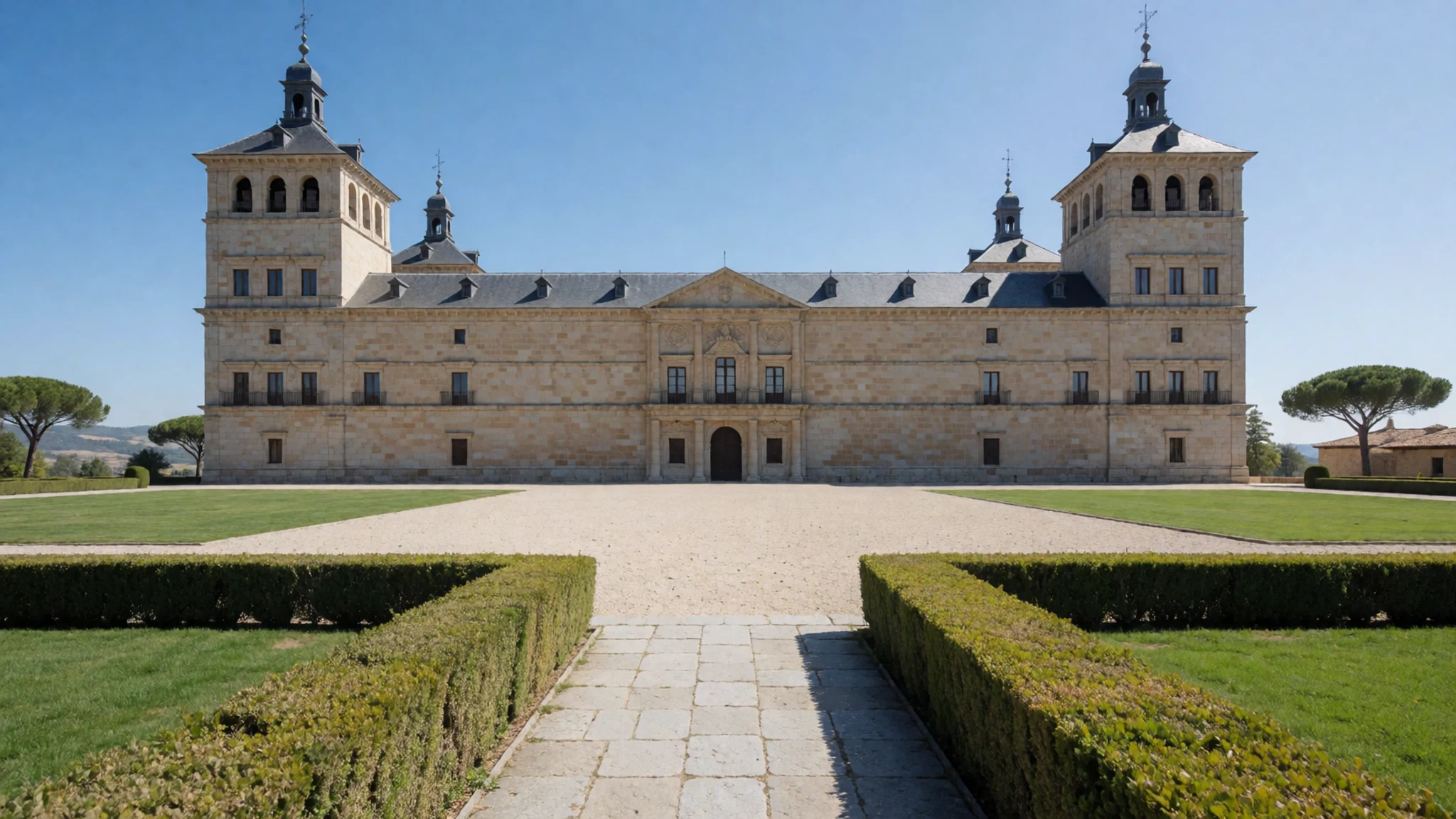
- Parroquia de San Pablo — Plaza del Primero de Mayo area
One of the older churches in town, thought to date from the thirteenth century, San Pablo opens onto a central square close to the former town hall. The mix of Gothic and later additions makes it a good place to see how buildings were adapted over time. Visit when the square is busy for local life.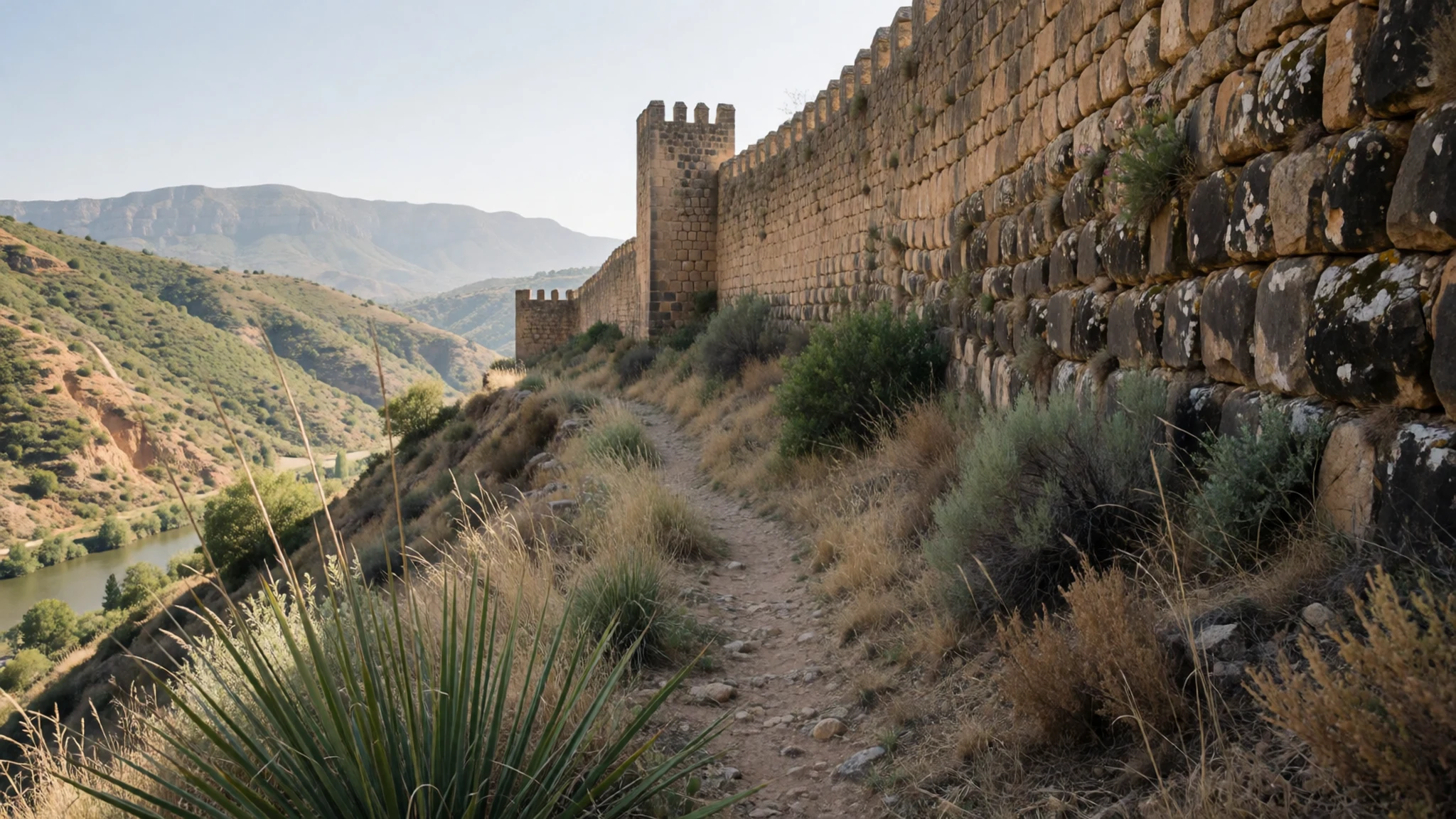
- City walls and gates — Circuit around the old town
The walls were first raised around the tenth century and have been altered many times since. Gates and watchtowers still punctuate them. A walk along the outer edge gives views over the olive plain, and it is a pleasant way to see the town away from the main squares, especially at sunset.
Culture
Úbeda's culture is shaped by Andalusian habits of unhurried socialising and by the long memory of its Renaissance patrons. Life revolves around the plaza, the church bell and the bar. Locals meet for coffee in the morning, stroll in the evening, and eat late by British or Indian standards, with lunch often after 2 pm and dinner after 9 pm.
The town's heritage is visible in daily life. Families have lived beside the same stone palaces for generations, and holy week processions, local fiestas and church feast days bring the old streets alive with music, incense and crowds. Olive farming is the economic and cultural backbone: harvest time in winter sets the rhythm for many households, and olive oil is treated almost with reverence.
There is also the quiet custom of free tapas with a drink, which Wikivoyage's local contributors link to the town's roots and its modest tourist numbers. It is a small courtesy that makes a casual evening feel generous, and it explains why bars fill up with regulars.
The town's layered past, Moorish, Christian and later Jewish heritage commemorated in places such as the Sinagoga del Agua, means that religious buildings are working places as well as monuments. Services still take place in the churches, and local people use them for prayer as well as for weddings and festivals.
When entering a church in Úbeda, keep your voice low, cover bare shoulders, and do not use flash or walk around during a service.
What to wear
Úbeda has no single regional costume that visitors will see worn day to day. Traditional Andalusian dress, such as the flounced flamenco dress in cotton or silk and the short jacket and flat hat of the male outfit, appears at fairs, romerías and processions rather than on ordinary streets. During Holy Week, members of church brotherhoods wear long robes and pointed hoods, a sight that can surprise first-time visitors but is a long-standing devotional custom. In the olive country, workers' clothing has historically meant sturdy cotton, wool and hard-wearing boots, suited to cold mornings and dusty groves.
What people wear now is straightforward and smart-casual. Locals dress neatly even for a coffee, in light trousers, linen shirts, simple dresses and leather shoes. Older residents often wear jackets and cardigans, and in winter wool coats and scarves are common. Trainers are fine, but beachwear and very short shorts look out of place in town.
For visitors, the climate decides most choices. Summers are hot, so wear light, breathable cotton or linen, a hat and sunglasses, and carry sun cream. Winters on the ridge can be cold and windy, so bring a warm layer, and spring and autumn evenings may need a jacket. Cobbled streets and uneven steps make comfortable closed shoes with a good grip the best option over sandals. For churches, cover shoulders and avoid very short skirts or shorts. A light scarf or shawl is useful for this and for cool interiors.
What to eat
- Olive oil with bread — Delicatessens and tapas bars in the old town
Úbeda sits in olive country, and good local oil is the town's real signature. Tasting it simply with fresh bread and tomato shows its grassy, peppery character. Try it at tapas bars, delicatessens and shops selling regional produce near the old town.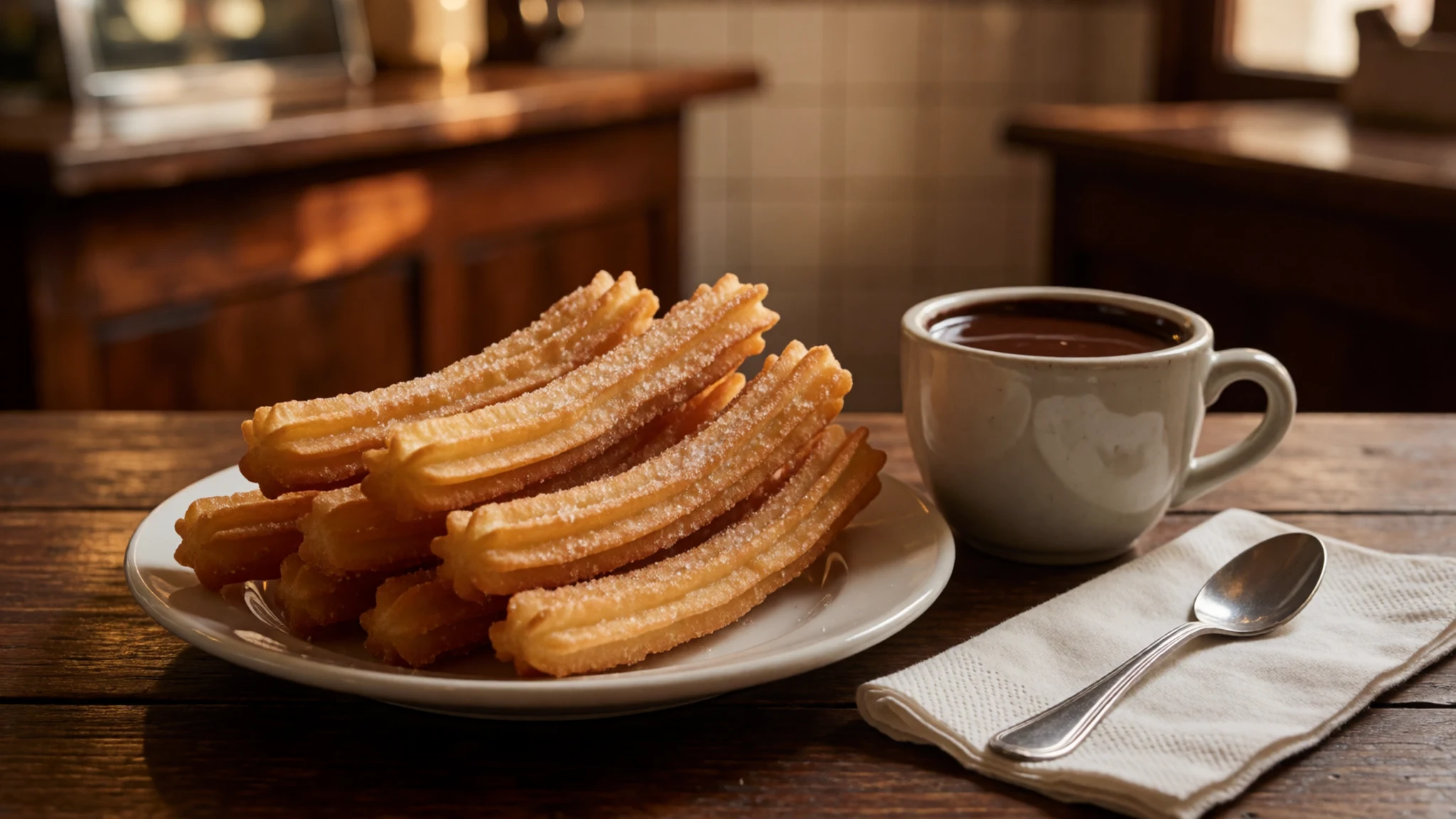
- Free tapas with a drink — Bars around the main squares
The local custom of a small plate arriving with each drink survives here. Portions might be a slice of tortilla, cured ham, stew or olives. It is an easy way to sample home cooking, and the choice changes from bar to bar.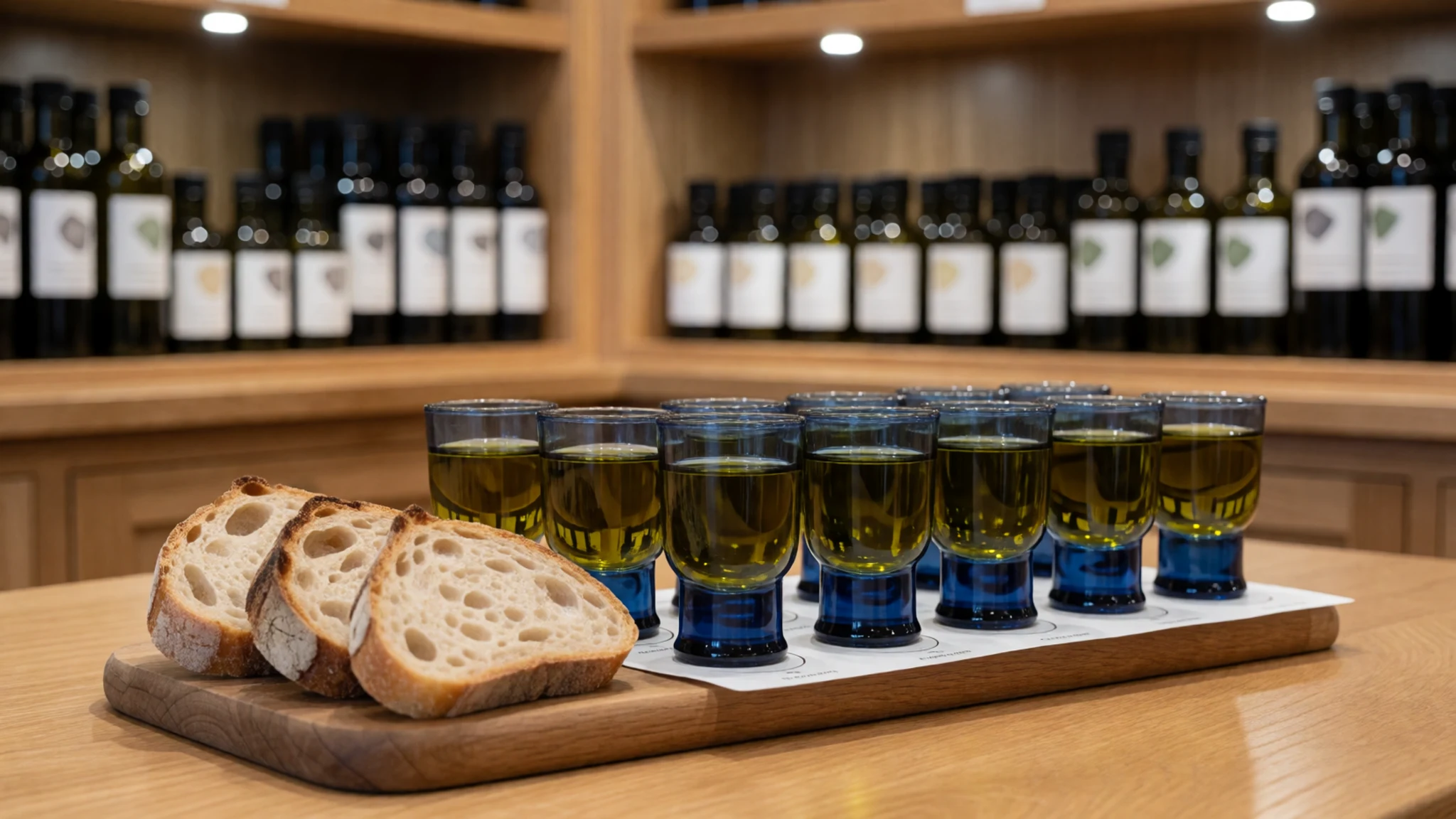
- Churros with coffee — A traditional churrería or café in the centre
A classic Spanish breakfast of fried dough strips, served hot with thick chocolate or alongside coffee. Locals stop by in the morning for their usual order, so a busy counter is a good sign. - Seasonal home-style stews — Traditional taverns near the main plaza
Local cooking follows the seasons and is built around vegetables, pulses, game and the ever-present olive. In cooler months look for hearty stews, and in summer for lighter salads and chilled soups. Ask what the kitchen is making that day. - Local wines — Wine bars and taverns in the old town
Restaurants and wine bars in town pour regional wines, and staff are used to recommending something to suit visitors' tastes. A glass pairs well with tapas and cured meats, and is a gentle introduction to Andalusian wine.
Plan it
Best time. April–May and October–November, when days are mild and walking is comfortable. Summer is hot on the exposed ridge, and winter can be cold and windy.
How long. 1–2
Getting there. There is no airport in Úbeda itself; the closest railway station is at Linares, and most visitors arrive by car or coach. ALSA buses link the town with nearby Baeza, Jaén, Granada and Córdoba, and a taxi stand sits outside the bus station. Drivers reach town on well-kept roads from Linares and Jaén.
Budget. low
Tips
- Check the official town website (https://www.ubeda.es/) for current opening hours and ticketing before visiting churches and museums.
- Plan transport in advance, as bus services are less frequent than in larger cities.
- Visit early or late in the day to avoid midday heat and tour groups.
- Carry some cash for small bars and shops, though cards are widely accepted.
- Combine Úbeda with Baeza for a fuller day of Renaissance architecture.
Etiquette
- Keep voices low and cover shoulders inside churches.
- Do not photograph worshippers or processions without being sure it is welcome.
- Greet staff in bars and shops with a polite buenos días or buenas tardes.
Nearby
Sources
- Wikidata Q329984 (CC0)
- Wikipedia: Úbeda (rev 1376960115) (CC BY-SA 4.0)
- Wikivoyage: Ubeda (rev 5420772) (CC BY-SA 4.0)
- Photo: Sacra Capilla del Salvador (Mihael Grmek) (CC BY 3.0)
- Photo: Vista de Úbeda (xiquinhosilva) (CC BY 2.5)
- Photo: Ubeda 001 (Mihael Grmek) (CC BY 3.0)
- Photo: Úbeda from the south (Falk2) (CC BY-SA 4.0)
- Photo: Sinagoga del Agua (Fernando) (CC BY-SA 4.0)
- Photo: Hospital de Santiago (Paco Consuegra) (CC BY-SA 3.0 es)
- Photo: Sacra Capilla del Salvador (Heparina1985) (CC BY-SA 4.0)
- Photo: Basílica de Santa María (Heparina1985) (CC BY-SA 4.0)


