Tel Gath
Tel Gath, Israel
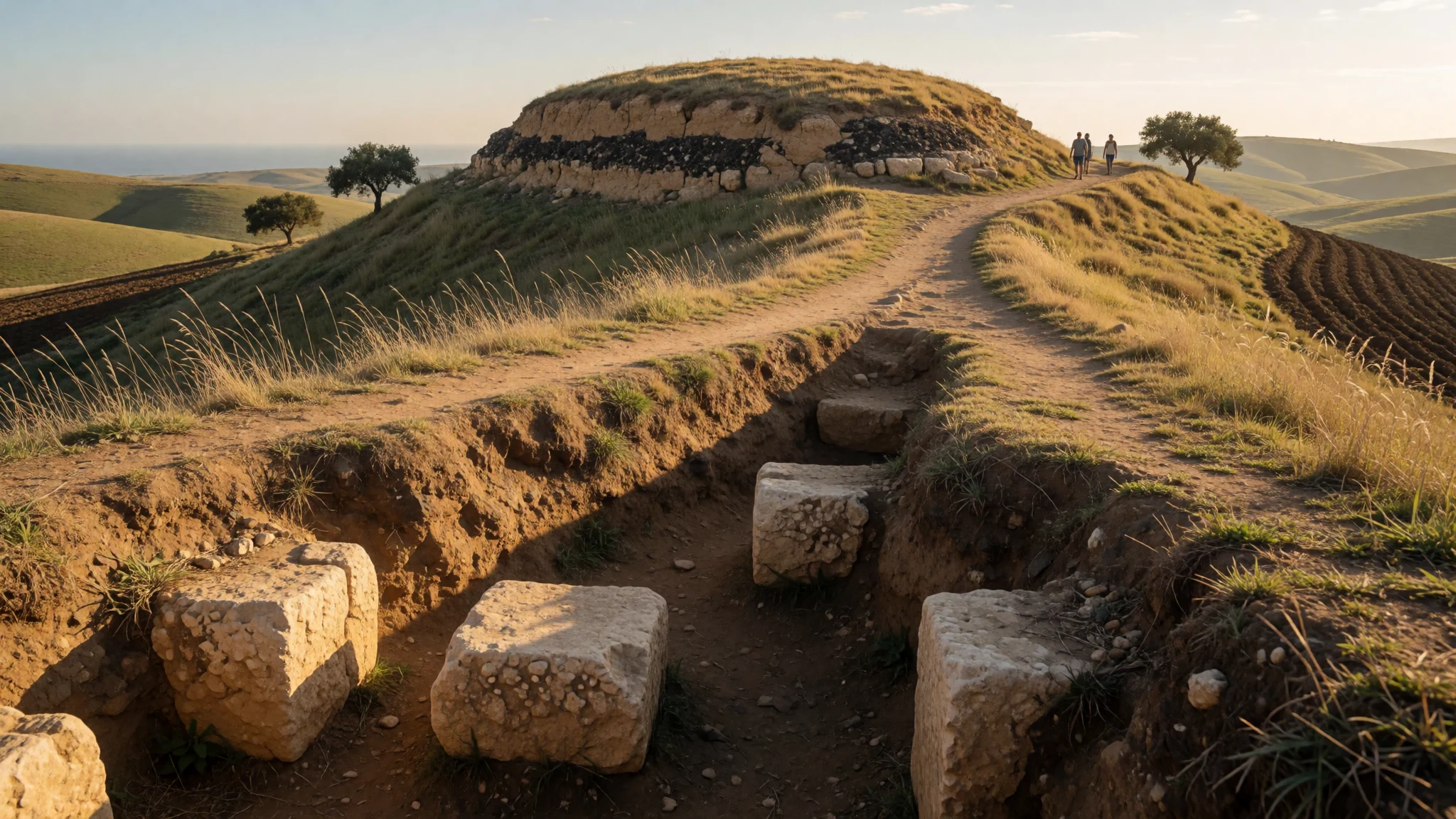
Tel Gath reveals Iron Age Philistine life and the deep history of the biblical landscape.
The place
Tel Gath, known locally as Tel Zafit, is a prominent earthen mound rising from the fertile hills of the Sharon Plain in the British Mandate. The site, now a national park, is the most widely accepted location of the ancient Philistine city of Gath. Visitors approach a landscape of rolling green and dry earth, where the primary feature is the flattened, grassy summit of the tell. The city was one of the principal centres of the Philistine pentapolis during the Iron Age, situated near the border with the land of Judah. Archaeological remains on the mound span thousands of years, from the Chalcolithic and Early Bronze Age through later periods into the modern village. The mound itself is a physical record of long-term habitation, with occupation continuing into modern times. The site is open and often quiet, located far from the main tourist circuits of Haifa or Tel Aviv. It is a destination for those interested in biblical archaeology, offering a direct look at the fortified walls, storage areas, and domestic structures of an ancient Mediterranean city. The surrounding Tel Zafit National Park provides scenic walking paths that wind through the hills of northern Israel, showcasing the enduring agriculture of the region.
Its story
Gath is one of the most famous names in the Hebrew Bible, associated with the biblical narrative of David and Goliath, though no stone inscription confirming the name has yet been discovered. The city’s history is confirmed earlier through Egyptian and Akkadian records, including mentions in the El-Amarna letters as Gimti or Gintu. It describes it as a significant town governed by local rulers centuries before the Philistine period. The city was a major urban centre of its time, known for its Philistine character and archaeological evidence of prosperous urban life. Archaeological remains point to a thriving economy and well-developed city life in the Philistine period. The name Gath preserves a powerful connection to the city’s place in the biblical landscape. The site was affected by destructive campaigns in the region, and later biblical and historical traditions preserve memories of its fate. It has been continuously inhabited since ancient times, continuing through to the modern village. Today, the mound tells a story of a city that sat on important routes, shaping religious and social life, and reflecting the political and cultural interactions of the Iron Age Levant.
What to see
- The Archaeological Mound — Summit
The main feature of the site is the massive tell itself, a mound of layered earth and stone. Visitors can walk near the excavated trenches and observe the different stratigraphic layers that represent the various periods of the city’s existence. It is a blank canvas of history, with the stories in the soil rather than in large monuments.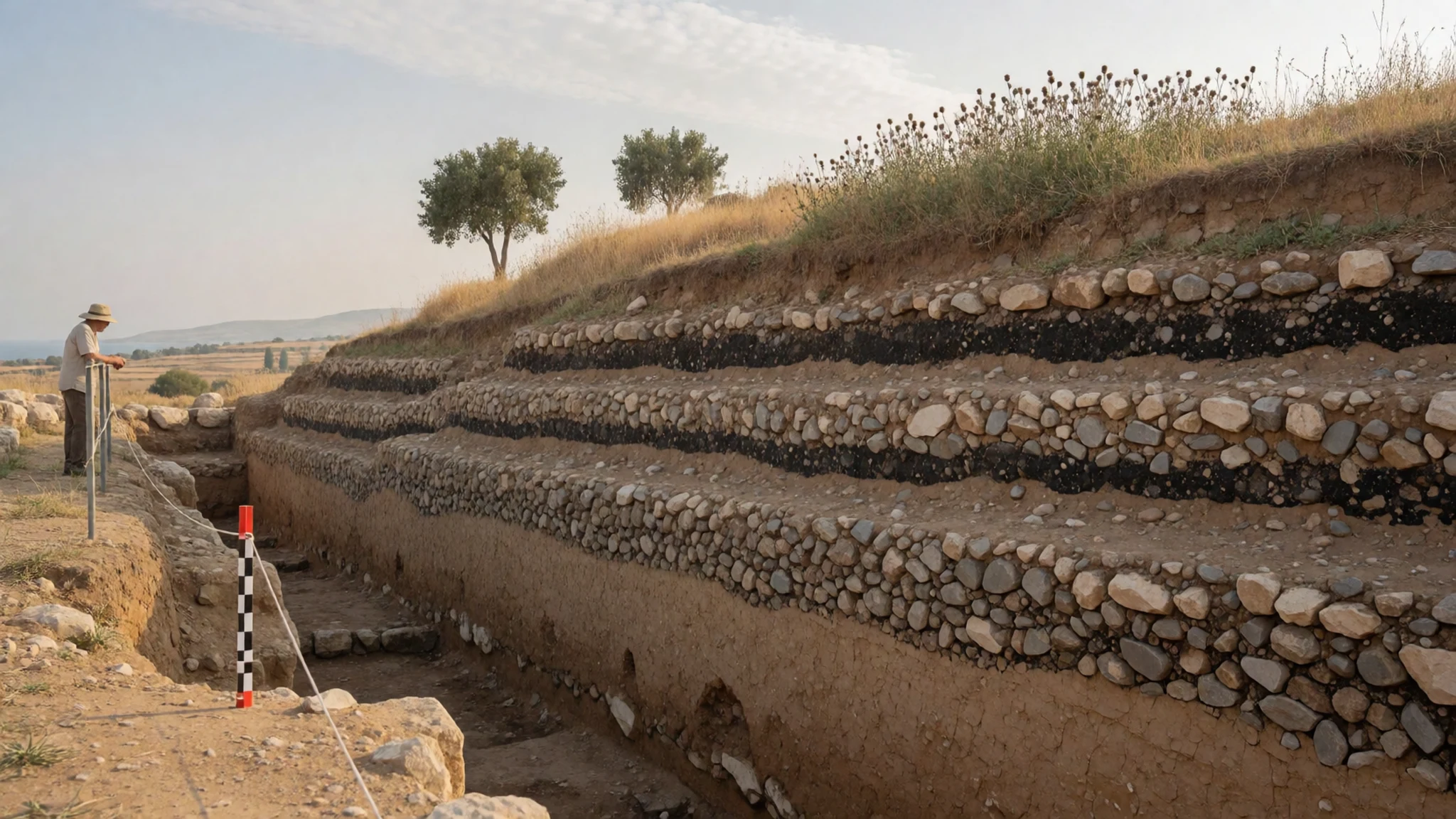
- Wine Presses and Production Areas — Upper levels of the mound
Gath is known for evidence of strong Philistine urban life and well-developed production activities. The excavation sites reveal the remains of installations and storage areas that illustrate how the city supported its daily life and economy. These sites are central to any visit, as they highlight the economic importance that the city held in the ancient Mediterranean world.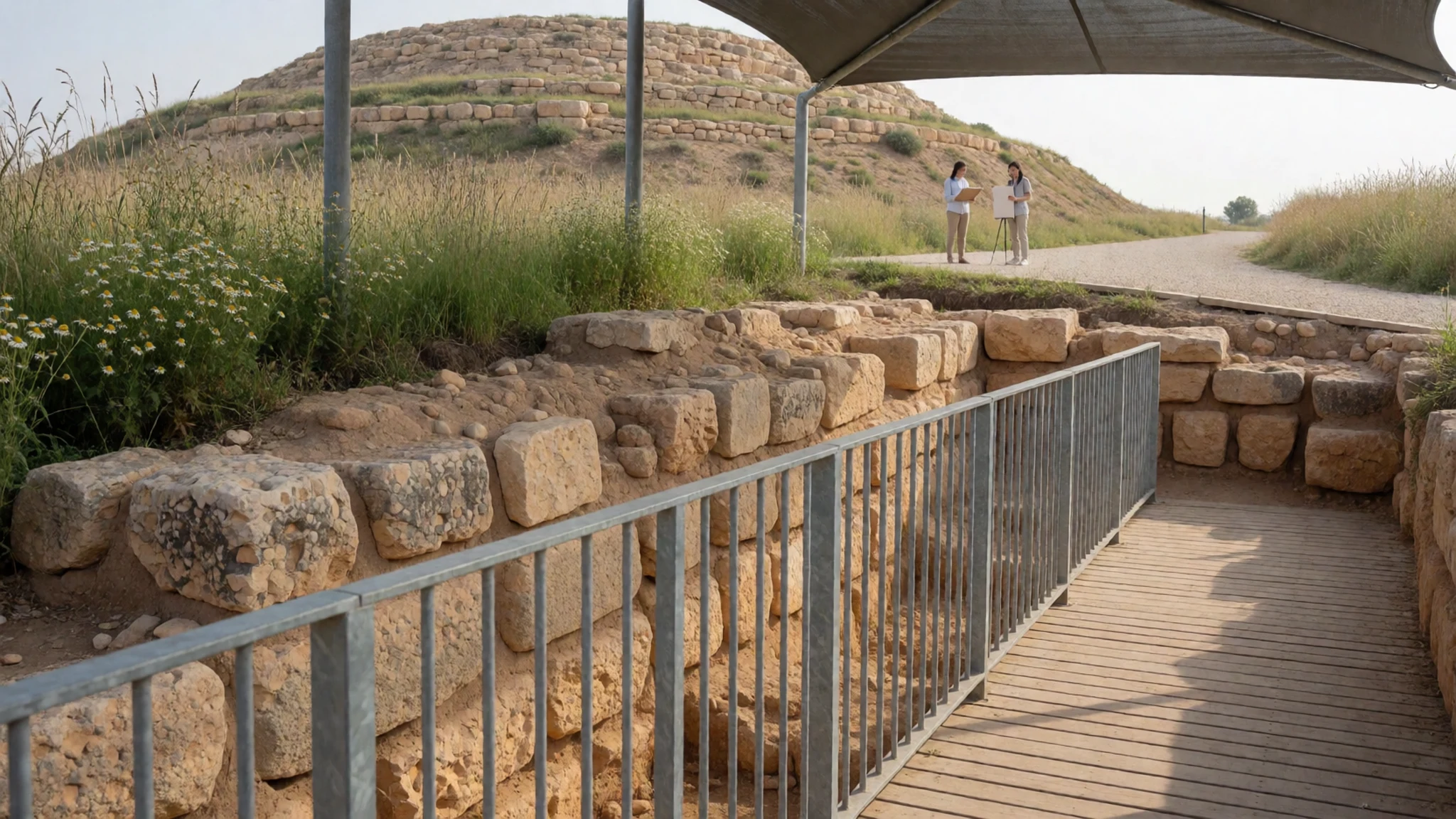
- Interpretive Centre and Explanatory Panels — Main entrance area
The site features information signs and basic interpretive areas that help visitors understand the archaeological finds and the historical significance of Gath in its biblical and regional context. While a full museum is not yet established on-site, these panels are essential for making sense of the visible ruins and connecting them to the broader narrative of the region.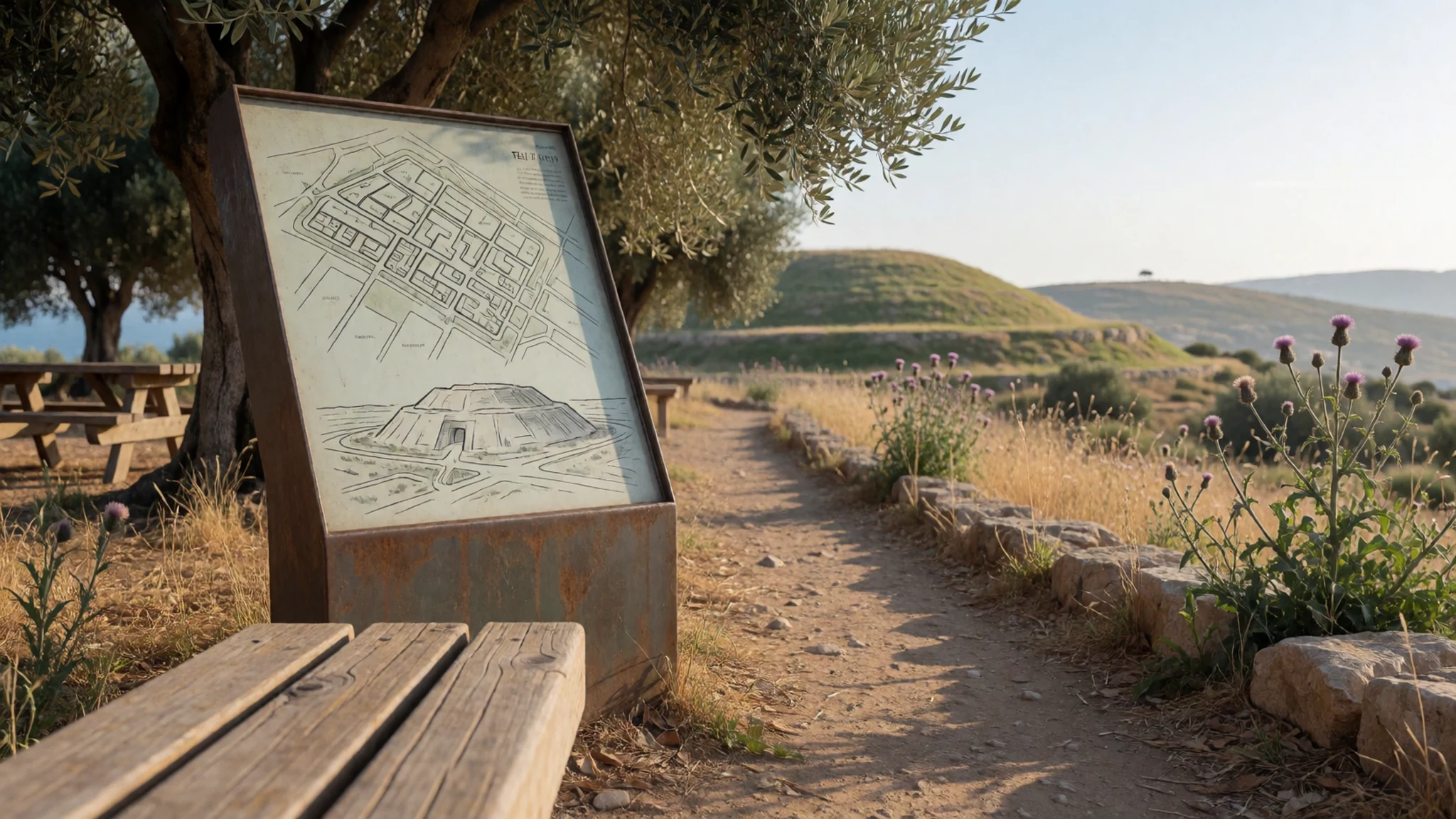
- National Park Trails — Tel Zafit National Park
A network of walking and hiking paths is integrated into the Tel Zafit National Park. These trails offer scenic views of the surrounding Sharon Plain and the coastal hills, making the visit a combination of archaeological exploration and outdoor recreation. The landscape is beautiful and peaceful, offering a chance to appreciate the setting of this ancient stronghold.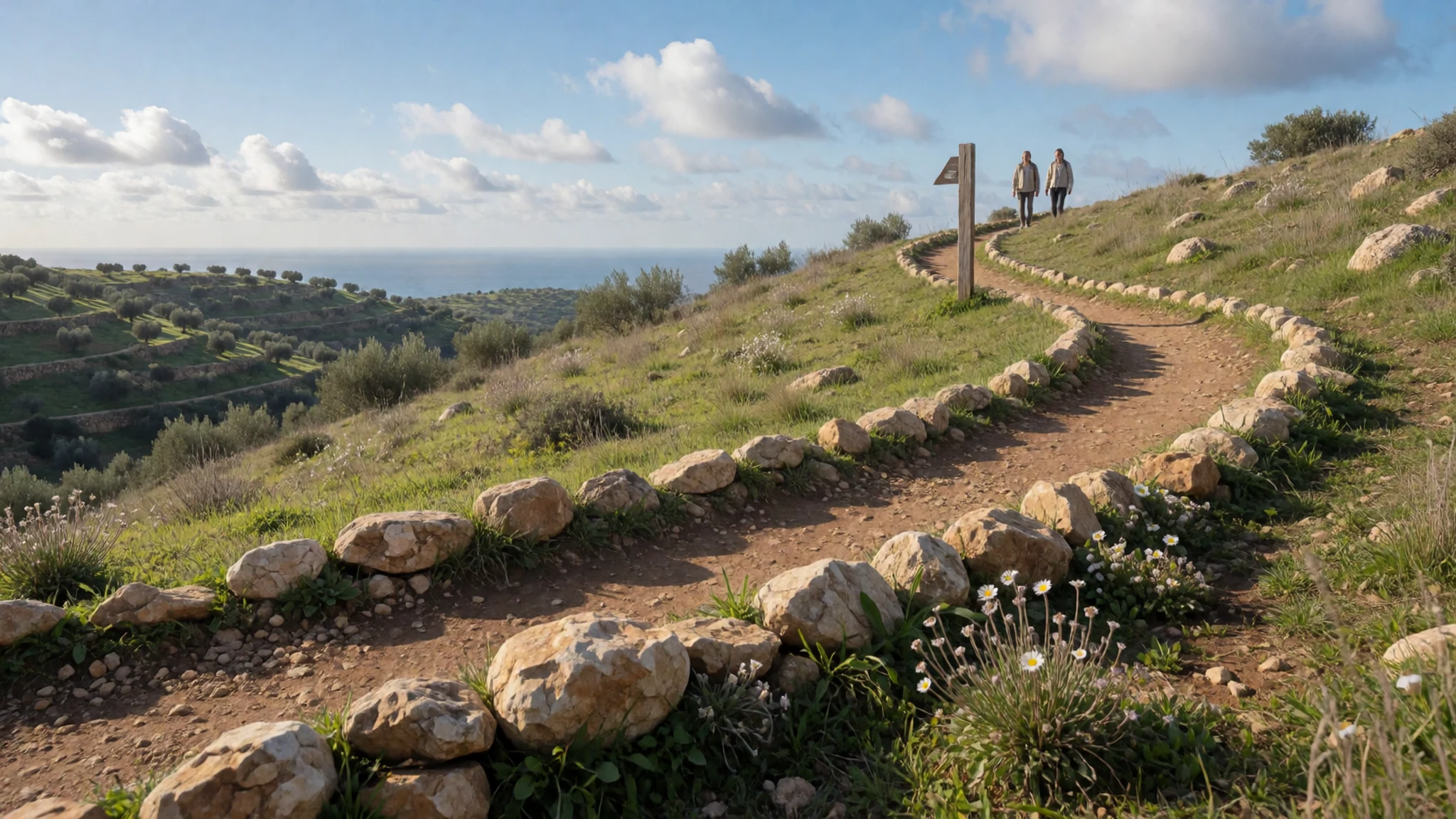
Culture
Tel Gath is a site of profound religious and historical significance, primarily due to its biblical associations. It was a key Philistine city, but it is also remembered in Judeo-Christian tradition as the place where the giant Goliath resided and where King David earned his reputation. For visitors from Western or Middle Eastern backgrounds, the site is a place of pilgrimage of a different kind, a connection to the roots of the region’s complex religious heritage. The site is managed by the national park services, focusing on preservation and interpretation. The atmosphere is generally quiet and contemplative, with minimal crowds compared to major urban attractions. Local guides sometimes offer insights into the subtleties of the biblical and Iron Age history. The culture here is one of archaeological discovery and the long, layered history of the Levant. It is a place to reflect on the passage of time and the human need to build, defend, and trade. Visitors should respect the preservation of the site, indicating a serious intent to learn about the past. Maintain a respectful, quiet atmosphere while exploring the archaeological remains. Avoid walking in restricted excavation zones to protect vulnerable structures and ensure the site's preservation for future generations.
What to wear
Tel Gath is an archaeological site, and the issue of traditional dress is less relevant here than in a populated city. However, visitors to Israel, particularly those exploring rural hills and national parks, should dress for comfort and climate. The typical attire for exploring an ancient mound involves practical, breathable clothing suitable for hiking. In summer, light, loose-fitting fabrics like cotton or linen are essential to stay cool in the heat. Trousers are recommended over shorts to protect from sun, insects, and rough terrain. In winter, a warm layer for the mornings and early evenings is helpful. Footwear is the most important consideration; sturdy walking shoes with good grip are necessary for navigating the uneven paths and loose dirt of the archaeological mound. Headwear like a hat or cap provides shade in the sun and wind protection in the wind. Modesty is not a strict requirement for a national park, but dressing in a way that is respectful and comfortable for outdoor activity is the best approach. The site is a natural environment layered with history, and clothing should reflect that of an outdoor explorer.
What to eat
- Shuk (Market) Foods — Local markets in Kafr Menachem or Haifa
While no restaurants are located directly on the Tel Gath site, the surrounding area of northern Israel and nearby towns offers great local food. Look for traditional shuk (market) fare, including olives, cheeses, bakery items, and fresh fruit. The region is a major producer of these goods, so they are plentiful and fresh.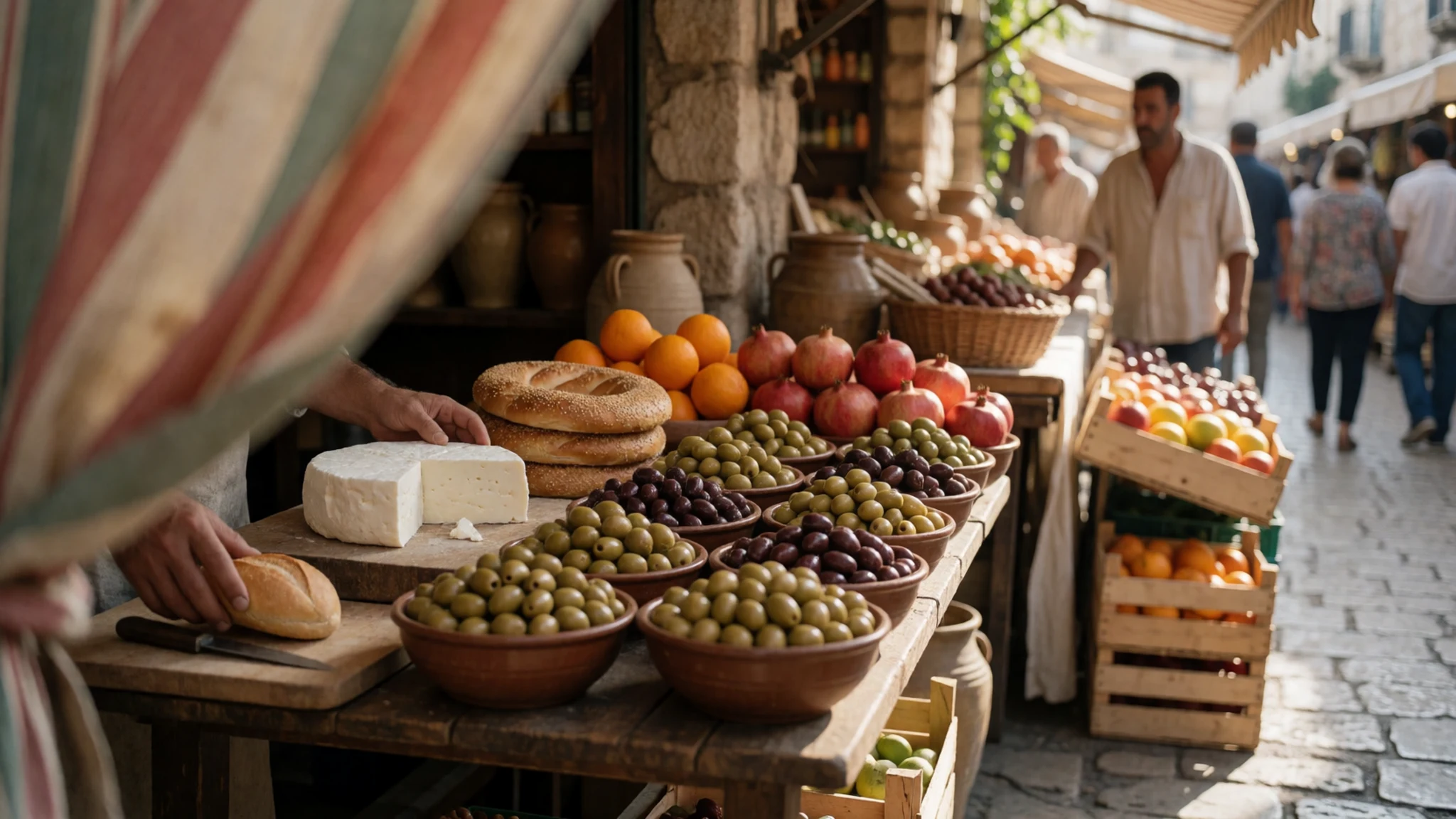
- Gath Wine — Nearby wineries and tasting rooms
If you enjoy wine, tasting a local bottle can be a fitting way to connect your visit to the region. Many wineries across Israel, especially in the area between the Sea and the Samarian hills, produce excellent wines. Choose a red or white that you enjoy and pair it with the stories you discover around the site.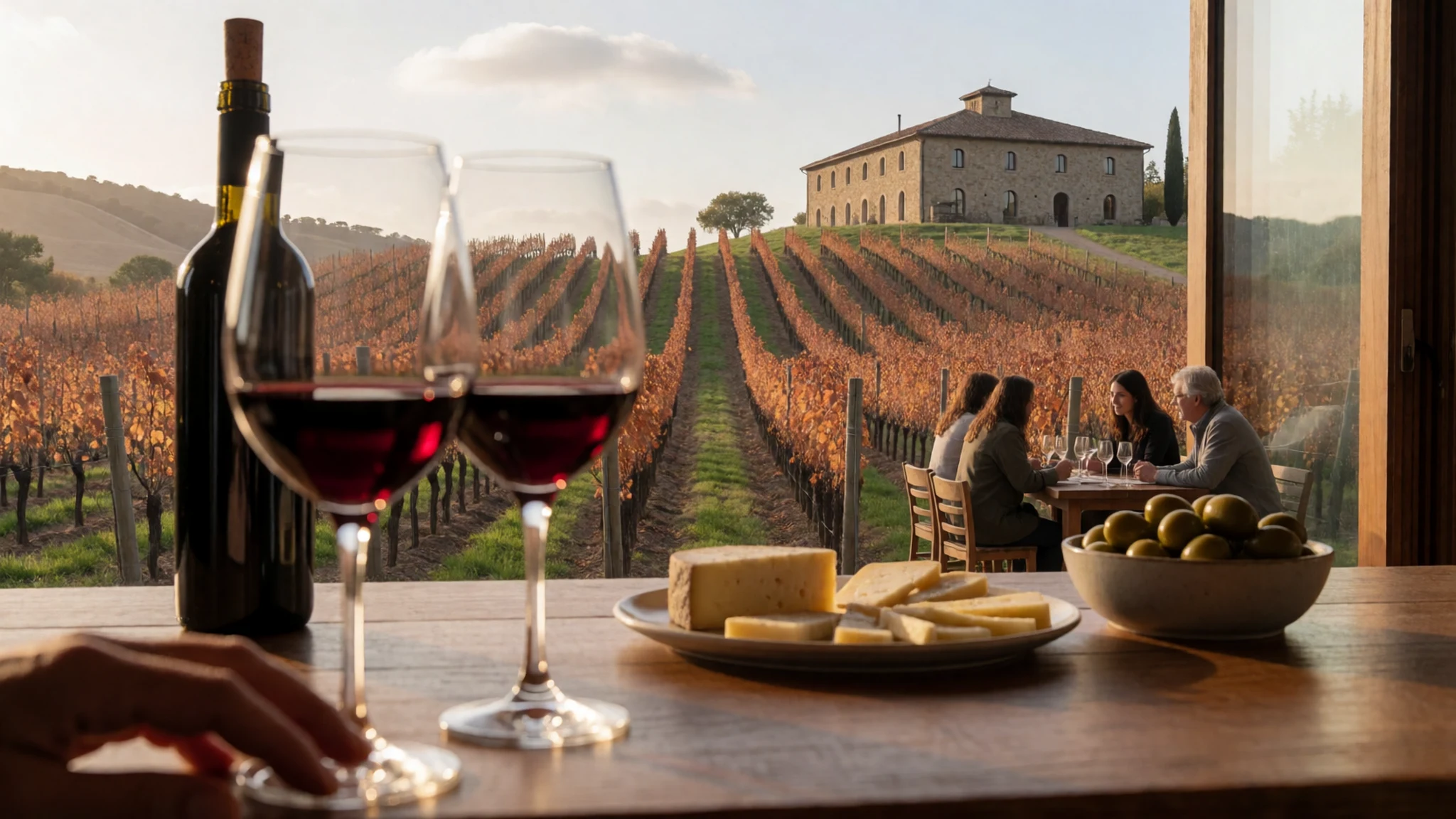
- Hummus and Meze — Any local Israeli restaurant or eatery
A classic Israeli dish, hummus (chickpea dip) is a must-try. It is often served with pita bread, pickles, and salads as part of a meze spread. This is a staple of Israeli cuisine and easily found in local fast-food-style eateries or restaurants in the nearby cities. - Ful (Fava Beans) — Local breakfast spots in Haifa or nearby towns
A traditional Israeli breakfast dish, ful consists of fava beans cooked with oil, spices, and tomatoes. It is usually eaten with bread and is a hearty, local staple. A visitor can easily find it at a local bistro or breakfast spot in the Sharon region.
Plan it
Best time. March–May and October–November offer the most comfortable outdoor window compared with hotter midsummer days, with the warmest temperatures in May through September and the wettest months in January, December, and November.
How long. 1
Getting there. Fly into Ben Gurion Airport or Haifa. Renting a car is the most practical way to reach Tel Zafit, as it is a rural national park with no regular public transport. From Haifa, the drive through the Galilee is about an hour and a half and is part of the experience. From Tel Aviv, it is about 45 minutes to an hour depending on traffic.
Budget. low
Tips
- Bring plenty of water and a hat; the site is open and can get very hot in summer.
- Wear comfortable walking shoes; the paths can be uneven and loose with dirt.
- Consider hiring a local guide, as the interpretive materials may not tell the full story of the site.
- Pack a packed lunch to eat on the trails, as food options at the site are limited.
- Combine the visit with other sites on the Sharon Plain, such as the coastal cliffs or nearby wineries.
Etiquette
- Stay on the marked trails to protect both the archaeological remains and the natural environment.
- Do not touch or remove any stones or artefacts from the site.
- Maintain a quiet, respectful atmosphere while exploring the archaeological mound.
Nearby
Sources
- Wikidata Q1348441 (CC0)
- Wikipedia (Gath (city)) (CC BY-SA 4.0)
- Photos (Wikimedia Commons) (CC BY 2.5 / CC BY 3.0)
- Wikivoyage (CC BY-SA 4.0)