Beersheba
Beersheba, Israel
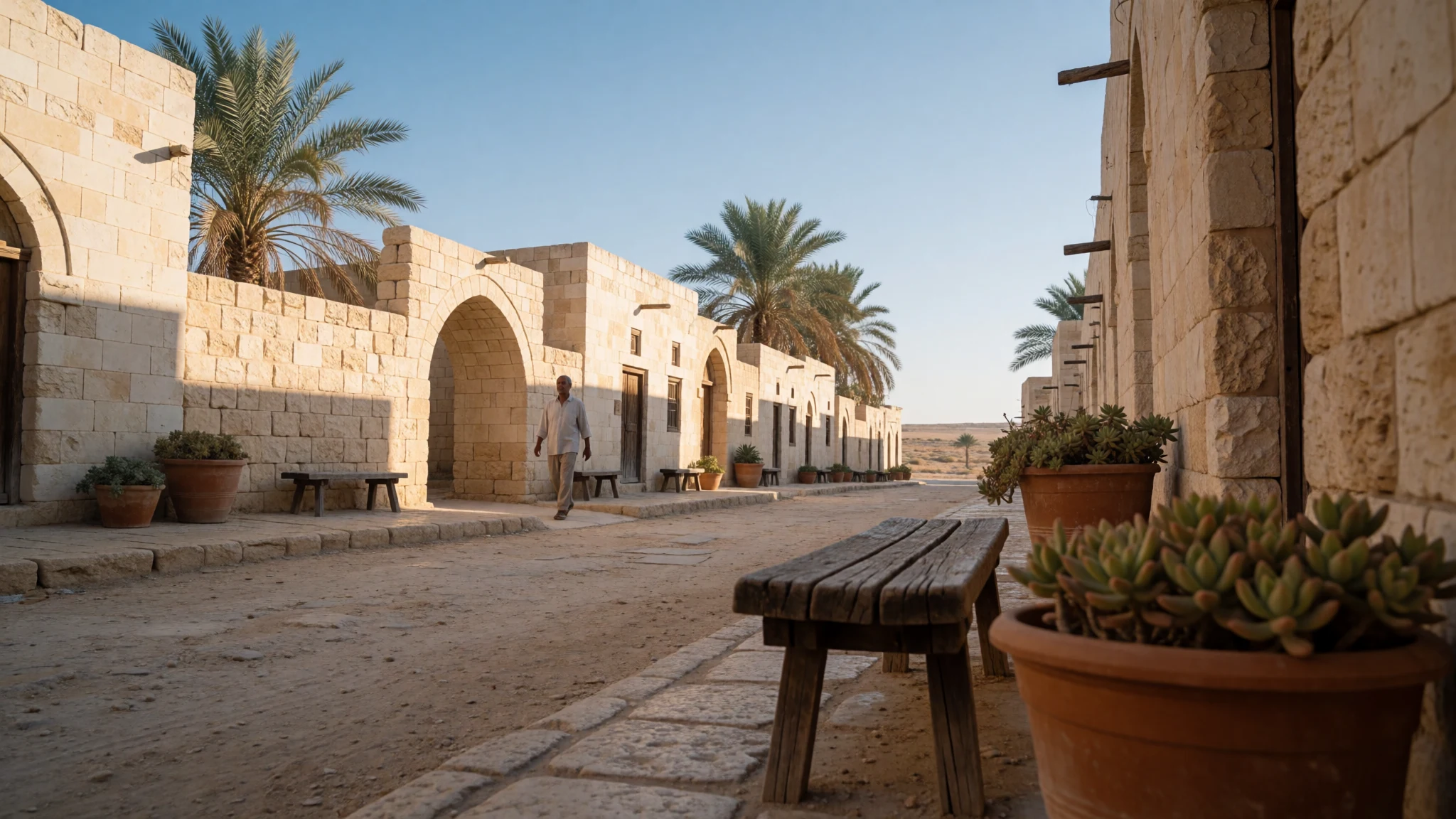
Beersheba is a sprawling desert hub where ancient biblical history meets a modern, multi-ethnic university city.
The place
Beersheba sits in the Negev desert of southern Israel, functioning as the administrative and cultural anchor for the region. Rising from an elevation of about 260 metres, the municipality spans a large territory that bridges arid landscapes with modern civic planning. It is home to an urban population of approximately 210,000 residents, giving it a lively, bustling atmosphere that contrasts sharply with the surrounding empty expanses. Modern neighbourhoods, university campuses, and commercial complexes fan out from older historic cores, creating a distinct rhythm of life driven by students, professionals, and families.
The climate is intensely dry and arid, bringing hot summers and cool winters with minimal rainfall. Despite the harsh environment, the municipality has cultivated wide avenues, civic squares, and public gardens that soften the desert glare. Visitors stepping off the train or bus find a city that moves at its own pace—less frantic than the coastal metropolis to the north, yet distinctly industrious. From busy municipal markets to quiet academic corners, Beersheba represents a unique intersection of desert tradition and contemporary Israeli life, serving as an essential gateway for anyone seeking to understand the geography and culture of the south.
Its story
Human settlement in this arid territory reaches deep into antiquity, with Chalcolithic inhabitants carving out subterranean dwellings and working early metals during the Copper Age. In biblical tradition, the location marked the southern limit of ancient territory, immortalised in familiar scripture. Centuries later, Byzantine rulers integrated the watering place into their frontier defence lines to hold back desert tribes, before control shifted through successive Islamic and Ottoman eras.
The layout of the historic centre took its modern shape around the start of the 20th century under Ottoman administration, when engineers laid out a deliberate grid system that remains visible today. During the First World War, Australian Light Horse troops captured the settlement in a famous cavalry action that broke Ottoman lines and opened the way for the British advance. Following significant demographic shifts around 1948, the municipality expanded rapidly as new arrivals settled the area. Over subsequent decades, it transformed from a modest desert outpost into a thriving university and industrial centre, continually rebuilding its identity while honouring layers of history stretching back millennia.
What to see
- Old Turkish Town
Wander through the historic grid planned by engineers at the end of the 19th century. Low Ottoman-era buildings, quiet side streets, and heritage structures offer a striking contrast to the surrounding modern high-rises and expressways. - Abraham's Well
Visit the traditional desert watering hole situated near the edge of the historic quarter and the wadi. According to long-standing local custom, this is where historical figures paused to secure water and forge ancient oaths. - Municipal Market
Immerse yourself in the sensory bustle of a sprawling open-air trading floor. Located between the historic district and the transit hub, stalls overflow with fresh produce, spices, textiles, and everyday goods reflecting the region's diverse cultures. - Negev Museum of Art
Step inside the historic residence of the former Turkish governor to view changing exhibitions of contemporary and regional artwork. The preserved Ottoman architecture provides a dignified backdrop for creative expression. - Engine 70414
Inspect a preserved 1915 railway station built during the Ottoman period, featuring a vintage steam locomotive from the 1930s. Walk the old platforms freely, explore the small exhibition space, and enjoy a meal in the station precinct.
Culture
Cultural life in Beersheba draws heavily on the diverse heritage of its residents, who brought traditions from across the Middle East, North Africa, Europe, and beyond. The municipality supports robust artistic institutions, including the Israel Sinfonietta, which has performed classical masterworks and choral productions for decades, alongside active local theatre companies and community cultural centres. Public spaces often feature monumental sculptures and memorials that reflect historical resilience and the pioneering spirit of the Negev.
Daily interactions are warm, direct, and typically conducted in Hebrew, though Arabic and other languages are frequently heard in markets and neighbourhood eateries. Academic influences from the university lend the city a youthful, inquiring energy, balancing traditional customs with progressive attitudes. Visitors will find locals welcoming and eager to share recommendations, particularly regarding where to find the best regional cooking. Always dress modestly when visiting religious or traditional community sites out of respect for local customs.
What to wear
Contemporary dress in Beersheba is practical, casual, and adapted to the intense desert heat. Most residents wear lightweight cotton clothing, denim, and comfortable walking shoes or sandals suitable for dusty streets and expansive paved plazas. Due to the high daytime temperatures, sun protection—such as hats and sunglasses—is ubiquitous year-round.
Traditional attire is occasionally worn during cultural festivals and community celebrations by older generations or specific heritage groups, featuring embroidered tunics and flowing garments suited to nomadic desert life. For visitors, the golden rule is versatility: lightweight, breathable layers work best for daytime exploration, while a warm jacket or fleece is essential for chilly desert nights, particularly during winter. When entering traditional neighbourhoods or religious buildings, ensure shoulders and knees remain covered as a mark of local respect.
What to eat
- Multi-Ethnic Regional Eateries — Residential neighbourhoods and local commercial strips across the city
Sample dishes across the city's spectacular culinary landscape, which reflects the diverse backgrounds of its inhabitants. Tucked into residential streets and commercial strips, you will find authentic Moroccan, Yemenite, Ethiopian, and Middle Eastern kitchens serving slow-cooked stews, fresh salads, and aromatic spices. - Market Street Food — Municipal Market between the historic district and central bus station
Graze your way through bustling stalls offering hot pastries, stuffed flatbreads, grilled meats, and sweet confections infused with cardamom and honey. - 24-Hour Dining — The BIG mega shopping compound
Enjoy late-night comfort food, burgers, and continental breakfasts at popular round-the-clock venues serving students and night owls.
Plan it
Best time. March to April and October to November offer pleasant temperatures for exploring the desert, while summer months experience intense, dry heat.
How long. 2–3
Getting there. Arrive via Ben Gurion International Airport near Tel Aviv, then take a comfortable, direct hourly train operated by Israel Railways directly to Beersheba.
Budget. mid
Tips
- Carry plenty of bottled water when exploring outdoor sights
- Use the central bus and train stations for easy regional connections
- Ask university students or local shopkeepers for the best neighbourhood food spots
- Wear sturdy walking shoes for uneven stone surfaces in the historic quarter
Etiquette
- Dress modestly covering shoulders and knees in traditional areas
- Greet shopkeepers and locals politely before asking for directions
Nearby
Sources
- Wikidata Q41843 (CC0)
- Wikipedia (CC BY-SA 4.0)
- Wikivoyage (CC BY-SA 4.0)