Akko
Akko, Israel
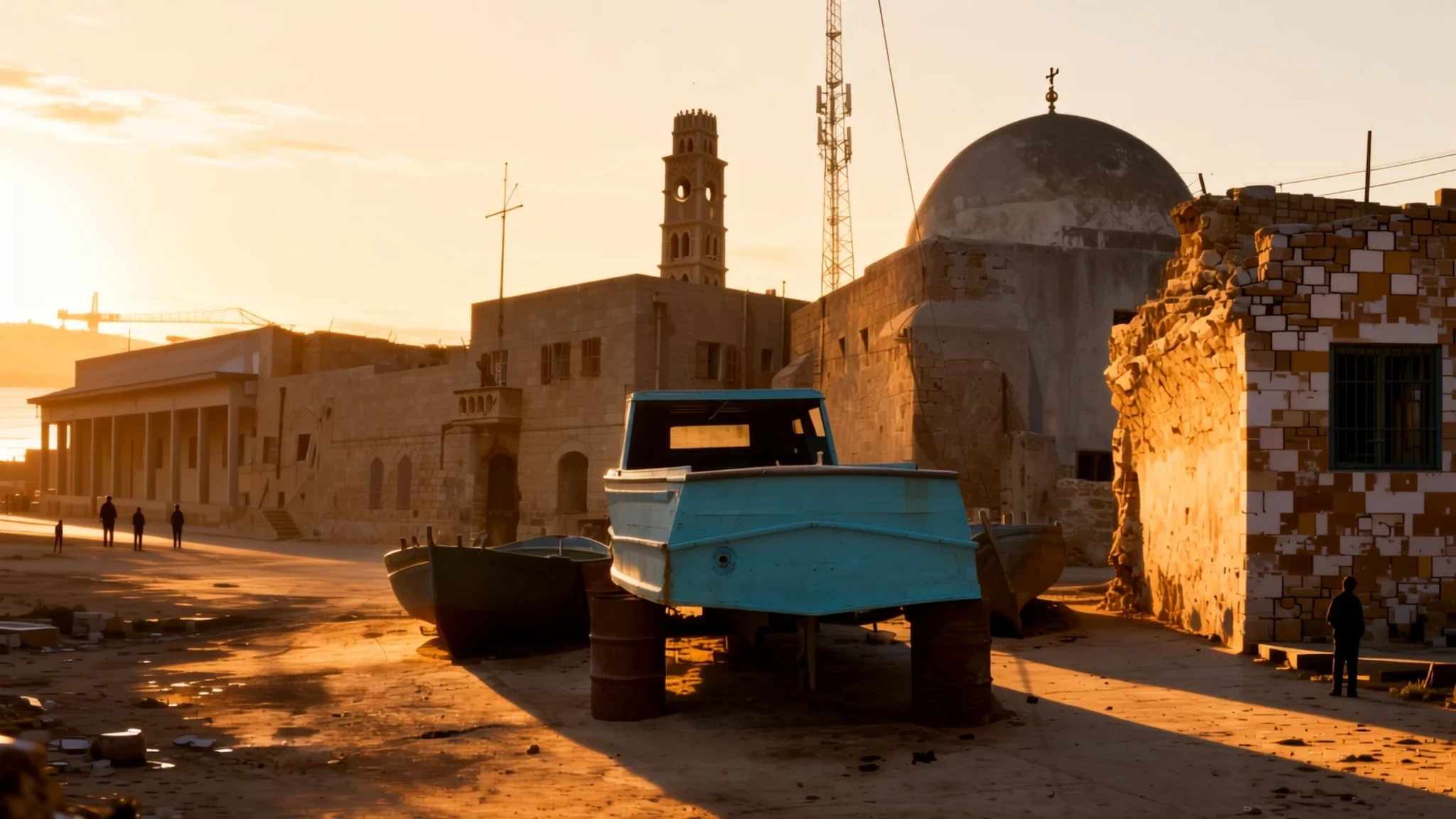
Akko is a walled harbour town on Israel's coast, where Crusader halls, Ottoman khans and a fishing port sit within a short walk of one another.
The place
Akko, known in English as Acre, sits on a natural harbour at the northern end of Haifa Bay on Israel's Mediterranean coast. Its Hebrew name is Akko and its Arabic name is Akka, and older English maps usually write Acre. The population is around 49,000 and the town lies only about 10 metres above sea level, so it feels more like a harbour town than a large city. The Old City occupies a low promontory with the sea on two sides, while the newer town spreads out to the east and north.
The bay gives the place its importance. Ships have long found shelter here, and the coastal road meets the route inland into the Jezreel Valley at this point. That location explains why the town has kept returning to life after sieges and destruction.
Most visitors spend their time inside the Old City. Its streets are narrow, rise and fall, and hold Crusader-era halls, caravanserais built for overland traders, and an Ottoman-era bathhouse close together. The main sights are compact enough to walk in an afternoon, so an unhurried pace suits the place best.
The waterfront is the easiest part to enjoy. Fishing boats tie up beside the old harbour, and in the evening the sea wall fills with families and diners watching the light fade over the bay. Summer afternoons are hot and humid, and the stone holds warmth long after sunset, so the early and late hours are the most comfortable.
Its story
Akko sits on the upper edge of a broad bay, and Mount Carmel shuts the bay off on its southern side. Akko offers the top natural harbour along Phoenicia's southern shore and can be reached without difficulty from the Jezreel Valley, which explains why rival kingdoms and empires kept sending fleets to vie for it. For much of its history it served as the main port for the wider southern Levant.
The early town stood on a mound known today as Tel Akko, or Tell al-Fukhar in Arabic, which means something like the mound of clay sherds. In antiquity the site was a small peninsula right beside the mouth of the Na'aman river. The first settlement there was short-lived, perhaps undone when the Mediterranean spread across the surrounding farmland. A larger town was built on the same ground later in the Bronze Age, and it has been lived in ever since. Egyptian execration texts name one of its eighteenth-century-BCE rulers, a detail that anchors the town in written record.
The Crusader period brought the city its most dramatic chapter. As a sea foothold it became the centre of a long siege at the close of the twelfth century, and it stayed a Crusader stronghold until the final assault that ended Frankish rule in the Holy Land. The Mamluks then tore down much of the city, and for generations it was little more than a fishing village. The local ruler Daher al-Umar rebuilt it into a regional port and fortified its walls, and the Ottoman governors who followed added the bathhouse and khans that still shape the Old City today.
What to see
- The city wall — Old City, along the sea
The sea wall of the Old City is the easiest way to understand Akko's layers. Walk the stretch that runs beside the water and you pass Crusader masonry reused by later builders. In the mid-eighteenth century Daher al-Umar used the remains of the Crusader walls as foundations for his own fortifications, so the stone you touch can belong to several centuries at once.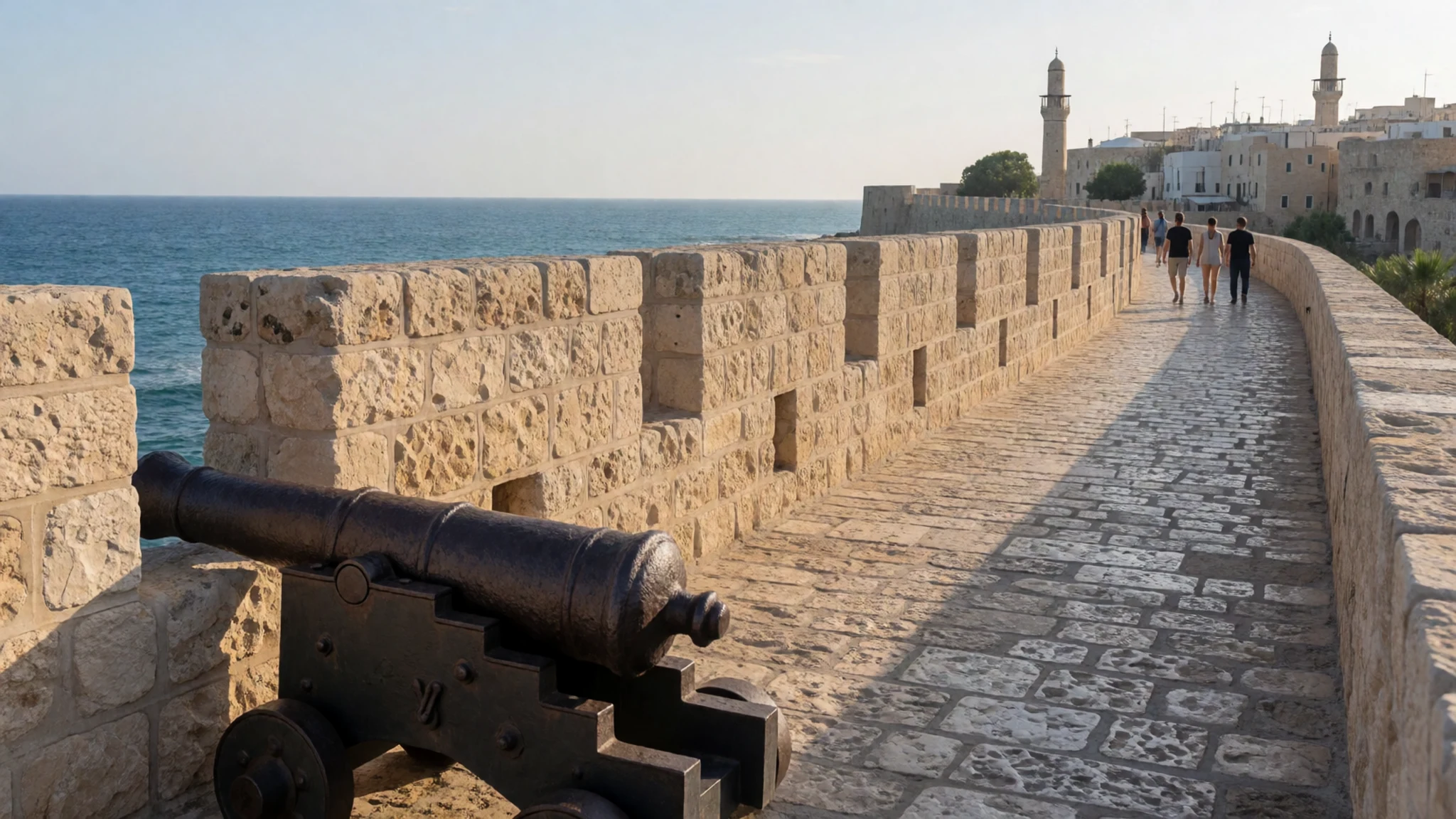
- Hall of the Crusader Knights — Under the citadel, Old City
Beneath the citadel and the old prison lies a complex of vaulted halls that archaeologists uncovered through excavation. Hospitaller knights built and used the rooms during the Crusader period. The space is quiet and cool, and it gives a clear sense of the scale of the order's presence in the town.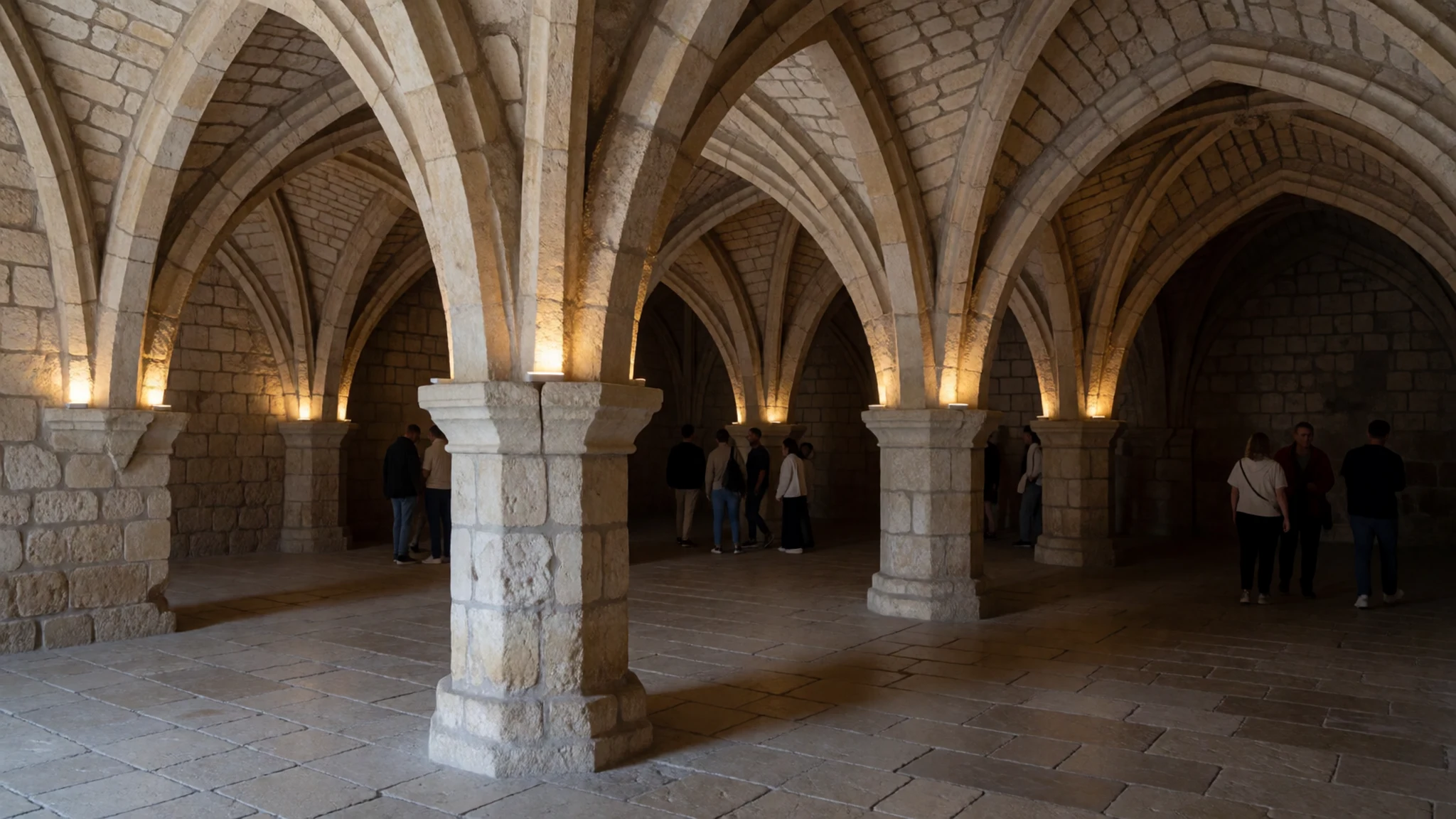
- Tunnel of the Templars — Old City, between the fortress and the port
A passage cut through the rock by Templar Crusaders once linked their fortress on the western side of the old town with the harbour on the east. It was rediscovered in the 1990s, restored, and opened to visitors. Expect a walk through a narrow, sometimes damp corridor, so comfortable shoes and a steady pace help.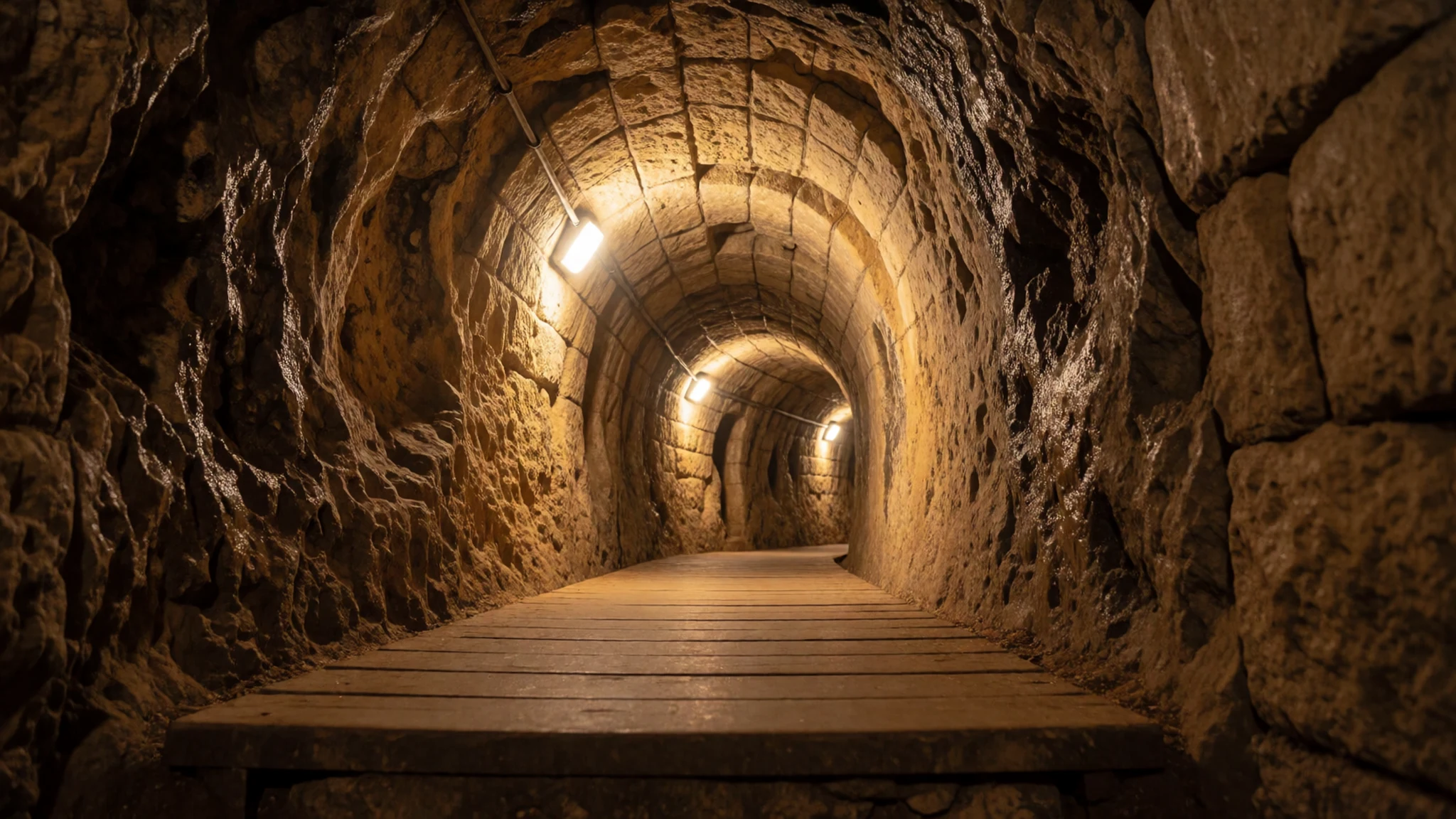
- Khan el Umdan — Old City, near the market streets
A khan is a courtyard inn built for caravans, and Akko has several. The Khan al-Umdan is the grandest, with its arcades and central courtyard. Camel caravans once unloaded grain from the hinterland here before it was sold and shipped out from the harbour. Its quiet arches are a good place to slow down away from the lanes.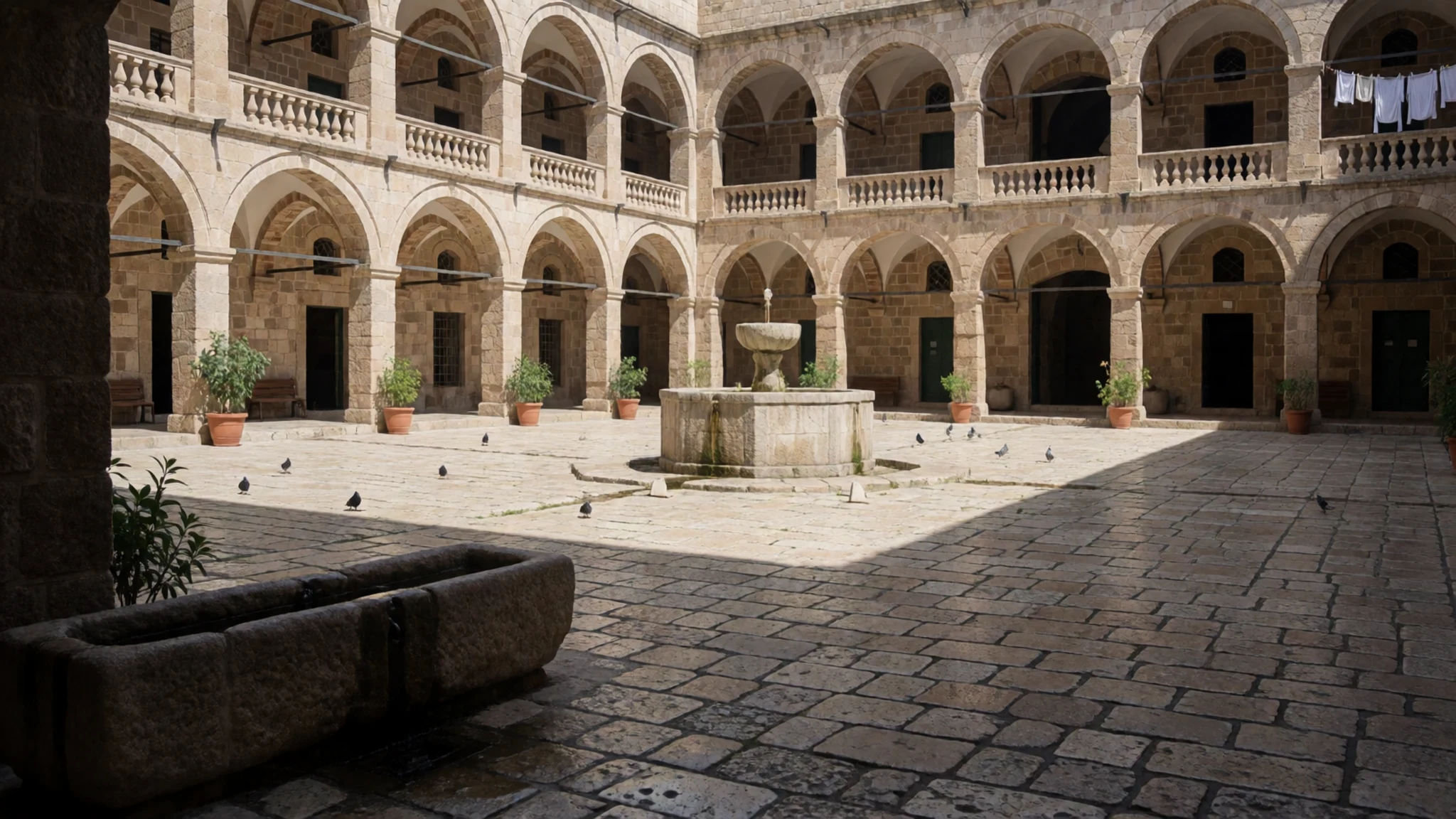
- Hammam al-Basha — Old City, near the Ottoman quarter
The bathhouse was built by the Ottoman governor Jezzar Pasha and still shows its original plan: a sequence of warm rooms leading to a hexagonal steam room with a marble fountain. Hammams in the region were social spaces as much as washing places. Check the official site or ask locally for current opening arrangements before you go, as they change.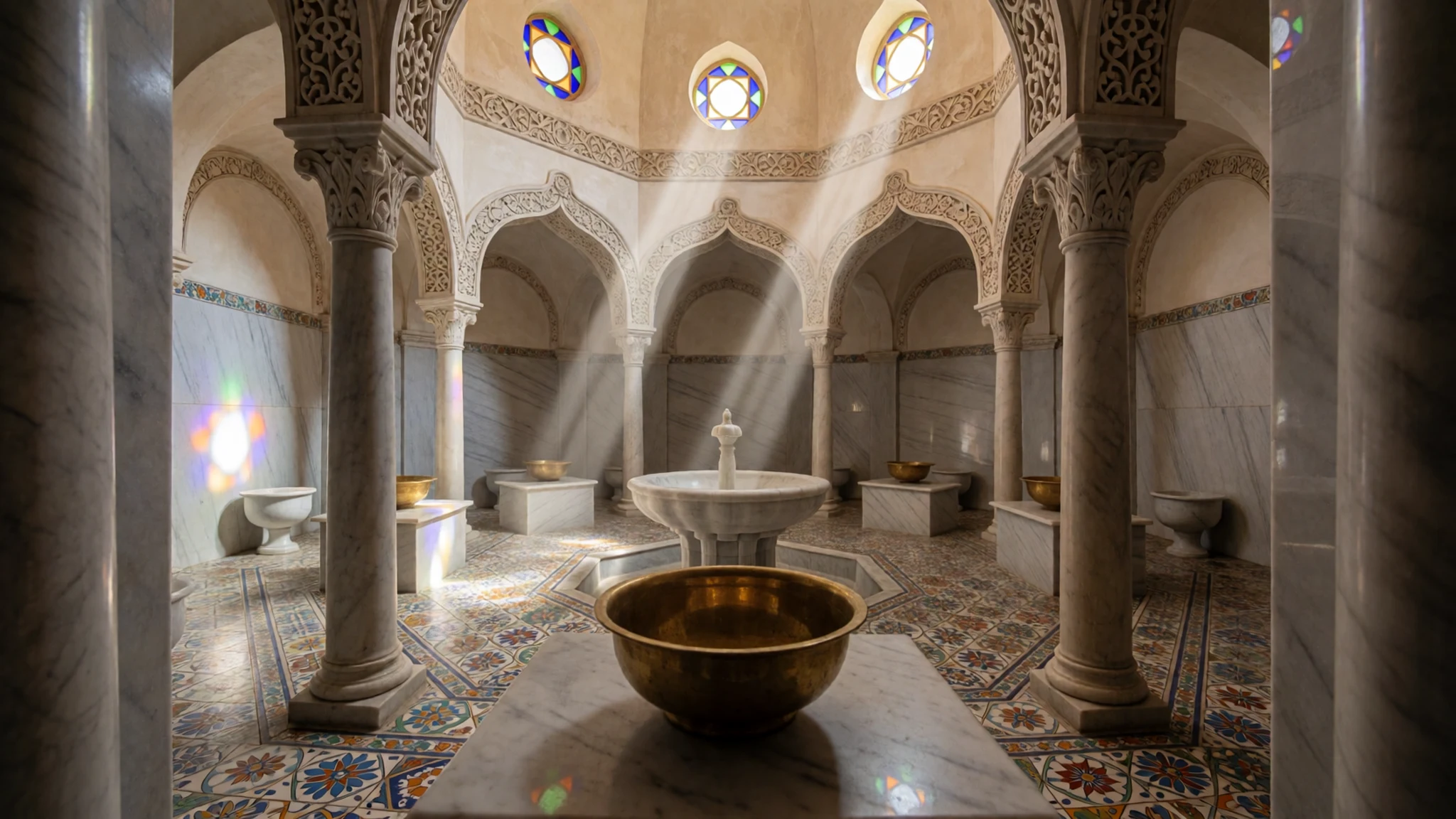
- The Pisan Port — Old City, by the sea wall
The remains of a medieval harbour lie by the sea wall, built when Pisan merchants lived in this quarter during the Crusader period. The stonework is modest and fragmentary, so it rewards a quick look rather than a long stop. It fits neatly into a walk along the walls and takes little extra time.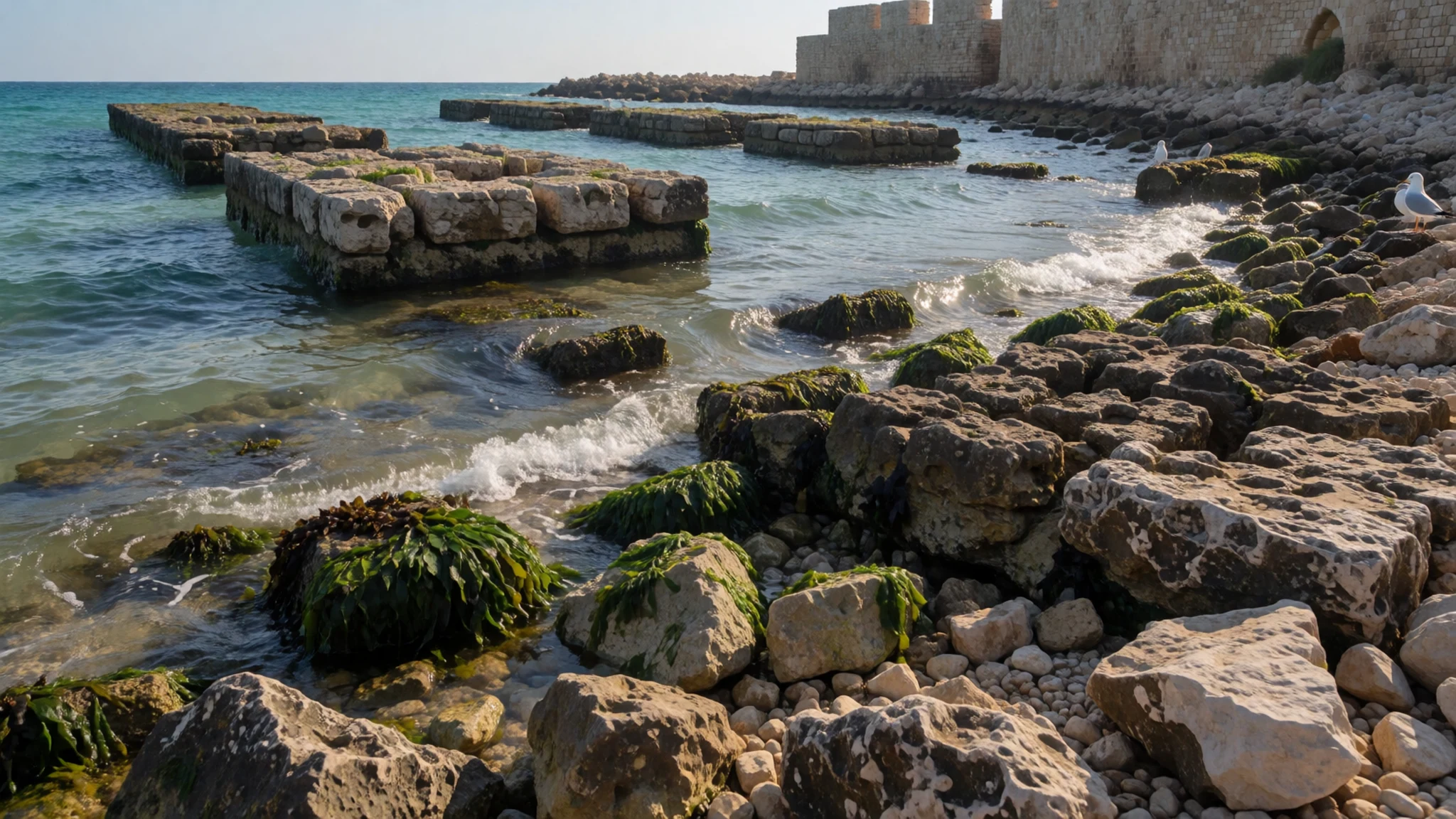
Culture
Akko is a mixed city, with Jewish, Muslim and Christian communities whose customs shape daily life. The Old City has mosques, churches and a synagogue within a few minutes' walk, and many local businesses slow down or close around Shabbat, from Friday afternoon into Saturday evening. Friday prayer time can make the main lanes busier and noisier around midday. Shops and cafés are generally relaxed about visitors, and haggling is common in the markets, though it is friendlier to be good-humoured than pushy. Older residents often appreciate a greeting in Hebrew or Arabic before a request. Photographing people in the markets is best done after a friendly exchange, and never of worshippers during services. Dress modestly, with shoulders and knees covered, when you step inside any mosque, church or synagogue, and keep your voice low near prayer halls.
What to wear
Akko's traditional dress is best understood through the Palestinian and Levantine textile traditions that the city shares with its neighbours. Women's festive dress was typically long, embroidered and cut from cotton or silk, with tatreez cross-stitch patterns along the neckline, sleeves and hem. Each village had its own colours and motifs, and the embroidery often signalled family and region. Men's dress in the past centred on loose trousers, a long shirt and a headcloth, with the keffiyeh and its wool or cotton weaves still widely worn. Today the people of Akko dress much as city residents across Israel do, with jeans, t-shirts and sneakers for everyday wear, and more formal clothing for weddings and religious occasions. For a visitor, the climate is the main consideration. Summers are hot and humid, so breathable cotton and linen work well, plus a hat and sunglasses. Religious sites ask for covered shoulders and knees, and a light scarf is useful for women entering mosques. Good walking shoes matter more than anything else, because the Old City's stone paving is uneven and polished smooth in places.
What to eat
- Hummus — Eateries throughout the Old City, especially near the market lanes
Hummus is served across the town, but the Old City has long-established places that make it fresh each day. Many of these shops close once the day's batch is finished, which often happens in early afternoon. Go in the late morning for the best chance of a plate, and eat it with warm bread and a sprinkle of olive oil.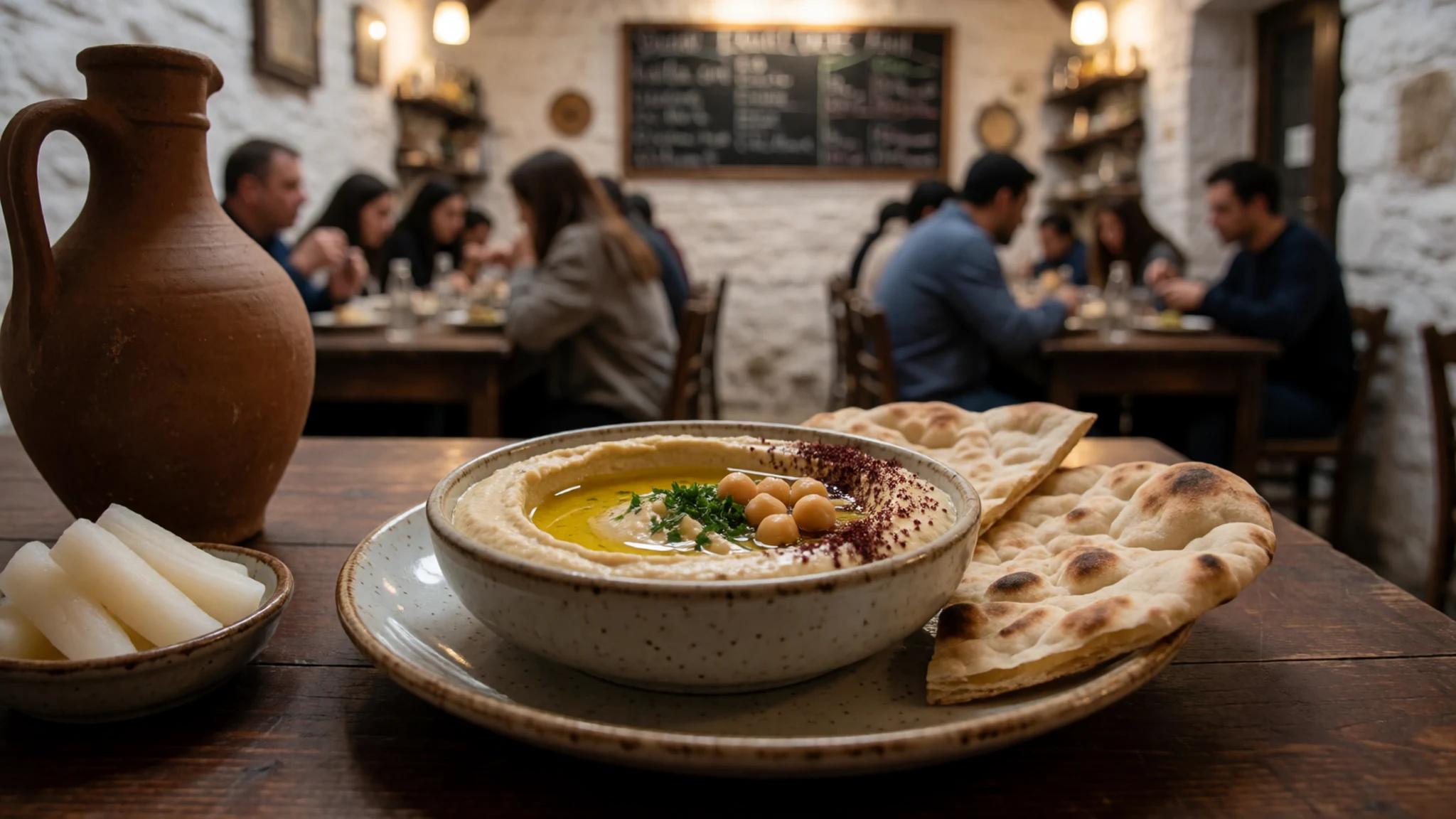
- Baklava — The old bazaar and its sweet shops
Sweet shops in the old bazaar make baklava with layers of thin pastry, nuts and syrup. The best pieces tend to be sold freshly cut in the morning. Buy a small box to take to the sea wall, where it pairs well with mint tea.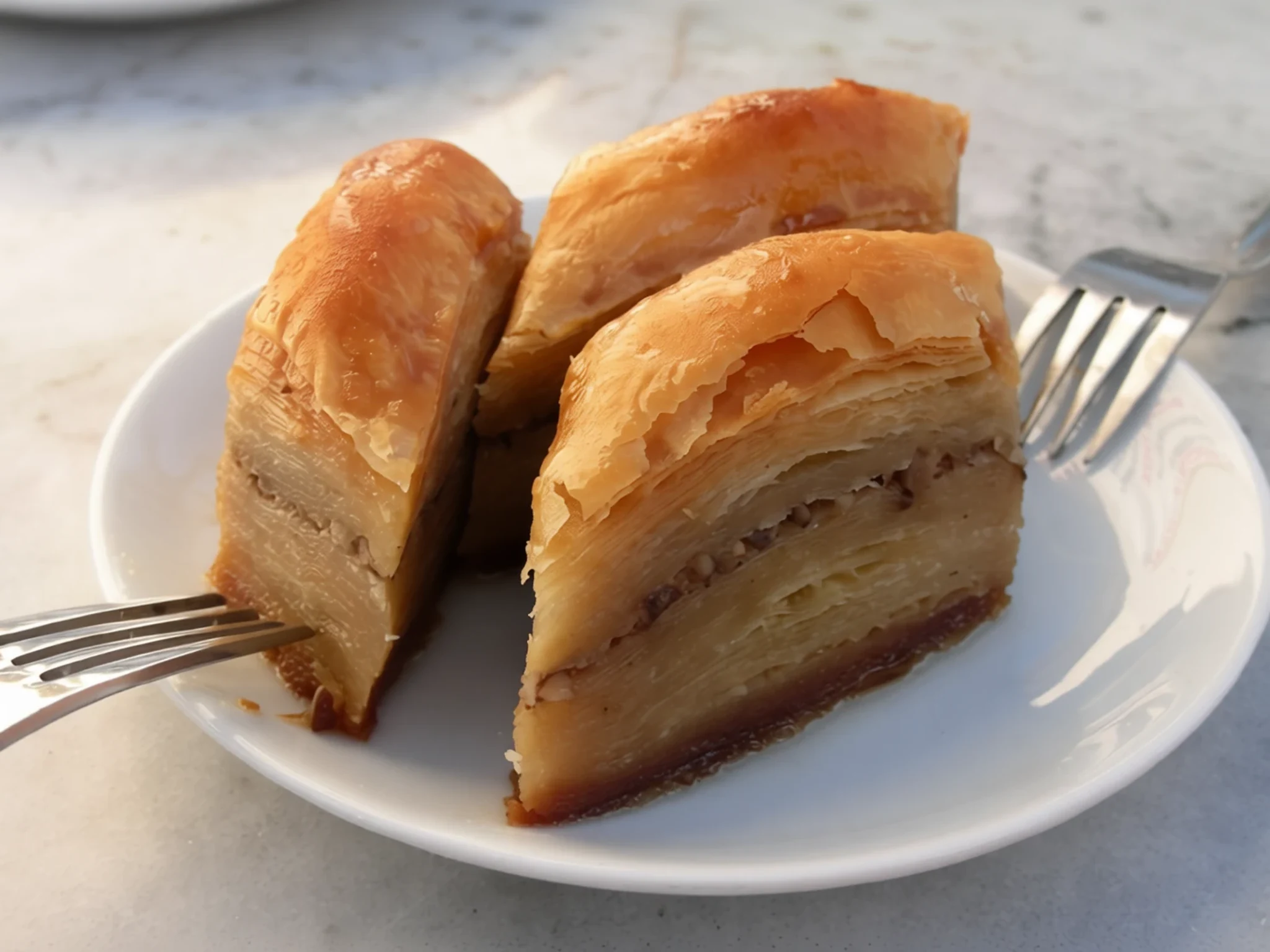
- Grilled fish with sides — Restaurants in the port area by the old harbour
Akko is known for its fish restaurants, where the catch is grilled whole and served with a spread of regional Middle Eastern and Mediterranean salads and dips. Ask what came in that morning. Dining at the harbour gives a view of the working boats along with the meal.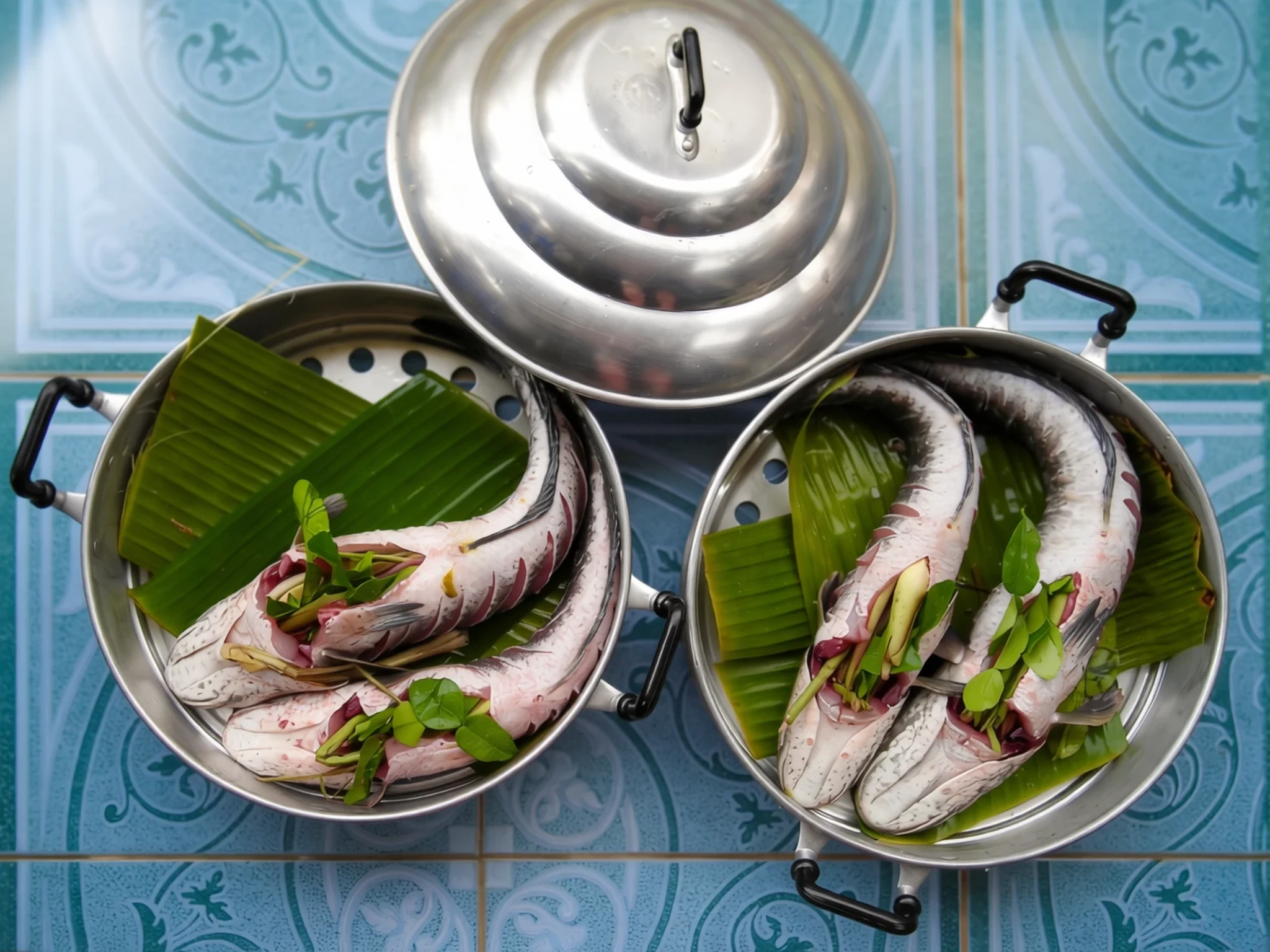
- Mezze at a sea-view restaurant — A sea-view restaurant a short way north of the port
A few kilometres' walk north of the harbour, a branch of a well-regarded Arab restaurant offers a spacious, elegant room with an open view of the sea. The menu is built around shared plates, and the prices are moderate for the setting. It suits a long, relaxed lunch rather than a quick bite. - Beachfront dinner — The beachfront strip north of the Old City
The restaurants along the beach are good, though some of them charge more than the town's harbour eateries. Choose a table near the water in the early evening, when the light turns gold over the bay. Order a few mezze to share and check the bill for service before paying.
Plan it
Best time. March and November suit a visit best, when the days are warm rather than hot and the rain is light. Summers are hot and humid on the coast, and the winter months are mild and wetter, in keeping with the Mediterranean climate.
How long. 2–3
Getting there. Akko is on the main Israeli railway line, directly north of Haifa. Trains run frequently from Haifa and Tel Aviv, and some continue to Tel Aviv's airport, though the journey takes a couple of hours. The station is a short bus ride or a walk from the Old City, and buses from Haifa are slower than the train.
Budget. mid
Tips
- Visit the sea wall and the market lanes in the morning, before the afternoon heat
- Plan around Shabbat: from Friday afternoon to Saturday evening, transport slows and many shops close
- Carry cash for small eateries and market stalls, and use a card where it is clearly accepted
- Bring water, a hat and comfortable shoes for uneven stone paving
- Book a table at a harbour restaurant on busy weekends or in the evening
Etiquette
- Dress modestly with covered shoulders and knees when entering religious buildings
- Ask before photographing people, particularly in markets and at prayer times
- Keep voices low near mosques, churches and the synagogue during services
Nearby
Sources
- Wikidata Q126084 (CC0)
- Wikipedia: Acre, Israel (rev 1380244094) (CC BY-SA 4.0)
- Wikivoyage: Akko (rev 5390101) (CC BY-SA 4.0)
- Photo: Aerial view of Acre 1 (CC BY-SA 2.0)
- Photo: Acre - Akko 6 - the fishing port (CC BY 2.5)
- Photo: Visit to Acco, Acre, Israel (CC BY-SA 4.0)
- Photo: Acre - Akko 3 - Synagogue - Or Torah (CC BY 2.5)
- Photo: Acre, Geography of Israel (CC BY 2.5)
- Photo: View of Acre harbor (CC BY-SA 4.0)
- Photo: Heritage site, Council for Conservation of Heritage (CC BY-SA 4.0)
- Photo: Amarna letters, letter from Biridiya (CC BY-SA 4.0)


