Jaffa
Jaffa, Israel
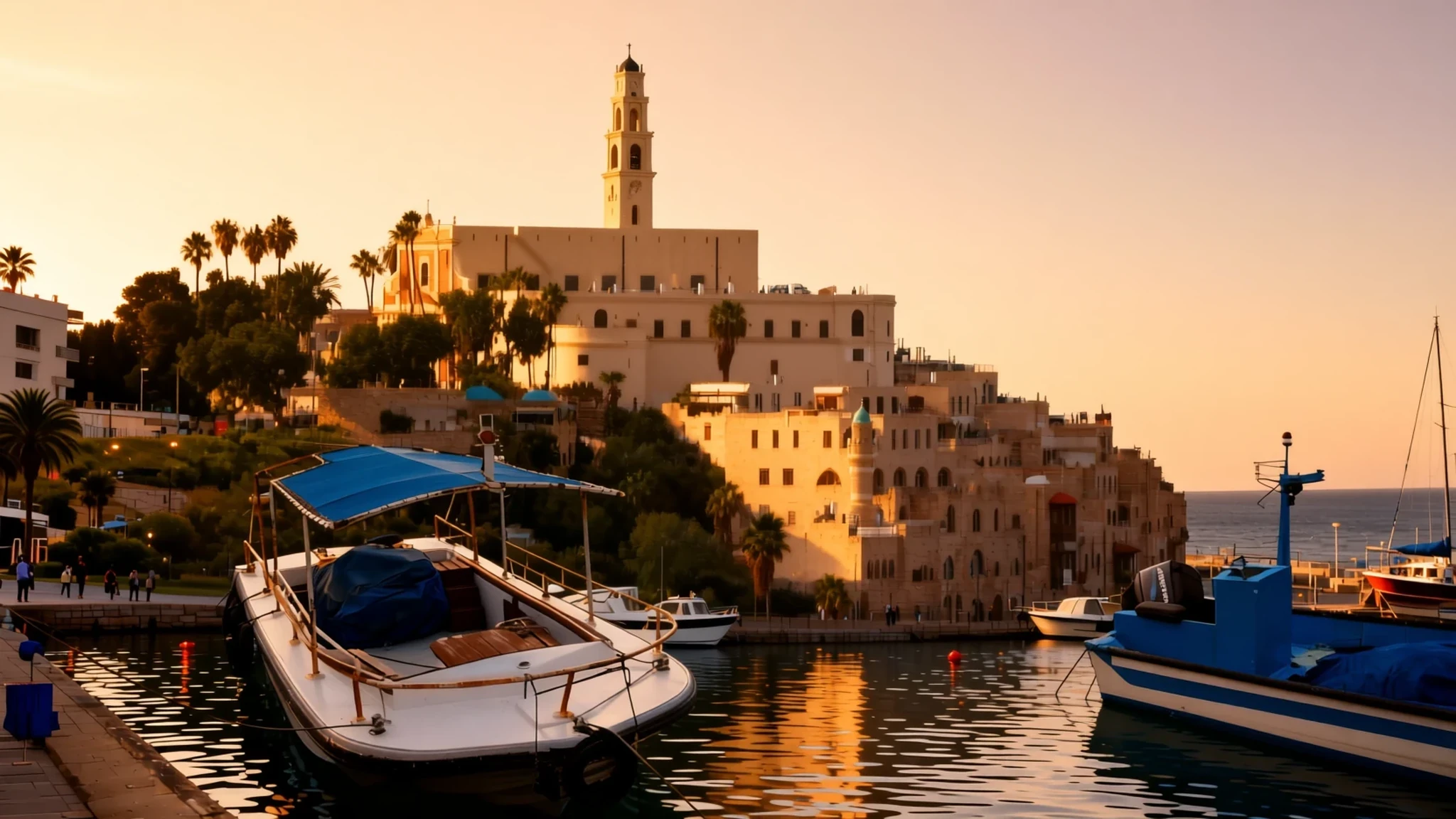
Jaffa is the old port quarter at the southern end of Tel Aviv, where lanes, a clock tower and harbour views fill an afternoon.
The place
Jaffa sits at the southern end of Tel Aviv, on a low rise of pale sandstone that pushes out into the Mediterranean. It is the oldest part of the city, yet the two now run together so smoothly that the boundary is easy to miss on foot. The beach promenade from the centre leads directly to a clock tower that marks the northern edge of the old quarter. The population is around 66,000, and the streets mix Arab heritage, older stone buildings, artists' studios and a growing number of cafés. Lanes climb from the harbour towards the hilltop, many of them restored and lined with galleries and workshops, so the quarter rewards slow wandering more than a checklist. The light off the sea is strong, and the rocks below the old town explain why ships once needed this anchorage. Weekends and warm evenings bring families and tour groups, and the lanes fill quickly. Weekday mornings are calmer and cooler before the sun reaches the stone. Jaffa works well as a half-day or full-day stop, paired with a swim or a long walk back along the sand to the city centre. Cafés and bakeries stay busy late, and eating here, especially with a view of the water, costs more than in the quieter streets further inland.
Its story
Jaffa was built on a sandstone ridge about 40 metres high, a natural lookout over a coast with few harbours. Its settlement reaches back into the Early Bronze Age, to the 4th millennium BCE, although the earliest settlement remains that archaeologists have examined closely date to the 18th century BCE. Later layers of building debris and landfill raised the mound further, which is why the hilltop still feels so commanding. Egyptian and Assyrian records mention the town. The Hebrew Bible places it on the edge of the tribe of Dan and as the landing point for cedar timber sent to Jerusalem for Solomon's Temple. Greek legend also claims the rocks, since the myth of Andromeda is set here, and the story of Jonah begins at the harbour. Under Hasmonean rule Jaffa was the main port of Judea, but its trade declined in the Roman period once Caesarea was built further north. During the Crusades it lay at the centre of a county that also took in Ascalon. The 1192 truce between Richard I and Saladin, and a later peace in 1229, recorded the contest over this stretch of coast. A 13th-century complex later served as the Ottoman government headquarters, and its stone walls still stand in the old quarter. The modern revival came much later, as old houses were restored into galleries, cafés and workshops that now sit beside mosques, churches and ruins.
What to see
- Old Jaffa and the port — Old Jaffa harbour
The harbour is the reason Jaffa exists, and a working port still sits below the stone walls at the base of the hill. Walk down to the water in the late afternoon to see fishing boats tied up near the rocks and the Tel Aviv skyline stacked to the north. Tradition places the Jonah story here, though the legend is better heard from a guide than proven on the quay. The port suits an unhurried stroll and an early-evening drink.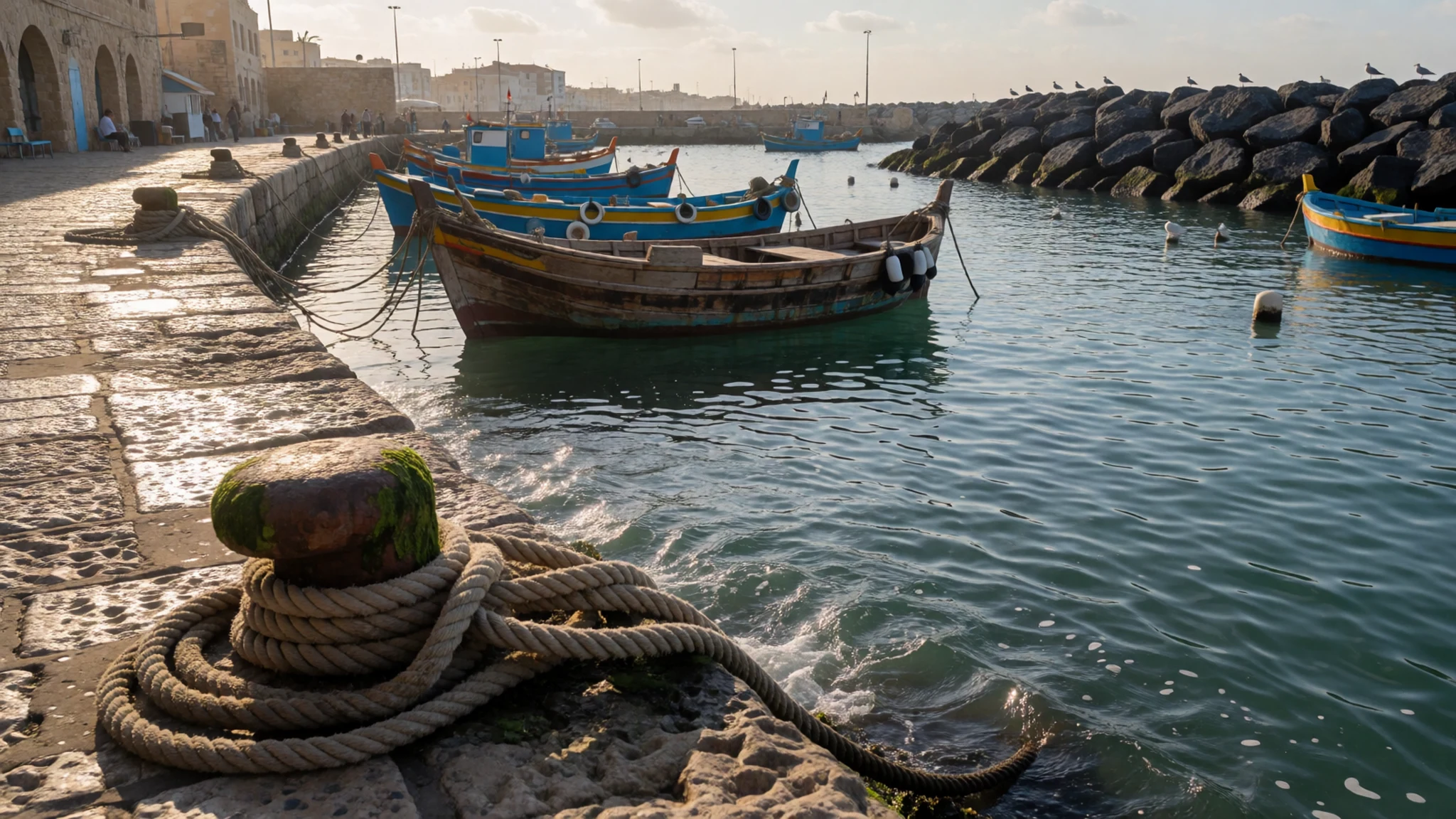
- Jaffa Clock Tower — northern edge of the old quarter
This clock tower, built in 1903, stands at the northern edge of the old quarter, where the beach promenade from central Tel Aviv meets the first streets of Jaffa. It is the easiest landmark to find on a first visit and a clear marker that the old town begins here. Photographs from the promenade are best in the early morning, when the light falls on the stone and the streets are quiet. It also makes a sensible meeting point.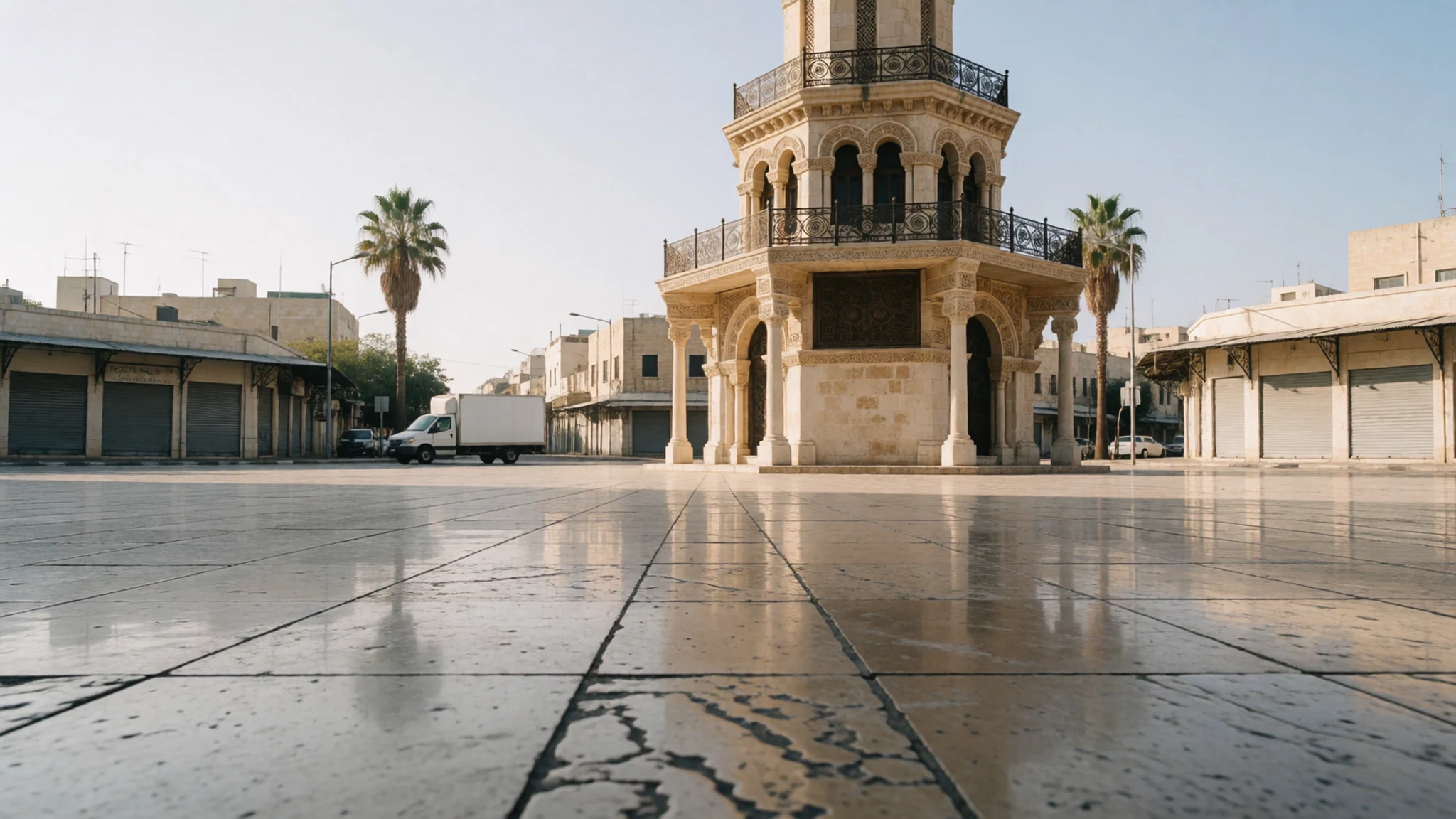
- Ramesses Gate — the old quarter, near the hilltop
Ramesses Gate holds archaeological remains from the 16th century BCE, and they can be viewed without charge. The stonework is hard to read on a casual visit, because the layers are fragmented and only partly explained on site. A licensed guide or a printed walking route makes the remains far more useful. Check the official Tel Aviv-Jaffa tourism pages before going, as access arrangements can change.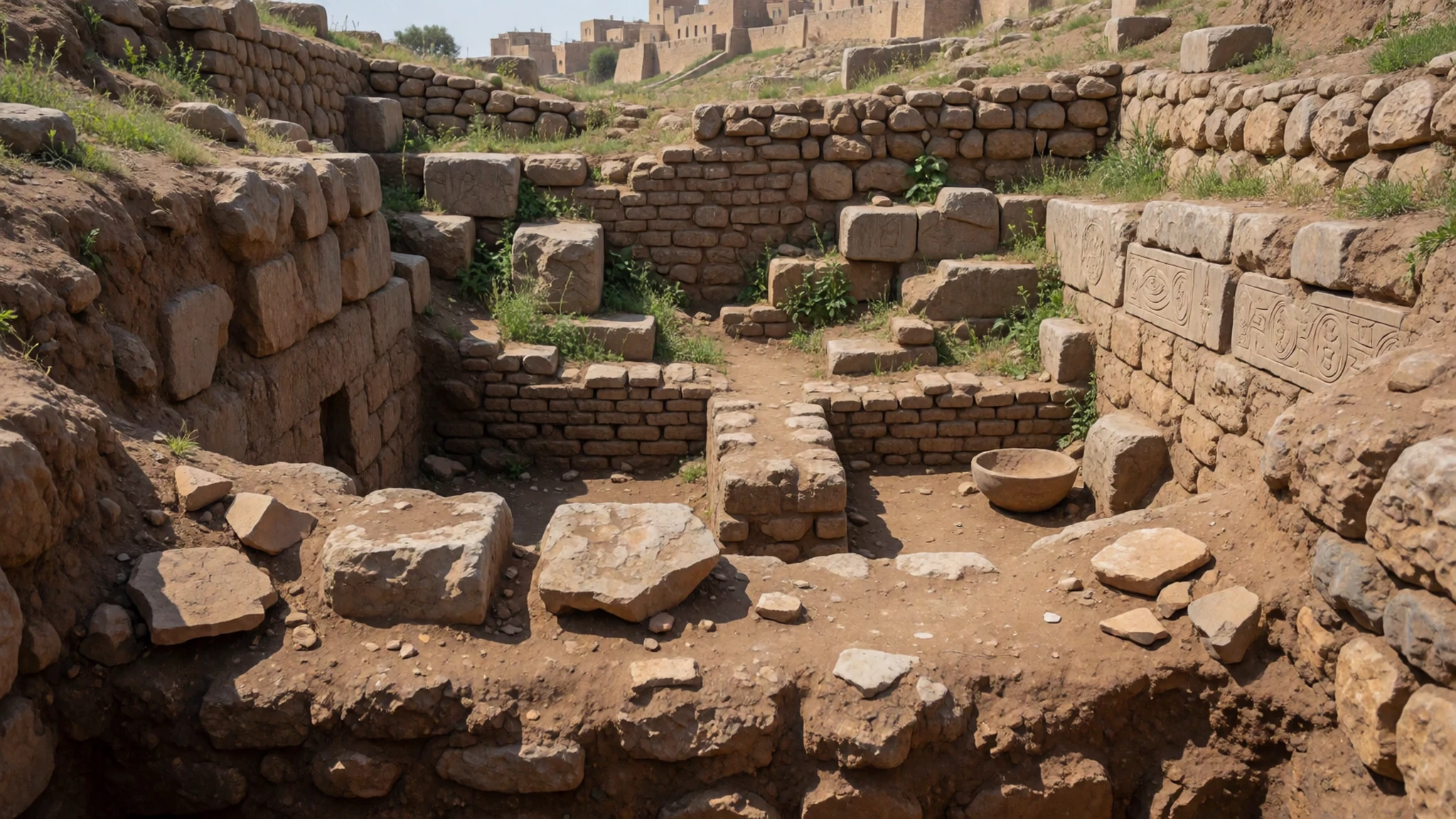
- Zodiac alleys — the old quarter, between the hill and the port
The Zodiac alleys are a network of restored lanes packed with art galleries, small studios and workshops. They lead down towards the seaport, so the walk moves from creative stalls to the water in a few minutes. Weekday afternoons are quieter for browsing, and many galleries welcome questions about the work. The lanes are narrow and sloped, so allow time for the steps and cobbles.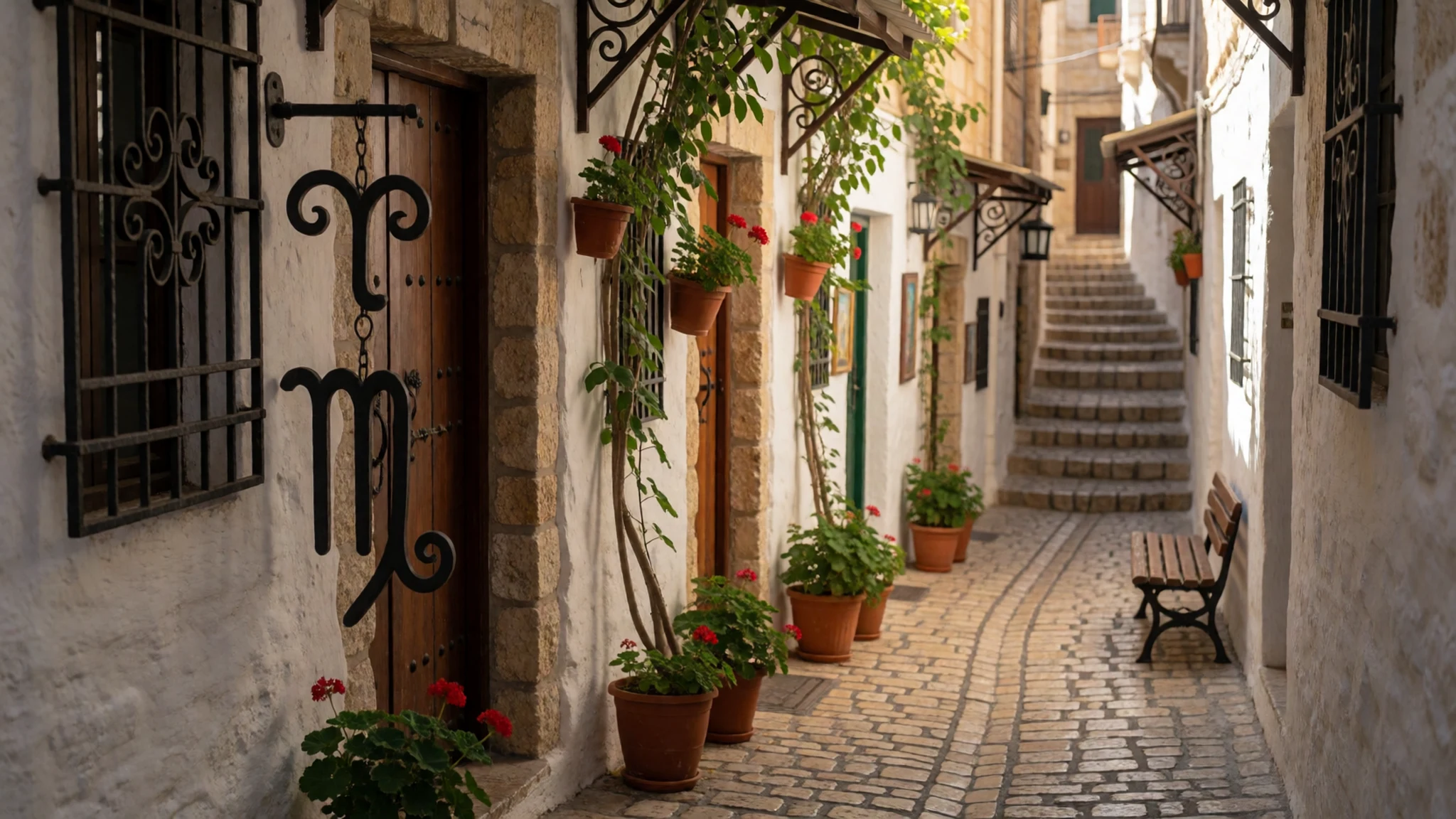
- Old Jaffa Museum — the old quarter, on the hill
The museum occupies a complex built in the 13th century, which later served as the Ottoman government headquarters. The building now hosts art exhibitions, and the courtyards and stonework show how the quarter was put together over time. Exhibition hours and entry arrangements change, so check the official listing before a visit. It pairs well with a walk through the nearby lanes.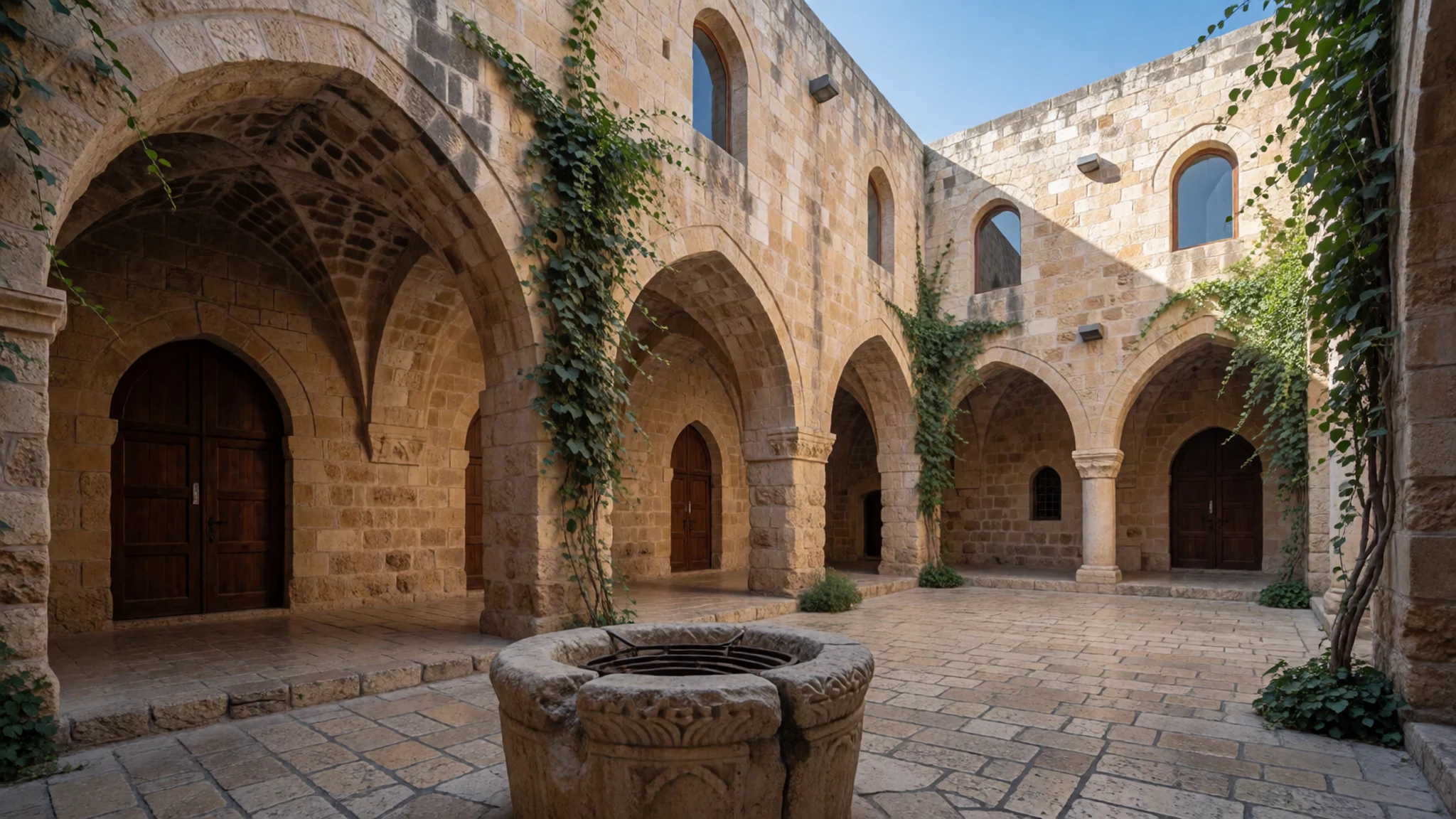
Culture
Jaffa is a mixed community of Jewish, Muslim and Christian residents, and the old quarter reflects that in its mosques, churches and older houses. Daily life follows a Mediterranean rhythm: cafés open early, bakeries are busy by mid-morning, and the lanes come alive after sunset. Hebrew and Arabic are both widely spoken, and English is common in shops and cafés that serve visitors. Religious buildings keep the usual expectations of worship, with quiet voices and covered shoulders, and some churches and mosques have set hours, so check locally before visiting. Gallery owners often enjoy talking about their work, though bargaining is far less common here than in open markets. Public transport and some businesses slow down for the Sabbath on Friday evening and Saturday, so plan visits around those hours. Ask before photographing a stallholder, baker or fisherman, and keep voices low near places of worship.
What to wear
The traditional dress of Jaffa's Palestinian Arab families centred on the thobe and long dresses, often made of cotton or silk and decorated with cross-stitch embroidery in red, green and blue. Designs varied by village and family, and the embroidery was typically worn at weddings and festivals rather than every day. Older women in the area sometimes still wear embroidered dress for family occasions. Today the everyday look in Jaffa is close to Tel Aviv: light linen and cotton shirts, short sleeves, loose trousers or skirts, and sandals or trainers. Dress is relaxed in the cafés and on the beach, but there is a clear difference at places of worship. For a visit, pick loose cotton or linen that covers shoulders and knees, especially when entering churches or mosques. The old quarter has uneven stone steps and cobbles, so sturdy closed shoes with good grip are more practical than heels. A light layer helps in the evening wind off the sea, and a sun hat is worth carrying through the midday hours.
What to eat
- Hummus, ful and massabaha — hummus eateries in the old quarter, near the port
Hummus is served here in several forms: smooth hummus, massabaha with coarse texture and whole chickpeas, and ful, a spiced dish of cooked fava beans. Ali Karavan Abu Hassan is known for all three. Eat them warm with fresh flatbread, and ask for extra chilli if you want heat.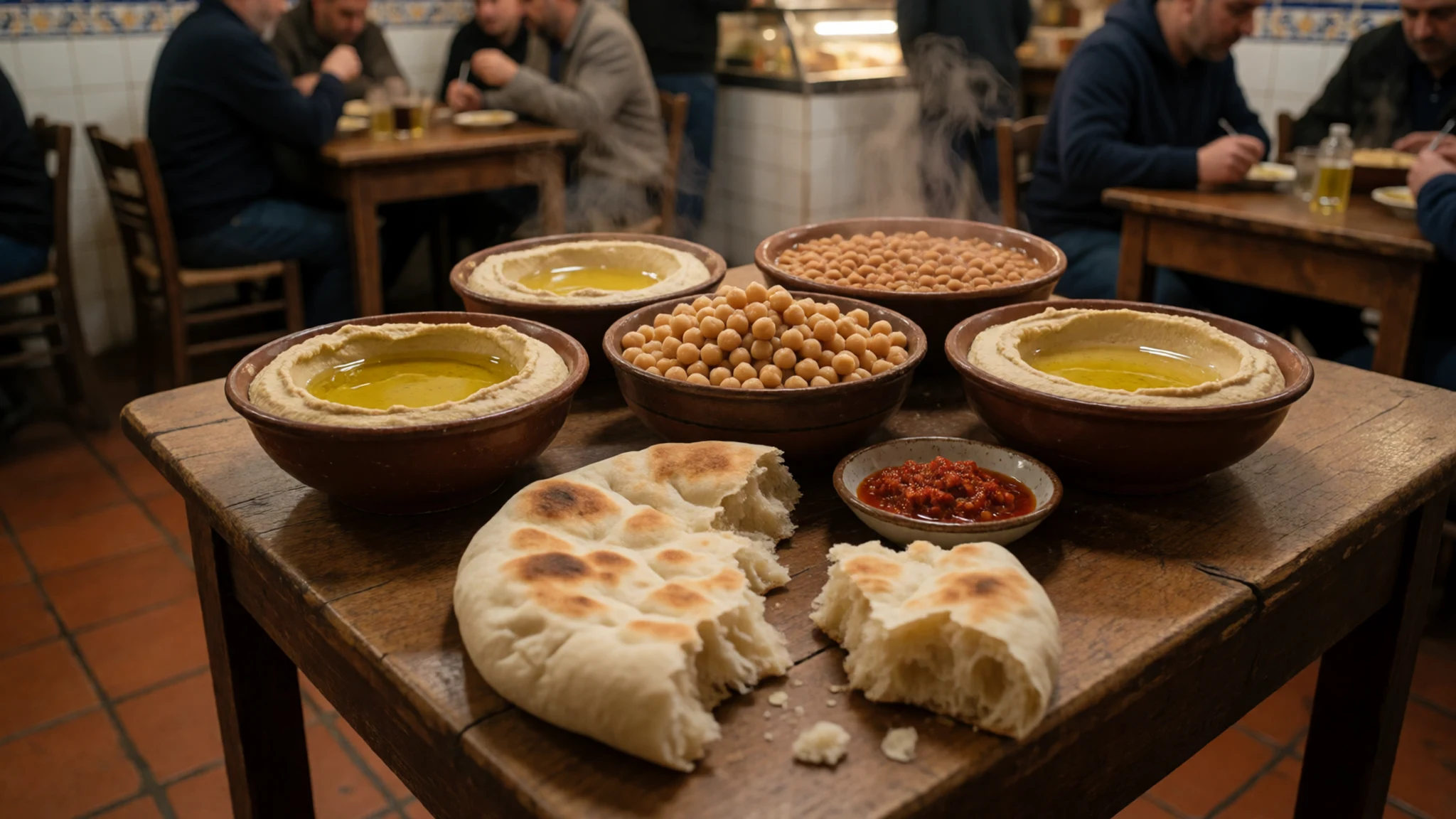
- Pastries from Abouelafia and Sons — a bakery on the quarter's main street
This bakery is famous across Tel Aviv-Jaffa, with trays of pastries and sweet confections filling the counter. Sweet pastries and fresh breads sell quickly on weekend mornings. Arrive early for the best choice and buy a small box to share.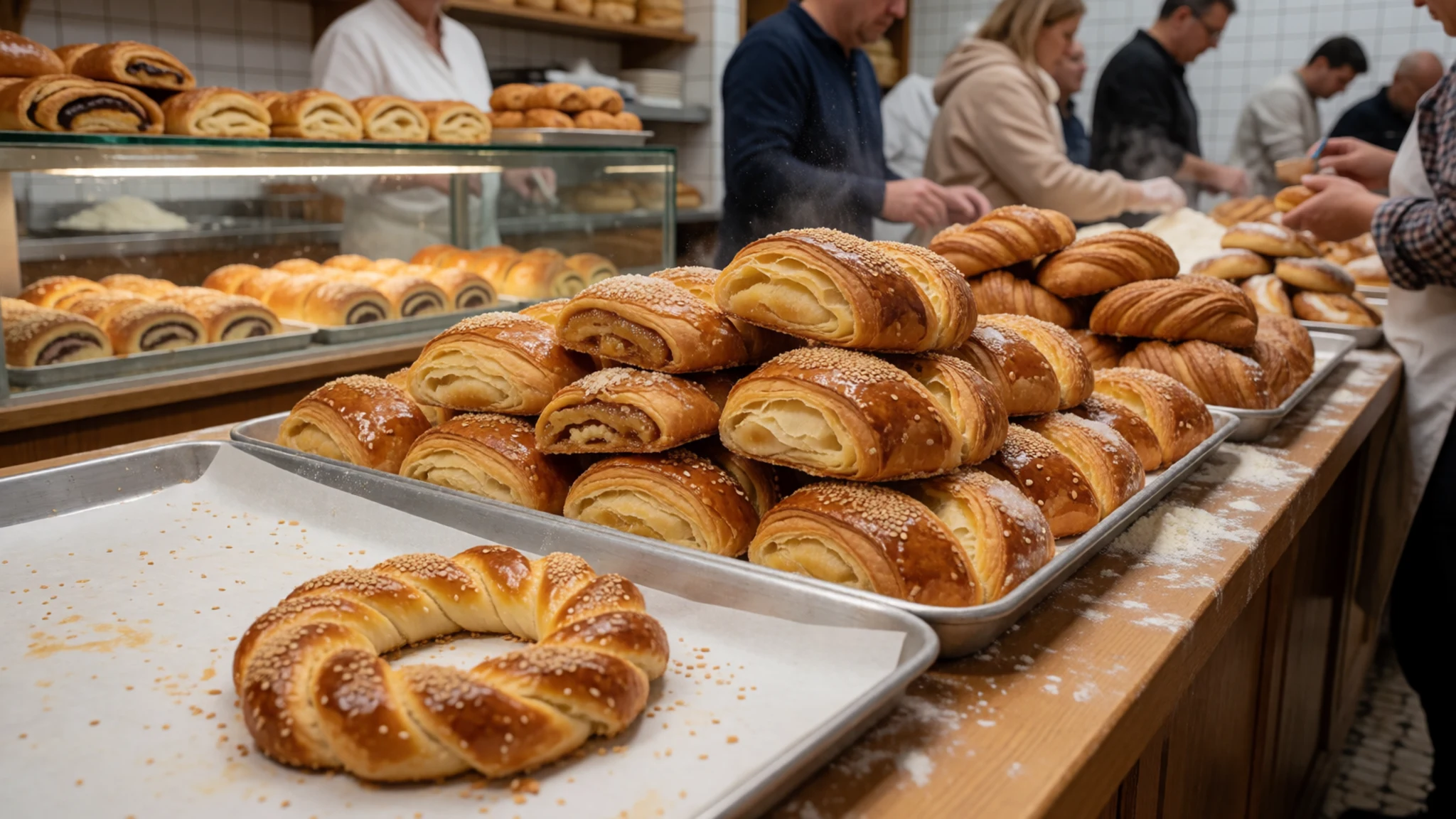
- Grilled fish and seafood — restaurants along the harbour front
Fish from the local boats is grilled simply with lemon, olive oil and herbs. Seafood restaurants along the harbour front serve the catch, though quality and value vary from place to place. Eating at the water's edge in the late afternoon is the most pleasant option. - Salads with grilled meat — meat-focused eateries near the clock tower
Many eateries in the quarter bring a long table of salads first, then grilled steak, kebabs or meat on skewers. The mix of small dishes is shared among the table. The set-up suits groups and a long, relaxed dinner. - Israeli brunch — cafés near the clock tower
Brunch here means a spread of salads, eggs, cheese and fresh bread, often finished with coffee. Cafés near the clock tower serve it through the late morning. Weekend queues are common, so arrive before eleven if you can.
Plan it
Best time. Winter, from December to February, is the coolest stretch for walking the lanes, with highs around 26 to 30 C, though January and December are also the wettest months. Midsummer is hot and humid by the sea, and winter can be damp and windy.
How long. 1–2
Getting there. Ben Gurion Airport is the main international gateway, about a short train or taxi ride from Tel Aviv. From central Tel Aviv, walk south along the beach promenade or take a bus; check the operator's current timetable before you travel.
Budget. mid
Tips
- Walk the promenade from central Tel Aviv for the best approach to the old quarter
- Visit in the morning or on weekdays to avoid the weekend crowds
- Carry cash for small eateries and bakeries, though cards are widely accepted
- Bring water and a hat for the stone lanes in summer
- Allow time for the steep, uneven lanes of the old quarter
Etiquette
- Dress modestly when entering churches and mosques
- Ask before photographing people at work
- Plan around Sabbath closures on Friday evening and Saturday
Nearby
Sources
- Wikidata Q180294 (CC0)
- Wikipedia (rev 1382909199) (CC BY-SA 4.0)
- Wikivoyage (rev 5387384) (CC BY-SA 4.0)
- Photo photos/01-israel-2013-jaffa-01.jpg (CC BY-SA 4.0)
- Photo photos/02-isr-2013-aerial-jaffa-port-of-jaffa.jpg (CC BY-SA 4.0)
- Photo photos/03-pikiwiki-israel-68164-port-of-jaffa.jpg (CC BY 2.5)
- Photo photos/04-isr-2016-jaffa-old-saray-house.jpg (CC BY-SA 4.0)
- Photo photos/05-iaffa-zuallart-jean-1587.jpg (Public domain)
- Photo photos/06-ioppe-bruyn-cornelis-de-1714.jpg (Public domain)
- Photo photos/07-antoine-jean-gros-bonaparte-visiting-the-plague-victims-of-j.jpg (Public domain)
- Photo photos/08-1840-42-royal-engineers-map-of-jaffa.jpg (Public domain)


