Jerusalem
Jerusalem, Israel
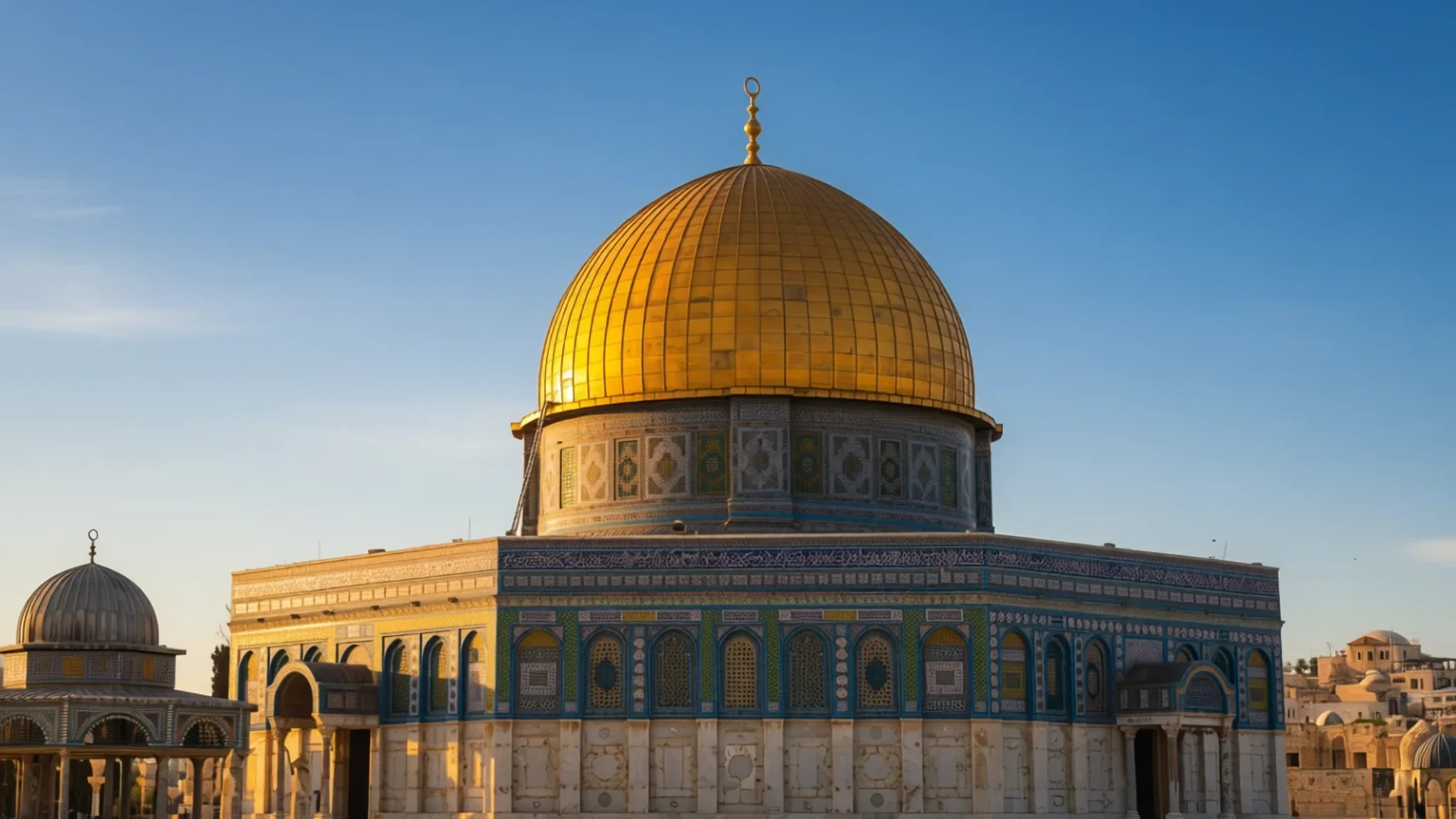
Few cities hold as much history per street as Jerusalem, and the mix of ancient stone, busy markets and modern government buildings makes it worth a long stay.
The place
Jerusalem sits on a plateau in the Judaean Mountains, roughly between the Mediterranean coast and the Dead Sea, at about 754 metres above sea level. Its population is a little over one million, which makes it Israel's largest city, though the city's identity is shaped less by its size than by its religious weight. Judaism, Christianity and Islam all regard it as holy, and that fact runs through almost every neighbourhood. The Old City, inside its historic walls, is the densest concentration of sacred sites, with the Western Wall, the Church of the Holy Sepulchre and the Haram al-Sharif (Temple Mount) all within a short walk of each other. Outside the walls, the city is much more modern: stone apartment blocks, parks, cafés and government offices spread across the hills. The political status of the city is contested. Israel keeps its main government institutions here, while Palestinians look to East Jerusalem as the capital of a future Palestinian state. Neither claim is widely recognised internationally, so visitors will notice that the city is divided in practice between western and eastern parts. Expect security checks at many sites, and treat both sides with the same courtesy.
Its story
Jerusalem is among the longest continuously inhabited cities anywhere, and its recorded history reaches back more than five thousand years. The first settlement appeared around 3000 BCE beside the Gihon Spring, which gave the early inhabitants a reliable water supply. Egyptian execration texts from about 2000 BCE mention the place as Rusalimum, one of the earliest written references to it. By the 17th century BCE the settlement had become a fortified town under Canaanite rule, with substantial walls built to protect its water system. In the Late Bronze Age it fell under Egyptian overlordship, a relationship recorded in the Amarna letters, which are diplomatic correspondence from the period. The city's fortunes changed again around 1000 BCE, when King David took it and made it the capital of his kingdom. His son Solomon built the First Temple, and the city became the centre of a religious life that has never fully left it. After the kingdom divided, Jerusalem served as the capital of Judah until the Neo-Babylonian Empire captured it in 586 BCE. The Babylonians destroyed the Temple and carried much of the population into exile. Later rulers, including Romans, Byzantines, Arab caliphs, Crusaders, Ayyubids, Mamluks and Ottomans, each left their mark on the walls and the streets. The modern division began after the 1948 war, when the city was split between Israeli and Jordanian control until 1967.
What to see
- The Old City walls and quarters — Old City
Walk the ramparts or wander the four traditional quarters inside the walls: Muslim, Christian, Armenian and Jewish. The alleys are narrow, uneven and busy, so wear proper shoes and expect to be steered by shopkeepers. Go in the early morning for quieter lanes and better light on the stone.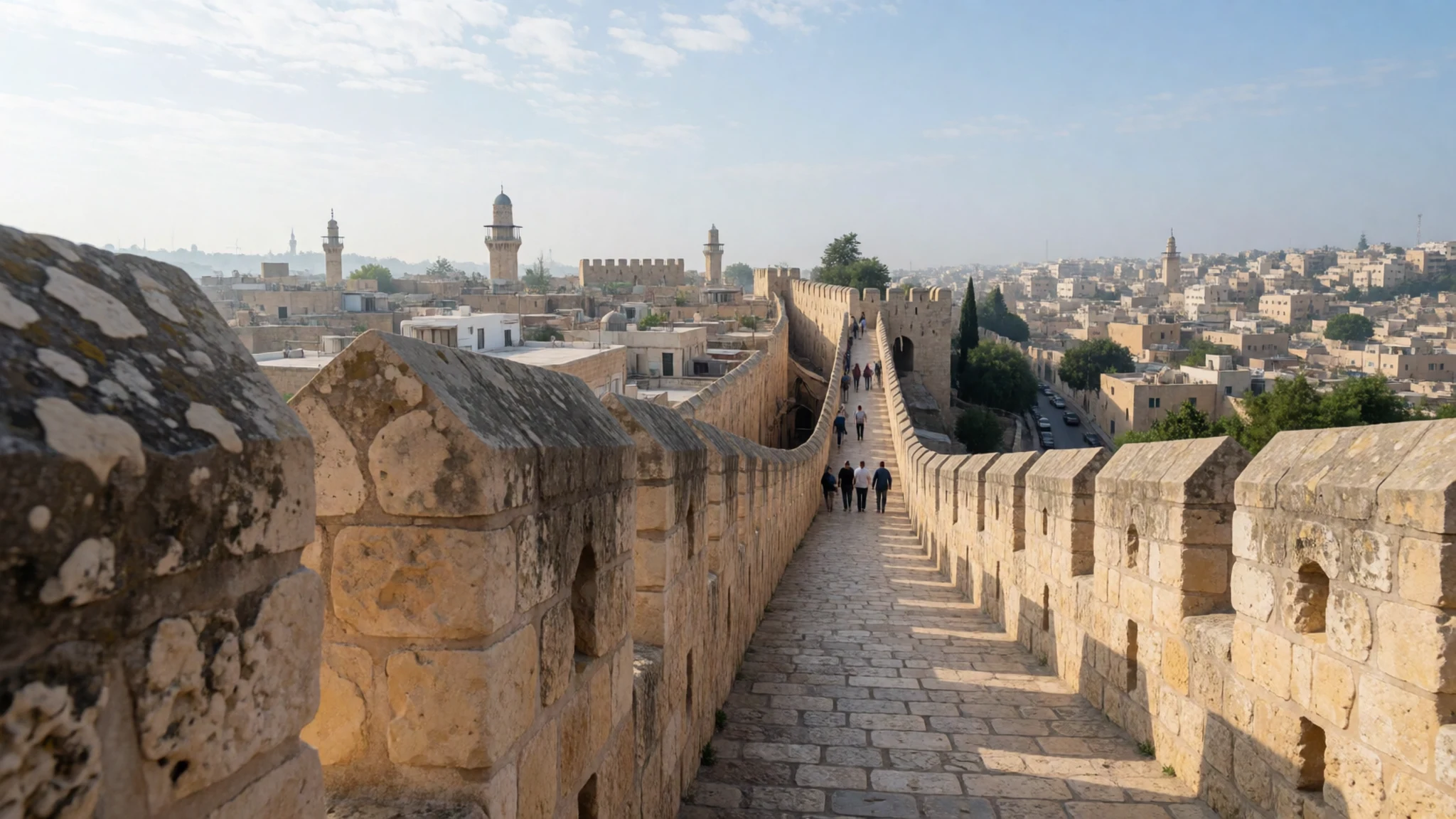
- Mount of Olives viewpoint — Mount of Olives, east of the Old City
The slope east of the Old City offers the classic view across the walls to the gold-domed shrine on the Temple Mount. It is a steep climb or a short taxi ride, and the lookout is busiest near sunset. Bring water, as there is little shade on the paths.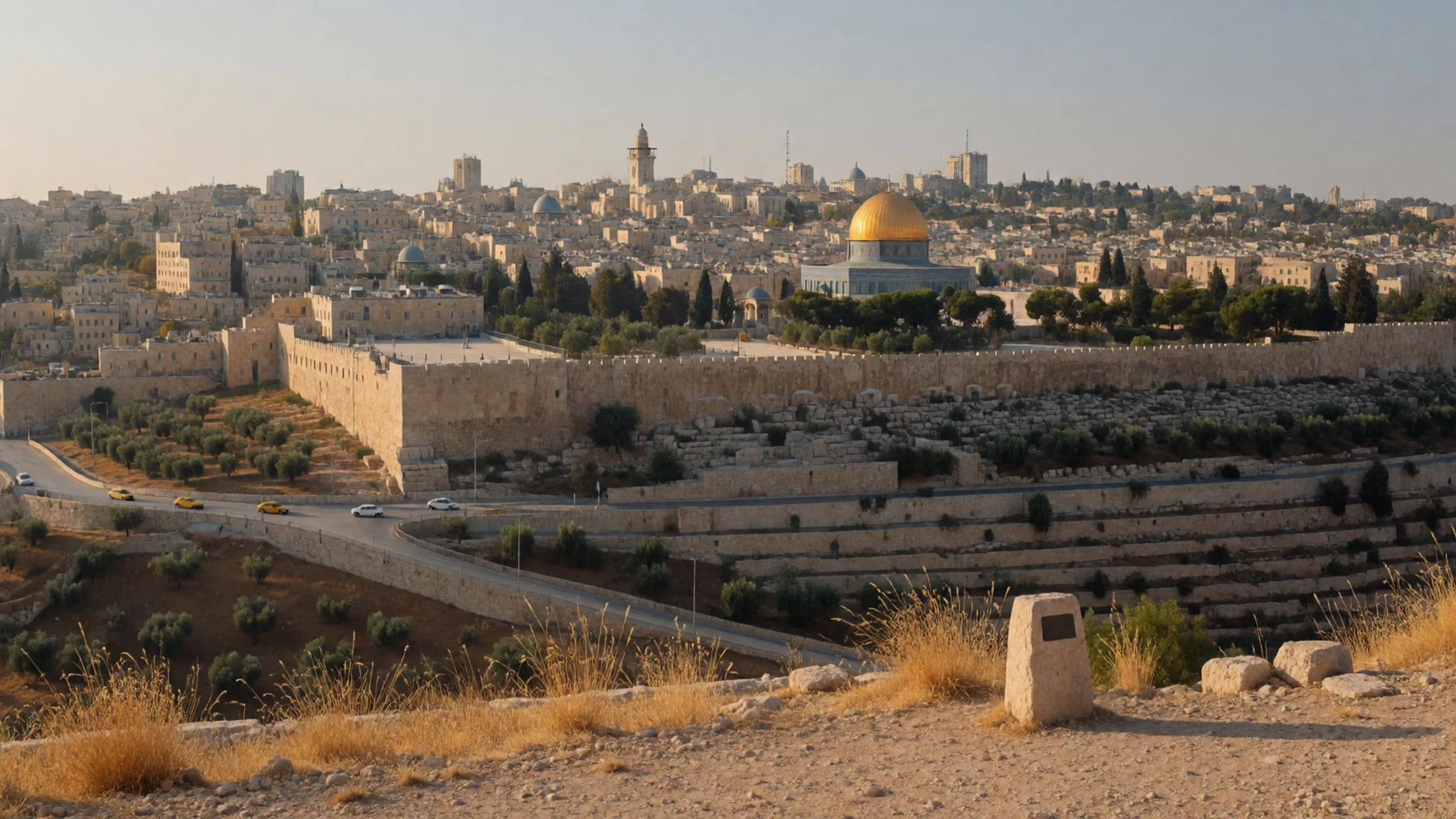
- Israel Museum and the Shrine of the Book — Givat Ram, west Jerusalem
The Israel Museum is one of the country's major cultural institutions, with collections of archaeology, Judaica and both Israeli and European art. The Shrine of the Book houses the Dead Sea Scrolls, found in the mid-20th century in caves near the Dead Sea. The complex is large, so allow at least half a day and check the official site for current opening times and tickets.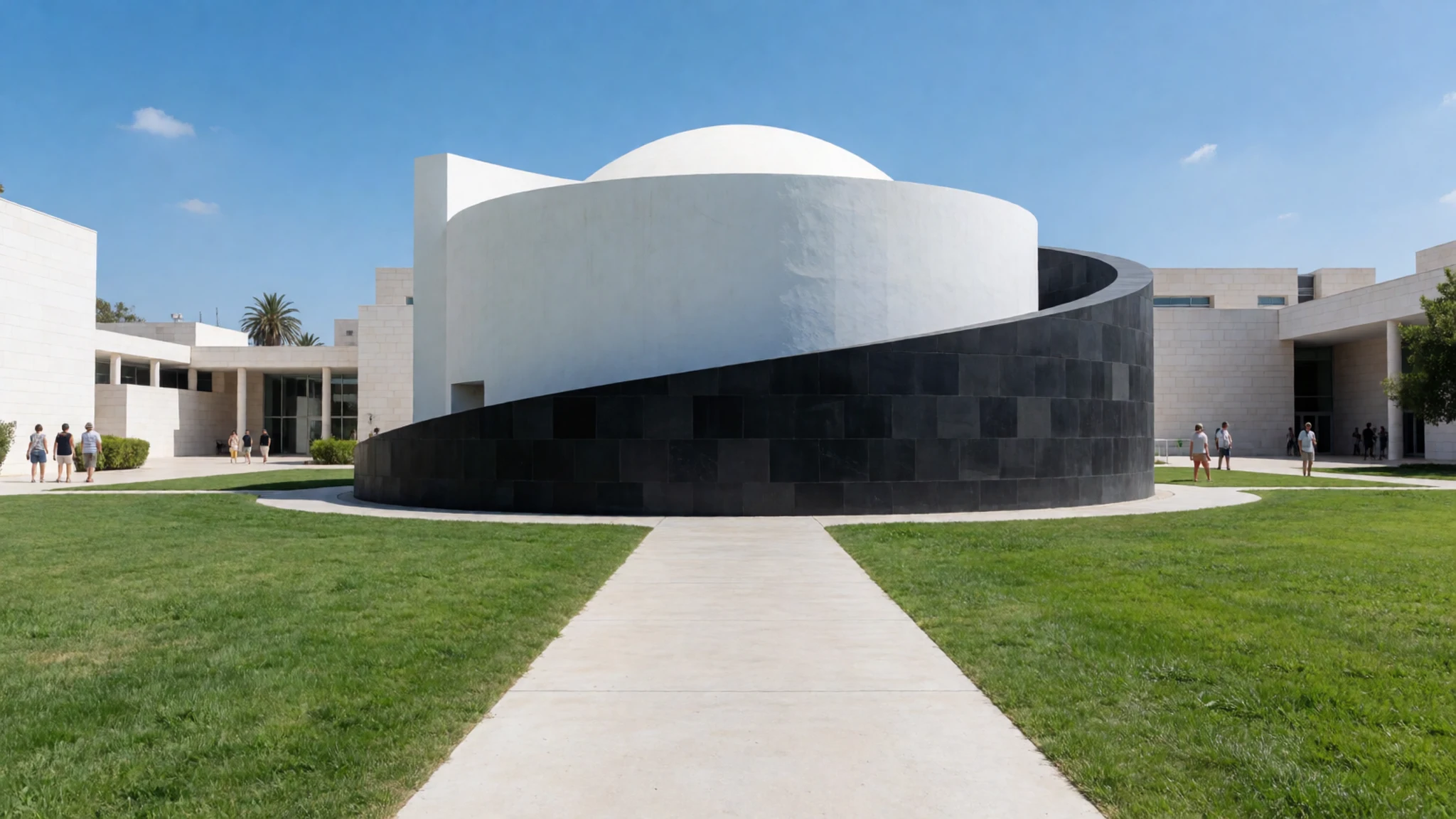
- Rockefeller Museum — East of the Old City, near Damascus Gate
Opened in 1938, the Rockefeller Museum is now a branch of the Israel Museum and focuses on archaeological finds from the region. Its building is a handsome example of the period's architecture and it makes a quieter alternative to the crowds at the Old City. It sits close to the Old City walls, so it is easy to combine with a walk.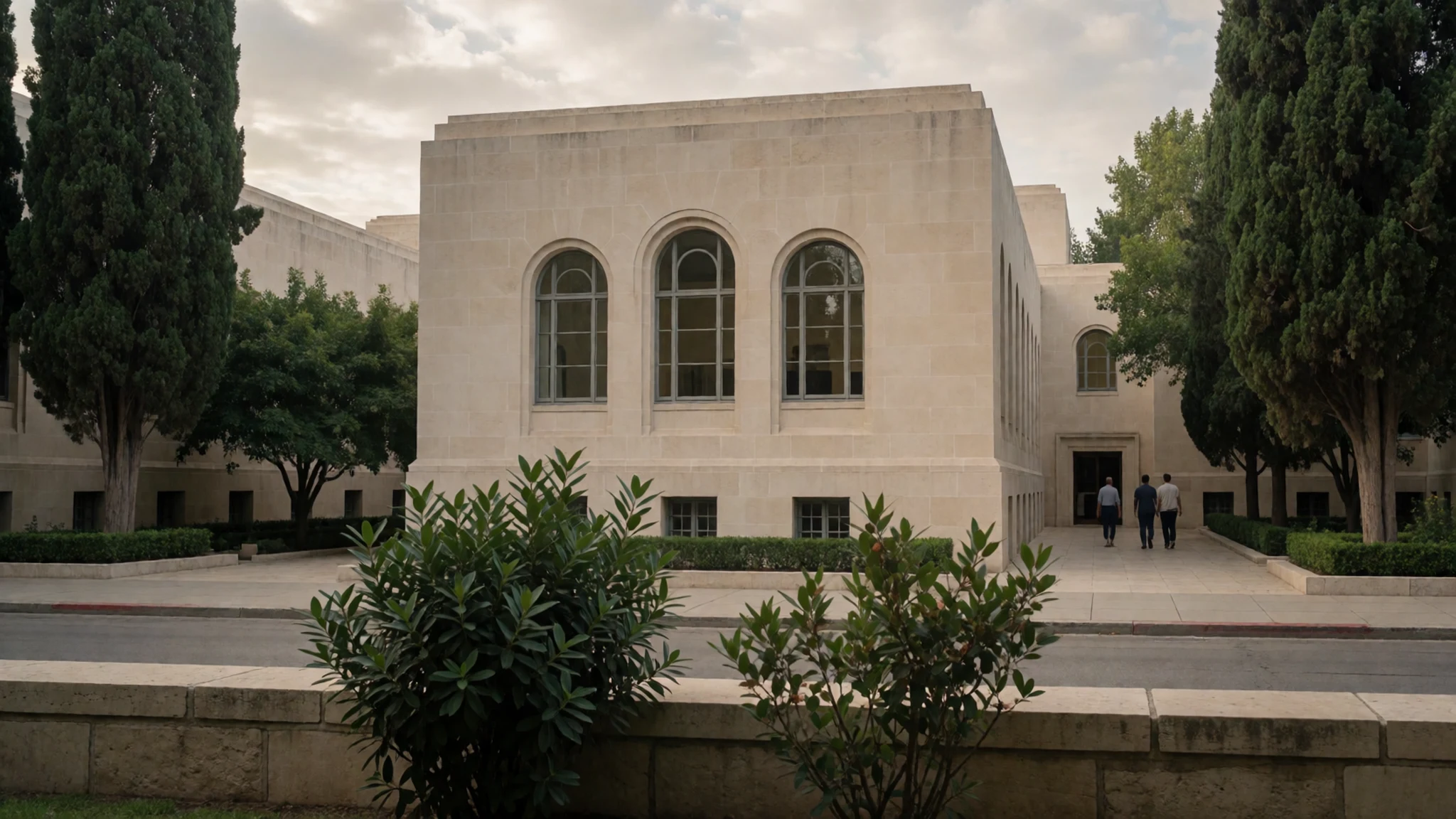
- Mamilla and the walls from above — Mamilla, beside the Old City
The Mamilla district, next to the Jaffa Gate area, is a modern shopping and hotel quarter where the Old City walls are visible at night from rooftop restaurants. It is a good place for an evening stroll and a view of the lit ramparts. Prices here are higher than in the Old City markets, so compare before you sit down.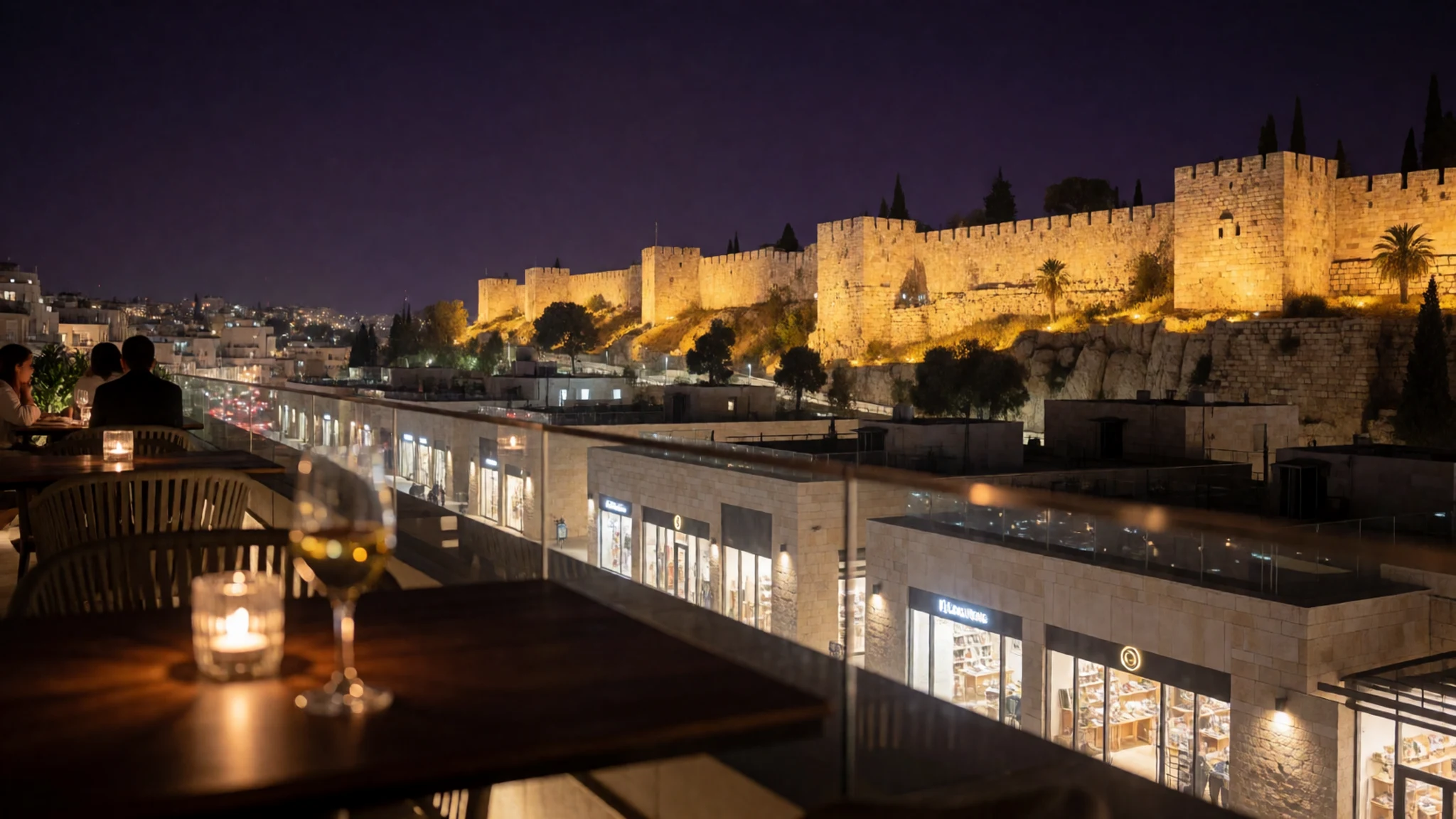
- Knesset and the government quarter — Givat Ram, west Jerusalem
The Knesset, Israel's parliament, stands on a rise in the western part of the city and is open to visitors on guided tours, subject to security. Nearby are other government buildings and museums, so the area is best seen as part of a day out west. Bring photo ID, as you will need it at the entrance.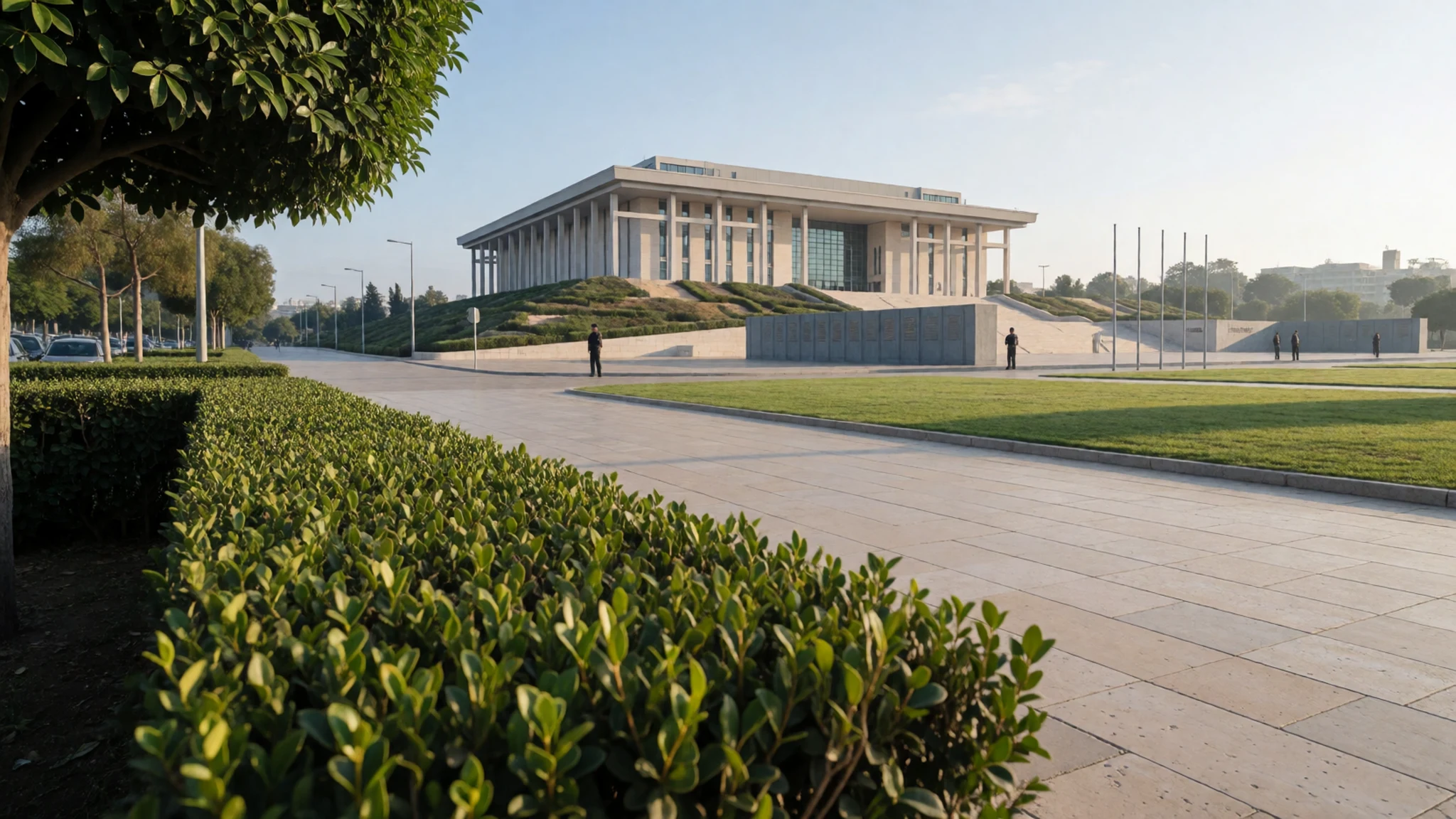
Culture
Jerusalem is known for its religious importance, but it is also home to a wide range of museums, galleries and art programmes. The Israel Museum draws close to one million visitors a year, roughly a third of them tourists, and its youth wing alone welcomes about 100,000 children annually. The city's cultural life follows the rhythm of its faiths. Shabbat, the Jewish day of rest, runs from Friday evening to Saturday evening, and many shops, buses and some attractions stop during those hours. Muslim prayer times shape the pace of the Old City, and Christian festivals bring large processions to the streets around the Church of the Holy Sepulchre. Hebrew and Arabic are both widely spoken, and English is common in tourist areas. Visitors are generally welcome in religious spaces, but dress is expected to be modest, with shoulders and knees covered at most holy sites, and photographing people at prayer without asking is considered rude.
What to wear
Jerusalem has no single traditional costume, because its communities have developed distinct dress over centuries. Palestinian women are known for the tatreez, cross-stitched embroidery in red, green and black on cotton or linen, which decorates dresses and headpieces; a thobe with heavy embroidery is worn mainly for weddings and festivals now. Ethiopian Christian women in the city often wear a white cotton shawl, called a netela, with a coloured border, especially at church. Among Orthodox Jewish men, the black suit and wide-brimmed hat are everyday wear, while many Orthodox women dress modestly with long sleeves and skirts. In the city today, most people dress much as they would in any European or American city, with jeans, trainers and light jackets, though the Old City and religious neighbourhoods tend to be more formal. For a visitor, the key points are modesty and practicality. Cover shoulders and knees for churches, mosques and synagogues, carry a scarf for women who want to enter a mosque, and bring comfortable closed shoes, since the Old City streets are stone, steep and polished by feet. In winter, pack a warm layer, because the city can be cold and wet, and in summer, choose loose cotton clothing and a hat.
What to eat
- Falafel — The stalls around the Central Bus Station and the market streets near Machaneh Yehuda
Fried chickpea balls, often tucked into pita with salads, pickles and tahini, are the everyday food of the city. Go to the busiest stall you can find, since falafel loses its crispness quickly once it sits out of the fryer. The stands around the central bus station are a reliable choice.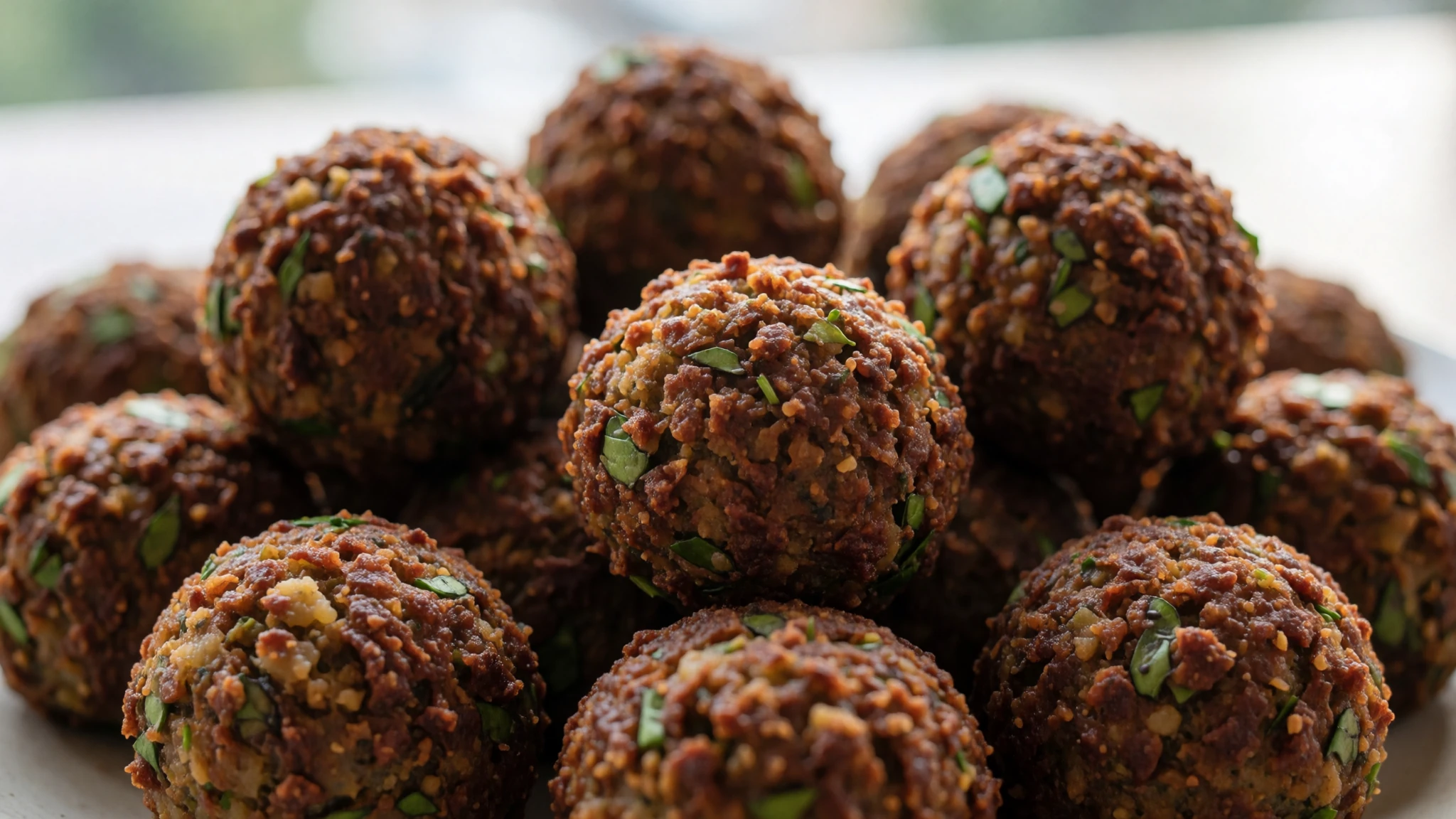
- Hummus and street plates — Neighbourhood eateries in East Jerusalem and along the Old City's market lanes
Hummus served warm with whole chickpeas, olive oil and flatbread is a staple across East Jerusalem. Eat in a plain, busy eatery where local families order, since those places are usually the best value. Look for the ones with a short menu and a steady queue.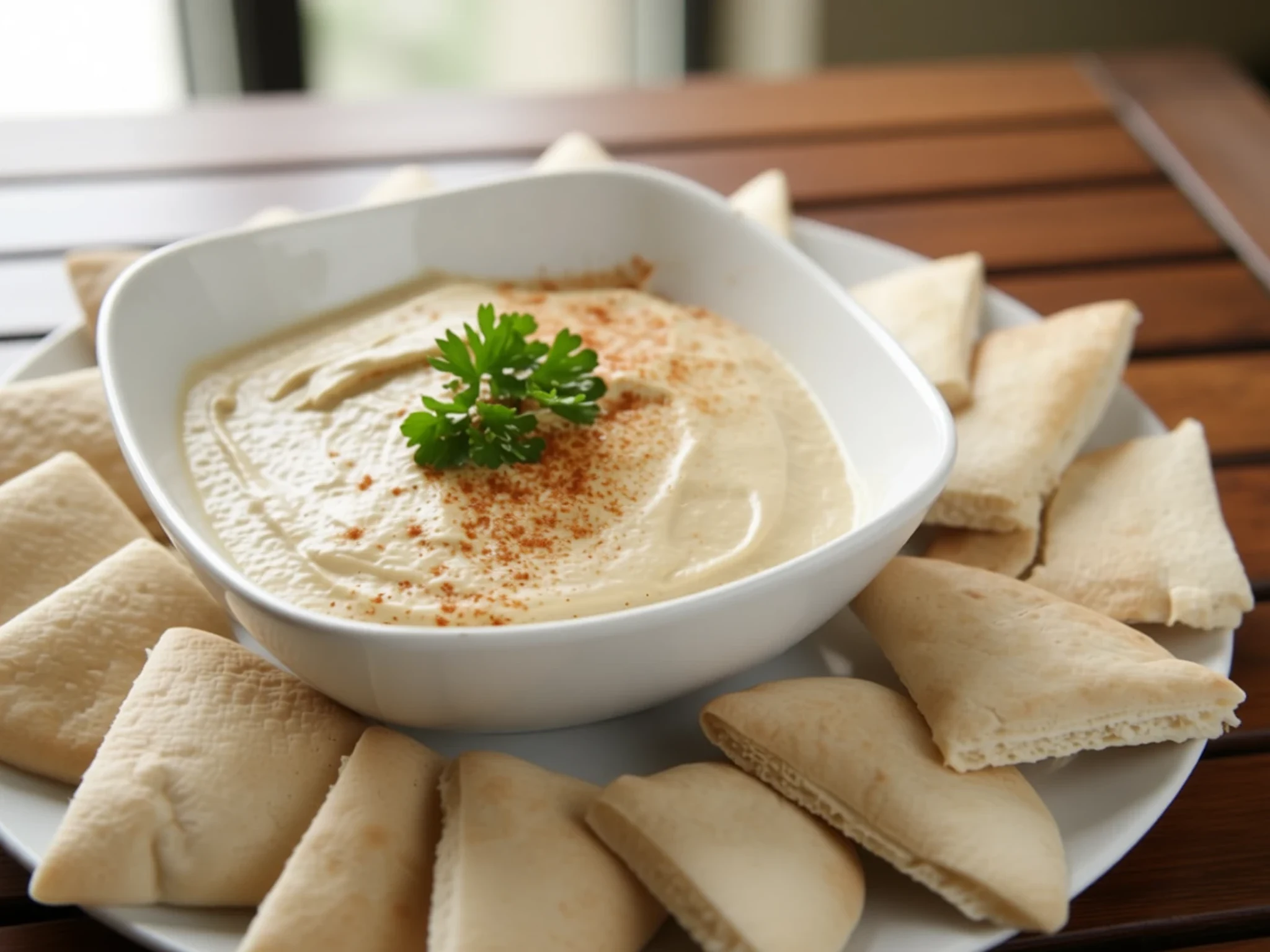
- Ethiopian stews and injera — Ethiopian restaurants in the city centre and on quieter side streets in the west
The city has a long-established Ethiopian community, and their restaurants serve spiced stews with a soft, sour flatbread called injera. The food is served on a shared platter and eaten with the bread rather than cutlery. It is an inexpensive and filling meal, and the cooking style is quite distinct from the rest of the city's food. - Arab pastries and sweets — Bakeries and sweet shops in the Old City's market lanes
Bakeries in the Old City and East Jerusalem sell sweets made with semolina, pistachio and syrup, along with fresh bread and savoury pastries. Buy a small box to take away, and ask for a taste before you commit. Go in the morning, when the trays are freshest. - Modern Israeli dishes — Restaurants in the western city centre and the Emek Refaim neighbourhood
Chefs in the western city combine Middle Eastern ingredients with European technique, producing dishes like roasted vegetables with labneh and grilled fish with herbs. These restaurants are pricier and often busy in the evening, so reserve ahead. If you keep kosher, you will find many options marked accordingly, and the city is a good place to do so.
Plan it
Best time. December to February is the coolest stretch, with highs of about 26 to 30 °C and nights near freezing, though it is also the wettest, while June to September is the hottest and driest, with highs above 40 °C. Summer is dry and hot, and winter is cooler and wetter, so pack accordingly in either season.
How long. 3–4
Getting there. Fly into Ben Gurion International Airport (TLV), which lies beside the highway to Jerusalem. The journey to the city centre takes about 40 to 50 minutes, or longer in heavy traffic. A rail line from the airport opened in 2018. Bus services from the airport have changed recently, so check the current timetable before you travel.
Budget. mid
Tips
- Book the Old City visits for early morning, when lanes are quieter and tour groups have not yet arrived
- Check the official site for opening hours before you visit, since Shabbat and religious holidays change them
- Carry some cash for small stalls and bakeries, though most restaurants and shops accept cards
- Drink water regularly, especially in summer, and carry a hat for the stone streets
- Plan the Mount of Olives walk for the late afternoon and allow time to get back before dusk
Etiquette
- Dress modestly at holy sites, covering shoulders and knees
- Ask before photographing people, especially those praying
- Avoid the Old City's religious areas on Shabbat evenings, when many services and shops close
Nearby
Sources
- Wikidata Q1218 (CC0)
- Wikipedia: Jerusalem (rev 1382513533) (CC BY-SA 4.0)
- Wikivoyage: Jerusalem (rev 5405797) (CC BY-SA 4.0)
- Dome of the Rock seen from the Mount of Olives, askii (CC BY-SA 2.0)
- Heritage site photo, Ron Kishnevsky (CC BY-SA 4.0)
- Shamai 25, Zion Square, Efib007 (CC BY-SA 4.0)
- Old city walls and Mamilla at night, Navot Miller (CC BY 3.0)
- Billy Rose Art Garden, Edmund Gall (CC BY-SA 2.0)
- East Jerusalem, The Old City, Kyle Taylor (CC BY 2.5)
- Temple Mount aerial view (2007), Godot13 (CC BY-SA 4.0)
- Knesset building, Hagai Agmon-Snir (CC BY-SA 4.0)


