Ashdod
Ashdod, Israel
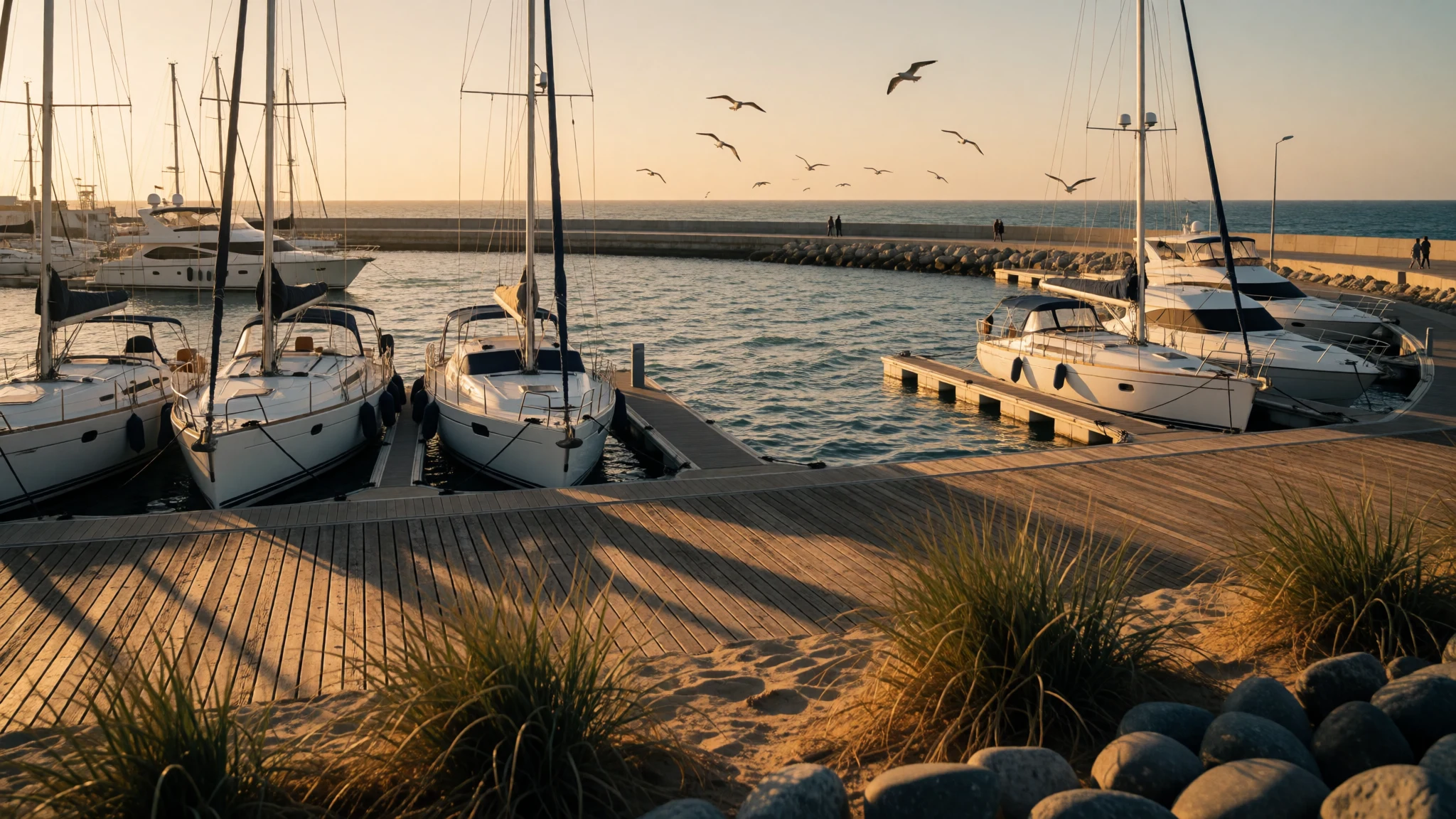
Ashdod offers a dynamic Mediterranean coastal escape with deep ancient history, expansive sandy beaches, and a vibrant multicultural immigrant heritage.
The place
Ashdod is a bustling coastal hub situated along the Mediterranean shoreline in Israel's Southern District. Home to a population of about 226,000 residents, it functions as the nation's premier maritime gateway, housing the largest port facility in the country, which handles a vast majority of incoming cargo. Modern Ashdod was officially established in the mid-twentieth century, rising across coastal sand dunes a short distance away from historical settlements that date back millennia. The city is celebrated for its remarkable cultural diversity, having successfully welcomed generations of newcomers from across the globe. Today, it hosts significant communities with roots in Morocco, Georgia, and other diverse regions, creating a unique urban texture where traditional customs blend seamlessly with contemporary seaside living. Long stretches of pristine golden beaches line the western boundary of the municipality, drawing swimmers, surfers, and strollers throughout the warmer months. Inland, wide avenues connect quiet residential neighbourhoods, bustling commercial squares, and modern cultural institutions. While industry thrives in the northern zones alongside the riverbanks, the rest of the city maintains a relaxed Mediterranean rhythm, punctuated by open parks, seaside promenades, and lively public plazas that invite visitors to pause and take in the sea breeze.
Its story
The historical roots of Ashdod stretch back far beyond its modern foundations, tracing an ancient narrative of trade, conquest, and civilization. Archaeological discoveries reveal early human presence, while the nearby ruins of historical settlements testify to a continuous urban story beginning centuries before the common era. In antiquity, the region flourished as a prominent maritime centre and served as one of the five major city-states of the Philistines, finding frequent mention in biblical texts. Throughout succeeding eras, the strategic coastal location changed hands repeatedly, passing through the control of various empires, kingdoms, and regional governors who recognized its maritime value. The ancient port city, situated slightly apart from the inland urban core, operated as an active harbour for centuries before eventually falling into quiet neglect during the medieval period. For generations, the landscape remained largely defined by shifting sand dunes and agricultural lands surrounding the traditional village of Isdud. The mid-twentieth century marked a dramatic turning point when planners laid out the grid for the modern city, breathing new life into an ancient name. Today, municipal projects and archaeological excavations continue to unearth and preserve these layered chapters, allowing visitors to explore everything from medieval fortifications and ancient port remains to modern galleries dedicated to the enduring heritage of the region's earliest inhabitants.
What to see
- Givat Yonah — Northern Ashdod
Rising as the highest point in the municipal area, this elevated hill is traditionally associated with the prophet Jonah, who is believed to be laid to rest here. A historic lighthouse stands at the summit, offering sweeping panoramic views over the sprawling urban grid and the open Mediterranean waters.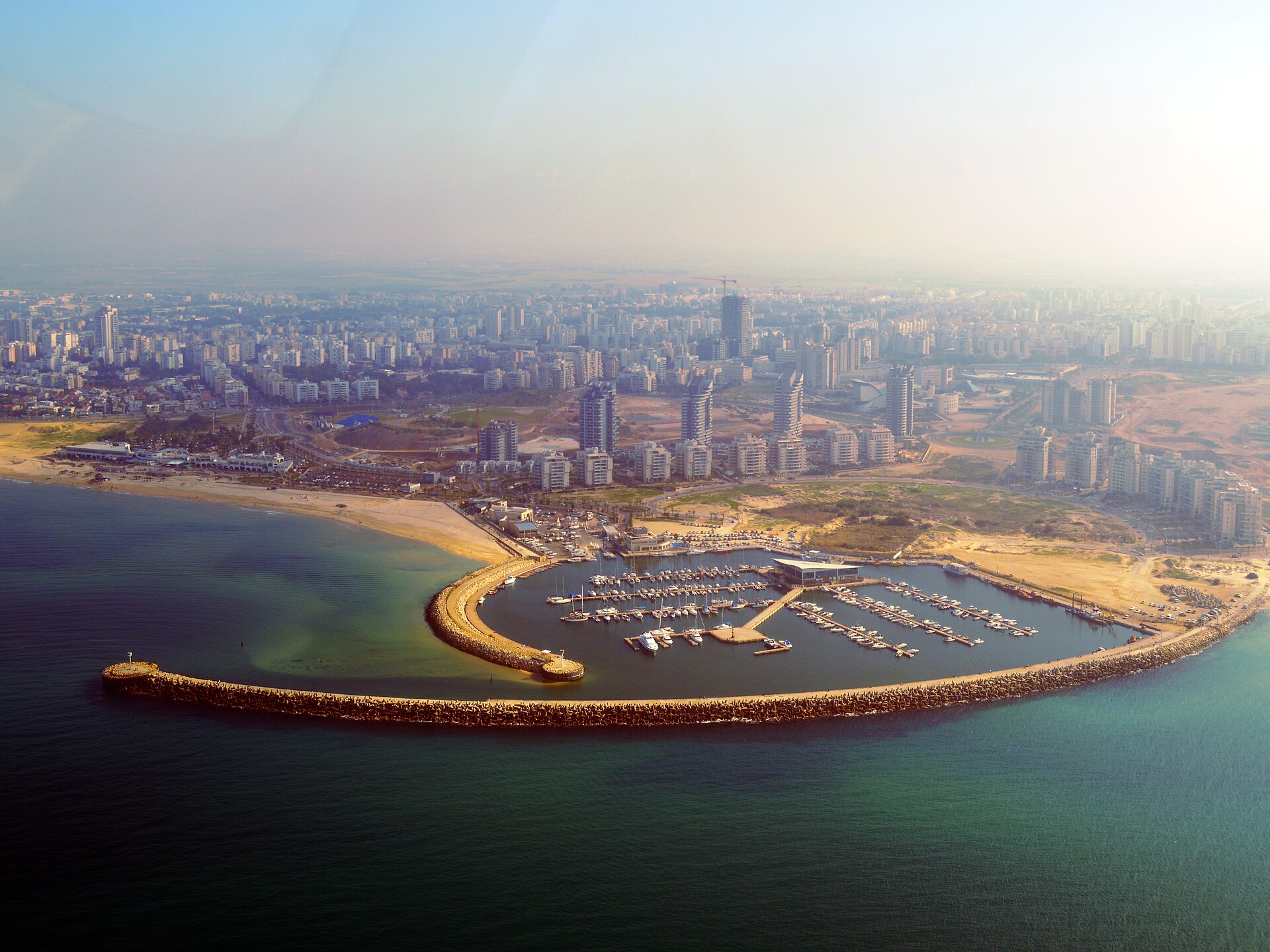
- Ashdod Yam Ruins — Southwestern coastline
Located southwest of the modern residential quarters, these archaeological remains mark the site of the ancient coastal port that operated for centuries. Visitors can explore the stone structures of a large medieval fortress that stood watch over the shoreline until it was abandoned in the thirteenth century.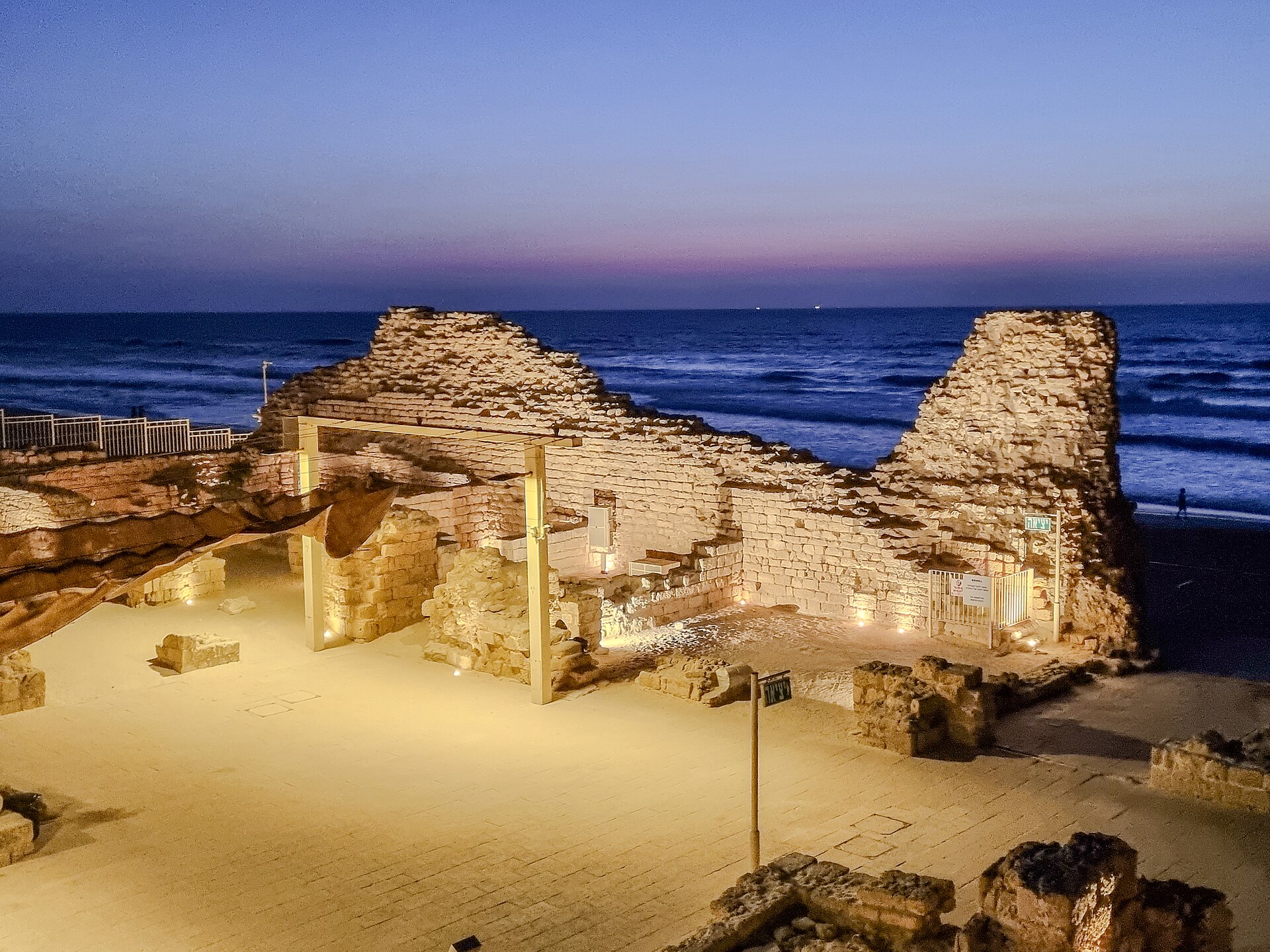
- Lachish Park — Northern river valley
Stretching along the southern banks of the Lachish river as it flows toward the sea, this verdant green space provides walking paths, quiet picnic areas, and a compact local zoo. It serves as a favored gathering spot for local residents and an important corridor for seasonal birdwatchers.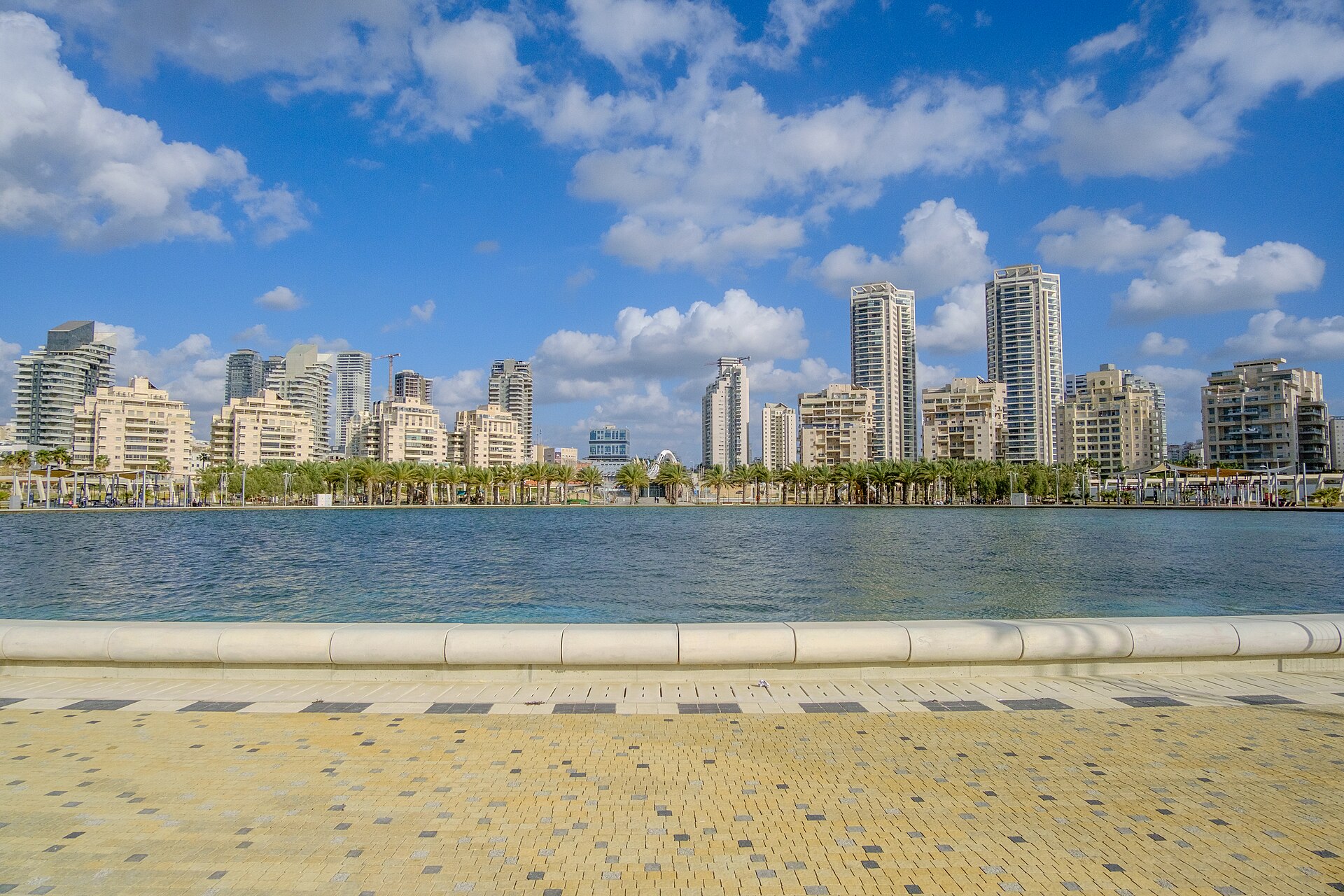
- Ashdod Museum of Art — Cultural Centre district
Housed within the MonArt cultural complex, this distinctive gallery features a cluster of exhibition halls designed around a striking glass pyramid entrance. The institution showcases contemporary visual arts, temporary exhibitions, and works by diverse regional and international creators.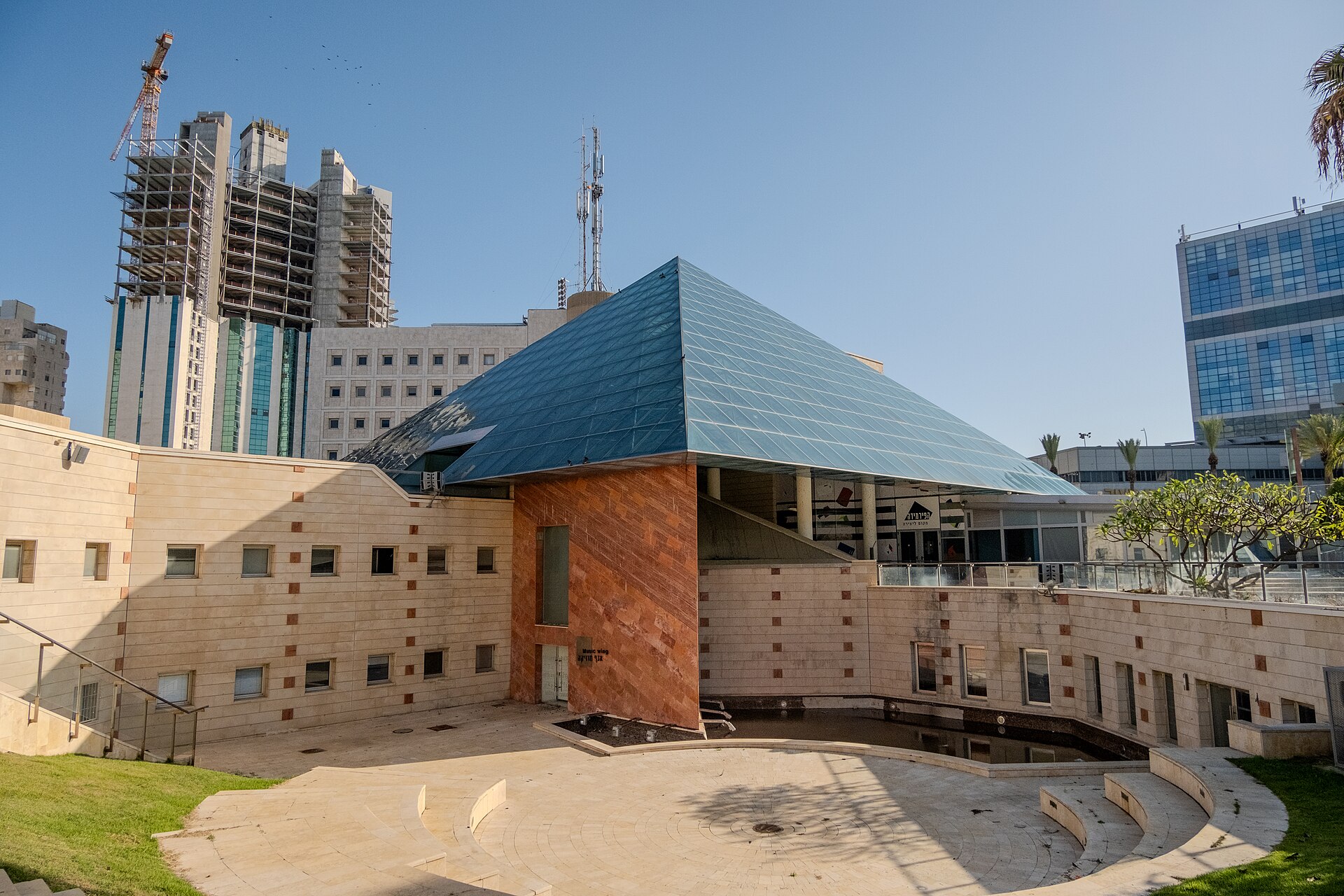
- Corinne Mamane Museum of Culture — City centre
As a unique institution dedicated entirely to the heritage of the ancient Philistines, this museum utilizes modern interactive displays and archaeological artifacts to interpret the daily life, art, and history of one of the region's most famous biblical civilizations.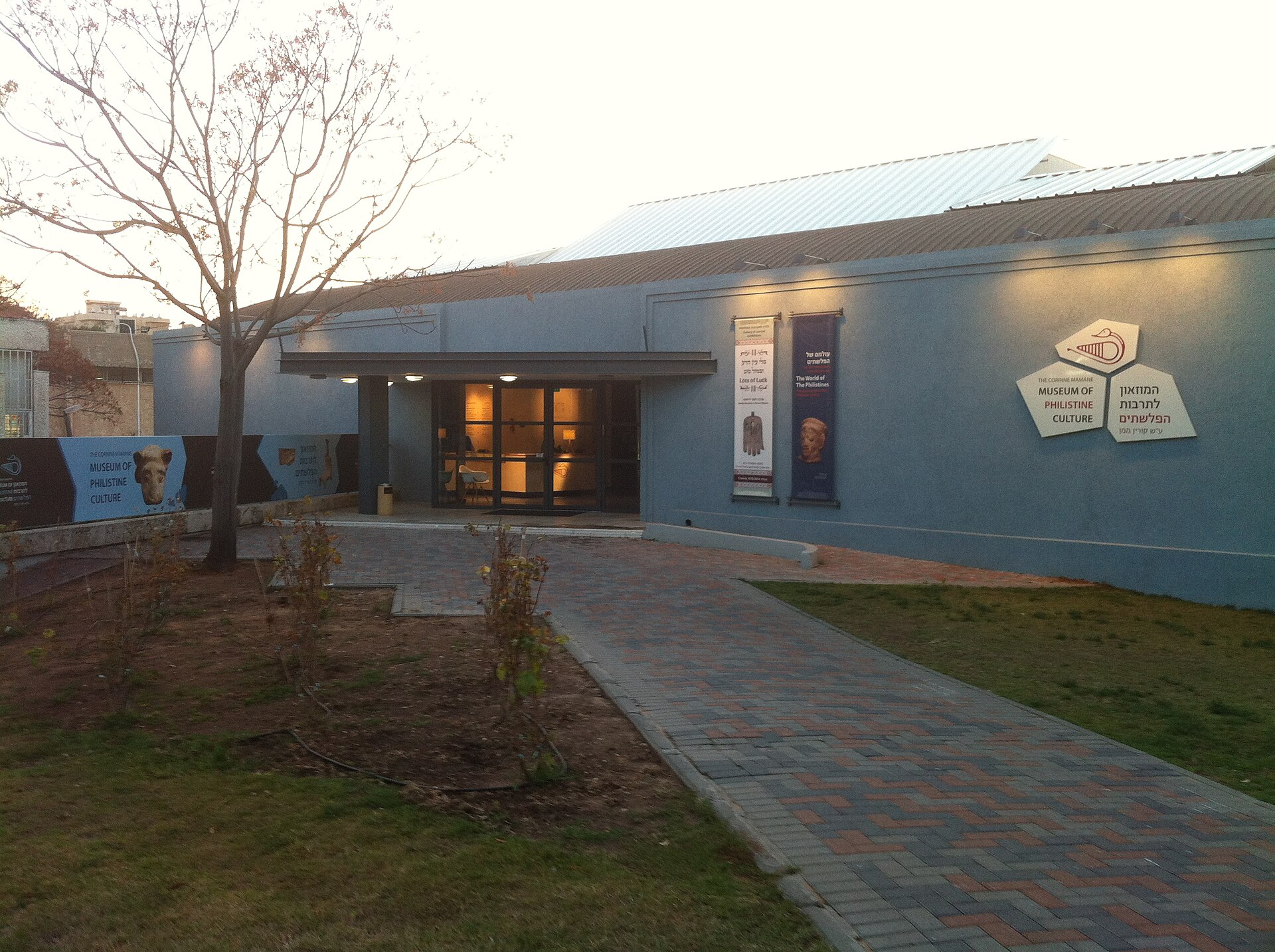
Culture
Ashdod pulses with a dynamic cultural rhythm shaped by its diverse immigrant communities and coastal setting. The performing arts scene thrives through institutions like the renowned Israeli Andalusian Orchestra, which preserves and revitalizes classical Andalusian musical traditions, and the modern Performing Arts Center, which hosts major concert series, theatrical productions, and festivals such as the annual jazz celebration. Museums and community galleries further enrich the public sphere by highlighting both ancient history and contemporary creative expression. Residents take immense pride in their multicultural heritage, resulting in vibrant neighborhood celebrations, diverse culinary traditions, and an atmosphere that feels simultaneously welcoming and deeply rooted. When visiting places of worship or traditional community centers, dress modestly and respect local customs by keeping shoulders and knees covered.
What to wear
Fashion in Ashdod mirrors its Mediterranean climate and multicultural population. Traditional attire is rarely seen outside of specific ceremonial contexts, though traditional embroidery and textiles occasionally surface in community celebrations and cultural festivals reflecting Moroccan and Georgian heritages. For everyday wear, locals favor comfortable, lightweight casual clothing suited to warm temperatures and high coastal humidity, including breathable cotton shirts, denim, and sandals. Visitors should pack light layers for warm days, alongside a light jacket or sweater for cooler winter evenings or breezy seaside walks. When planning visits to religious sites or conservative neighborhoods, ensure you carry clothing that provides modest coverage for shoulders and knees. Sturdy footwear is recommended if you plan to explore archaeological parks or walk along sandy coastal dunes.
What to eat
- Seafood and Coastal Mezes — Restaurants along the marina and northern beach areas
Fresh catches from the Mediterranean are prepared across numerous seaside eateries, frequently served alongside an assortment of traditional vegetable salads, dips, and freshly baked breads. - Moroccan Fish and Stews — Local family-run eateries throughout the central districts
Reflecting the city's largest diaspora community, aromatic spiced fish dishes simmered in tomatoes, peppers, and paprika offer a rich taste of North African culinary heritage. - Georgian Pastries and Breads — Speciality bakeries across residential neighbourhoods
Warm, cheese-filled bread boats and savory baked specialties represent the vibrant culinary traditions of the world's largest Georgian Jewish community residing here. - Street Falafel and Hummus — Central bus station and commercial strips
Crisp chickpea fritters served in warm flatbreads with tahini, pickles, and fresh salads provide a quick, affordable, and satisfying snack throughout the city.
Plan it
Best time. March to May and October to November offer pleasant, moderate temperatures ideal for exploring outdoors; summer months from June onward bring intense heat and high humidity.
How long. 2–3
Getting there. Frequent intercity bus services connect Ashdod directly to Tel Aviv, Jerusalem, and Beer Sheva via the central bus station; rail connections also link the city to the national railway network.
Budget. mid
Tips
- Check the official municipal tourism website for up-to-date event schedules and museum opening hours.
- Be prepared for high humidity when visiting outdoor coastal sites during the summer months.
- Carry bottled water and sun protection when exploring archaeological parks and open beaches.
- Use local bus networks or taxis to navigate between the dispersed beach zones and cultural centers.
Etiquette
- Dress modestly when visiting religious sites or traditional community institutions.
- Ask permission before photographing individuals in local markets or neighborhoods.
Nearby
Sources
- Wikidata Q171639 (CC0)
- Wikipedia (rev 1381958940) (CC BY-SA 4.0)
- Wikivoyage (rev 5393884) (CC BY-SA 4.0)