Ein Avdat
Ein Avdat, Israel
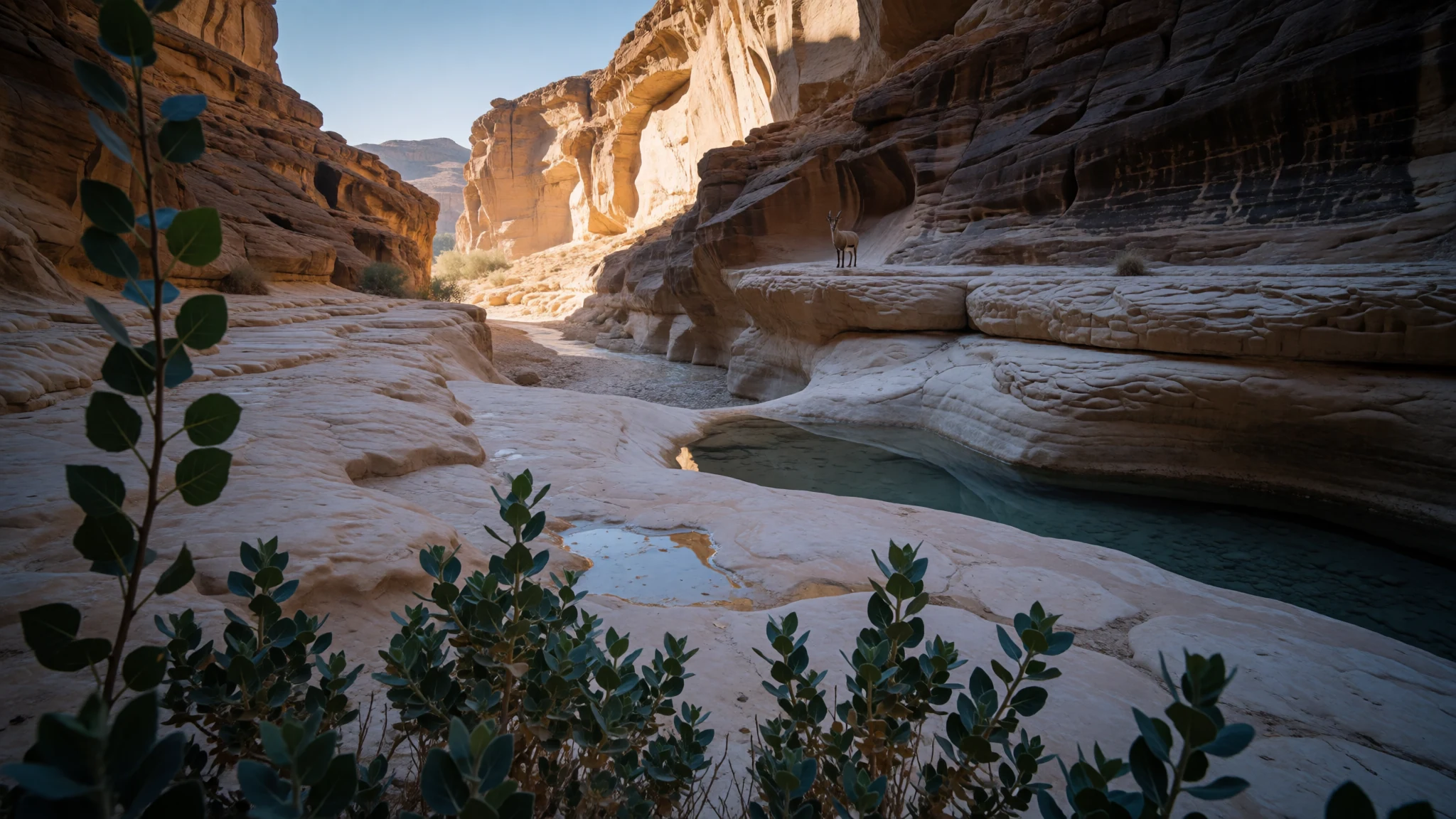
Descend into a dramatic desert canyon where freshwater springs feed quiet pools, ancient caves, and resilient poplars amid the vast Negev wilderness.
The place
Ein Avdat is a striking desert canyon carved into the landscape of the Negev Desert, located just south of Kibbutz Sde Boker. The gorge forms part of Nahal Zin, which stands as the largest dry riverbed across the region, beginning at the northwestern edge of Makhtesh Ramon before winding its course north and east. Geological forces shaped this dramatic ravine through sustained erosion, cutting deep layers of rock where natural freshwater springs break through the arid surface. These springs empty into clear, deep pools fed by a succession of waterfalls, creating a stark and beautiful contrast against the surrounding desert walls. Salt-tolerant vegetation, including slender poplar trees and hardy atriplex shrubs, clings to the damp earth near the watercourses, offering shade and shelter for local wildlife such as ibex. The canyon combines geological grandeur with fragile desert wetlands, drawing travellers who journey into the heart of the southern wilderness to witness water thriving in an otherwise dry expanse.
Its story
Human history in the canyon reaches far back into prehistory, witnessed by numerous flint artefacts left behind by early hunting groups. Investigators have uncovered hand-held implements and cutting tools originating from the Paleolithic and Mesolithic eras, alongside ostrich eggshells and animal remains that document the changing fauna over millennia. During antiquity, the location gained strategic importance when Avdat developed into an active station along the ancient Nabatean Incense Route, which channelled trade from Egypt through the Arabian Peninsula toward distant markets. Agricultural terraces and settlements expanded during the early Roman period as forts grew into bustling desert communities. Later, during the Byzantine era, Christian monks chose the secluded gorge as a place of solitary devotion. They carved living quarters, staircases, water storage systems, and benches directly into the soft rock walls of the caves, adorning the limestone surfaces with painted crosses and prayers. This layering of prehistoric campsites, Nabatean trading posts, and monastic hermitages gives the gorge a profound historical resonance.
What to see
- Ein Ma'arif — Southern end of the canyon
The southernmost spring area features a sequence of flowing waterfalls and secluded pools tucked against towering rock faces. A historic Byzantine fortress stands sentinel above the spring and its adjacent ancient agricultural terraces, overlooking the wider sweep of the valley.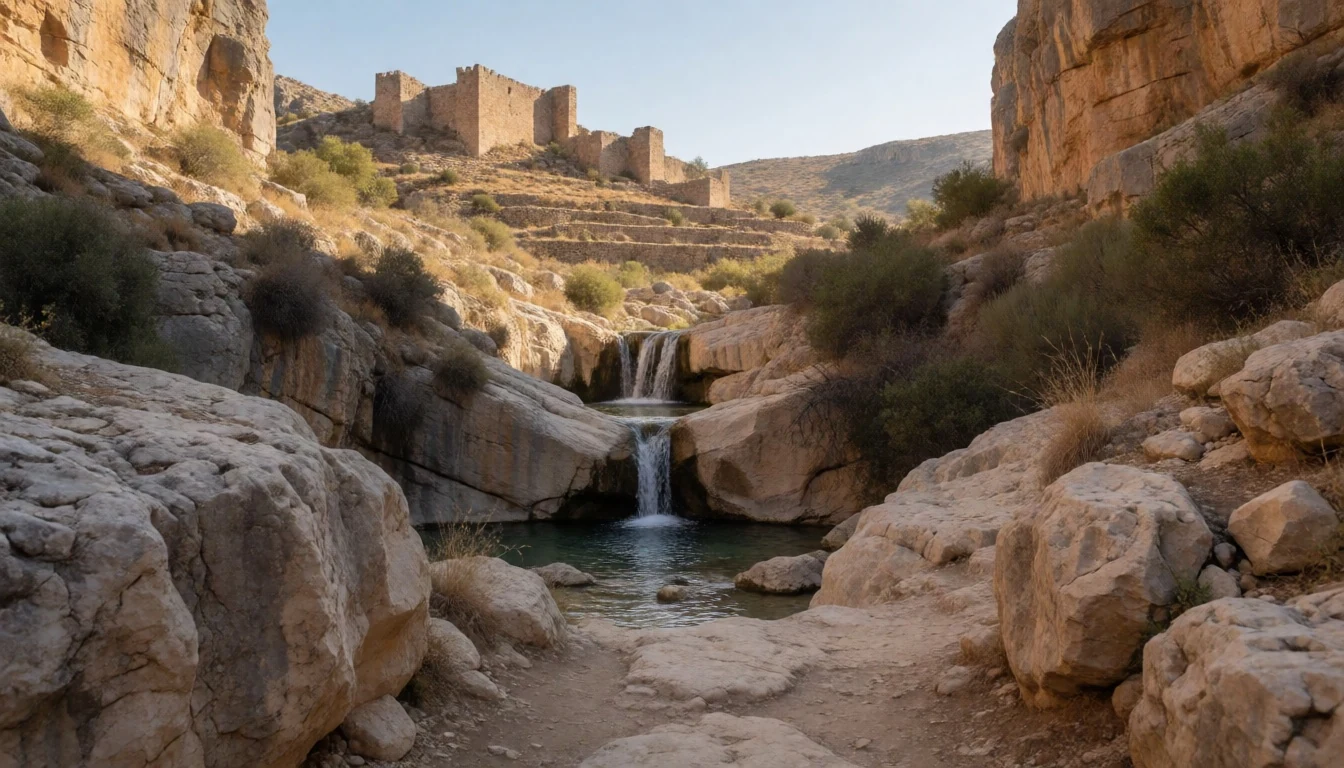
- Ein Avdat Waterfall — Central canyon sector
A dramatic waterfall drops into a deep pool of cool water divided by a small artificial barrier. Towering cliff faces frame the basin, where visitors often spot local wildlife gathering near the moist rock ledges.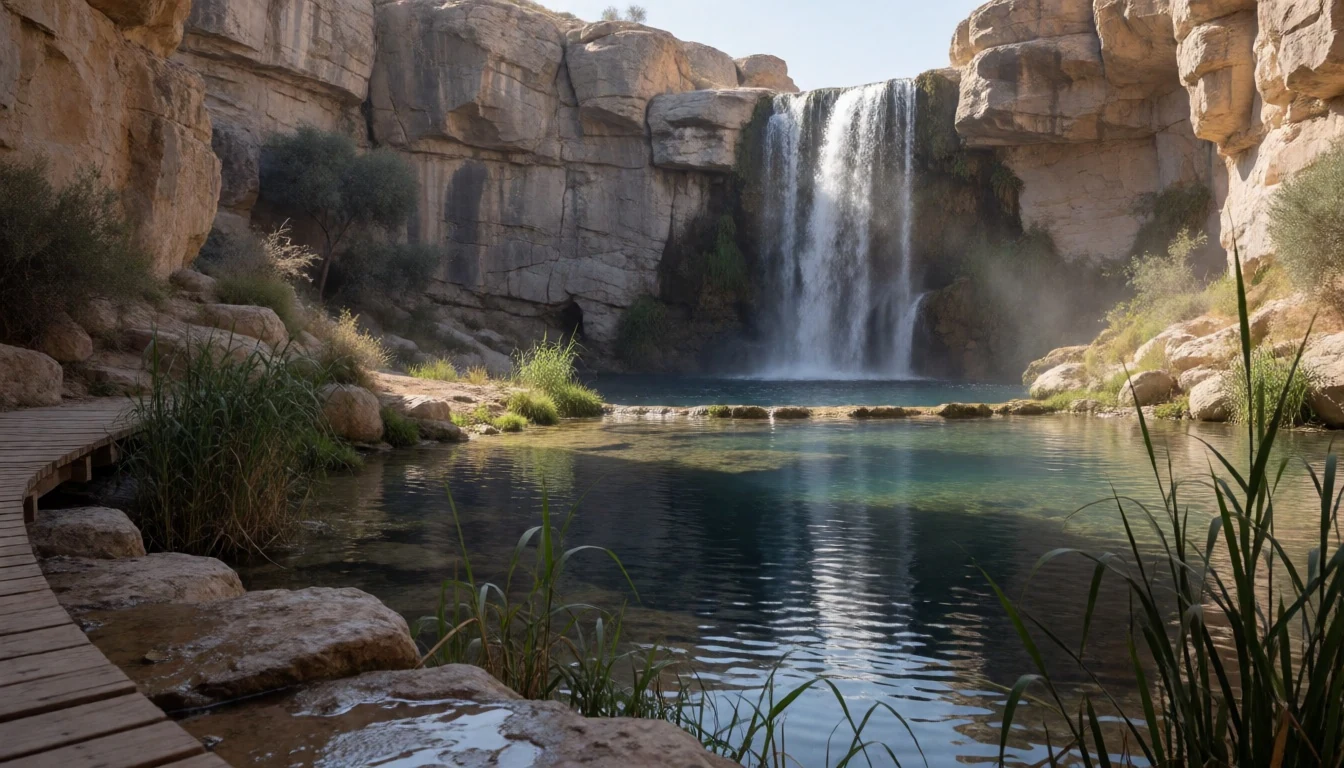
- Ein Mor — Northern park entrance
Positioned near the northern entrance to the park, this spring takes its poetic name from the fragrant spice myrrh. The surrounding ground supports salt-loving flora and provides an accessible introduction to the valley's unique hydrology.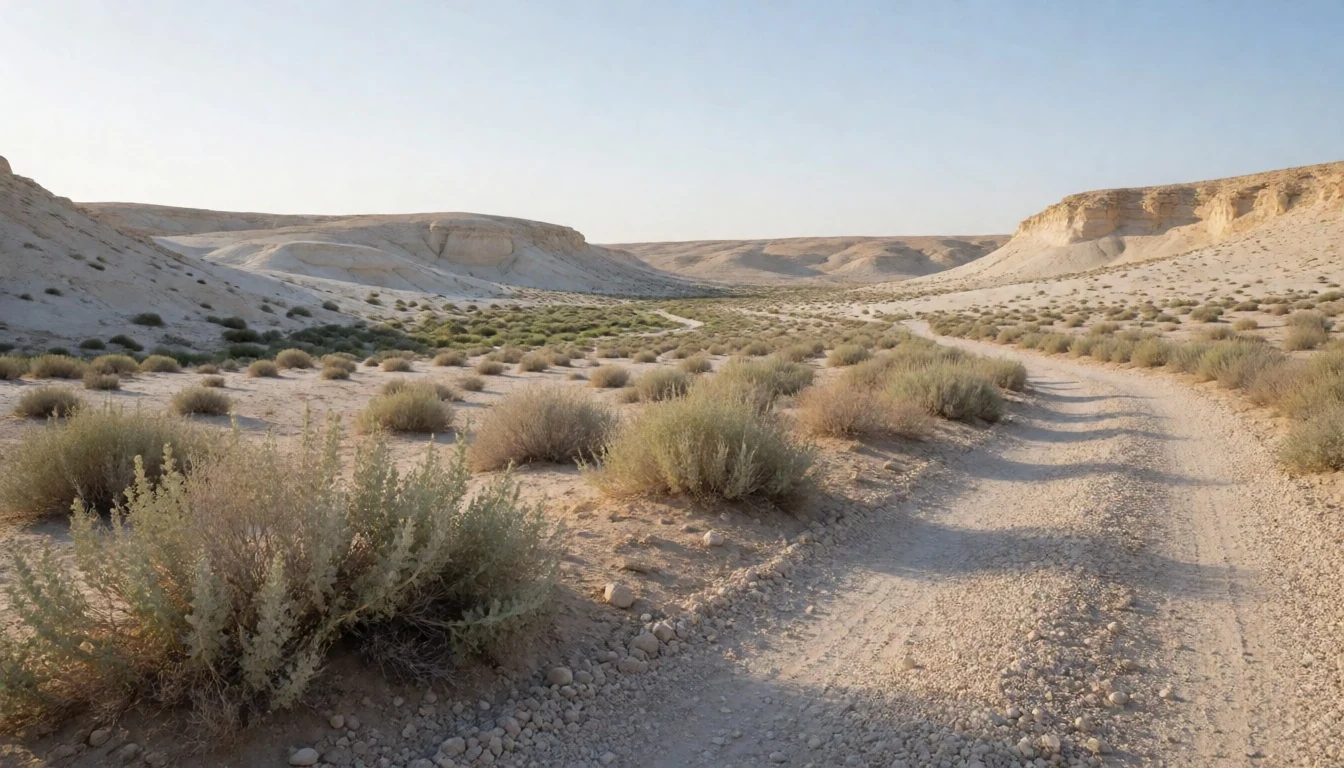
- Byzantine Cave Dwellings — Cliff walls above the main trail
Ancient monastic cells carved high into the limestone cliffs reveal stairs, storage niches, and wall carvings left by monks who sought solitude in the desert. These rock-hewn rooms offer a fascinating look at early Christian ascetic life.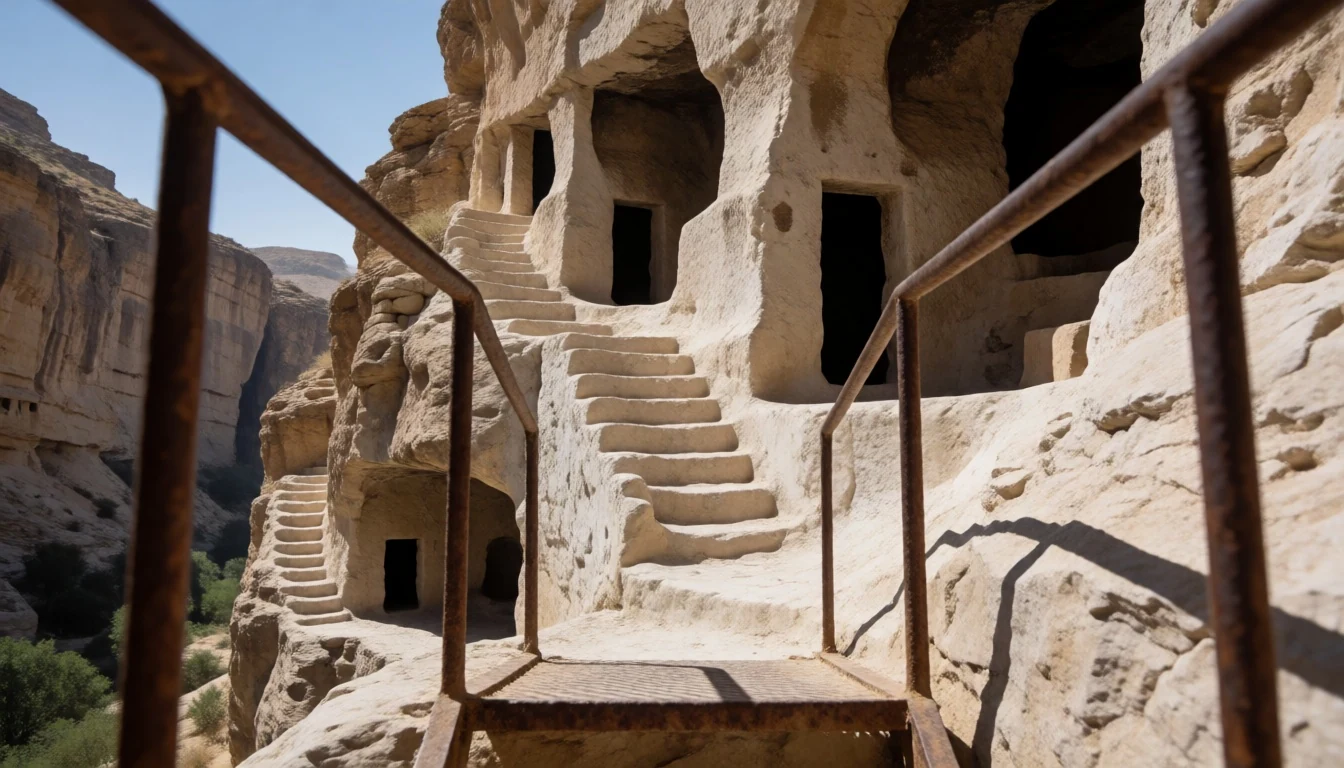
Culture
Daily life and social interactions in the country are shaped by an informal, energetic atmosphere where people value directness and transparent communication above elaborate formalities. This straightforward speaking style, known locally as dugriut, focuses on honesty over pleasantries, meaning conversations can sometimes sound remarkably blunt to visitors from abroad without any underlying hostility intended. Strangers are generally approachable, often willing to offer practical advice or help out anyone who seems lost. Cafés, markets, and public spaces hum with lively conversation, reflecting a diverse population formed by waves of immigration from around the globe. When visiting nature reserves and historical parks, maintain a moderate noise level to protect the surrounding wildlife and preserve the quiet enjoyment of the landscape for other hikers.
What to wear
Traditional attire across the region historically reflects practical adaptation to a warm climate, utilising lightweight woven textiles suited for desert travel and outdoor work. Modern everyday dress is casual, contemporary, and heavily influenced by Western styles, with t-shirts, denim, and sturdy walking shoes forming the staple wardrobe for city dwellers and outdoor enthusiasts alike. For a visit to desert canyons and nature reserves, practical outdoor clothing is essential. Visitors should wear breathable fabrics, a wide-brimmed hat, and sturdy hiking footwear with good grip for uneven stone paths and stairways. When moving through urban areas or religious sites, dressing modestly with covered shoulders and knees is appreciated.
What to eat
- Shakshuka — Cafés and morning markets
Poached eggs simmered in a spiced, vibrant sauce of ripe tomatoes, chilli peppers, and onions, often served straight from the pan with fresh bread for dipping.
- Falafel — Street food stalls and neighbourhood eateries
Crispy, golden-brown balls or patties made from spiced ground chickpeas and herbs, tucked into warm flatbread with salads and tahini.
- Hummus — Dedicated hummuserias and local markets
A smooth, creamy puree of cooked chickpeas blended with tahini, lemon juice, and garlic, drizzled with olive oil and served with warm pita. - Sabich — Neighborhood sandwich counters
A hearty street food sandwich of fried aubergine, hard-boiled eggs, tahini, salad, and amba mango pickle stuffed inside a fluffy pita pocket. - Jerusalem Mixed Grill — Traditional grill houses and market stalls
A savory mix of chicken hearts, spleen, and liver seasoned with local spices and grilled on a flat top, served inside flatbread or alongside salads.
Plan it
Best time. Spring and autumn bring milder daytime temperatures ideal for desert walking, while summers are intensely hot with almost no precipitation.
How long. 1–2
Getting there. Travel by road from nearby Sde Boker or Beersheba down the highway into the Negev, following signposts for the national park entrance.
Budget. mid
Tips
- Check official park opening times and weather warnings before setting out
- Carry ample drinking water for every member of your group
- Wear sturdy footwear suitable for rocky terrain and metal staircases
- Start your walk early in the morning to avoid midday desert heat
Etiquette
- Leave all geological formations, plants, and archaeological traces untouched
- Keep noise levels low to respect wildlife and fellow hikers
Nearby
Sources
- Wikidata Q1339871 (CC0)
- Wikipedia (CC BY-SA 4.0)
- Wikivoyage (CC BY-SA 4.0)