Tapalpa
Tapalpa, Mexico
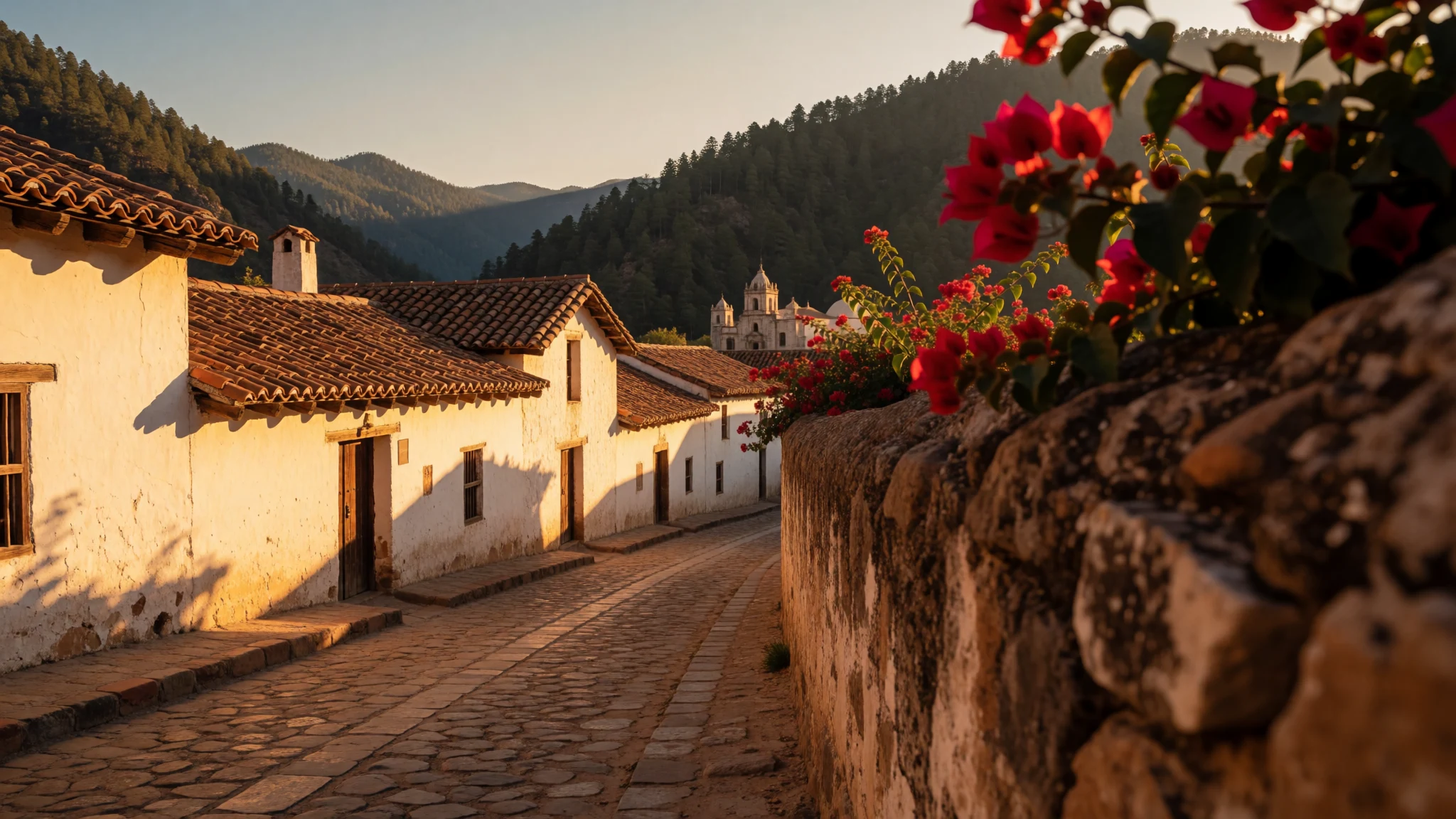
Tapalpa is a cool pine-mountain town in Jalisco where whitewashed streets, boulder fields and waterfalls make an easy escape from Guadalajara.
The place
Tapalpa sits at 2,098 metres in the Sierra Madre Occidental, in the southern part of Jalisco, and the altitude explains most of what the place feels like: cool mornings, pine-scented air and evenings when a jacket is welcome. The town itself is small, with 5,955 residents, though the wider municipality covers 619.4 km² and holds about 17,735 hectares of forest, mostly pine, oak and ash. Deer, rabbits and snakes live in it. Rain averages 883.1 millimetres a year and falls mostly between June and October, so the greenest months are also the wettest. The centre is a tight grid of whitewashed houses with red-tile roofs, arcades around the main plaza and one very white church tower that works as a landmark from almost anywhere. Tapalpa has been a Pueblo Mágico since 2002, a national label for towns with cultural and historical weight, and it behaves like one at weekends, when families from Guadalajara arrive to rent cabins, eat grilled meat and walk in the woods. Midweek it is much calmer. The region is known as Lagunas, the lakes, and the Presa Salto del Nogal reservoir lies inside the municipality. Beyond the town are boulder fields, a waterfall and hilltops used for paragliding, so a visit tends to split into a slow morning in the centre and an afternoon outdoors.
Its story
Tapalpa takes its name from the Nahuatl word tlapalpan, usually glossed as land of colours. Before the Spanish arrived, the area was home to the Otomi. Alonso de Ávalos Saavedra reached the region in 1523 and met a group called the Atlacco, who did not resist, and Franciscan friars began working among local people in 1531. The settlement was registered as a town by 1825 and became a municipality in 1869. Industry came early. A paper factory opened here in 1840, which the town counts as the first in Latin America. It was abandoned in 1923 as the Mexican Revolution disrupted everything, and its ruins are now a stop for visitors who like crumbling brick among trees. Some of the history is recent and harder. On 22 February 2026 the Mexican army killed the leader of the Jalisco New Generation Cartel, who was in Tapalpa at the time, and the cartel retaliated with attacks on the town and on other parts of Jalisco and several other states. Anyone planning a trip should read current government travel advice and local news before booking, and treat this reading as background, not a safety briefing. The older Otomi story of the place is retold in relief sculptures on a wall beside one of the town's plazas.
What to see
- Templo La Merced — Town centre
Tapalpa's most recognisable building is this neoclassical church, whose oversized bell tower dwarfs the body of the church. Its bright white walls make it easy to spot from anywhere in the centre, which helps with orientation. It works well as a starting point for a walk around the plaza and the nearby streets.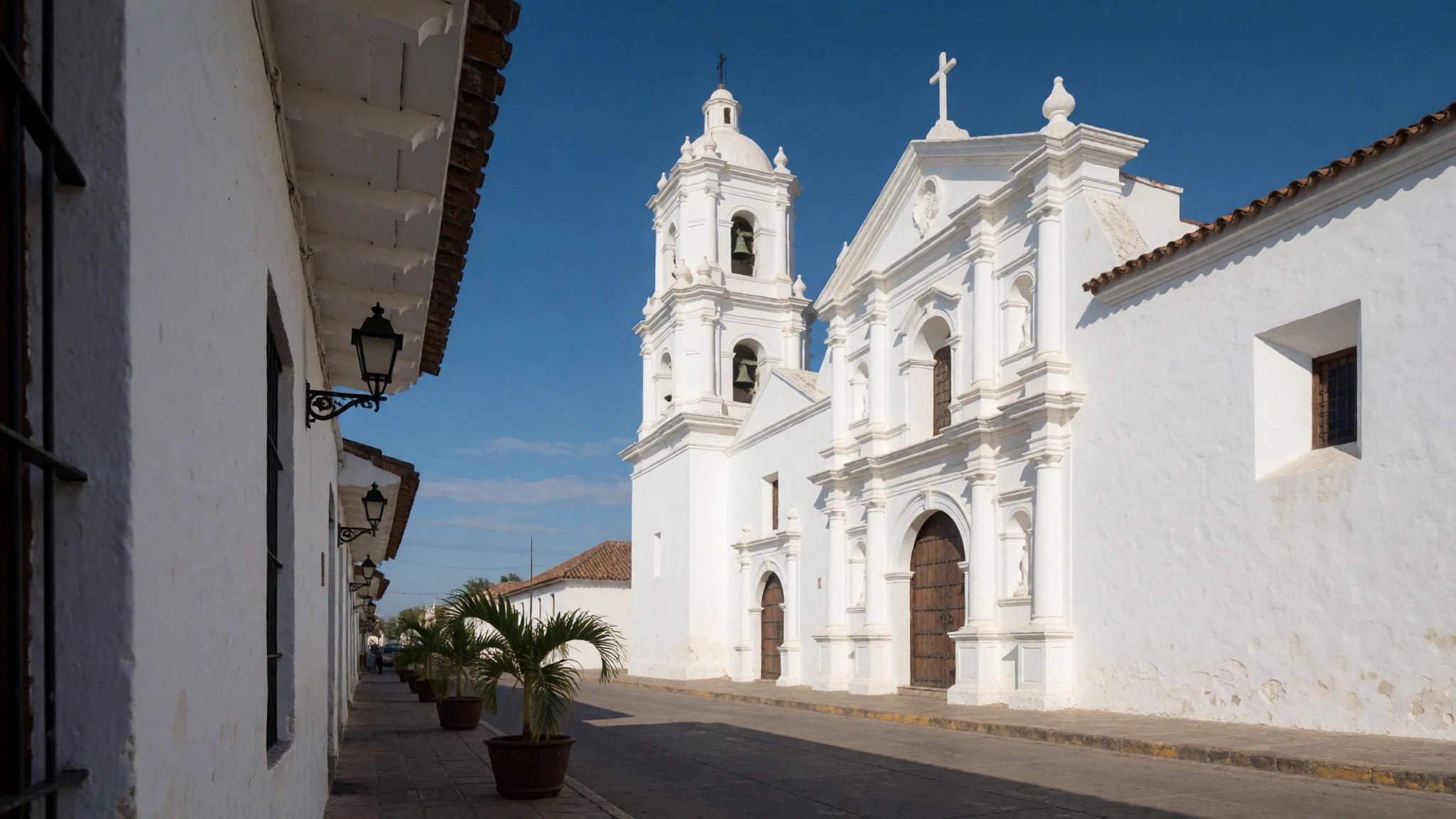
- Pila de las Culebras — Town centre
This pleasant plaza has a fountain and a wall of relief sculptures telling the Otomi tale of the place, which makes it a good, quiet way to learn some local history in Tapalpa without a museum. It is best in the morning, before the weekend crowds fill the centre.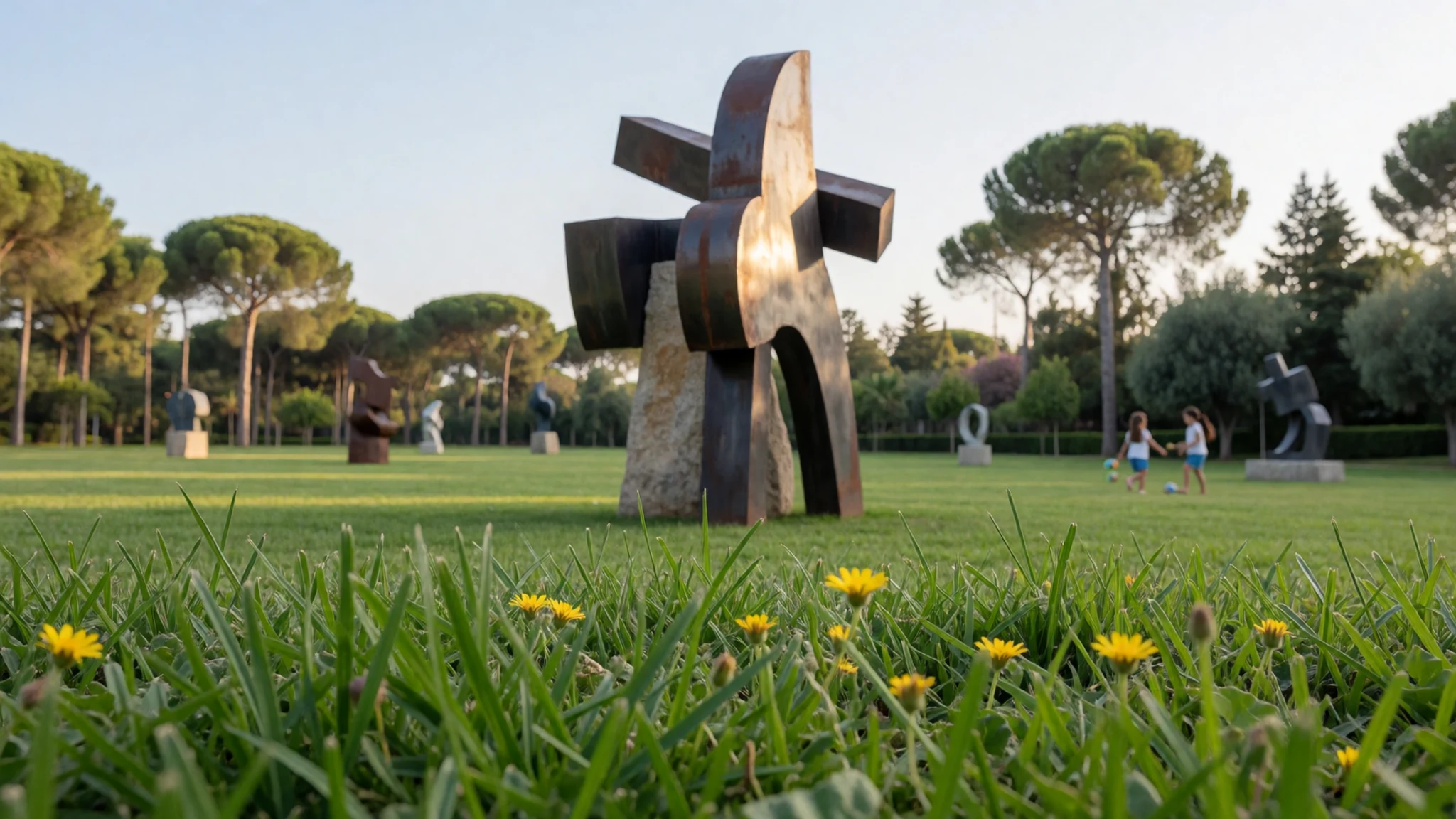
- Las Piedrotas (Valle de los Enigmas) — North of the town
Las Piedrotas, the Big Stones, lies about 4 km north of Tapalpa and is the area's best-known hiking spot, with huge natural monoliths scattered across open ground. Zip-lining and horseback riding are popular add-ons. Weekends are busy, so a weekday morning gives more space and softer light.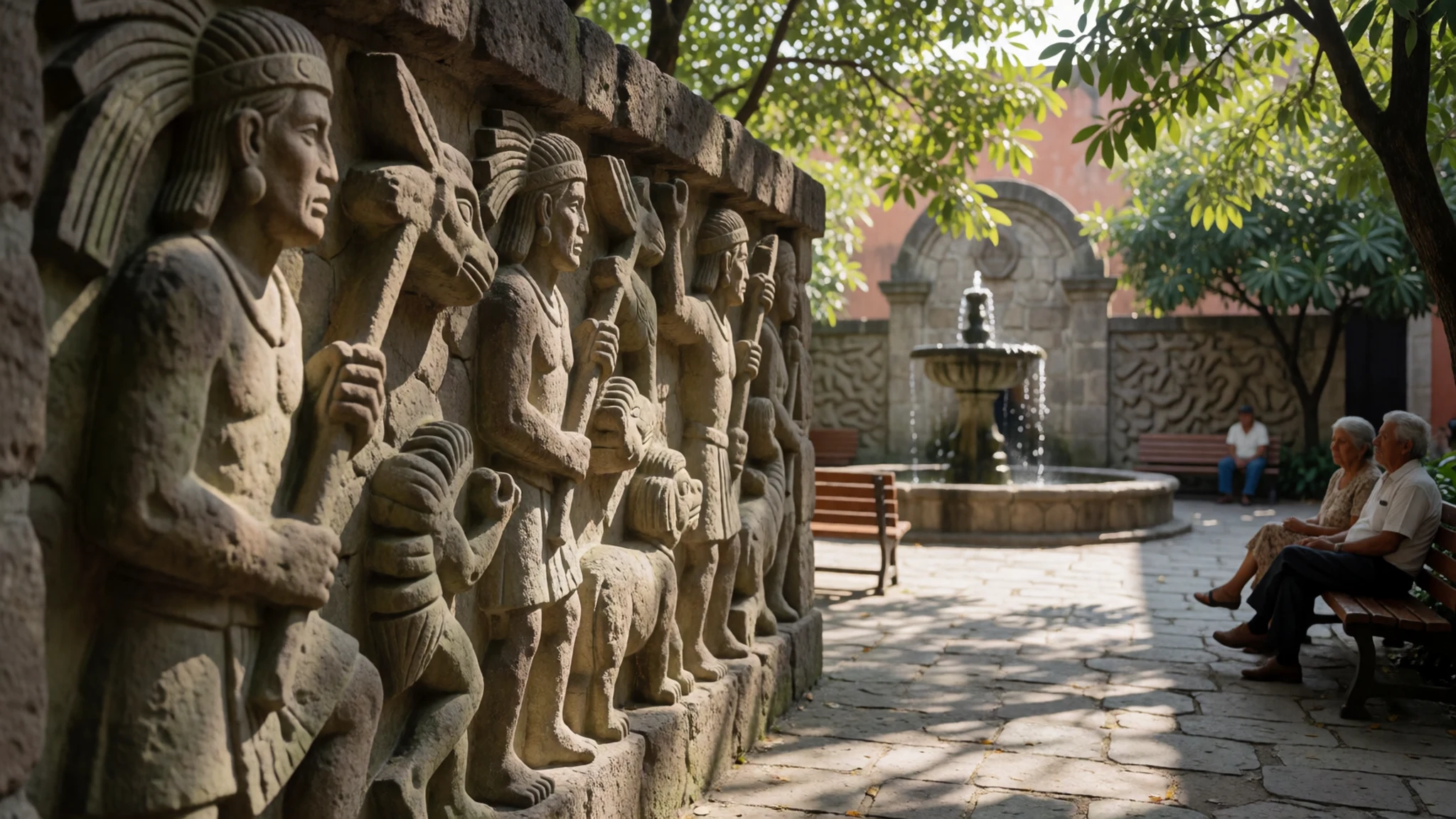
- Salto del Nogal — 10 km from the town
The Salto del Nogal waterfall drops 105 metres and is described in the brief's sources as the tallest in Jalisco. It lies 10 km from Tapalpa. Flow depends on the rains, which fall mostly between June and October, so the cascade is fuller in the wet season than in spring.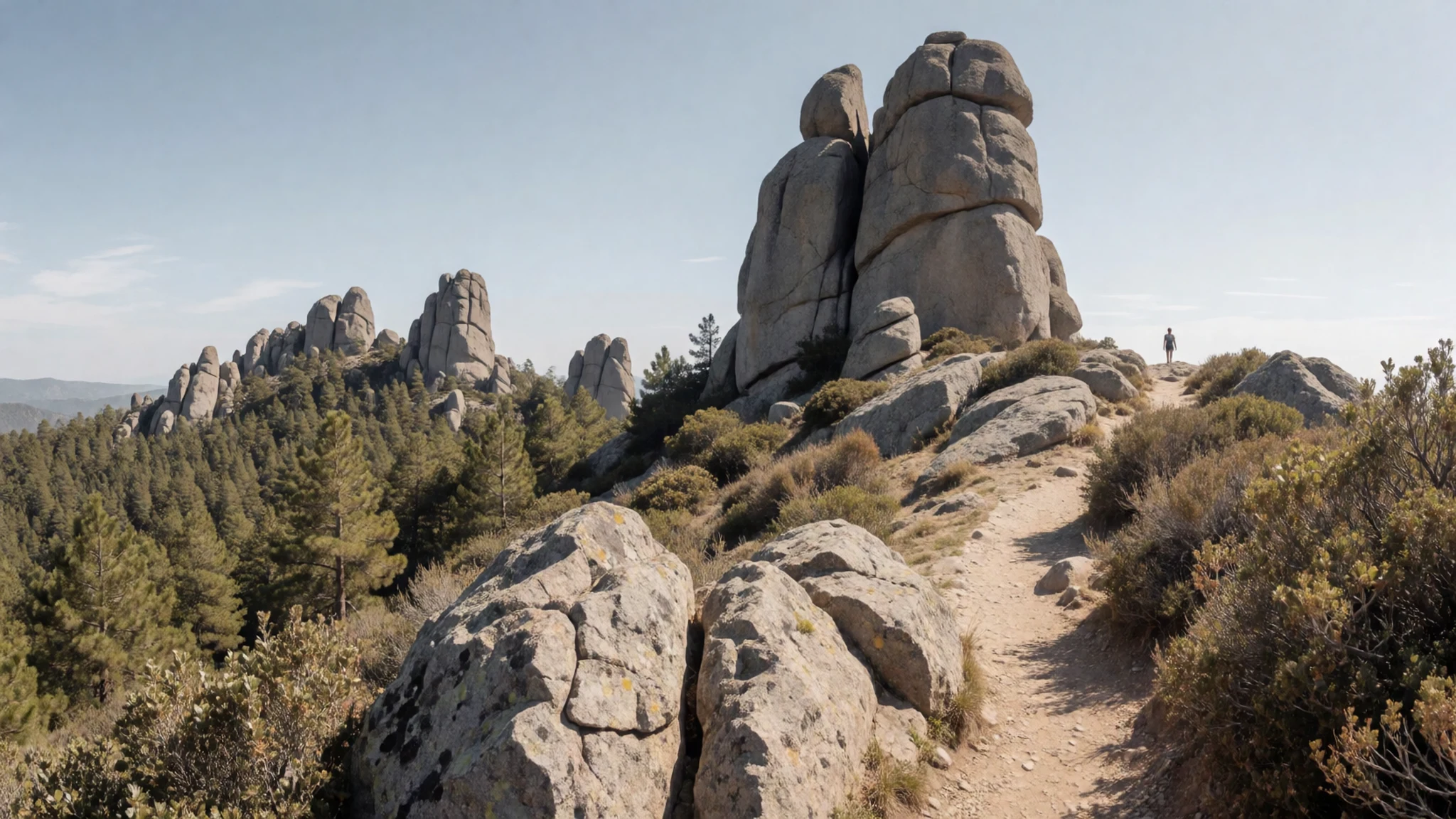
- Parque Aventuras La Ceja — East of the town
This hilltop park outside Tapalpa has a paragliding academy, where beginners can learn to launch from the summit, ride the air currents and steer down to a gentle landing in the valley. Even for non-flyers the hilltop is a good place to watch gliders and take in the wide view.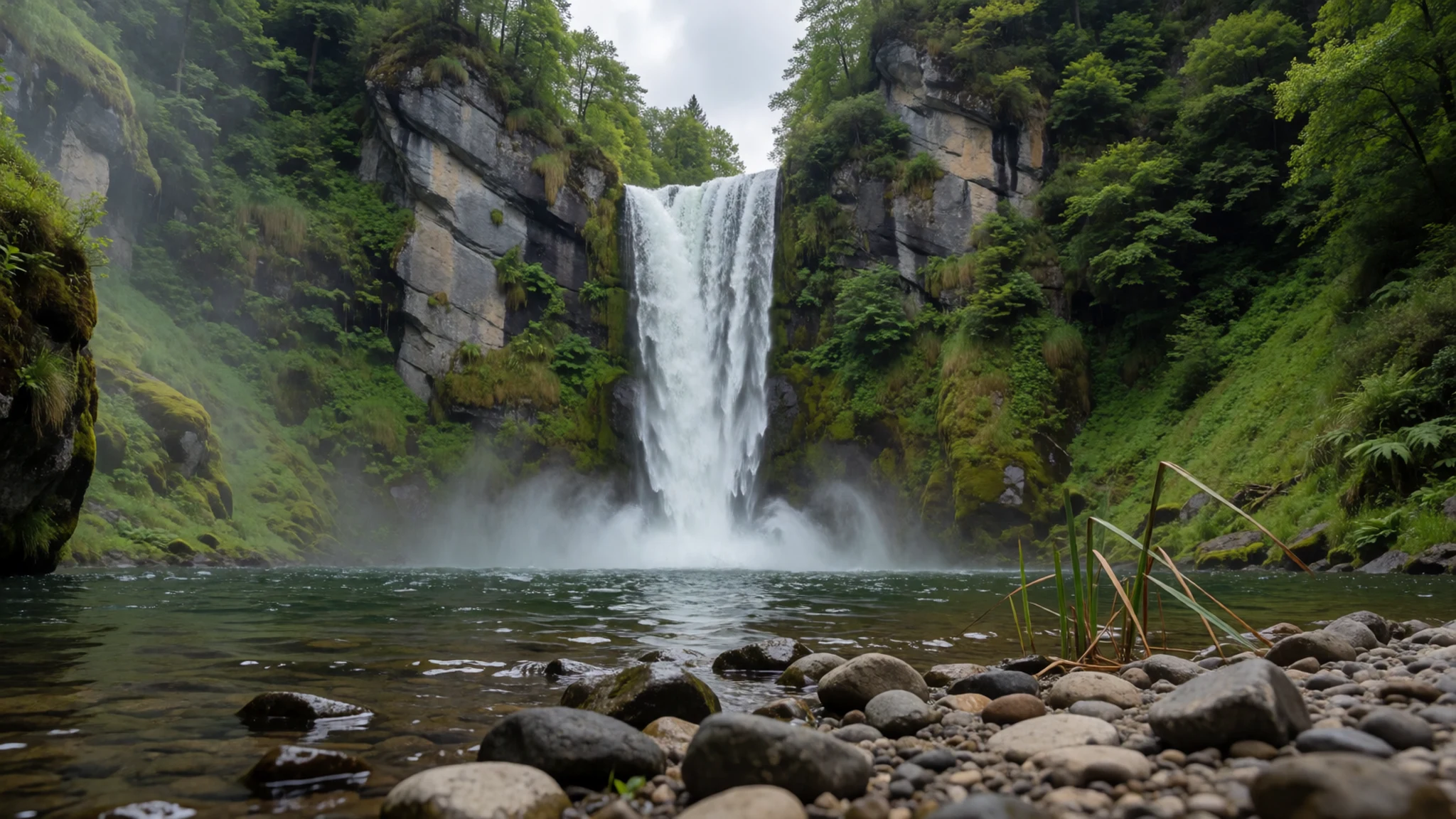
Culture
Tapalpa's culture is a mix of Otomi roots, Franciscan Catholicism and, more recently, weekend tourism from the city. The Otomi lived here before the Spanish, and the name itself, from Nahuatl, points to the layers of language in the region. The church towers and the arcaded plaza reflect the colonial era, when friars arrived in the 1530s, and religious festivals still shape the calendar even though the cooler climate and cabin culture now draw most visitors. Life centres on the main plaza, where families gather in the evening, vendors set up and people linger over coffee under the arches. The town's Pueblo Mágico status, awarded in 2002, has encouraged the upkeep of whitewashed façades and the promotion of local crafts, so the streets look unusually uniform and tidy. Outdoor traditions matter too: horseback riding, walking in the pine woods and long family lunches around the grill are normal weekend activities rather than staged attractions. The paper factory ruins and the plaza reliefs show that locals take pride in the history of the place, and visitors who ask about it usually get a friendly answer, especially outside the busy Saturday and Sunday rush. Dress modestly and keep your voice low when entering a church in Tapalpa, and ask before photographing people at a service or in a family group.
What to wear
Tapalpa's own dress traditions are best understood through Jalisco's wider ranchero culture, since the brief records no local costume as such. The best-known traditional outfit in the state is the charro suit: a fitted jacket and trousers, a wide-brimmed sombrero and boots, usually in wool or leather and worn for charreadas, parades and festivals. Women's festive dress often includes embroidered blouses and full skirts, and many families still keep a cotton or silk rebozo shawl. Day to day, people in Tapalpa dress for the altitude: jeans, boots or trainers, fleeces and jackets, with a hat or cap for the sun and a woollen layer for the evening. Weekend visitors from Guadalajara favour smart-casual outdoor wear, often in earthy tones that suit the pine woods. A visitor should pack layers, because at 2,098 metres mornings and nights are cool even when midday is warm. Bring a waterproof jacket from June to October, when rain falls most often. Sturdy closed shoes or light boots are best for the boulder fields, the waterfall and the cobbled streets, while sandals suit only the plaza. Shoulders and knees should be covered for churches. A sun hat and sunscreen are worth carrying, since thin mountain air gives stronger sun than the cool temperatures suggest.
What to eat
- Enchiladas — Terrace restaurants around the main plaza
Tapalpa's colonial-style restaurants with open-air terraces serve traditional Mexican plates, and enchiladas are the dish Wikivoyage's local listings single out. Rolled tortillas with a chilli sauce make a warming lunch on a cool mountain day, and several places around the plaza serve them.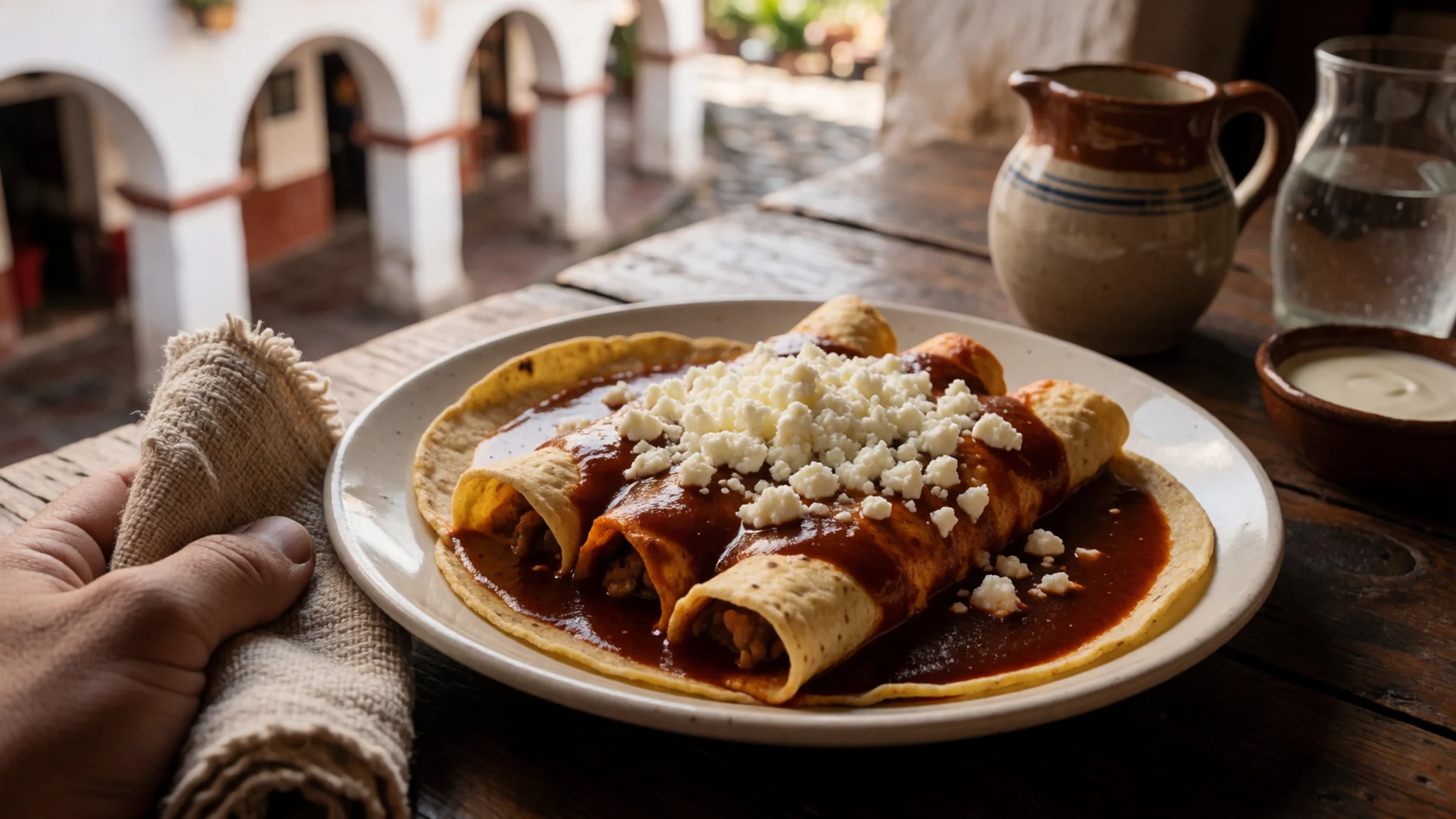
- Grilled meats — Outdoor grill restaurants on the edge of town and along the roads
Outdoor restaurants specialising in the parrilla are a local habit, especially at weekends, when whole families order platters to share. Expect beef, pork and sausage with tortillas, salsas and grilled onions, eaten at long tables, often with pine trees in view.
- Shrimp burgers — Casual seafood eateries near the western edge of the centre
An unexpected mountain-town favourite, the shrimp burger is recommended by locals at a casual seafood eatery with an open-air upstairs dining area. It is a cheerful change from the heavy grilled meat that dominates the menus elsewhere in Tapalpa. - Breakfast eggs, bread and coffee — Arcaded eateries on the main plaza
Mornings in Tapalpa usually begin with eggs cooked to order, fresh bread and hot coffee, which suits the cool air. The arcades on the main plaza are a pleasant place to sit and watch the town wake up, particularly outside weekends. - Craft beer — Brewpubs near the plaza
Tapalpa has a small brewpub scene, with local beers poured through an unusual self-serve system that lets drinkers sample several styles in small measures. It makes a relaxed end to an afternoon of walking around the boulders and the woods. - Artisanal tequila — Bars and restaurants with a full bar around the plaza
Jalisco is tequila country, and several bars in Tapalpa pour artisanal bottles for sipping rather than shooting. Ask for a tasting, take it slowly at this altitude, and pair it with a plate of grilled meat or enchiladas.
Plan it
Best time. November–December and March–April, when the weather is mostly dry and the altitude keeps days pleasantly cool; most rain falls between June and October, so waterfalls are fuller then but trails are muddier and afternoons wet.
How long. 2–3
Getting there. Most visitors fly into Guadalajara, which is the nearest large city and the source of most weekend crowds, then continue by road. Second-class buses run to Tapalpa with Sur de Jalisco, and a smaller local company, Autotransportes Tapalpa, also operates buses with a stop at Ignacio Lopez 10. Check current timetables and travel advice before setting out.
Budget. mid
Tips
- Come midweek if possible, because weekends fill with visitors from Guadalajara and cabins book up
- Pack warm layers, since the town stands at 2,098 metres and evenings are cold
- Carry some cash for small eateries, craft stalls and local transport
- Reach Las Piedrotas in the morning for quieter trails and gentler light
- Read current government travel advice and local news before booking, because of the violence in February 2026
Etiquette
- Dress modestly and speak quietly in churches
- Ask before photographing people, especially at religious events
- Stay on marked paths in the forest and take litter with you
Nearby
Sources
- Wikidata Q2270558 (CC0)
- Wikipedia: Tapalpa (rev 1381690328) (CC BY-SA 4.0)
- Wikivoyage: Tapalpa (rev 5357073) (CC BY-SA 4.0)
- Exteriores — Victor Daniel Rosales Lopez (CC BY 3.0)
- Church in Tapalpa — Pabloangulo84 (CC BY 3.0)
- Paisaje de Tapalpa — Armando Sosa (CC BY-SA 2.0)
- Tapalpa Street — Balakrishna.chuppala (CC BY 3.0)
- Bosque — Sophiaagmz (CC BY-SA 4.0)
- Monolito Tapalpa — Bellito25 (CC BY-SA 4.0)
- Tapalpa (20240910) — José González Peña (CC BY-SA 4.0)
- Tapalpa, Jalisco, Mexico — Pedro Iván Hernández (CC BY 3.0)


Wildlife
- Deer (animal)
A white-tailed deer is a medium-sized, hoofed plant-eater, the sort of gentle forest visitor a child could picture at once. It lives widely across the Americas, and in Tapalpa you may glimpse one in the woods around the town, wandering beneath the trees. Nothing here suggests a particular season or hour, so ask a local guide when to go. Keep a respectful distance, stay quiet and still, and never offer food, so the deer remain wild.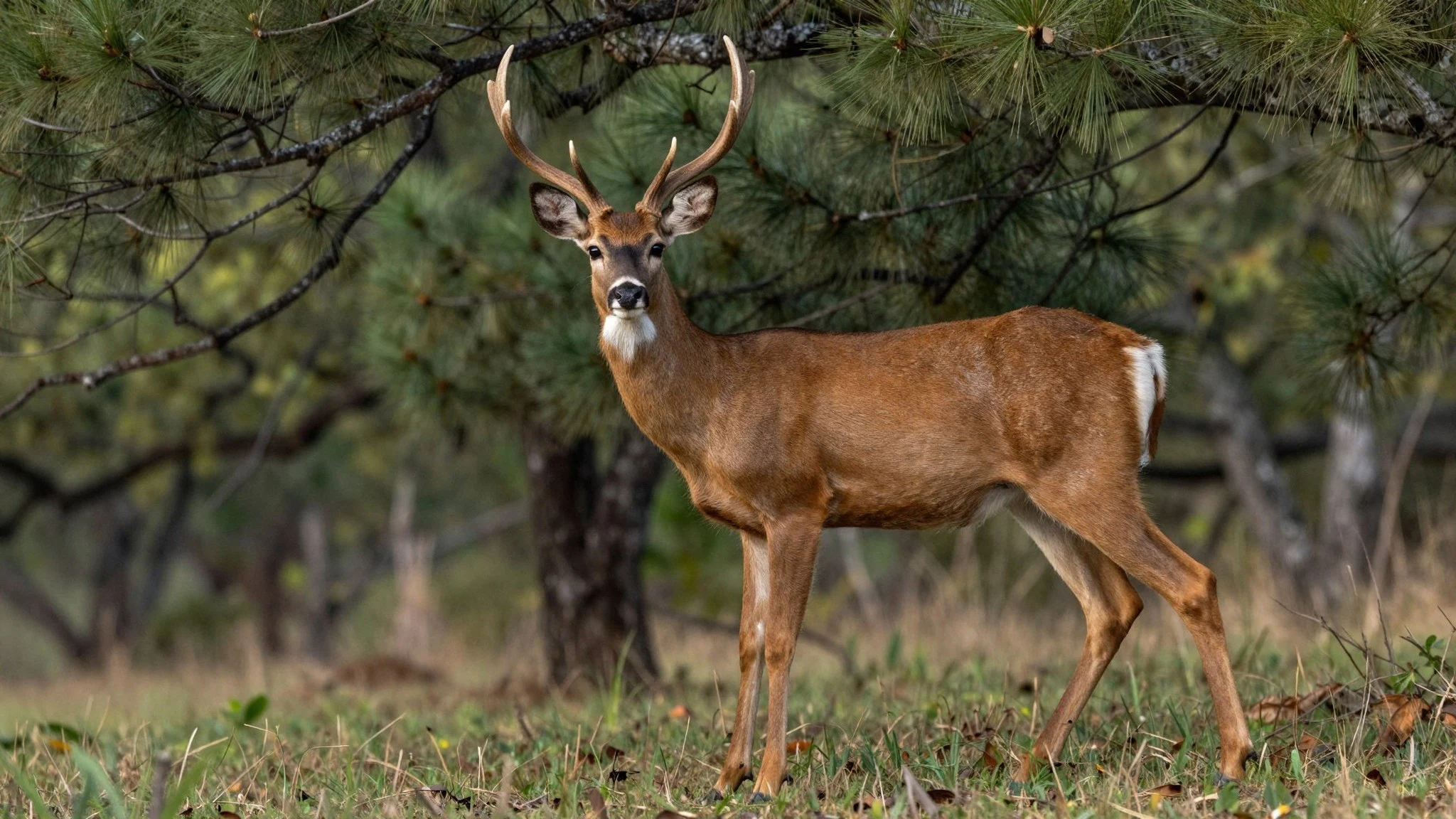
- Rabbit (animal)
The European rabbit is a small, soft, long-eared nibbler, a little smaller than a hare, that began life in Iberia and south-western France before travelling to far-flung corners of the world. In Tapalpa, rabbits turn up in the woods around the town, moving among the trees. Which season or hour suits best is not known, so a local guide is your best help. Watch from afar, speak softly, and never feed them.