Taif
Taif, Saudi Arabia
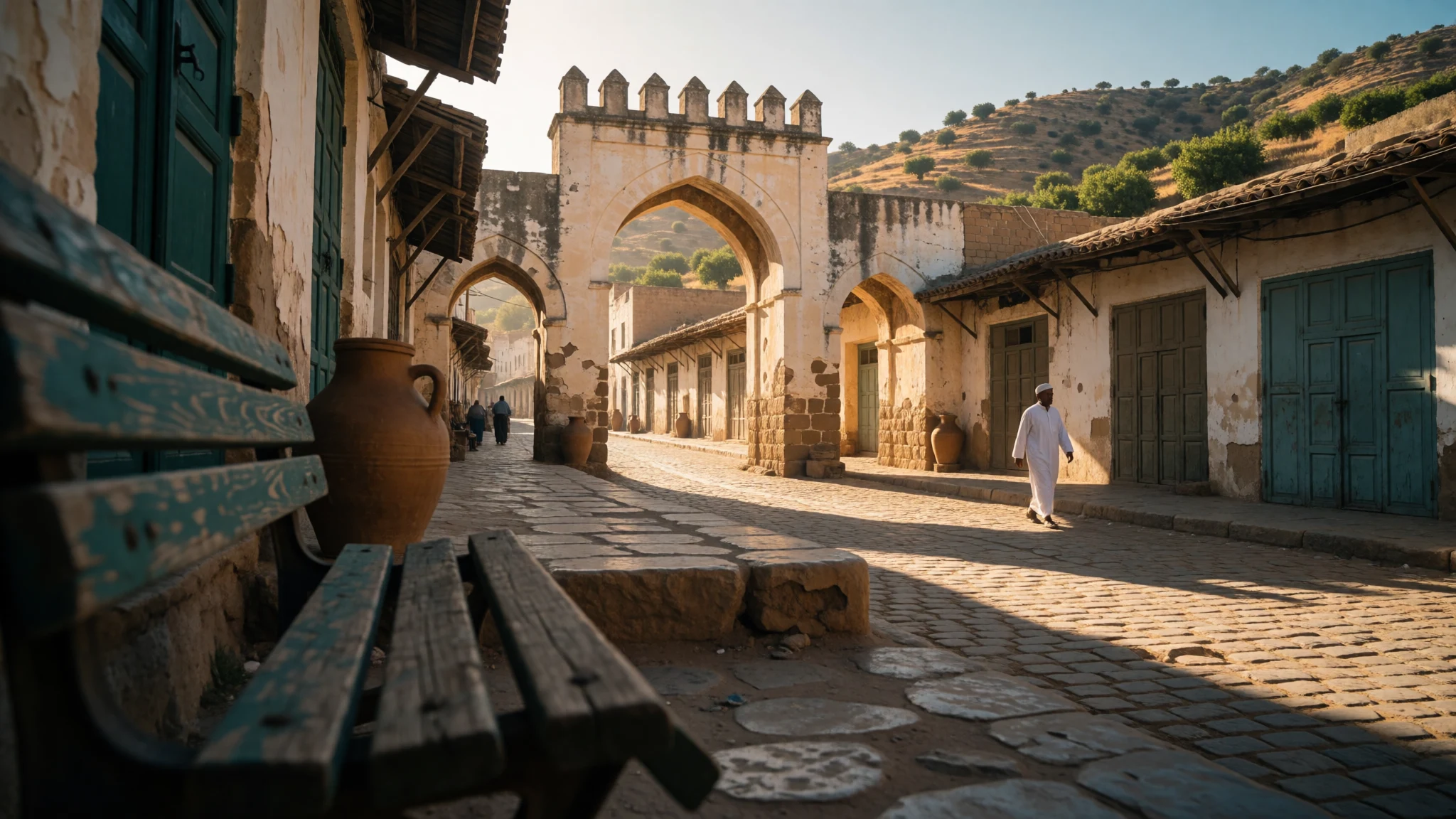
Taif is where Saudi Arabia comes to cool off: a mountain city of rose fields, orchards and old market traditions above the hot plains.
The place
Taif sits at an elevation of 1,879 m on the slopes of the Hijaz Mountains in Mecca Province, and that height explains the whole city. While the Red Sea coast and the interior bake in summer, Taif stays noticeably gentler, which is why Saudi families have long treated it as an unofficial summer capital. About 580,000 people live here, so it is a proper working city of traffic, shopping streets and apartment blocks rather than a village retreat. The old centre keeps a few gates and merchant houses, while the hills around hold resorts, terraced farms, orchards and rose fields. A mountain road links the city to the resort town of Al-Hada, and driving it gives the clearest sense of how abruptly the land climbs. Outside the hot season the air is cooler still, and evenings can call for a light layer. Visiting Taif means accepting that it is mainly a domestic holiday destination rather than a polished international one: signage is largely Arabic, English listings are thin, and plans go more smoothly with a driver or a local contact. Foreign visitors should also know that the usual road from Jeddah passes close to Mecca, which non-Muslims may not enter, so the signed bypass matters. The name is usually glossed as 'the encircled', a nod to the walls that once ringed the town.
Its story
Taif is said to have been founded around 501, and in the period that followed it was a walled town controlled by the Thaqif tribe, whose descendants still live in and around the city. It was a religious centre as well as a market: the town housed a shrine to the goddess Lat, called the lady of Taif, and visitors came from across the peninsula. Climate set it apart from the dry country towards the Red Sea. Wheat, vines and orchard fruit grew on the cooler slopes, earning the area the nickname Garden of the Hejaz, and farming ran alongside steady trade with Mecca, whose merchants and pilgrims found Taif the more comfortable of the two places. When the Prophet Muhammad began preaching in Mecca he met hostility there, and the people of Taif did not welcome him either. A battle was fought at nearby Hunayn soon afterwards, and a siege of Taif followed that failed to take the town, which held out against attack, catapults included. In later centuries, as part of the Hejaz, the city passed between one ruler and another many times, until the Saudi takeover of the region closed that long sequence. The tribal families, vine terraces and market habits of that older Taif still shape how locals describe their city today.
What to see
- Bab Alrea — Old town
The old town is accessed by a few remaining gates and is a sensible first stop for getting oriented. The lanes around it mix older merchants with modern shops, so it suits wandering rather than ticking off. Go in the cooler part of the day and watch the traffic around the old centre.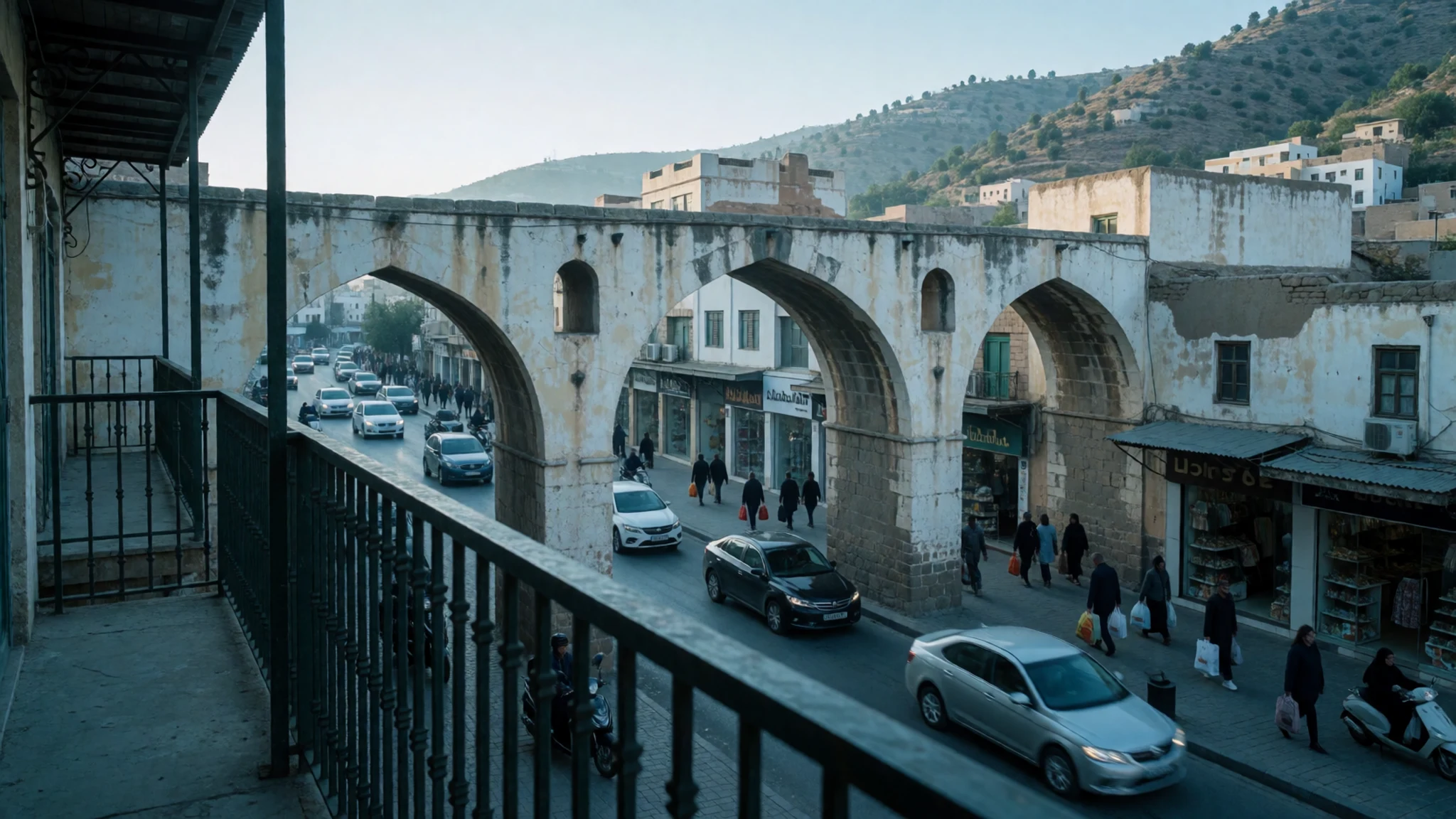
- Rose Distilleries — Old town
Local distilleries turn Damask rose petals into oil and rose water, a trade the Taif highlands are known for. Small bottles are sold on site. Activity follows the harvest, so ask locally about when petals are actually being processed.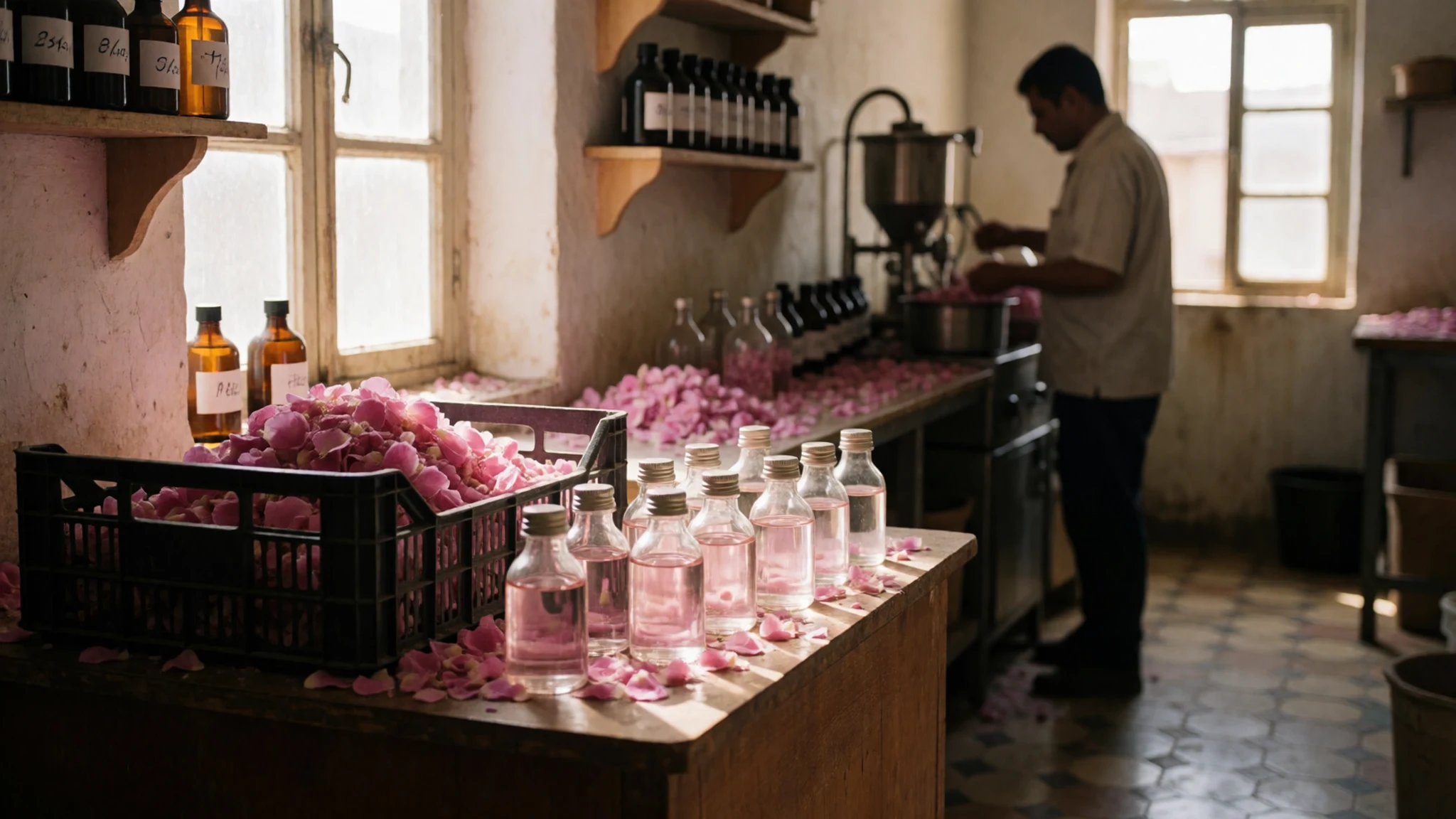
- Souk Okaz — North-east of the city
Souk Okaz was a pre-Islamic gathering where tribes traded, argued and recited poetry. Today it is a festival site with poetry contests, craft displays and similar events, so what you find depends on the date. Check the programme before the drive, as it lies a fair way north-east of the centre.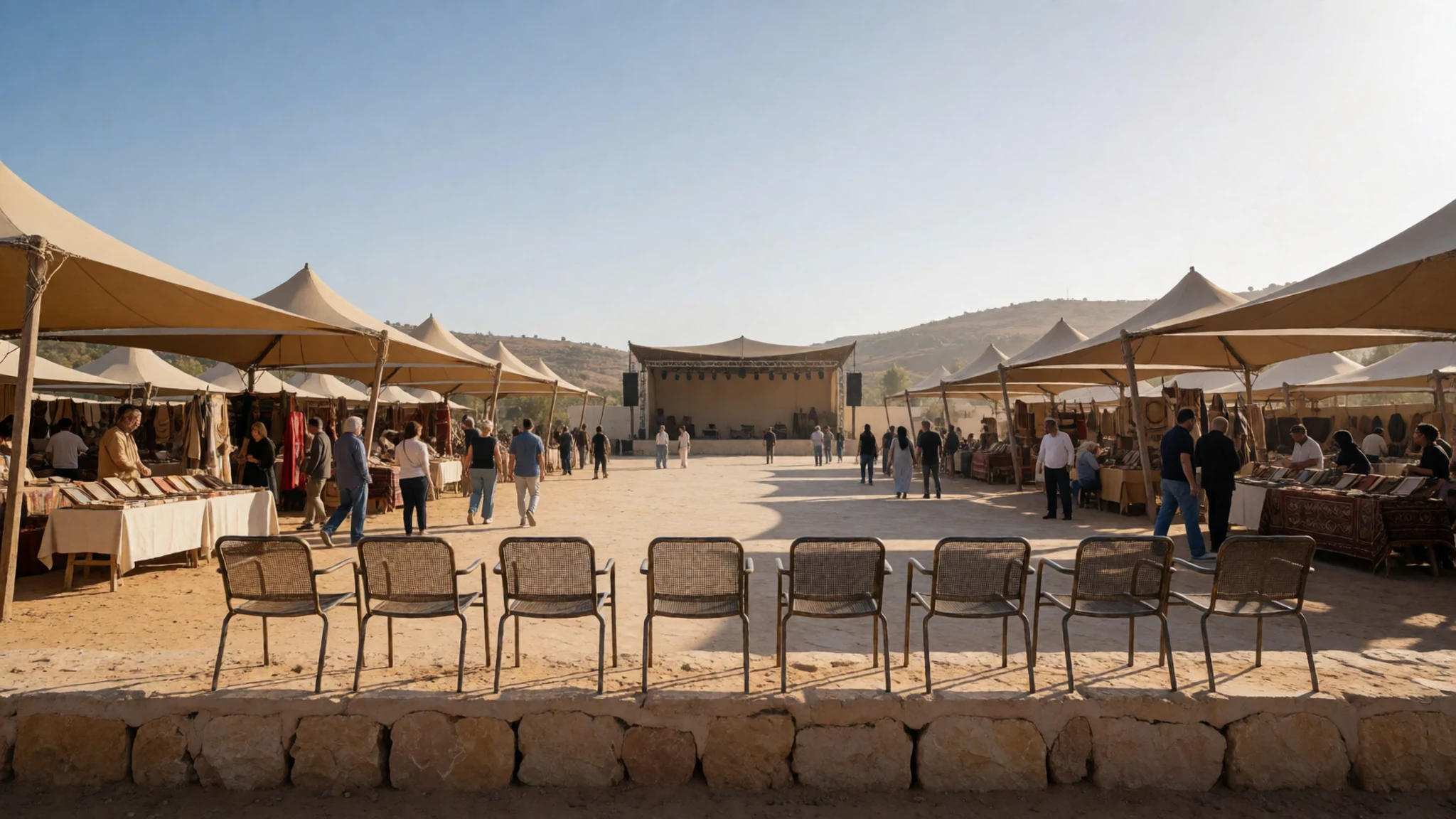
- Ikrima Dam — West of the centre
Local dams hold back water in the wadis on the western side of Taif. It is a low-key spot for a short walk and a view of the valley, best at the cooler ends of the day. Facilities are minimal, so bring water.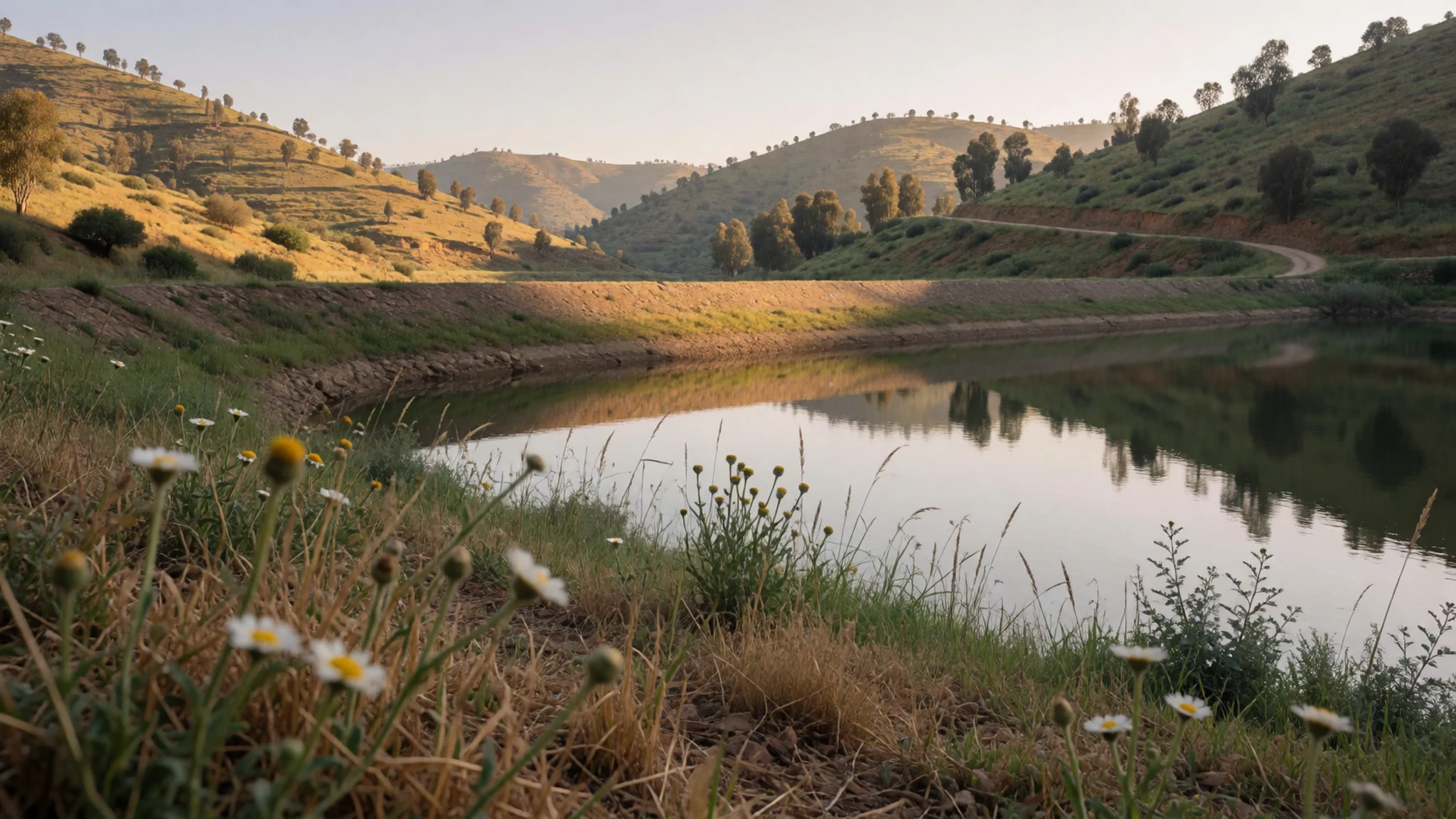
- Sharif Museum — South-east of the centre
Shubra Palace serves as the regional museum, housing a collection of artefacts gathered from many places and periods. It gives a sense of the region's material history in one stop. Opening arrangements are not published in our sources, so confirm locally or through the city website before making a special trip.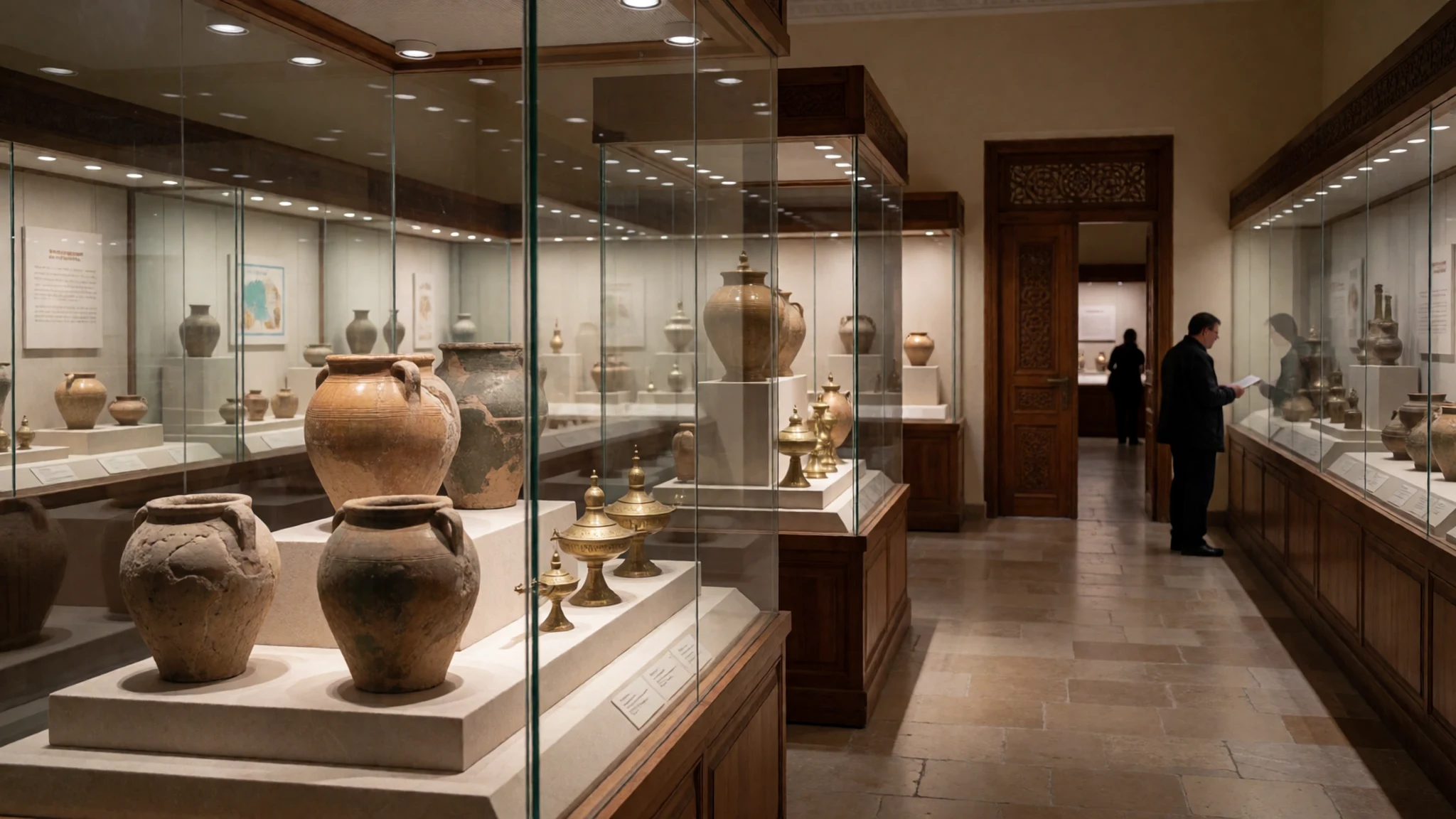
Culture
Taif has been a gathering point for trade and performance for a very long time. Souk Okaz was more than a market: tribes met there to settle disputes, trade and compete in verse, and that mix of commerce and public speech is still the spirit of the festival held on the site. The city has modern stages too, including the Okaz Market Theatre, the King Abdullah Park Theatre and a folk theatre in the nearby town of Qia. Taif Season, part of the Saudi Seasons programme, brings concerts, craft displays, a camel race and the Souk Okaz festival, and it draws crowds from across the kingdom in summer. Family life is central. Hospitality usually means Arabic coffee and dates offered to guests, and public life is shaped by a conservative reading of Islamic law: alcohol is banned throughout Saudi Arabia, and prayer times affect when shops and counters open and close. Tribal identity remains strong, with families such as the Thaqif tracing local roots back many generations. Conversation about history, poetry and the highland climate is an easy way in. Dress modestly in public, stop what you are doing for the call to prayer if it falls during a conversation, and always ask permission before photographing people, especially women.
What to wear
Taif follows the dress of the wider Hejaz and Saudi Arabia. Traditionally men wear the thobe, an ankle-length robe usually in white cotton, with a ghutra or shemagh headcloth held by a black cord called an agal; heavier woollen versions appear in the cooler months. Women wear the abaya, a long black cloak, often with a headscarf, and some also cover the face. Bedouin families of the surrounding highlands have a tradition of woven wool and goat-hair textiles in bold stripes, now seen mostly in tents, bags and craft stalls at festivals. In daily life the thobe is still the norm for men, white in the warm months and darker shades in winter, sometimes paired with trainers and sunglasses, while younger people also wear jeans and shirts casually. Women's abayas now come in colours, cuts and embroidery. Visitors should dress modestly: loose clothing covering shoulders and knees for everyone, and women should carry a light scarf and check current local norms. Shorts are best kept for private accommodation. The altitude makes evenings cool, so pack a light layer, and wear comfortable closed shoes for dam paths, hill roads and uneven old-town pavements. Sun protection still matters at this height.
What to eat
- Koshary — Egyptian eateries in the central districts
Koshary is the Egyptian street dish of rice, lentils, pasta and chickpeas under tomato sauce and crisp fried onions. Taif has a number of Egyptian eateries serving it, which makes it a cheap, filling lunch.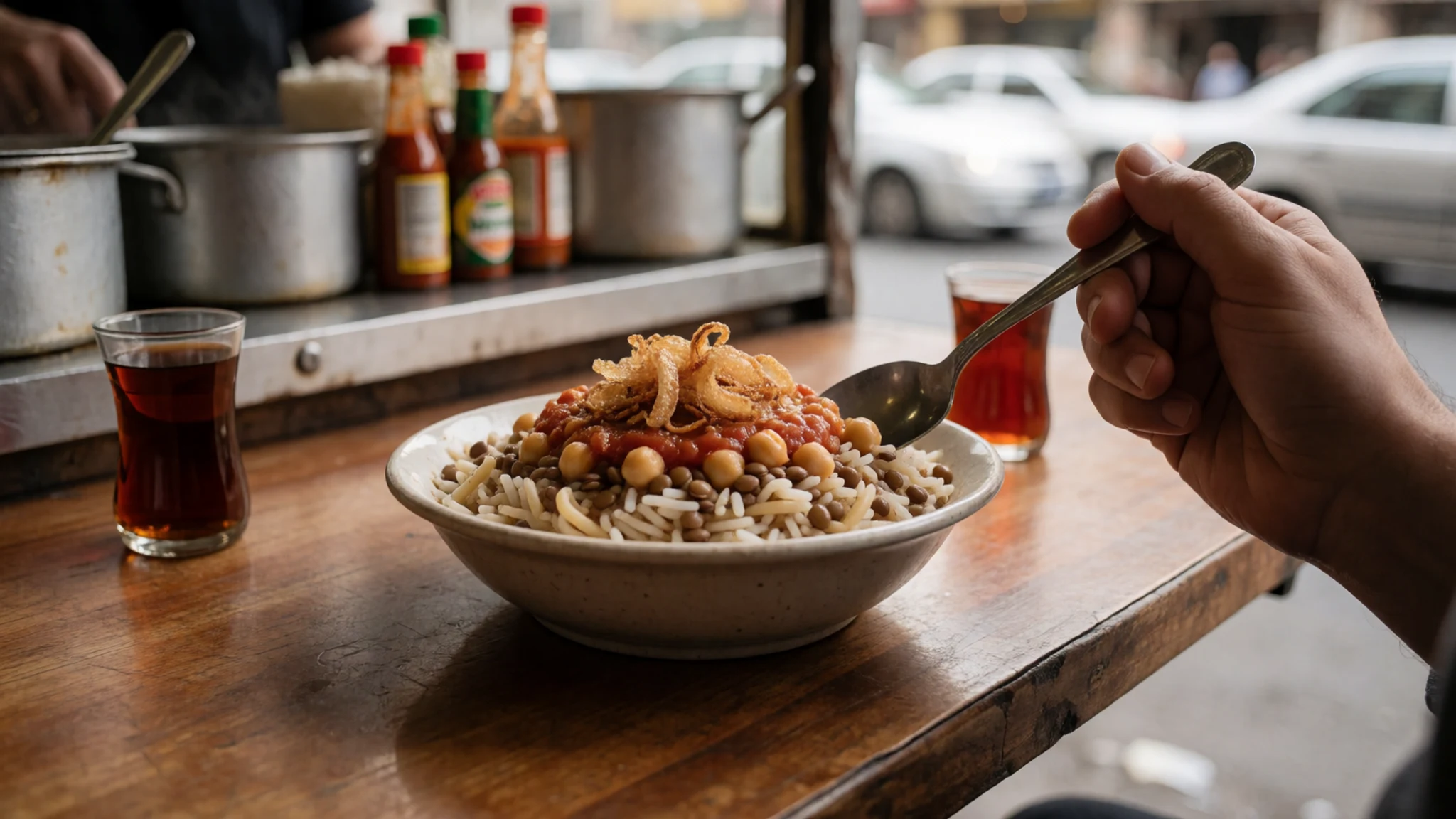
- Kabsa — Local family restaurants, mainly at lunchtime
Kabsa is spiced rice cooked with chicken or lamb, the standard Saudi family meal. It is usually served on a shared platter with a tomato relish, and portions are generous, so order to share.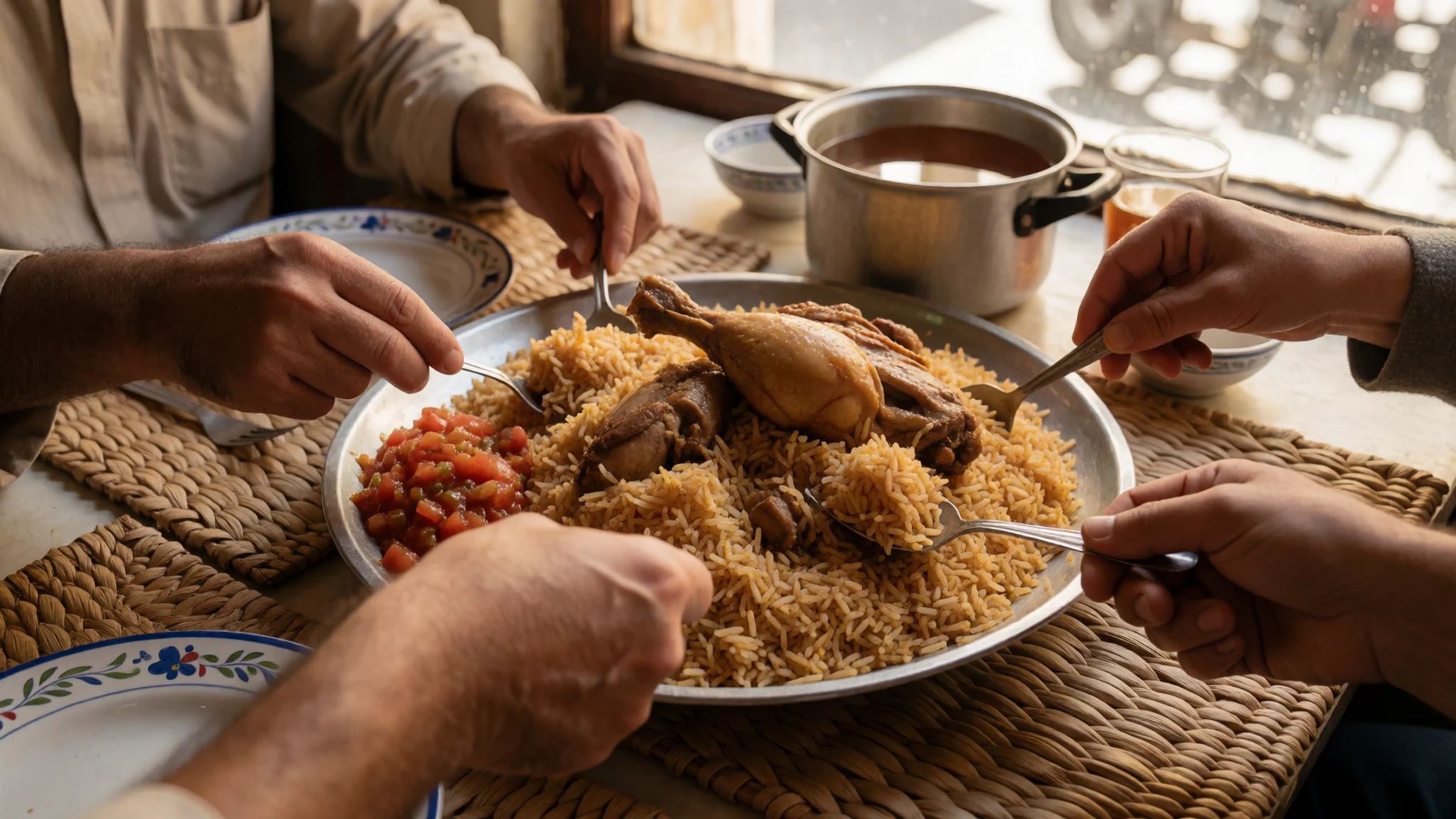
- Mutabbaq — Street stalls and snack counters, mostly in the evening
Mutabbaq is a folded, pan-fried pastry, filled either with spiced minced meat and egg or with something sweet. It is a popular evening snack and easy to eat on the move. - Fresh fruit juice — Juice bars and fruit stalls across the city
Juice bars press fruit to order, and a cold glass is welcome after walking at altitude. The highland orchards are known for grapes, and fruit sold in season in markets is worth buying. Wine is not available, as alcohol is illegal. - Rose-flavoured sweets — Pastry parlours and rose-oil shops in the old town
Taif's rose trade spills into the kitchen as rose water in syrups, drinks and pastries. Buying a small box of rose-scented sweets is an easy way to taste the local crop and to bring a gift home.
Plan it
Best time. December–February and October–November are the easier months, with mild highland weather and fewer crowds. Summer is when Saudi families arrive to escape the heat of the plains, so it is the busiest and most expensive time, though the city stays cooler than most of the peninsula.
How long. 2–3
Getting there. Flights reach Taif from Jeddah in under an hour and from Riyadh in under two hours; check current airlines and schedules. By road, most visitors drive up from Jeddah in roughly two to three hours; non-Muslims must follow the signed bypass around Mecca, with a police checkpoint beyond it. There is no railway to Taif. For city information, see the official website, http://www.taifcity.gov.sa.
Budget. mid
Tips
- Book accommodation well ahead in summer, when Saudi families fill the city
- Hire a car or driver, as sights are spread out and public transport is limited
- Carry some cash as well as cards, especially at markets and small shops
- Drink plenty of water, as the sun is strong even when the air feels cool
- Check the Souk Okaz and Taif Season programmes before planning dates
Etiquette
- Dress modestly, with shoulders and knees covered
- Ask before photographing people, especially women
- Do not carry or look for alcohol, which is illegal across Saudi Arabia
Nearby
Sources
- Wikidata Q182640 (CC0)
- Wikipedia (rev 1376944898) (CC BY-SA 4.0)
- Wikivoyage (rev 5432358) (CC BY-SA 4.0)
- Photo photos/01-1.jpg (CC BY 3.0)
- Photo photos/02-saudi-arabia-relief-location-map.jpg (CC BY 3.0)
- Photo photos/03-west-asia-non-political-with-water-system.jpg (CC BY 3.0)
- Photo photos/04-.jpg (CC BY 3.0)
- Photo photos/05-the-dam-in-taif-4313225424.jpg (CC BY 2.5)
- Photo photos/06-jabal-dakka-al-shafa.jpg (CC BY-SA 4.0)
- Photo photos/07-rosa-damascena-ps.jpg (CC BY-SA 4.0)
- Photo photos/08-.jpg (CC BY-SA 4.0)


