Diriyah
Diriyah, Saudi Arabia
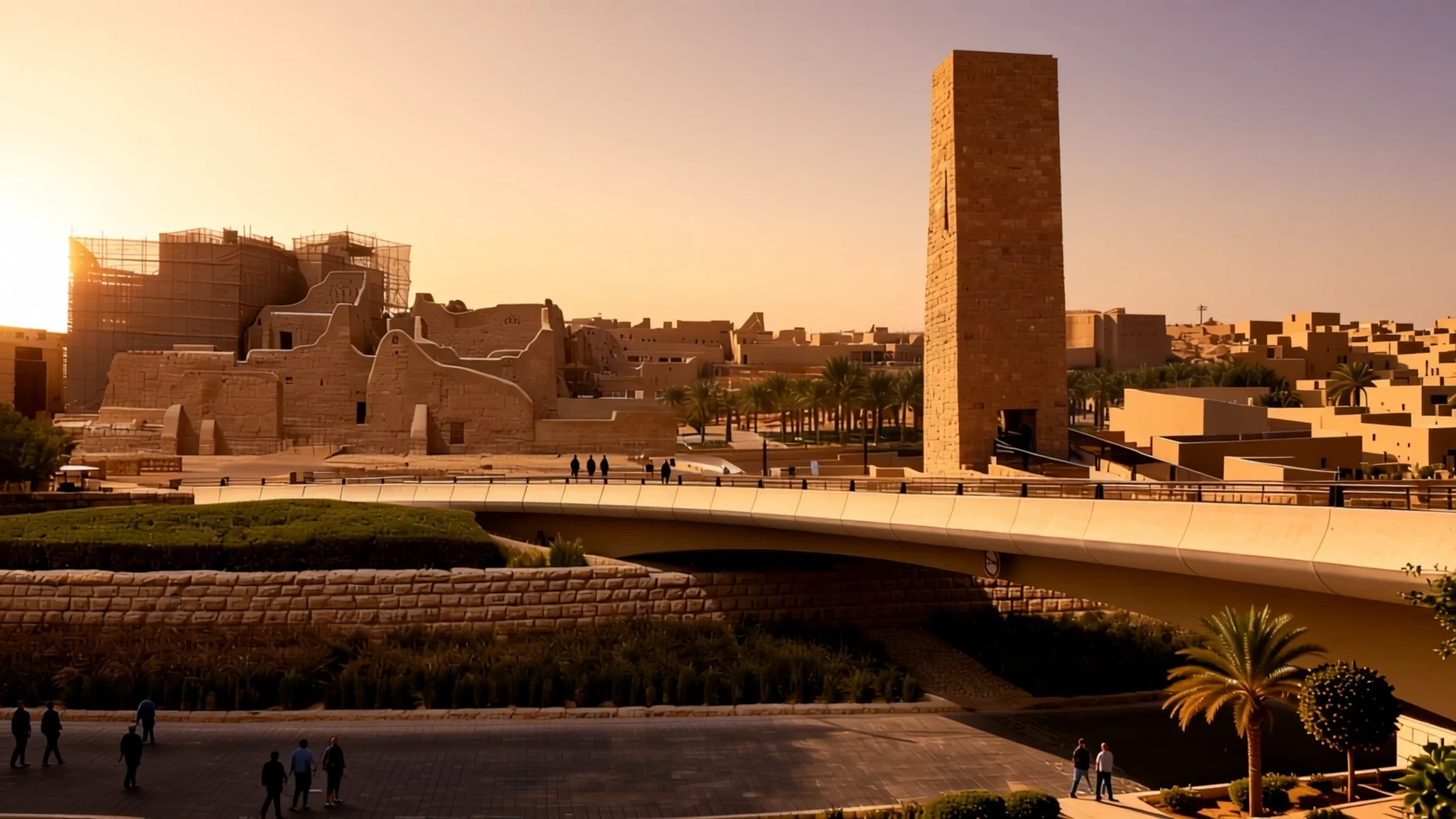
Go for the mud-brick quarter of At-Turaif, the first home of the Saudi rulers, and for a clear view of how a desert town was built into its valley.
The place
Diriyah is a town on the north-western edge of Riyadh, the Saudi capital, and it sits in a narrow valley that runs southwards through the city. The town has around 43,000 people and stands about 694 metres above sea level, so winter evenings are noticeably cooler than in the city's lowlands. Diriyah is the seat of its own governorate, which takes in several smaller villages, and the whole area belongs to Riyadh Province.
The heart of a visit is the old town of mud brick, which spreads over hills on either side of Wadi Hanifa. The ruins fall into three districts: Ghussaibah, Al-Mulaybeed and At-Turaif. At-Turaif is the highest and the easiest to walk into from below, and it was the first seat of the Saudi family here. Sections of the old city wall still follow the valley edge, with observation towers standing above them.
Below the ruins, the modern town has grown at the foot of the hill. To its north lie gardens, palm groves and small farms fed by water from the valley. The old quarters have been restored rather than left as bare ruins, and the area now draws weekend visitors from Riyadh. The National Museum in Riyadh holds a large model of the old city, which helps you read the layout before you walk it.
Its story
Diriyah's story begins with a small settlement in the valley, which chroniclers of the Nejd region say was founded in the mid-fifteenth century by Mani' Al-Muraydi, an ancestor of the Saudi royal family. He and his clan had come from eastern Arabia at the invitation of a local ruler, and the first homes they built in the quarters of Ghussaibah and Al-Mulaybeed took that ruler's name. Turaif was settled later, and the whole cluster of mud-brick houses came to be called Diriyah.
The valley appears in much older accounts as well. In the earliest Islamic period, a small raiding party sent out from Medina struck a local clan in this area and returned with captives and booty. It is a single episode, though, and the town's real importance came centuries later.
From the eighteenth century the family used Diriyah as the base for a growing state. Under the first Saudi dynasty it was the capital of the emirate, and the palaces, guest houses and mosque built there belong to that period. The state's expansion eventually drew it into a larger conflict. The city was taken in an invasion in 1818 that brought the first Saudi state to an end, and much of the mud-brick town was left to decline.
Recovery came slowly. Restoration in later decades brought At-Turaif back into view, and the district was declared a UNESCO World Heritage Site in 2010, which is why its walls and courtyards now draw visitors from across the country.
What to see
- Palace of Saad bin Saud — At-Turaif district
The palace of Saad bin Saud, a son of Imam Abdullah, is one of the larger residences on the hill. Its courtyard was used as a stable, which tells you how busy the household was. The building has been restored and rises several storeys, so you can read its layered rooms from the lower paths. Give yourself time to walk slowly through the courtyard and look up at the windows.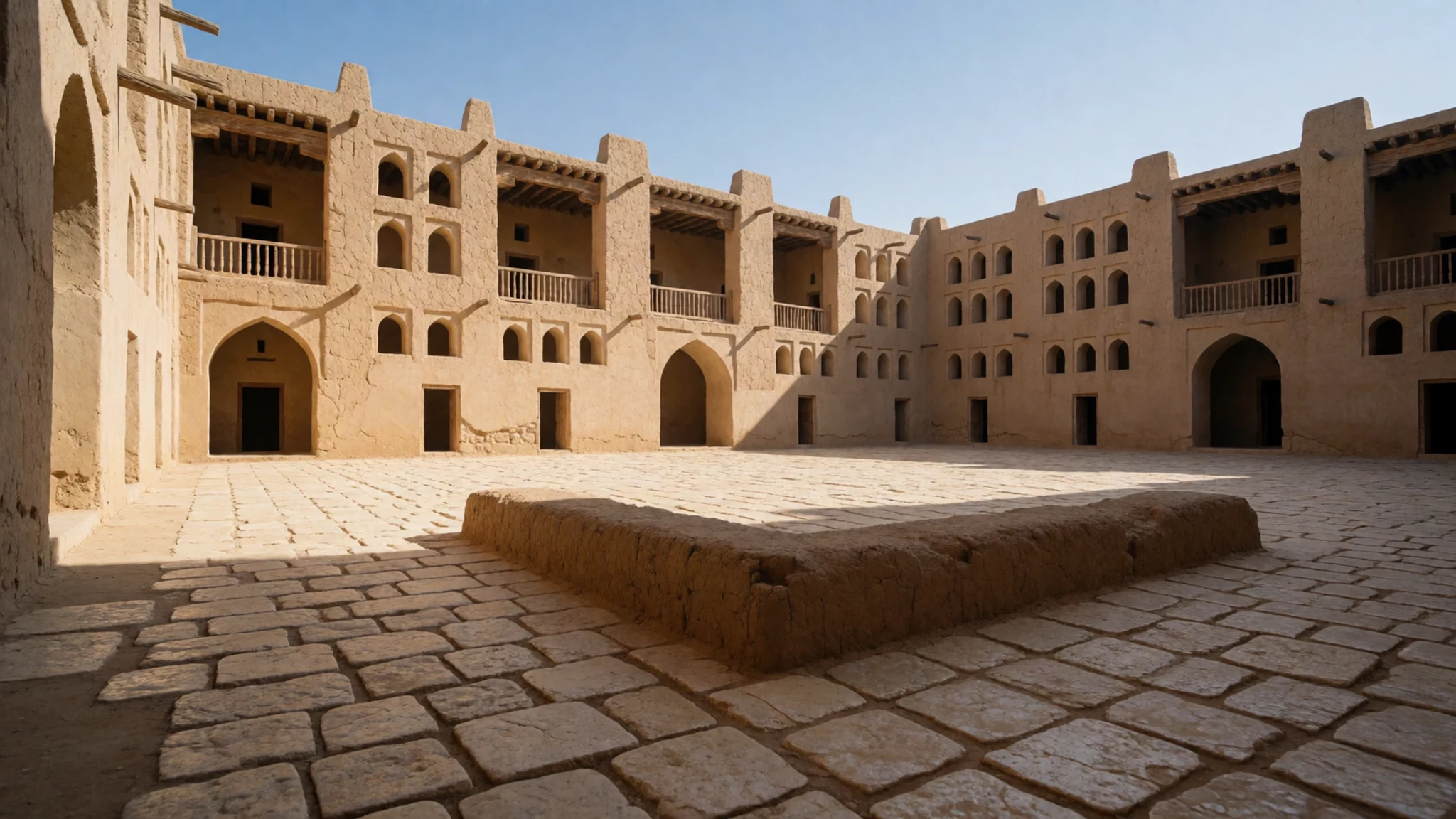
- Salwa Palace — At-Turaif district
Salwa Palace was the first home of the Saudi amirs and imams during the emirate, and it rises several storeys above the surrounding lanes. Its thick mud-brick walls show how the family lived at the centre of the state. Walk around the outside to see its scale, and remember that upper floors are not always open to the public.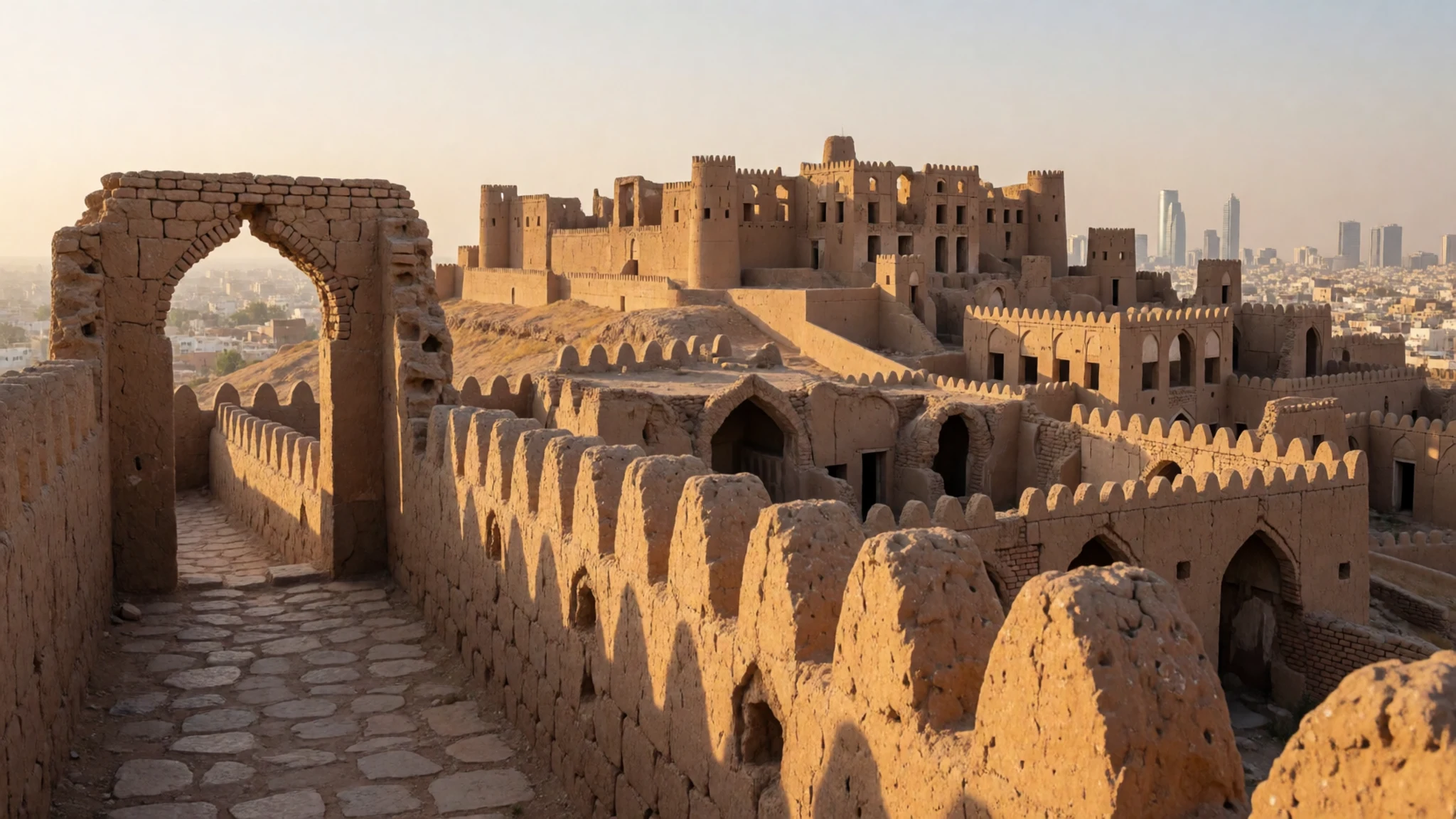
- Guest House and Bath House — At-Turaif district
The Guest House and the Bath House sit close together, each a cluster of small courtyards surrounded by rooms. The bath house is worth a look for its layers of plaster, which show how builders tried to waterproof mud walls. Both buildings drew their water from a well in the valley below, so the site was planned around a steady supply.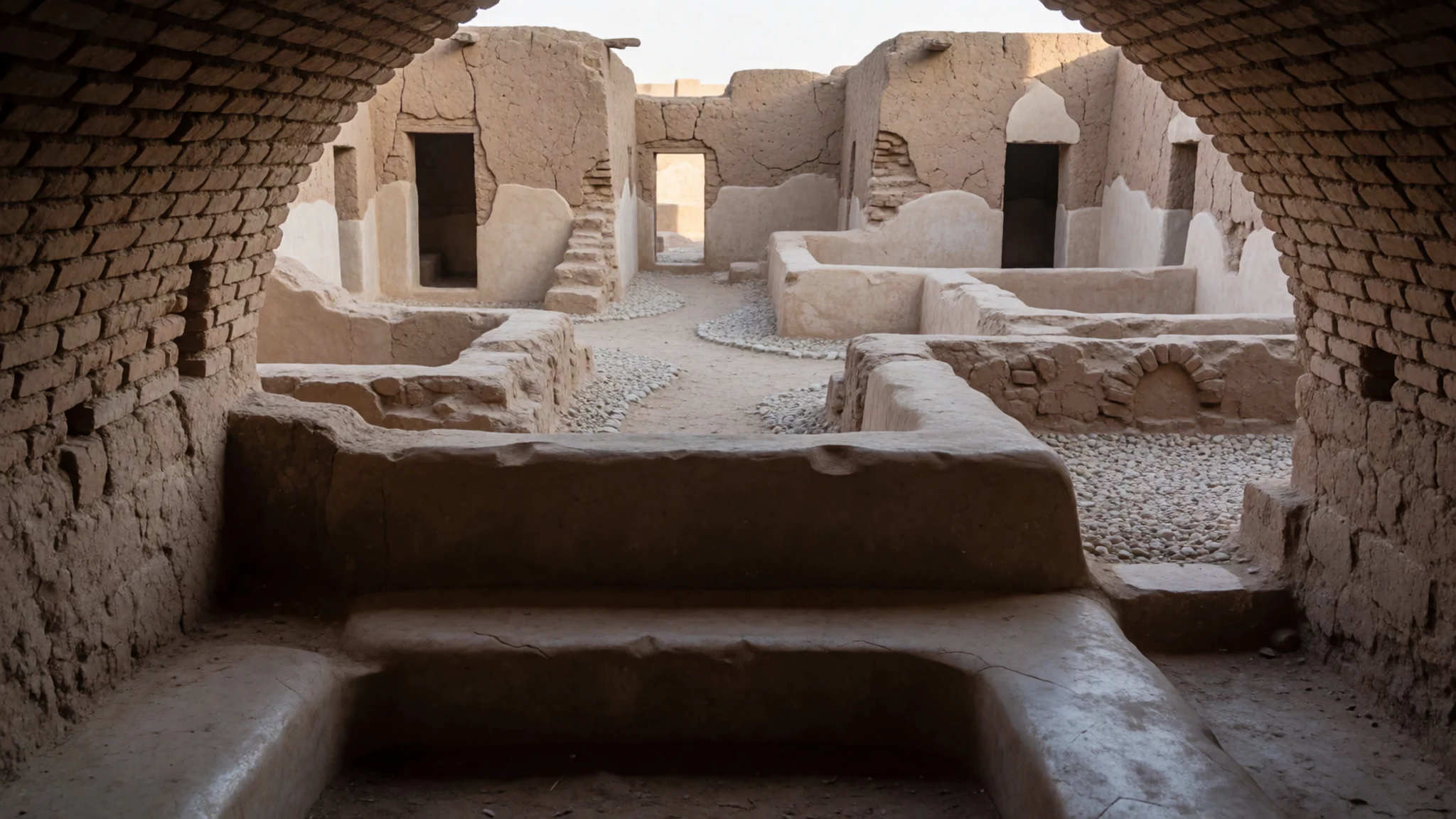
- Imam Muhammad bin Saud Mosque — At-Turaif district
This mosque was first built in the eighteenth century under Imam Muhammad bin Saud. Excavation later uncovered a large hall of columns from that era. The site also holds a sombre memory: a ruler of the family was killed here while leading prayer. Later the building fell into ruin, so you see the outline of the plan more than a complete roof.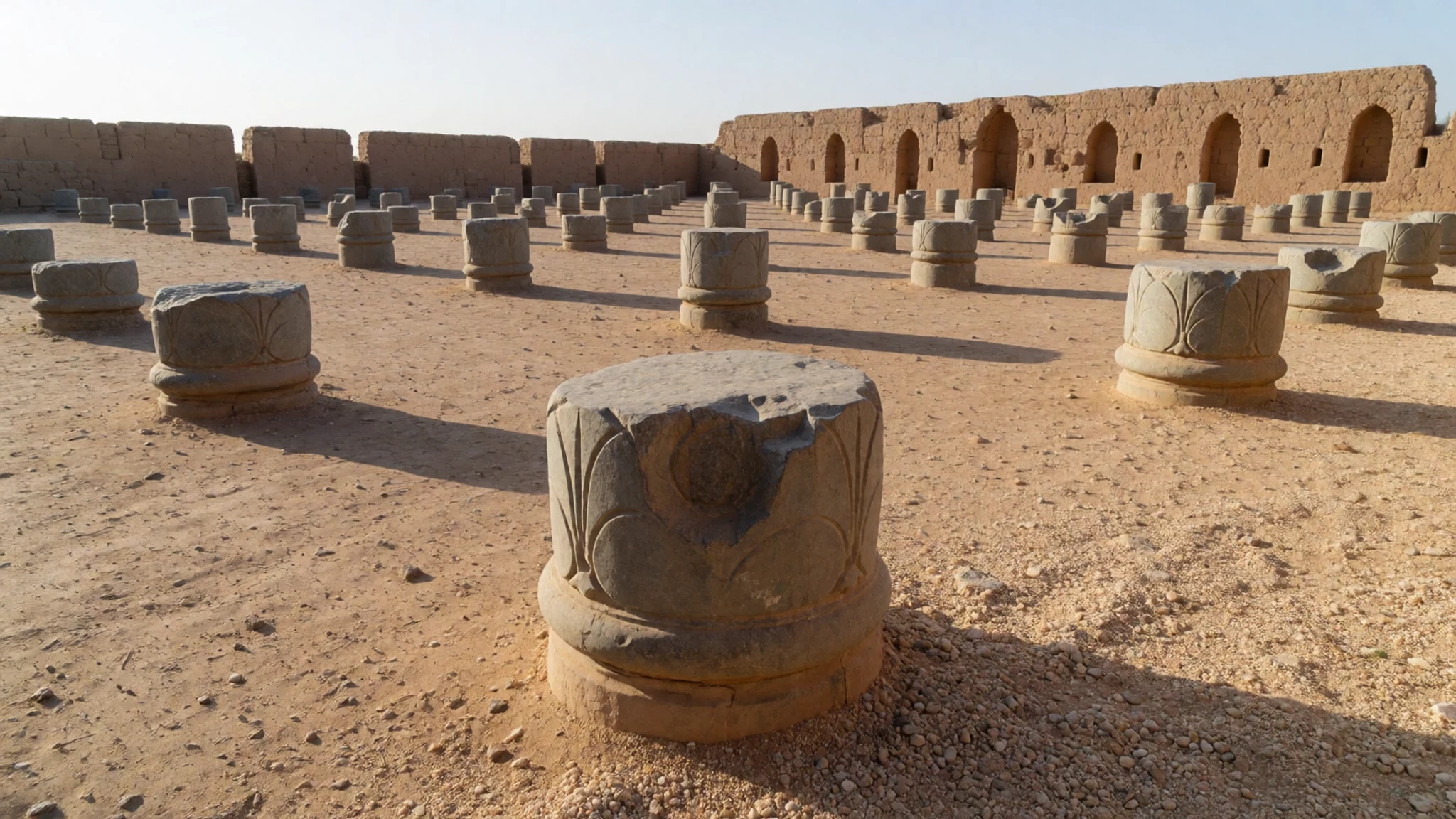
- At-Turaif hilltop and wadi walls — Above Wadi Hanifa
From the high ground of At-Turaif you look down over Wadi Hanifa and the old city wall running along its edge. Observation towers stand at intervals, and the mud-brick outline of the town spreads across the opposite hill. Go in the cooler hours, because there is little shade on the paths and the foot of the hill is the easiest approach on foot.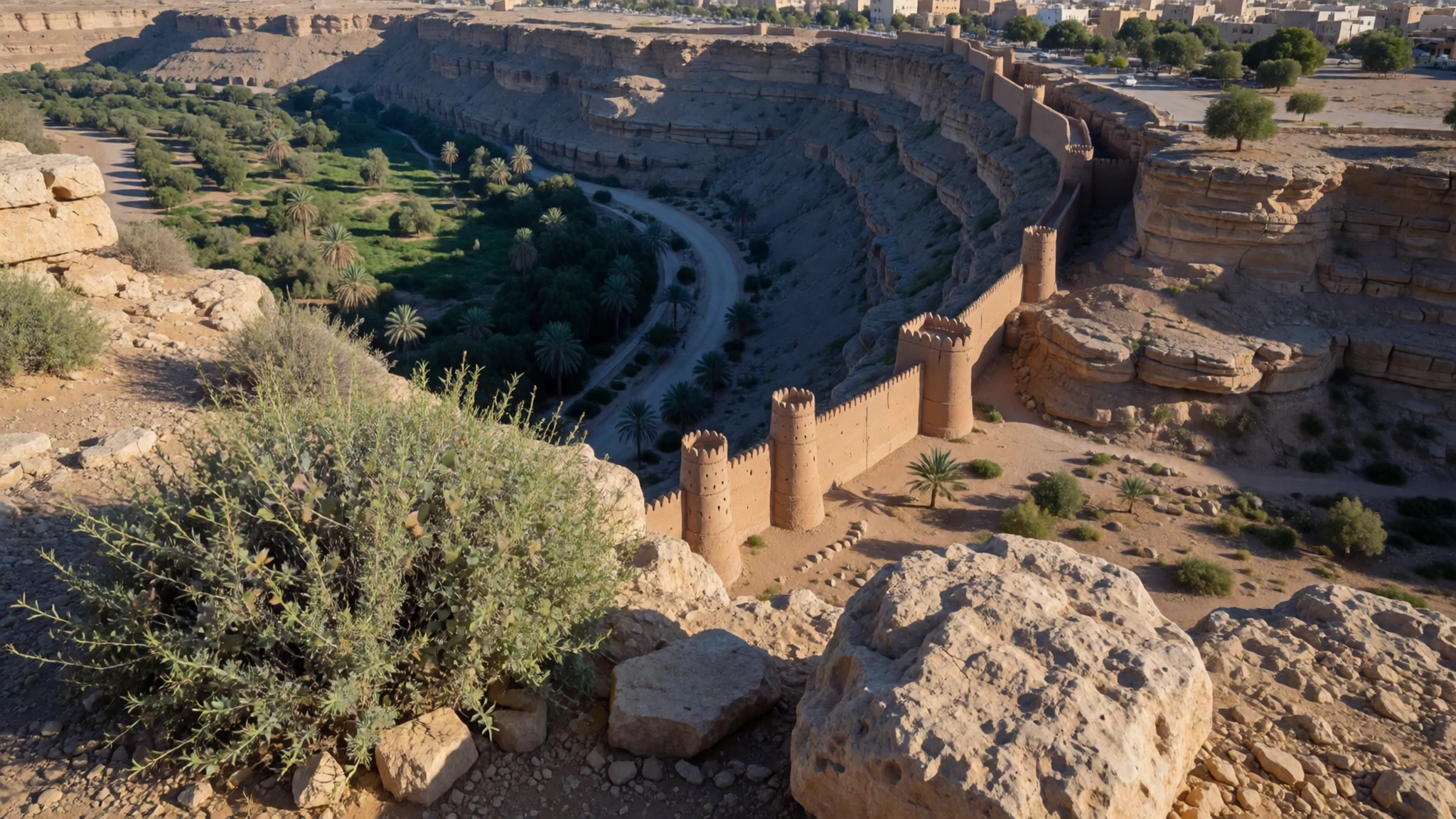
Culture
Diriyah is a heritage site, but it is also a place where people live, work and pray, so behave as you would when visiting a village for the first time. The mud-brick quarters are quiet in the early morning, and the old mosque is a working place of worship rather than a backdrop, so keep your voice low and follow any signs about where you may walk. Saudi families value privacy, so greet people politely and keep a respectful distance when photographing a house or courtyard. Meals at the restaurants along Bujairi Terrace are unhurried and social, and hospitality is generous, so accept coffee when it is offered and let your host set the pace. Dress modestly in the old quarters, with shoulders and knees covered, and follow the lead of local visitors when you are unsure. Ask before you photograph any person, especially women, and do not climb the mud-brick walls or step into a courtyard that is closed off.
What to wear
Traditional dress in central Arabia is built around loose, modest garments that suit the heat and the dust. Men traditionally wear the thobe, a long white robe of cotton, often with a ghutra, a cotton headcloth, held in place by a black cord called an agal. Women's older dress in the Najd region includes the embroidered thoub, a long dress with bright stitching on dark fabric, worn for weddings and celebrations.
Today many men in Diriyah and Riyadh wear the thobe and ghutra every day. Many women wear the abaya, a loose black cloak, which now comes in a range of cuts and sleeves, sometimes with a face veil. Visitors are not expected to wear national dress, but they should dress with care.
For a visit, choose loose, breathable cotton or linen. In spring and autumn a light long-sleeved shirt with loose trousers or a long skirt is comfortable, and in summer pale colours help. The At-Turaif paths are uneven, with loose stones and mud brick underfoot, so choose closed shoes with good grip. Carry a light shawl to cover your hair and shoulders where needed, particularly near the mosque.
What to eat
- Kabsa — Family restaurants on the main road and the eateries at Bujairi Terrace
Kabsa is the Saudi rice dish most often shared at a table. Spiced basmati is cooked with dried lime and a mix of warm spices, then topped with chicken or lamb. It arrives on a large platter for several people to eat together, usually with a bowl of tomato sauce on the side. Order it at a family restaurant for the most generous portions.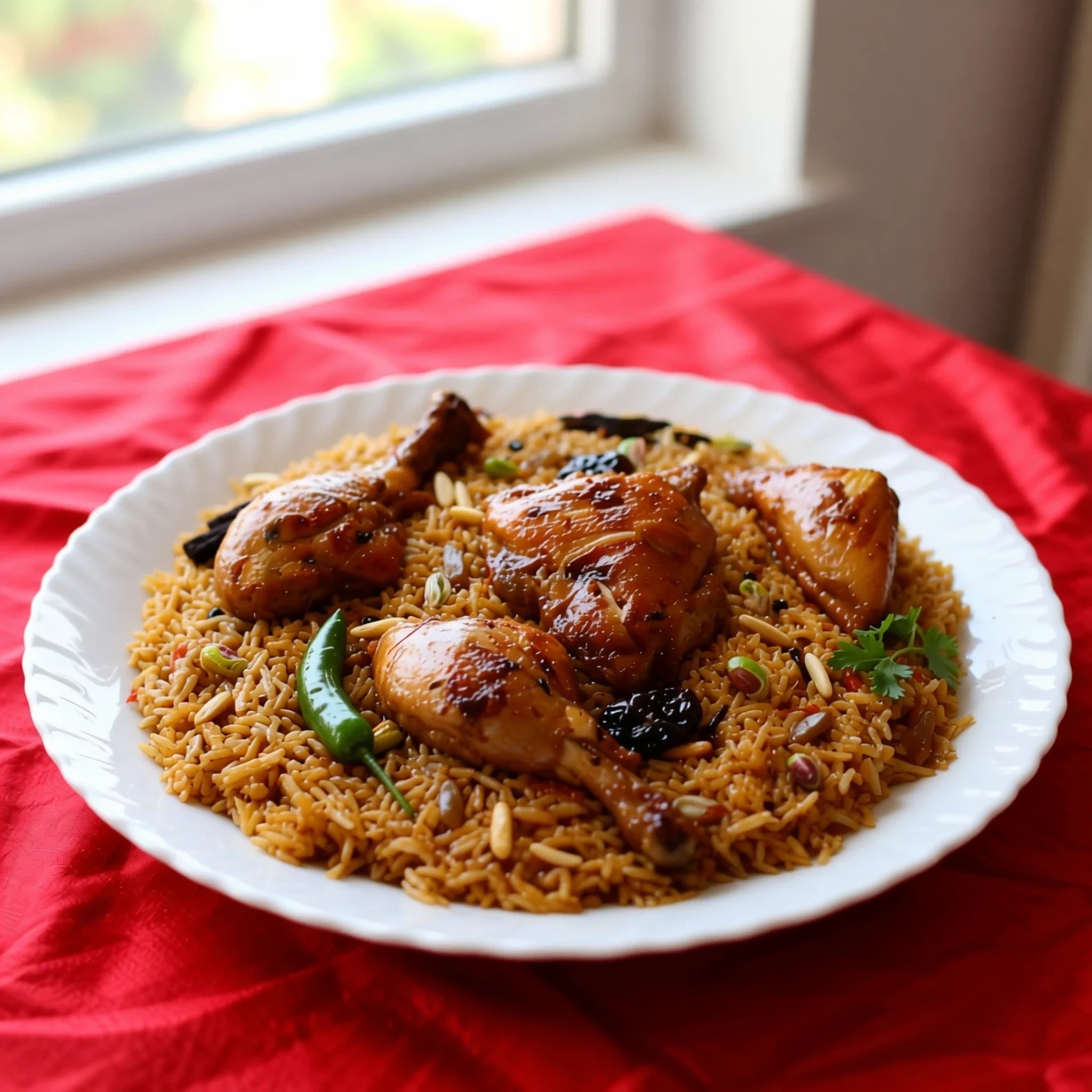
- Arabic coffee — A traditional coffee corner in the older parts of town, or the restaurants along Bujairi Terrace
Arabic coffee is lightly roasted and brewed with cardamom, then served in small cups from a long-spouted pot. It is a sign of welcome rather than a snack, so accept a cup and drink it politely. Ask for it plain or with a little saffron if the place offers it.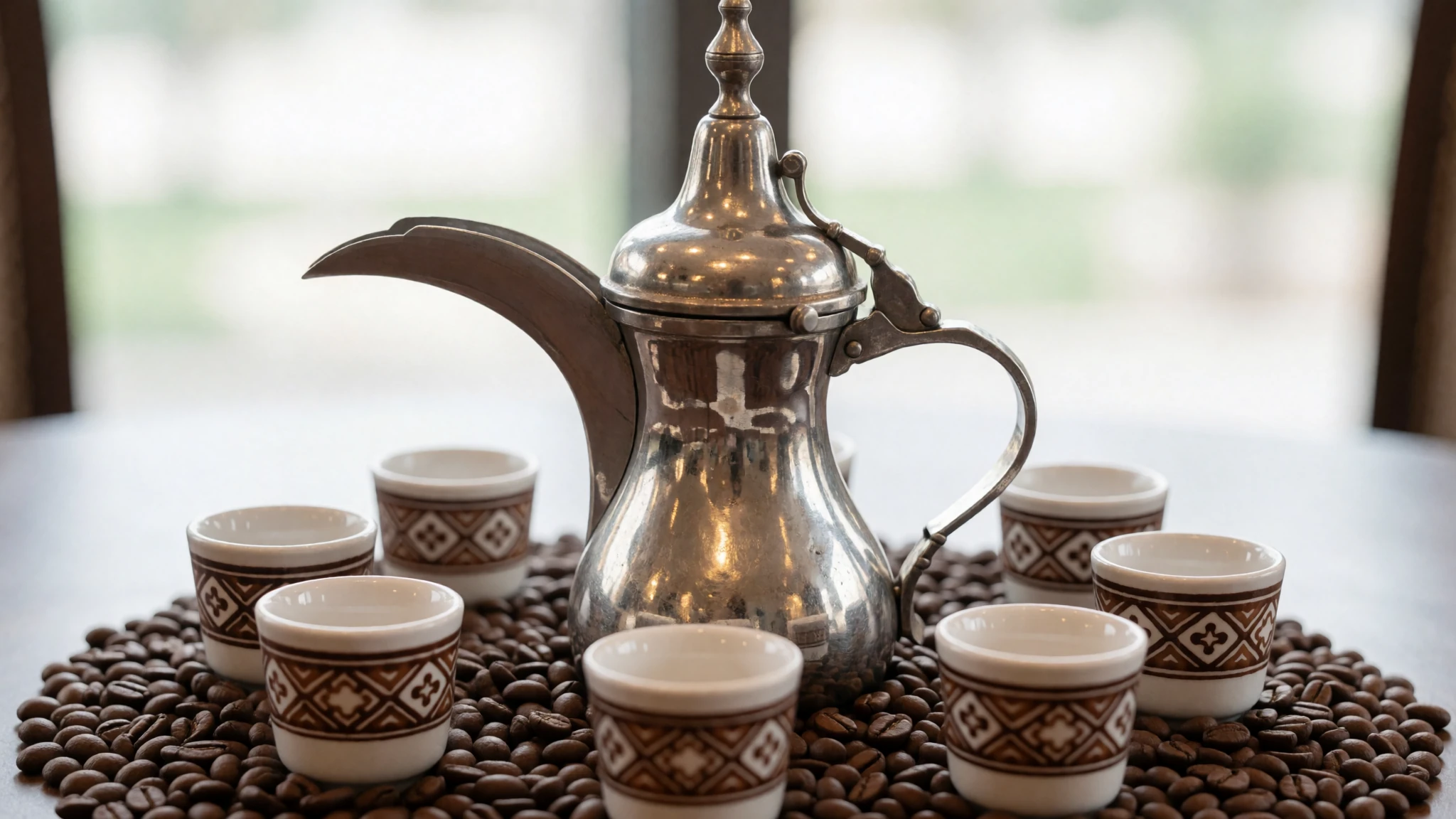
- Dates from the valley — Roadside stalls and local markets near the palm groves north of town
Dates from the palm groves north of the town are sold in boxes at roadside stalls and local markets. Eat a few soft dates alongside your coffee, as they are usually served together. Buy a small box to take home, and check that it is well packed for the journey. - Jareesh — Home-style eateries around the town, or ask a family restaurant whether it is on the menu
Jareesh is cracked wheat cooked slowly with yoghurt or broth and butter, a comforting dish from the central region. It is softer and milder than many Saudi dishes, which makes it a good choice for a lighter meal in the heat. It is not always on the menu, so ask at a family eatery.
Plan it
Best time. December to February: winters are cool and dry, so the old quarters are comfortable for walking. Avoid the middle of the day from May to September, when summers are long, sweltering and arid.
How long. 1–2
Getting there. Fly into Riyadh, then take a taxi or ride-hailing car to Diriyah. There is no public transport, and the town is about 15 km from KAFD in northern Riyadh.
Budget. mid
Tips
- Check the official site for the Diriyah Access Pass before you travel, because pricing is dynamic and the pass can be redeemed as credit at restaurants
- Arrive early in the day, before the heat builds and the paths fill up
- Carry water and a hat, as there is little shade on the walk up to At-Turaif
- Bring some cash for small purchases, though most restaurants accept cards
- Allow time for a long lunch or a late dinner at Bujairi Terrace, which fills in the evening
Etiquette
- Dress modestly, with shoulders and knees covered, especially near the mosque
- Ask before photographing people, and never photograph women without permission
- Stay on marked paths and keep off the crumbling walls
Nearby
Sources
- Wikidata Q277505 (CC0)
- Wikipedia (rev 1380528480) (CC BY-SA 4.0)
- Wikivoyage (rev 5317850) (CC BY-SA 4.0)
- Photo 01-diriyahpic.jpg, Petrovic-Njegos (CC BY 3.0)
- Photo 02-diriyah1.jpg, Matti&Keti (CC0 1.0)
- Photo 03-diriyah2.jpg, Matti&Keti (CC0 1.0)
- Photo 04-diriyah-8.jpg, Matti&Keti (CC0 1.0)
- Photo 05-diriyah6.jpg, Matti&Keti (CC0 1.0)
- Photo 06-diriyyah2.jpg, Xristoph (CC BY 3.0)
- Photo 07-.jpg, Heritage Commission (CC BY-SA 4.0)
- Photo 08-almaarefa-colleges-outdoor-4.jpg, AlMaarefa Colleges (CC BY 3.0)


