Dammam
Dammam, Saudi Arabia
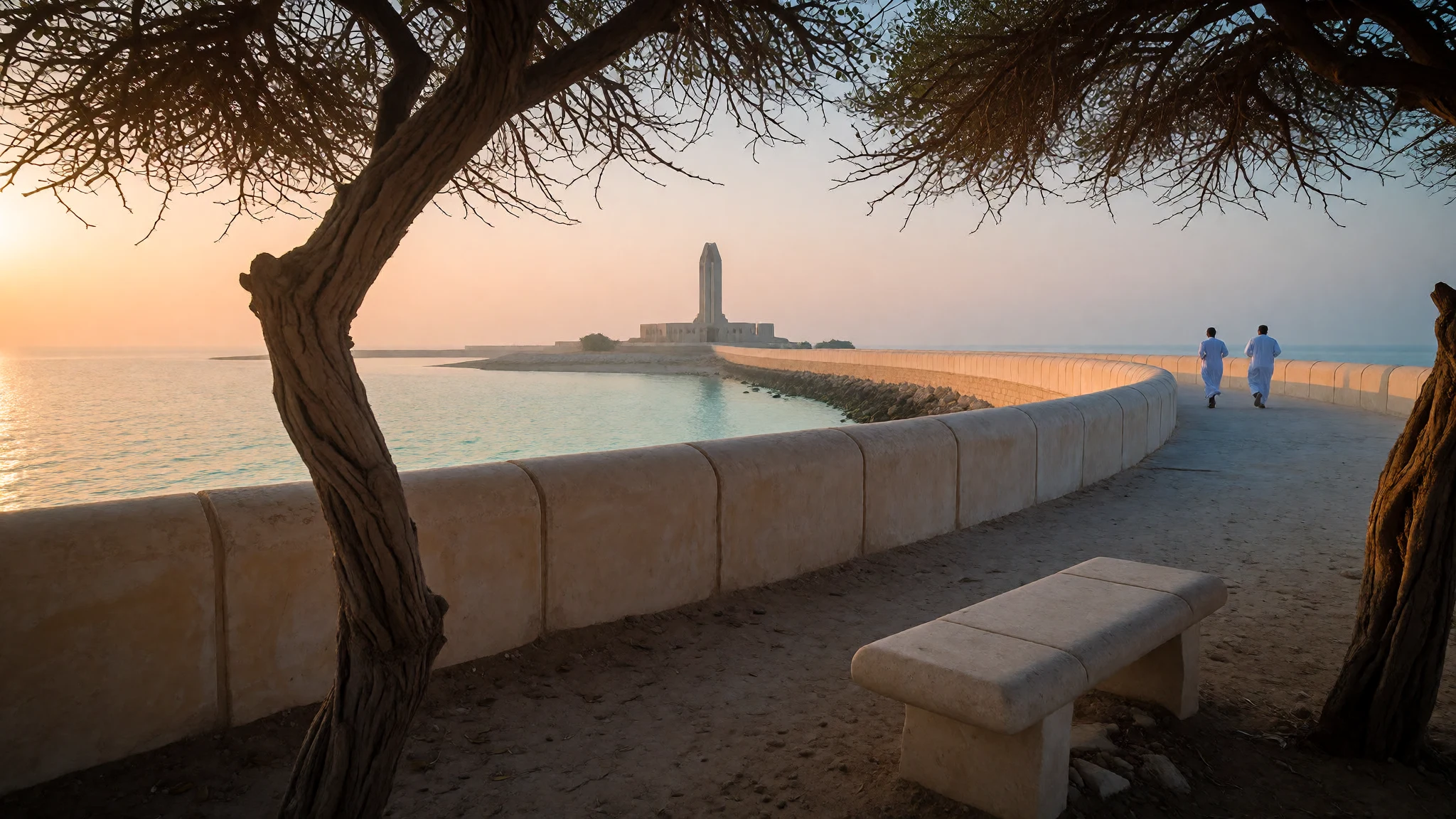
Dammam is a working Gulf port and oil city with a breezy waterfront, excellent South Asian food and Bahrain just across the causeway.
The place
Dammam sits on the Persian Gulf coast of Saudi Arabia and is the administrative seat of the Eastern Province. About 903,000 people live in the city itself, and it forms the core of a larger urban cluster with Khobar and Dhahran, which run into each other so smoothly that visitors rarely notice where one ends. The land is flat, sandy and only about 10 metres above sea level, so the sky and the water do most of the visual work.
This is an industrial and port city first and a tourist destination a distant second. Cranes, container yards, refineries, hospital complexes and wide highways shape the map, and the pace of life follows work and the weather. That is part of the appeal for a certain kind of traveller: Dammam shows how a modern Gulf economy actually runs, away from the showpiece skylines.
The climate is hot desert. From May to September daytime temperatures stay above 40 °C, nights can be warm, and the humidity off the Gulf makes it heavy going. Winter is the pleasant season, mild by day and occasionally chilly at night, with rain that is sparse and mostly falls between November and January. Occasional hail and thunderstorms can surprise people who expect only sun.
The city is a practical hub. Roads link it quickly to Khobar, Dhahran, Jubail and Riyadh, a railway line runs inland, and the King Fahd Causeway leads on to Bahrain. Many visitors arrive for business and stay a few days; those with time find a relaxed seafront, a good range of regional cooking and a useful base for the wider Eastern Province.
Its story
Dammam's modern story is tied to oil, but the place was a settlement and fort long before. In the nineteenth century the fort at Dammam was held by the Second Saudi state, and a British attack on it was beaten back. Local people had long lived from the sea, through fishing and trade along the Gulf coast, and the beaches remain a favourite spot for fishermen today.
The city's founding date in the facts is 1922, which marks its growth as a planned town rather than the first human presence. What changed everything was the search for oil. A concession agreement was signed with the Standard Oil Company of California in the early 1930s, in the reign of King Abdulaziz, and a team of geologists was sent to the Dammam area to plan the first wells.
The early drilling was frustrating. Dammam No. 1 gave unpromising results and was abandoned, and a second well followed, along with plans for several more nearby. Most of those early wells disappointed, and the work dragged on through repeated trials. Persistence paid off with the seventh well, which at last produced the encouraging results the company had been waiting for, and the Eastern Province was set on the path that now defines it.
Oil brought roads, a port, housing, hospitals and foreign engineers, and it turned a small coastal town into a regional capital. Today the Saudi government is trying to diversify the economy away from oil, and plans for entertainment districts, parks and theatres in the Eastern Province reflect that shift. Dammam is therefore a city still being rebuilt around a second idea of itself.
What to see
- Dammam Corniche — Waterfront
The Corniche is a long green strip facing the Gulf, and the easiest place to see Dammam at leisure. Families picnic on the grass, people walk and cycle, and the sea breeze helps in the cooler months. Go in the late afternoon or evening, and avoid the middle of a summer day.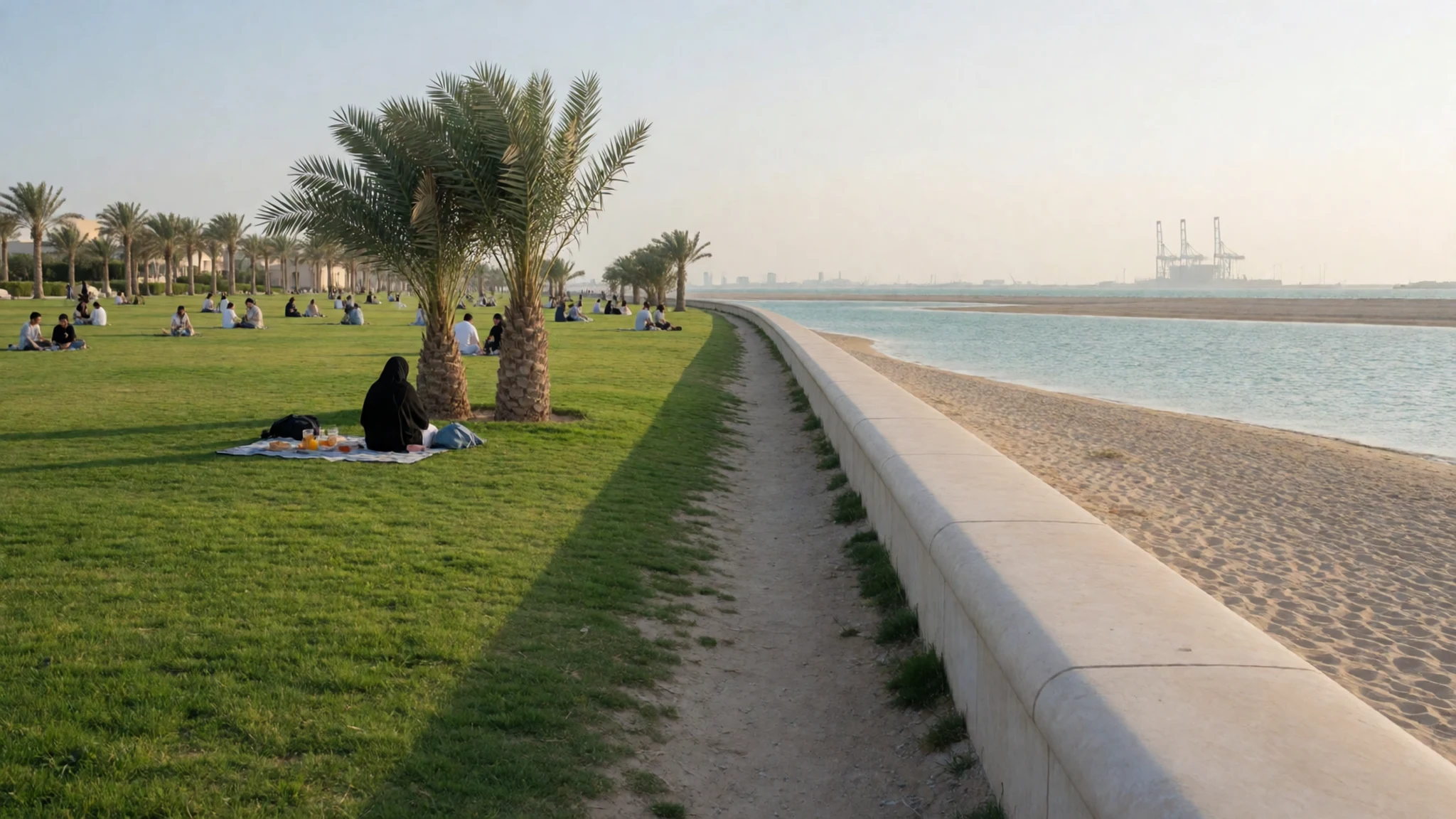
- Al Morjan Island — North end of the Corniche
Al Morjan is a small artificial island reached as an extension of the Corniche, with a monument at its centre. It suits an unhurried afternoon or evening walk with sea views on all sides. Weather decides everything here, so pick a breezy winter day and bring water.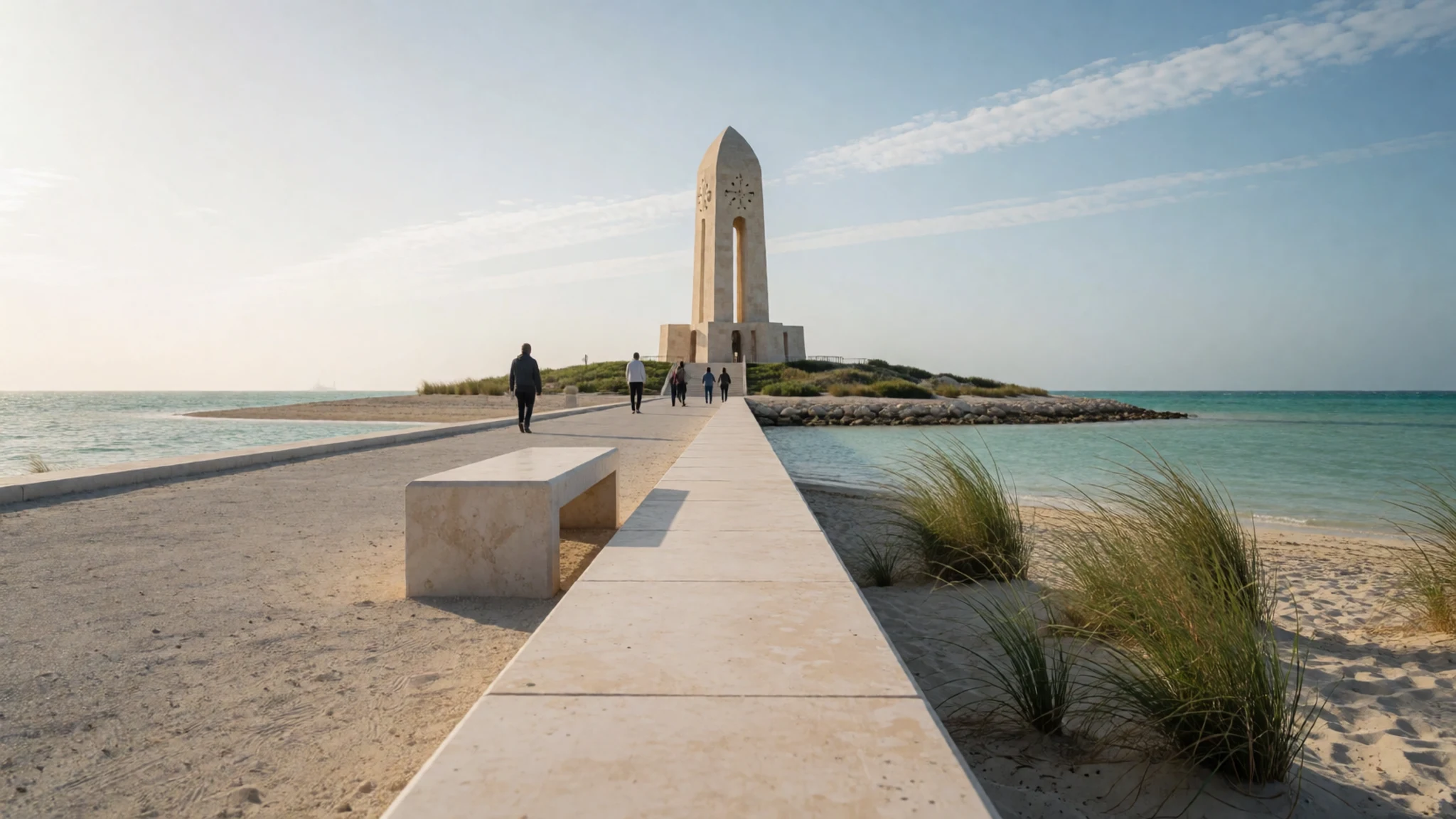
- Tarout Castle — Tarout Island, near Qatif
Tarout Castle is a historic fort with a Portuguese-era building from the early sixteenth century, standing on a much older base. It sits on Tarout Island, across the water from Qatif, a short drive from Dammam. Check access and opening arrangements locally before making the trip.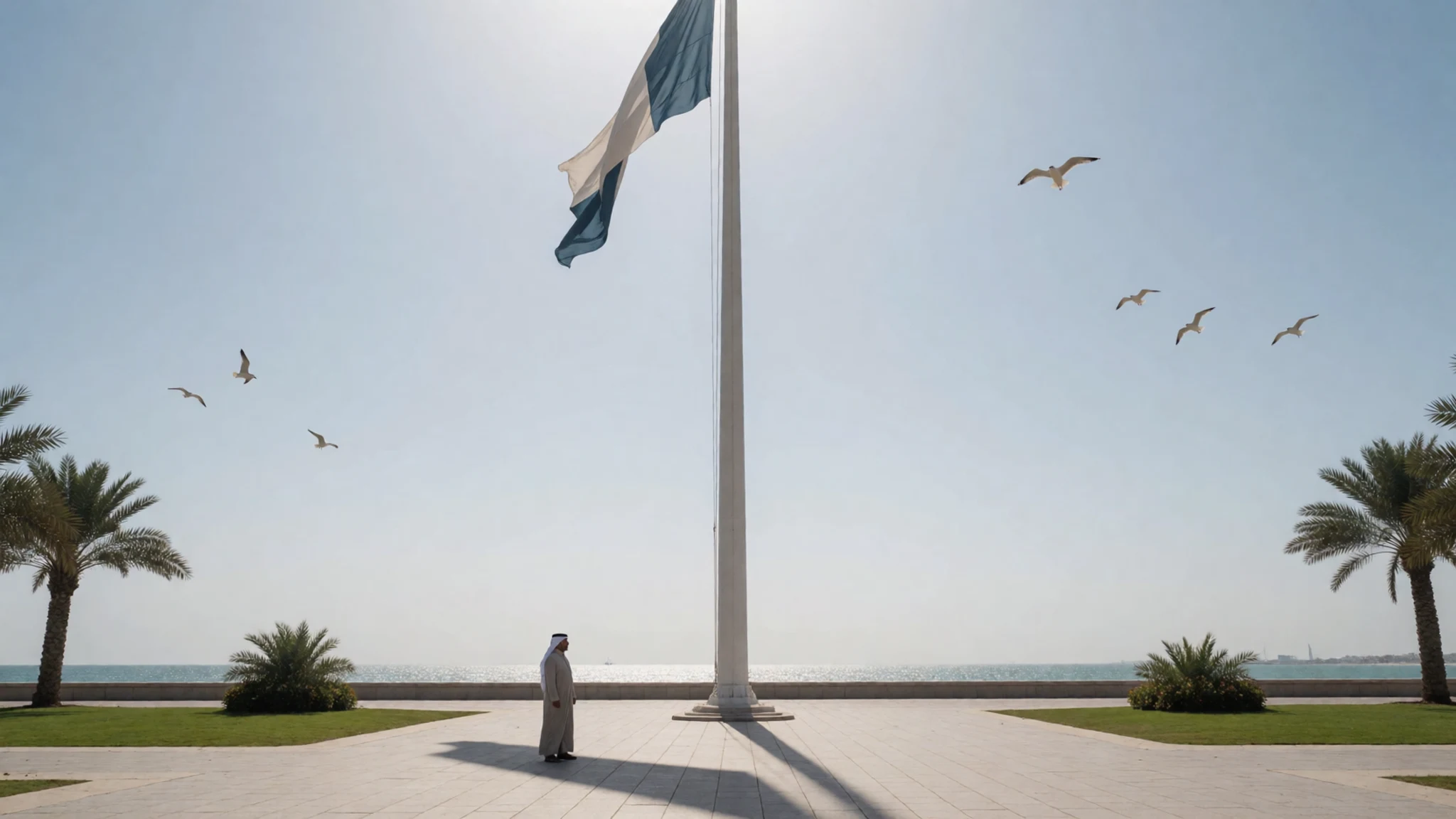
- Abu Loza's Bath — Older part of the city
This is a historic hammam, or bathhouse, of Turkish type, reported to date back to the eleventh century CE. It is a modest heritage stop rather than a grand monument, so treat it as a curiosity. Ask locally about current access before you go.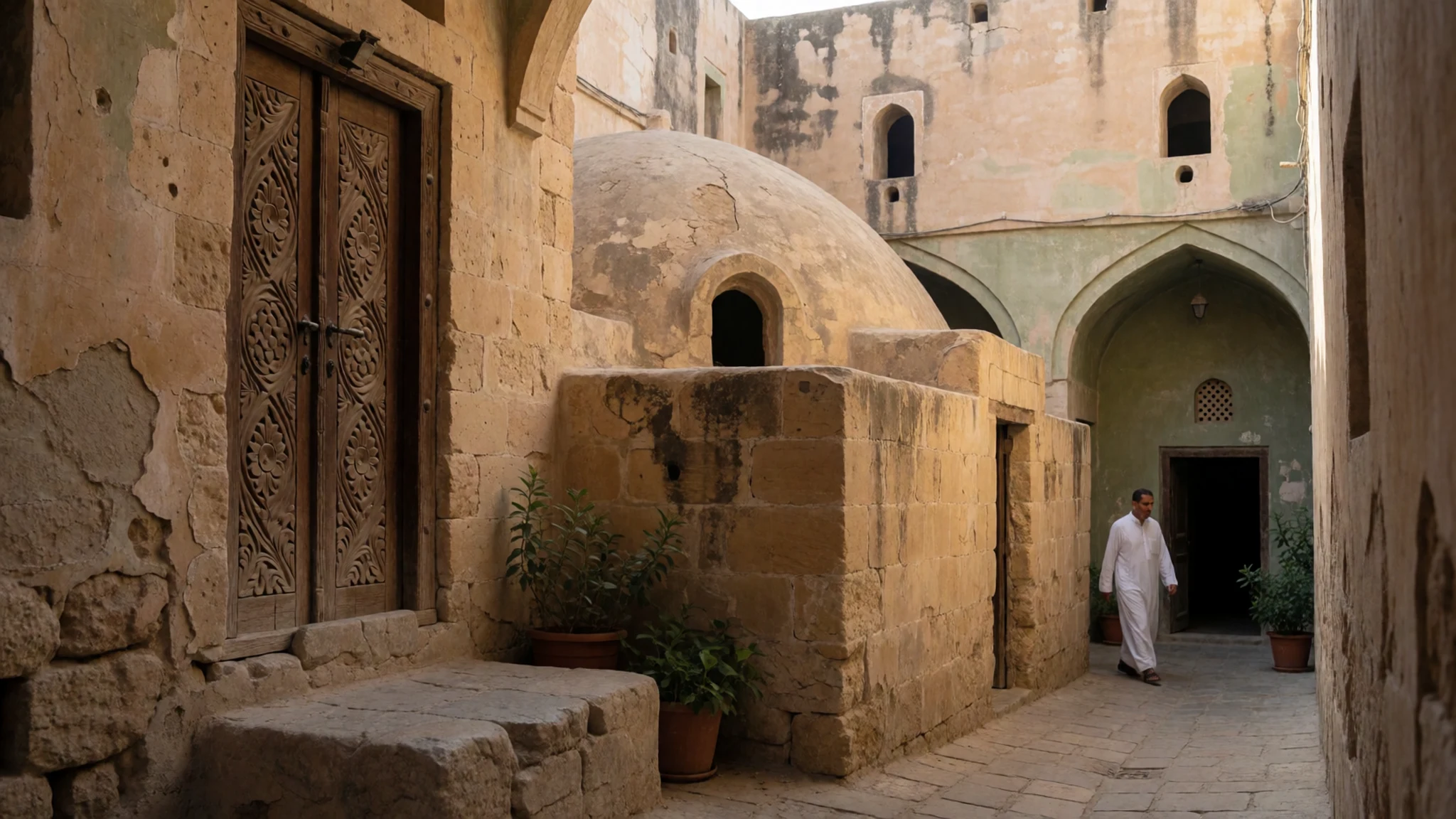
- The flagpole — City landmark
Dammam has a very tall flagpole, about 60 metres high, which is popular for photographs and a quick stop for families. It is a roadside landmark rather than a full outing. The flag itself is not always flying, so do not count on the perfect shot.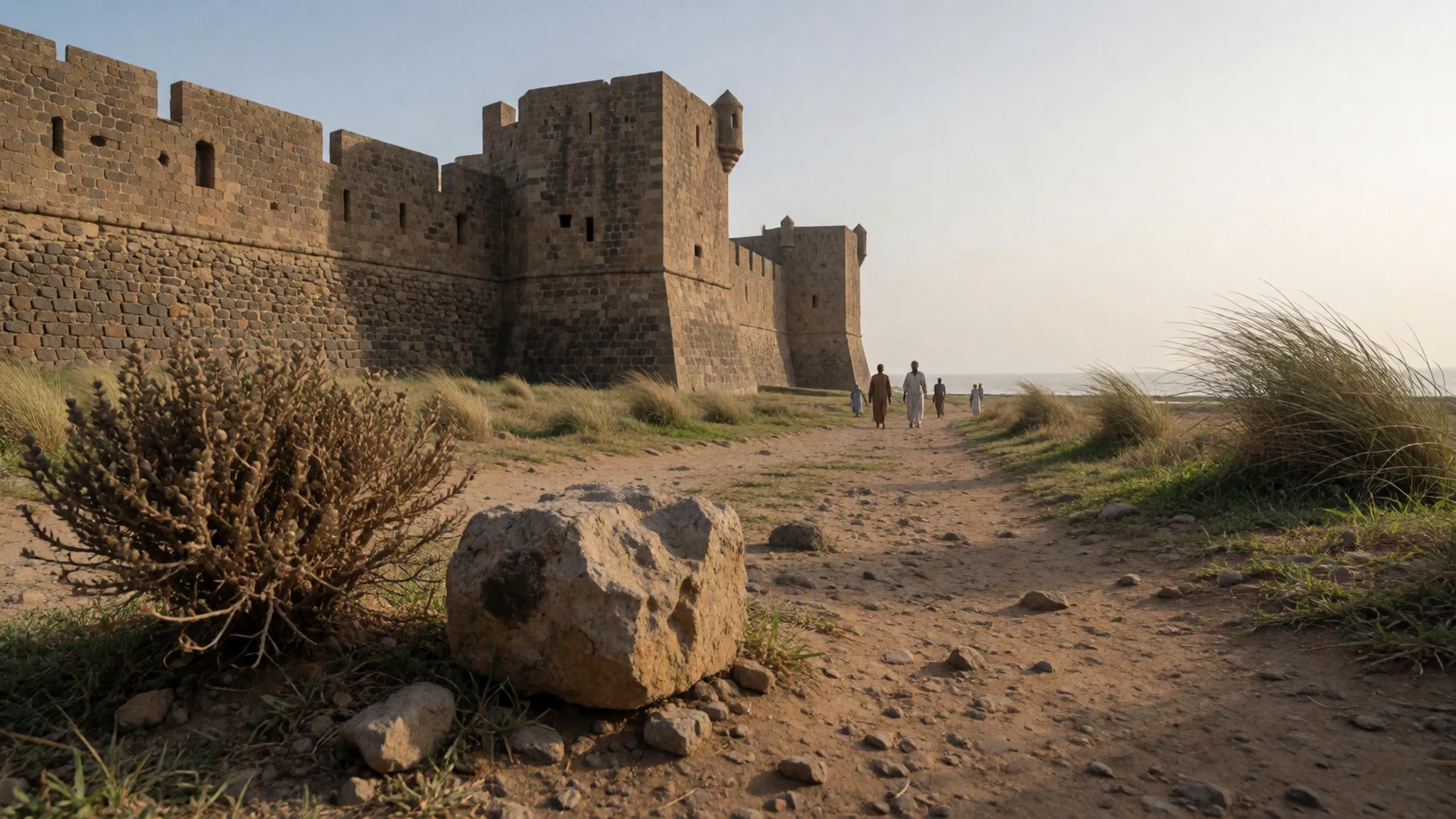
- Prince Mohammed bin Fahd Stadium — Central Dammam
The stadium holds about 26,000 and is home to local football clubs, including Al-Ettifaq. Football is the sport of the city, and a match day shows Dammam at its most animated. Fixtures change, so check the club or league schedule before planning around a game.
Culture
Dammam is a conservative Gulf city where Islam shapes the rhythm of the day. Shops and offices pause for the five daily prayers, the call to prayer carries across the streets, and the working week and public holidays follow the Saudi calendar. Family life is central, and much socialising happens at home, in cafes and along the seafront rather than in bars, since alcohol is banned across Saudi Arabia.
The sea is the older thread. Fishing communities have used the Gulf beaches for generations, and the Corniche is still where families gather in the evening once the heat eases. Football is the most popular sport and the national passion, and match nights bring noise and colour. Older pursuits such as camel racing, falconry and horse riding are still practised, and they say something about the desert culture behind the oil-era skyline.
The Eastern Province is also a place of many origins. Workers and families from India, Pakistan, Bangladesh, the Philippines and elsewhere have long been part of daily life, which is why the food scene is so varied. The government's Vision programme is adding entertainment venues, parks and theatres, so the social scene is changing fast, and rules around public events and mixed gatherings can differ from a few years ago.
When in doubt, dress and behave modestly, and follow local guidance on prayer times. Dress modestly in public, stop photographing people or government and industrial sites unless you have clearly been allowed to, and avoid eating or drinking openly in public during daylight hours in Ramadan.
What to wear
The traditional dress in Dammam is the same as across the Gulf. Men wear the thobe, a long, loose, usually white shirt-dress, often made of light cotton or synthetic blends suited to the heat, with a head covering: the white ghutra or the red-and-white checked shemagh, held by a black cord called an agal. In winter many men add a bisht, a light cloak, for formal or ceremonial occasions. Women commonly wear the abaya, a long, loose, usually black overgarment, with a headscarf, and some also cover the face with a niqab.
What people wear day to day is a mix. Many men wear the thobe to work, while younger men often choose jeans or trousers and football shirts outside office hours. Women's abayas now come in many cuts and colours, with embroidery or lighter fabrics, and are worn over modern clothes. Rules on dress have relaxed in recent years, but it is wise to follow local practice and check current guidance.
For visitors, think hot weather and modest dress. Choose loose, lightweight cotton or linen that covers the shoulders and knees, and trousers or long skirts in place of shorts. Women are not always required to wear an abaya, but carrying a light scarf is sensible, and it is best to follow what local women around you are wearing. Comfortable sandals or trainers suit the flat, paved city and the Corniche, and a hat, sunglasses and sunscreen matter in summer. Bring a light jacket for air-conditioned malls and cool winter evenings.
What to eat
- Pakistani curries and grills — Casual Pakistani restaurants in the city centre
Karahi, nihari, tikka and fresh tandoori bread are staples in the city's Pakistani eateries. Expect rich gravies and generous portions, eaten with bread rather than cutlery. They are easy to find among the busy casual restaurants of central Dammam, especially in the evening.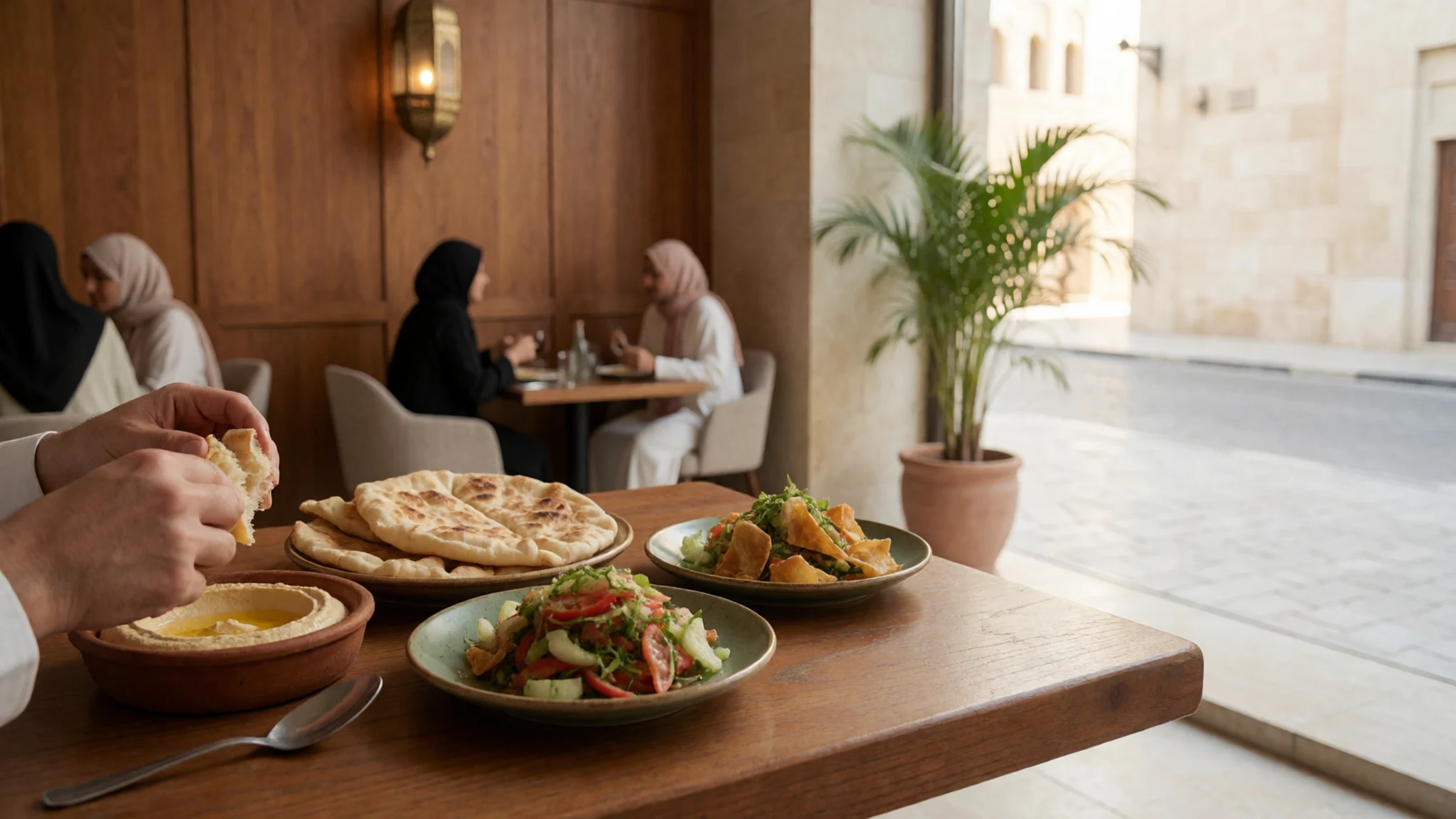
- South Indian breakfast and meals — South Indian and vegetarian restaurants near the centre
Dosa, idli, vada and rice meals served on a banana-leaf-style platter are available in several South Indian and vegetarian restaurants. This is a reassuring option for visitors from India and an inexpensive, filling start to the day.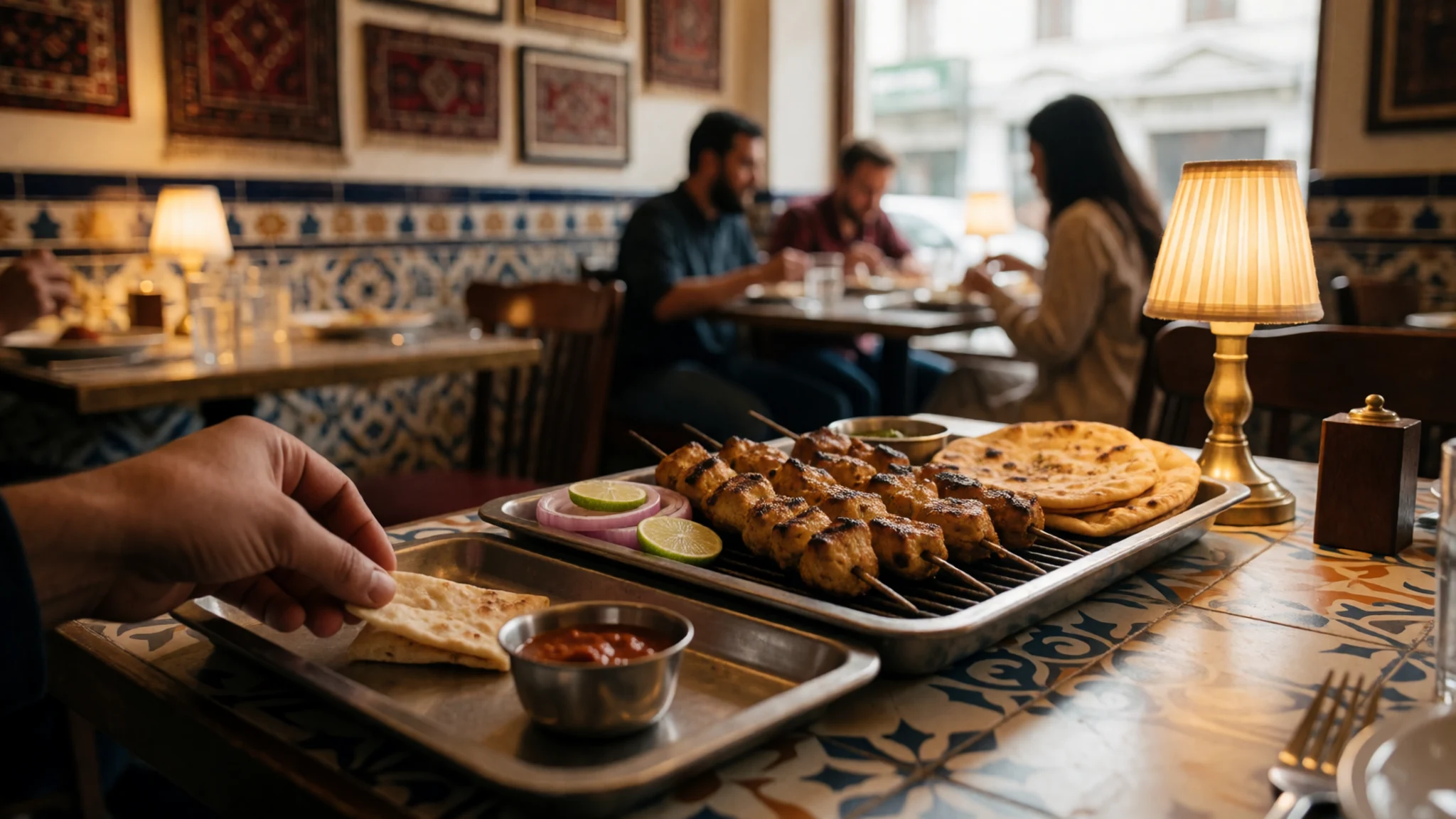
- Iraqi dishes — Iraqi restaurants in the city
Iraqi restaurants serve grilled meat, rice dishes, flatbreads and stews that reflect another strand of the region's cooking. Look for mixed grills with bread and salads, shared among a group. Ask the staff what is freshly made that day. - Gulf fish and kabsa — Saudi family restaurants and seafront eateries
Kabsa, a spiced rice dish with chicken, lamb or fish, is the classic Saudi meal, and the Gulf provides seafood such as grilled or fried fish. Order it at a local Saudi restaurant and share a large platter, as locals do. - Breakfast snacks and tea — Breakfast and snack shops near the centre
Early-morning snack counters sell samosas, parathas, bean dishes and sweet milky tea, popular with workers on their way to the day shift. It is cheap, quick and a good window into how the city's many communities eat. - Cafes, juices and mocktails — Cafes and juice parlours across the city
With no alcohol on sale, cafes and juice bars carry the social scene. Fresh fruit juices, Arabic coffee with dates, and creative mocktails are widely available, and non-alcoholic bottled beer is stocked in many shops.
Plan it
Best time. November to April, when days are mild to warm and the Corniche is pleasant; rain is rare but falls mostly between November and January. May to September is very hot, above 40 °C by day and humid.
How long. 2–3
Getting there. King Fahd International Airport serves Dammam, with a shuttle bus and taxis for the last leg to the city, around 45 minutes by bus. Trains run to Riyadh from Dammam station, about 8 km from the centre, and the highway to Riyadh takes about 4 hours. Bahrain is a short drive across the King Fahd Causeway via Khobar.
Budget. mid
Tips
- Plan outdoor sightseeing for early morning or evening, and carry water in every season
- Hire a car or use ride-hailing apps, as the city is spread out and built for driving
- Carry some cash and a card, and check visa and entry rules well ahead of travel
- Use Dammam as a base for Khobar, Dhahran and Bahrain, which are all within easy reach
- Check the official city website (http://www.e-amana.gov.sa/) and local guidance for events and openings
Etiquette
- Dress modestly, covering shoulders and knees
- Respect prayer times and avoid eating or drinking in public during daylight in Ramadan
- Ask before photographing people, and avoid photographing industrial or government sites
Nearby
Sources
- Wikidata Q160320 (CC0)
- Wikipedia: Dammam (rev 1381412602) (CC BY-SA 4.0)
- Wikivoyage: Dammam (rev 5400787) (CC BY-SA 4.0)
- Photo: Dammam medical complex (CC BY 3.0)
- Photo: وسط الدمام (CC BY-SA 4.0)
- Photo: Saudi Aramco airplanes (CC BY 3.0)
- Photo: Dammam-boat (CC0 1.0)
- Photo: Ajdan Walk (CC BY-SA 4.0)
- Photo: Prince Mohammed bin Fahd Stadium (CC BY-SA 4.0)
- Photo: فصل 301 (CC BY-SA 4.0)
- Photo: 161128-N-LV331-003 (Public domain)


