Al-Ula
Al-Ula, Saudi Arabia
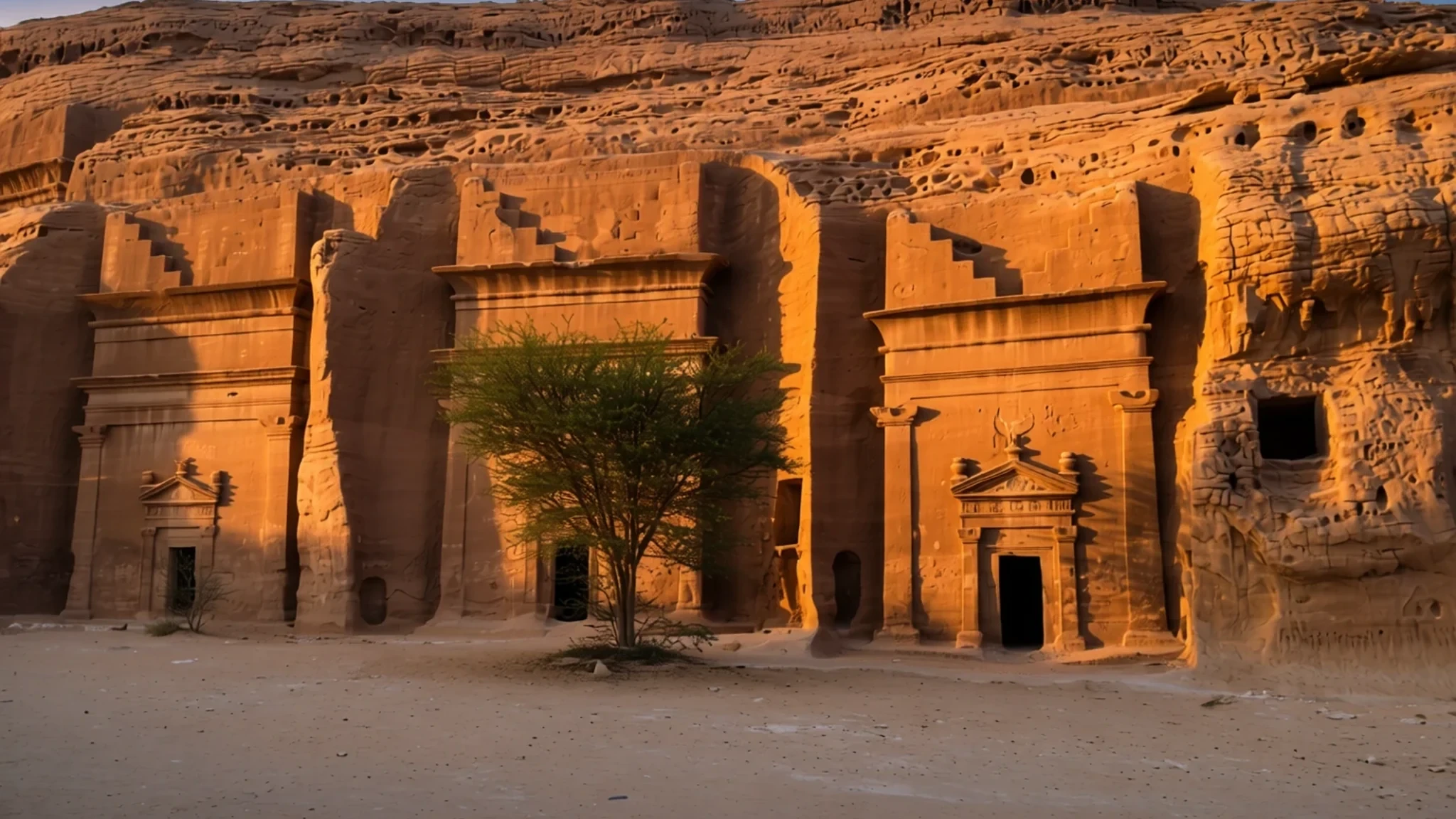
Al-Ula is a desert oasis town of rock tombs, old inscriptions and mud-brick houses on a former incense trade route.
The place
Al-Ula sits in the Hejaz, the western region of Saudi Arabia tied to the early history of Islam and to several older Semitic civilisations. The town is officially called AlUla, and its governorate lies in Medina Province, some way north-west of the city of Medina. Roughly 32,000 people live here. The settlement grew up around a palm-filled oasis in a desert valley, where water and fertile soil made permanent life possible.
The first thing you notice on arrival is the old walled town, known locally as al-Dirah. Its dense cluster of mud-brick and stone houses sits at the edge of the palm grove that once fed it. Much of it has been restored, so the lanes feel lived-in rather than frozen. Newer buildings stand close by, some made to look old, which is worth knowing before you take photographs.
The surrounding landscape is the real draw. Sandstone outcrops rise from the valley floor, and the mountains hold inscriptions and petroglyphs cut by travellers over many centuries. The archaeology is spread across the valley rather than gathered in one place, so you will need transport to see it properly.
Heat shapes the timing. Winter is the busy, expensive season, when the new luxury lodgings are at their most sought after. Midsummer is hot enough that long walks in the open become hard going. Walking is comfortable from October to April, when winter days stay mild, while midsummer is the hardest time outdoors.
Its story
The oasis of Al-Ula has been inhabited for a very long time. Settlement here reaches back to the Bronze Age, and the valley's water and soil drew people long before there was a walled town. Later the place took shape as a stop on the incense trade, the caravan network that carried spices, silk and other luxury goods between southern Arabia, the Red Sea kingdoms, Egypt, India and the Levant.
Many scholars link the oasis with Dedan, the Biblical city whose name also appears in ancient inscriptions. The Dedanite kingdom, which ruled in the seventh and sixth centuries BCE, left its own writing and a growing town. Dedan is also named in a Babylonian inscription recording a military campaign led by Nabonidus, the last king of Babylon, into northern Arabia. Around the turn of the fifth century BCE the kingdom became hereditary.
The Lihyanites succeeded the Dedanites and made the oasis their capital for roughly four hundred years, until about the first century BCE. The Nabataeans, whose great cities include Hegra to the north and Petra in Jordan, later held the region. Their rule ended in the early second century CE, when Rome annexed the territory into its province of Arabia Petraea.
Trade moved on in the Islamic period. The commercial centre shifted to al-Mabiyat, a settlement some distance away near Mughayrah, which flourished from about the seventh century CE and declined before the thirteenth. Al-Ula kept its walls, its palms and its role as a stop for travellers, and the inscriptions in the surrounding hills still record the people who passed through.
What to see
- Old City of Dadan — Dadan, south of the old town
Al-Ula's Dadan area holds the remnants of an old Nabataean city, and its highlight is the Lion Tombs of Dadan. These tombs are carved straight into the rock, with large lions sculpted at each side. Go in the morning, when the stone is cooler and the light falls across the carvings, and allow time to wander among the ruins on foot.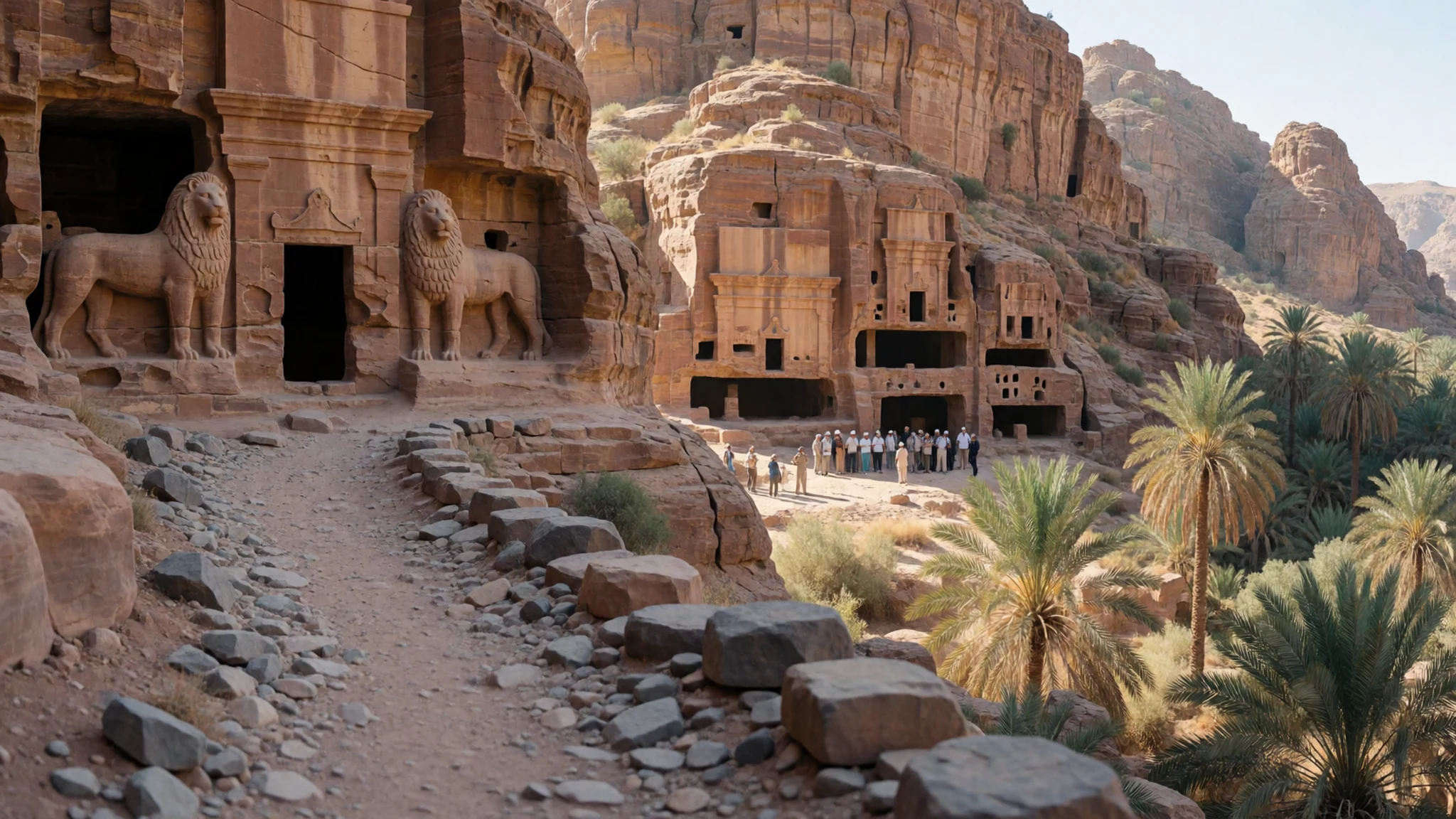
- Rock Carvings of Jabal Ikhmah — Jabal Ikhmah, the mountains west of town
The mountains around Al-Ula are covered in petroglyphs cut by travellers and pilgrims over many centuries. Guided tours usually include a hands-on carving workshop, so you can try the work yourself and see how slow it is. Bring water and a hat, and go with a guide rather than climbing the hill alone.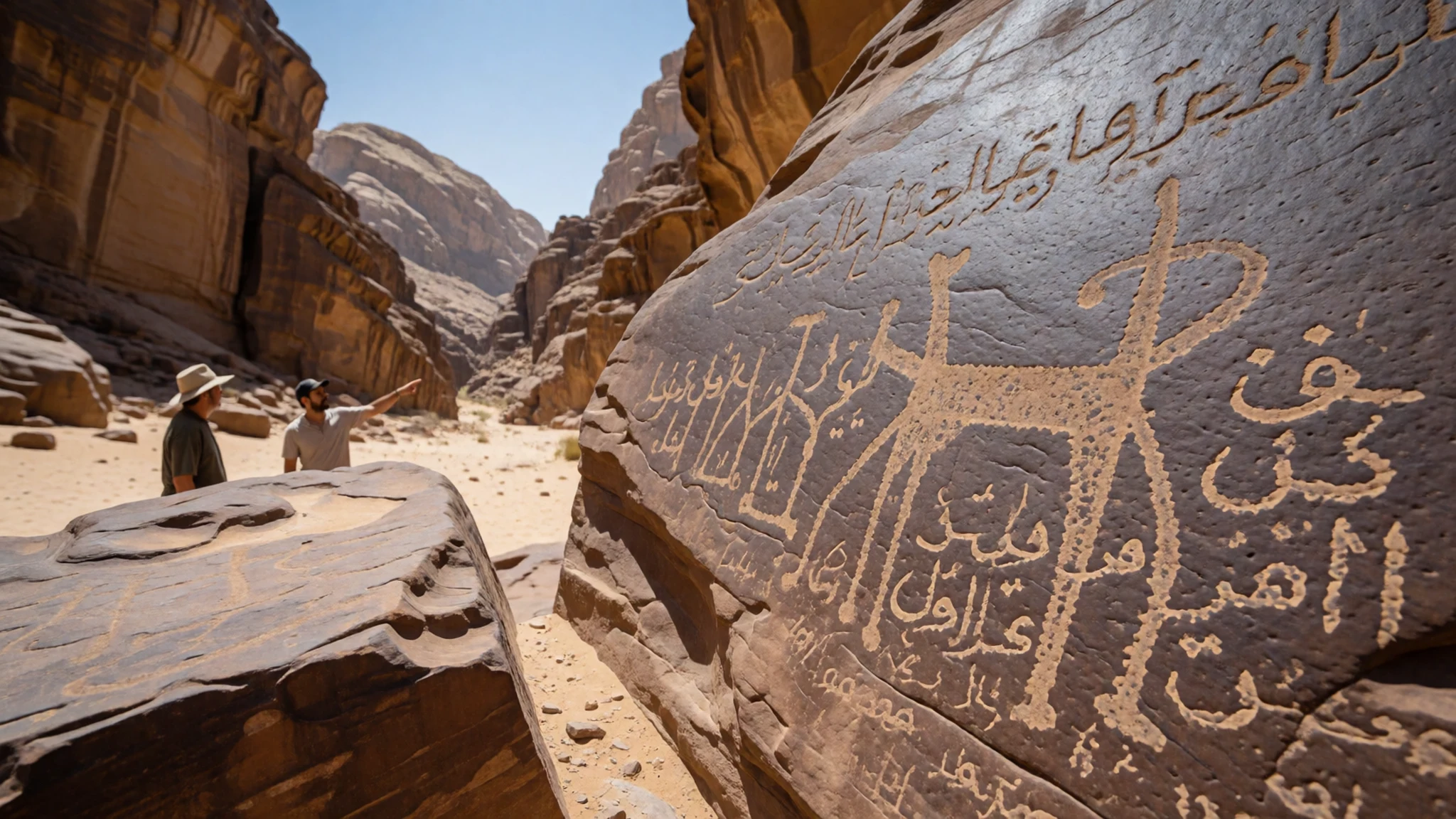
- Dadan Heritage Trail — Dadan date plantation
This walking route near the old city of Dadan winds through a date plantation, past historical farm ruins and gardens. It is the simplest way to understand how the oasis worked, with palms, channels and old walls set against the rock. Walk it early or late in the day, and carry water, because the heat builds quickly once you leave the trees.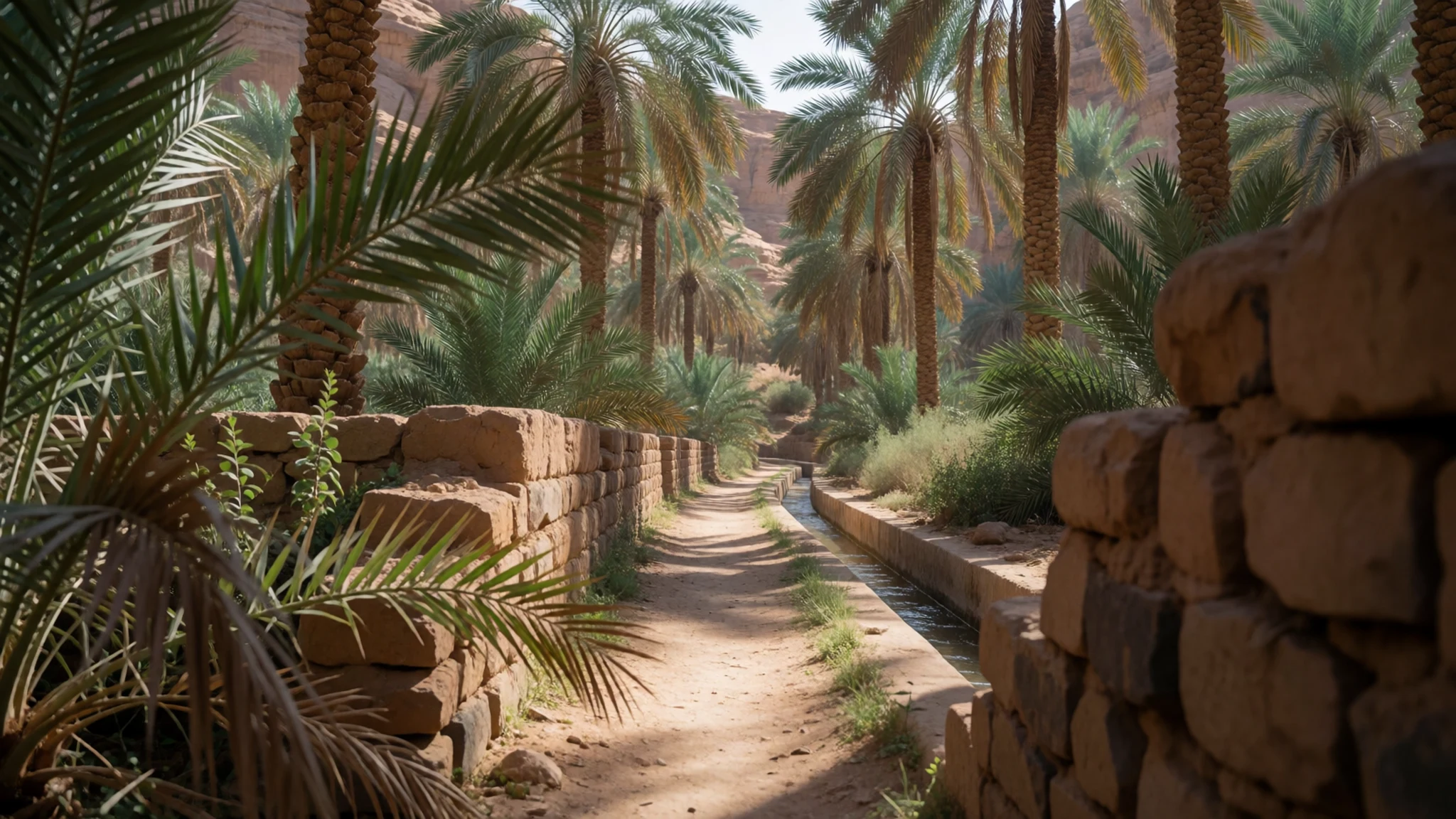
- Old Town of Al-Ula — Old Town, the walled oasis centre
The historic centre of Al-Ula is a cluster of ancient houses mixed with newer buildings made to look old. Cars stay out of the old town, so leave yours at one of the two park-and-ride lots at either end and use the free minibuses or golf carts. A small castle offers the best view over the rooftops, but it can only be visited on a tour booked in advance.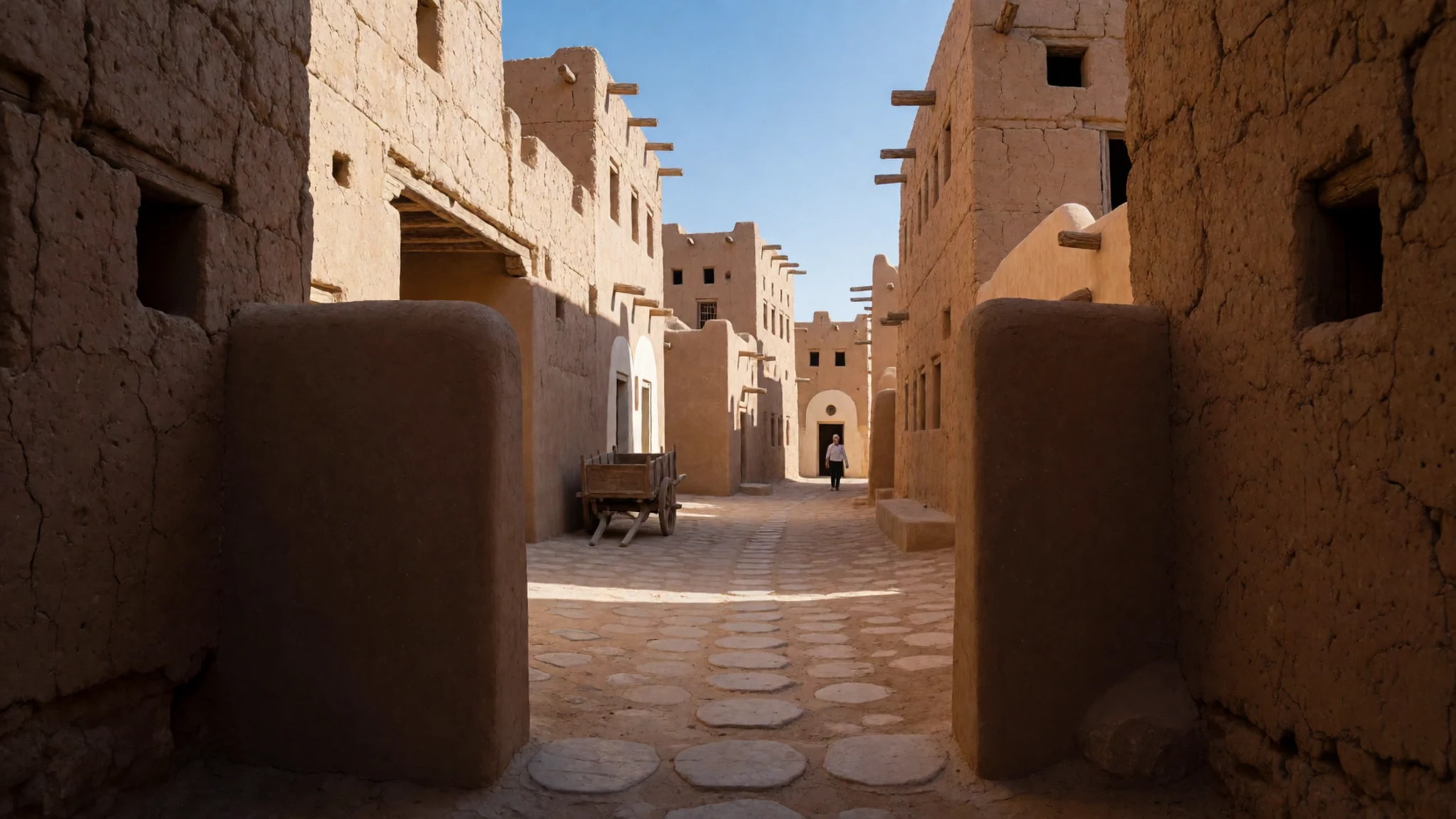
- Harrat Viewpoint — Mount Harrat, above the valley
Al-Ula's Harrat viewpoint, on Mount Harrat, looks down over the whole valley, with the palm grove and the town spread below. There is a car park and a restaurant at the top, which makes it a practical stop for late afternoon as the rock turns gold. Check prices and opening arrangements on arrival rather than expecting them to be fixed.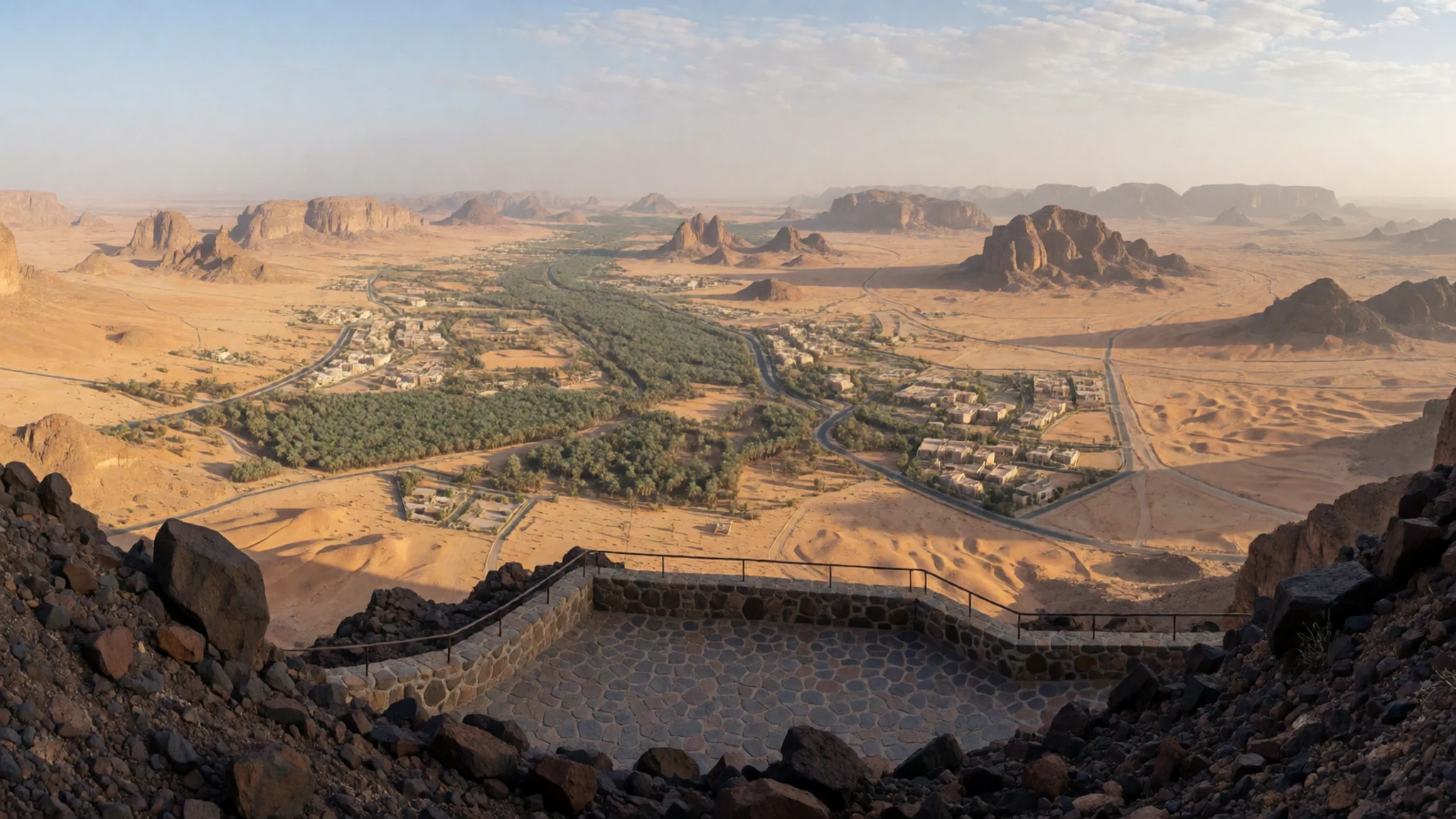
Culture
Al-Ula is a Muslim-majority town in a country where public life follows Islamic norms, and the old town is a home for families as well as a heritage site. Locals go about their day among the tourists, so treat the lanes as you would a village rather than a theme park. Modest dress matters most: keep shoulders and knees covered in the old town and at heritage sites, and carry a light layer or scarf for the rock tombs. Alcohol is not sold in Saudi Arabia, so do not plan on it. Photography needs care, since many people here value their privacy. Guides are usually local and know which spots are sensitive, so follow their directions at tombs and inscriptions where people may be resting or praying. Families gather in the valley at weekends, so keep voices low near homes and cafés. Ask before photographing anyone, and never photograph women without their permission.
What to wear
Traditional dress in Al-Ula follows the wider Hejaz. Men wear the long white thobe, an ankle-length cotton robe, with a white or red-and-white checked headcloth called the ghutra, held in place by a black cord known as the agal. Women traditionally wore dark, loose robes and headscarves, often embroidered at the cuffs and collar. The black abaya remains the common outer layer for women today. Cotton and wool were the working textiles of the oasis, while silk and brocade came through the trade routes and appear in older garments.
In the streets now, you see a mix. Many men still wear the thobe, especially on Fridays and at prayer, while others wear Western clothes. Younger women often pair a plain abaya with a shayla, and some wear coloured or patterned scarves over fitted trousers and tops. Staff at the new lodgings and the guides usually wear practical clothes, so the mix of uniforms, tailored thobes and everyday wear is wide.
For a visitor, the rule is modesty and comfort. Loose trousers or a long skirt, with sleeves past the elbow and a scarf you can drape over your hair, will suit the old town and the heritage sites. Bring a light layer, since desert evenings turn cool quickly. Sturdy closed shoes with good grip are essential for the rock paths and the carving sites, where the sandstone can be slippery and loose underfoot.
What to eat
- Arabic coffee with dates — cafés in the Old Town, and family-run coffee stops in the New Town
In Al-Ula, Arabic coffee is offered almost everywhere you sit down. It is a lightly roasted brew flavoured with cardamom and served in small cups, and it is usually paired with a date from the surrounding gardens. Accept the first cup as a welcome, and tilt the cup when you have had enough so it is not refilled.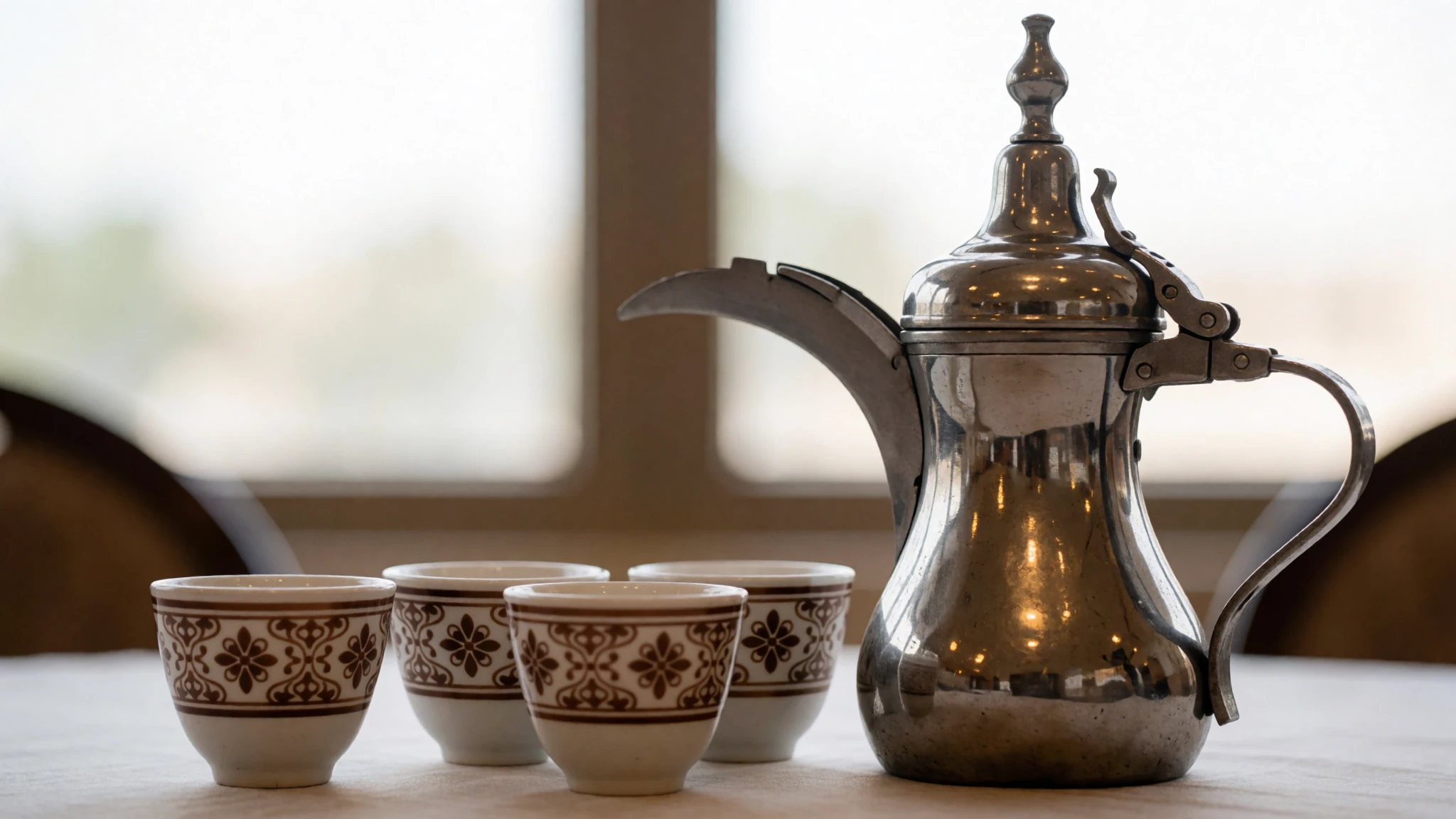
- Machboos — the New Town, in the simple local eateries
Machboos is a spiced rice dish cooked with chicken or lamb, with a warm blend of spices that carries through every grain. In Al-Ula it is a common lunch in the simple eateries where locals eat, so it makes a good introduction to Gulf cooking. Order it at midday when the kitchen is busiest and the rice is freshest.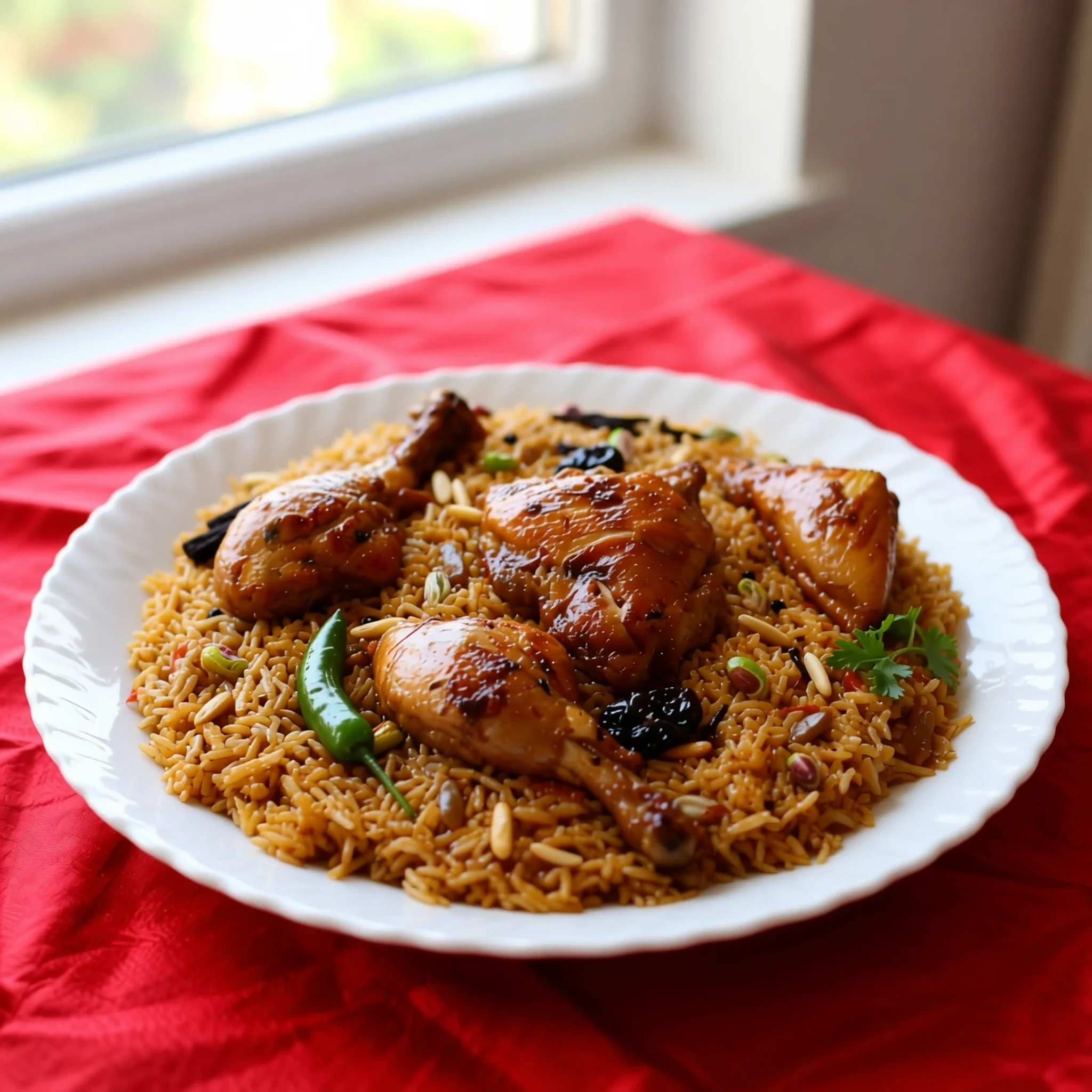
- Shawarma — the New Town, at casual grill counters
Shawarma is thin slices of marinated meat, shaved from a rotating spit and folded into bread with salad and sauce. It is the easiest meal to eat on the move between sites in Al-Ula, and it is cheap compared with restaurants in the Old Town. Eat it fresh from the grill, ideally when the spit is turning steadily.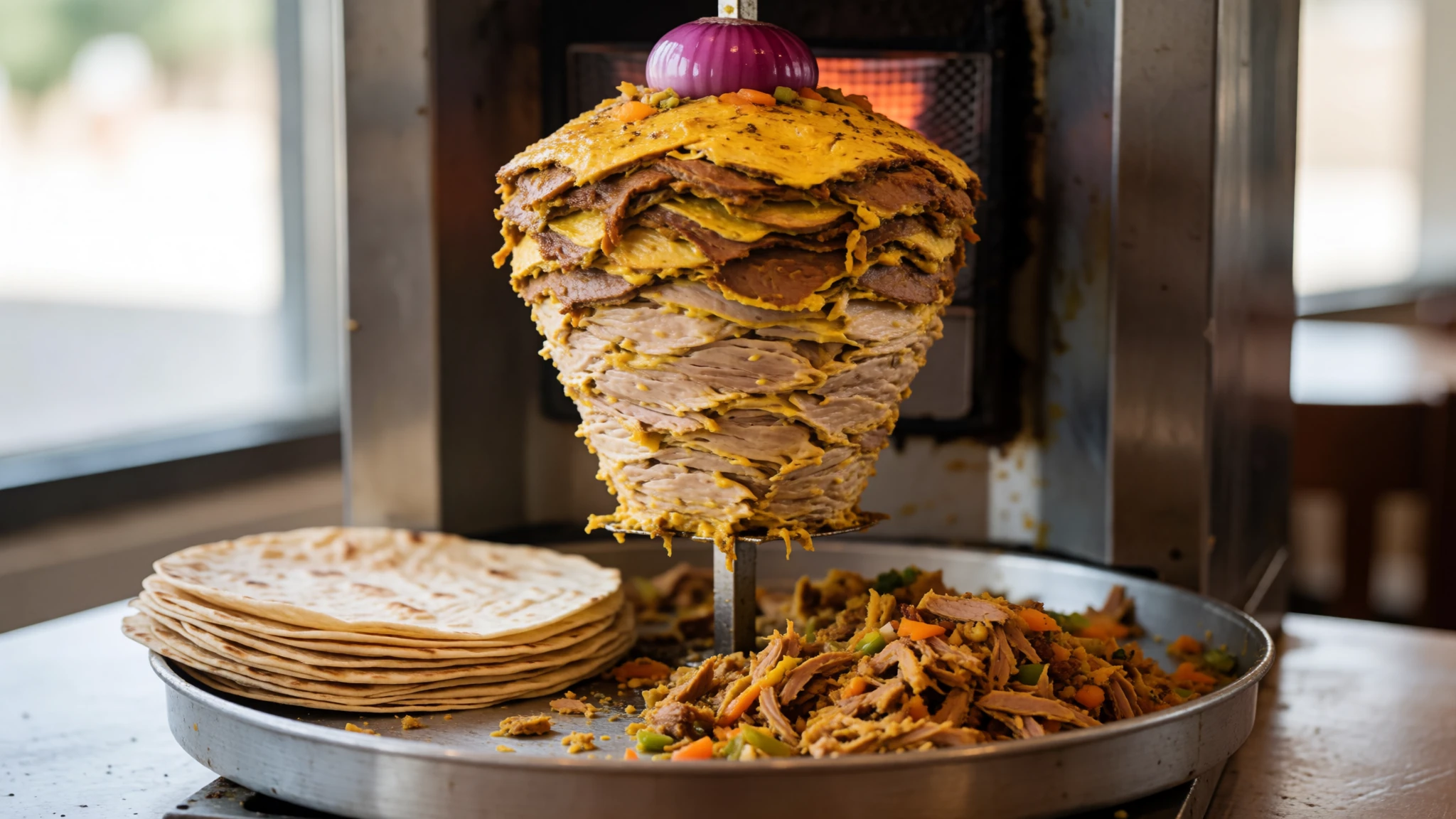
- Yemeni mandi — Yemeni restaurants in the New Town
Mandi is rice cooked with slow-roasted meat and spices, traditionally in a sealed pit or clay oven, which gives the meat a smoky, tender finish. Yemeni cooking has a strong presence among the eateries of Al-Ula's New Town, so this is a good dish to try after a long day outdoors. Share a large plate with a companion. - Fresh dates — the palm gardens along the Dadan Heritage Trail, and stalls in town
Dates are the oasis crop, and Al-Ula's palm gardens still grow many varieties. Fresh dates are soft, sweet and juicy, quite unlike the dried ones sold in supermarkets. Buy a small box from a stall in the town or pick one up along the Dadan Heritage Trail, where the palms line the paths.
Plan it
Best time. Al-Ula is best from October to April, when walking and guided tours are comfortable and winter days stay mild. Winter is the busy and expensive peak, and midsummer is too hot for long days outdoors, although rates fall sharply then.
How long. 3–4
Getting there. The nearest major airport is at Medina, a long drive away, so most visitors fly to Medina and continue by road. Saptco runs direct buses from Jeddah and Riyadh, which take many hours. Check current schedules and the airport options before you book.
Budget. mid
Tips
- Book your rock-carving tour and the castle visit ahead, since both need a guide
- Leave your car at one of the two park-and-ride lots and use the free minibuses or golf carts
- Start walks early, because by midday in summer the valley is too hot for much time outdoors
- Carry water on every outing, including short walks at the carving sites
- Expect prices to swing with the season, with winter lodgings far dearer than midsummer
- Carry some cash for small cafés and drivers, and check whether cards are accepted before ordering
Etiquette
- Dress modestly in the old town and at heritage sites, with shoulders and knees covered
- Ask before photographing anyone, and never photograph women without permission
- Keep to marked paths around the tombs and carvings, and follow your guide's directions
- Do not bring or drink alcohol, since it is not sold in Saudi Arabia
Nearby
Sources
- Wikidata Q27242 (CC0)
- Wikipedia: Al-Ula (rev 1380500854) (CC BY-SA 4.0)
- Wikivoyage: Al-Ula (rev 5314778) (CC BY-SA 4.0)
- Photo: The old town of AlUla, Saudi Arabia in 2011 (Pteropus conspicillatus) (CC BY 3.0)
- Photo: AlUla (Sammy Six) (CC BY 2.5)
- Photo: Al-Ula old town viewed from the fort, June 2021 (Richard Mortel) (CC BY 2.5)
- Photo: Elephant Rock, al-Ula, August 2020 (Richard Mortel) (CC BY 2.5)
- Photo: Wadi Ashar in Al-'Ula (Uhooep) (CC BY-SA 4.0)
- Photo: Maraya Project in Al Ula (Nesma & Partners) (CC BY-SA 4.0)
- Photo: Hot air balloon over AlUla, 2023 (Saudi Press Agency) (CC BY-SA 4.0)
- Photo: Madain Saleh / Khuzaymat (Sammy Six) (CC BY 2.5)


