Jeddah
Jeddah, Saudi Arabia
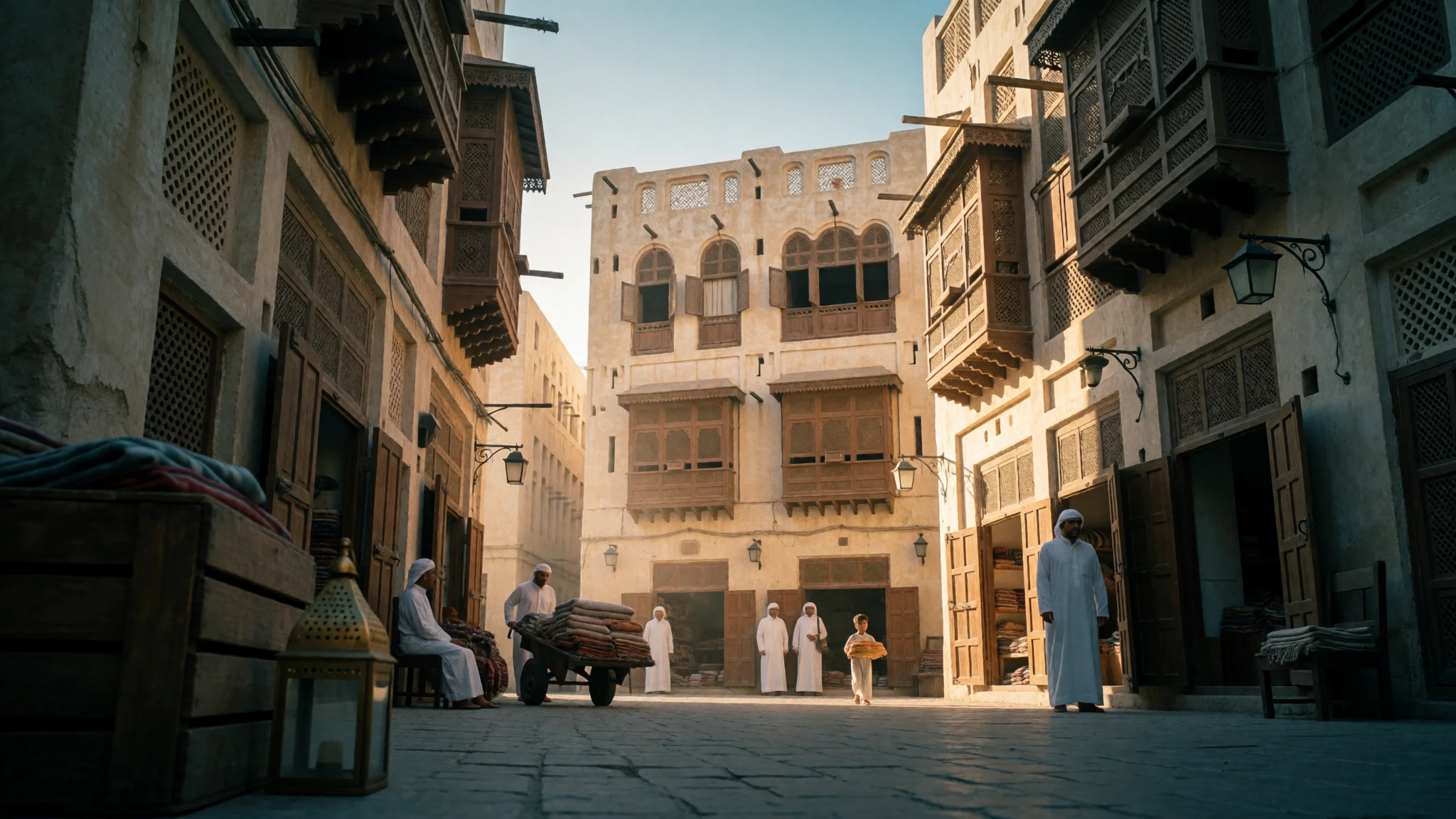
Jeddah is the Red Sea gateway to Mecca, where a coral-stone old town and a lively modern waterfront sit within a short drive of each other.
The place
Jeddah sits on the Red Sea coast of the Hejaz, on the flat, hot coastal strip known as the Tihamah, at an elevation of just 12 m. About 3.7 million people live here, which makes it a true metropolis rather than a pilgrim stop-off. Two faces share the map. In the south, the old walled quarter, Al-Balad, keeps its coral-stone houses with carved timber balconies. Further north, a long waterfront of promenades, sculptures, cafés and sea-view restaurants has been built up in recent years, and a ring of malls, museums and towers fills the space in between. The city is Saudi Arabia's main commercial gateway on the west coast, and its port and airport handle the flow of goods and people heading inland. It is also the usual doorway to Mecca, about 65 km to the east, while Medina lies roughly 360 km to the north. Non-Muslims cannot enter Mecca, so for most foreign visitors Jeddah is where the journey ends, and it rewards the stop. The mood is looser and more cosmopolitan than much of the kingdom, shaped by centuries of pilgrims, traders and settlers who arrived by sea and stayed. Summers are fierce and humid, evenings are when the city comes alive, and the sea breeze along the corniche is the main relief. Distances are large and the city is built around cars, so journeys are usually by taxi or ride-hailing app.
Its story
Jeddah's story begins with fishermen. Tradition and some readings of the excavations in the old city describe a small fishing hamlet, said to have been founded by people of the Yemeni Quda'a tribe who moved north after the Marib Dam collapsed in 115 BC. The Ministry of Hajj puts the settled history of the place at more than 2,500 years, though the early evidence is thin. Inscriptions in the Thamudic script, found in Wadi Briman and Wadi Boweb, show that people were active in the surrounding country long before the town features in written records. The turning point came around 647 CE, when the caliph Uthman ibn Affan chose Jeddah as the sea landing for Mecca, replacing an older harbour south-west of the holy city. Pilgrim ships now had a fixed destination, and with them came merchants, money and a habit of mixing peoples that has never left. The town was not safe from raiders: in 702, pirates from the Kingdom of Axum briefly occupied it. Through the centuries that followed it kept its role as the Red Sea door to Mecca, and its trading families built the tall coral-stone houses that still line the lanes of Al-Balad. The modern chapter opened in 1925, when local chiefs such as Abu Zenada surrendered the city to King Abdulaziz Ibn Saud, folding the Hejaz into the state that became Saudi Arabia. A painted portrait of Abu Zenada from that year survives.
What to see
- Souq al-Alawi — Al-Balad, old city
Souq al-Alawi runs through the middle of Al-Balad, with coral-stone houses and wooden balconies on both sides of a busy market street. Go early, before the heat builds, and expect shoppers, shopkeepers and the occasional delivery cart. Ask before pointing a camera at people, and check locally about photography rules.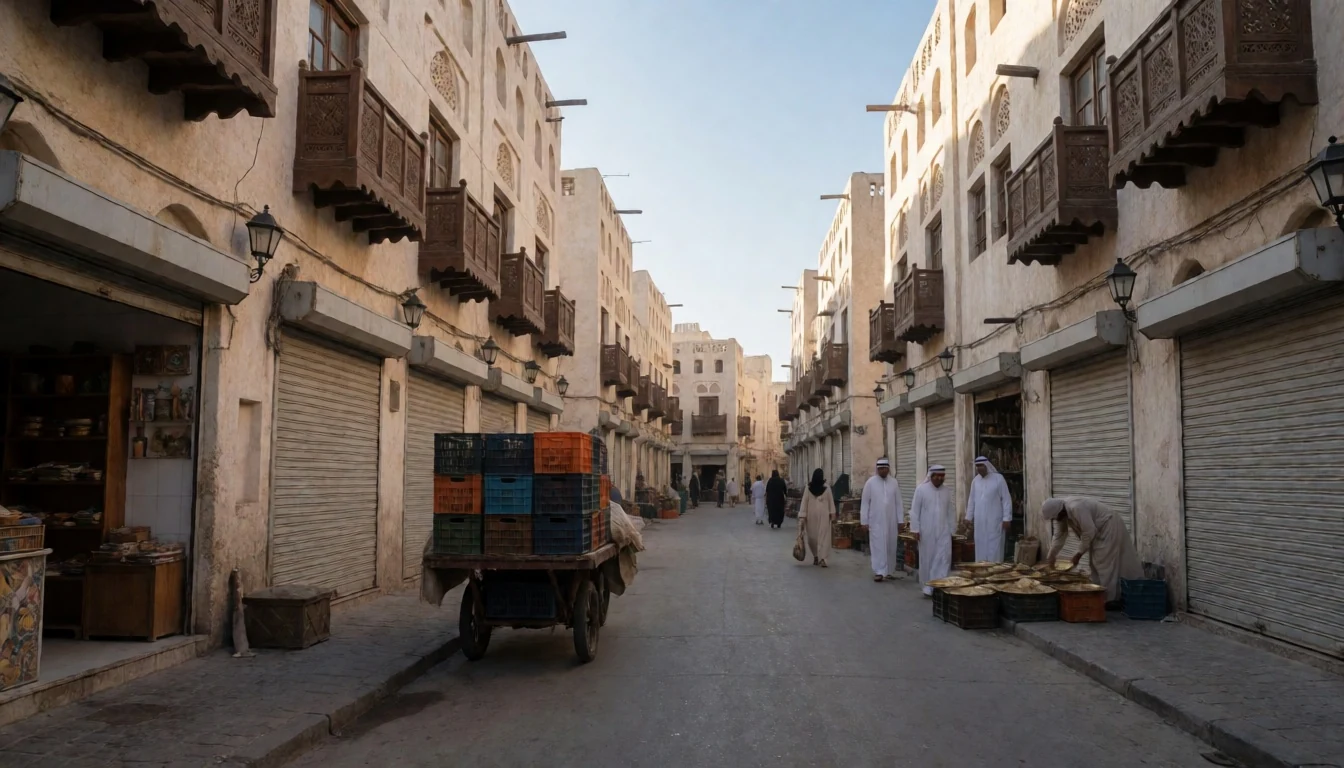
- Naseef House (Bayt Nasif) — Al-Balad, old city
Naseef House belonged to one of Jeddah's main trading families and dates from 1881, when it was built for Omar Nasseef Efendi, the city's governor at the time. It is being renovated as a museum and cultural centre. The upper floors are said to give good views over the old quarter, but opening varies, so check before making a special trip.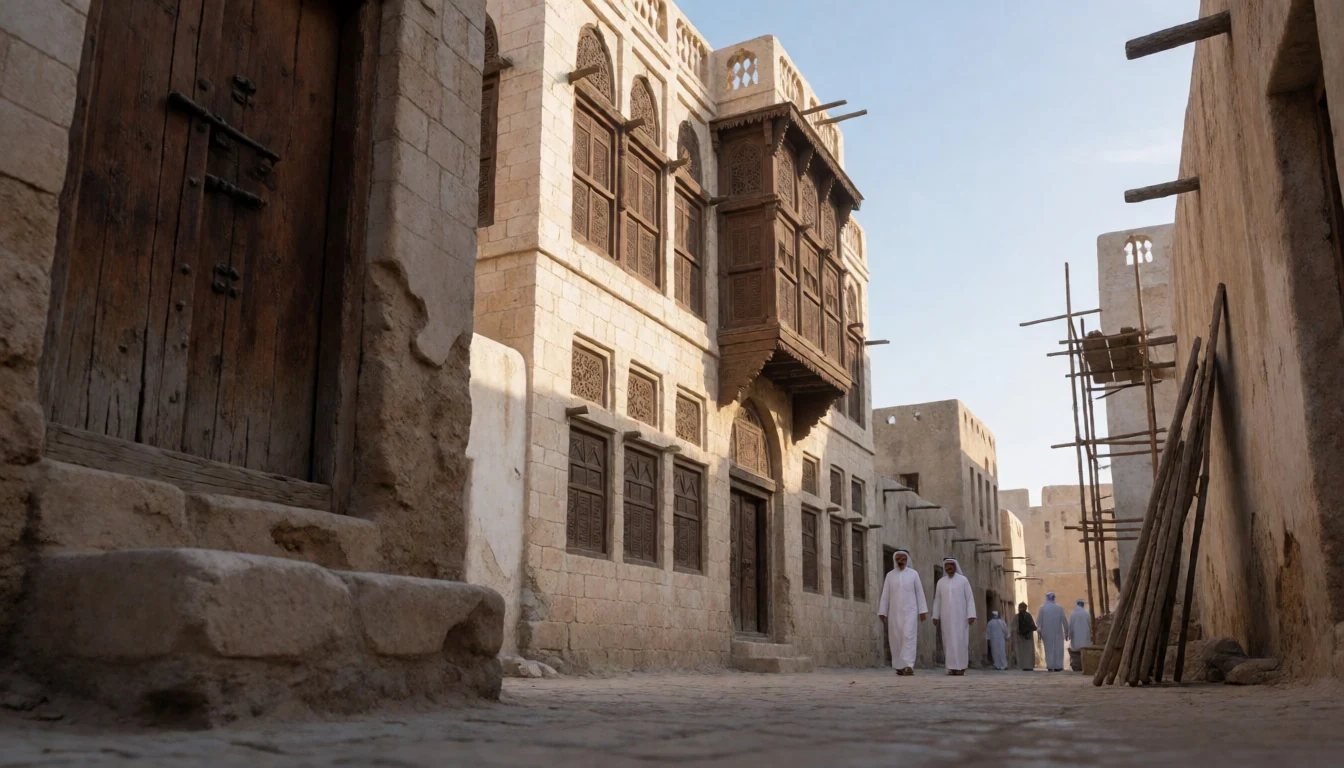
- House of Islamic Arts — Central Jeddah
The House of Islamic Arts is a small but well-curated museum with a good audio guide, housed at the top of a shopping mall. A ticket also gives access to a handful of other small exhibitions on the same floor. It makes a cool, quiet break from the midday sun.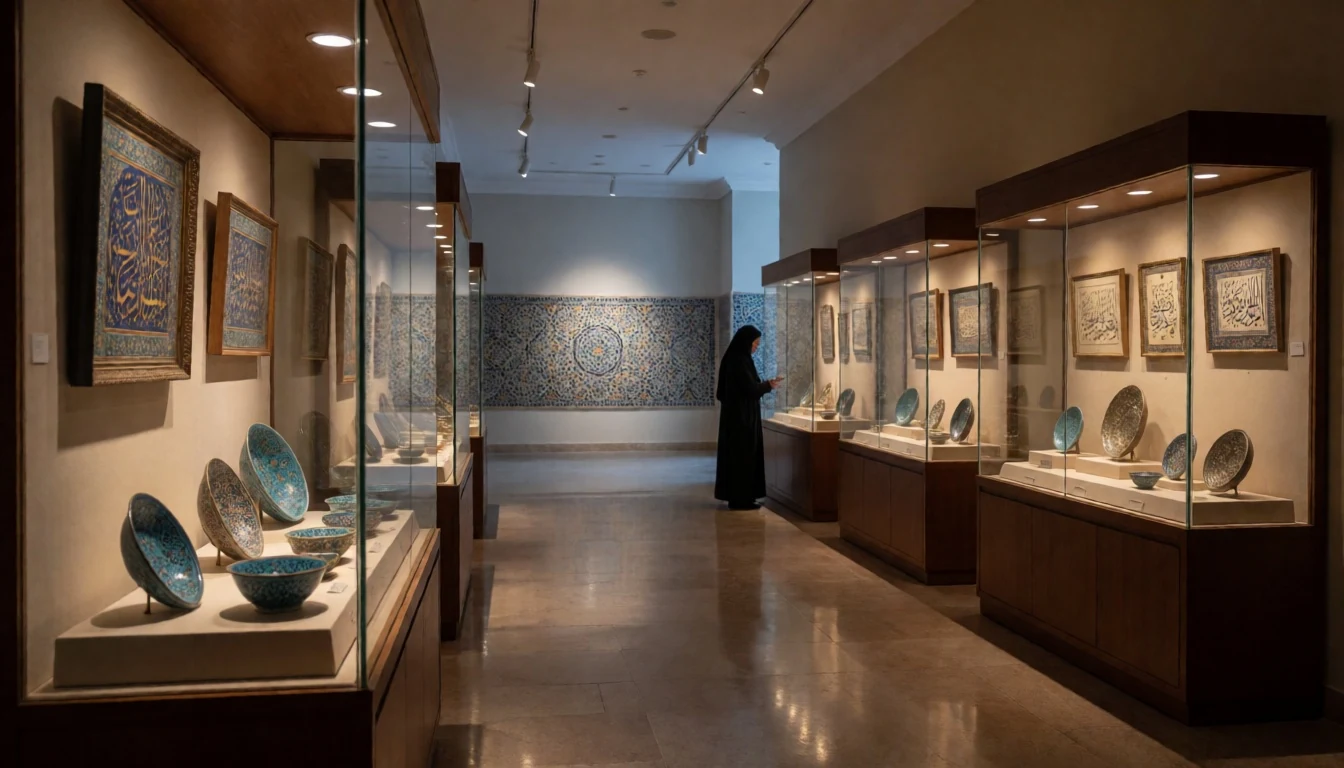
- Jeddah Regional Museum of Archaeology and Ethnography — Central Jeddah
This museum occupies Khuzam Palace, built in 1928. Its collection runs from Stone Age tools found at nearby Wadi Fatimah through several pre-Islamic cultures to later regional material. It is a useful way to understand how old the human story around Jeddah really is before walking the old town.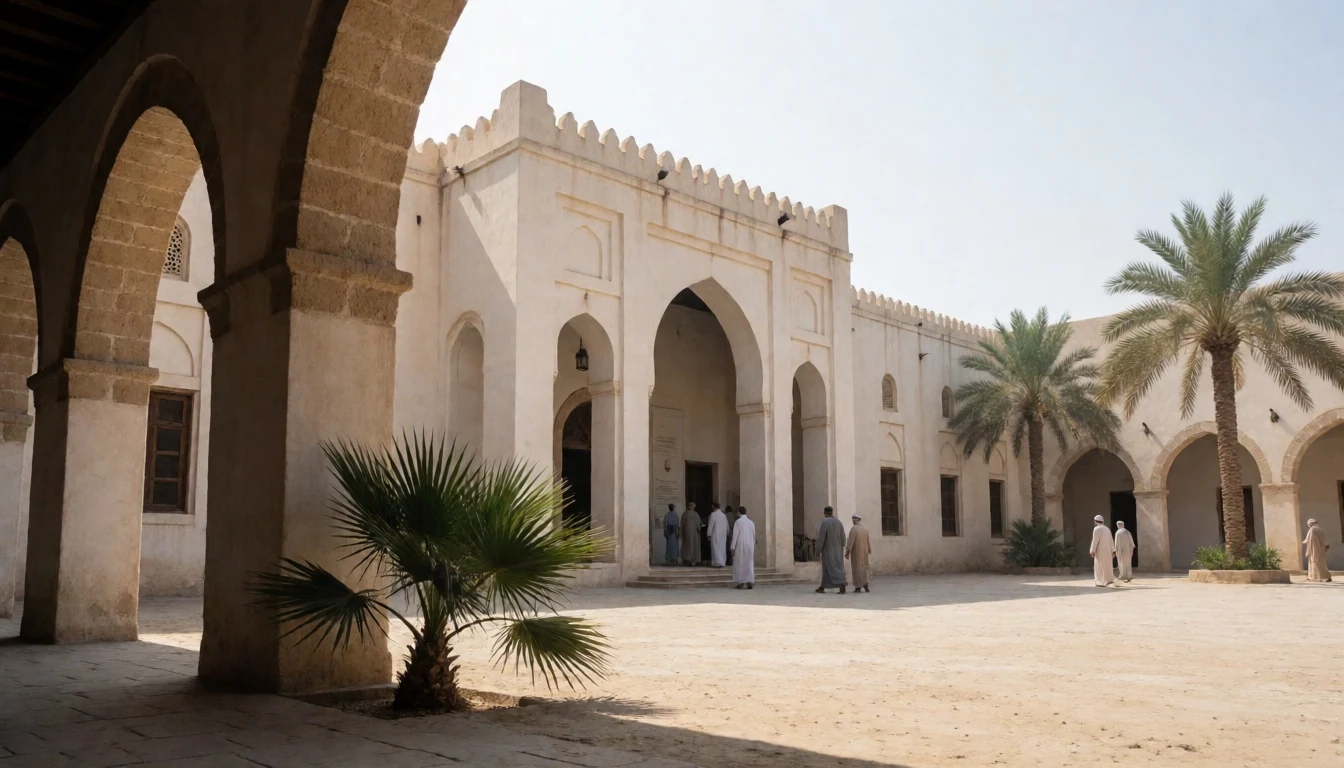
- teamLab Borderless Jeddah — South of the centre
teamLab Borderless is an interactive digital art museum spread across about a hectare, where projected light and colour flow from room to room. It suits families and anyone needing air-conditioned respite in summer. Check the official site for tickets and timed entry, as slots can fill up.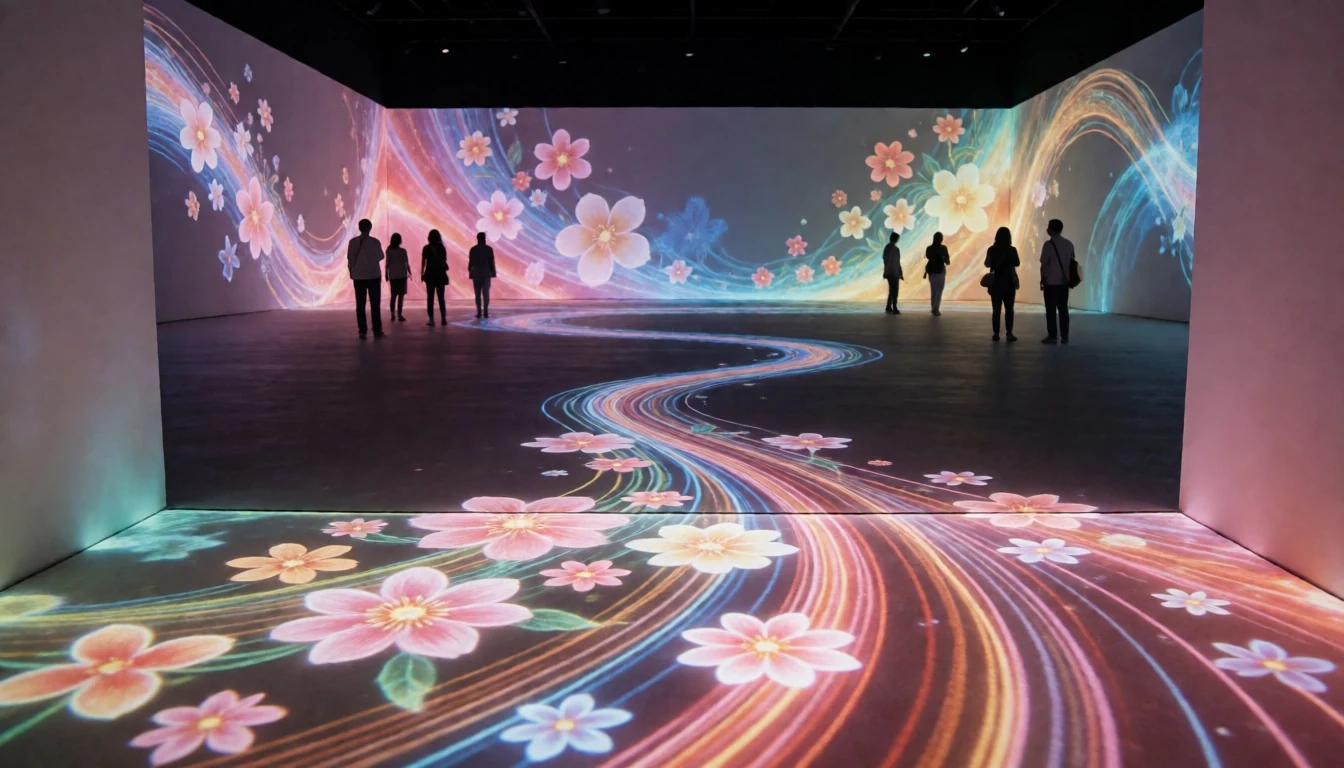
- Jeddah Waterfront and the Fountain — Corniche, along the Red Sea
The waterfront is where much of modern Jeddah goes for an evening walk, with long promenades, sculpture and sea views. The Jeddah Fountain, also called King Fahd's Fountain, is a famous sight when lit at night. Come after sunset in hot months, when families fill the paths.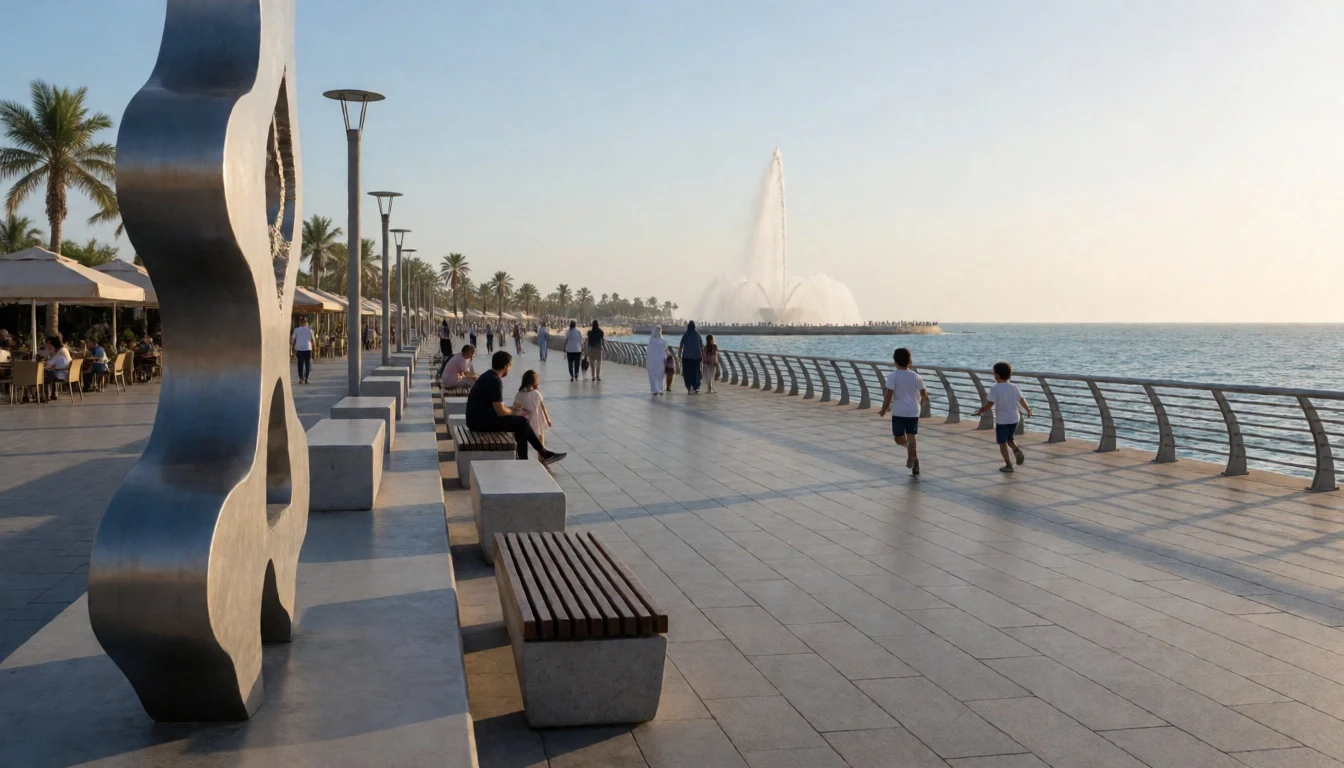
Culture
Jeddah has been a place of arrival for pilgrims since the seventh century, and that long habit of welcoming strangers shapes its character. Most citizens are Sunni Muslims, a small minority are Shia, and a large foreign workforce, much of it from the Philippines, Pakistan and elsewhere, keeps daily life diverse. The call to prayer structures the day, and the city has more than 1,300 mosques. Many shops and some restaurants close briefly at prayer times, so build a short pause into your plans rather than fighting it. Public religious life is Islamic, and the law does not allow other faiths' buildings or public worship, though private observance is tolerated. Hejazi hospitality is genuine: coffee and dates are offered readily, and refusing the first cup too firmly can seem curt. Family is central, and evenings out are often multigenerational, with groups lingering over tea or sheesha well into the night. The old town reflects a merchant culture, with carved wooden screens called mashrabiya that let air in and kept homes private. Ramadan and the Hajj season change the rhythm of the whole city, so dates, opening hours and crowds shift from year to year with the lunar calendar. Visitors should ask permission before photographing local people, especially women, and should avoid photographing government buildings.
What to wear
Traditional dress in Jeddah follows Hejazi and wider Gulf custom. Men wear the thobe, a long, loose robe usually in white cotton for the heat, with a ghutra or shemagh headcloth held by an agal cord. Women traditionally wear the abaya, a black or dark loose overgarment, often with a headscarf, and festive dress includes embroidered gowns in silk or fine cotton with beadwork and metallic thread. Pilgrims add another layer of variety, wearing the clothing of their home countries. Today the city is more relaxed than many visitors expect. Many men wear thobes for work and prayer but jeans and polo shirts are common elsewhere, while many women wear colourful or lightly patterned abayas, often open over modern clothes, with the headscarf worn in varying ways. Visitors should dress modestly and for the heat. Choose light, loose linen or cotton that covers shoulders and knees, and for women, a long, loose top or dress is sensible. Foreign women are not generally expected to cover their hair, but carrying a light scarf is useful for mosques or conservative areas. Shorts and sleeveless tops are best saved for beach clubs and private resorts. Comfortable closed shoes or sandals work for the uneven stone of Al-Balad, and a hat and sunglasses are essential at midday.
What to eat
- Saleeg — Hejazi restaurants in and around Al-Balad
Saleeg is a Hejazi comfort dish of rice cooked slowly in milk or broth until creamy, usually served with chicken. It is gentle and filling, and often eaten at home gatherings and in traditional restaurants serving Hejazi food.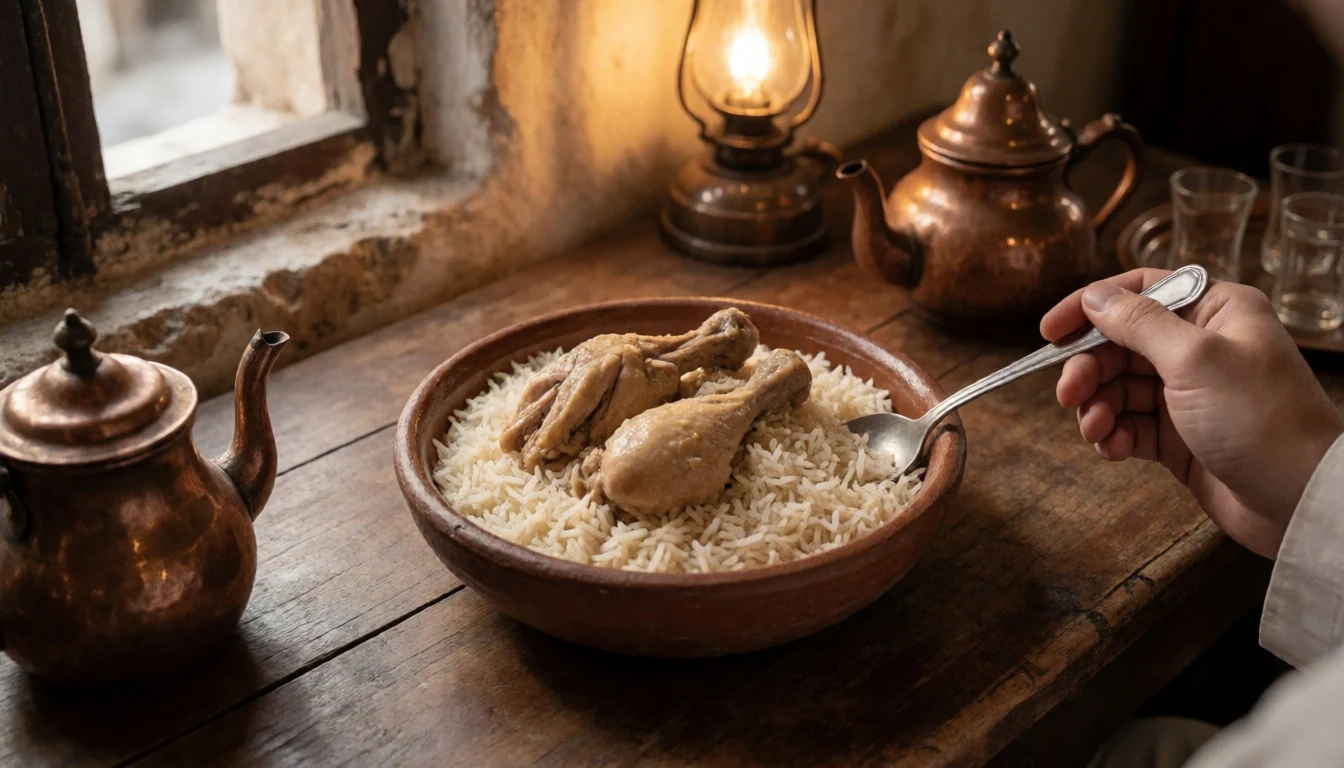
- Mutabbaq — Street stalls and small eateries, especially in the evenings
Mutabbaq is a thin folded pastry stuffed with minced meat, egg and herbs, then griddled until crisp. It is a popular street snack and iftar favourite, best eaten hot and often served with a squeeze of lemon.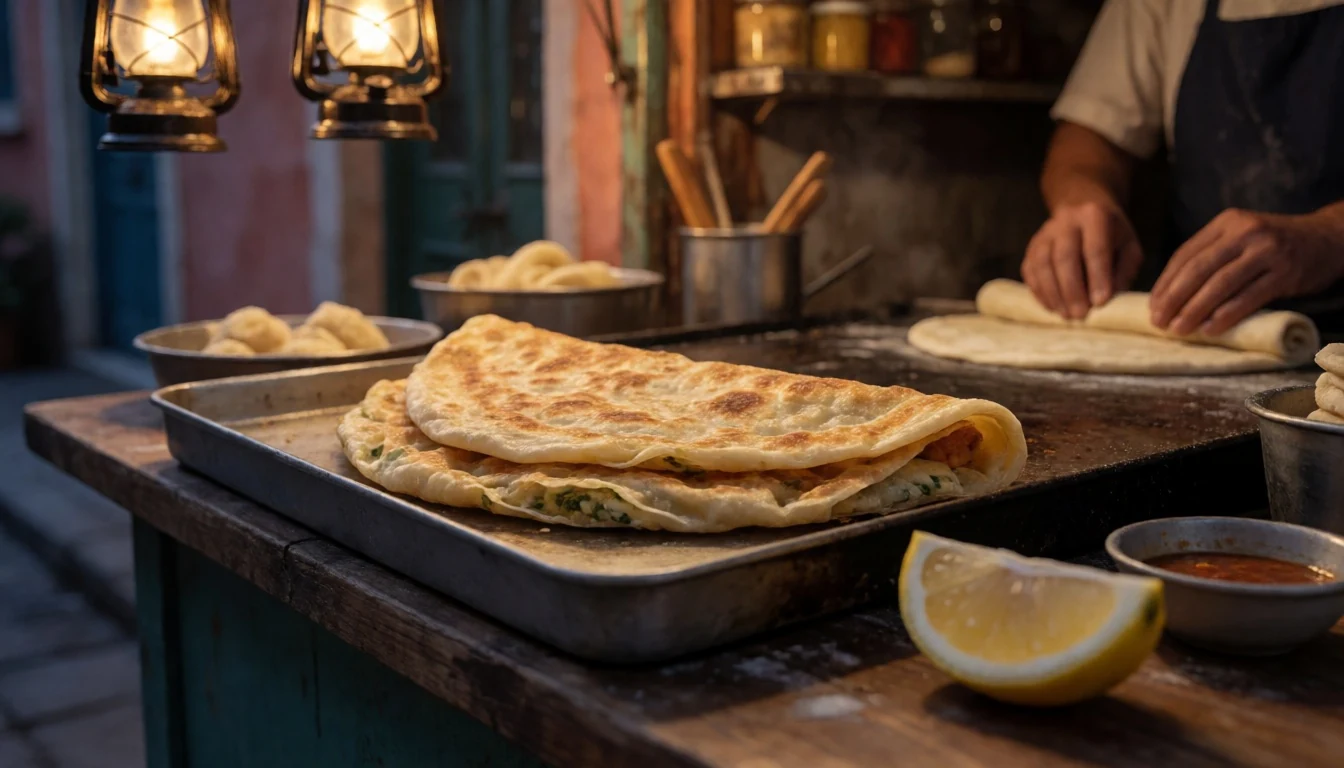
- Ful medames — Breakfast cafés and small eateries in older neighbourhoods
Ful is a warm dish of slow-cooked fava beans, seasoned with oil, lemon and spice, and eaten with fresh bread. It is a common breakfast, hearty enough to last through a morning of walking the old town. - Grilled and fried Red Sea fish — Seafood restaurants and fish markets near the port and corniche
With the sea on the doorstep, fish is a staple, often grilled whole or served with spiced rice in the style known as sayadiyah. Choose a place where the catch is displayed and cooked to order. - Fried chicken and falafel — Local fast-food outlets across the city
Jeddah has a strong local fast-food culture, and a well-known Saudi chain serving crisp fried chicken, shrimp and falafel is a fixture. It is cheap, quick and a reliable fallback after a long day in the heat.
Plan it
Best time. January and February, the least hot months, when daytime highs sit around 35 to 38 °C and the sea breeze makes evenings pleasant. Summer is very hot and humid, so plan indoor visits for midday. The Hajj and Ramadan dates move each year with the lunar calendar and change crowds and opening hours.
How long. 2–3
Getting there. Fly into Jeddah's King Abdulaziz International Airport. Saudi airlines use the south terminal and most other international carriers use the north terminal, while separate Hajj terminals serve pilgrims. The last leg into the city is by taxi or ride-hailing app.
Budget. mid
Tips
- Visit Al-Balad early in the morning or after sunset to avoid the heat
- Carry a card and a little cash for small market stalls
- Drink water constantly, even on short walks
- Use ride-hailing apps, as distances are long and walking between districts is impractical
- Check the official websites for museum hours and tickets before travelling
Etiquette
- Dress modestly in public places, covering shoulders and knees
- Pause plans around prayer times, as many shops close briefly
- Ask before photographing people
Nearby
Sources
- Wikidata Q374365 (CC0)
- Wikipedia: Jeddah (rev 1383094066) (CC BY-SA 4.0)
- Wikivoyage: Jeddah (rev 5405732) (CC BY-SA 4.0)
- Photo 01-2025.jpg, Saudi Press Agency (SPA) (CC BY-SA 4.0)
- Photo 02-jeddah-waterfront-western-saudi-arabia-2026.jpg (CC BY-SA 4.0)
- Photo 03-market-street-in-old-jedddah-saudi-arabia-on-friday-morning-.jpg, Richard Mortel (CC BY 2.5)
- Photo 04-globe-roundabout-jeddah-saudi-arabia-007.jpg, Kolaiel (CC0 1.0)
- Photo 05-bsm-2571.jpg, Bassam.salim (CC BY 3.0)
- Photo 06-bayt-nasif-1872-old-jeddah-saudi-arabia-5-50703484406.jpg, Richard Mortel (CC BY 2.5)
- Photo 07-tabula-rogeriana-1929-copy-by-konrad-miller.jpg, Konrad Miller (CC BY-SA 4.0)
- Photo 08-painting-of-mohammed-abu-zenada.jpg, Ameen Abdulwasee' (Public domain)


