Al-Ahsa Oasis
Al-Ahsa Oasis, Saudi Arabia
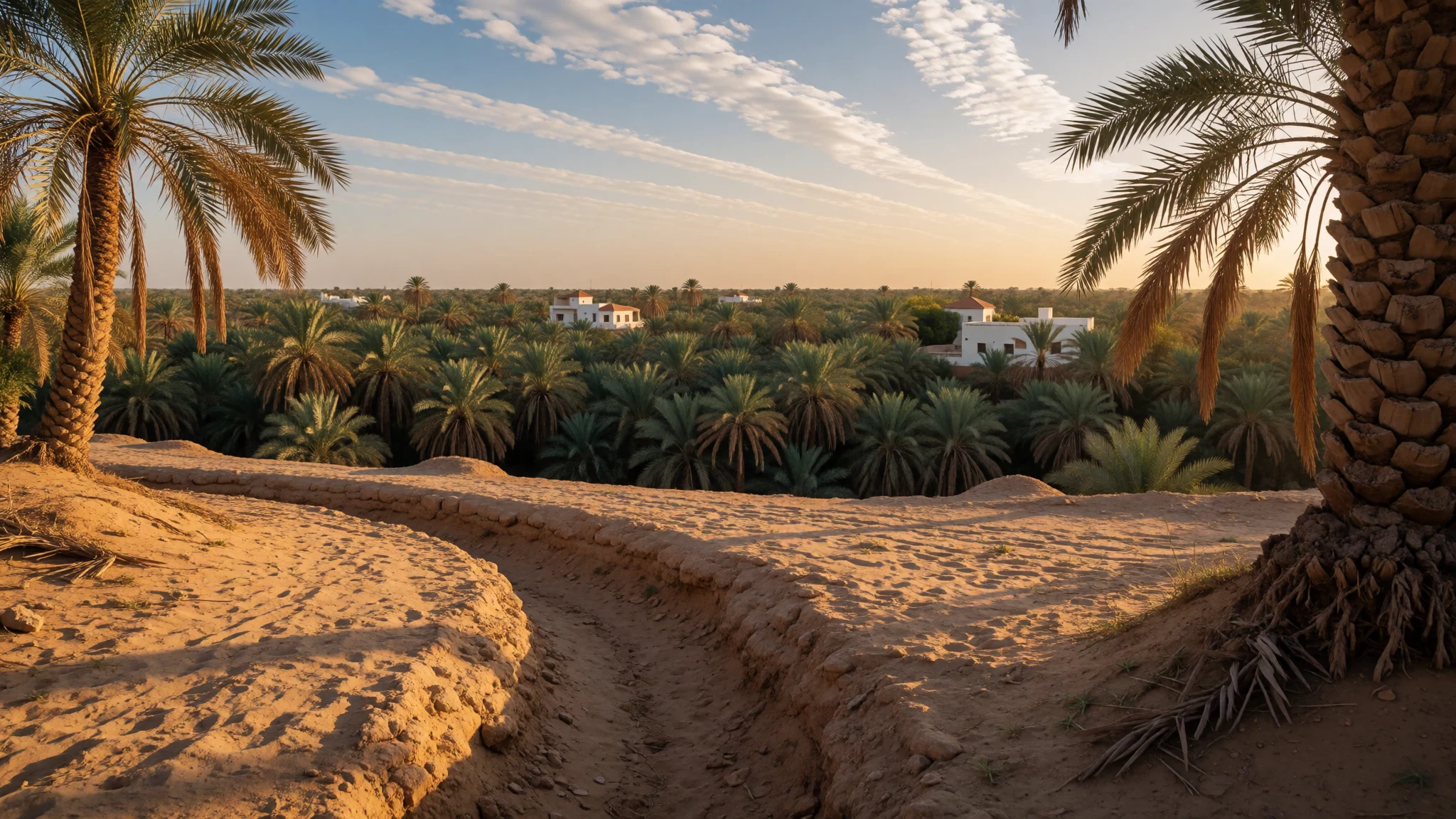
Al-Ahsa Oasis is where deep water turns a desert edge into groves, springs and old town life—an easy escape in cooler months.
The place
Al-Ahsa Oasis (al-ʾAhsā), in eastern Saudi Arabia, is an oasis and historical region built around water: underground aquifers feeding an irrigation system that keeps agriculture going even when the surrounding desert is dry. This is not a single “park” either—Al-Ahsa is spread across four main cities and 22 villages, including Al-Mubarraz and Al-Hofuf, and its identity is the landscape itself.
On the ground, the contrast does the work. Drive from sand and open horizon into palm-studded stretches, and the temperature shift feels immediate. There are well-known cave and hillside areas on the edges, plus neighbourhood life around dates, produce and bazaars. The water story is constant: artesian springs provide the flow, and you’ll see the results in the density of palm trees and date palms.
The scale is hard to guess until you’ve been there. Al-Ahsa is described as the largest oasis in the world, and it covers nearly 85.4 km². Most of the land sits out towards the Empty Quarter (Rub' al Khali), so even when it feels like “oasis everywhere”, the region is still bordered by desert. That makes logistics a little different: distances can add up, and midday heat in warmer months can be brutal.
In short, Al-Ahsa Oasis is ideal for travellers who like water landscapes, heritage places with living agriculture, and road trips that trade crowd-chasing for space and shade—especially in the cooler months of spring and autumn.
Its story
Al-Ahsa Oasis has been lived on because water keeps showing up in an otherwise harsh landscape. Long before modern maps, springs and wells would have meant dependable agriculture—especially date palms—and the region’s abundance encouraged settlement that could last for generations.
Later, the name Hajar appears in stories that connect to ancient toponymy in the wider Near East, including a hypothesis linking Agarum (from Dilmunite inscriptions) to the mainland opposite Bahrain. Not everyone agrees, but the point is clear: Al-Ahsa sits at a cultural crossroads where older societies left traces and later civilisations layered their own histories.
Islamic-era power also shaped what visitors see today. The region moved through major caliphate and dynasty changes: rule by early caliphal forces in the 7th century, periods under Umayyads and Abbasids, and then shifts to Qarmatian control in 899, with an independent stance from Baghdad. The administrative centre was tied to places near modern Hofuf, and later the Uyunids and other dynasties took turns until the Ottoman era arrived in the mid-1500s.
Those eras weren’t only political. They influenced how people farmed, traded and built—so when modern travellers visit, the “oasis” isn’t just greenery. It’s a living record of changing rulers around the same essential resource: water.
Today’s atmosphere can feel calmer than the pages of history, but Al-Ahsa still reads as a place where survival and governance follow the springs, channels and palms.
What to see
- Al Hasa Cave (Al Hasa) — Al-Ahsa oasis area, cave zone
Al Hasa Cave is a dramatic, underground stop that helps break the routine of palm-and-sand driving. Expect cool, echoing rock spaces compared with the bright surface outside, and plan for slower walking and careful footing.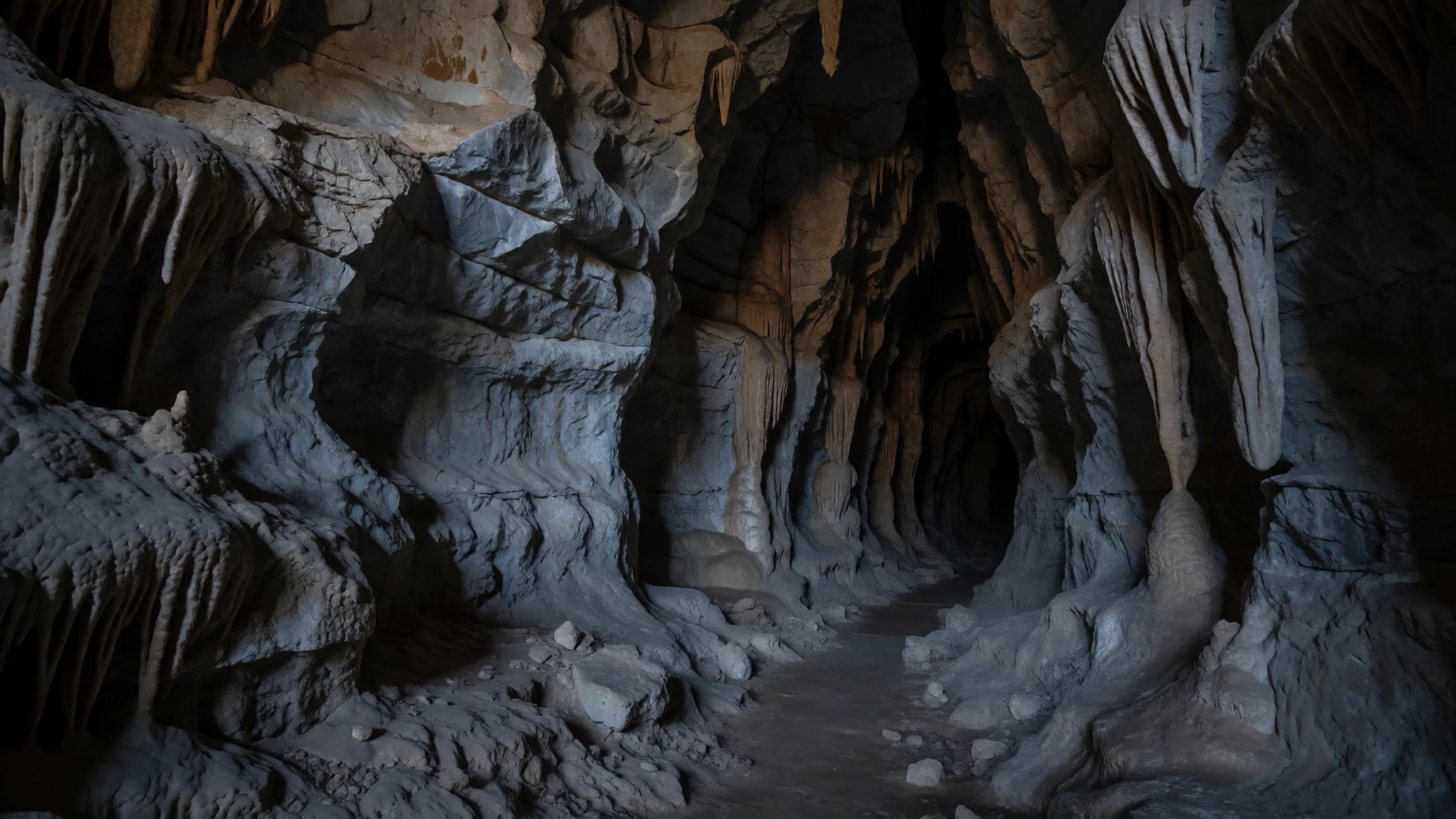
- Jabal Al Qara Cave (Jabal Al Qara Cave, Al Hassa) — Jabal Al Qara area (Al Hassa)
Jabal Al Qara Cave pairs “mountain into darkness” drama with the feeling of a hidden route carved into rock. It’s a good counterpoint to daylight oasis scenery—go with a steady pace and enough time for entry-and-exit.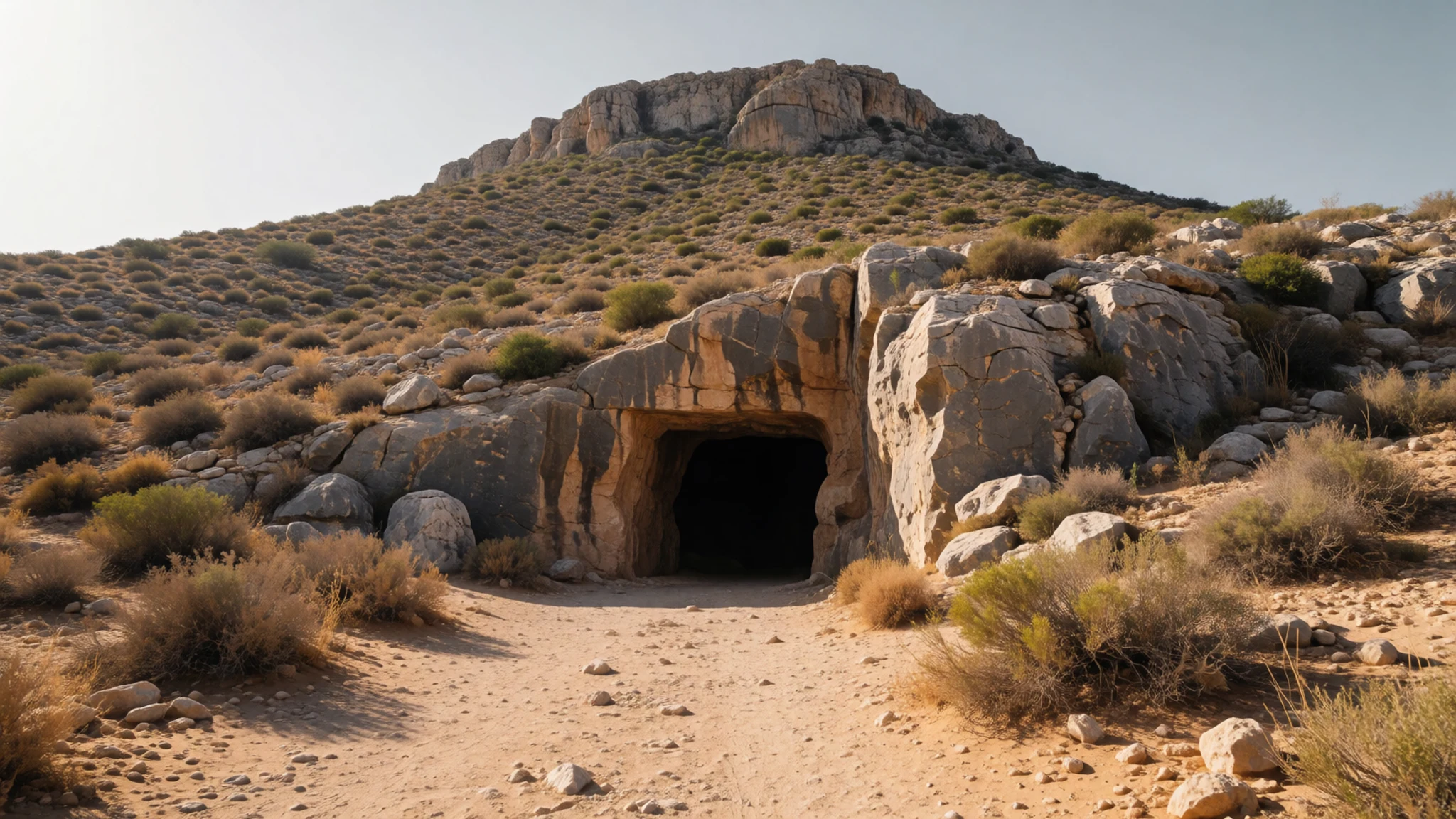
- Jawatha Mosque (Jawatha Masjid area) — Jawatha Masjid area, Al-Ahsa
Jawatha Mosque is a standout stop for architectural atmosphere inside the oasis towns. It’s the kind of place that makes you slow down—look at the setting, respect the worship space, and keep the visit focused on observation rather than photography.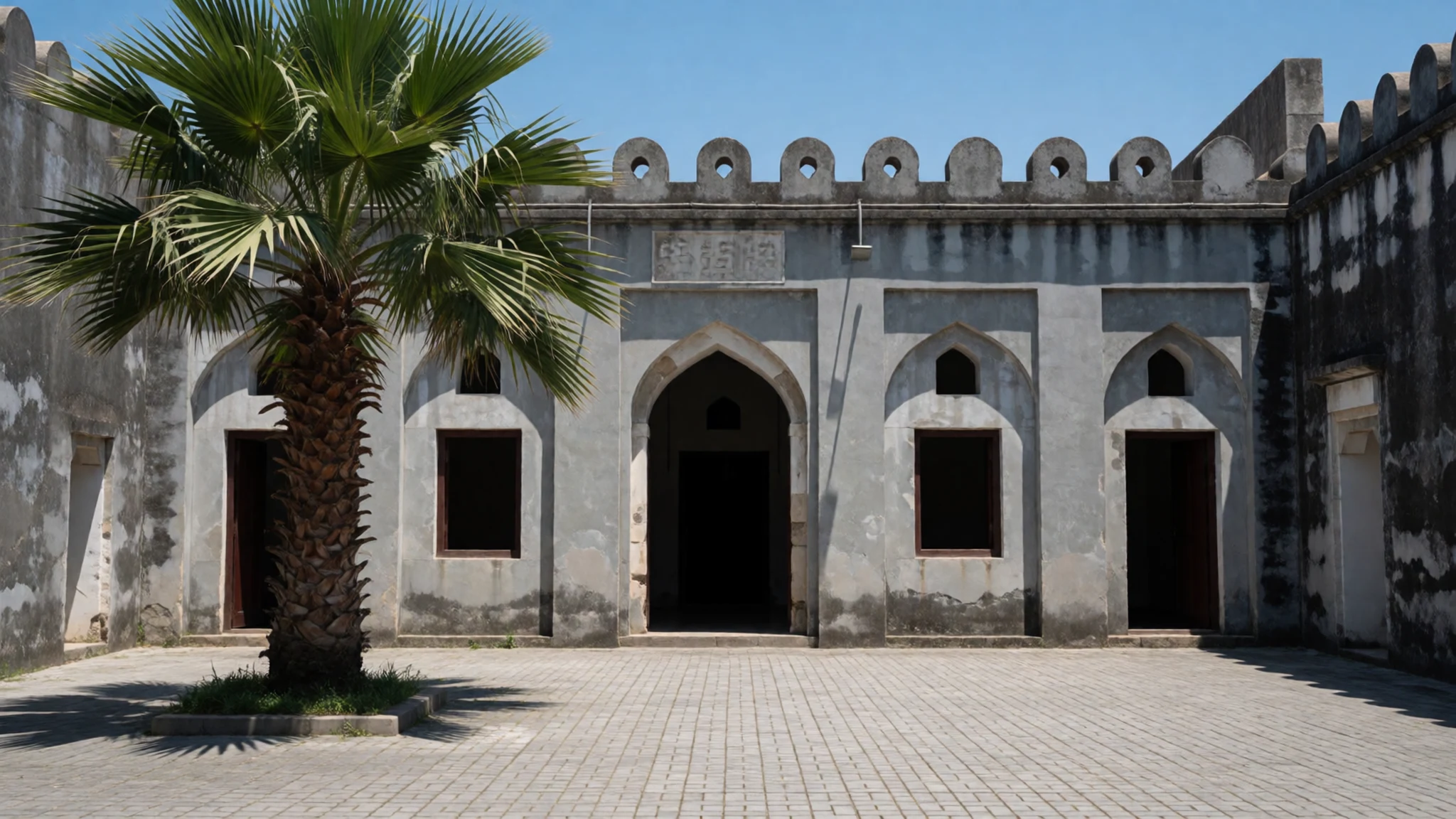
- Jabal Al Qara viewpoints / hillside approaches — Hillside approaches around Jabal Al Qara
The hillside edges near Jabal Al Qara are where the landscape shows its scale: rock, scrub and the sense of “desert bordering water” in one view. Sunrise and late afternoon are calmer for roaming and photography.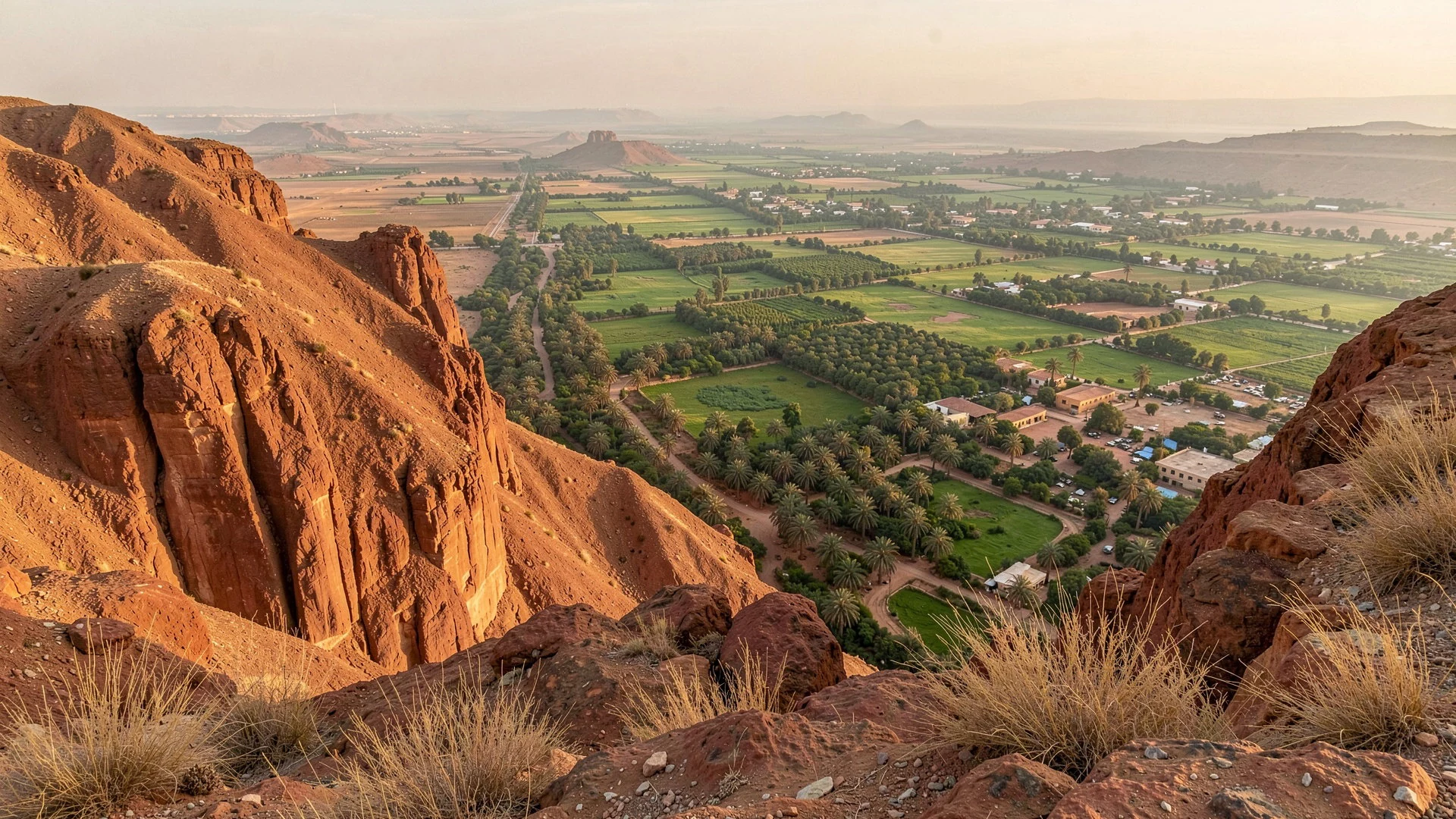
Culture
Al-Ahsa Oasis runs on water, but daily culture here runs on routine: tending palms, moving through markets, and keeping an eye on the practical rhythms that make oasis life possible. The region’s identity is also reflected in long-standing crafts. Tailoring is historically known in Al-Ahsa, including the skill behind bisht, a traditional men’s cloak that connects clothing to local technique rather than “souvenir” style.
For visitors, the cultural experience is often about respectful observation. In the oasis towns, you’ll notice how people dress for heat and everyday movement, and you’ll see bazaars as social places as much as shopping stops. Al-Ahsa is also known for its underground-fed agriculture, so part of “getting it” is understanding that the greenery is not just scenic—it’s maintained.
Tourist crowds can be modest compared with major global destinations, but weekends and travel seasons can still bring local family groups. The best approach is to travel with patience: mornings for outdoor wandering, afternoons for town stops and slower indoor moments.
Visitor etiquette line: Dress modestly in public, avoid photographing people without permission, and keep mosque visits quiet and respectful.
What to wear
In Al-Ahsa Oasis, traditional clothing connects to the region’s tailoring skills. The bisht—associated with local craftsmanship—is a traditional men’s cloak used for formal or ceremonial settings. Visitors might see more traditional styles during community events, but day-to-day wear across the oasis is usually practical and modest for the climate.
Modern outfits often blend lightweight fabrics for heat with cultural expectations around covering. In town, long sleeves and long trousers (or long skirts for women) are common, particularly in conservative areas and around religious sites. Footwear tends to be easy to walk in, because oasis trips can involve uneven ground around water features and cave entrances.
For visitors, the best plan is simple: choose breathable, modest layers—lightweight long trousers and a top with sleeves—and bring something slightly warmer for cave interiors where the temperature can feel cooler. At mosques, be ready to cover more and follow any instructions from staff.
If visiting bazaars, comfortable shoes matter: you may spend time on your feet, and sandals can be slippery on dusty surfaces. For the oasis heat, a hat and sunglasses help a lot, but keep the overall look respectful.
What to eat
- Dhub (spiny-tailed lizard, Uromastyx microlepis) — Local traditional food tradition in the region
Dhub is described as a delicacy among Arabian Bedouins, prepared by boiling or roasting and served with rice. It’s a traditional dish tied to local knowledge of desert ingredients, not everyday café fare.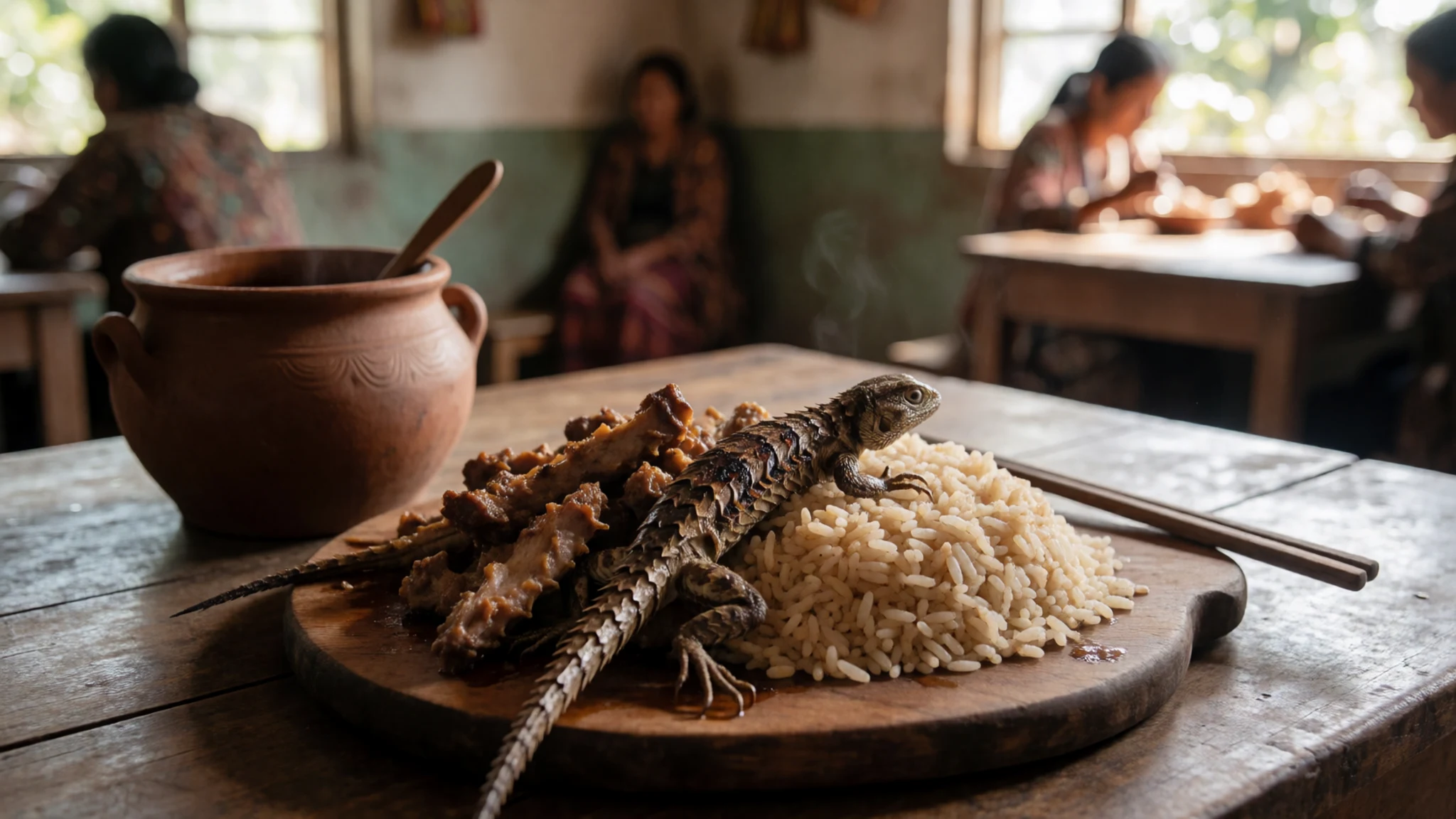
- Date-palms and dates (seasonal snacks) — Bazaars and market stalls in Al-Ahsa towns
Al-Ahsa’s palm landscape makes dates part of the experience. Look for date snacks and date-based sweets as you move through oasis towns and market areas, where agriculture shapes what ends up on sale.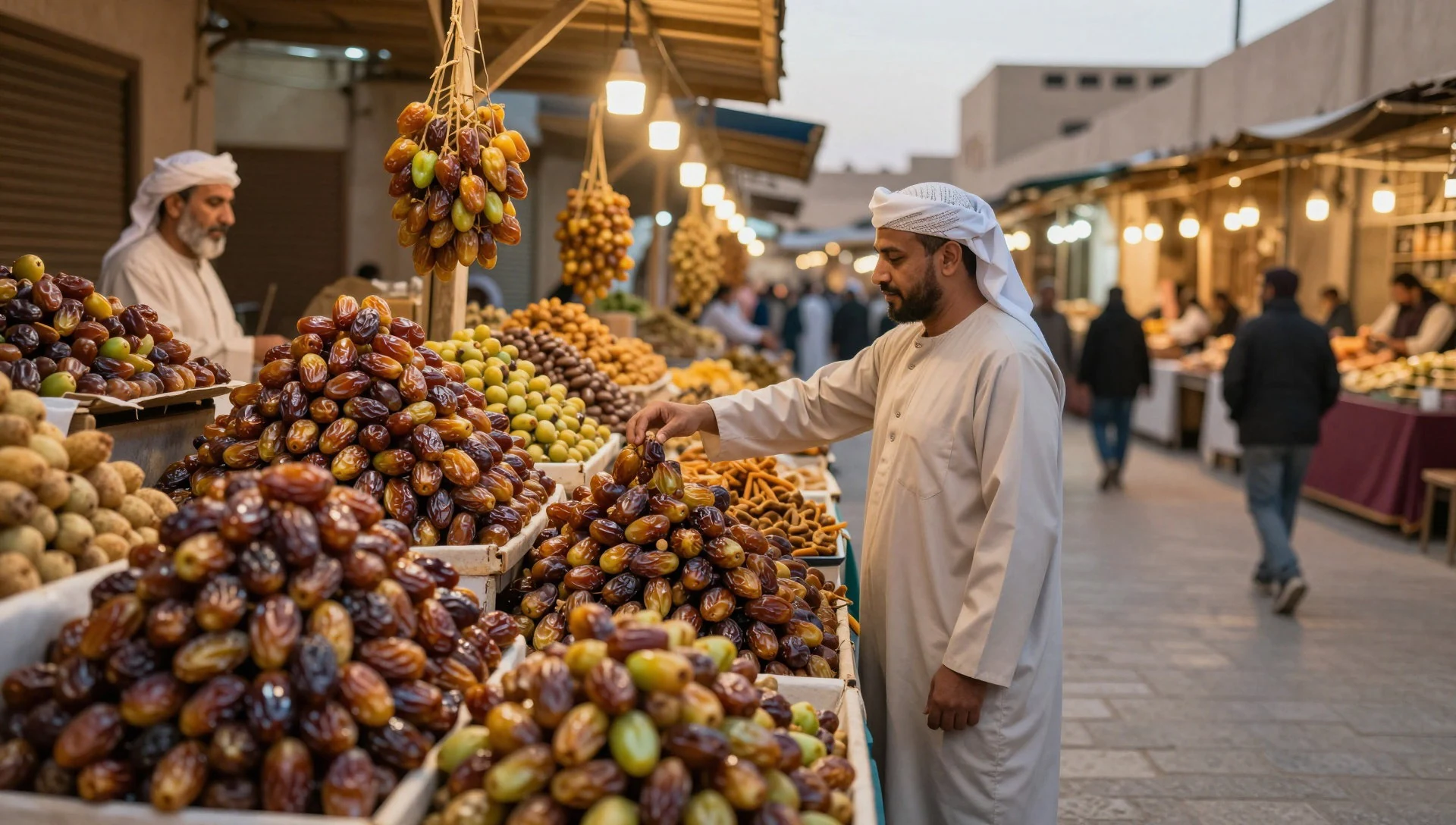
- Indian and Pakistani restaurant meals — Restaurant strips in the oasis towns
Eastern Province has a notable presence of Indian and Pakistani restaurants. For many travellers, this is the easiest way to find familiar flavours after a long day in the heat, especially for non-meat options when available. - Water and fruit juice — Anywhere you see kiosks and market refreshment counters
Because desert temperatures can soar, carrying water is strongly recommended. Locals also enjoy fruit juice and soda, which can be a refreshing break between sightseeing stops.
Plan it
Best time. March–April and October–November are the most comfortable months to visit, with milder conditions compared with the long, extremely hot summers. Winter and spring also bring small amounts of rain, so it can feel fresher for walking.
How long. 2–3
Getting there. Most visitors fly into Dammam (DMM) or fly via Bahrain, then make the last leg by car towards Al-Ahsa. If you prefer rail, four daily services run from Riyadh to Dammam with a stop in Hofuf.
Budget. mid
Tips
- Plan outdoor sights for earlier in the day to avoid peak heat during summer months.
- Carry water and expect to take breaks between distant stops across the oasis region.
- Use a ride plan for transfers, since Al-Ahsa is spread across cities and villages and not all sights sit next to each other.
- If visiting cave sites, allow extra time for slower walking and changing temperatures.
- Expect mostly non-crowded experiences, but still aim for mornings if weekends bring local families.
Etiquette
- Carry passport or work permit at all times; authorities may ask for documents day or night.
- Do not point a camera at a lady, and keep photography respectful in public.
- Do not carry alcohol or drugs into Saudi Arabia; avoid unnecessary medicines unless prescribed.
Nearby
Sources
- Wikidata Q311341 (CC0)
- Wikipedia (rev 1384068409): Al-Ahsa Oasis (CC BY-SA 4.0)
- Wikivoyage (rev 5261564): Eastern Province (Saudi Arabia) (CC BY-SA 4.0)
- Photo photos/01-al-hasa-cave.jpg (CC BY-SA 4.0)
- Photo photos/02-jabal-al-qara-cave-al-hassa-saudi-arabia-12.jpg (CC BY 3.0)
- Photo photos/03-jawatha-mosque-in-al-ahsa-2007.jpg (CC BY 3.0)
- Photo photos/04-jabal-al-qara-cave-al-hassa-saudi-arabia-13.jpg (CC BY 3.0)


