Tafraoute
Tafraoute, Morocco
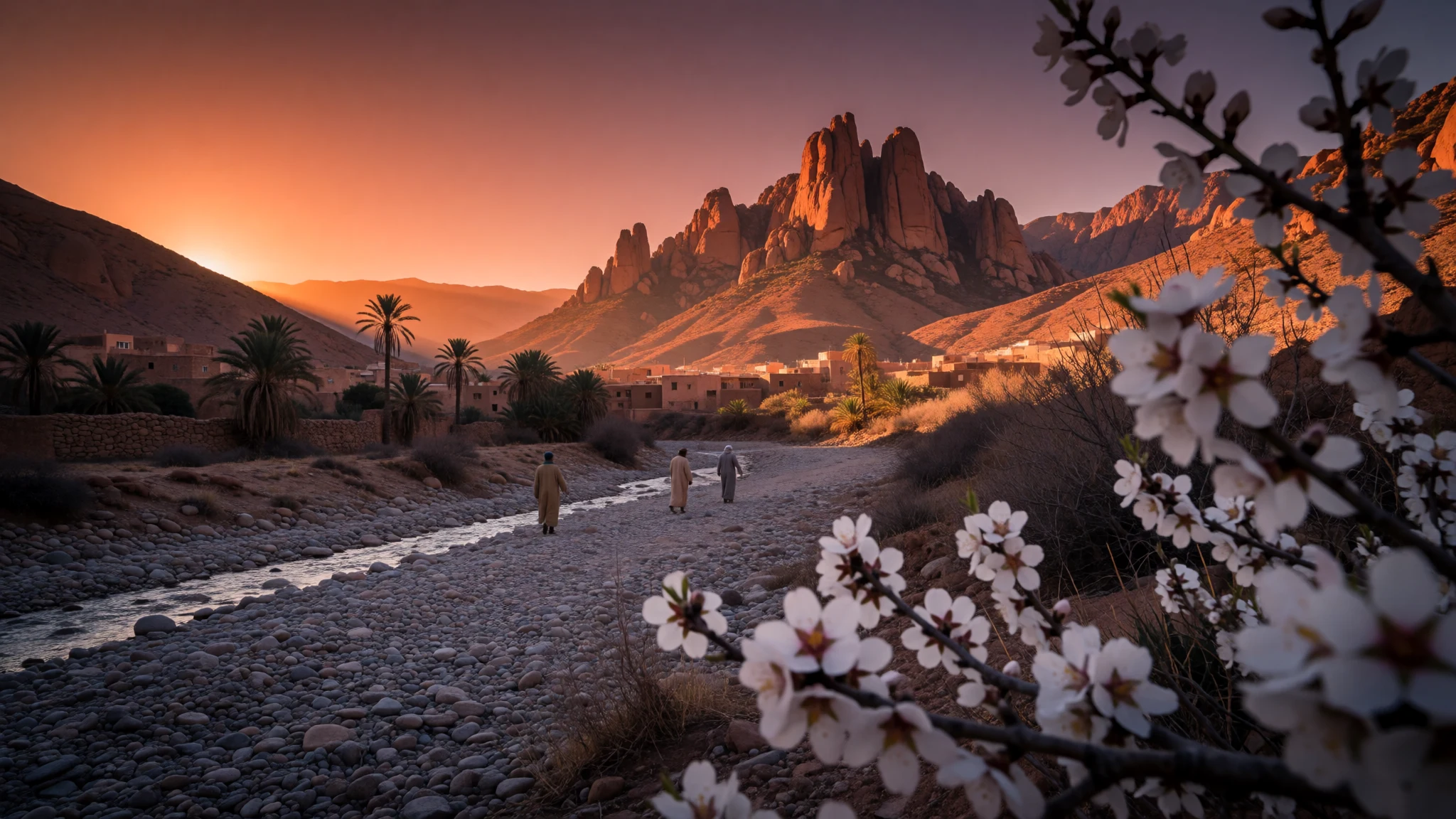
Tafraoute offers pink granite boulders, almond groves and palm oases in the Anti-Atlas, reached by slow mountain roads that are half the pleasure.
The place
Tafraoute sits in the central Anti-Atlas, in Tiznit Province of Morocco's Souss-Massa region, inside a bowl of pink-brown granite that shifts colour through the day. The town (Arabic: تافراوت, Tachelhit: ⵜⴰⴼⵔⴰⵡⵜ) had about 6,000 residents at the 2024 census, so it works as a small market centre rather than a city. It feels like one: a main square, a bridge over a mostly dry riverbed, cafés, and shops selling almonds, argan oil and leather slippers. The landscape does most of the talking. Boulders the size of houses are stacked along the ridges, palm oases fill the folds of the valleys, and the villages are built from the same stone as the hills, so they are hard to pick out from a distance. Tachelhit, the Amazigh language of the region, is the everyday tongue. Getting here is part of the experience. Every approach is a slow mountain road, and the nearest large towns are at least three hours away, so Tafraoute rewards an overnight stay far more than a rushed day trip from the coast. Winters are mild by day and cold at night, while summers are hot and dry, which makes the cooler months the better ones for walking. Visitors come to hike, cycle, drive the bends, photograph the rocks and sit in the square over mint tea. There is no long list of formal monuments, and that is much of the appeal.
Its story
Tafraoute's story is told in the valley rather than in monuments. The Anti-Atlas has long been Amazigh country, and the farming communities here learned to live on very little water, terracing slopes, tending almond and argan trees and building villages of local stone that blend into the hillsides. Granaries and fortified houses once protected harvests and families in a region far from the coastal ports. In more recent generations, many men from the valley moved to Moroccan cities and abroad to work, often in trade, and sent money home. That is why modern concrete houses now stand beside older stone ones, and why the town's shops and cafés are busier than its size suggests. A more playful chapter came when a Belgian artist, Jean Verame, painted large boulders near the village of Agard Oudad in blue, pink and other bright colours. The Painted Rocks have faded and been touched up since, and they divide opinion, but they brought a steady trickle of visitors who then discovered the walking, the gorges and the oases around them. Tourism remains small-scale. Most visitors still arrive by road after hours of curves, and the town keeps the unhurried pace of an agricultural centre that happens to sit among very photogenic rocks.
What to see
- Agard Oudad and its rock — South of Tafraoute
Agard Oudad is a village a short drive south of Tafraoute, known for a huge balanced boulder that dominates the settlement. It is the usual starting point for the hike back through a riverbed, and it makes a good late-afternoon stop when the granite turns warm and orange.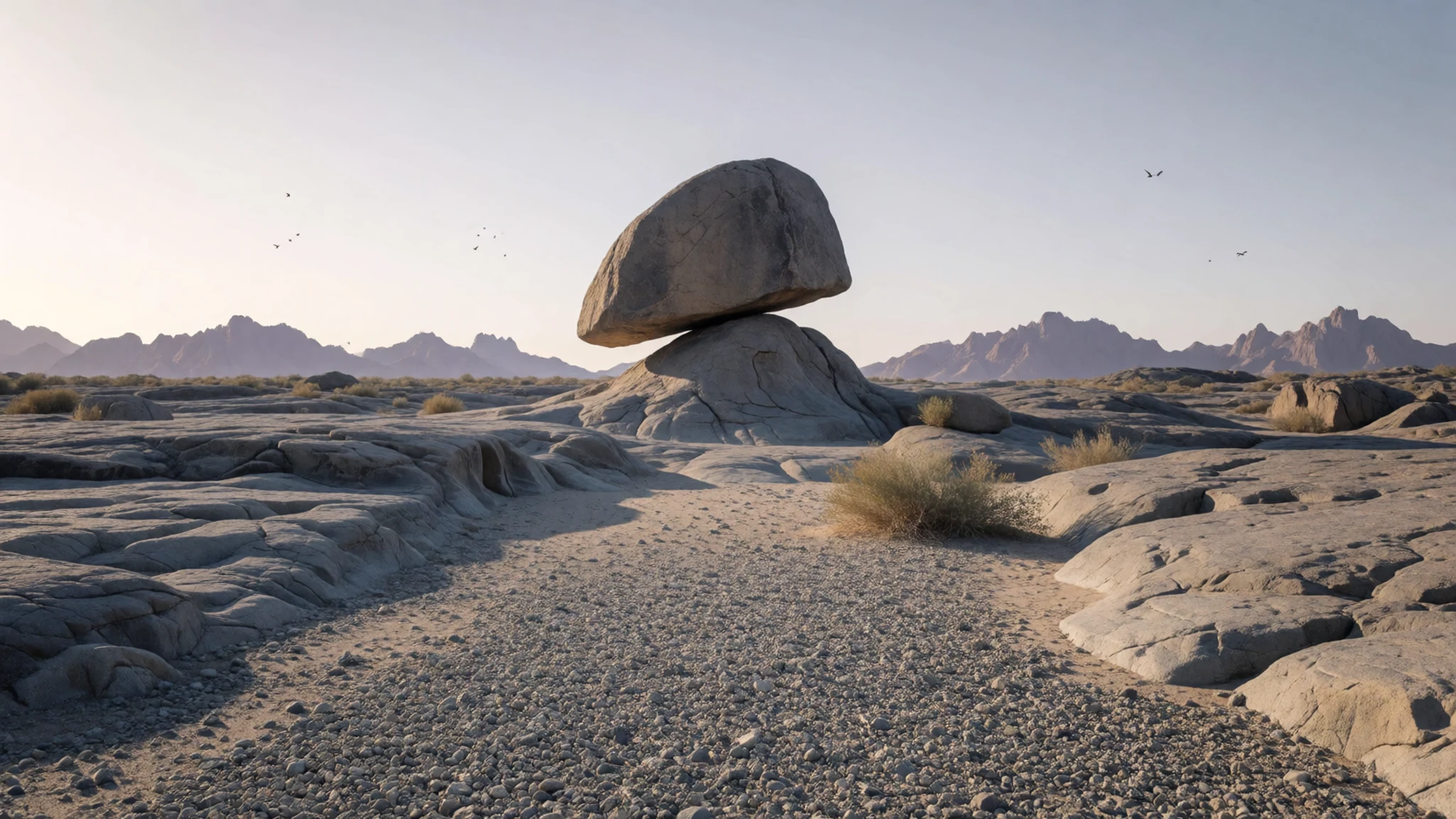
- The Painted Rocks (Rochers Peints) — Near Agard Oudad
Boulders daubed in blue, pink and other strong colours by a Belgian artist stand among the natural granite near Agard Oudad. Opinions differ on whether they improve the landscape, but they are easy to reach, striking against the dry hills, and best photographed in morning or evening light.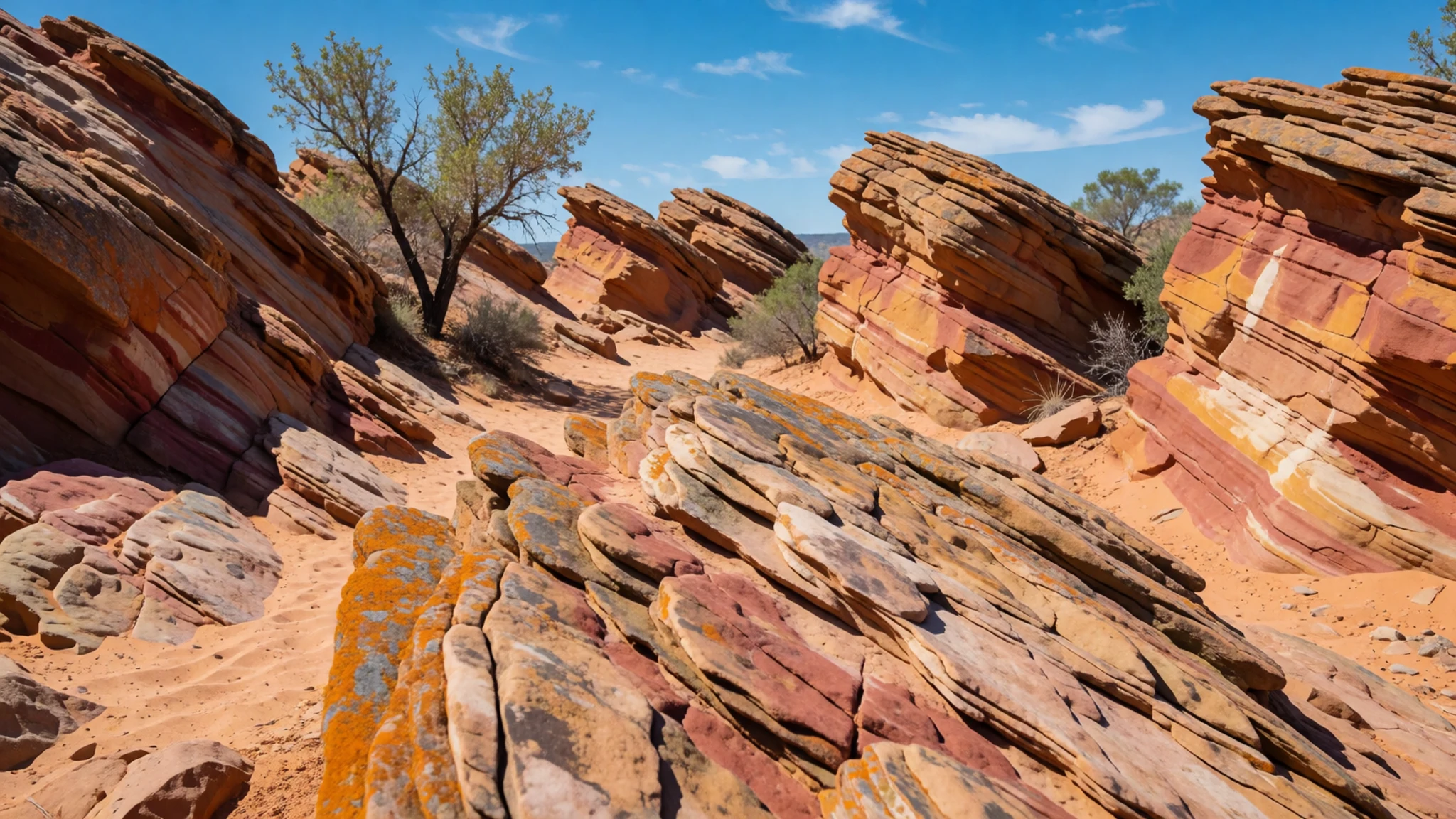
- Chapeau de Napoléon — Outside Tafraoute
This rock formation, named in French for its resemblance to a famous hat, rises from the desert-like ground outside town. It is reached on foot or by vehicle across open terrain, so it suits a walk with some planning. Carry water and go when the heat is lower.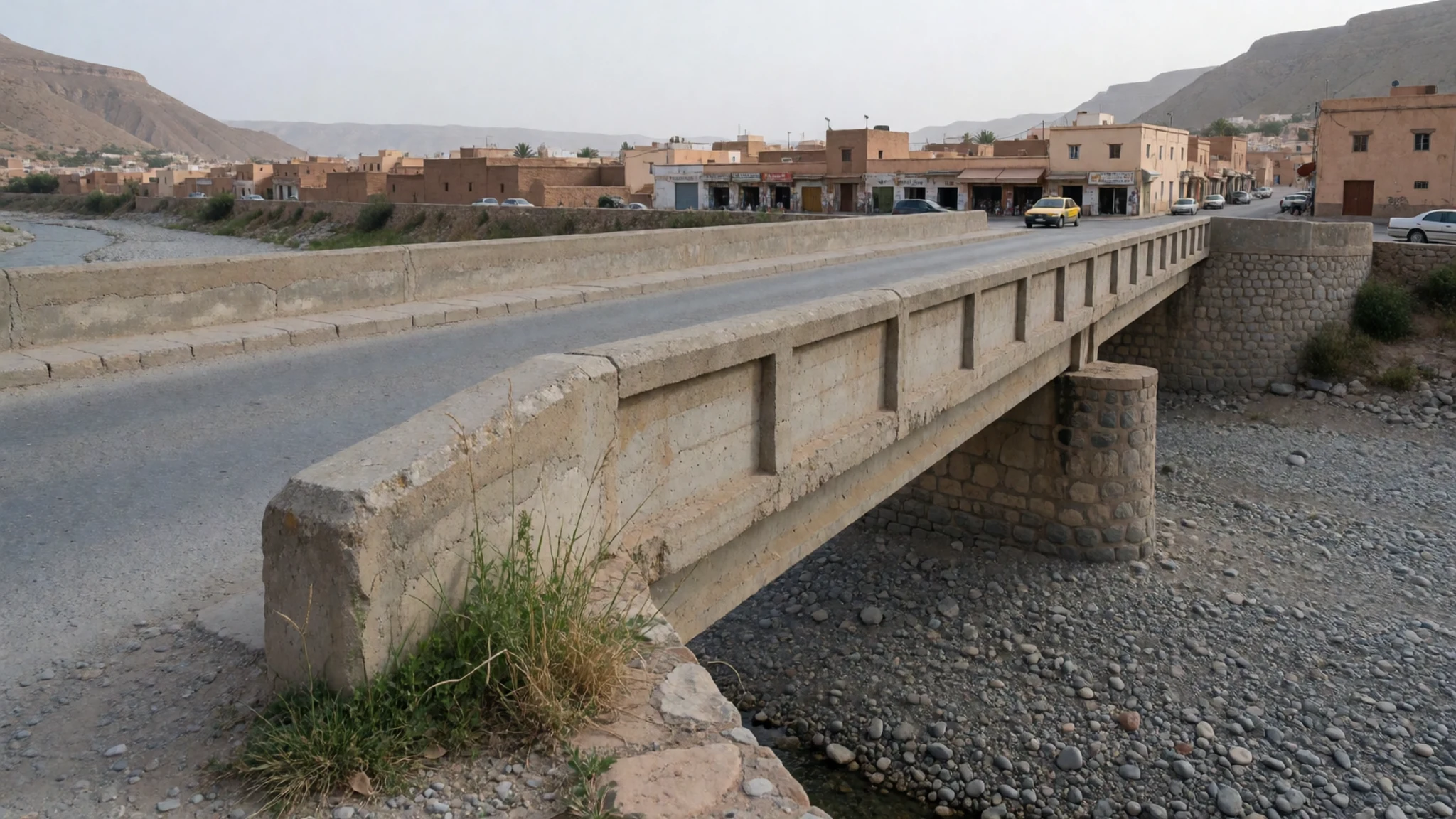
- Walk in the riverbed to the south-east — South-east of Tafraoute
A loop of a few hours through a quiet dry riverbed in the small range south-east of Tafraoute gives a real sense of the desert silence. With luck, Cuvier's gazelles can be seen. Leave via the southern road, turn left at Agard Oudad, then follow the riverbed back towards town. - Ait Mansour Gorge and Gdourt — West of Tafraoute
Ait Mansour is an oasis gorge a short drive from Tafraoute, with palms, water and steep rock walls. The village of Gdourt sits above another oasis nearby. Buses are few, so many visitors hire a car or taxi, then hitch back if plans allow.
Culture
Tafraoute is an Amazigh town, and Tachelhit is the everyday language, with Arabic and French used in shops, offices and schools. A few words of greeting in any of them go a long way. Life revolves around family, the almond and argan harvests, and money sent home by relatives working in Moroccan cities and abroad, which explains the new houses among old ones. Islam shapes the rhythm of the day: the call to prayer, the quiet at Friday midday, and the fasting month of Ramadan, when daytime eating places may be closed or discreet and evenings come alive. Hospitality is real. An invitation to tea is usually sincere, and it is polite to accept at least one glass. Bargaining is normal in the market and in carpet and silver shops, and it is done with humour rather than pressure. Alcohol is hard to find here; one tourist-oriented restaurant used to serve it but no longer does, so a drink should not be expected. Women travelling alone generally find the town relaxed, though some staring is likely and conservative dress helps. Landscapes are easy to photograph; people are another matter. Ask before photographing anyone, especially women and older residents, and accept a refusal with a smile.
What to wear
Tafraoute's traditional dress follows Amazigh and wider Moroccan patterns. Men wear the djellaba, a long hooded robe in wool for cold months and cotton for warmer ones, with turbans or caps, and babouches, soft backless leather slippers often in yellow or brown. Women wear long robes with colourful headscarves, and on festive occasions silver jewellery, with brooches, necklaces and sometimes coral or amber beads, which is part of Amazigh heritage. Hand-woven wool blankets and rugs are made for the household as well as for sale. Day to day, many men wear trousers and a shirt or jacket, often with a djellaba on top in winter, while younger people in town wear jeans, trainers and football shirts. Women commonly cover their hair and wear loose, long clothing. Visitors should dress for dry mountain weather: light, loose clothes that cover shoulders and knees, a sun hat and sunscreen by day, and a fleece or jacket for cool evenings. Sturdy shoes with good grip are needed for rocky tracks and riverbeds. Women may feel more comfortable with a light scarf to hand, and swimwear belongs at hotel pools only.
What to eat
- Tajine — Simple eateries near the bridge in the town centre
Slow-cooked meat or vegetable stew served in a conical clay pot, often with olives, preserved lemon or dried fruit. The simple eateries around the bridge in the town centre serve good everyday versions with bread for scooping.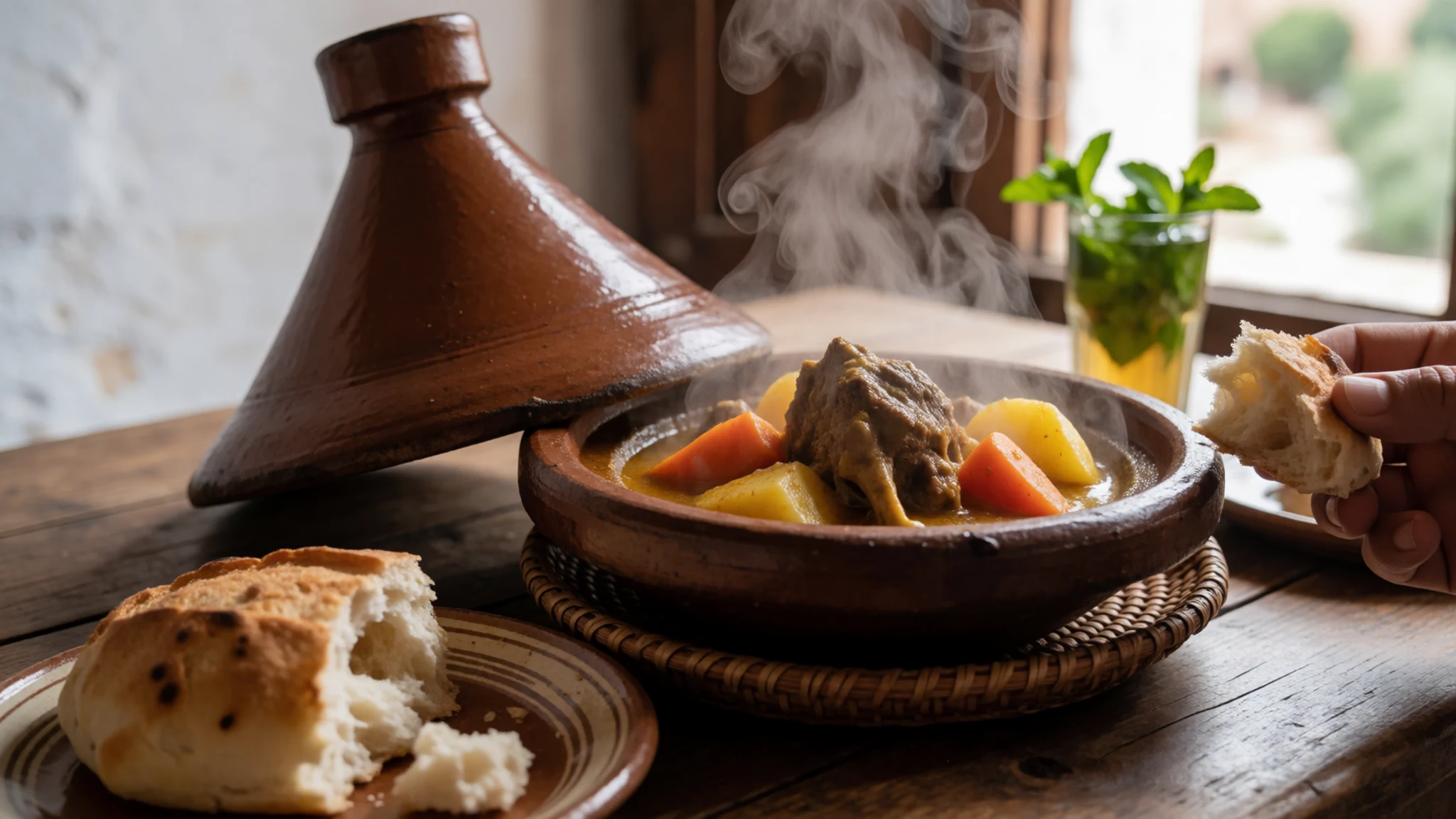
- Couscous — Family-run eateries, especially on Fridays
Steamed semolina with vegetables and meat, traditionally a Friday family meal. Some local eateries prepare it on that day, and it is worth asking in the morning, because portions are often limited.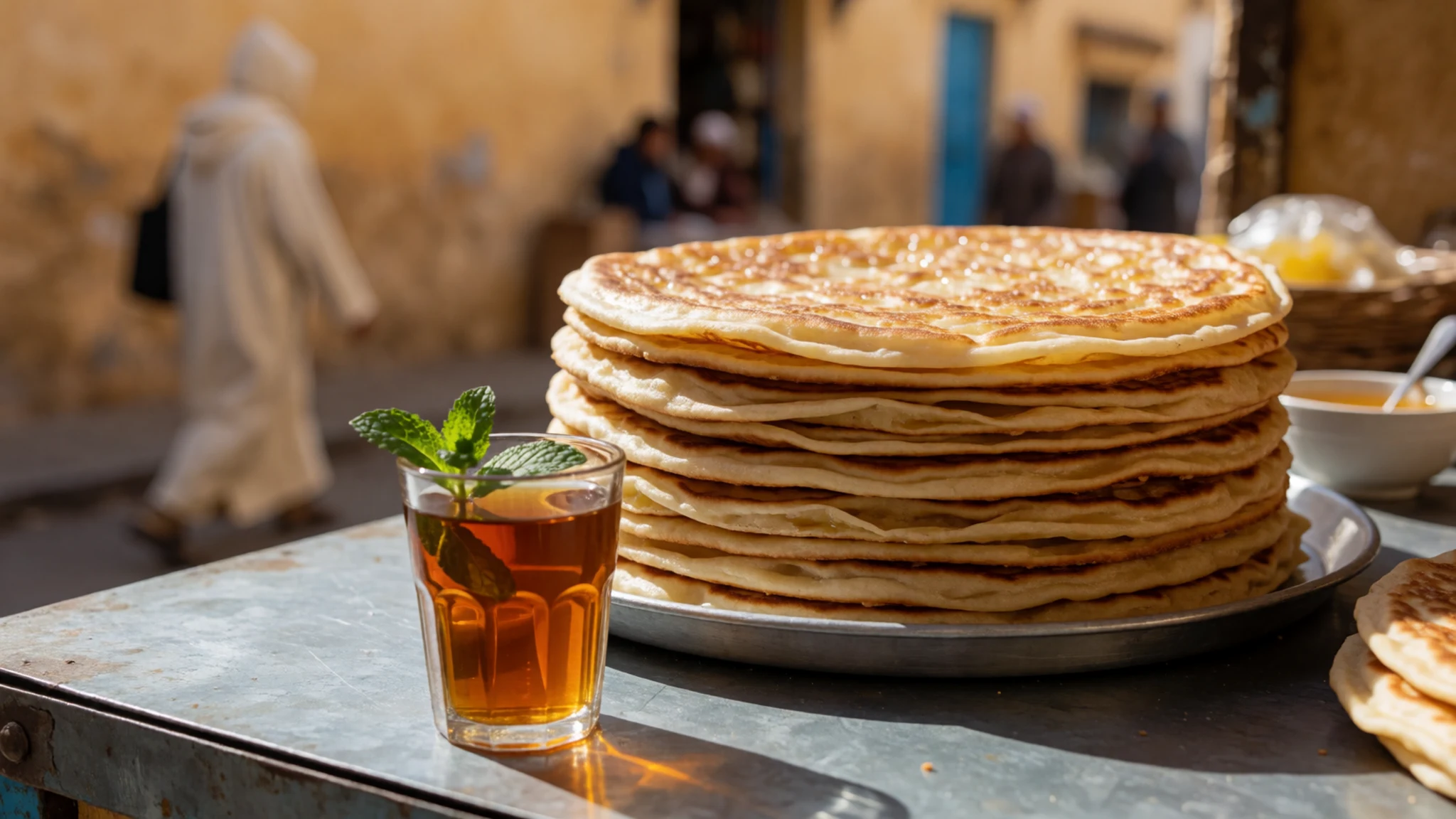
- Amlou — Breakfast tables and shops around the main square
A thick spread of ground almonds, argan oil and honey, eaten with bread at breakfast or with tea. It reflects the two trees that shape the local economy and is sold in jars in town shops as a take-home food. - Mint tea — Cafés on the main square and in any shop or home
Green tea brewed with fresh mint and plenty of sugar, poured from a height into small glasses. It is offered as a welcome in shops and homes and accompanies almost every pause in the day. - Almonds and dried fruit — Market stalls and shops around the town centre
Almonds are the local crop, sold raw, roasted, salted or in sweets, alongside dates and other dried fruit. They are good fuel for hikes and easy gifts, and buying from the market stalls keeps the money in town.
Plan it
Best time. February to April for almond blossom, mild days and green valleys, and October–November for comfortable walking. Summer is hot and dry, and winter nights are cold.
How long. 2–3
Getting there. Fly to Agadir, then travel by road: the R105 takes about 3 hours by car. A daily CTM bus runs from Agadir, and regular buses and shared taxis run from Tiznit (about 3½ hours by bus). The final stretch is winding mountain road, and the R104 from Tiznit is known locally as the road of the 400 turns.
Budget. low
Tips
- Stay at least one night: a day trip from the coast by bus or shared taxi takes too long to be worthwhile
- Check CTM bus times before leaving, as services are few and timetables change
- Carry cash for small shops, markets and taxis, and water for any walk
- Start hikes early to avoid midday heat and take a map or hire a guide at the main square
- Hire a car or taxi for Ait Mansour and Gdourt, as buses there are very few
Etiquette
- Dress modestly in town, covering shoulders and knees
- Ask permission before photographing people
- Accept tea when offered and bargain politely in the market
Nearby
Sources
- Wikidata Q28884426 (CC0)
- Wikipedia: Tafraoute (rev 1384880319) (CC BY-SA 4.0)
- Wikivoyage: Tafraoute (rev 5122588) (CC BY-SA 4.0)