Laayoune
Laayoune, Morocco
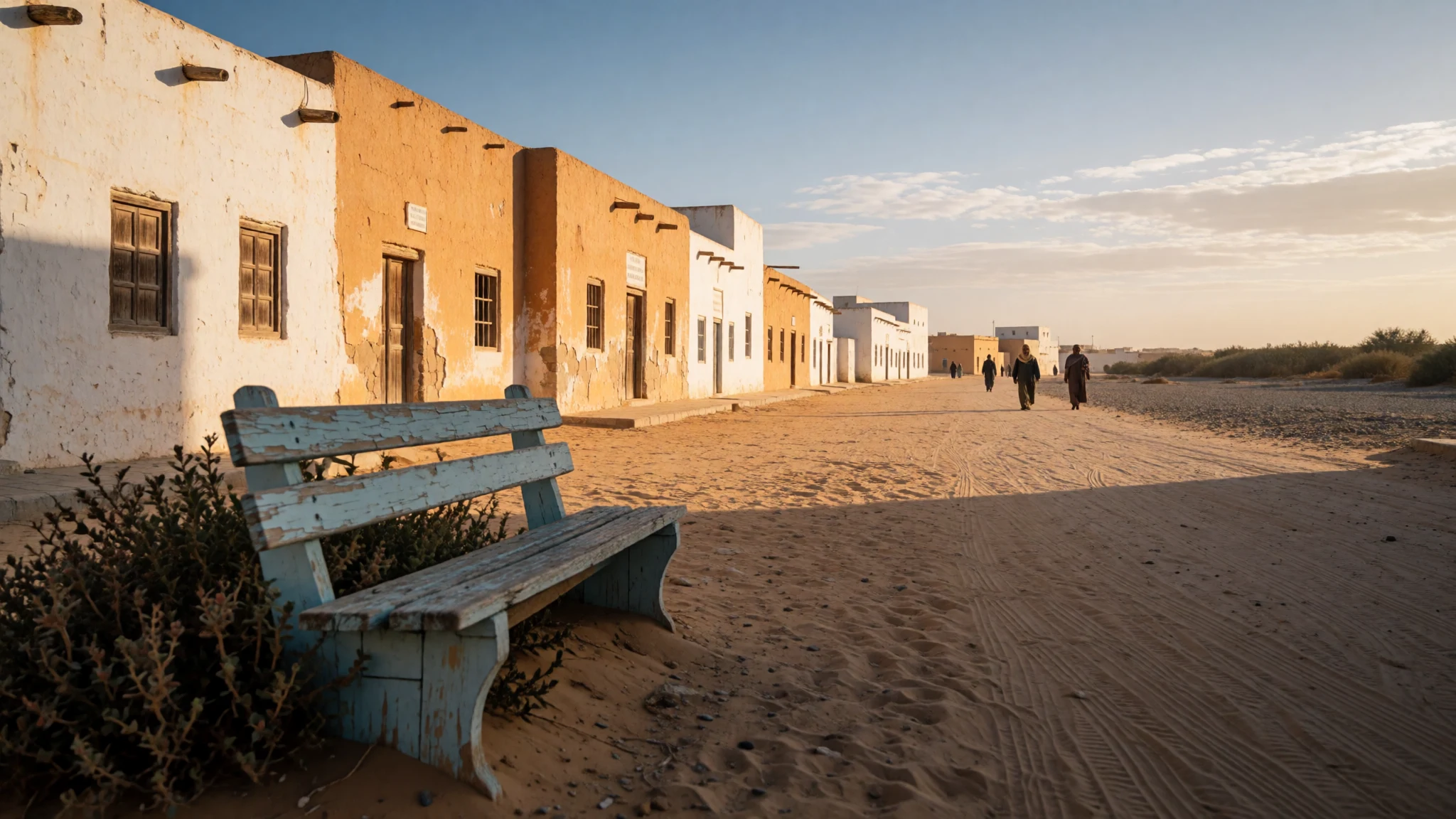
Laayoune offers a singular journey into the vast Saharan expanse, combining colonial history, desert coastlines, and a distinct administrative crossroads.
The place
Laayoune, also known as El Aaiún, sits as the largest urban area in the disputed territory of Western Sahara. Positioned just south of the dry river bed of Saguia el-Hamra, the settlement is structured around a lower colonial quarter originally established by Spanish authorities. Today, the settlement functions administratively under Moroccan governance while remaining closely monitored by international bodies such as MINURSO. The environment is shaped by a hot desert climate, though proximity to the ocean and the Canary Current helps temper extreme inland temperatures.
The municipal footprint has expanded significantly over the decades, driven by regional investments, phosphate processing at nearby deposits, and modern infrastructure projects like local desalination plants. Visitors traversing the streets encounter broad avenues lined with civic buildings, administrative outposts, and commercial spaces. The older Spanish influence remains visible in certain architectural fragments, while newer residential quarters house a population that has grown steadily since the mid-twentieth century. Beyond the built environment, the surrounding landscape transitions rapidly into open sand dunes, flat gravel plains, and the nearby Atlantic coastline, where coastal winds sweep across the shorelines of El Marsa.
While tourism infrastructure is less developed than in northern regions of the country, the municipality provides standard amenities for travellers venturing deep into the southern provinces. Checkpoints are a regular feature along the main approach roads, reflecting the administrative and geopolitical realities of the territory. For those willing to navigate these logistical nuances, the settlement serves as a gateway to both remote desert tracks and wild Atlantic beaches where local youth gather at dusk.
Its story
The origins of Laayoune trace back to nineteen thirty-eight, when Spanish military figures established a small outpost near reliable water sources in the desert. The location was chosen deliberately for its strategic position along the river banks, allowing military commanders to maintain communication lines with coastal harbors. During the nineteen forties, the discovery of massive phosphate reserves at nearby deposits transformed the small garrison into an industrial hub, sparking rapid economic growth and infrastructural expansion across the region.
By the nineteen fifties, the settlement had been designated as the administrative capital of the Spanish Sahara under colonial rule. This era left an indelible architectural stamp, including civic buildings, churches, and urban planning grids that persist in parts of the older quarters. Political tensions mounted over subsequent decades, marked by significant local uprisings such as the events of nineteen seventy, which highlighted growing friction under colonial administration. Following the withdrawal of Spain in nineteen seventy-five, administrative control shifted, and the territory was subsequently annexed.
In the decades following the transition, inward migration shifted the demographic balance, with many newcomers arriving from northern regions while indigenous nomadic communities gradually settled into urban routines. Modern development has continued at a rapid pace, supported by energy initiatives, water management systems, and expanded transport links. Despite its isolated geographic position, the municipality remains an important focal point for regional administration, maritime commerce, and the complex political history of the western desert.
What to see
- St. Francis of Assisi Cathedral — Colonial old town
Constructed during the mid-twentieth century under Spanish colonial administration, this striking Roman Catholic church features distinctive architectural lines. It remains an active spiritual focal point served by a small community of missionaries, offering a tangible link to the European era of the town's history. - Al-Zawiya Mosque — Central district
A carefully restored historic religious site serving the local Muslim community. The structure showcases traditional regional masonry and decorative arts, standing as an important cultural landmark along the main thoroughfares where residents gather for daily prayers and community events. - Laayoune Coastal Dunes and Beach — Road to Laayoune Plage
Located a short drive outside town towards the coast, this scenic area features towering sand dunes that drop towards the Atlantic shore. At sunset, the beach transforms into a lively social space where local residents play football and gather for evening recreation. - Avenue Makkah al-Mukarramah — Main urban corridor
The primary arterial route cutting through the urban centre, lined with numerous commercial shops, cafes, and everyday trading posts. It provides an excellent vantage point for observing daily life, bustling street commerce, and the interplay between traditional routines and modern urban growth.
Culture
The cultural fabric of Laayoune is a distinct blend of traditional Sahrawi nomadic heritage, Hassaniya traditions, and broader Moroccan influences brought by decades of demographic shifts. Hospitality is paramount, and social gatherings often revolve around elaborate tea ceremonies where mint tea is poured from a height to create froth. Traditional music, poetry, and storytelling remain valued ways of preserving ancestral desert knowledge among older generations, even as younger residents embrace contemporary media and urban pastimes. Traditional handicrafts, including woven textiles and leather goods, reflect a deep connection to desert survival and craftsmanship.
Visitors will find that conservative dress norms prevail across public spaces, reflecting local religious and cultural values. When interacting with residents, patience and respectful greetings are appreciated, and public photography of government installations, security personnel, or checkpoints should be strictly avoided at all times.
What to wear
Traditional attire in the region reflects practical adaptation to harsh desert environments. Indigenous Sahrawi men traditionally wear the daraa, a flowing, wide-sleeved indigo or white cotton robe that allows air circulation while protecting the wearer from intense sun and wind, often paired with a headscarf known as a tagelmust. Sahrawi women traditionally wrap themselves in the melhfa, a colourful, unstitched length of fabric draped gracefully around the body to provide complete coverage against dust and heat.
In contemporary daily life across the streets, many urban residents wear standard modern clothing, including lightweight trousers, shirts, and tunics, while traditional robes remain common for formal occasions, Friday prayers, and older generations. For visitors, dressing modestly is essential out of respect for local customs. Both men and women should opt for loose-fitting, lightweight garments that cover shoulders and knees, protecting against both ultraviolet rays and cultural sensitivity. Sturdy footwear is recommended for navigating sandy terrain or uneven pavements in outer districts.
What to eat
- Camel Meat — Local butchers and neighbourhood markets
Sourced fresh from local butchers around the municipal markets, beefy camel meat is a regional specialty often prepared in hearty stews, slow-cooked tagines, or grilled over hot coals with local spices. - Desert Dates — Central market stalls
Plentiful across the regional stalls, these locally harvested dates are prized for their exceptional sweetness, tender texture, and high energy value, making them a staple accompaniment to daily meals and gatherings. - Local Barbecue — Avenues and neighbourhood food stalls
Street-side grills and casual eateries prepare simple, flavourful skewers of spiced meat, fresh bread, and seasonal vegetables, providing a popular and filling meal for travellers on the move. - Traditional Mint Tea — Cafes and tea houses across town
Served throughout the day as an essential gesture of hospitality, this sweet green tea infused with fresh mint leaves is poured ceremoniously from height to aerate the brew.
Plan it
Best time. March to May and October to November offer pleasant daytime temperatures, avoiding the intense summer heat.
How long. 2–3
Getting there. Accessible via direct long-distance bus services such as CTM and Supratours from major northern transport hubs, or by regional flights arriving at the local airport.
Budget. mid
Tips
- Check vehicle documents and be prepared for frequent security checkpoints when driving along the N1 highway
- Carry sufficient cash, as card payment acceptance can be limited outside larger establishments
- Protect against desert sun and dehydration by carrying adequate drinking water at all times
- Book accommodations in advance, keeping in mind that local lodging can be relatively costly due to administrative presence
Etiquette
- Dress modestly in loose clothing that covers shoulders and knees throughout public areas
- Refrain completely from photographing police, military personnel, or security checkpoints
- Ask permission before photographing local residents in markets or street settings


