Fez
Fez, Morocco
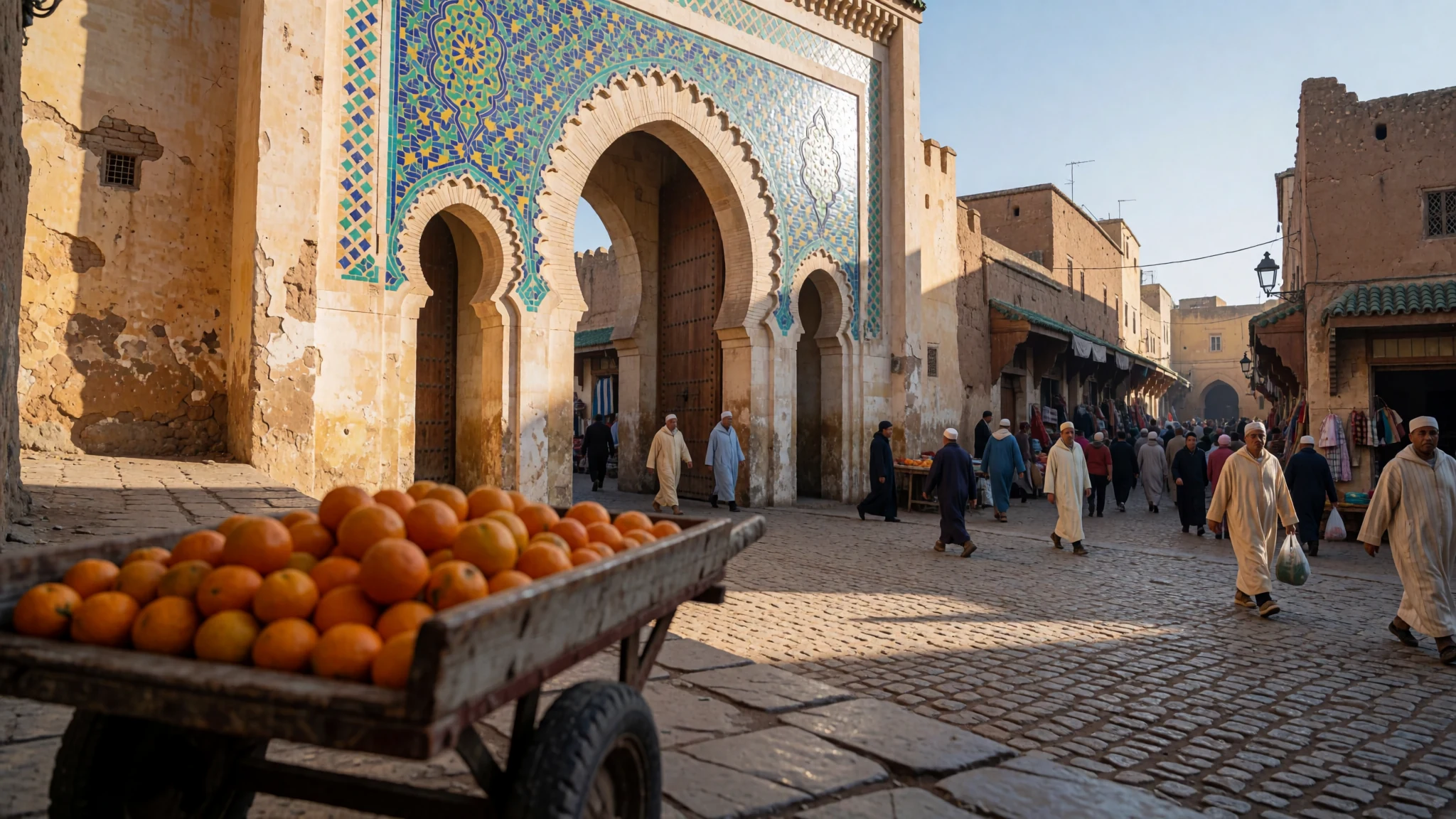
Step into Fez to experience an intact medieval walled city where traditional crafts, quiet courtyards, and scholarly foundations endure.
The place
Fez stands as an inland northern hub in Morocco, anchored by its sprawling historic medina. Flanked by the northwest reaches of the Atlas Mountains, the settlement takes shape around the local river that meanders through the valleys and slopes. Home to over a million residents, the urban area balances its ancient core with expanding modern districts. The geography naturally divides the older sectors, creating a vast, vehicle-free labyrinth of alleys, hidden squares, artisan workshops, and residential quarters that have changed remarkably little in layout over centuries.
The older districts are legendary for their density and architectural integrity. Visitors navigating the narrow lanes encounter high mud-brick walls hiding private residences, public fountains adorned with carved cedarwood, and neighborhood mosques whose minarets punctuate the skyline. Unlike coastal Moroccan cities, Fez retains a distinctly inland climate and atmosphere, marked by warm summers and crisp winter days. The surrounding hills offer sweeping vantage points over the continuous sea of terracotta rooftops, where the daily rhythms of trade, prayer, and community life continue uninterrupted in the same manner as generations past.
Its story
Fez began its remarkable history when Idris I established a settlement on the southeast bank of the local river during the late eighth century. His son, Idris II, expanded the enterprise by founding an opposing urban center across the water, drawing diverse populations together. Early waves of migration from Tunisia and Andalusia infused the nascent community with distinct artistic, architectural, and administrative traditions, setting the stage for its future cultural preeminence.
During subsequent centuries, successive dynasties vied for control, yet the city consistently emerged as a vital political and spiritual powerhouse. The Almoravid rulers eventually unified the competing riverbank settlements into the single walled entity known today as Fes el-Bali. Its golden age arrived under the Marinids, who commissioned numerous religious colleges, public baths, and royal quarters adorned with intricate stucco work and cedar carvings. These structures cemented the municipality's reputation as a peerless center of Islamic scholarship, philosophy, and artisan craftsmanship, leaving an enduring legacy that defines the historic landscape observed by modern travellers.
What to see
- The Tanneries — Medina interior
Deep in the heart of the medina, these historic leather-dyeing pits operate much as they have for centuries. Workers stand waist-deep in stone vats filled with natural dyes and softening liquids under the open sun. You can observe the colourful process from surrounding leather shop terraces, where staff will hand you a sprig of fresh mint to counter the potent aroma.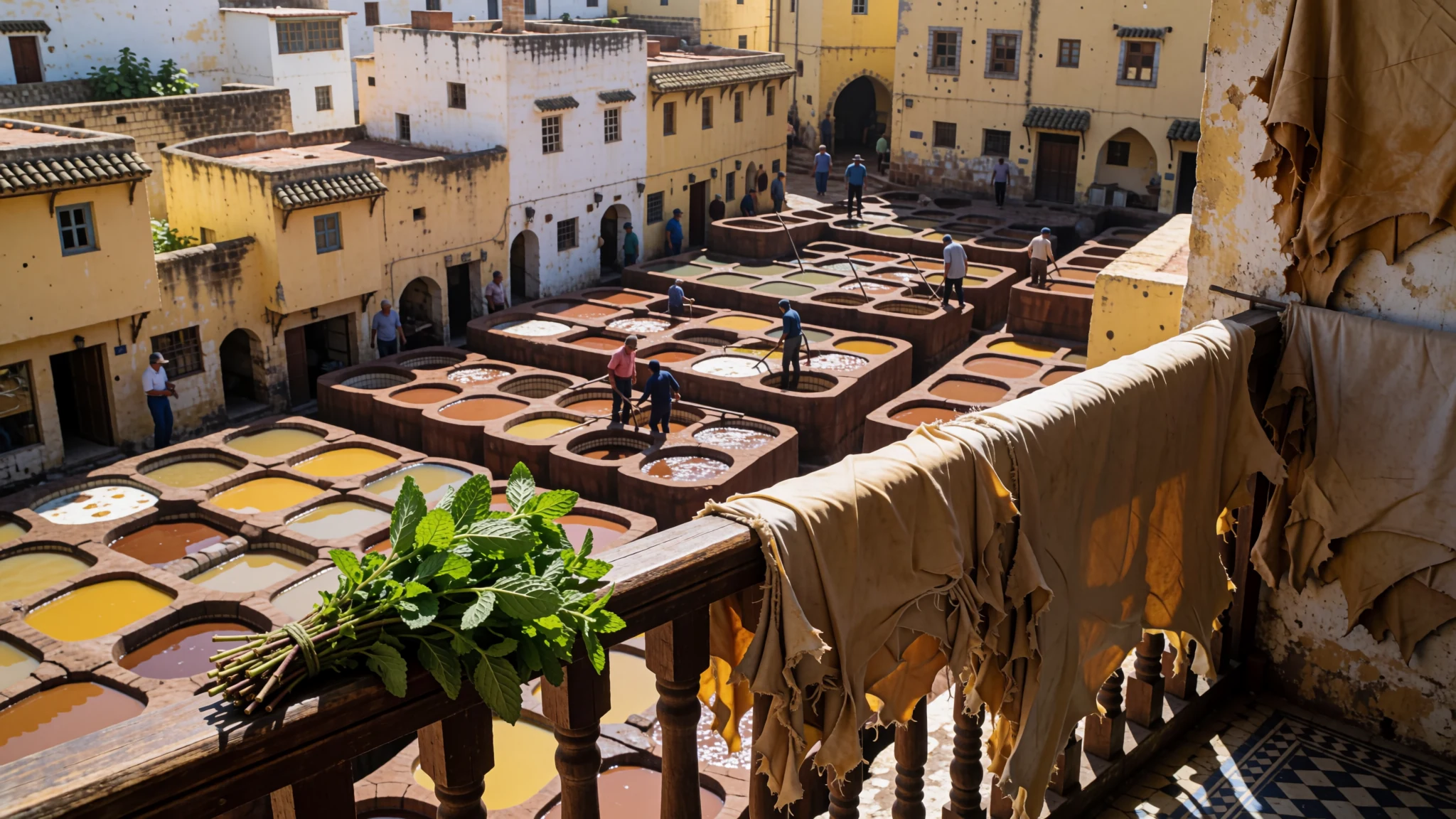
- Bou Inania Madrasa — Near Bab Bou Jeloud
This fourteenth-century religious college stands as a masterwork of Marinid architecture and remains one of the few spiritual sites in the city open to non-Muslim visitors. Inside, the central courtyard features extraordinary cedarwood carvings, intricate geometric tilework, and delicate stucco inscriptions that showcase the pinnacle of regional craftsmanship.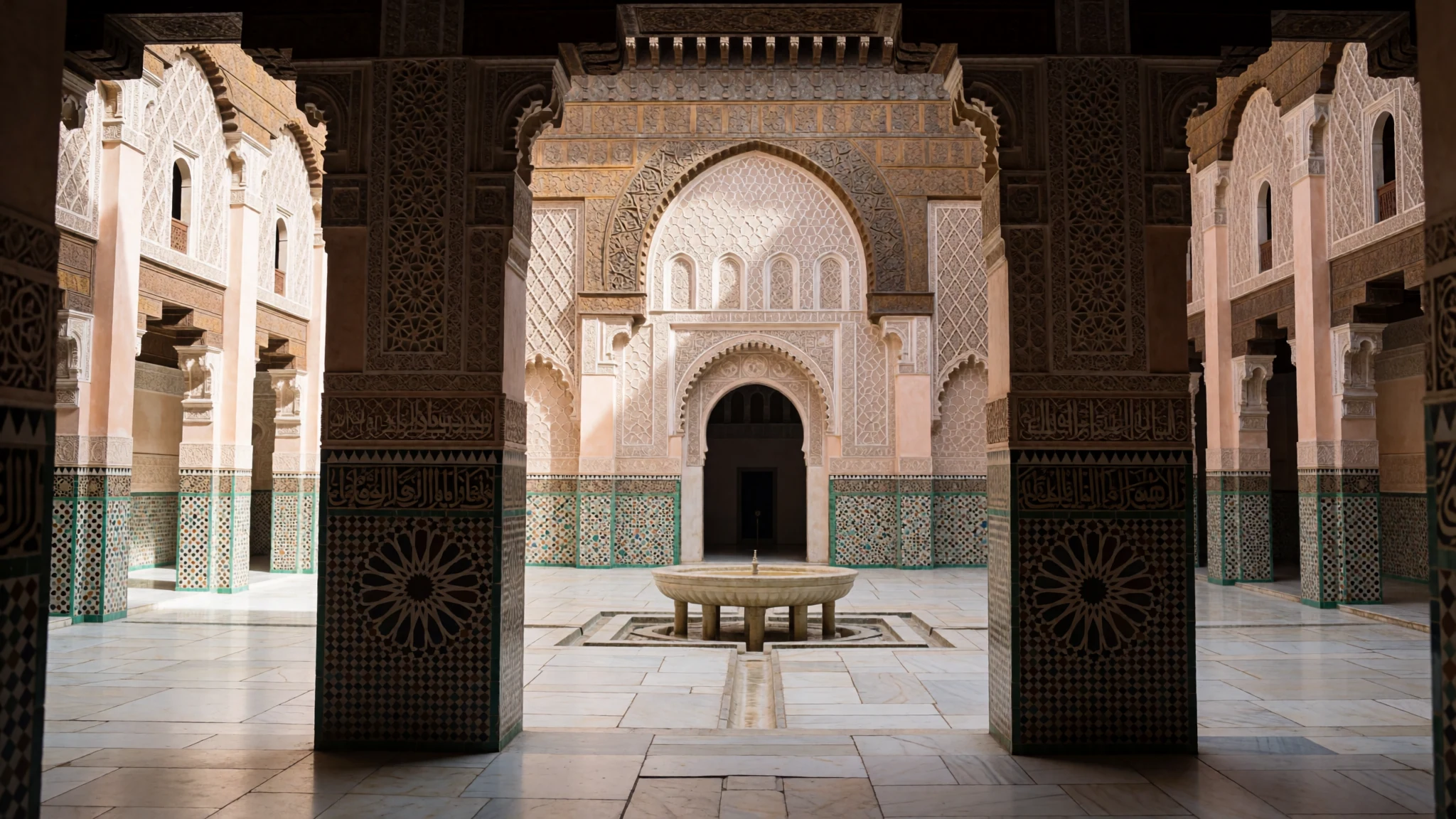
- Al Attarine Madrasa — Near the spice souk
Commissioned by a Marinid sultan in the early fourteenth century, this smaller scholarly foundation packs an astonishing density of artistic detail into its compact footprint. The interior courtyard walls are covered in elaborate tile mosaics and carved plaster panels that frame a central courtyard fountain, reflecting centuries of refined aesthetic devotion.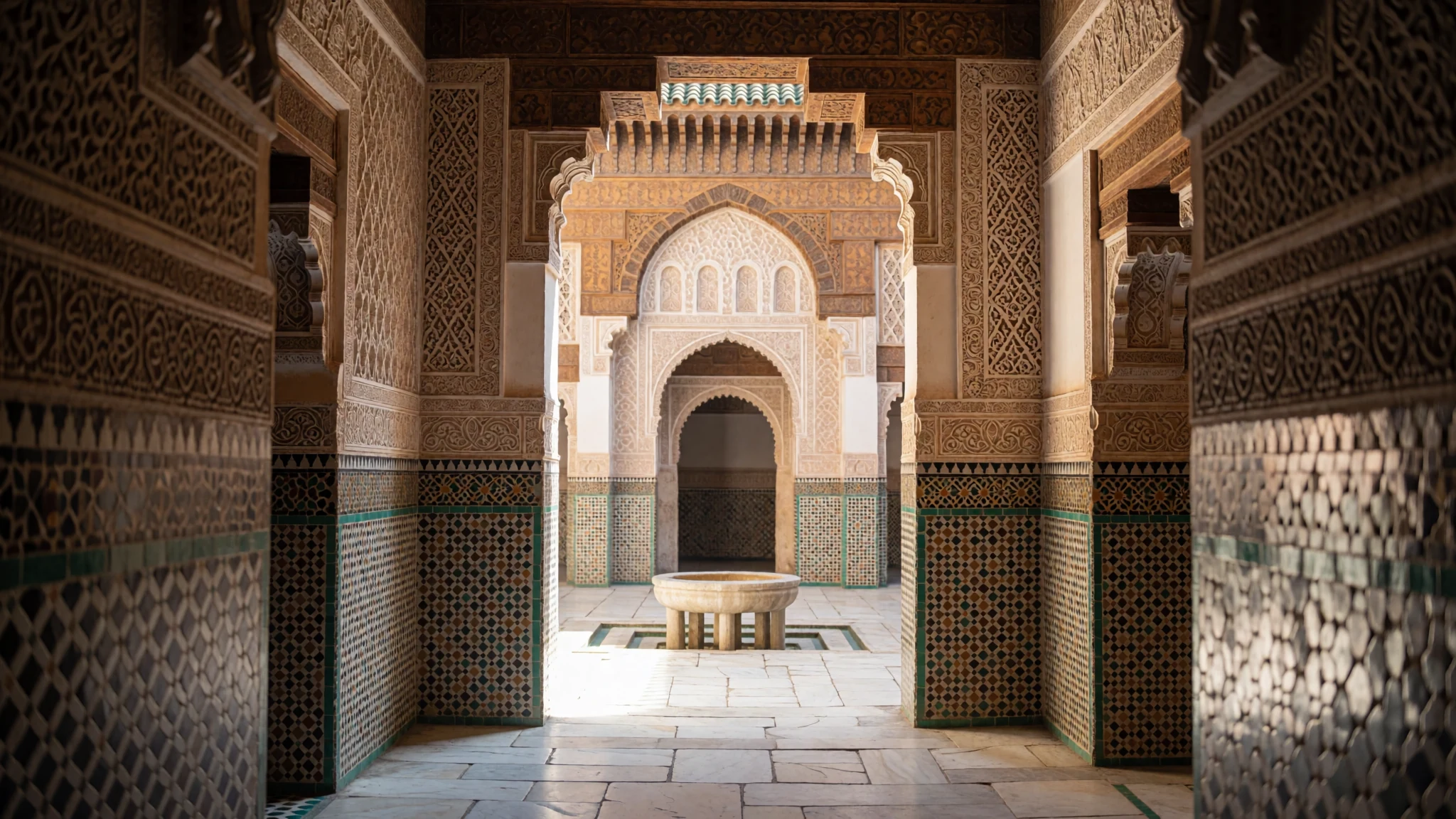
- Andalusian Mosque — Adwat Al-Andalus
Founded during the ninth century, this historic mosque anchors the Andalusian quarter of the ancient medina. While interior access is restricted to worshippers, visitors can admire its impressive monumental doorway, traditional green roof tiles, and the quiet dignity of the surrounding neighbourhood streets that trace their origins back to early Andalusi immigrants.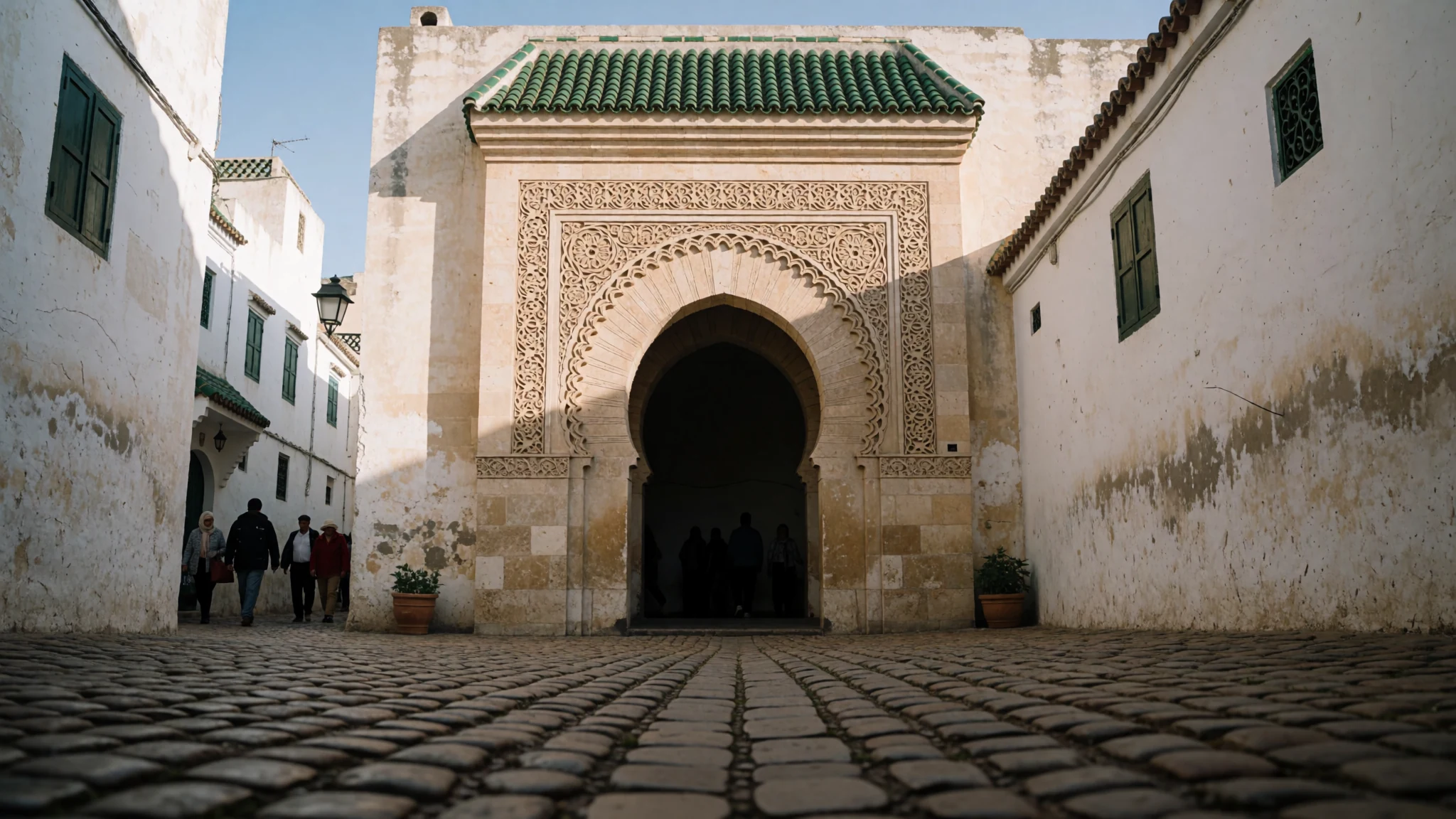
- Borj Nord — Northern hills
Perched on the hills overlooking the northern perimeter of the old walled city, this historic fortress houses a fascinating museum dedicated to military history and traditional weaponry. The elevated location provides an expansive, panoramic view across the entire medina, making it an ideal spot to understand the sheer scale of the urban maze below.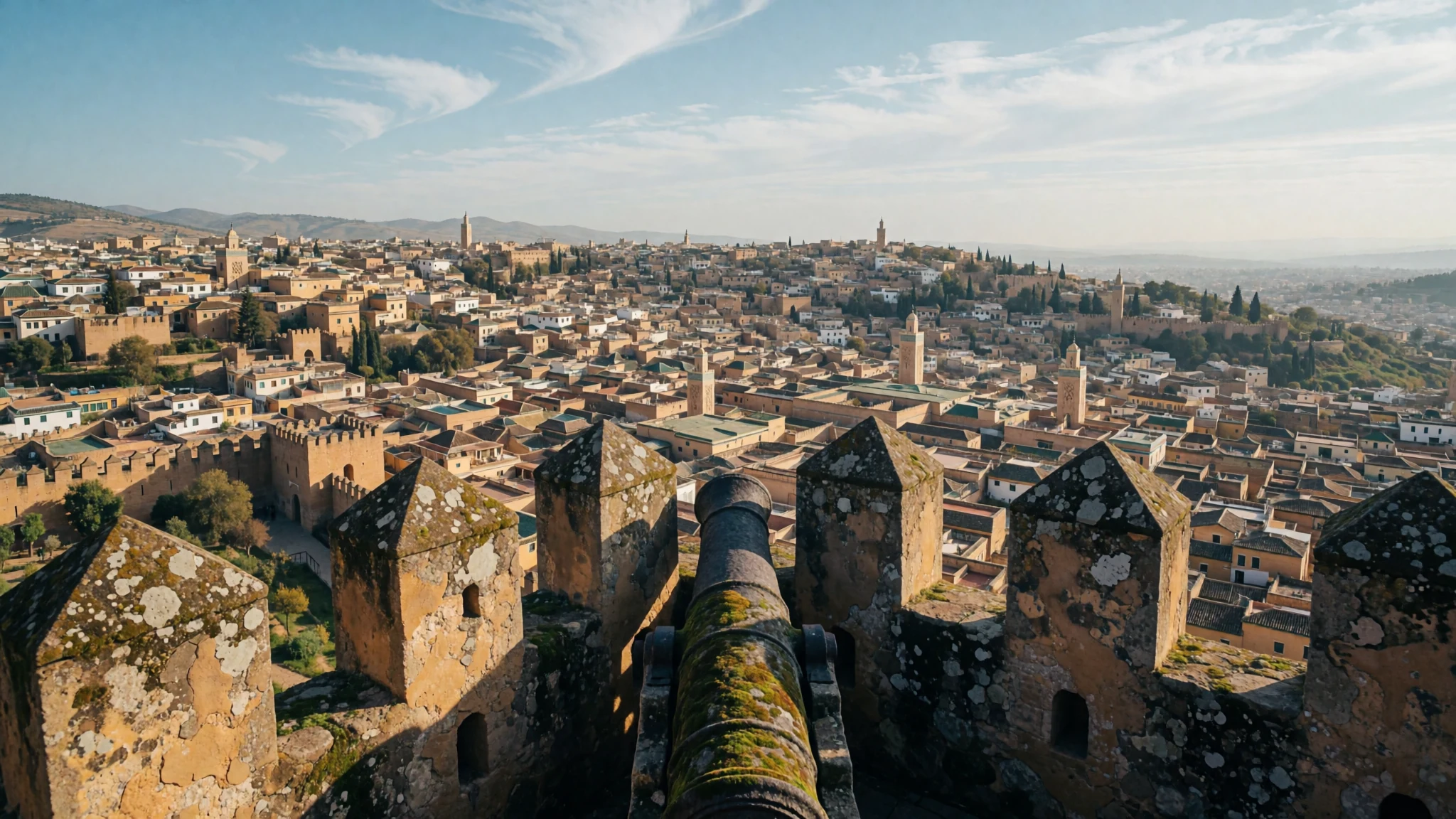
Culture
Fez holds a revered place as the spiritual and intellectual capital of Morocco, historically celebrated for its deep traditions in Islamic jurisprudence, poetry, and philosophy. For centuries, the city's intellectual life flourished around its major educational institutions and libraries, which preserved countless rare manuscripts and fostered generations of scholars and Sufi masters. Literature and spiritual devotion remain deeply intertwined here, reflected in the contemplative atmosphere of quiet courtyards and neighbourhood shrines.
Daily life moves to a traditional rhythm, punctuated by the call to prayer echoing across the valley and the gentle clatter of copperware being hammered in ancient artisan workshops. Hospitality is considered a fundamental virtue, with visiting guests routinely welcomed with traditional gestures of respect and conversation. Always ask for permission before photographing local residents in the medina.
What to wear
Traditional dress in Fez reflects centuries of craftsmanship, featuring flowing garments like the jellaba—a long, hooded outer robe made from wool or lightweight cotton—often paired with traditional leather babouches for footwear. Artisans and elders frequently wear these classic silhouettes, while younger generations blend traditional elements with modern casual wear. For visitors, dressing modestly is essential out of respect for local religious and cultural norms; shoulders and knees should remain covered when exploring both the ancient medina and modern neighbourhoods. Sturdy, comfortable walking shoes are vital for navigating the steep, uneven stone staircases and alleyways of the old city.
What to eat
- Vegetarian Tagine — Any rooftop restaurant overlooking the medina
Slow-cooked seasonal vegetables simmered with preserved lemons, green olives, and aromatic spices inside a traditional conical clay pot, served with freshly baked bread.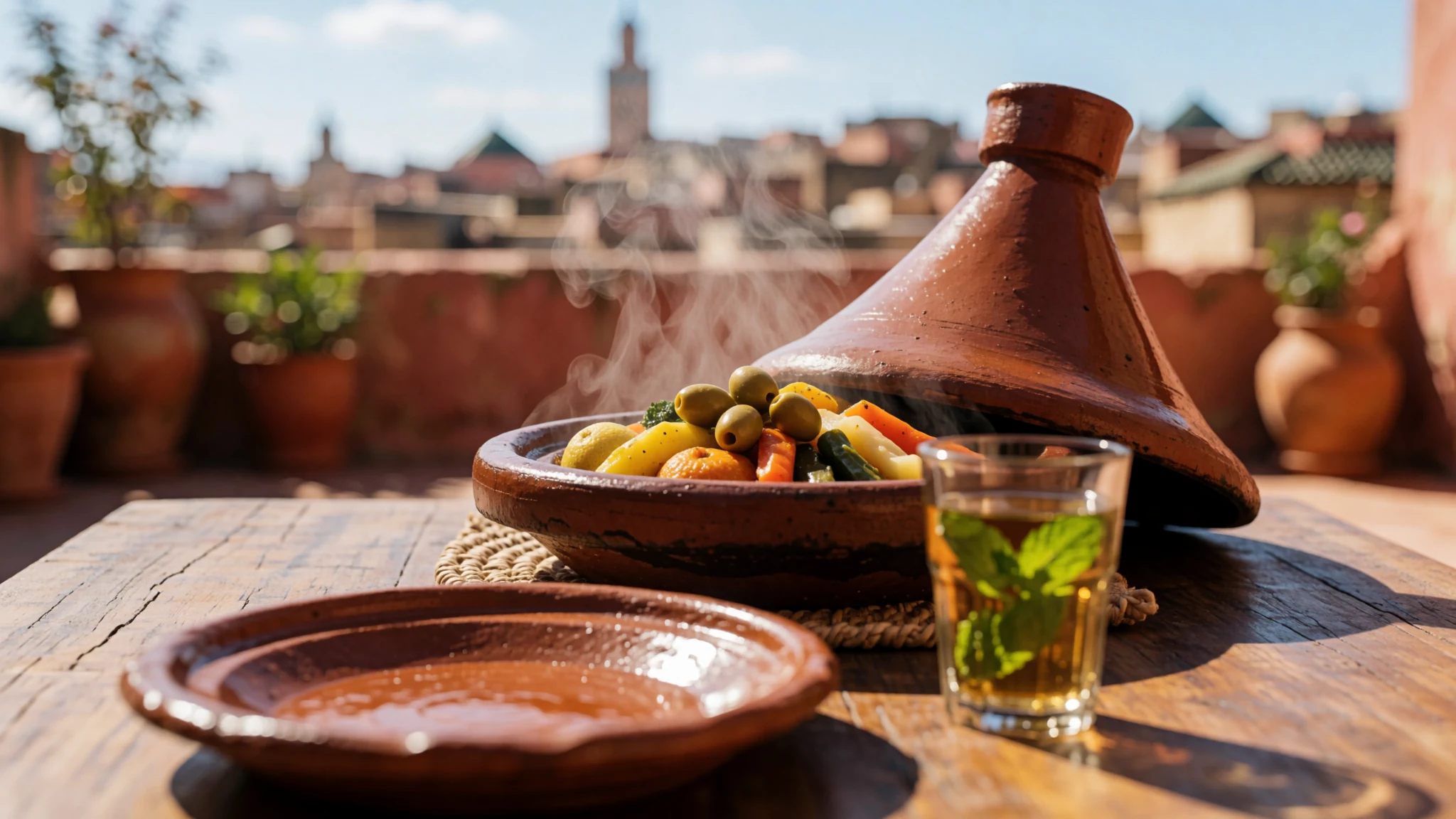
- Fassi Pastilla — Traditional eateries near Bab Bou Jeloud
A legendary local specialty featuring sweet and savoury layers of paper-thin pastry encasing spiced meat, almonds, and aromatic herbs, dusted generously with cinnamon and icing sugar.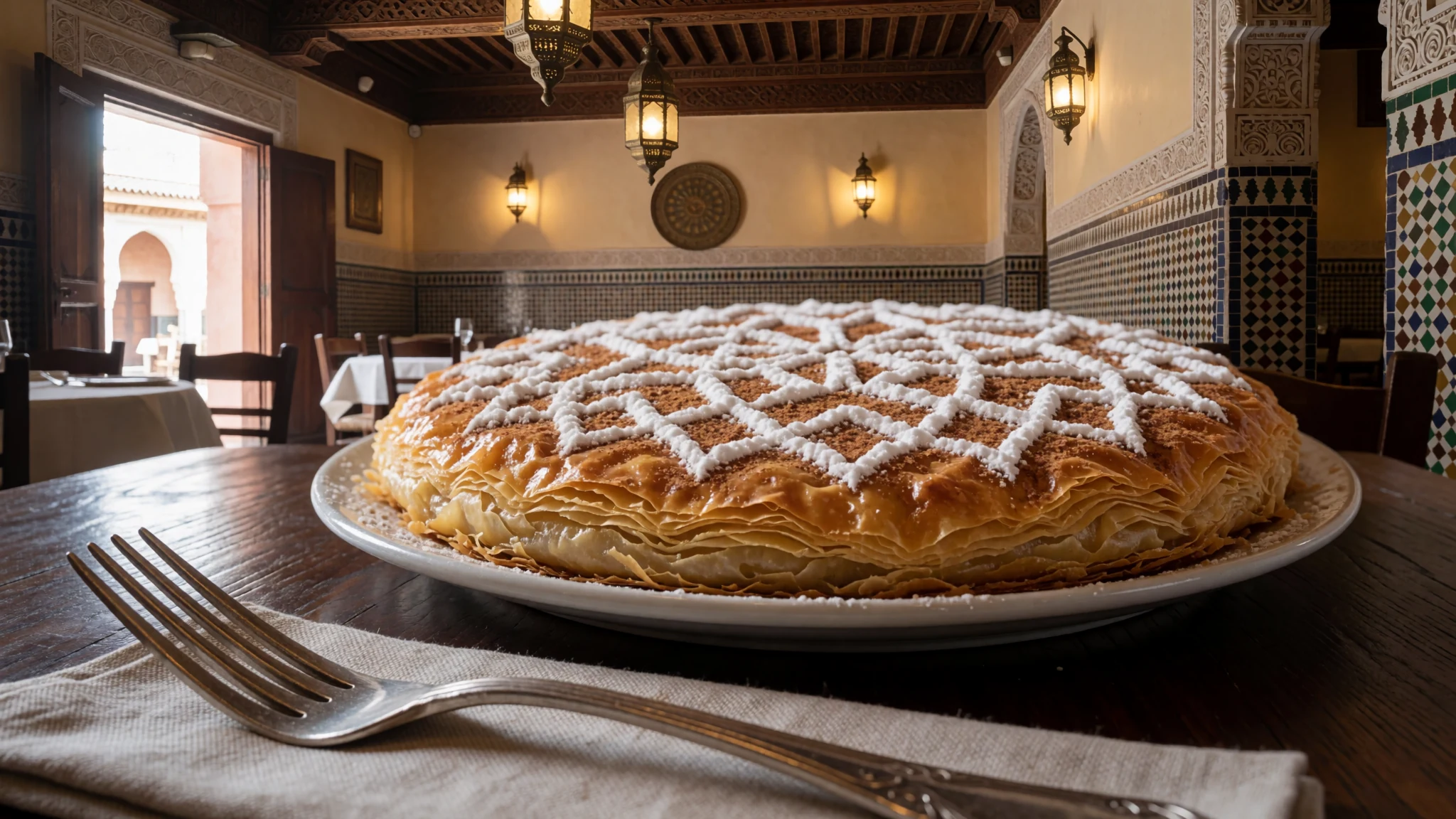
- Mint Tea — Cafes and squares throughout the city
The iconic national hospitality drink made from fresh green tea leaves and heavy handfuls of spearmint, poured from a height into small glasses to create a frothy top.
- Boricuas — Small neighbourhood bakeries and cafes in the medina
Crispy, deep-fried thin dough layers wrapped into delicate shapes, offering a popular and satisfying street snack enjoyed throughout the day.
Plan it
Best time. December to February brings the most comfortable daytime warmth, though nights can dip below freezing, while March to April brings hot, showery spring days and blooming gardens.
How long. 3–4
Getting there. Fly into Fes-Saiss Airport, then take the local bus or a licensed taxi for the final journey into the city centre or train station.
Budget. mid
Tips
- Hire an official guide for your first morning in the labyrinthine medina to avoid getting lost.
- Carry sufficient physical cash, as many small artisan shops and cafes do not accept cards.
- Wear sturdy, closed-toe walking shoes to handle uneven cobblestones and steep alleyways.
- Drink bottled water throughout your stay to stay healthy and hydrated.
Etiquette
- Always ask permission before taking photographs of local residents.
- Dress modestly by covering your shoulders and knees when visiting public and religious areas.
- Remove your shoes when entering private homes or designated prayer spaces.


