Sumbawa Island
Sumbawa Island, Indonesia
Sumbawa is for travellers who want surf, a vast volcanic caldera and sultanate-era towns without the crowds of neighbouring Bali and Lombok.
The place
Sumbawa sits in the middle of the Lesser Sunda chain, with Lombok to the west, Flores to the east and Sumba further to the south-east. Together with Lombok it makes up the province of West Nusa Tenggara. About 1.33 million people live here, and the island feels far larger and emptier than that suggests, because much of it is dry grassland, scrub and volcanic hills.
Water shapes the map. The Alas Strait divides it from Lombok, the Indian Ocean batters the south coast, the Sape Strait separates it from Flores and the Komodo islands, and the Flores Sea runs along the north. Saleh Bay bites so deep into the north that it nearly cuts the island in two. On the peninsula beside it stands Mount Tambora.
The island is really two halves. Outsiders say Sumbawa for the whole thing, but locally the name belongs to the western half, around Sumbawa Besar. The eastern half, around the city of Bima and the Dompu area, calls itself Bima, with its own language and customs. The savanna-like climate suits horses and cattle, and the island has long been known for honey, sappanwood and sandalwood.
Tourism is still young. Surfers know the breaks on the south and south-west coasts, and a few travellers pass through on the way between Lombok and Flores. Sumbawa is remote even by Indonesian standards, so expect long journeys, basic lodging in many places and very few other visitors. The reward is space, plain hospitality and landscapes that have not been packaged for anyone.
Its story
Sumbawa's story begins with what it grows and what lies under it. The island was known across the East Indies for honey, horses, sappanwood, used for a red dye, and sandalwood, used for incense and medicine. That wealth drew outsiders for centuries, from Javanese, Balinese and Makassar powers to the Dutch and later the Japanese. The Dutch first arrived in 1605 but only ruled the island effectively in the early twentieth century.
Before that, power was local. The eastern and central parts were divided among four sultanates, Sumbawa, Sanggar, Dompu and Bima, with links to the Bugis and Makassar peoples of South Sulawesi. Western Sumbawa had been tied to the Majapahit empire of eastern Java, and for a time the Balinese kingdom of Gelgel held part of the west. The island also marks a cultural boundary: the islands to the west took more from Indian-influenced religion and culture, while those to the east took less.
Then came Tambora. In 1815 the volcano erupted in what is recorded as the most powerful eruption in history, throwing 180 cubic kilometres of ash and debris into the air. Up to 71,000 people died, and the ash cooled the global climate, giving 1816 the name Year Without a Summer. The eruption also seems to have wiped out a culture archaeologists call the Tambora culture, whose people had links to Papuan peoples.
In the eighteenth century the Dutch had introduced coffee on Tambora's western slopes, and a Tambora coffee variety followed. In 2000 a large gold and copper mine, Batu Hijau, began commercial operation in the south-west, adding a modern layer to the island's old reputation for resources.
What to see
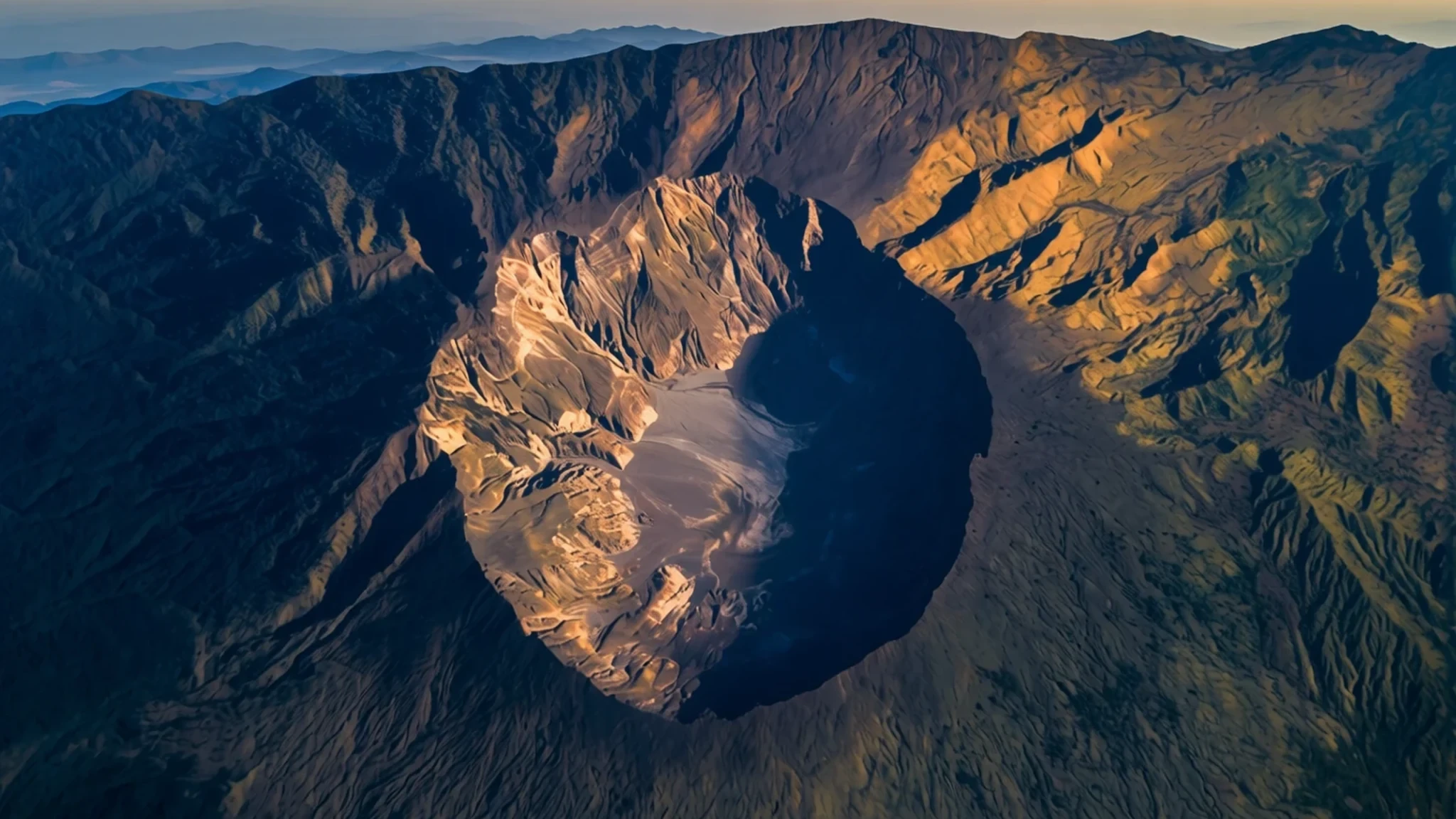
- Mount Tambora caldera — Sanggar Peninsula, north Sumbawa
Tambora, on the Sanggar Peninsula, is the volcano behind the 1815 eruption, and its caldera is the island's defining sight. Treks need a local guide and an early start, since the heat builds fast. Even if you do not climb, the scale of the rim explains why the eruption changed the world's weather.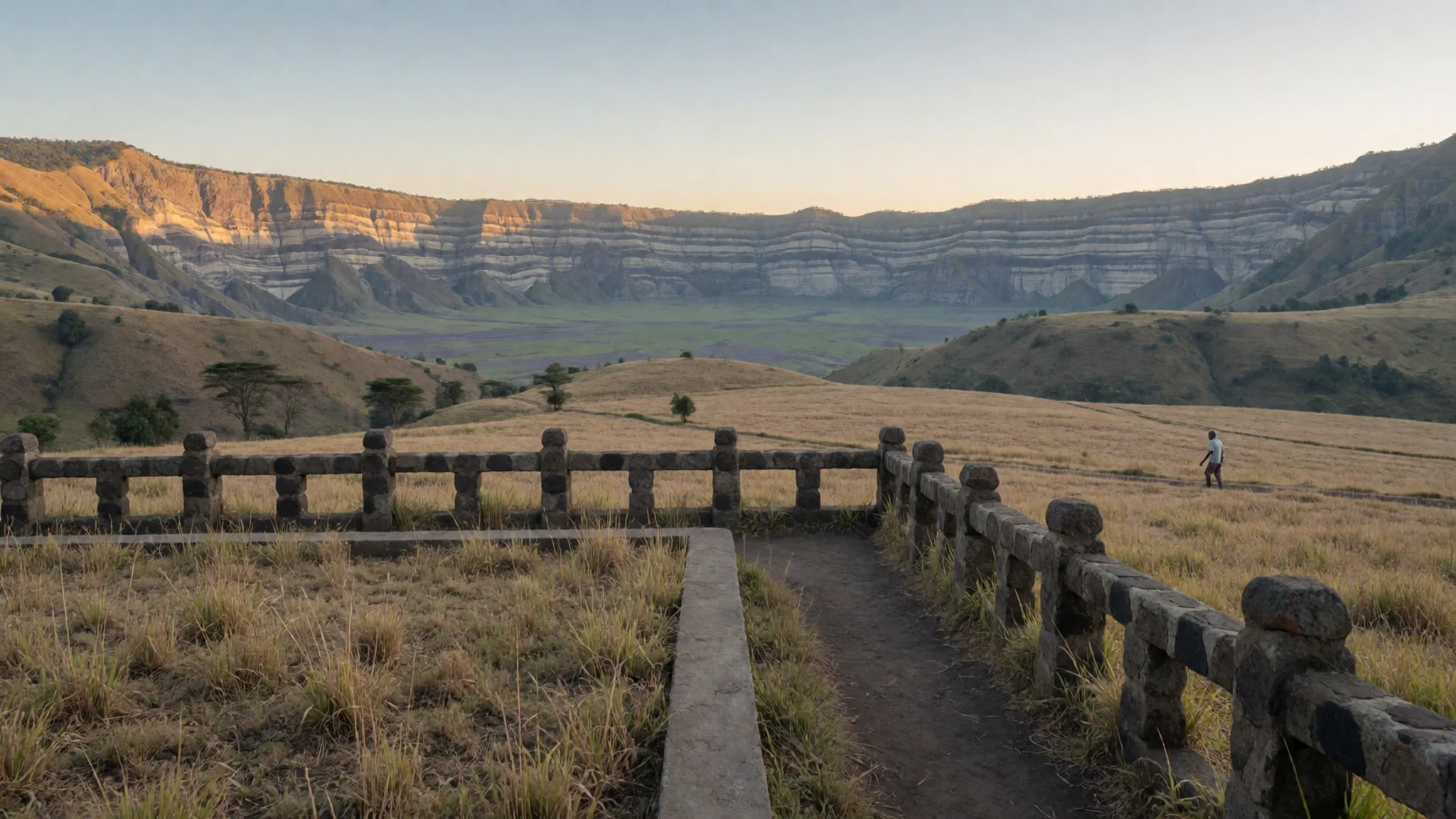
- Dalam Loka Palace — Sumbawa Besar
This wooden palace in Sumbawa Besar recalls the sultanate that ruled the western half of the island. It is a quiet stop with a sense of the old court, and a good place to ask locals about Sumbawa traditions and how they differ from Bima's. Check locally for opening times.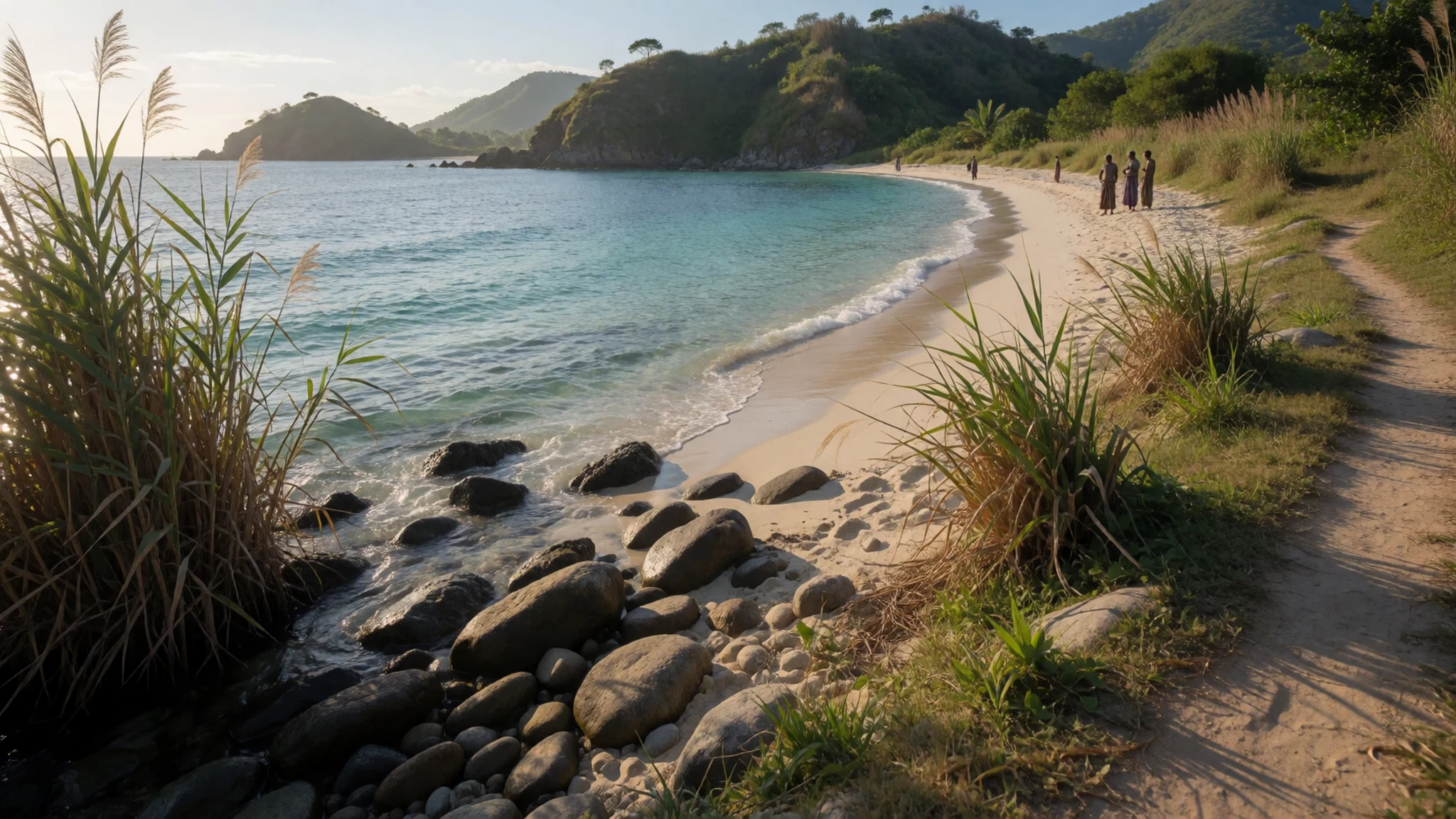
- Hodo Beach — Dompu Regency
Hodo is a beach in Dompu Regency where you can swim and sit in the shade without the beach clubs of Bali. Facilities are simple, so bring water and snacks. It suits a slow half-day when you want the coast rather than the volcano.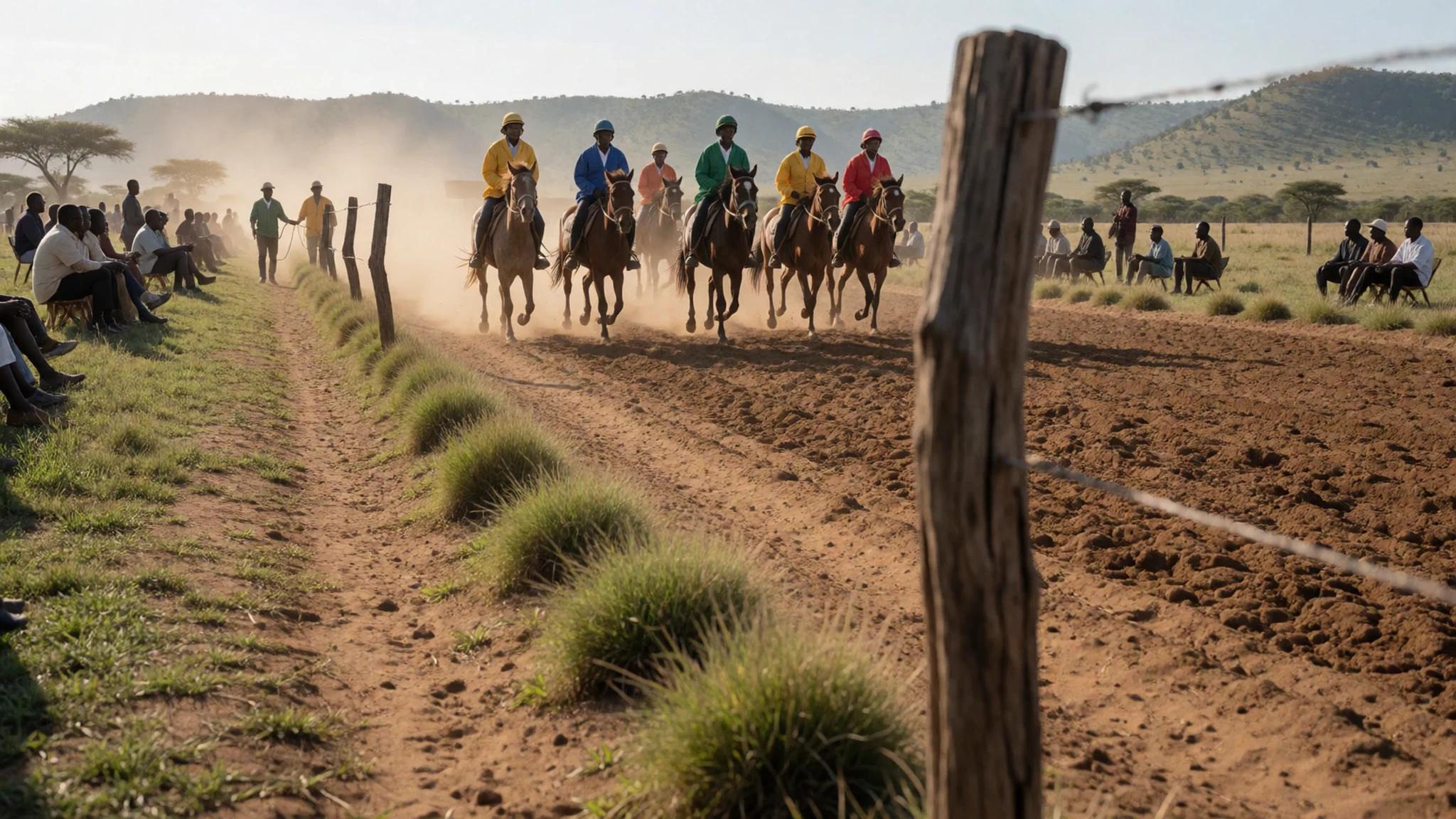
- Surf breaks of the south-west — South-west and Cempi Bay
Supersuck and Jelenga near the Batu Hijau mine, and Hu'u and Lakey Beach in Cempi Bay, are the island's best-known surf spots. They are for experienced surfers, and set-ups are basic. Lakey Beach is a common base, but check conditions before travelling.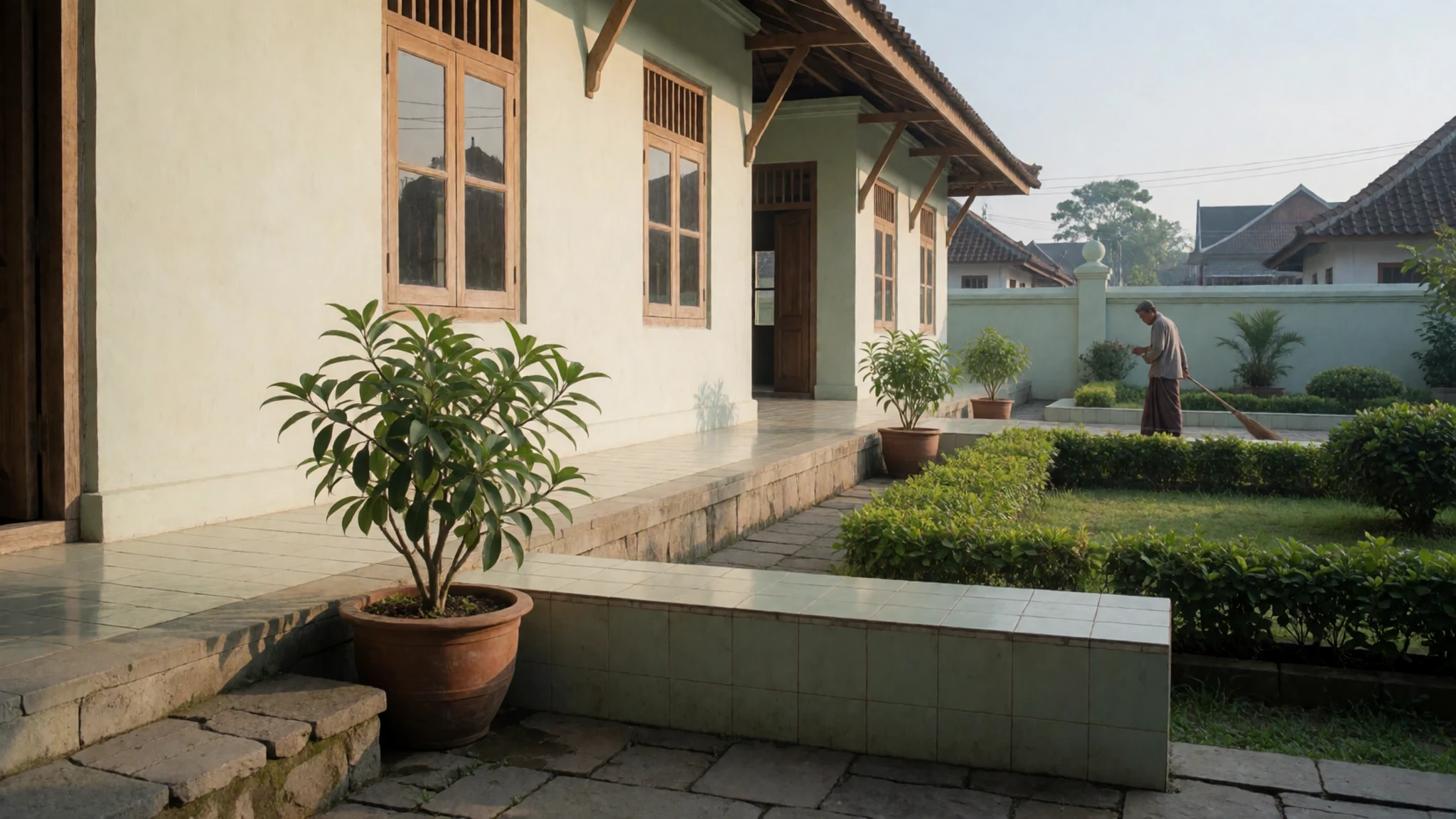
- Moyo Island waters — Off north Sumbawa
Off the northern coast, Moyo Island is reached by boat from Sumbawa and is known for sea life and quiet shores. Local boatmen run the trips, so agree the route and timing before setting out. Calm seas are most likely in the dry season.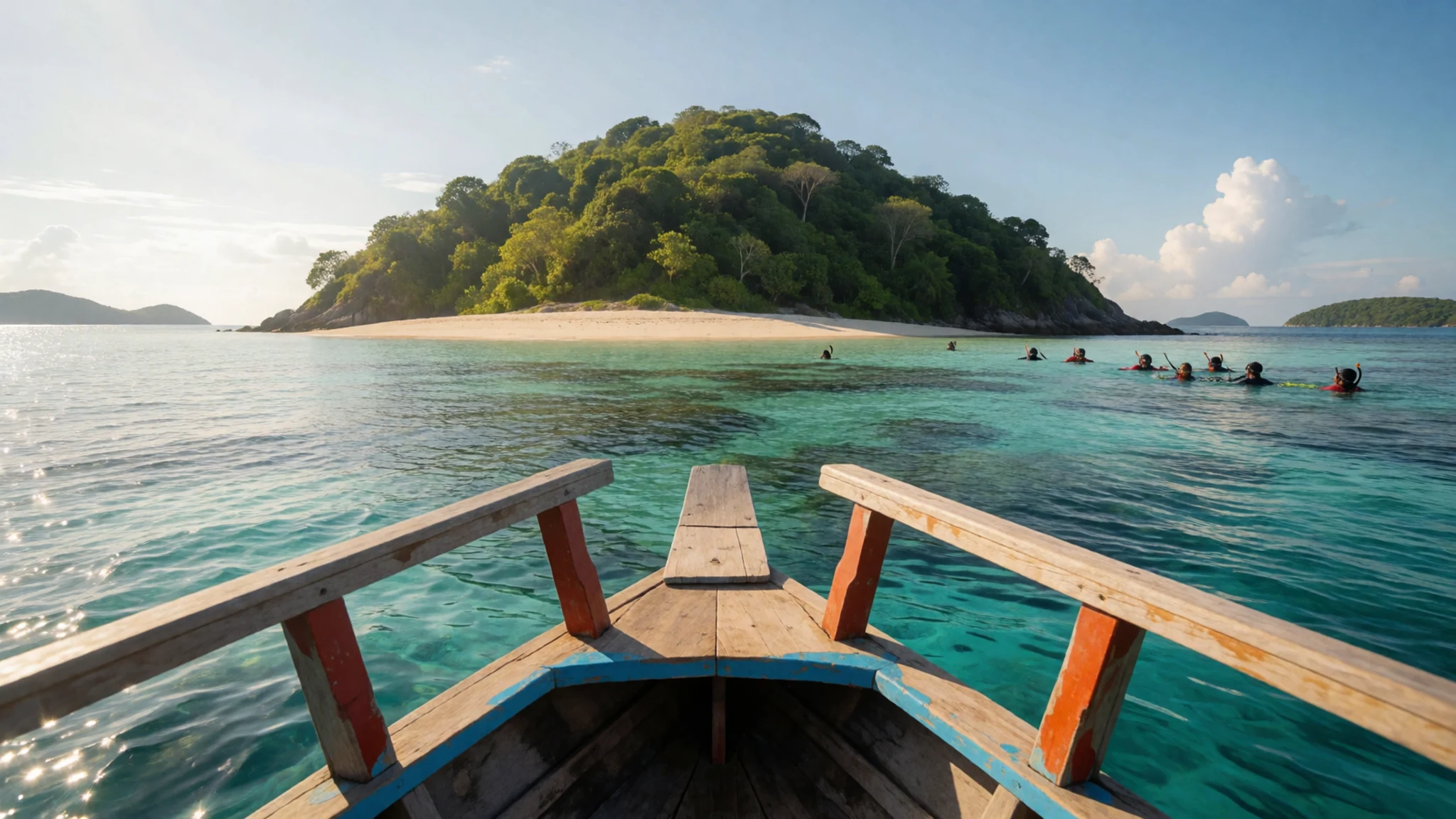
- Bima horse racing — Bima area
Pacuan kuda, traditional horse racing, is part of life in the Bima half of the island, where grasslands have long bred horses. Races are held on set occasions, usually with young jockeys riding bareback. Ask locally about dates, as there is no fixed visitor schedule.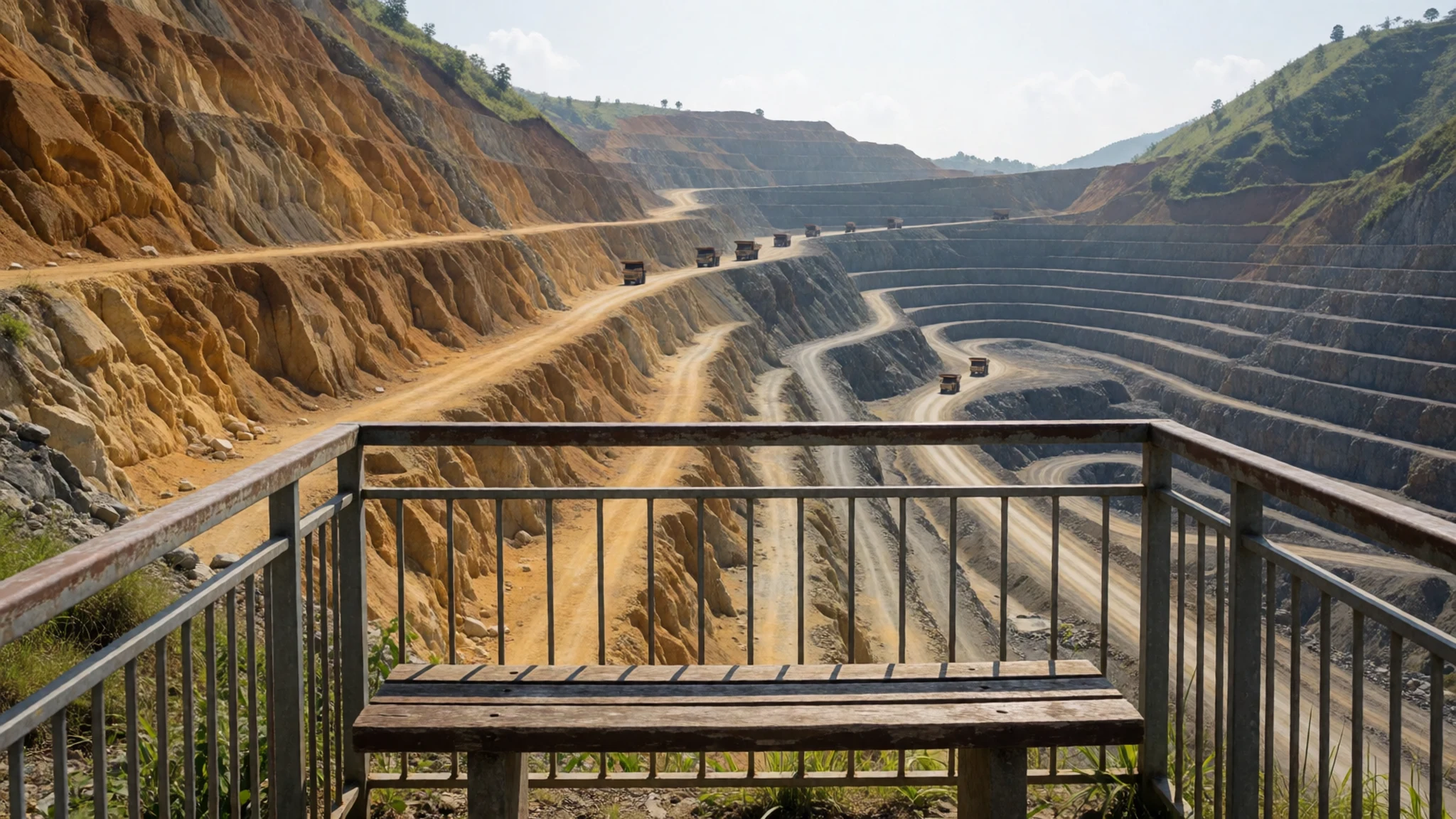
Culture
Sumbawa's culture is shaped by its split between west and east. In the west, around Sumbawa Besar, the Sumbawa language and sultanate traditions dominate. In the east, Bima has its own language and customs. Most people are Muslim, and the island sits on the line between regions strongly influenced by Indian religion and those less so, which shows in how much quieter it feels than Bali.
Horses matter here. The grasslands have bred them for centuries, and the Bima tradition of pacuan kuda racing still draws crowds. Farming is the main livelihood, so village life follows the rains, and in bad years crops fail and families struggle. Visitors will find hospitality that is warm and unhurried, often with curiosity about why anyone has come at all.
The courts that once ruled, the sultanates of Sumbawa, Sanggar, Dompu and Bima, left palaces, titles and ceremonies that people still remember. Tambora is more than a landmark: the 1815 eruption is a shared memory, and locals know the story well.
Dress modestly away from the surf beaches, and greet people with a smile and a handshake or a hand on the heart. In villages and at mosques, cover shoulders and knees, take off your shoes at the door, and ask before photographing anyone.
What to wear
Traditional dress in Sumbawa follows its sultanate past. Woven cloth, often called tenun, is made on handlooms in cotton with patterned borders, and it is worn as sarongs and shoulder cloths at weddings, ceremonies and festivals. Patterns and colours differ between the Sumbawa west and the Bima east, and many families keep heirloom pieces for important days. I have not found reliable detail in the brief on specific motif names, so ask a weaver locally rather than trust a guidebook.
Everyday wear is simple and practical. Men wear shirts and trousers or sarongs, often with a songkok cap for prayers. Women commonly wear long sleeves and skirts, and many cover their hair with a headscarf. On Fridays, mosque dress is more formal. Out in the fields, hats and loose clothing handle the heat.
For visitors, the climate is hot and dry for much of the year, so light cotton or linen works best. Cover shoulders and knees in towns and villages, and carry a scarf for mosques. Swimwear is fine at beaches used by surfers, but wear shorts and a T-shirt in the sea near villages. Sturdy shoes matter for Tambora and other treks, and sandals suit towns and beaches. Bring a hat, sunglasses and a light rain layer, since the wet season can arrive hard.
What to eat
- Ayam Taliwang — Taliwang, West Sumbawa, in local eateries
Grilled chicken in a hot chilli sauce, now known well beyond Sumbawa. In Taliwang it is the dish to try, and the warning is fair: it is pedas, very spicy. Ask for less heat if you are unsure.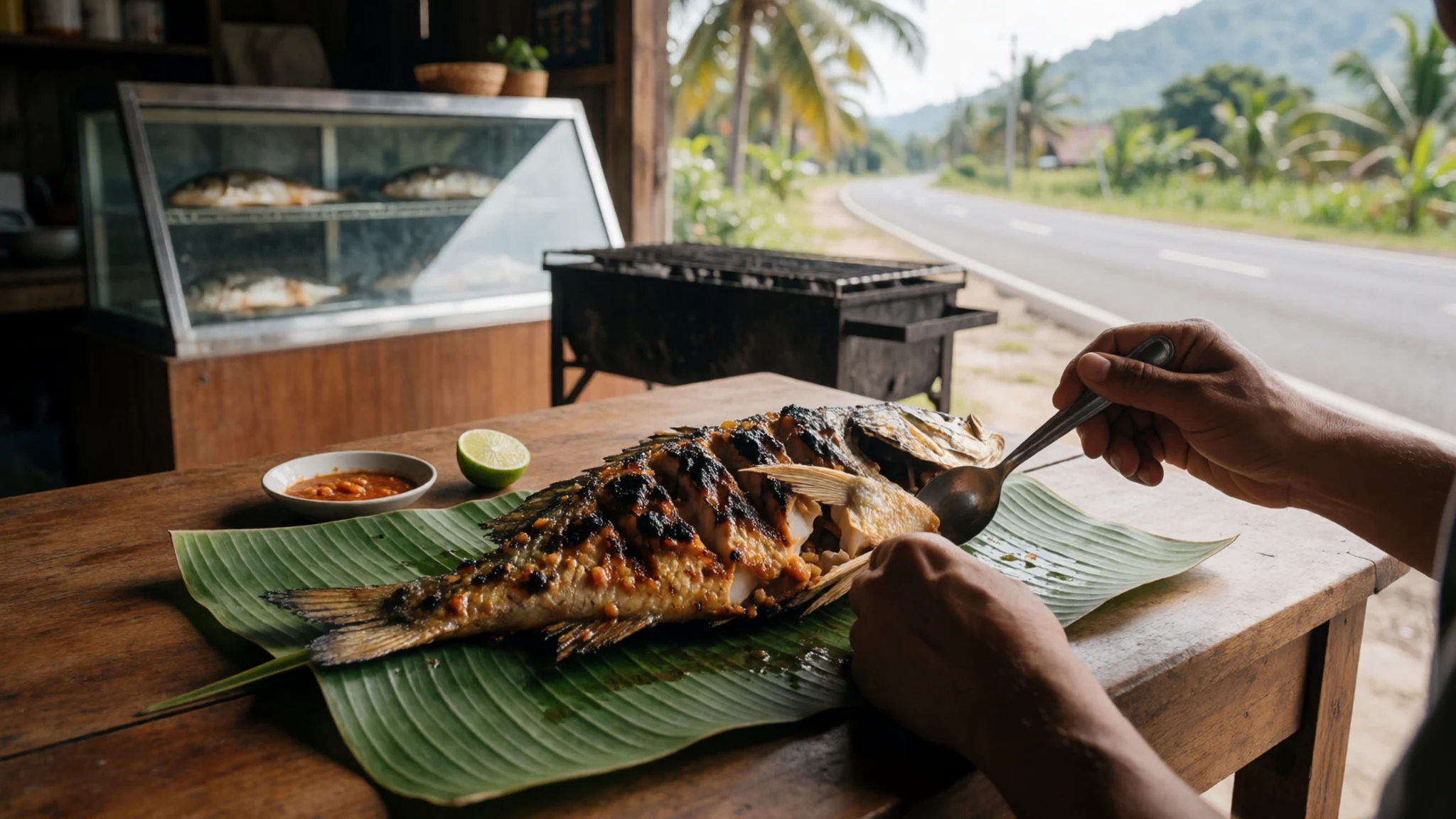
- Ikan bakar — Roadside warungs on the Sumbawa Besar to Bima road, and Maluk
Barbecued fish, grilled over coals and served with rice and sambal. Sumbawa's coast makes it easy to find. Choose from the cool case, sit with a drink and wait a few minutes for it to arrive.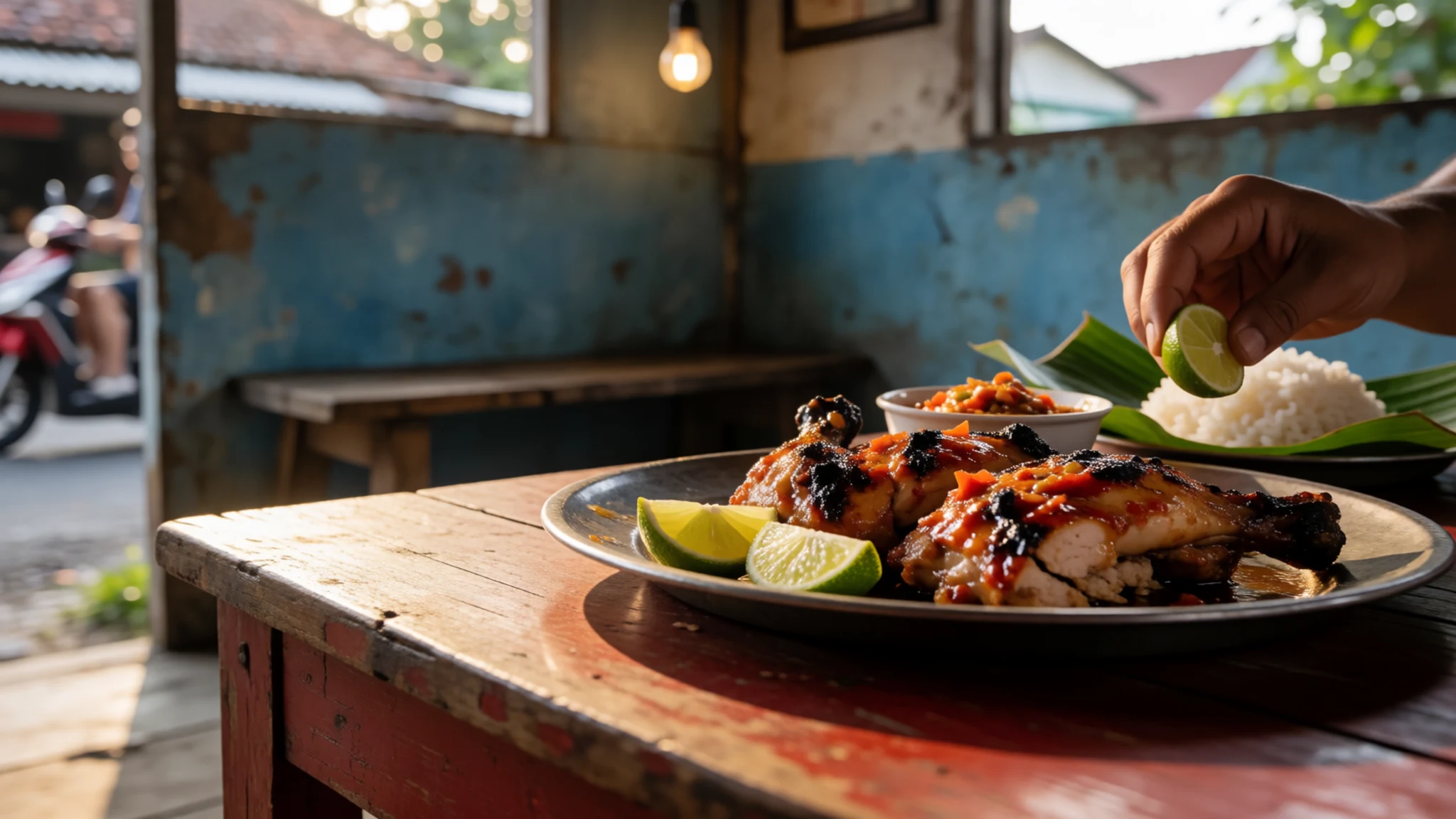
- Warung Cotok Lamongan fish — Maluk, south-west Sumbawa
In Maluk, this eatery is known for good grilled fish that you pick yourself. It is relaxed and informal, and popular with workers and travellers around the mine town. - Madu Sumbawa (wild honey) — Markets and roadside stalls in Sumbawa Besar
Honey has a long history here, and Sumbawa honey is gathered from forests and sold in bottles. Buy from a reputable local seller, and ask how it was collected. It is a good gift to carry home. - Tambora coffee — Cafes and shops in Sumbawa Besar and Dompu
Coffee has grown on Tambora's western slopes since the Dutch planted it in the eighteenth century. Look for it in small cafes and shops, and ask where the beans were grown.
Plan it
Best time. May to September is the dry season, with less rain and calmer travel, though it is hot and the landscape turns brown. Surf is generally better in the dry season too. Wet-season roads and ferries can be slow.
How long. 4–6
Getting there. Fly to Sumbawa Besar (SWQ) or Bima (BMU) from Denpasar or Lombok; Transnusa flies about four times a week, so check the current schedule. By ferry, cross from Lombok's Labuhan Lombok to Poto Tano. From Flores, ferries run from Labuan Bajo to Sape, but not daily. Overland from Bali takes about 15 hours.
Budget. low
Tips
- Flights are infrequent, so book early and keep slack in the plan
- Carry cash, as cards and cash machines are scarce outside the main towns
- Hire a local guide for Tambora and start before dawn
- Carry water and sun protection, as the island is dry and hot
- Check ferry timings in advance, since Sape services do not run daily
Etiquette
- Dress modestly in villages and at mosques
- Remove shoes before entering mosques and homes
- Ask before photographing people
Nearby
Sources
- Wikidata Q186367 (CC0)
- Wikipedia: Sumbawa (CC BY-SA 4.0)
- Wikivoyage: Sumbawa (CC BY-SA 4.0)
- Sumbawa Topography, Sadalmelik (CC BY-SA 1.0)
- Panorama Mount Tambora caldera, Tisquesusa (CC BY 4.0)
- Pacoa Jara, Tofifoto (CC BY-SA 4.0)
- Pantai Hodo, Rrinaldy (CC BY-SA 4.0)
- Kemutar Telu Center, Government of West Sumbawa (Public domain)
- Dalam Loka Palace, Torbenbrinker (CC BY 3.0)
- Moyo Island, Katiebowl (CC BY 3.0)
- Batu Hijau mine, Iso1600 (CC BY 3.0)


