Sofala
Sofala, Mozambique
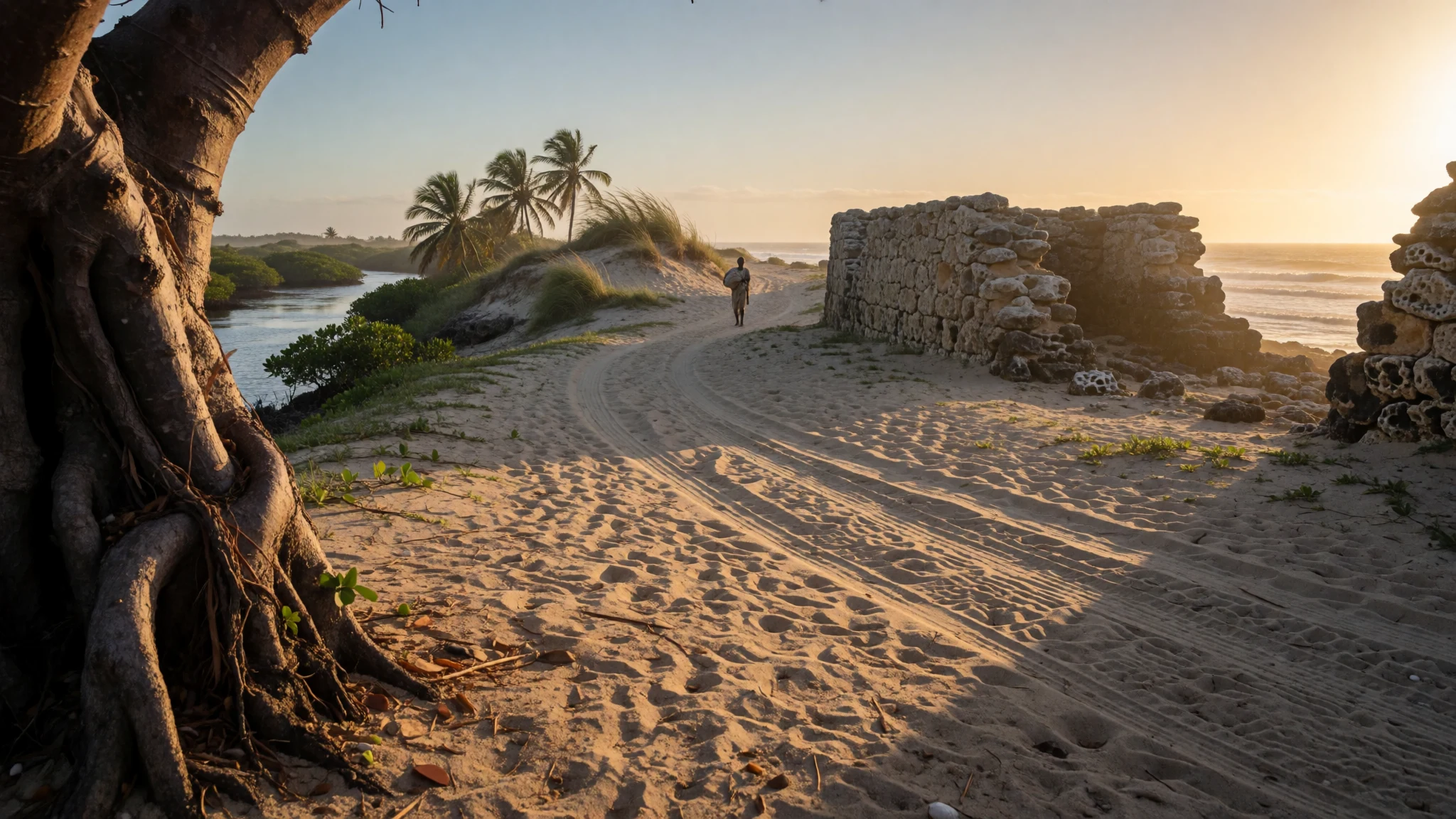
Sofala is a stop for history lovers: a former Swahili port tied to the Indian Ocean trade and gold routes.
The place
Sofala (also known as Nova Sofala) sits on the Sofala Bank in Mozambique, on the coast facing the Indian Ocean. Long before modern borders and highways, this shoreline acted like a doorway between inland resources and seaborne networks.
As a place, Sofala is less about a single, postcard-perfect landmark and more about a layered idea: a Swahili city-state that became prominent through trade links, with merchants and sailors moving goods along the coast and up rivers toward the interior. The story is rooted in geography—an estuary system and coastal access that helped connect towns, river routes and markets.
Today, Sofala’s “feel” is best approached with the mindset of a traveller tracing a route rather than ticking off an attraction. The exact on-the-ground archaeology and remaining structures may not match the scale suggested by historical descriptions, but the context is powerful. The name turns up in the wider Indian Ocean world, where gold, craft, and maritime contacts pulled communities into orbit.
If visiting Mozambique’s coast as a whole, Sofala works as a historical anchor: it makes sense of why Portuguese sailors, Swahili traders and inland political powers all paid attention to this corner of Africa. Plan for travel days and logistics—coastal Mozambique is spread out, and the real pace of the journey matters as much as the destination.
Its story
Sofala’s importance comes from trade routes and river connections. Medieval Sofala is described as being set near a wide estuary shaped by the Buzi River (shown as Rio de Sofala on older maps). That waterway link mattered because it gave the port a practical path to inland market towns and, from there, toward the gold fields of Great Zimbabwe.
In the Swahili world, Sofala is often framed as part of the larger Indian Ocean system. A tradition in the sources describes early inhabitants arriving from the East African coast region, travelling with an interest in gold. Later, control and influence shifted: in the late 11th and 12th century period associated with the sources, Sofala is said to have been drawn into the Kilwa Sultanate and the Swahili cultural sphere.
Sofala wasn’t simply a small outpost. Its revenue from gold trade helped fuel the expansion of Swahili commercial power along the coast, while Sofala itself remained a leading town with its own merchant communities and internal elite. The Portuguese chroniclers later tried to map Sofala onto biblical geography—identifying it with places such as Ophir—while later scholars also proposed alternative biblical connections. Over time, those theories were abandoned.
The through-line is the same: Sofala sat at a junction where maritime routes, inland transport and political relationships met, making it a durable hub in a changing regional economy.
What to see
- Ilha de Mozambique (Mozambique Island) — Ilha de Moçambique
Ilha de Mozambique, also called Mozambique Island, is the country’s World Heritage island. Expect colonial-era architecture and a strong sense of “port town history” alongside beaches and harbour views.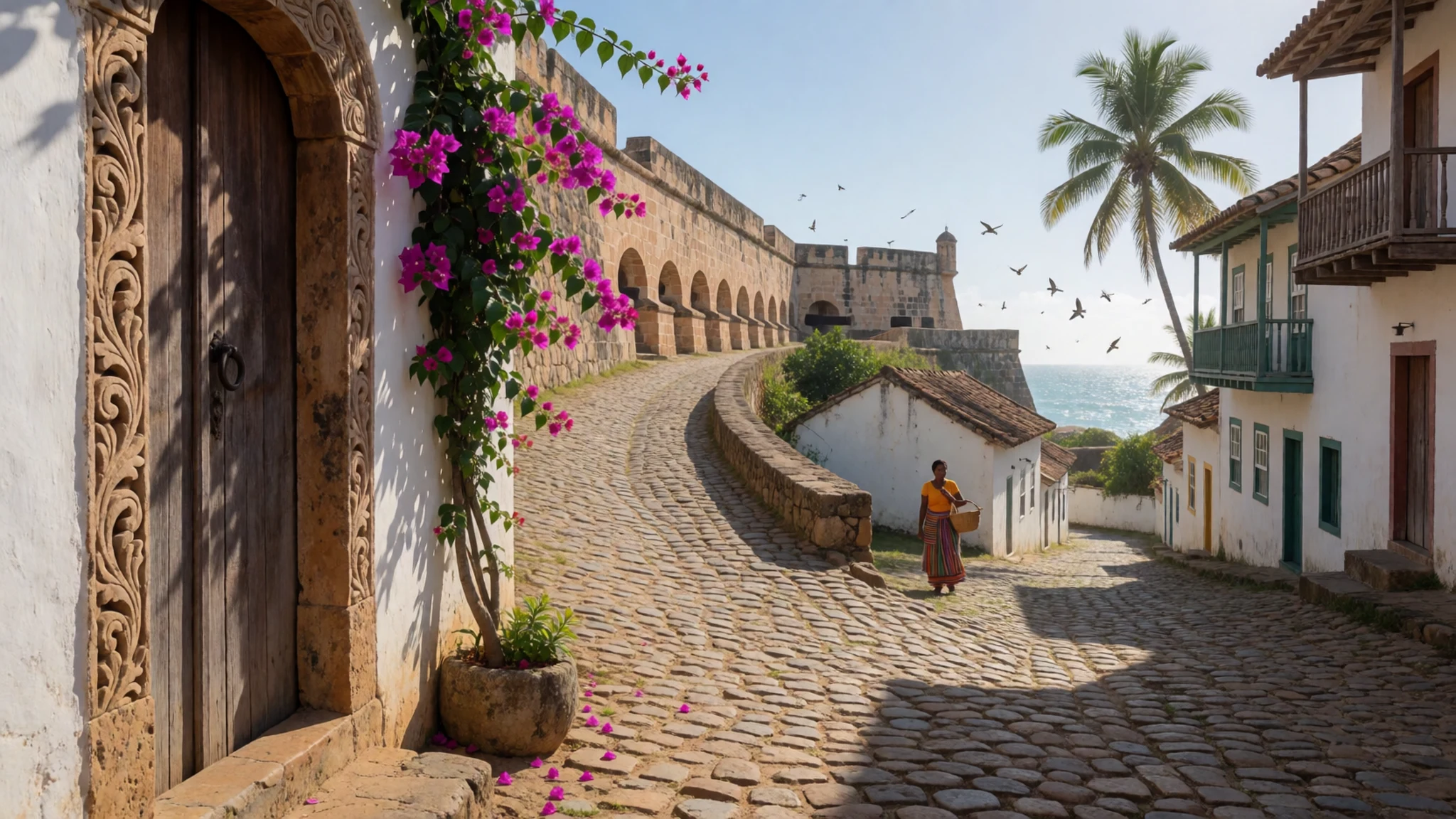
- Historic town of Inhambane — Inhambane
Inhambane is described as a historic town and a useful contrast to Sofala’s older Swahili-port angle. It’s the kind of coastal stop where the local rhythm of streets, markets and sea air gives the region context.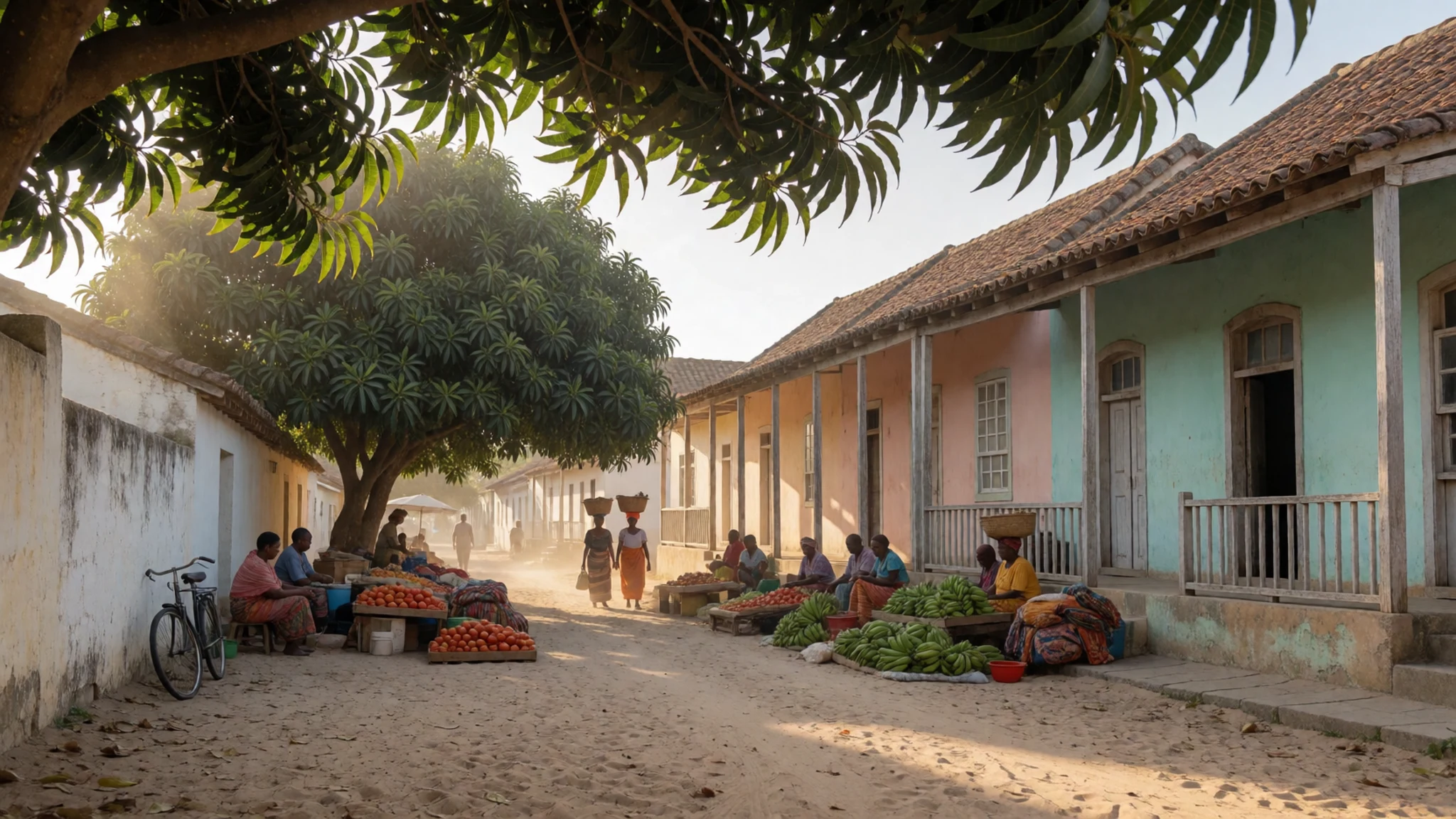
- Museum of Revolution (Maputo) — Maputo
Maputo’s Museum of Revolution helps place Mozambique’s modern history in focus, including the themes tied to anti-colonial struggle. It’s a good pairing with older port narratives when the trip turns inland.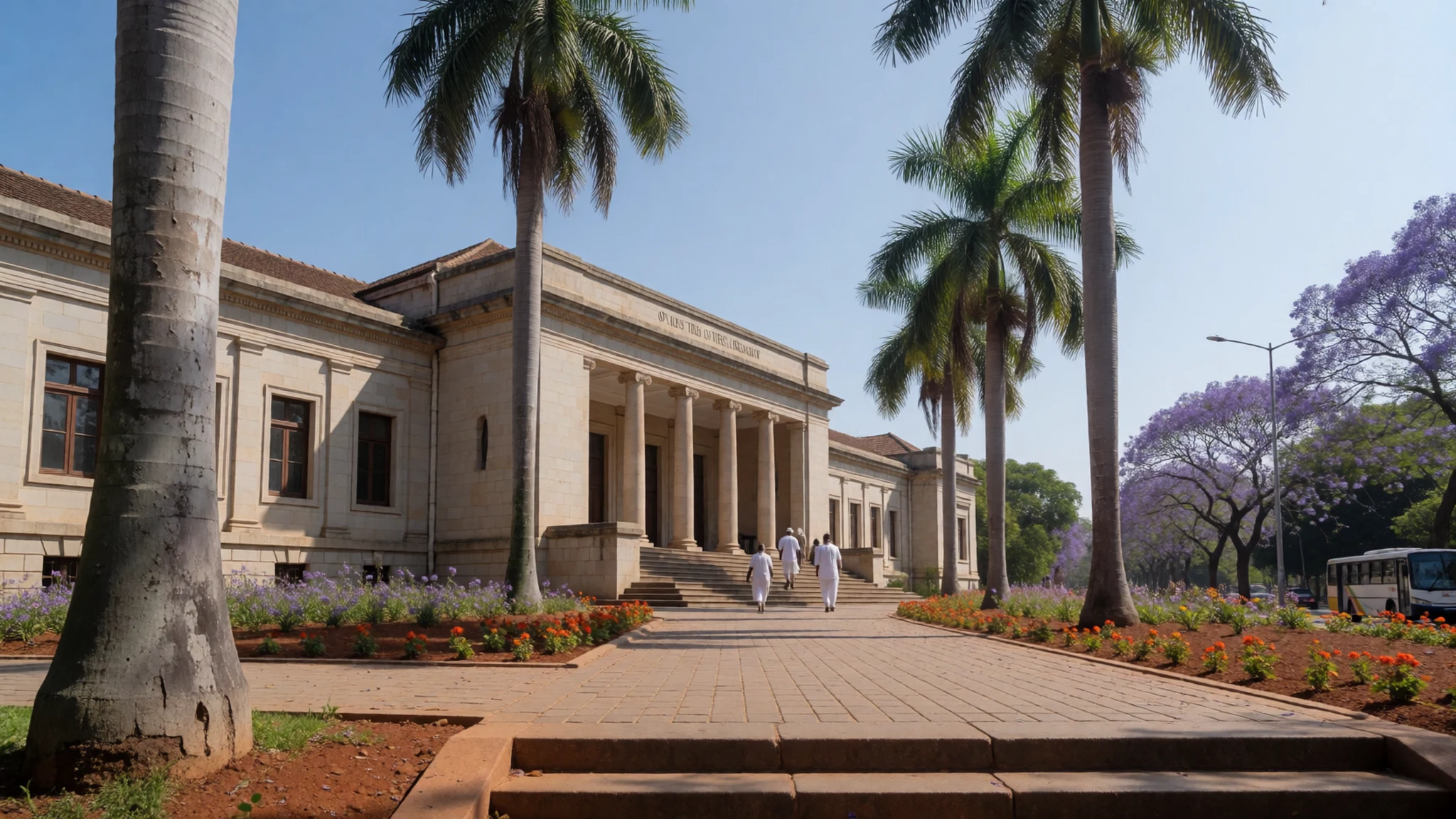
- Gorongosa National Park — Gorongosa National Park
Gorongosa National Park is where you shift from trading routes to living landscapes. The “wildlife and nature” angle is the main draw, with day-trip or multi-day itineraries arranged through local operators.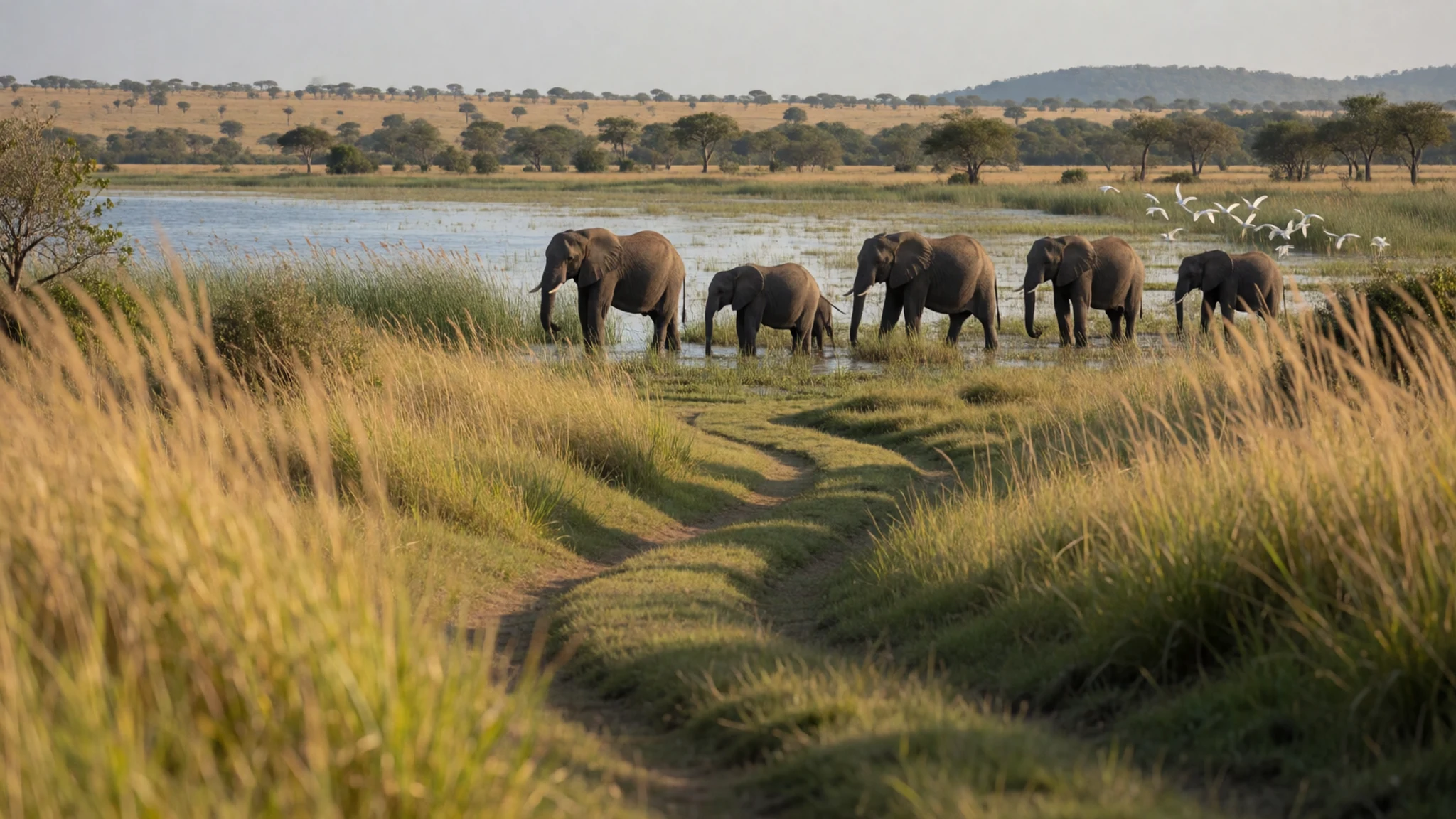
- Diving along Mozambique’s coast — Mozambique coast
Diving is highlighted as a straightforward reason to travel Mozambique’s coast. Most plans revolve around local operators who arrange sites and equipment, letting the sea theme connect back to Sofala’s maritime legacy.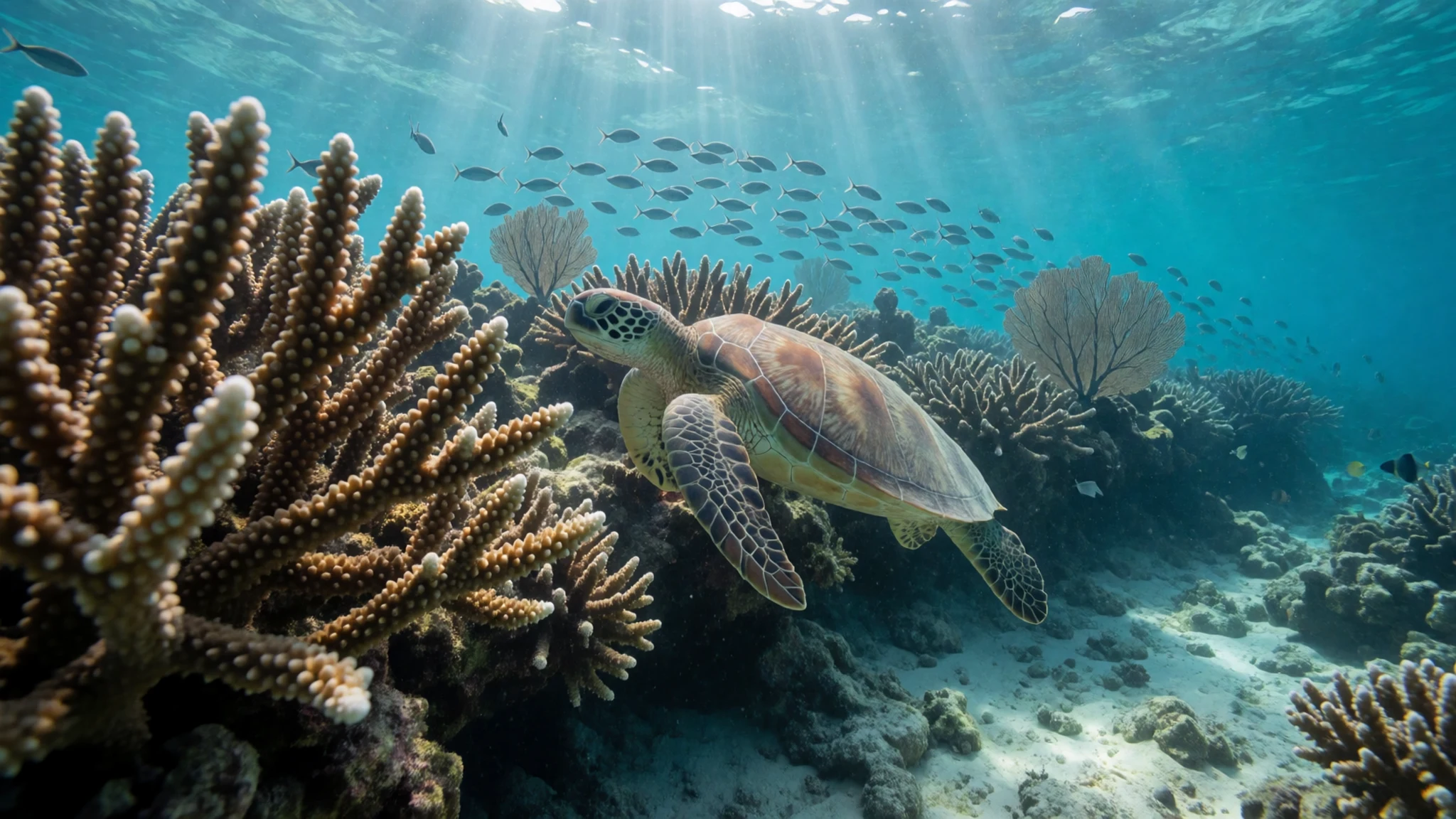
Culture
Sofala’s culture is really the culture of networks: maritime Swahili life, coastal trading, and the meeting of influences along the Indian Ocean. Even without chasing a single “heritage building”, Sofala works as a lens for understanding how port cities functioned—where river travel could funnel inland goods to the sea and where merchant communities shaped what was exchanged and who held influence.
Mozambique more broadly is also a place where social norms and safety matter as much as sight-seeing. The guidance for visitors is explicit: risks include muggings and violent crime, and women are advised never to walk alone on beaches, with particular caution in tourist areas. That isn’t meant to frighten; it’s a practical reminder that coastal time should still be managed like travel in any big region—using well-known routes, asking locally about safer areas, and sticking with sensible group behaviour.
Religion and respect come up most visibly at religious sites across Mozambique, but the Sofala “state of mind” is the same: observe before acting, keep voices low in quiet places, and treat historic areas with care because they connect communities to long memories.
Visitor etiquette: dress modestly in religious areas and keep noise down, especially around worship and memorial spaces.
What to wear
For Sofala and Mozambique’s coast, clothes need to handle heat, sun, and everyday practical movement. Traditional dress in the wider region often leans into flowing fabrics and modest coverage, with textiles used in everyday garments and ceremonial settings. When people wear traditional clothing can vary by community and occasion, but the general pattern is that fabrics are designed to be breathable while respecting modesty norms.
What travellers actually see now is usually a mix: lightweight shirts and breathable trousers or skirts for day-to-day walking, plus a change into smarter, more covered outfits for evenings and for church or mosque areas. In coastal towns, fabrics that dry quickly help, and a hat is genuinely useful.
For visitors, the key is to pack for daytime sun and respectful coverage. Cover shoulders and legs when entering religious sites, and bring comfortable footwear that can handle uneven ground and long walks. If the trip includes any coastal nature time, consider clothes that protect against insects and sun—light layers beat heavy cotton because they keep breathing.
In short: wear light, modest, breathable layers; bring footwear with grip; and keep a slightly dressier option for cultural stops.
What to eat
- Matapa — Coastal eateries and general food stops along the coast
Matapa is a seafood stew—using ingredients like clams, crab or prawns—with cassava leaves, usually served over rice. It’s a classic Mozambique comfort dish, and it turns up widely where seafood and rice are common.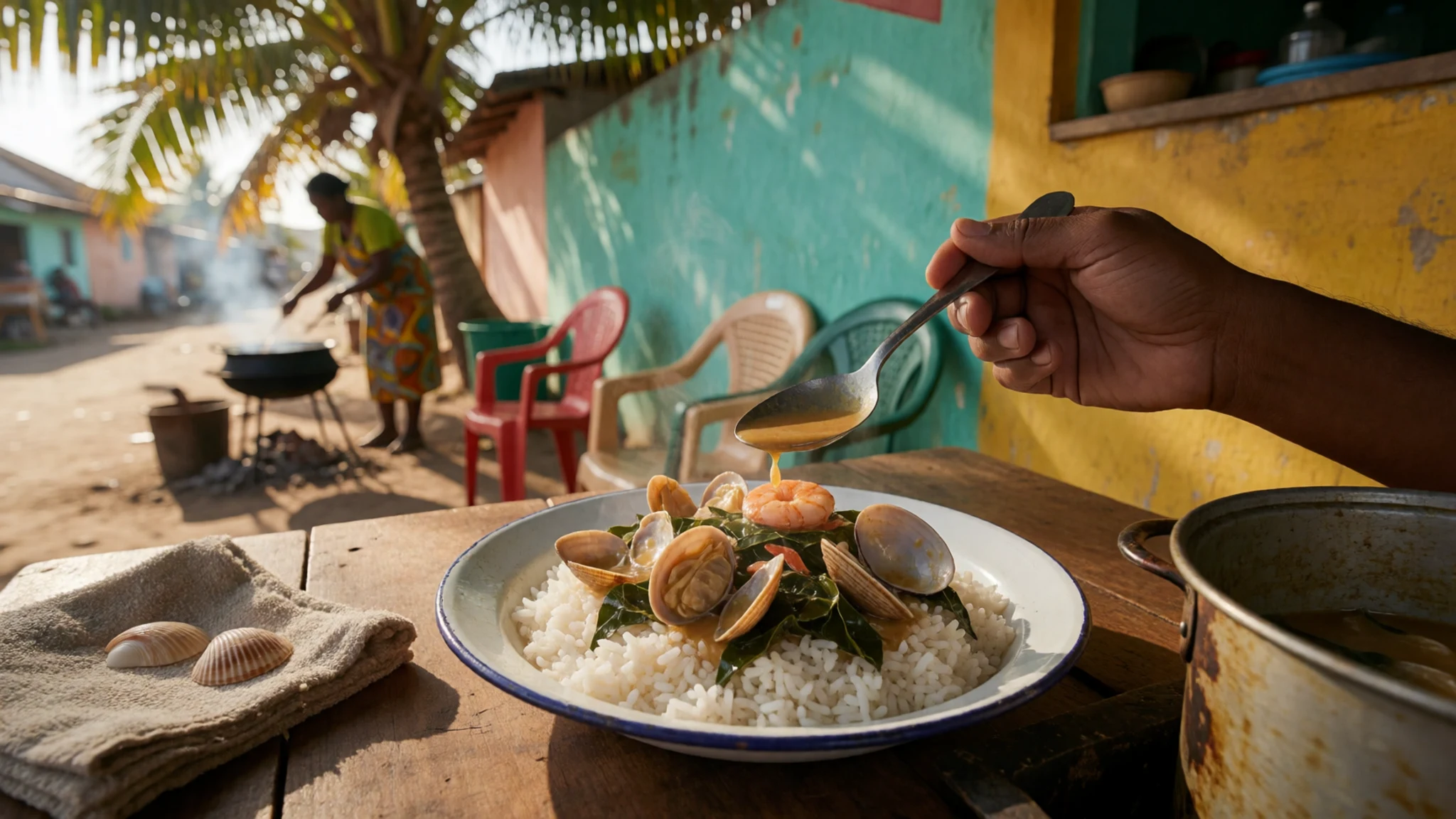
- Piri-piri prawns (Camarão Nacional) — Seafood-focused places in coastal towns
Camarão Nacional refers to Mozambican prawns marinated with piri-piri, garlic, onion, lemon and vinegar. Expect big chilli flavour, which can be intense, paired with rice at many meals.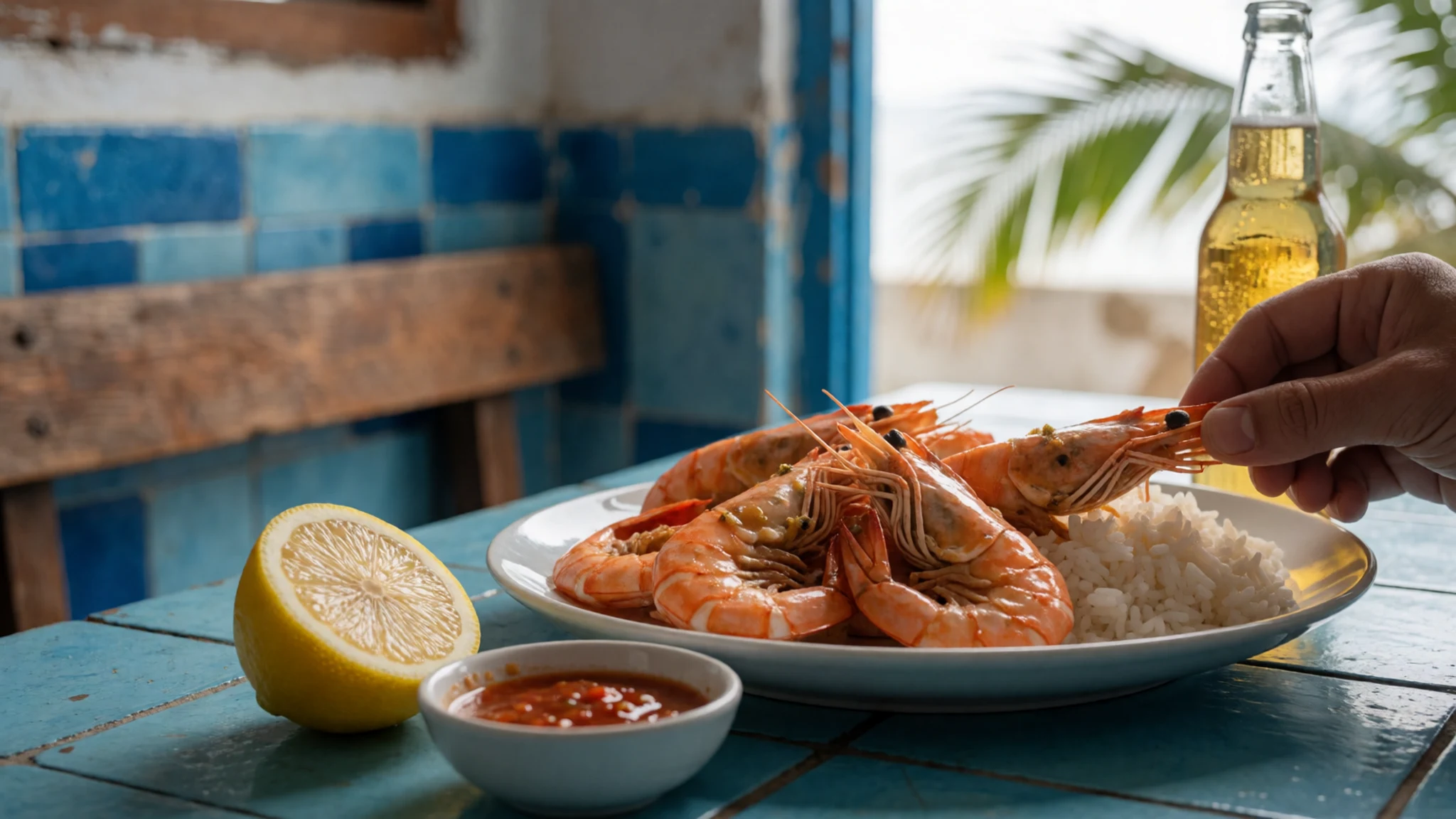
- Pãozinho (Portuguese rolls) with meat (Prego/bifana-style) — Markets and street food stalls in Portuguese-influenced areas
Pãozinho are Portuguese-style rolls, sometimes semi-sweet and floury, served with meat in the centre. You’ll see variations tied to prego or bifana-style fillings, making it a handy lunch option. - Cray fish and other beach seafood — Beachside seafood counters and coastal dining areas
Cray fish and other seafood are caught off the beach and prepared with piri-piri in many places, typically served with rice and often alongside matapa. It’s the kind of meal that reflects the coast’s daily supply. - Kakana (bitter local vegetable) — Local plates at neighbourhood eateries
Kakana is a bitter-tasting local vegetable. It’s usually served as part of the meal rather than a snack, giving a different flavour profile to balance the richer seafood and chilli dishes.
Plan it
Best time. March–April and October–November, for more comfortable travel windows; June to August is the opposite of dry-season comfort, with warmer, wetter conditions mentioned for the country generally.
How long. 3–4
Getting there. Fly into Maputo, then use coastal connections by road or internal flights where available; from the city side, build a sequence that links Mozambique Island, coastal towns and any inland park stop.
Budget. mid
Tips
- For entry, check whether a visa is needed for your nationality and use official border guidance for the latest process
- Carry a small amount of meticais for early ground costs if arriving via a land border
- If ATMs act up, have a backup plan for cash as access is not guaranteed out of hours
- Plan early starts for any long drives, and build in buffer time between coastal stops
Etiquette
- If a venue is strict about it, remove shoes where required and follow the space’s lead on footwear
- Keep behaviour respectful at places of worship and avoid loud voices in quiet areas
- Ask locally before filming people in everyday streets
Nearby
Sources
- Wikidata Q1361151 (CC0)
- Wikipedia (Sofala, rev 1335845185) (CC BY-SA 4.0)
- Wikivoyage (Mozambique, rev 5364242) (CC BY-SA 4.0)
- Reference photo (Sofala (1666).jpg) (Public domain)
