Maputo
Maputo, Mozambique
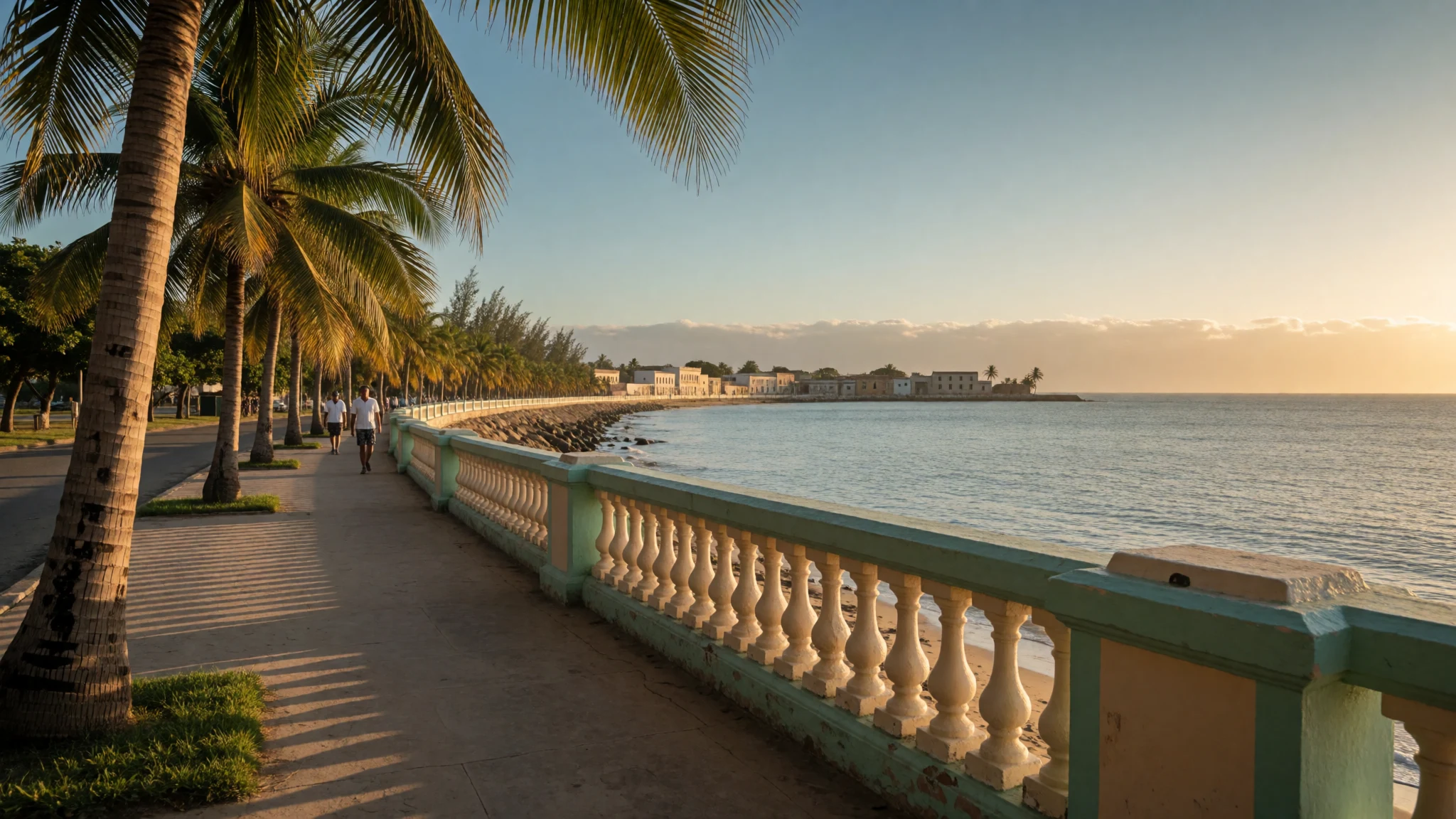
Maputo is Mozambique's capital and chief port, a low bay city of markets, ironwork and a mixed Indian Ocean culture.
The place
Maputo is the capital and chief port of Mozambique, on a wide natural bay of the Indian Ocean near the country's southern borders with Eswatini and South Africa. The Tembe, Mbuluzi, Matola and Infulene rivers meet the coast here, and the city itself sits only 31 metres above sea level, so the port, the Baixa and the shoreline feel almost level with the water. About 1.1 million people live in the municipality, which is governed apart from surrounding Maputo Province and split into seven administrative divisions, each further divided into bairros. Ancestral Tsonga communities first used this shore as a fishing village. The Portuguese town that followed stood on the northern bank of the Espírito Santo estuary in Delagoa Bay and was known for generations as Lourenço Marques; the name Maputo dates from 1976. Commerce through the harbour still shapes the economy. The city is cosmopolitan in speech as well as trade: Portuguese and Xitsonga dominate, while Arabic, Indian and Chinese languages and customs are part of the mix. Matola, next door, belongs to the same built-up area but remains its own city. Seen from the southeast, Maputo is a low, pale city pressed against the bay, with a working port, broad avenues and an eclectic mix of civic stone, ironwork and later concrete. The central market and the municipal council building anchor the Baixa; gardens and small museums lie a short walk inland. Shade and a sea breeze matter more here than grand distances, and official contacts are published on the municipal website.
Its story
Maputo grew up under another name. Lourenço Marques, the navigator it remembered, was sent in 1544 with António Caldeira by the governor of Mozambique to survey rivers draining into Delagoa Bay, and the lower Espírito Santo drew their attention. On that estuary's northern bank the Portuguese planted forts and trading posts, left them, and planted them again, and each of those posts carried the navigator's name. Tsonga fishing communities were already using the shore; the European camp sat on top of an older habit of the bay. The streets a person walks now belong to a later town. An earlier settlement was destroyed, and what replaced it gathered around a Portuguese fortress, with 1781 kept as the founding year. For decades the place stayed modest. Nineteenth-century accounts still read like a small outpost: cramped streets, solid houses beside thatch, and worn-out defences inside a squat bastioned wall. The Transvaal changed the arithmetic: an inland market made a dependable Indian Ocean port worth paying for. The 1876 commission was practical rather than ceremonial: blue gums went into newly drained ground, and a hospital and a church followed so the port could keep people as well as cargo. Port traffic is what stretched that landing into a colonial capital, with a rail link toward the South African interior and civic buildings meant to look settled. In 1976 the capital set the navigator's name aside and became Maputo. Fort traces, reclaimed low ground and the working harbour are the pieces of that argument still visible.
What to see
- Maputo City Hall — Baixa
Maputo's city hall, the Conselho Municipal, houses local government in a pale neoclassical block on the Baixa. A columned centre and a symmetrical front make it a clear civic landmark in the downtown grid, facing a planted square that helps a walker keep bearings. What is open to the public, and when, should be checked on the city's official website.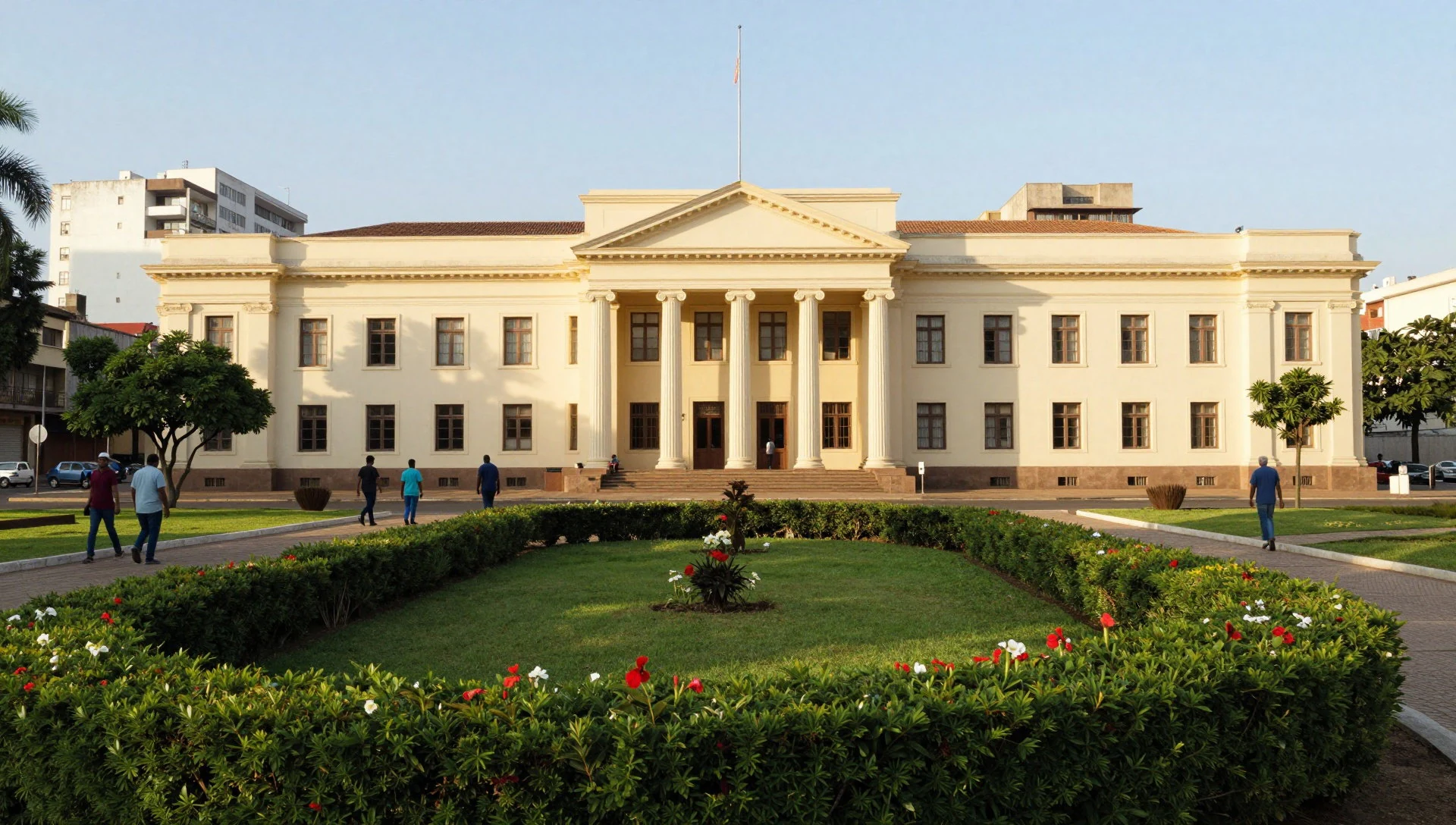
- Tunduru Botanical Gardens — central Maputo, beside the Baixa
Maputo's Tunduru Botanical Gardens are a small shaded garden in the centre, a pocket of lawn and mature trees beside the harder streets of the Baixa. The scale is modest, so the garden works as a pause on a walking day rather than a stop that fills an afternoon. Restored and reopened, the trees still give real shade when the heat sits on the bay.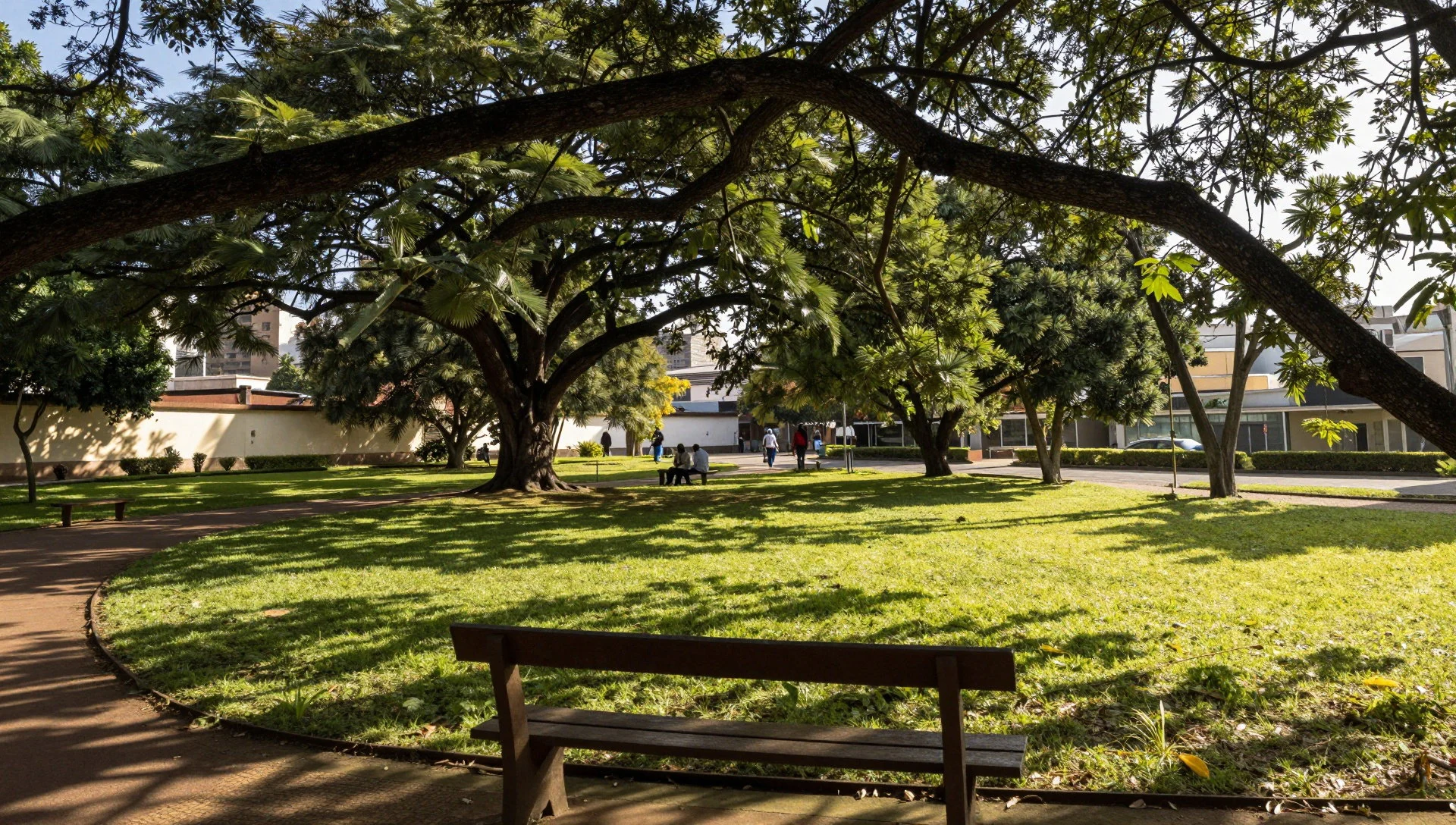
- Praça dos Trabalhadores — Baixa
Maputo's Praça dos Trabalhadores holds the main train station, down in the Baixa near the central market. The long iron building that fronts the square, pale-domed, with a deep arched verandah, was designed by Lisboa de Lima, Veiga and Ferreira da Costa between 1913 and 1916, not by Gustave Eiffel. Travellers who are not taking a train still stop for that façade, then walk on toward the market or the council.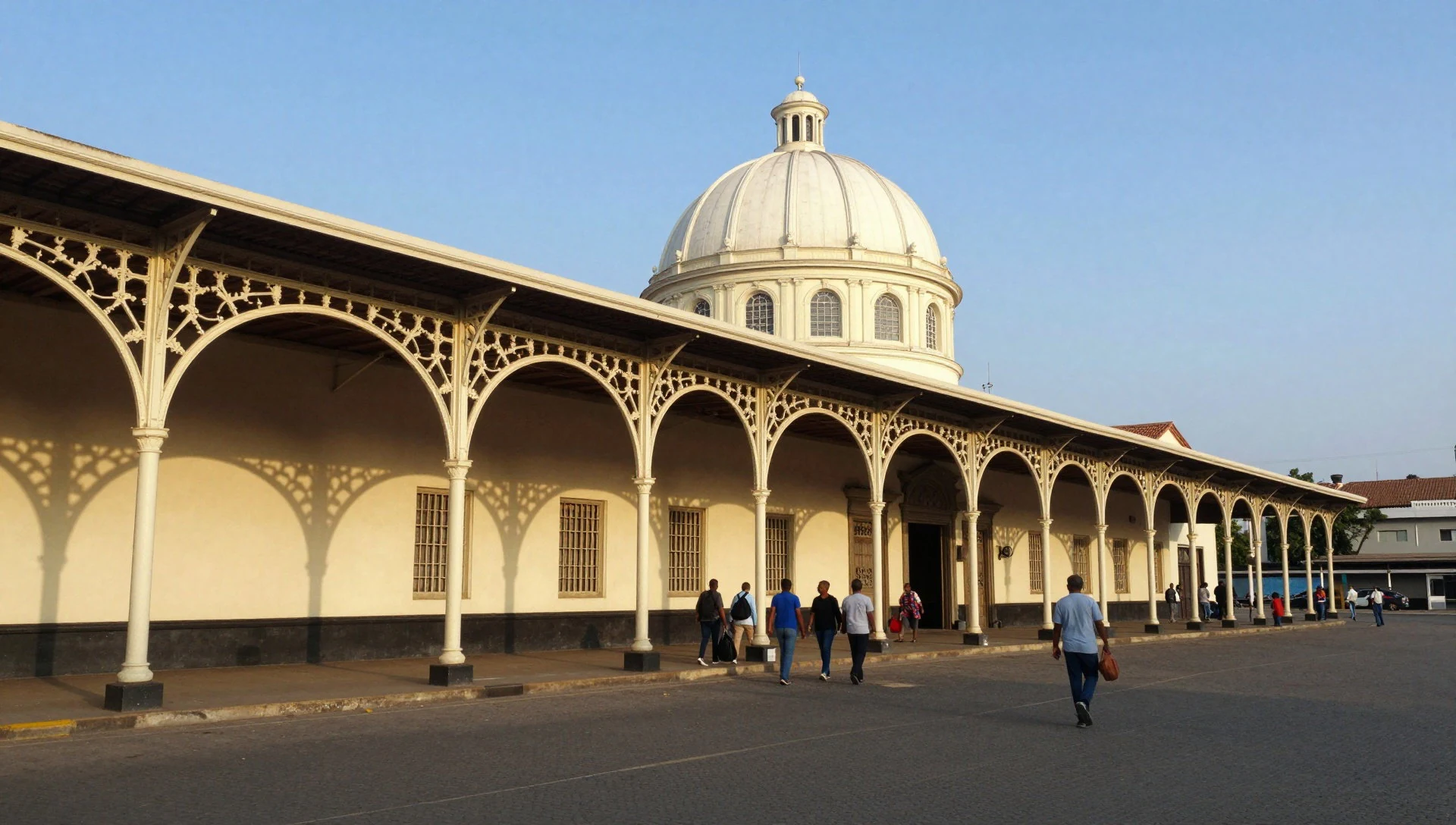
- Mercado Central — Baixa
Maputo's Mercado Central anchors the Baixa as a working food hall, not a souvenir stop. Fish, crab and squid share the floor with produce and the ordinary goods households buy in the week. The crush is part of the point, and people cooking for themselves can finish that shop without a second errand. An early hour shows the seafood before the aisles jam.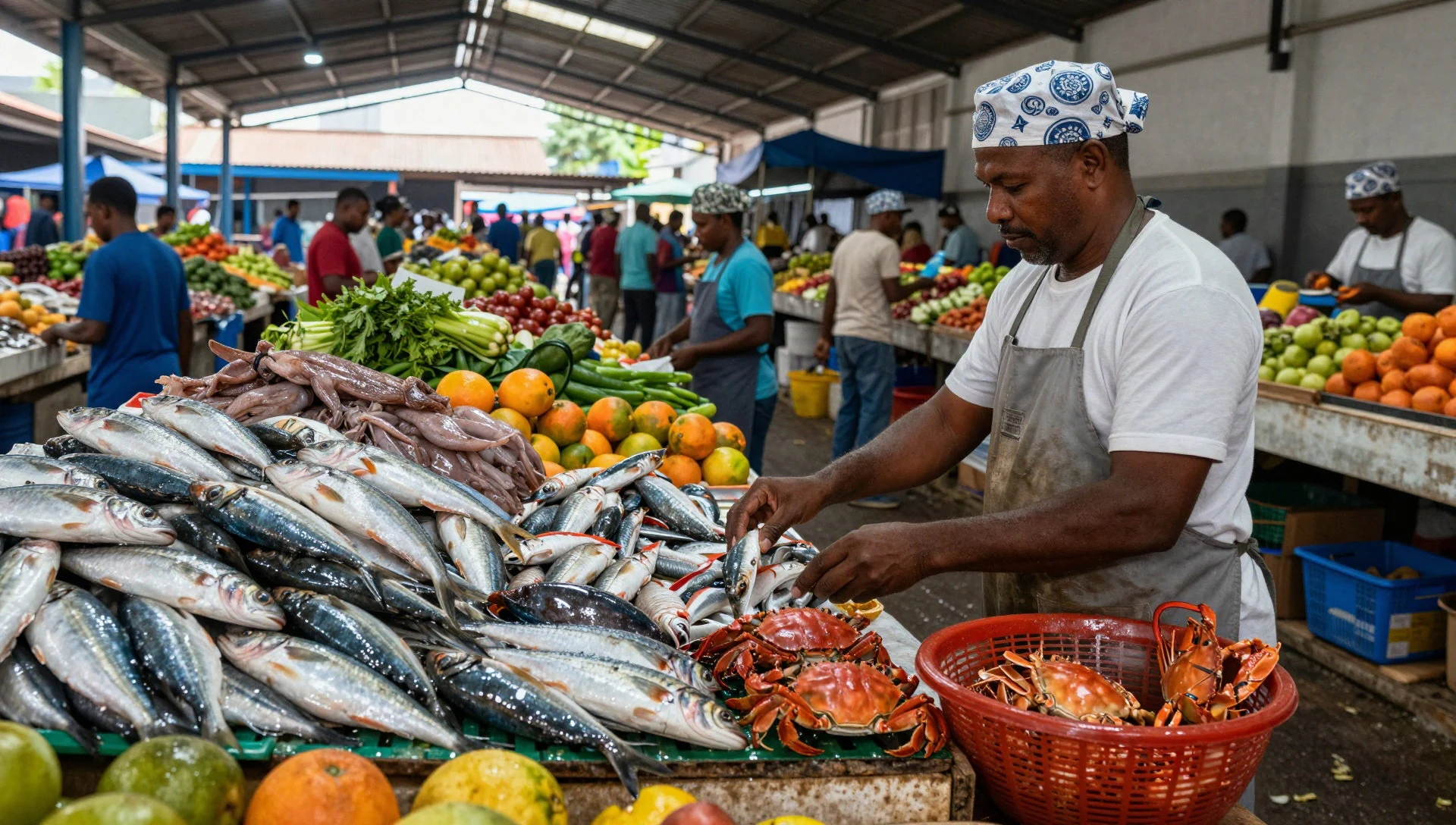
- Museum of Natural History — central Maputo
Maputo's Museum of Natural History is a small museum given over to Mozambique's wildlife. The rooms hold stuffed mammals, birds and reptiles, along with full-size elephant models that take over the floor. It makes an easy indoor hour when the heat off the bay argues against another long walk, and it suits families who want animals without leaving the capital.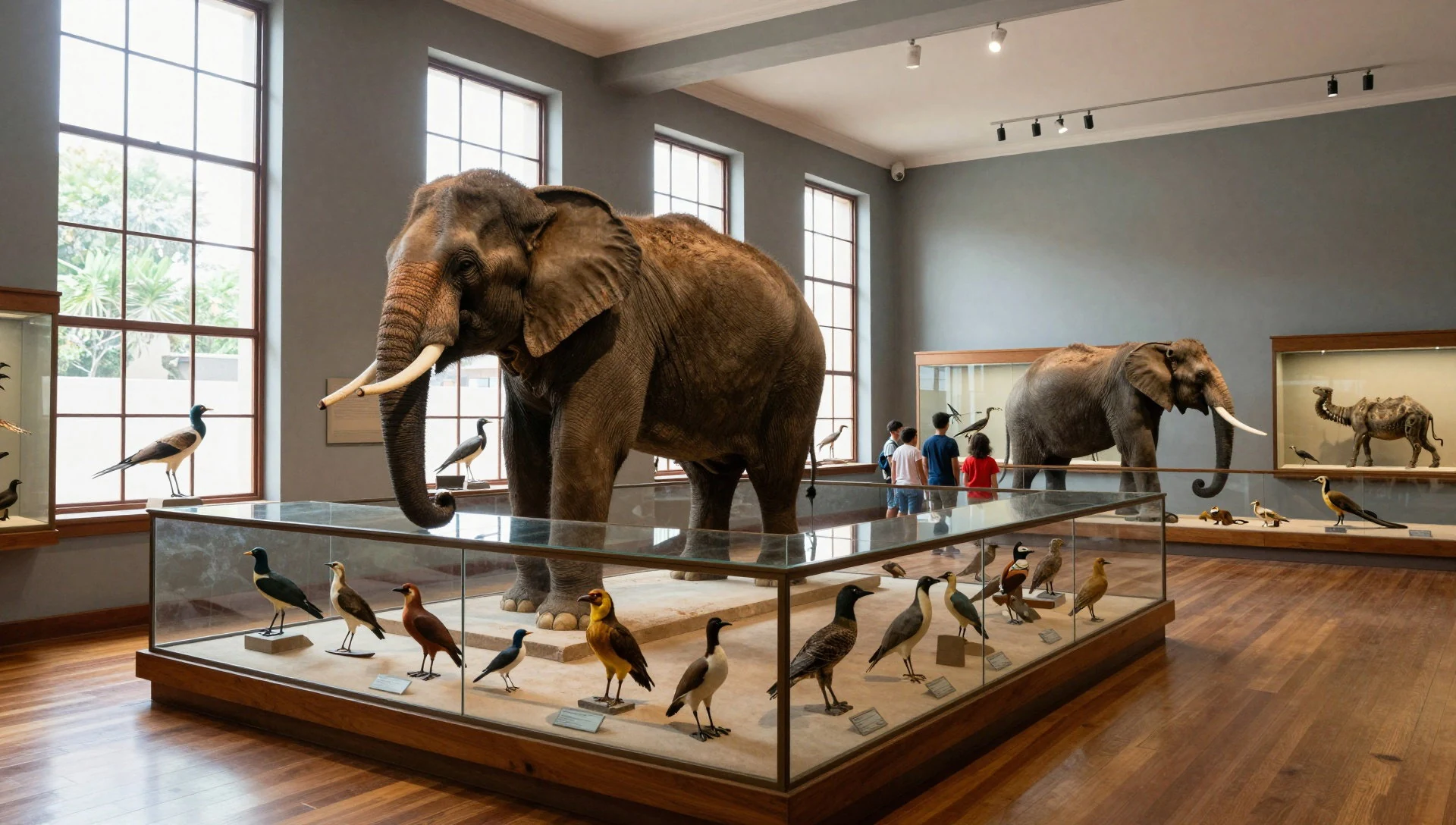
- National Art Museum — central Maputo
Maputo's National Art Museum keeps a small collection of Mozambican art a short walk from the central gardens. Many visitors come for the large canvases by Malangatana, whose crowded, high-colour figures are a reference point for modern painting in Mozambique. The building is modest, so an hour is enough to look slowly rather than skim the walls.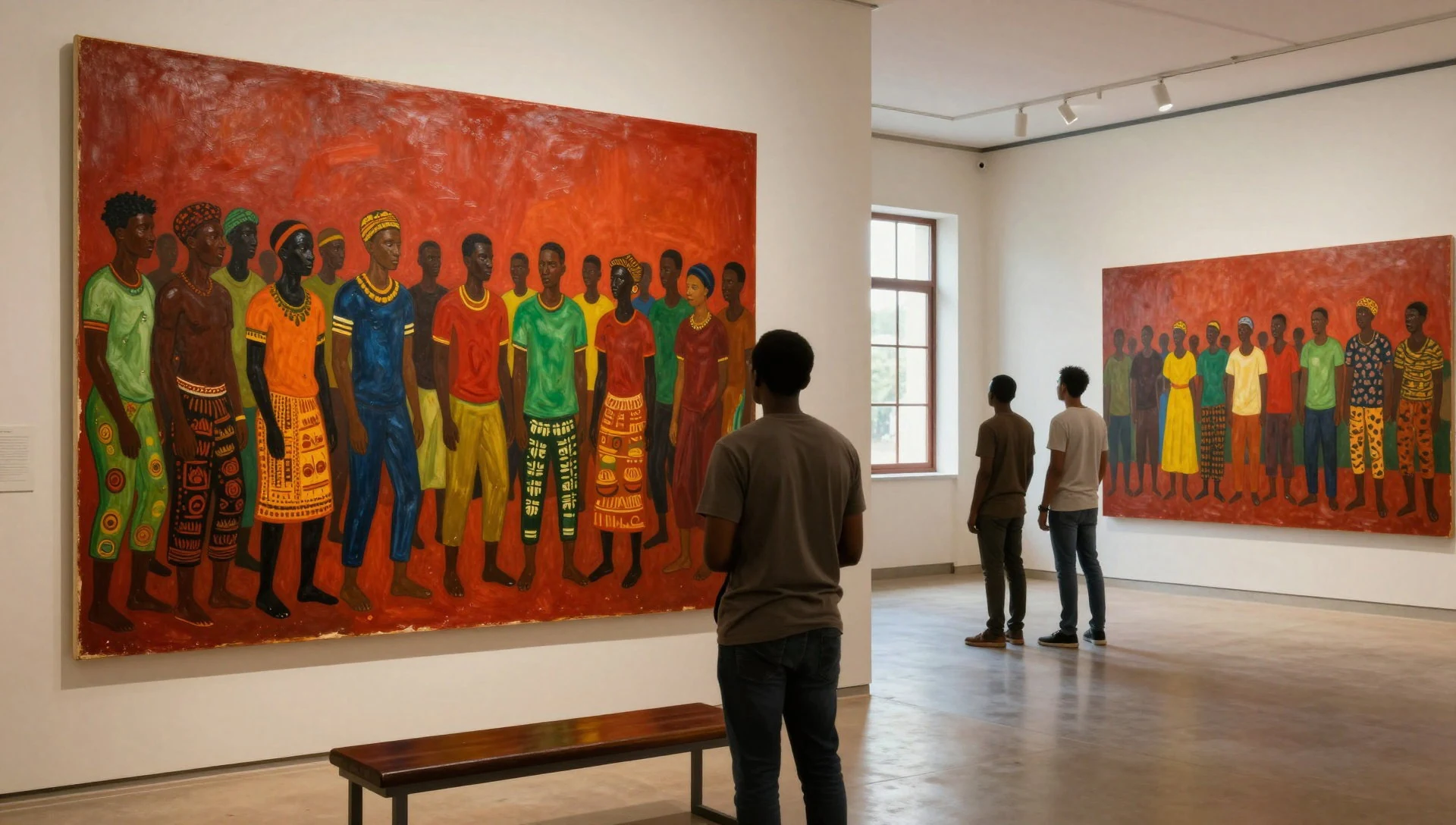
Culture
Maputo is a meeting place of cultures rather than a city with one public style. Tsonga and wider Bantu custom sit next to a deep Portuguese inheritance, and Arab, Indian and Chinese communities have left worship, kitchens and family languages in the same bairros. Day-to-day speech is mostly Portuguese and Xitsonga; other languages surface in shops and homes rather than as a single official voice. Screens mattered here long before living-room sets did. The capital once kept a whole circuit of cinemas, and under segregation white residents and South Asian residents were directed into separate houses, a division that belongs to memory even where the avenue now looks shared. Painting, music and those old picture houses still feed how the city tells on itself, Malangatana's crowded canvases in the national collection among them. The same mix shows up in public space, where a market aisle, a church door and a gallery queue can share one afternoon in this compact capital. Ask before you photograph people in Maputo's markets or at prayer, and remove your shoes where a church or a home has left them at the door.
What to wear
A traditional cloth widely worn in Maputo is the capulana, a printed cotton wrap used as a skirt, a dress length or a sling for a child, in patterns from florals to commemorative prints. It is daily dress as well as ceremony: market stalls sell it by the length, and the same cloth turns up at weddings, funerals and ordinary errands. Men's formal habits have long included a light tailored shirt and, for official occasions, a suit cut in a Portuguese-influenced style; pressed clothes still mark office hours and church. On a weekday the capital dresses for heat and for work. Office staff wear light shirts, blouses and dresses, while younger people mix streetwear, trainers and football shirts with local tailoring. Capulanas are common without being a uniform, and imported clothes share the same shop windows. The Baixa and the city markets are where both the cloth and the ready-to-wear are bought. Visitors do better in light, breathable clothes and in closed shoes that can take uneven pavements and wet market floors. Shoulders and knees covered are the respectful choice inside Maputo's churches. A scarf or a spare capulana over a sleeveless top solves a doorway stricter than the avenue.
What to eat
- Piri-piri prawns — Mercado do Peixe and simple seafood grills
Maputo's grilled prawns, often fired with piri-piri, are a standard seafood order in a city that still eats from the bay. The place to look is Mercado do Peixe, the fish market, or a simple grill that cooks prawns rather than a long mixed menu.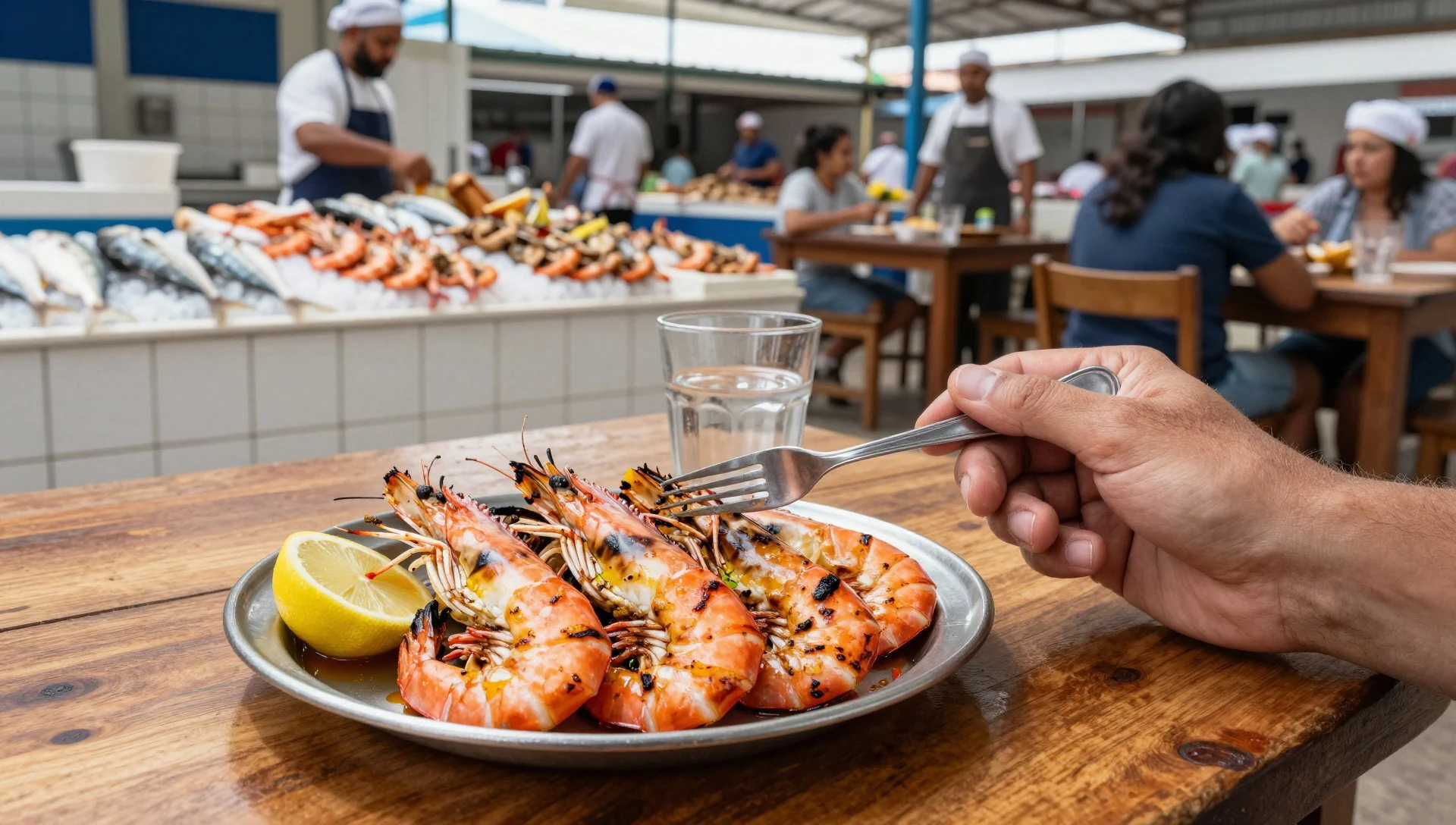
- Piri-piri chicken — takeaway grills and casual eateries
Maputo's piri-piri chicken is grilled chicken with a chilli bite, sold from takeaway counters and casual eateries as well as smarter dining rooms. The same dish costs more in a polished neighbourhood than at a local takeaway, so the setting changes more than the basic idea.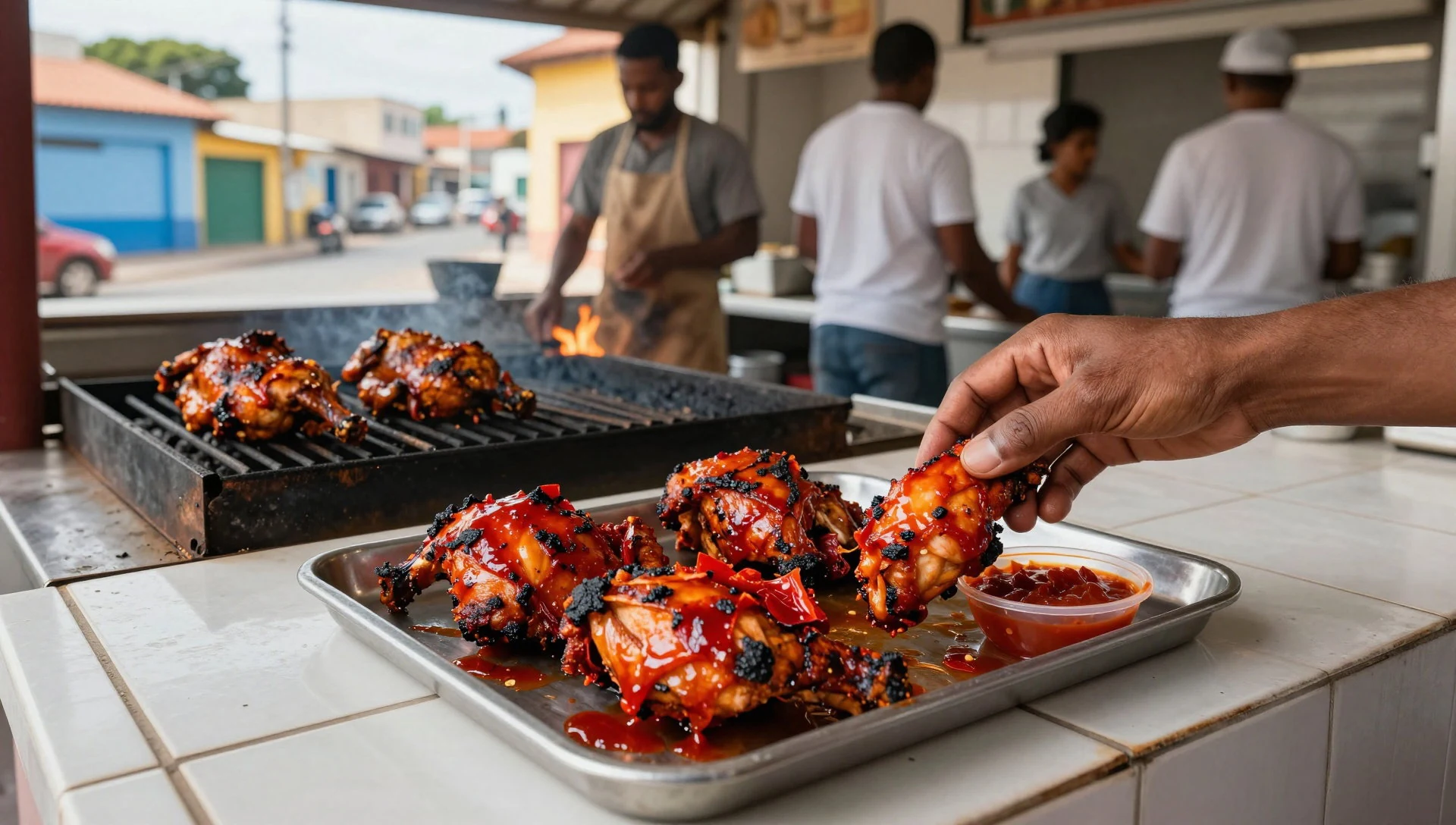
- Market plate — Mercado Janeta and other covered food markets
Maputo's everyday market plate, from stalls inside Mercado Janeta and similar halls, is a base of starch, a portion of meat and sauce in quantity. It is canteen cooking, repeated from stall to stall, and meant to be pointed at and eaten at a shared table. - Crab and calamari — Baixa markets, especially Mercado Central
Maputo's crab and calamari are sold alongside whole fish wherever the day's landings reach the markets, above all in the Baixa. They are kitchen ingredients as much as ready food, so many people buy them raw when they have a stove. - Feijoada — Brazilian eateries in the city centre
Maputo's Brazilian-influenced kitchens serve feijoada, a bean stew with pork, plus coffee and savoury snacks that fall between a meal and a pause. This is immigrant cooking in a port city, found in Brazilian eateries rather than at the fish stalls.
Plan it
Best time. Maputo stands only 31 metres above a warm Indian Ocean bay, so heat shapes the day and mornings are the kinder hours outdoors. Check a current forecast before you fix dates, and keep midday for shade or a museum.
How long. 2–3
Getting there. Most visitors reach Maputo by air. LAM flies domestic routes inside Mozambique, TAP flies non-stop from Lisbon, South African Airways links Johannesburg, and Airlink links Durban and Cape Town. The last leg is a taxi, or a bus from the lodging, sent only when a booked guest is on that flight. A border train from Ressano Garcia connects via Komatipoort with the Johannesburg and Pretoria side, and the road in from Johannesburg is the N4 through Mbombela. Confirm times before travel, and use http://www.cmmaputo.gov.mz for municipal contacts.
Budget. mid
Tips
- Arrange the airport pickup before you fly; transport from a lodging meets a flight only if a guest with a booking is aboard.
- If airport staff hold a passport or a bag and ask for cash, refuse and point to the no-corruption signs.
- Walk the Baixa markets and squares in the morning, and leave the hotter hours for a museum or the botanical garden.
- Carry some cash for stalls; cards are not a safe assumption in every market.
- A local SIM is sold at the shop by the terminal exit, where there is also a bank.
Etiquette
- Ask before photographing people in markets, at prayer or while they work.
- Cover shoulders and knees in churches, and take shoes off where they are left at the door.
- Do not hand money to anyone who withholds a passport or luggage and calls the payment a fee.
- Greet a stallholder before you bargain or raise a camera.
Nearby
Sources
- Wikidata Q3889 (CC0)
- Wikipedia (rev 1384663845) (CC BY-SA 4.0)
- Wikivoyage (rev 5425430) (CC BY-SA 4.0)
- Photo: Maputo seen from the southeast, October 2006 — AmigoDia (CC BY 3.0)
- Photo: Maputo seen from the southeast, October 2006 (cropped) — AmigoDia (CC BY-SA 1.0)
- Photo: Municipal Council of Maputo, front — Teixant (CC BY 3.0)
- Photo: Natural History Museum of Mozambique — James and Alex BonTempo (CC BY-SA 2.0)
- Photo: Jardim Tunduru — Cornelius Kibelka (CC BY-SA 2.0)
- Photo: Torres Vermelhas, Maputo — Åse Wästberg (CC BY 2.5)
- Photo: Polana Hotel, Maputo — F Mira (CC BY-SA 2.0)
- Photo: Maputo Train Station — Claus Wonnemann (CC BY-SA 4.0)


