Niassa
Niassa, Mozambique
Niassa is a vast, remote reserve in northern Mozambique, where lions, elephants and miombo woodland far outnumber the visitors.
The place
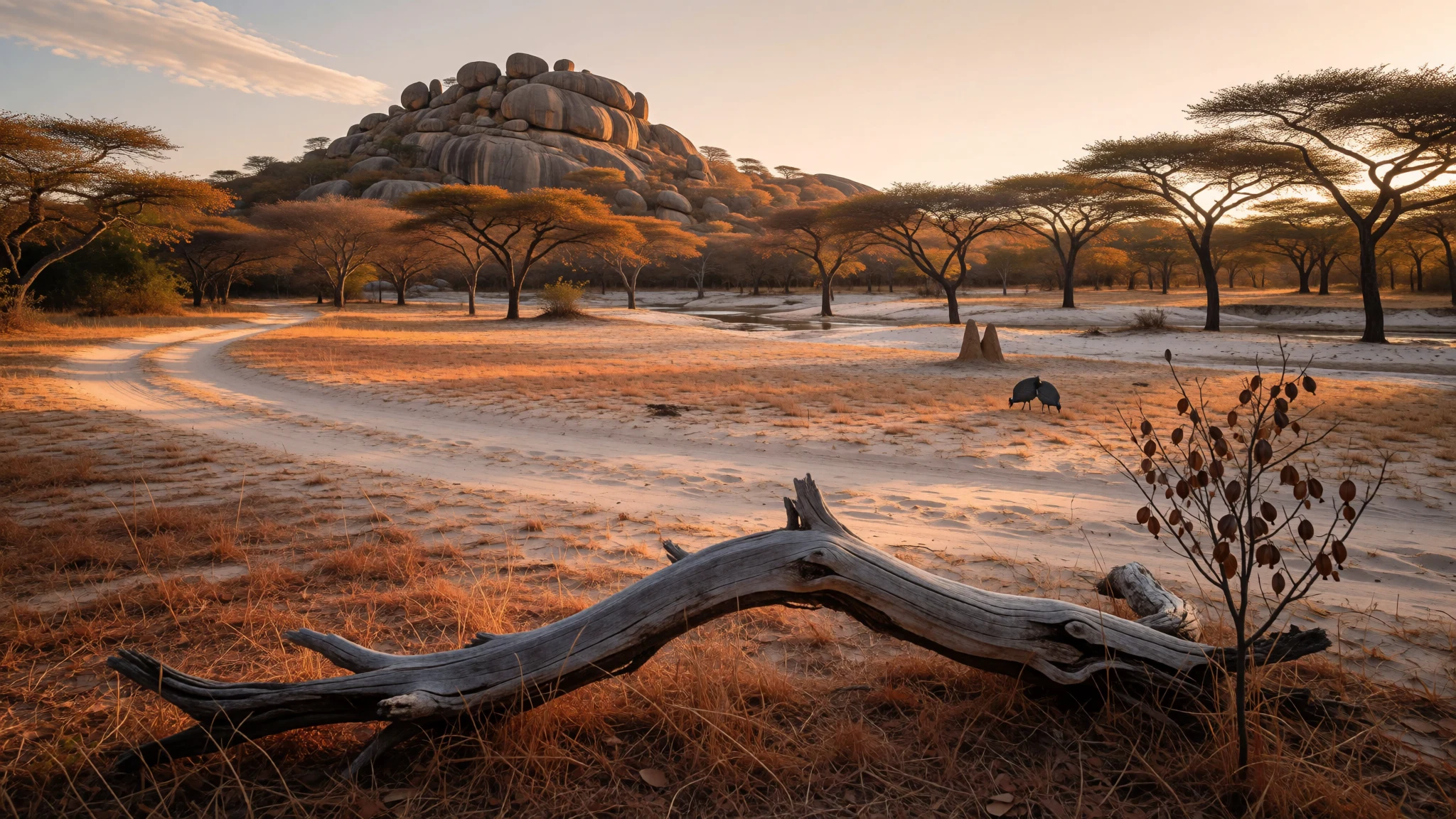
Niassa Reserve sits in the far north of Mozambique, spread across Niassa Province and Cabo Delgado Province close to the Tanzanian border. It covers over 42,000 square kilometres, which makes it the largest protected area in the country. It forms part of a wider transfrontier conservation landscape and connects northwards with Tanzania's Lukwika-Lumesule Game Reserve, so animals can move across a line on the map that means nothing to them. The ground is mostly gently rolling woodland, cut by seasonal rivers and broken here and there by granite hills that rise abruptly from the trees. People live inside the reserve boundaries, and some blocks of land are managed together with local communities, so a visit can take in a village as well as a bush camp. Tourism infrastructure is thin. There are a handful of remote camps, few roads and very long distances between them, with nothing like the gates, tarred loops and lodges of Kruger. For those who come, that is much of the appeal, and it is also the reason most travellers never do. Fuel, food and medical supplies have to be planned in advance, and mobile signal is patchy or absent. A separate Lake Niassa Reserve, opened by the government in 2011, protects part of the lake, and the two areas are meant to be joined once the plan is completed. Niassa is best treated as an expedition rather than a drop-in safari.
Its story
Niassa Reserve was created in 1954, when Mozambique was still a Portuguese colony, though for a long time the status existed mostly on paper. Independence arrived in 1975, and the wars that followed left the northern bush with little oversight. Effective protection began only after the peace accords signed in Rome closed the civil war. From that point the government started building the management systems needed to look after the ecology of northern Mozambique. The isolation that kept the reserve intact cuts both ways. Few roads, no tradition of mass tourism and a hard journey in have spared the woodland from the pressure that parks near big cities face. Officials themselves have admitted that the same remoteness makes it difficult to set up a tourism business, because staff, supplies and building materials must travel a very long way. Conservation standing has grown since. In 2005 the area was recognised as a Lion Conservation Unit, a label that points to its value for big cats across the region. The Lake Niassa Reserve was opened by the government in 2011, and plans call for the two areas to be linked. The wider backdrop is Mozambique's colonial and post-colonial history, which begins for outsiders with Vasco da Gama's arrival on the coast in 1498 and runs through FRELIMO's armed campaign for independence, which began in 1962. Niassa's own story is one of long neglect, slow recovery and a landscape that is still being defined.
What to see
- Lake Niassa Reserve — Lake Niassa shoreline
The Lake Niassa Reserve, opened by the government in 2011, protects part of the lake and its shore rather than dry bushland. The reserve photograph shows the sun over wide, calm water, and the setting suits a quieter stretch of a trip. Access and permissions should be checked with an operator before planning.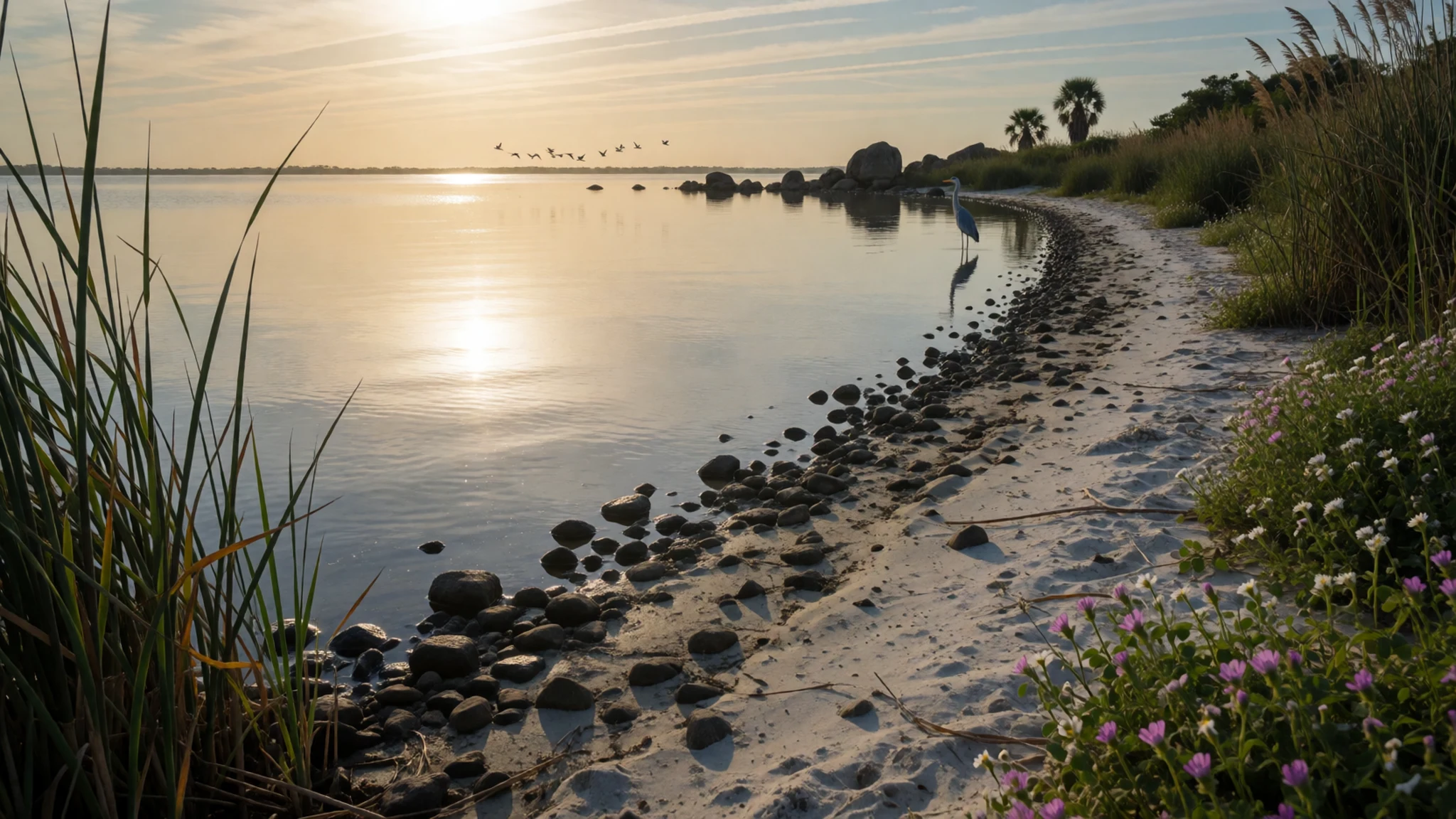
- Nahavara village, block L7 — Block L7, Niassa Reserve
Nahavara is a village inside block L7 of Niassa Reserve, one of several communities living within its boundaries. A visit, where one can be arranged, shows that Niassa is a working landscape as well as a wildlife refuge. Go through an operator or the reserve management rather than turning up unannounced.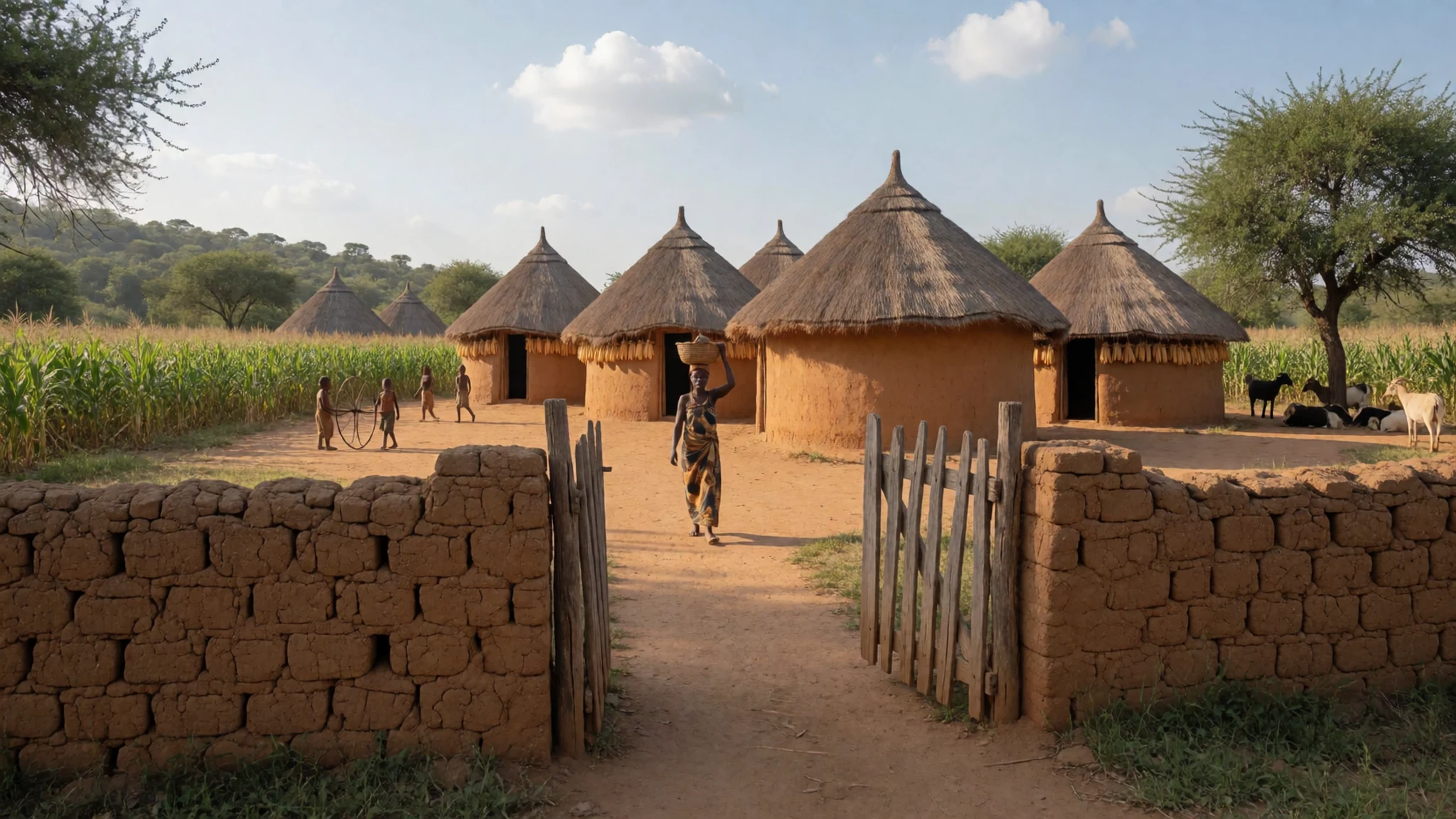
- Mariri Environmental Centre — Niassa Reserve interior
The Mariri Environmental Centre is a base inside Niassa Reserve connected with conservation and education work. A photographer there recorded Leptopelis broadleyi, a tree frog, a reminder of the small-scale life that most safari itineraries skip. Visits are not guaranteed, so ask the reserve office before building a day around it.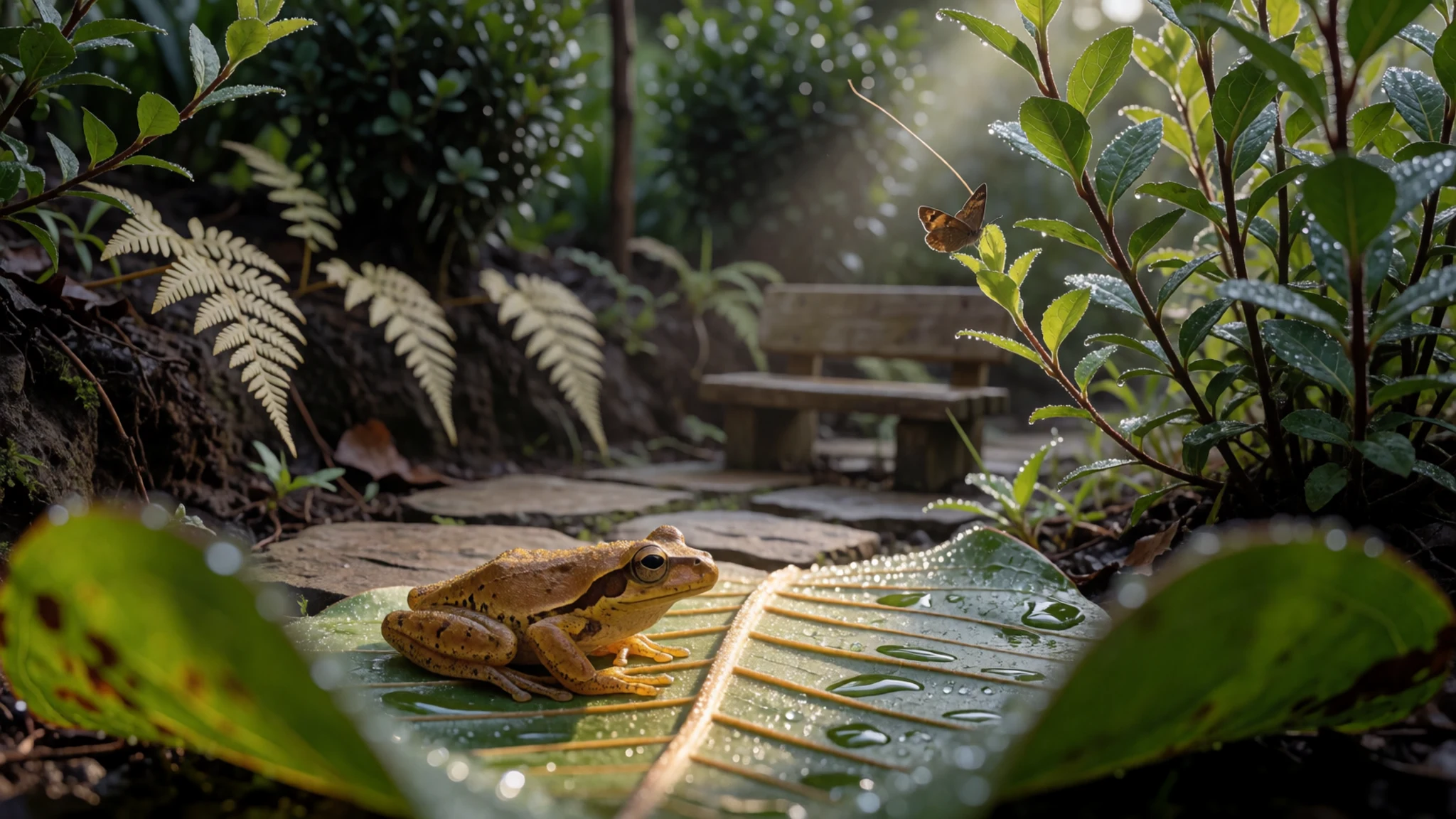
- Miombo woodland and lion country — Niassa Reserve interior
The interior of Niassa Reserve is mostly woodland and open clearings, and since 2005 the area has been recognised as a Lion Conservation Unit. Sightings are never guaranteed, and the bush is dense, so patience counts for more than a checklist. Early and late drives or walks with a guide give the best chance of tracks and calls.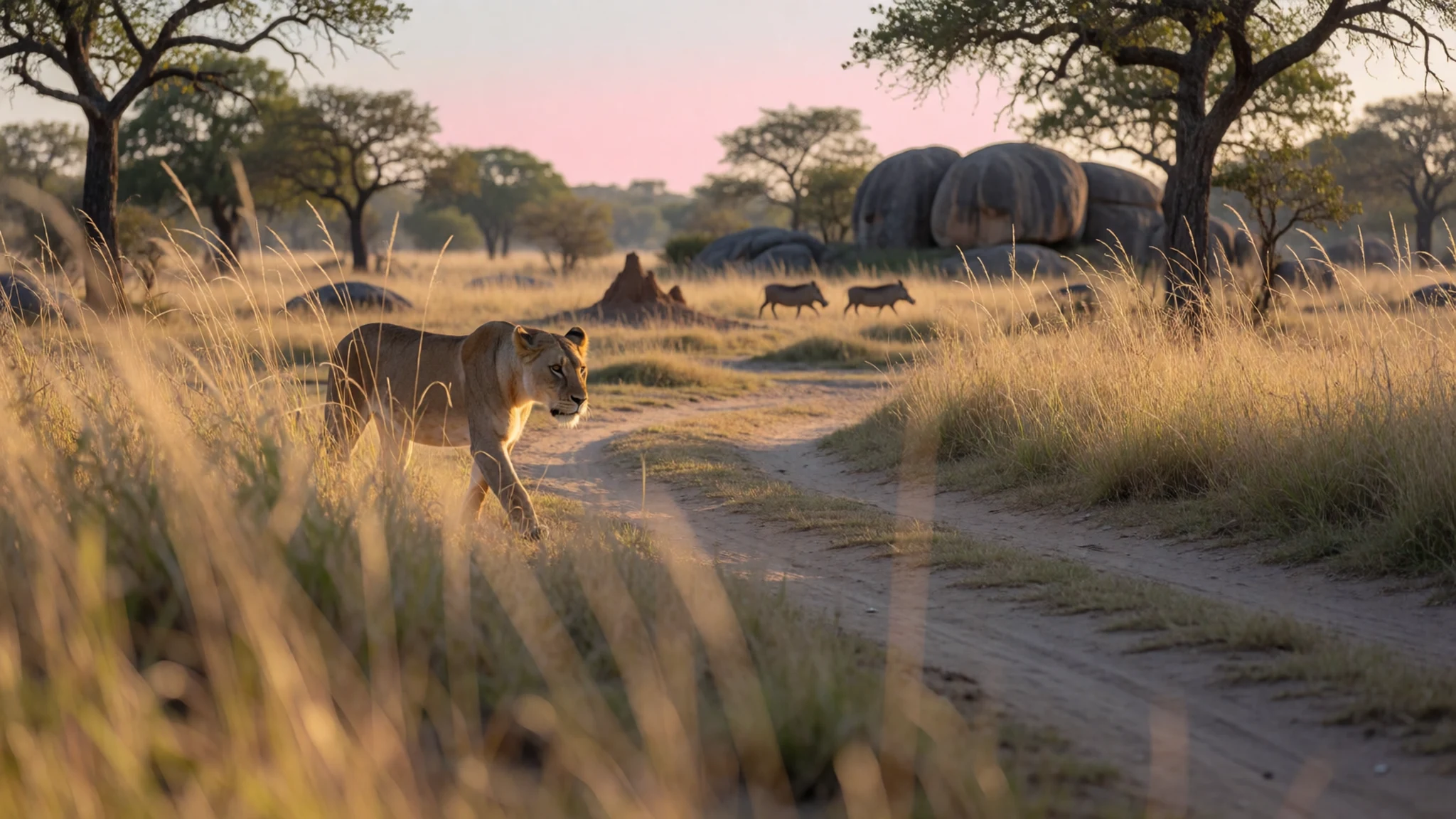
- Ilha de Moçambique — Mozambique Island, Nampula Province
Far from the reserve, Mozambique Island is the only UNESCO World Heritage Site in the country, with colonial-era architecture and beaches. It suits a coastal leg after the bush, reached by way of Pemba or Nampula. Allow generous time, because distances in northern Mozambique are large and journeys rarely run to plan.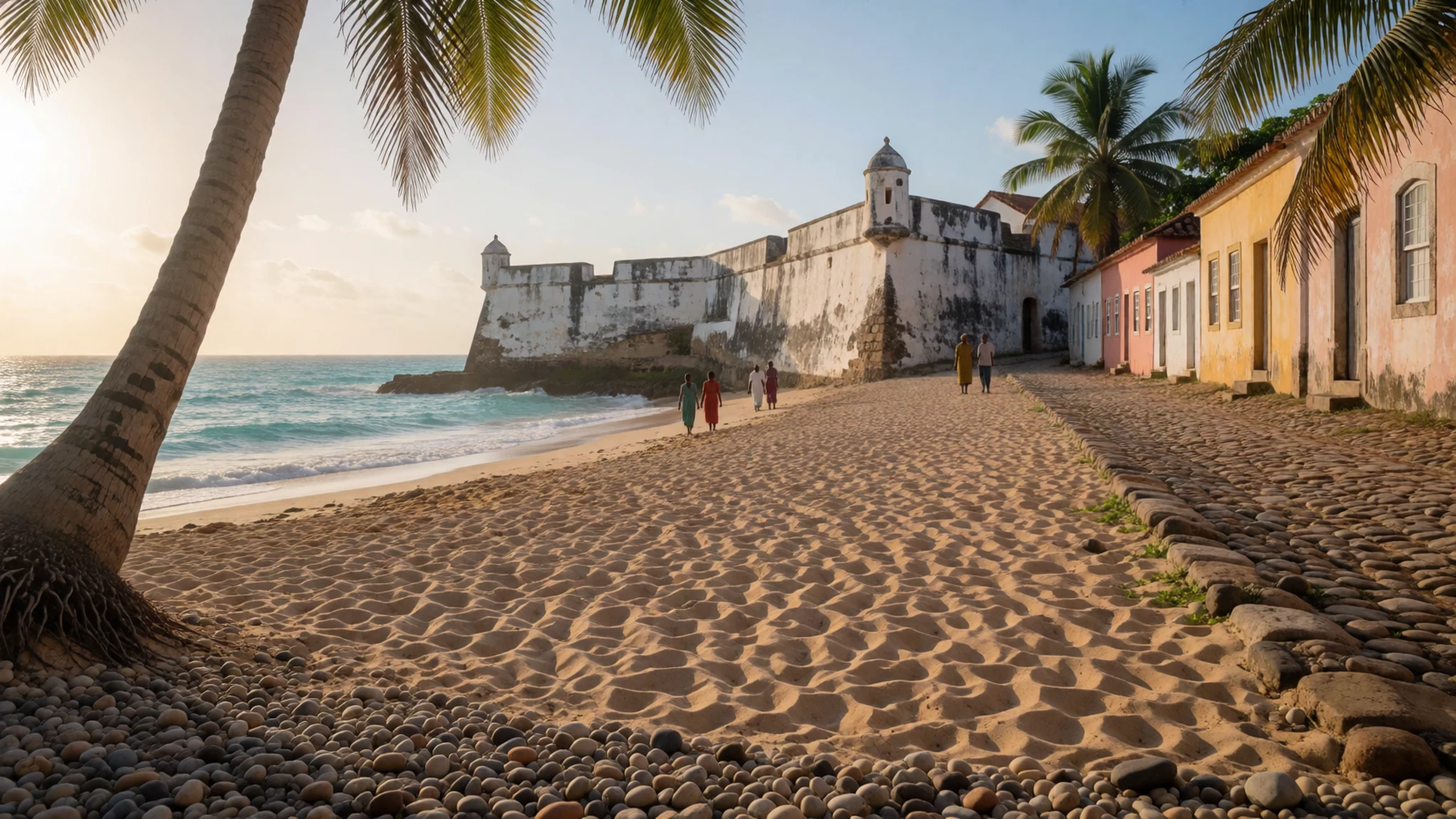
Culture
Niassa Reserve lies in a part of Mozambique where Portuguese is the language of government and schooling, while daily life runs in local languages that change from one district to the next. Communities live inside and around the reserve, so culture here means farming villages, shared boundaries with wildlife and negotiated use of land rather than monuments and museums. Recent history shapes how people talk about the place. Independence came in 1975, after FRELIMO's armed campaign against Portuguese rule, and civil war followed before the Rome peace accords settled it. Older residents remember those years personally. The legacy shows in Portuguese words, in bread and chilli on the table, and in the names of towns. In the northern provinces, Islam is practised in many communities, and prayer times and Friday routines can set the rhythm of a day. Greetings matter. A handshake and a few words in Portuguese, such as bom dia, go a long way, and a little time spent on introductions before asking for anything is the usual courtesy. Visitors will often be dealing with community members through a guide or a camp, and that relationship is worth respecting. Ask your guide to explain local customs before arriving in a village, and ask permission before photographing people, homes or children, accepting a refusal without argument.
What to wear
In northern Mozambique, around Niassa Reserve, the signature textile is the capulana, a rectangle of printed cotton worn by women as a wrap skirt, a headscarf or a sling for carrying a baby, and cut into shirts and dresses by tailors in every town. Patterns carry slogans and fashions of their own, and a new design can become the talk of a market. In Muslim communities of the north, women often add a loose top and a scarf, while men may wear a small embroidered cap on Fridays. Some Makua women apply a pale paste called mussiro to the face, for skin care and decoration. Day to day, most people dress simply, in capulana wraps, second-hand T-shirts, football shirts, trousers and rubber sandals chosen for farm work and heat. Visitors heading into the reserve do best in lightweight long sleeves and trousers in khaki, olive or sand, which help against sun and insects. Many guides advise avoiding black and dark blue, because tsetse flies are drawn to them. A hat, a warm layer for cool dawn drives and closed shoes with a good grip are sensible. In villages and around mosques, shoulders and knees should be covered.
What to eat
- Matapa — Home-style eateries in northern towns
Matapa is a stew of pounded cassava leaves cooked down with prawns, crab or clams, often enriched with peanut or coconut and ladled over rice. It is one of the everyday staples of Mozambique. Look for it in home-style eateries in towns such as Pemba or Lichinga.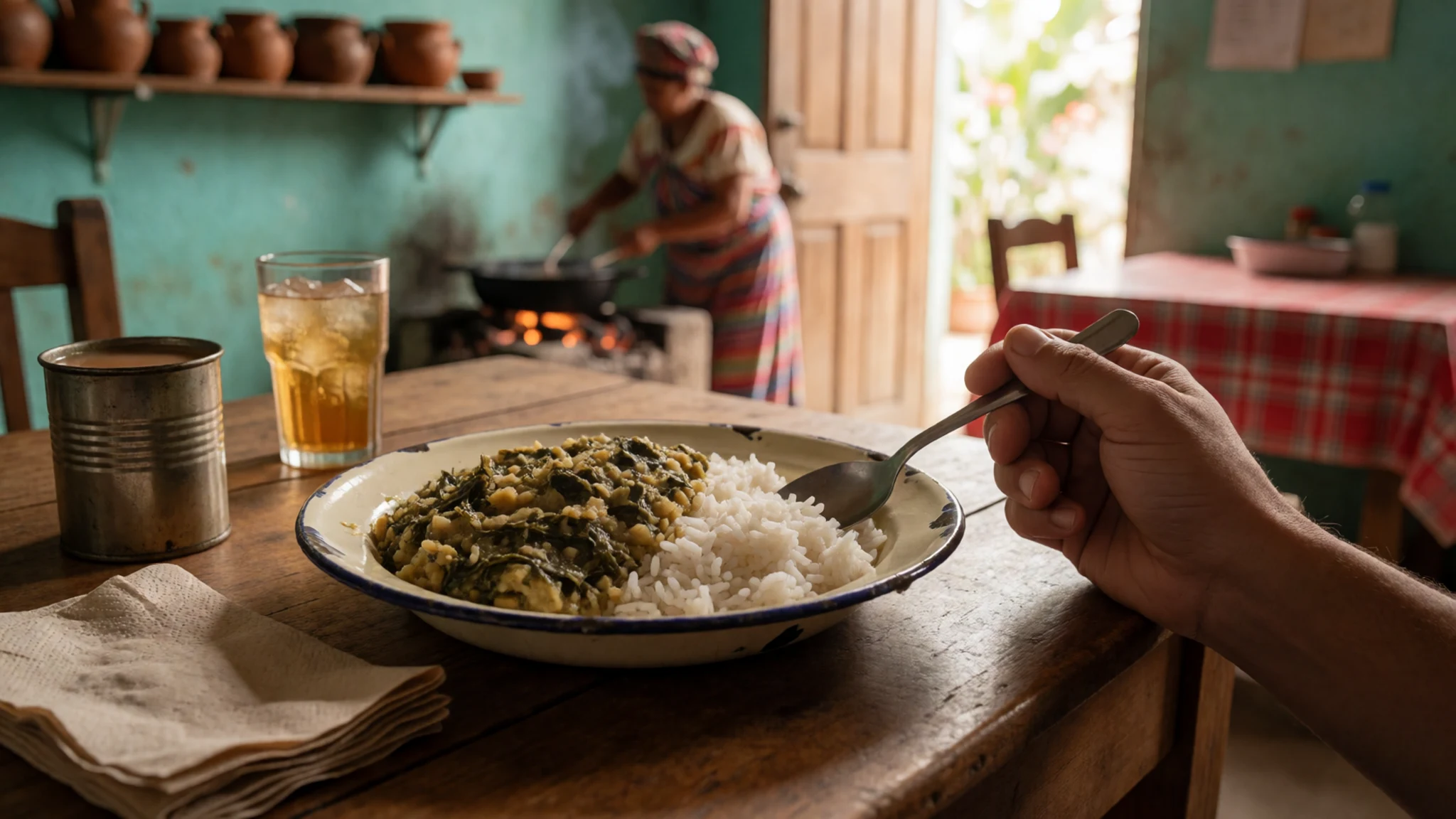
- Xima — Village kitchens and roadside eateries
Xima is a stiff maize porridge, the everyday filling food of inland Mozambique, eaten by hand with a relish of beans, greens, dried fish or chicken. Villages and roadside eateries serve it at lunch and dinner, and camps near the reserve may prepare a version for guests.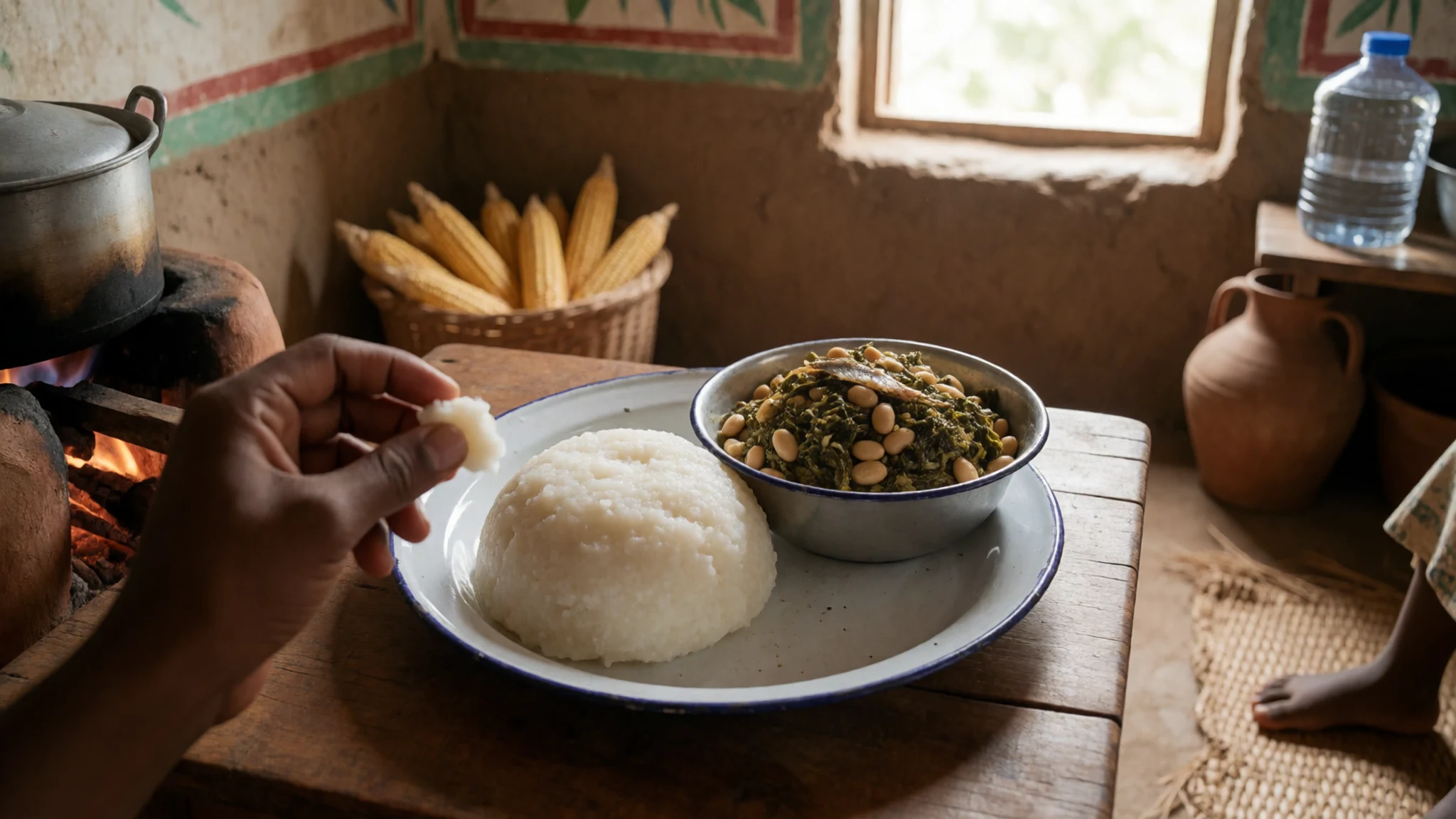
- Frango piri-piri — Roadside charcoal stalls and town restaurants
Chicken grilled over charcoal and basted with piri-piri, the fiery bird's-eye chilli sauce found across the country. The sauce also arrives in a bottle or small dish at most tables, so tasting a little first is wise. Charcoal grills at roadside stalls are the place to look. - Pãozinho — Town bakeries and morning street stalls
Pãozinho are Portuguese-style bread rolls, soft and lightly sweet, sold warm in the early morning. They are often split and filled with meat or egg, or simply eaten plain, and make a sensible breakfast before a long drive into the bush. - Grilled fresh fish — Lakeside villages and simple eateries near water
Fresh fish grilled whole and served with rice, xima or a chilli dip is the sensible order near water. Ask what was caught that day, and expect something simple and good rather than elaborate.
Plan it
Best time. May to October, the cooler dry months, when tracks are firmer and the bush is thinner, so animals are easier to see. The wet season makes roads difficult and some camps may close, so confirm dates with an operator.
How long. 4–6
Getting there. Fly to Pemba (or Nampula) and continue with a tour operator by 4x4, or ask whether a charter flight to a camp airstrip is available. The last leg is a long journey on unpaved tracks, so arrange transfers well in advance.
Budget. high
Tips
- Book camps and transfers through an operator well ahead, as options are few and logistics are demanding
- Carry some cash in meticais, because they cannot be bought outside Mozambique, ATMs can fail and exchange offices often close by 18:00
- Bring bottled or treated water, as tap water should be assumed unsafe to drink
- Check visa rules for your passport and ask a doctor about malaria precautions before travelling
- Pack supplies, a first-aid kit and spare fuel arrangements, as help is far away and mobile signal is unreliable
Etiquette
- Ask permission before photographing people, homes or children
- Cover shoulders and knees in villages and around mosques
- Follow your guide's instructions on wildlife and stay inside the vehicle when told to
Nearby
Sources
- Wikidata Q1475549 (CC0)
- Wikipedia: Niassa Reserve (rev 1385963329) (CC BY-SA 4.0)
- Wikivoyage: Mozambique (rev 5364242) (CC BY-SA 4.0)
- Sun over the Lake Niassa Reserve, USAID Africa Bureau (Public domain)
- Mozambique relief location map, Carport (CC BY 3.0)
- Aldeia de Nahavara do bloco L7 da Reserva Nacional do Niassa, DadzieTarua (CC BY-SA 4.0)
- Leptopelis broadleyi, Tomas Chipiri Buruwate (CC BY 3.0)


Wildlife
- Lion (animal)
A lion is a big, strong cat, and the male wears a shaggy mane like a royal collar, with a dark tassel at the end of his tail. Niassa is a huge, faraway reserve in northern Mozambique, and the lions there share the land with very few people. Watch them with a local guide, keep a good distance, and stay calm and quiet so they are not disturbed. Never feed any wild animal, lions included.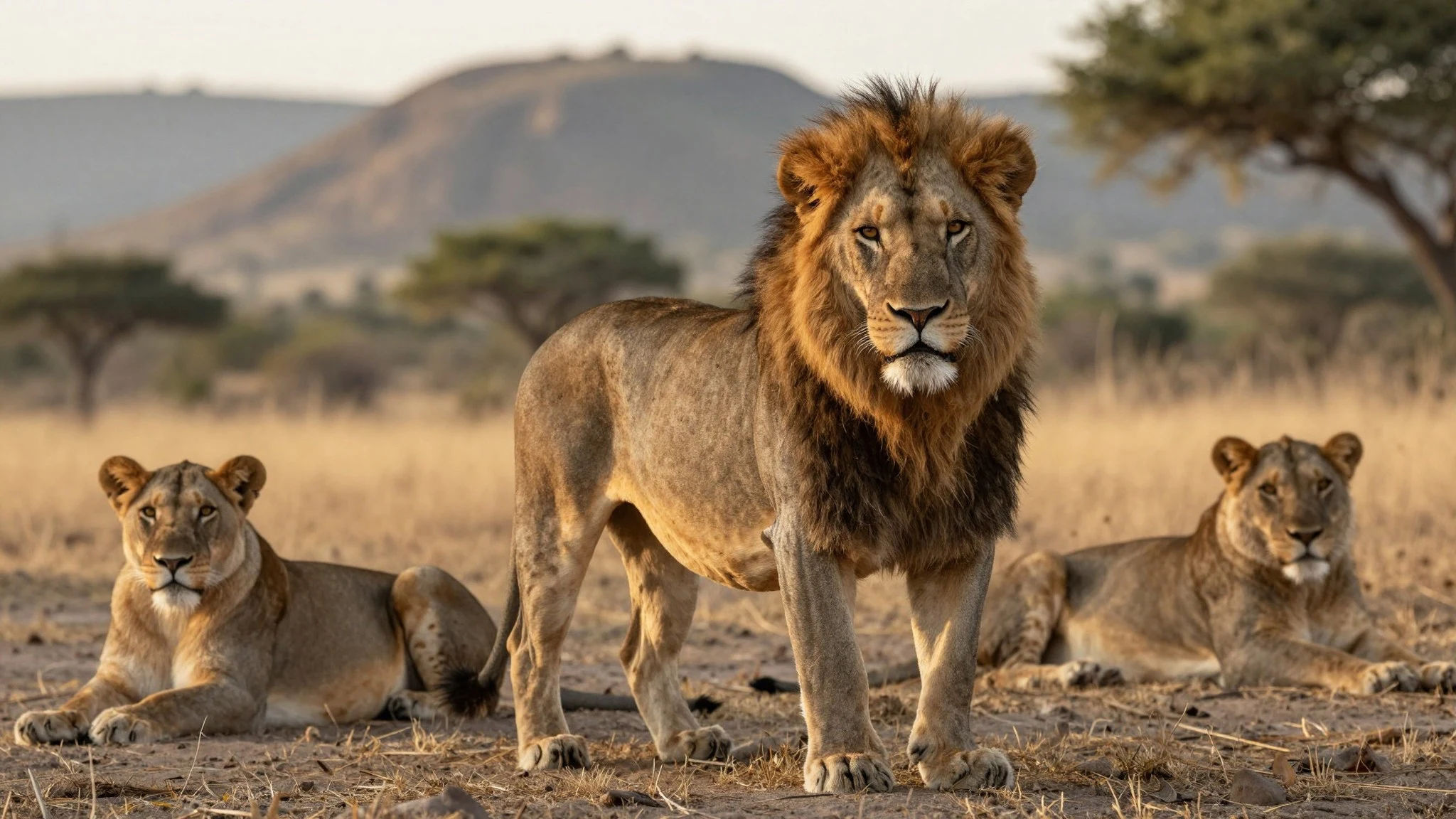
- Elephant (animal)
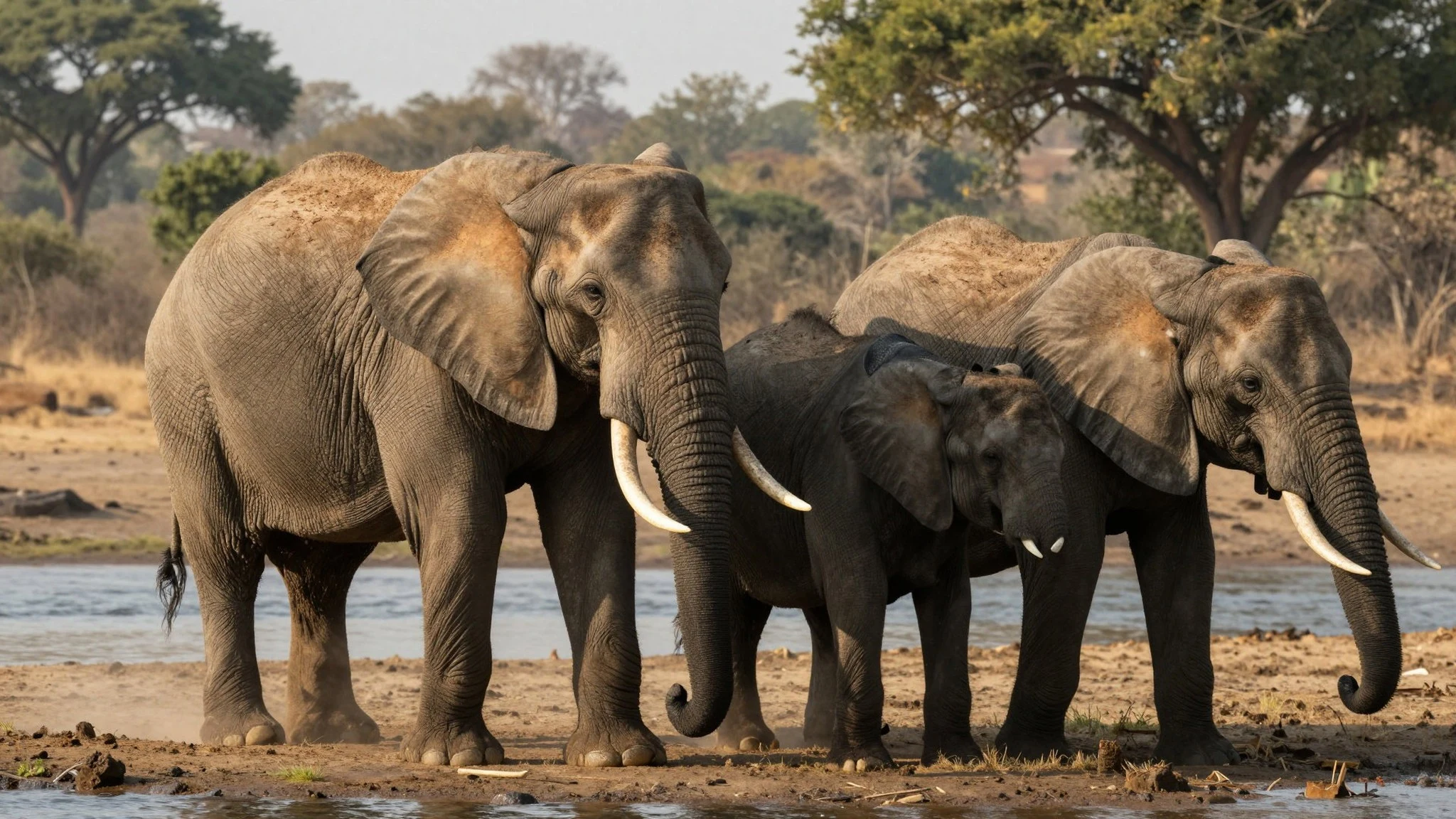
The African bush elephant is the biggest animal living on land, with a long trunk that works like a hand, large ears that help it cool down, and curved tusks. You can look for elephants in Niassa, a vast, remote reserve in northern Mozambique, where they roam the woodland among very few visitors. Watch from a safe distance with a guide, keep your voice low and your movements slow, and never offer food, however calm they seem.