Ponta do Ouro
Ponta do Ouro, Mozambique
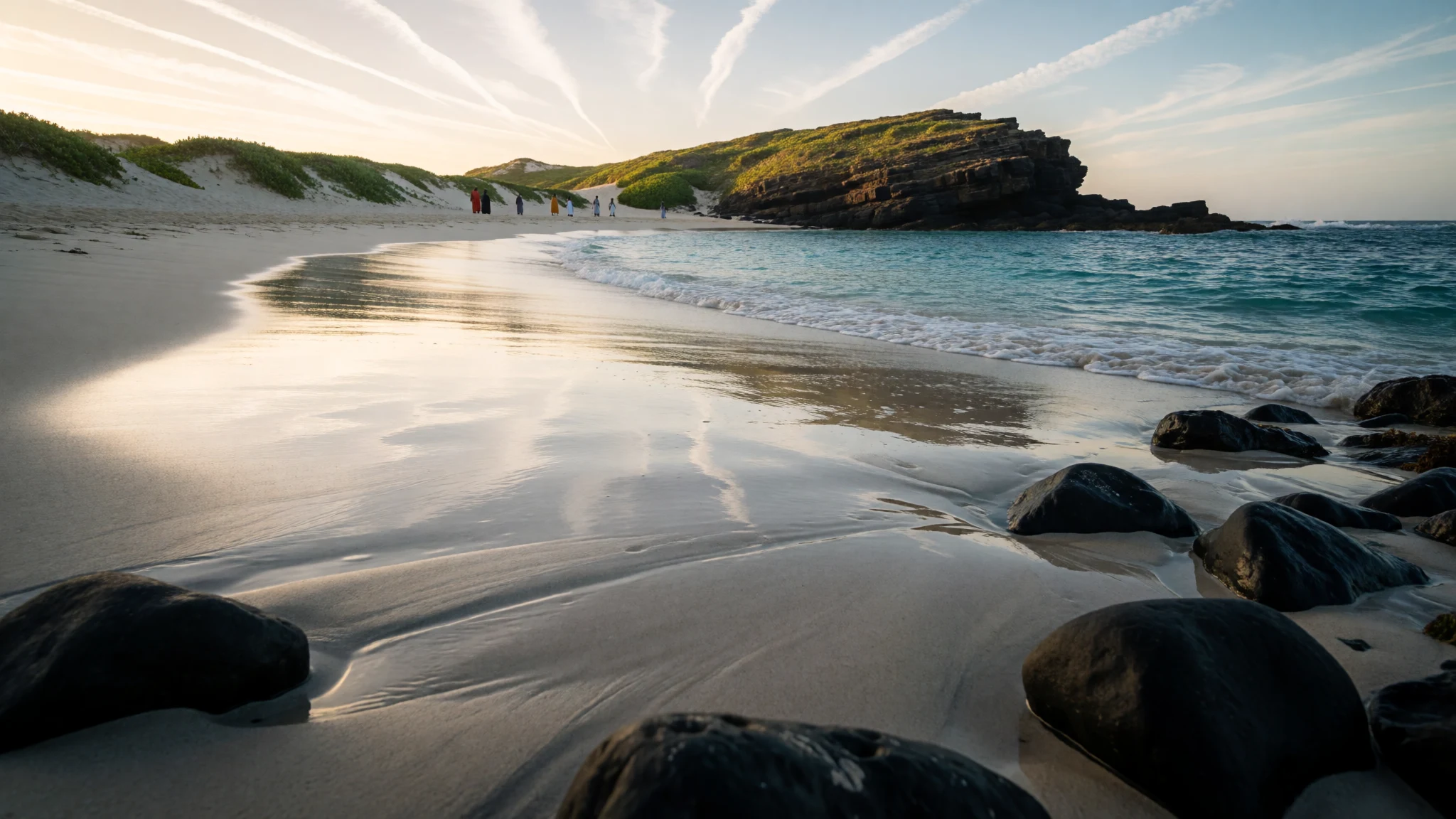
Ponta do Ouro is a sandy, unhurried dive-and-dolphin village at Mozambique's southern tip, where the sand roads and the warm sea set the pace.
The place
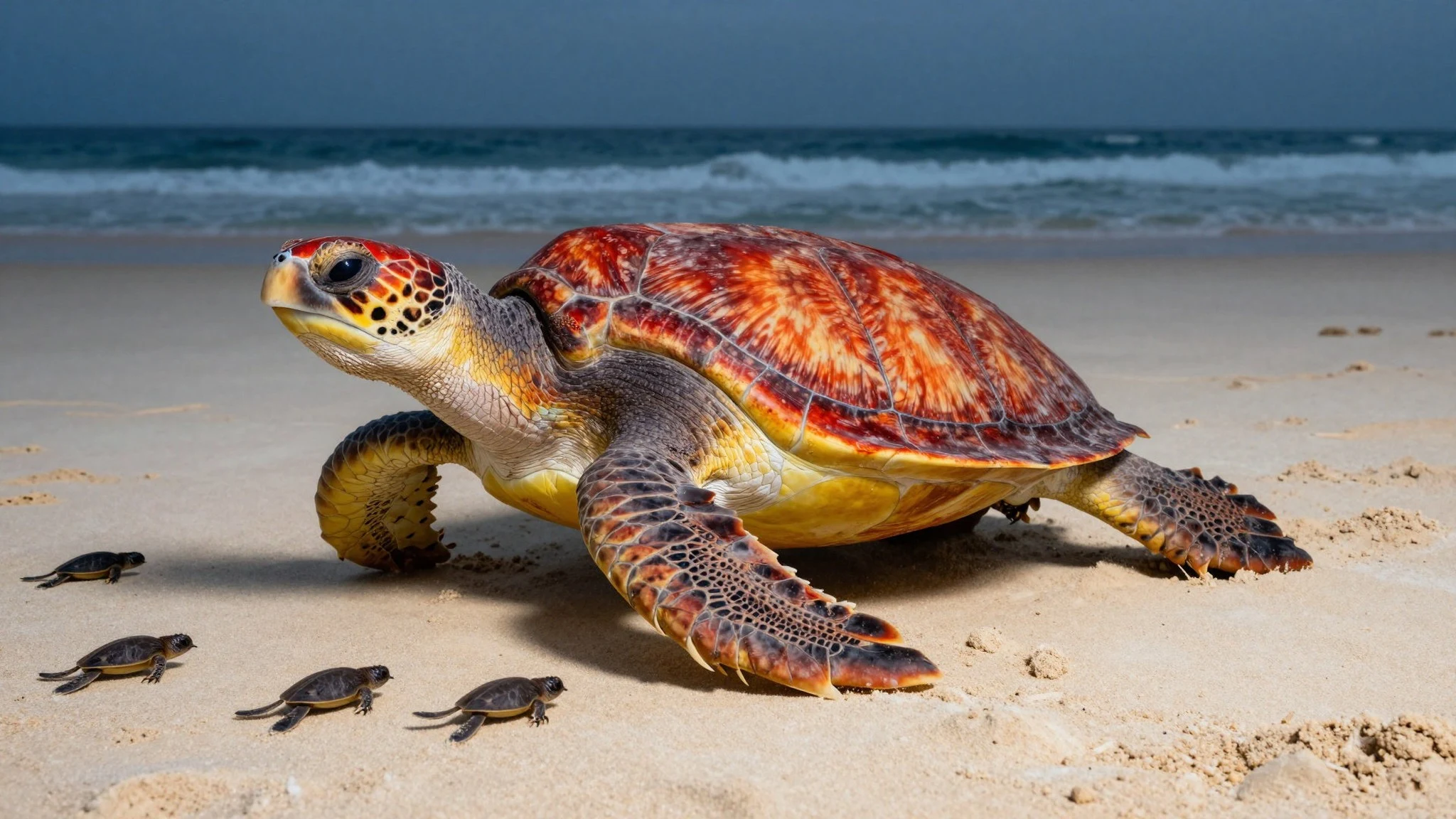
Ponta do Ouro is the last village on Mozambique's southern coast, in Matutuíne District of Maputo Province, just north of the border with South Africa's KwaZulu-Natal. Most of its holidaymakers come from South Africa, and they simply call it Ponta. The setting is a long run of pale beach backed by vegetated dunes, with an Indian Ocean warm enough to swim in for much of the year. Behind the sand, the village is a loose scatter of guesthouses, dive shops, bars, small restaurants and a modest market, strung along lanes that are mostly soft sand. Only the main road in is tarred, and it ends at a crossing; beyond that, vehicles need four-wheel drive or high clearance, and plenty of people just walk. Smaller settlements lie to the north, Ponta Malongane and Ponta Mamoli, reached by sand tracks or, at low tide, along the beach. The sea is the whole point. Dolphins live offshore, divers come for the reefs and the sharks, anglers go out by boat or kayak, and between July and November whales pass along the coast. Turtles lay eggs on the beach in season, and the hatchlings head back to the water later. The waters belong to the marine side of Maputo National Park, part of a World Heritage listing shared with South Africa's iSimangaliso Wetland Park. It is worth being honest about the character: this is a holiday village rather than a polished resort, busy when South African school holidays begin and very quiet outside them.
Its story
Ponta do Ouro grew from a small fishing settlement into a diving and holiday village, helped by its position as the southernmost point on Mozambique's coast and by its closeness to South Africa. For years the drive in was a hard, slow business of deep sand, which kept numbers modest and gave the place its end-of-the-road feel. A tarred road from Maputo, including a long suspension bridge over the port, has since made the journey far easier, though the village lanes themselves remain sand. The sea has shaped the more recent story. A research centre began running dolphin swims here in 1996, under a code of no feeding and no harassment, with the animals deciding whether to approach. The government placed the waters on its tentative World Heritage list in 2008, and the Ponta do Ouro Partial Marine Reserve was proclaimed in 2009. Supported by the Peace Parks Foundation, it was linked with the reserve across the border in South Africa to form a cross-border marine conservation area. In 2025 Maputo National Park was inscribed on the World Heritage List as an extension of iSimangaliso Wetland Park. The listing brings attention and a conservation framework, but it also raises a fair question that locals and visitors keep asking: how many boats, divers and swimmers can the water take before the dolphins and the reefs feel it?
What to see
- Ponta do Ouro beach and the Point of Gold — Ponta do Ouro village seafront
The beach curves into a bay, and at low tide walkers can round the headland known as the Point of Gold towards the South African border. Mornings are best, with soft light and few people. Check the tide before setting off, and watch for dolphins, whales in season and turtle tracks.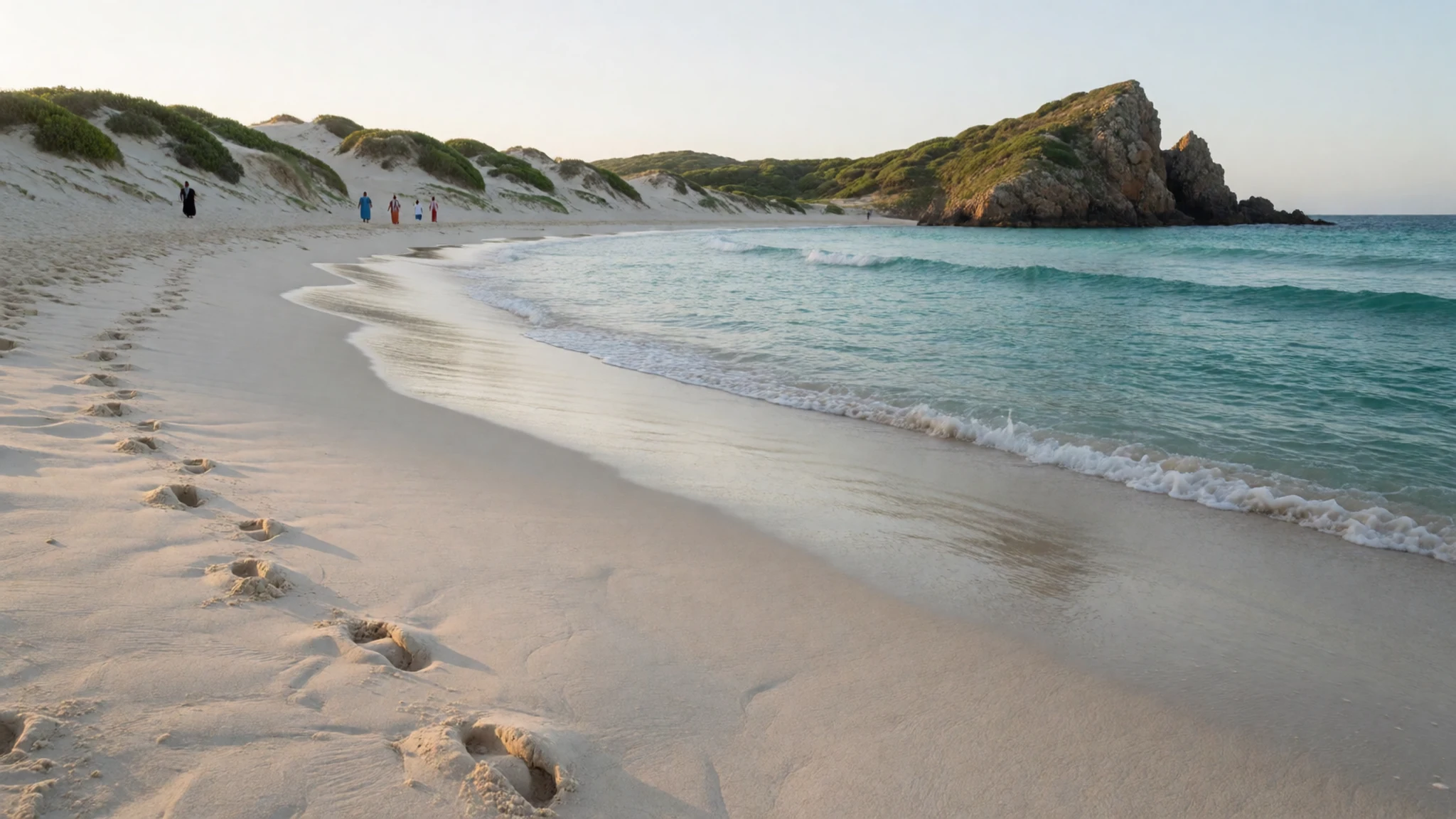
- Dolphin Encountours Research Center — Ponta do Ouro village
This research centre runs boat trips to meet the resident dolphins on the animals' own terms. There is no feeding and no chasing, and sometimes the dolphins simply do not turn up. Visitors also learn how dolphins are threatened. Book ahead and check the operator's current details directly.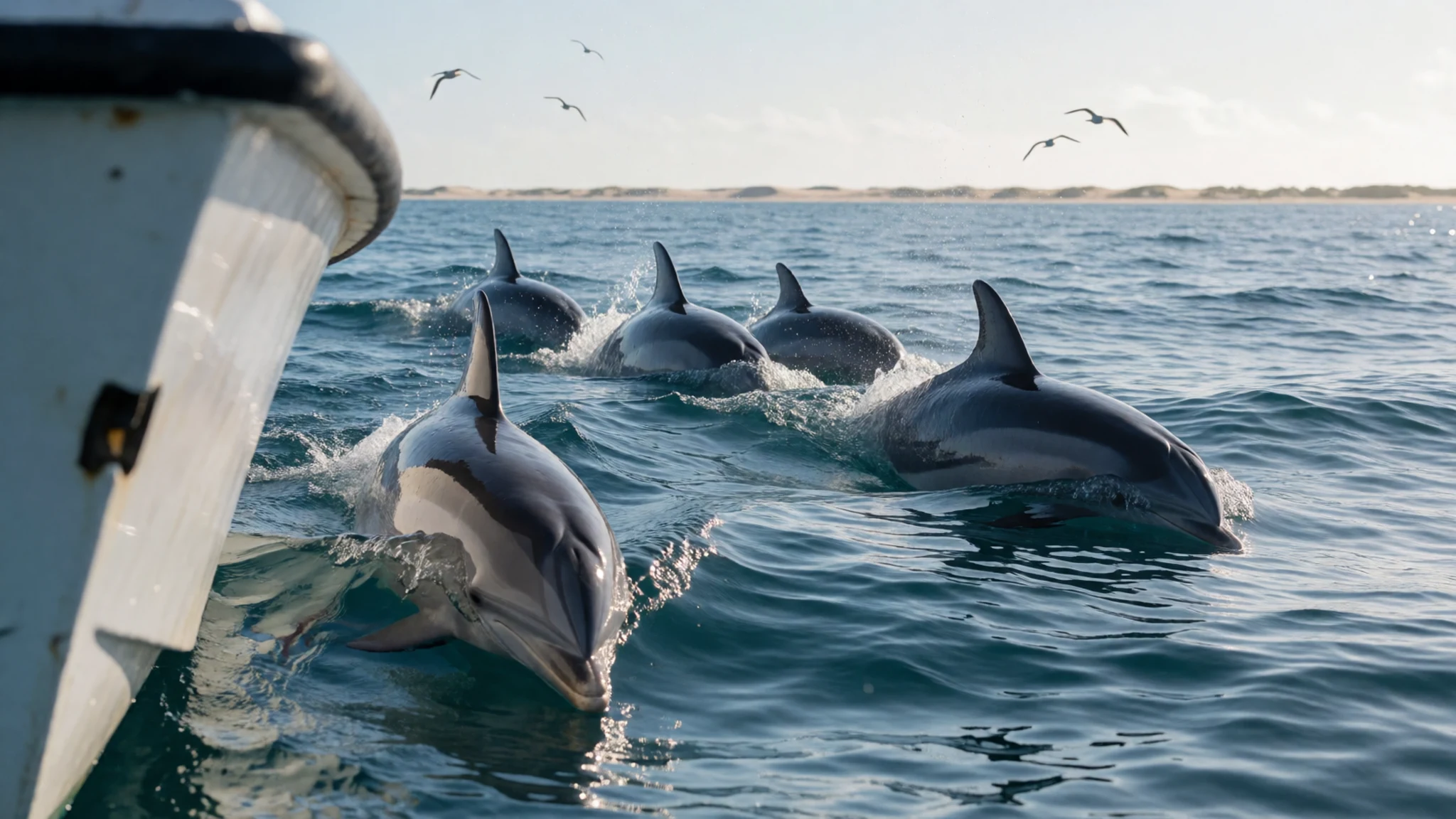
- Reefs off Ponta do Ouro — Offshore, reached by dive boat from the village
Dive charters offer courses and guided dives on reefs such as Doodles and Pinnacle, the latter known for its sharks. Underwater, big groupers, anemones and colourful seaweeds share the rock. Snorkelling safaris suit non-divers. Sea conditions decide what runs, so stay flexible.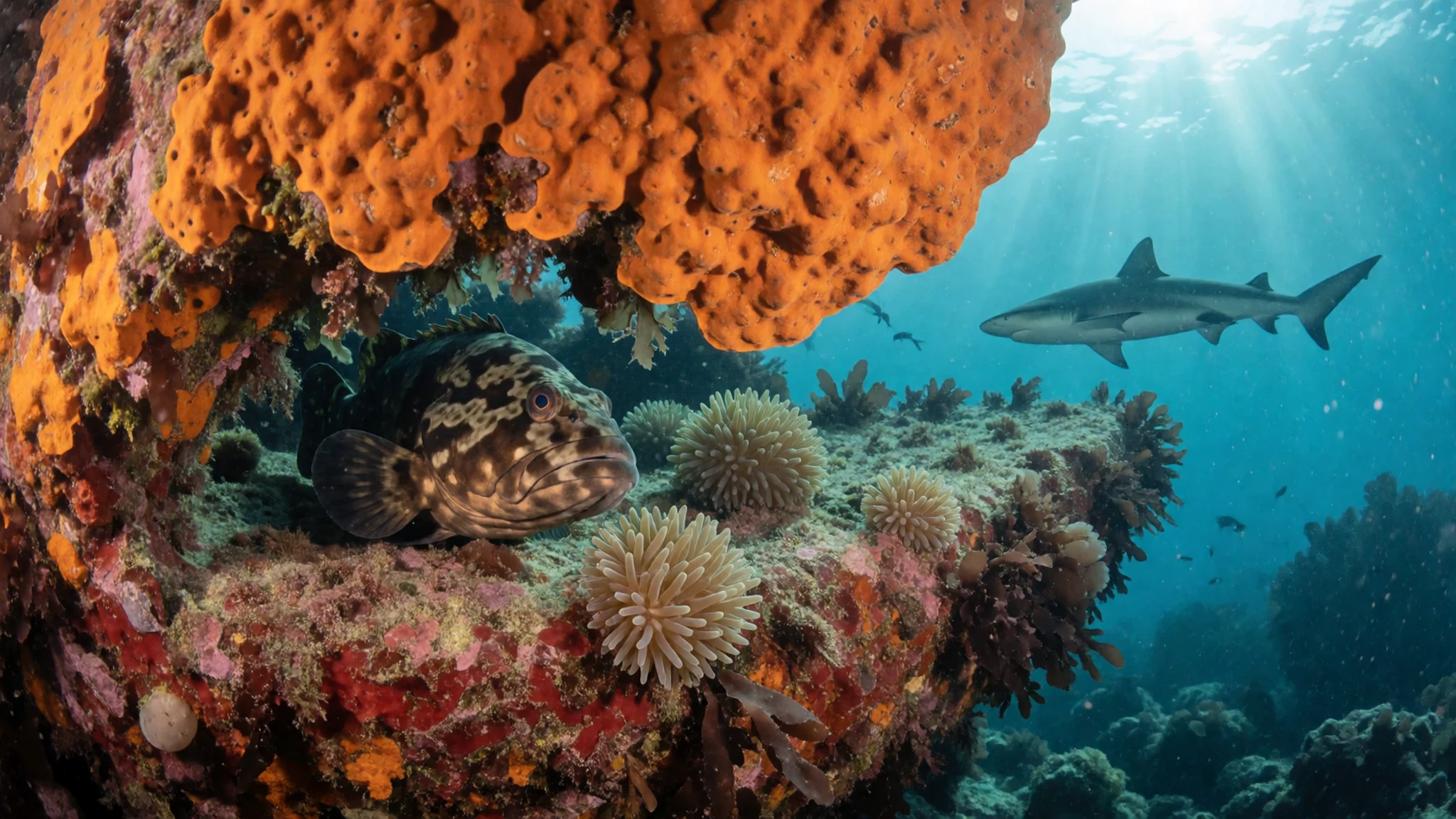
- Maputo National Park — North of the village, on the road from Maputo
The long drive to Ponta can be broken up with a visit to this park, where elephants, hippos, crocodiles, monkeys and plenty of birds live. It is a sensible way to turn a tiring journey into half a day of wildlife. Check access and conditions with the park or a tour operator.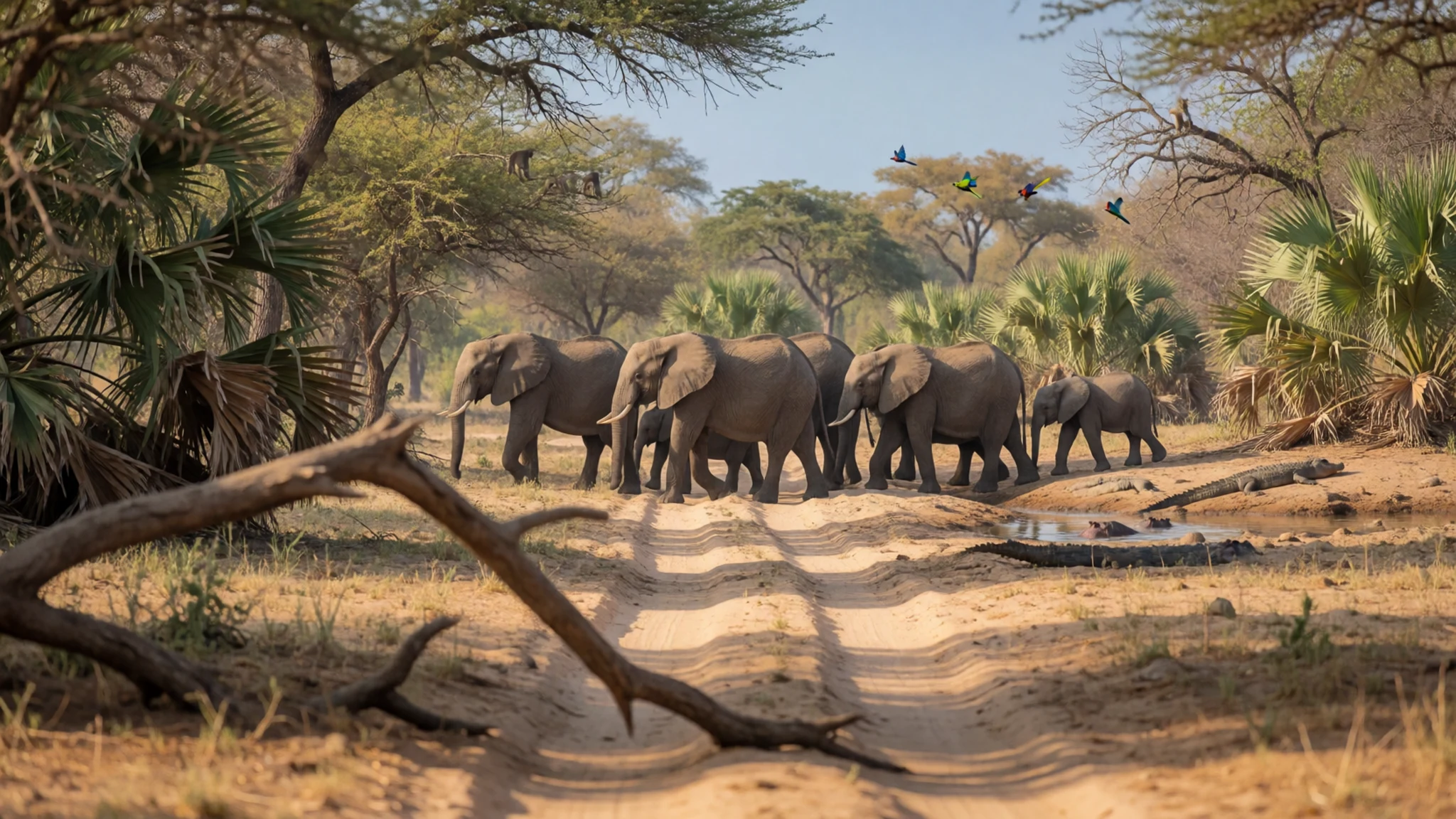
- Walk to Ponta Malongane — Coast north of Ponta do Ouro
The next settlement up the coast can be reached on foot along the sand, or by a sand track in a four-wheel-drive vehicle. The beach walk is flat but hot and shadeless, so go early, carry water and keep an eye on the tide and the sun.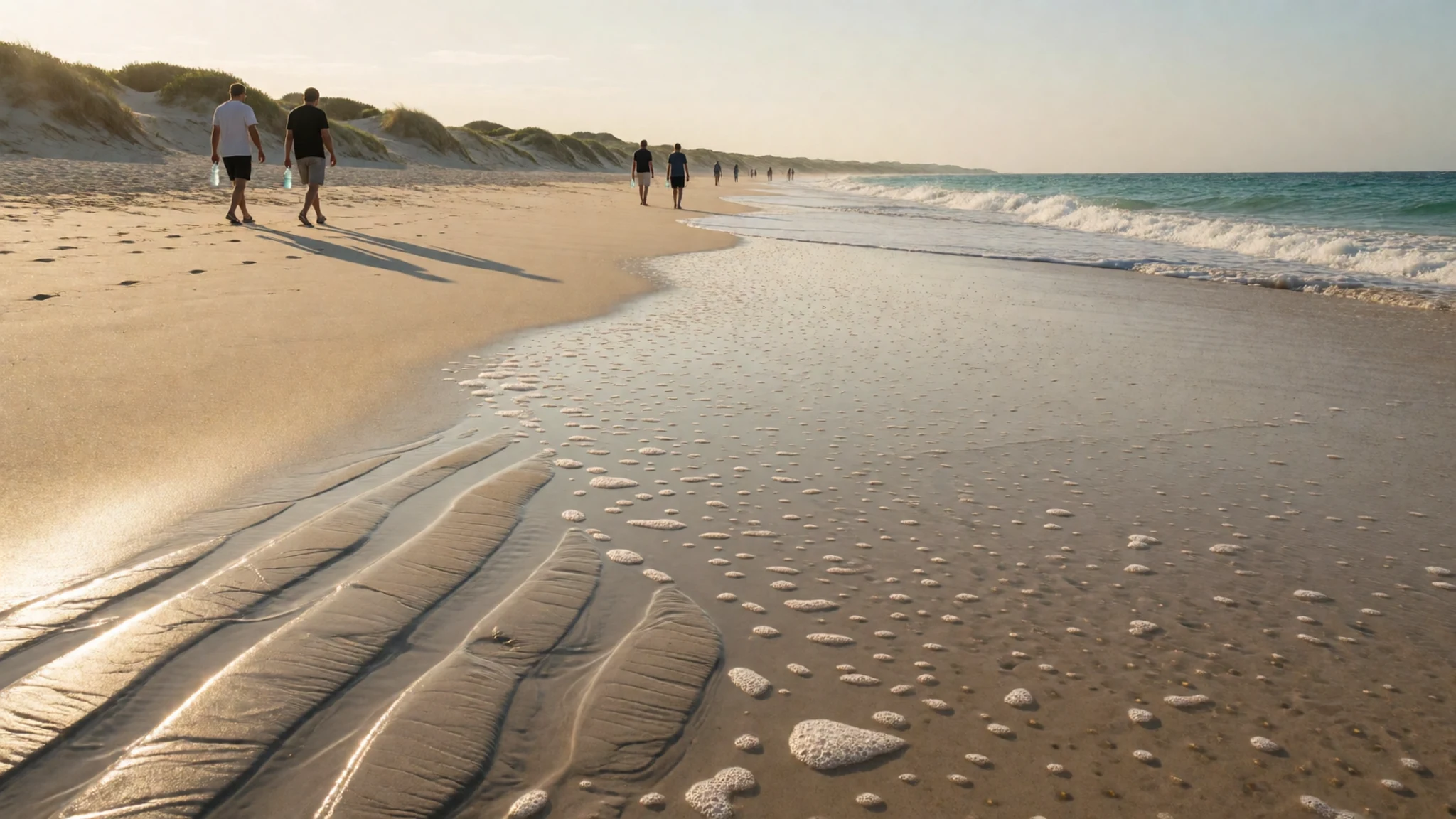
- Surf break and local market — Point and village centre
Surfers talk of a long, clean wave at the point when conditions line up, and the lineup has sharks, so ask locals before paddling out. Back in the village, the market sells handmade jewellery, fruit and juices, and the sand lanes are pleasant to wander.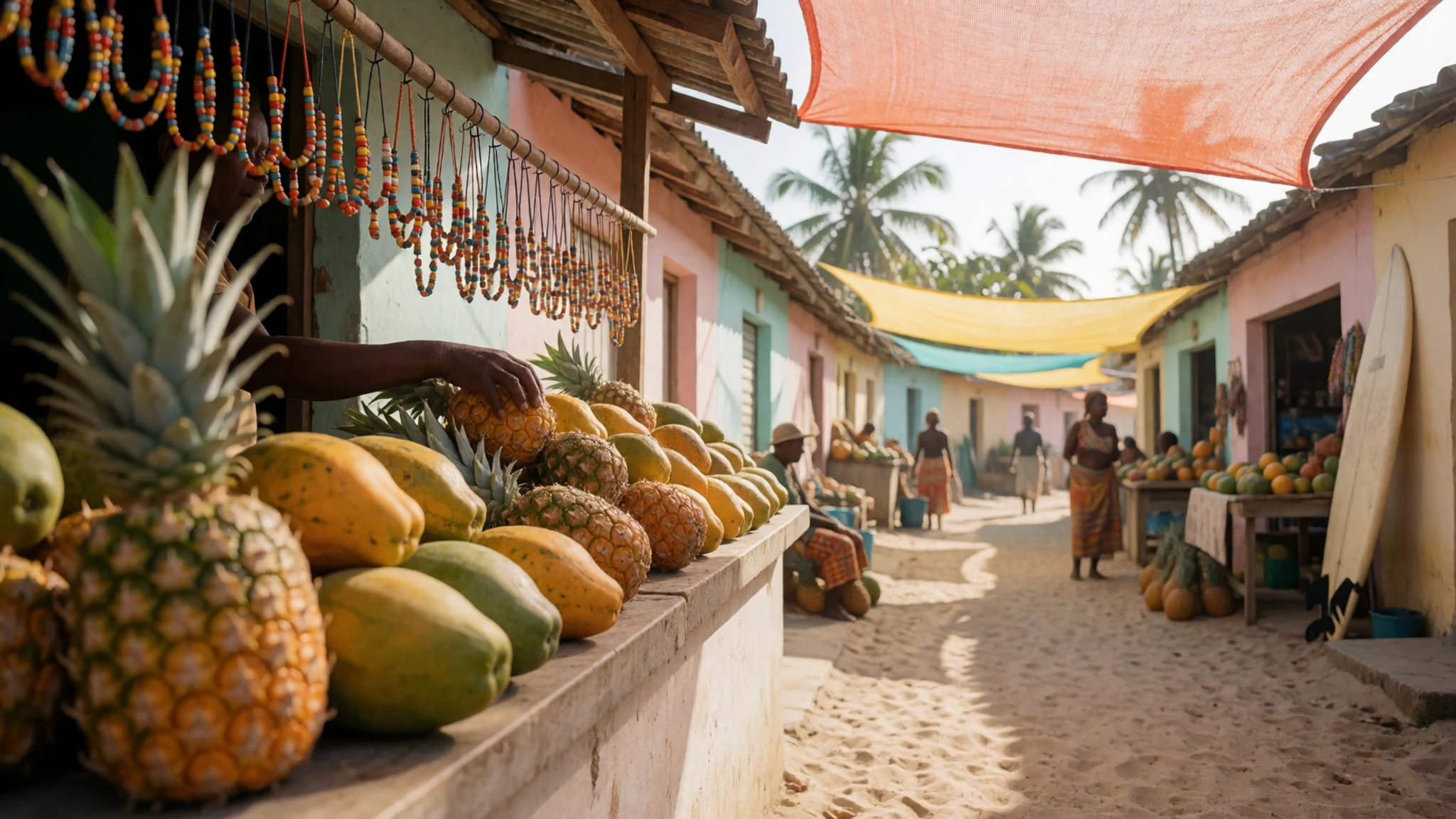
Culture
Ponta do Ouro sits in southern Mozambique, where Portuguese is the official language and local languages such as Changana are spoken at home and in the market. The village has two overlapping lives. One belongs to local families, fishers, market sellers and people who work in guesthouses and dive shops. The other belongs to the holidaymakers, mostly South Africans, who arrive for long weekends and school breaks with boats, quad bikes and cool boxes. The mix is easy-going, but it shows in the language on signs and menus, in the rands that circulate alongside the local currency, and in the lively beach-bar scene. Evenings revolve around bars and the shebeens, the informal local pubs, and a shebeen walk between Ponta do Ouro and Ponta Malongane is a popular way to meet people. Daytime life follows the sea: boats launch from the beach, divers gather at the shops, and dolphin trips head out on calm mornings. The wider coast is also protected ground, and the community has a growing stake in keeping reefs, turtles and dolphins healthy. Greetings matter, a short hello before any question or purchase goes a long way, and bargaining at the market is friendly rather than fierce. Always ask before photographing anyone, particularly market sellers and fishers at work, and respect a refusal with a smile.
What to wear
Ponta do Ouro is in a part of Mozambique where the capulana is the traditional cloth. It is a rectangle of printed cotton, bright with bold patterns, wrapped as a skirt, tied as a headscarf, or knotted to carry a baby on the back. Women wear it most often, especially at celebrations and church, and men may wear it as a wrap at home. Capulanas also double as beach cover-ups, tablecloths and gifts. Day to day, local people wear what suits heat and work: T-shirts, shorts, light dresses, and flip-flops or trainers, with the capulana for dressing up. Fishers and boat crews favour quick-drying shirts and caps. Among the holiday crowd, beachwear is the norm, with board shorts, bikinis, sun shirts and bare feet on the sand. For a visitor, the climate calls for light cotton or linen, a wide-brimmed hat, sunglasses and strong, reef-friendly sunscreen, because the sun on the water is fierce. A long-sleeved sun shirt is more useful than it sounds. Swimwear belongs on the beach; a shirt or wrap over it in the village shows respect. Sandals or flip-flops cope with the sand lanes, but bring closed shoes for park visits and walks, and a light jacket for boat trips and cool evenings in the winter months.
What to eat
- Grilled seafood and prawns — Beachside restaurants and small eateries in the village
Fresh fish and prawns come off the grill, often with a piri-piri sauce, garlic and lemon, and a side of chips or rice. The little places in the village serve a good meal without fuss, and the catch depends on what the boats brought in.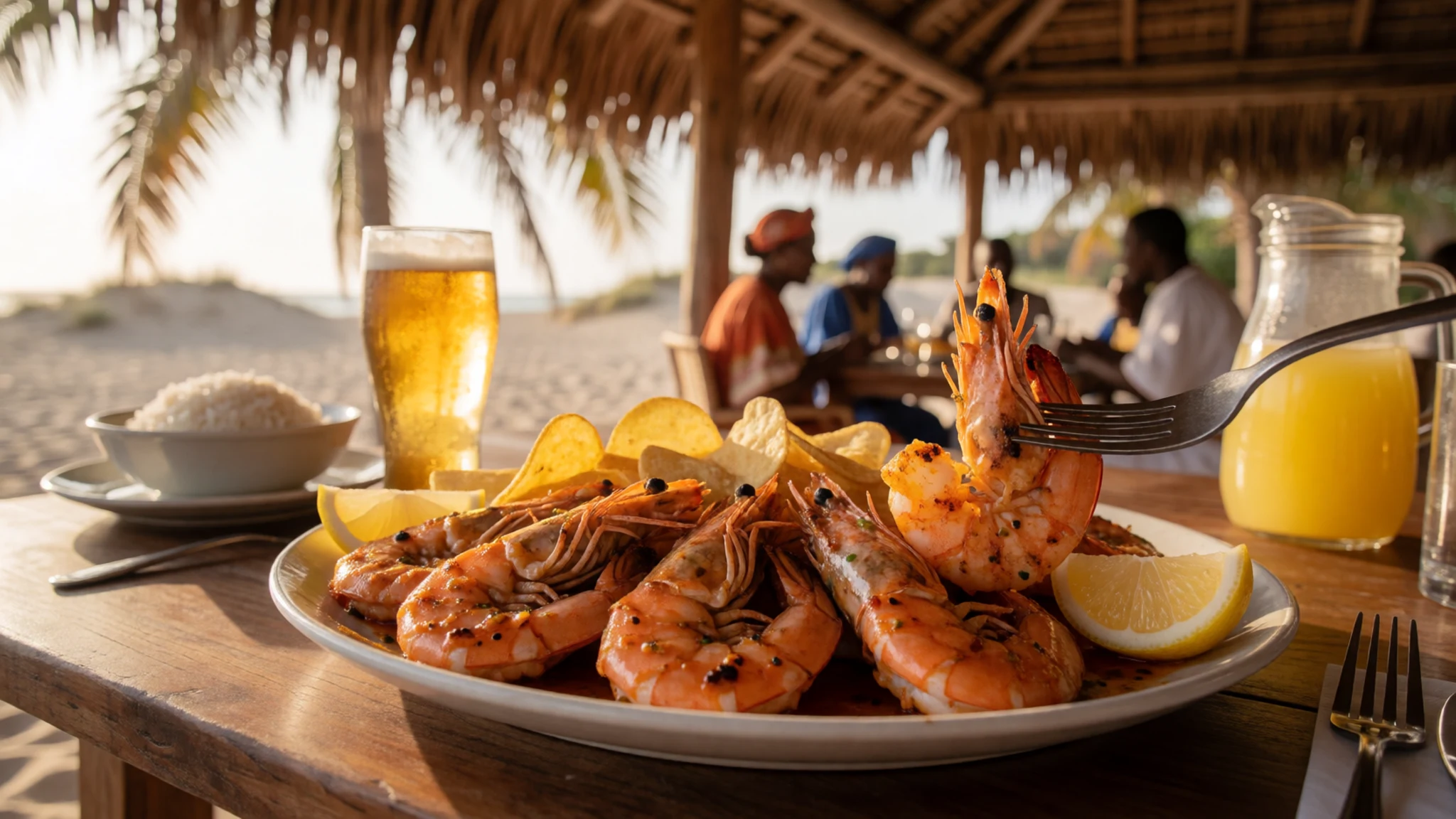
- 2M and Laurentina beer — Village bars, shebeens and beach restaurants
These are the two local lagers, cold and light, and a natural match for a hot afternoon after a dive or a walk. Opinion on whether they rival the world's famous beers is divided, but they suit the setting.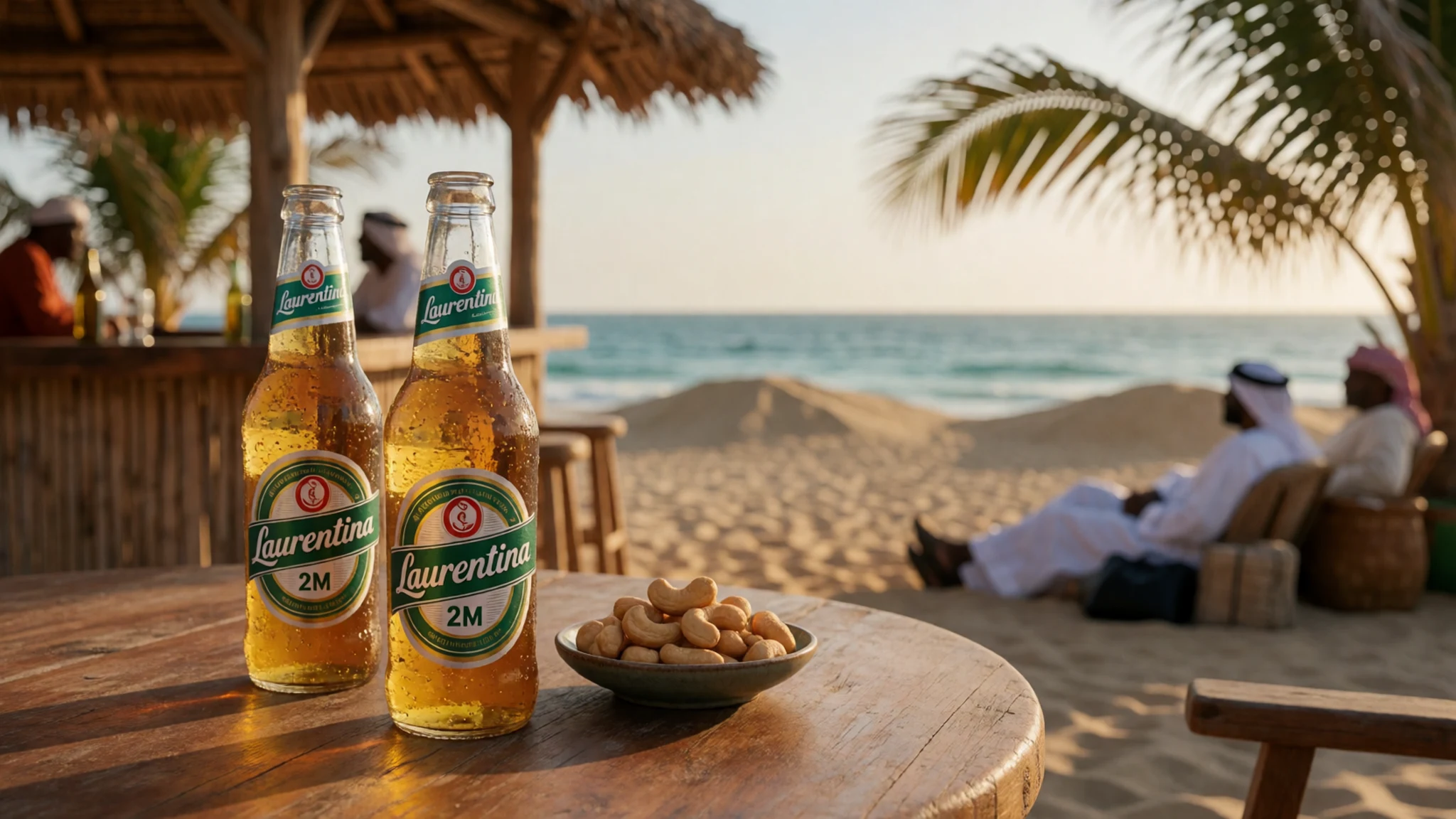
- Tipo Tinto rum and an R&R — Restaurants and bars along the main lanes
Tipo Tinto is a locally produced rum with a faint vanilla note. The popular order is an R&R, rum with raspberry juice, though pineapple juice works well too. The juices are sold at the local market. - Fresh pineapple and market juices — The village market
Pineapple and other fruit come from market stalls, along with juices that go into drinks or can simply be bought cold on a hot day. Prices are best asked at the stall, and small notes help with change. - Pizza and casual grills — Casual restaurants near the market and main lanes
For anyone tired of seafood, a pizza place and a few grills serve simple, filling meals. They are popular with holidaymakers after a day on the water, so tables can fill at weekends and in school holidays.
Plan it
Best time. May to October is the drier, cooler stretch, with comfortable days and good conditions for diving and walking; July to November is whale season. The hot, humid months around the turn of the year are wetter and busier with South African holidaymakers.
How long. 3–5
Getting there. Fly to Maputo, then take the tarred road south, crossing the long suspension bridge and passing through Maputo Elephant Reserve; chapas run daily and the journey takes roughly an hour and a half, while tour operators run transfers from Maputo and the Kosi Bay border. From South Africa, cross at Kosi Bay and expect a rough sand road that needs four-wheel drive. Beyond the main road in, village lanes are sand, so a high-clearance vehicle or a local transfer is wise.
Budget. mid
Tips
- Book dives, dolphin trips and accommodation ahead for South African school holidays and long weekends.
- Check tides before walking round the Point or along the beach to Ponta Malongane.
- Carry cash, including small notes, because card machines are not reliable in small shops and the market.
- Bring water, a hat and sunscreen, as the sun is strong and there is little shade on the beach.
- Check sea conditions and operator details directly, since boat trips depend on weather and swell.
Etiquette
- Greet people before asking questions or buying at the market.
- Ask before photographing anyone, especially at work.
- Never feed or chase dolphins, and keep clear of turtles and nests on the beach.
Nearby
Sources
- Wikidata Q2043834 (CC0)
- Wikipedia: Ponta do Ouro (rev 1385976055) (CC BY-SA 4.0)
- Wikivoyage: Ponta d'Ouro (rev 5414637) (CC BY-SA 4.0)
- Photo: Ponta do Ouro in the morning, Hein waschefort (CC BY 3.0)
- Photo: A red seaweed, possibly a Dasya, Derek Keats (CC BY 2.5)
- Photo: Cereanthid anemone, Derek Keats (CC BY 2.5)
- Photo: Colourful Dictyotalian brown seaweed, Derek Keats (CC BY 2.5)
- Photo: Divers admiring a very large potato bass, Derek Keats (CC BY 2.5)
- Photo: Grouper hiding under overhang of orange sponge, Derek Keats (CC BY 2.5)
- Photo: Ponta Beach Drive, Claus Wonnemann (CC BY-SA 4.0)
- Photo: Ponta do Ouro local roads, Hendrik van den Berg (CC BY 3.0)


Wildlife
- Indo-pacific bottlenose dolphin (animal)
The Indo-Pacific bottlenose dolphin is the grey sea-dweller with a pale, spotted tummy, as if dressed for a party. Around Ponta do Ouro, dolphins live offshore, so you are most likely to meet them from a boat rather than from the sand. The notes give no particular season or hour, so ask your guide what to expect on the day. Watch from a respectful distance, keep your voice low, let the dolphins choose whether to come near, and never offer them food.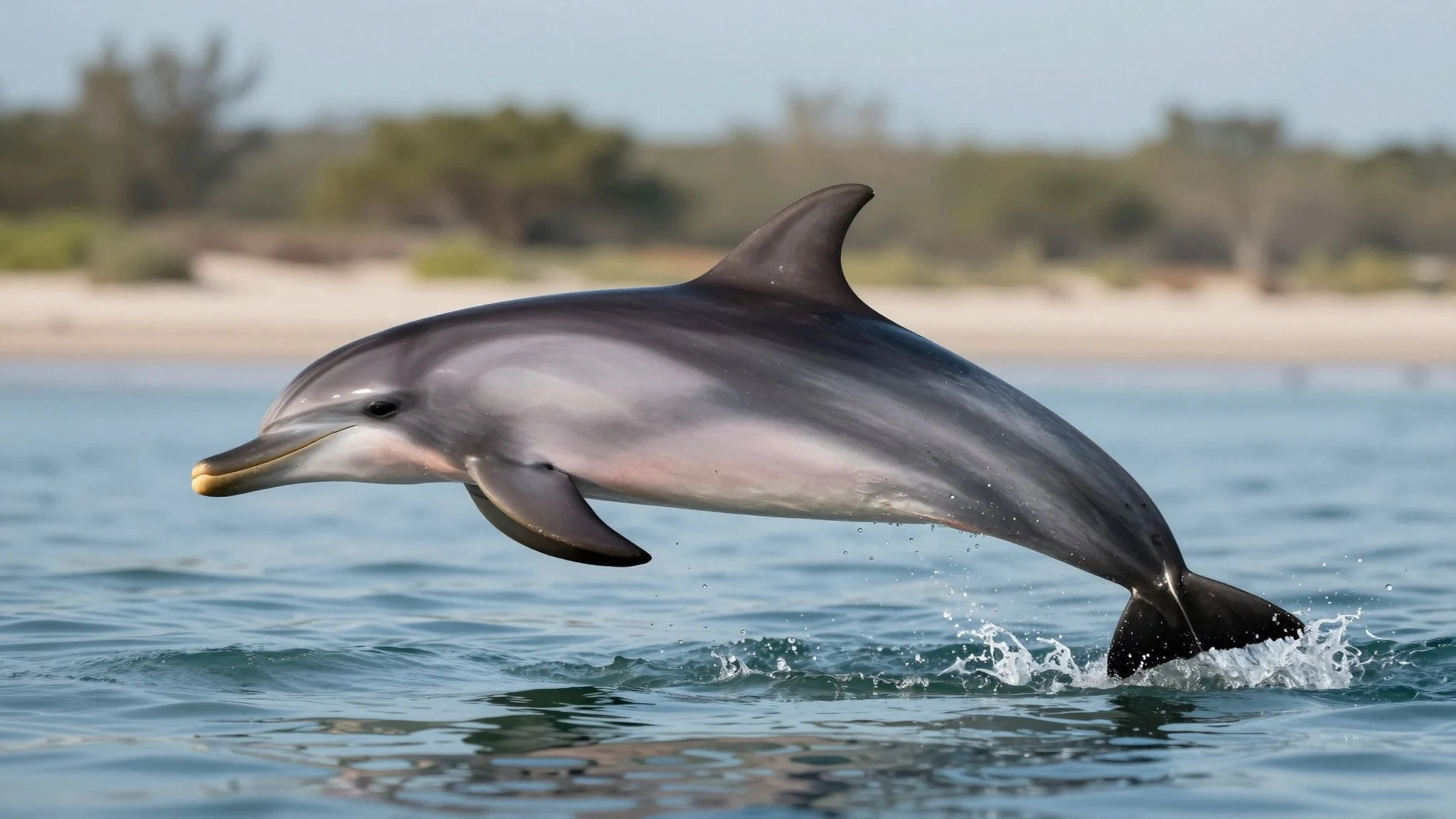
- Loggerhead sea turtle (animal)
The loggerhead is a sea reptile with a reddish-brown shell, rather like a tortoise that has learned to swim. Along the beaches of Ponta do Ouro, turtles come ashore to lay their eggs in season, and later the hatchlings make their way back down to the water. The notes do not say which months or hours, so ask locally. Go with a guide, keep well back, stay quiet, never feed them, and let the hatchlings find the sea alone.